

Industry Briefing
A single destination for timely, editor-curated robotics news from around the world.

AI-Enhanced Actuation-Compatible Tracking for Miniature Robot Navigation in Vivo
A recent study published in Science Robotics details advancements in AI-driven actuation-compatible tracking systems designed for miniature robots operating in vivo. This innovative approach aims to enhance closed-loop navigation capabilities, enabling more precise movements and interactions within biological environments. The significance of this development lies in its potential applications in medical robotics, where accurate navigation of miniature robots can lead to improved surgical procedures and targeted drug delivery. By integrating AI with actuation systems, these robots can adapt to dynamic biological conditions, thereby increasing their effectiveness in real-world scenarios. Looking ahead, researchers and industry professionals will be monitoring the progress of these technologies as they move towards practical applications in healthcare. The ongoing advancements in AI and robotics could pave the way for groundbreaking solutions in minimally invasive procedures and personalized medicine. No further timeline was disclosed at the time of publication.
Research Article
New AI Training Technique Enhances Robot Navigation in Crowded Areas
A research team led by Professor Daehee Park at DGIST, in collaboration with KAIST, has developed an innovative AI training method. This technique allows a single compact AI model to predict the movements of nearby individuals while planning safe navigation paths for robots, effectively minimizing performance degradation in both tasks. This advancement is significant as it addresses the challenges faced by robots in crowded environments, enhancing their ability to operate safely and efficiently. The research was presented at the 19th European Conference on Computer Vision (ECCV 2026) in Malmö, Sweden, highlighting its relevance in the field of robotics and AI. Looking ahead, the implications of this research could lead to improved robotic applications in various sectors, particularly in environments where human-robot interaction is critical. No further timeline was disclosed at the time of publication.
Robotics
US Defence Innovation Unit Successfully Tests GPS-Free Magnetic Navigation System for Aircraft
The US Defence Innovation Unit (DIU) has completed a successful flight test of a magnetic navigation system designed to guide aircraft without reliance on GPS. This advancement marks a significant step in developing navigation technologies that can operate in environments where GPS signals are weak or unavailable. The ability to navigate aircraft across open oceans without GPS is crucial for enhancing operational capabilities in military and commercial aviation. This technology could provide a reliable alternative for navigation in remote areas, potentially improving safety and efficiency in flight operations. Looking ahead, the implications of this successful test could lead to further developments in navigation systems that enhance aircraft autonomy. No further timeline was disclosed at the time of publication.
News
SFPathFormer Enhances Robot Navigation Using AI Framework and Advanced Techniques
SFPathFormer has significantly improved robot navigation capabilities by integrating frequency-aware perception, dynamic feature selection, and global environmental modeling across four benchmark datasets. This advancement is crucial as it enhances the efficiency and accuracy of vision-based navigation systems in robotics. The importance of this development lies in its potential to optimize how robots perceive and interact with their environments, which is essential for various applications in automation and intelligent manufacturing. By leveraging these advanced techniques, SFPathFormer sets a new standard for performance in robot navigation. Looking ahead, industry professionals should monitor the implementation of SFPathFormer in real-world scenarios and its impact on the robotics landscape. No further timeline was disclosed at the time of publication.

Study on Cooperative Navigation Methods for Autonomous Underwater Vehicles in Terrain Mapping
A recent study published in the Journal of Field Robotics explores cooperative navigation methods for autonomous underwater vehicles (AUVs) in terrain mapping. The research focuses on enhancing the accuracy and efficiency of AUVs when mapping underwater environments through collaborative navigation techniques. This research is significant as it addresses the challenges faced by AUVs in accurately mapping complex underwater terrains. By improving navigation methods, the study aims to facilitate better data collection for various applications, including environmental monitoring, underwater exploration, and resource management. Looking ahead, the implications of this research could lead to advancements in AUV technology and its applications in marine research. No further timeline was disclosed at the time of publication.
RESEARCH ARTICLE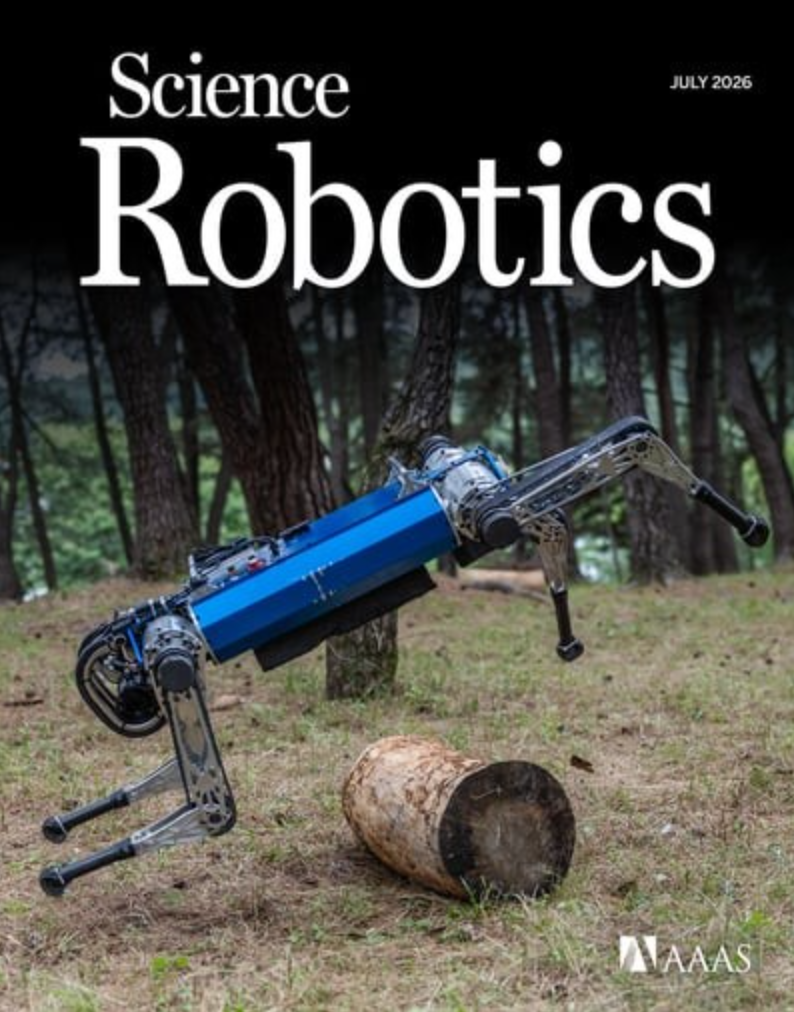
KAIST Unveils Advanced Four-Legged Robot with Autonomous Navigation Technology
KAIST's mechanical engineering team, led by Professor Park Hai-won, announced a breakthrough in robotic technology on July 16. They developed a four-legged robot capable of autonomously selecting and switching between various gaits in real-time, enabling it to navigate complex outdoor environments with speed and stability. This innovation is significant as it integrates a new control architecture called APT-RL (Action Pre-training Reinforcement Learning based on Transformers), which allows the robot to learn movement through computer simulations rather than traditional motion capture. The robot, named KAIST HOUND, demonstrated its capabilities by traversing diverse terrains, achieving peak speeds of 6 meters per second, faster than an average cyclist. Future developments to watch include the potential applications of this technology in disaster response, defense tasks, and industrial inspections. The research was published in the July issue of the journal Science Robotics, highlighting its importance in advancing the field of robotic control and physical AI.
Four-Legged Robots Robotics Technology AI Autonomous Navigation
Humanoid Robots Enhance Navigation in Cluttered Environments with Whole-Body AI Control
Humanoid robots, designed with human-like body structures, have the potential to assist in various environments such as homes, offices, and healthcare facilities. However, for effective deployment, these robots must demonstrate the ability to navigate safely through cluttered and dynamic spaces. This capability is essential for their integration into everyday settings where obstacles are common. The ability of humanoid robots to navigate narrow gaps and obstacles is crucial for their functionality in real-world applications. This advancement in whole-body AI control technology is significant as it enhances the robots' adaptability and safety, making them more reliable companions in environments that require interaction with humans and other objects. Looking ahead, the focus will be on further developing these navigation capabilities to ensure that humanoid robots can operate effectively in diverse settings. No further timeline was disclosed at the time of publication.
Robotics
Light Origins Releases Open-Source LightNav-0 Navigation Model for Monocular Systems
Light Origins has announced the open-sourcing of LightNav-0, a navigation model based on Qwen3-VL-4B. This model was trained using the Real2Sim2Real methodology, incorporating over 2,000 scenes and more than 4,000 hours of Visual Language Annotation (VLA) data. It excels in leading 10 monocular navigation benchmarks with zero-shot body transfer capabilities. The significance of this development lies in its potential to enhance navigation systems across various applications. By leveraging extensive training data and advanced methodologies, LightNav-0 aims to provide robust performance in real-world scenarios, making it a valuable resource for researchers and developers in the field of navigation technology. Looking ahead, stakeholders in the robotics and AI sectors should monitor the adoption and performance of LightNav-0 in practical applications. The open-source nature of this model may encourage further innovation and collaboration, potentially leading to advancements in navigation solutions that utilize monocular systems. No further timeline was disclosed at the time of publication.
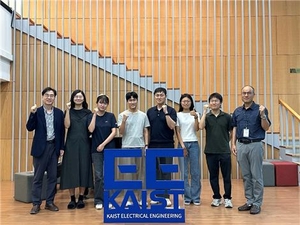
KAIST's Urban Robotics Lab Achieves Top Honors in International Navigation Challenges
KAIST's Urban Robotics Lab secured first and second place in two prestigious international robot navigation challenges. The team developed an AI system that enables robots to self-verify their decisions, ensuring they reach the correct destination. This innovative self-checking technology was instrumental in their success at the competitions held in Malmo, Sweden, and Sydney. The significance of this achievement lies in the advancement of embodied artificial intelligence, which allows robots to better understand human instructions and navigate complex environments. By addressing common navigation errors, such as misidentifying destinations, KAIST's technology enhances the reliability of robotic systems in real-world applications. The competitions were part of the European Conference on Computer Vision 2026 and Robotics: Science and Systems 2026, highlighting the importance of AI in robotics. Looking ahead, the focus will be on further refining the CoRe-VLN system, which utilizes AI to analyze visual and textual data for improved navigation accuracy. No further timeline was disclosed at the time of publication.
All News
Employing AI for Navigation in Lunar Crater Environments
Navigating unfamiliar terrains can be difficult, particularly in environments like the Moon's surface. The use of AI technology is being explored to enhance navigation capabilities in such challenging landscapes. This advancement is significant as it could lead to improved exploration and research opportunities on the Moon. By utilizing AI for navigation, missions can become more efficient and safer, allowing for better data collection and analysis. Looking ahead, the integration of AI in lunar navigation systems will be crucial for future missions. Continued developments in this area may pave the way for more sophisticated exploration techniques and technologies in extraterrestrial environments. No further timeline was disclosed at the time of publication.
International Team Develops Robots Learning to Navigate Terrain from Stick Insects
An international team from Tohoku University and VISTEC is studying stick insects to enhance robot navigation in challenging terrains. The research focuses on the insect's six legs, which allow for agile movement across various surfaces, surpassing current multi-legged robots in coordination. By employing adversarial inverse reinforcement learning, the team enabled a six-legged robot to autonomously learn to navigate diverse terrains within an hour by observing stick insect locomotion. This research is significant as it proposes a shift from traditional biomimetic approaches that require specific programming for each robot and terrain. Instead, the team aims to extract fundamental movement control principles, allowing robots to adapt to changing environments without extensive reprogramming. This adaptability is crucial for disaster scenarios where uneven surfaces and obstacles are prevalent, particularly in earthquake-prone Japan, where the demand for effective rescue robots is high. Looking ahead, the team plans to validate the learning system's robustness in realistic rubble environments and explore the potential for robots to compensate for lost limbs through continuous learning. The implications of this research could redefine how robots navigate complex terrains, making them more effective in emergency situations.
Robotics Disaster Response Machine Learning Bio-inspired Robotics
RoboBall: A Novel Inflatable Robot for Moon Exploration and Challenging Terrain Navigation
A team from Texas A&M University has developed RoboBall, a 1.8-meter diameter inflatable robot designed to traverse diverse terrains on the Moon. This innovative approach, which began as a NASA project in 2003, aims to address the critical challenge of tipping over faced by traditional wheeled or legged rovers. RoboBall's spherical design allows it to roll over obstacles while protecting its internal components from harsh lunar conditions. The significance of RoboBall lies in its potential to enhance lunar exploration, particularly in the Moon's south polar region, where permanent shadow areas may contain water ice and ancient geological layers. Scheduled for a paper presentation at an IEEE conference in December 2025, the team is also developing a dual lidar module named Remora to help the robot navigate slopes without compromising its sealed structure. This innovation could provide crucial data for autonomous navigation in challenging environments. As global interest in lunar exploration intensifies, with NASA's $20 billion lunar base plan set for completion by 2032, RoboBall could play a vital role in future missions. The research team is also investigating terrestrial applications for RoboBall, such as disaster response, showcasing the robot's versatility in extreme conditions. No further timeline was disclosed at the time of publication.
Lunar Exploration Robotic Innovation Terrain Navigation Disaster Response Space Robotics
Researchers Develop Six-Legged Robot Mimicking Stick Insect for Uneven Terrain Navigation
Researchers from Tohoku University and VISTEC have created a six-legged robot that learns to walk by imitating stick insect movements. This AI-powered system adapts its walking strategies to navigate various surfaces, potentially enhancing robotic operations in challenging environments such as disaster zones. The significance of this development lies in its ability to overcome limitations of traditional robotic gait systems, which often rely on fixed patterns. By employing adversarial inverse reinforcement learning (AIRL), the robot learns coordination principles from biological data, enabling it to maintain stability even on uneven terrain. Looking ahead, the ability of the robot to adapt to changes, such as losing a leg, demonstrates its potential for real-world applications. The researchers also noted that the learned reward structure could be transferred to different robot models, improving efficiency in training and adaptability across various robotic platforms. No further timeline was disclosed at the time of publication.
AI and Robotics
Cyborg Cockroaches Utilize AI for Enhanced Terrain Navigation Speed
Cyborg insects, integrating biological mobility with electronic devices, are being developed to improve navigation capabilities. Recent advancements in AI-powered terrain recognition are enabling these cyborg cockroaches to navigate their environments more efficiently. This innovation is significant as it opens up new possibilities for applications in search-and-rescue missions, infrastructure inspections, and exploration of challenging environments where traditional robots may struggle. The combination of living organisms and technology presents unique advantages in mobility and adaptability. Looking ahead, the continued development of AI technologies in cyborg insects will be crucial to enhancing their operational capabilities. Future milestones may include further improvements in navigation speed and the expansion of their use cases in various sectors. No further timeline was disclosed at the time of publication.
Robotics
Deep Robotics' DR02 Humanoid Robot Demonstrates Stair Climbing and Terrain Navigation
Deep Robotics has unveiled new footage of its DR02 humanoid robot successfully climbing outdoor concrete stairs, showcasing its capability to navigate challenging terrains. This demonstration marks a pivotal moment for the Hangzhou-based company as it advances its development and commercialization strategies, positioning the DR02 for complex real-world tasks. The significance of this demonstration lies in the competitive landscape of Chinese robotics, where investors are keen to see humanoid robots perform reliably in practical environments. The DR02's ability to traverse uneven surfaces and carry equipment, such as a fire extinguisher, highlights its potential for industrial applications and hazardous environments. Looking ahead, Deep Robotics is preparing for a significant financial milestone with its application to raise approximately $367.4 million through an initial public offering on Shanghai’s STAR Market. As the company aims to build on its first-ever net profit of about $4.2 million reported in 2025, the ongoing development of the DR02 will be crucial in attracting investor confidence and demonstrating the robot's capabilities in real-world scenarios.
AI and Robotics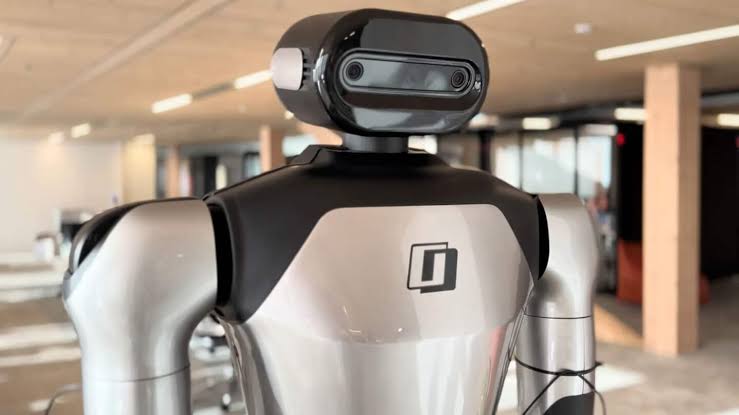
Mistral AI Introduces Robostral Navigate for Autonomous Robotic Navigation
Mistral AI has launched Robostral Navigate, the first AI model specifically designed for robotic navigation. This marks a significant shift for the French company, which has previously focused on large language models, as it ventures into Physical AI. The goal is to enable robots to understand natural language instructions, interpret their surroundings using a standard RGB camera, and plan routes without relying on complex sensor infrastructures. The introduction of Robostral Navigate is important as it simplifies the navigation process, traditionally reliant on multiple technologies like LiDAR and depth cameras, which are costly and complex to integrate. By utilizing only RGB images and natural language commands, Mistral AI's approach could significantly reduce costs for robot manufacturers. An RGB camera is much cheaper than industrial LiDAR sensors, making this technology more accessible. Robostral Navigate operates on a model with 8 billion parameters, balancing computational power and operational efficiency. This size allows for faster execution on embedded platforms with limited resources, crucial for timely navigation decisions. Mistral AI trained the model on nearly 400,000 trajectories across over 6,000 simulated environments, showcasing its potential for real-world applications. No further timeline was disclosed at the time of publication.
À la une IA Industrie Robotique AMR benchmark R2R-CE
MIT and EPFL Develop Flapping-Wing Robot for Air and Water Navigation
Engineers from MIT and EPFL have created a flapping-wing aerial-aquatic vehicle (FAAV) inspired by puffins. Weighing under 300 grams, the robot features a central fuselage, flexible wings, and a steerable tail. Field tests in Lake Geneva demonstrated its ability to swim and then take flight, showcasing its dual-medium capabilities. This innovation is significant for oceanography and marine biology, as it allows for cost-effective data collection from both air and water. The FAAV can fly at speeds of 6 meters per second and swim at 1 meter per second, providing a versatile tool for researchers. The design mimics the natural mechanics of birds, which maintain similar physical dynamics in both environments by adjusting their speed. Looking ahead, the team aims to refine the robot's ability to breach the water's surface, a challenging transition requiring a precise 70-degree pitch. No further timeline was disclosed at the time of publication, but the potential applications for environmental monitoring and research are substantial.
AI and Robotics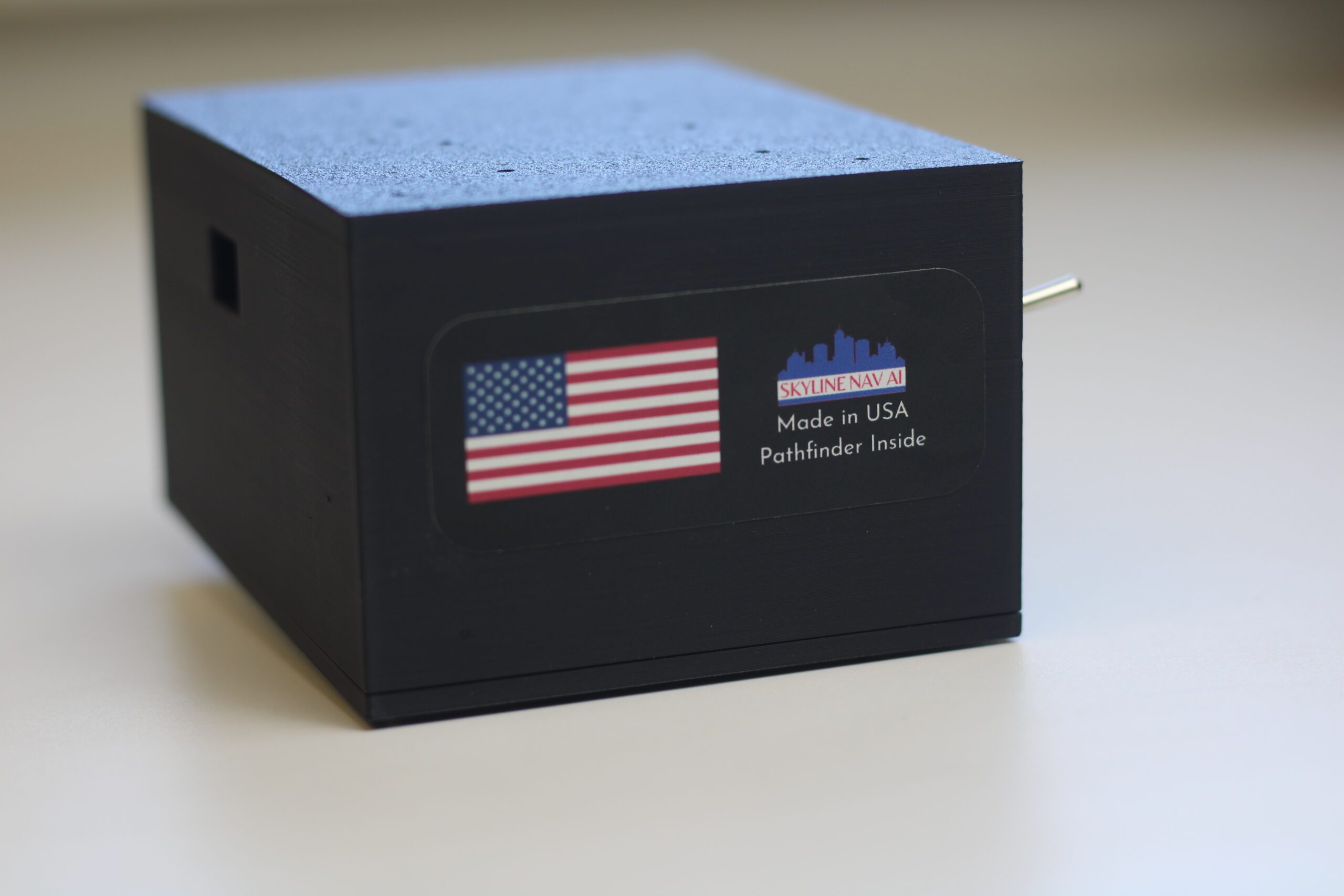
Skyline Nav AI Develops GPS-Independent Navigation Software for Drones
Skyline Nav AI, founded in 2020, specializes in low-cost GPS-independent visual positioning and navigation software aimed at defense and public safety sectors. The company was established in response to the increasing disruption of GPS signals, which can be easily jammed or spoofed, as highlighted by CEO Kanwar Singh's experiences in the Army National Guard. The significance of Skyline's technology is underscored by the growing reliance on drones in modern warfare, particularly in conflicts like those in Ukraine and the Middle East. As adversaries increasingly employ GPS jamming tactics, the need for reliable navigation solutions has become critical. Skyline's products, including the Pathfinder series, are designed to operate effectively in GPS-denied environments, attracting clients such as the U.S. Air Force and NASA. Looking ahead, Skyline Nav AI's innovative approach to drone navigation could reshape operational capabilities in military and public safety applications. The company’s focus on integrating advanced computer vision and machine learning into its products positions it well for future developments in autonomous systems. No further timeline was disclosed at the time of publication.
communications connectivity Drone News Drone News Feeds Feature 1 News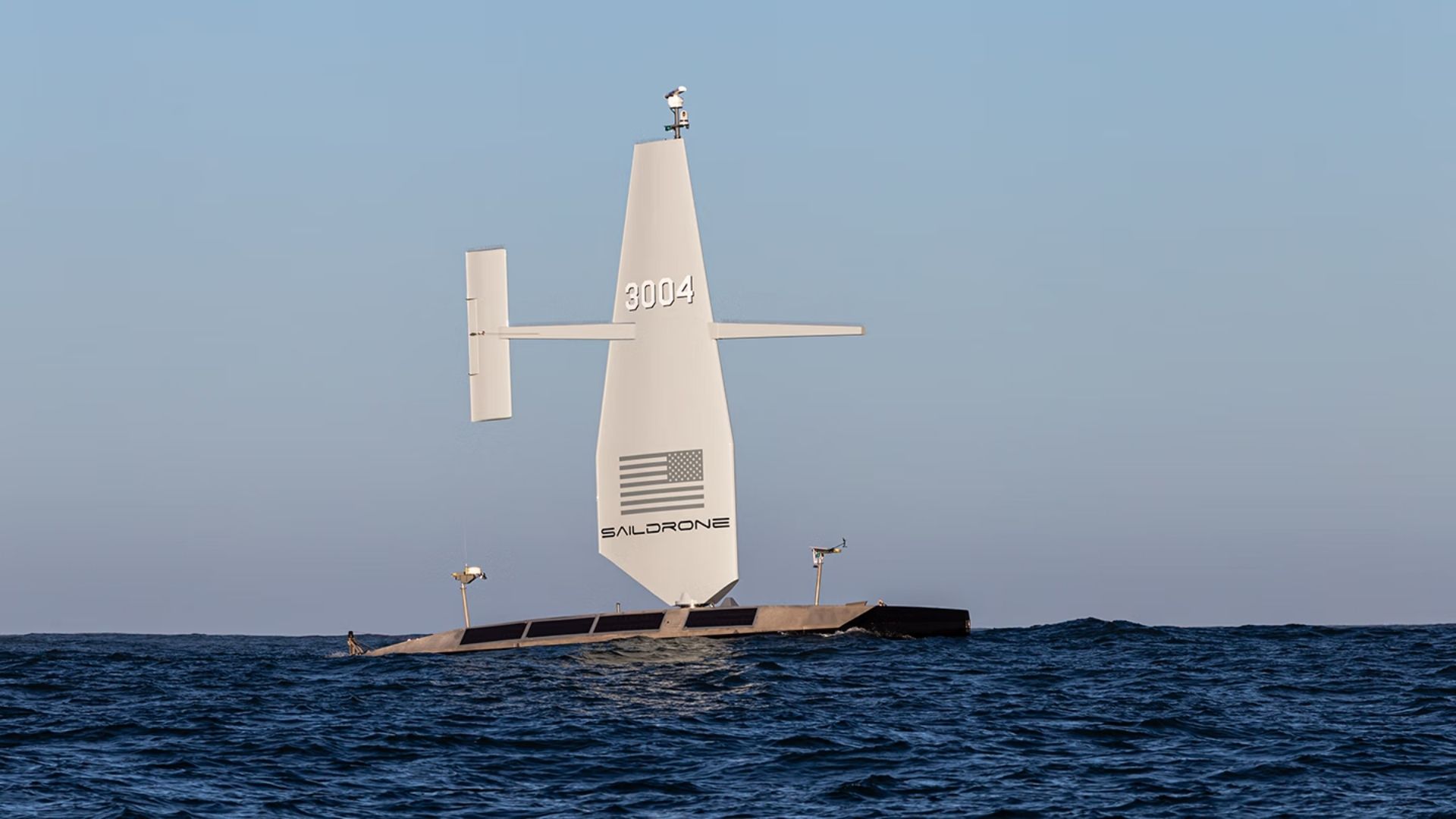
US Navy Awards $10 Million to Saildrone for Atlantic Seabed Mapping with USVs
The US Navy has awarded a $10 million contract to Saildrone to utilize autonomous vessels for mapping the Atlantic Ocean floor. This initiative, assigned by the Naval Oceanographic Office, is set to commence in 2026 and will continue through most of 2027, enhancing military knowledge of critical underwater terrain. This project is significant as it aims to improve safe navigation and support submarine missions, anti-submarine warfare, and critical infrastructure protection. Currently, only 28.7 percent of the world's oceans have been mapped to modern standards, leaving substantial knowledge gaps that can pose operational risks for naval operations. Looking ahead, the deployment of Saildrone's Surveyor unmanned surface vessels will not only provide high-resolution bathymetric data but also measure ocean currents, aiding search-and-recovery operations. No further timeline was disclosed at the time of publication.
Military
Alibaba Introduces Over 50 Innovations Across 20+ Apps on HarmonyOS Platform
Alibaba has launched more than 20 applications featuring over 50 innovations native to HarmonyOS. These include Amap's AR walking navigation, DingTalk's AI meeting capabilities through Xiaoyi, and Taobao's immersive browsing experience, alongside Qwen's unified drag-and-drop AI analysis. This significant rollout highlights Alibaba's commitment to enhancing user experience within its ecosystem by leveraging Huawei's HarmonyOS. The integration of advanced features across various applications aims to streamline workflows and improve accessibility for users, showcasing Alibaba's strategic focus on innovation. Looking ahead, industry observers will be keen to see how these new features impact user engagement and adoption rates within Alibaba's ecosystem. No further timeline was disclosed at the time of publication.
Industry
Mistral AI Launches First Robot Navigation Model: Single Camera with 8 Billion Parameters
Mistral AI has introduced its inaugural robot model, Robostral Navigate, designed for autonomous navigation in complex environments. This new robot employs a single RGB camera and responds to natural language commands, achieving a notable success rate of 76.6%. By eliminating the reliance on lidar and depth sensors, Mistral AI presents a cost-effective solution tailored for commercial applications, particularly in warehousing and logistics. The efficiency of Robostral Navigate is further bolstered by advanced training techniques and algorithms, marking a significant step forward in robotics technology.
Robot Navigation AI Technology Computer Vision Autonomous Robots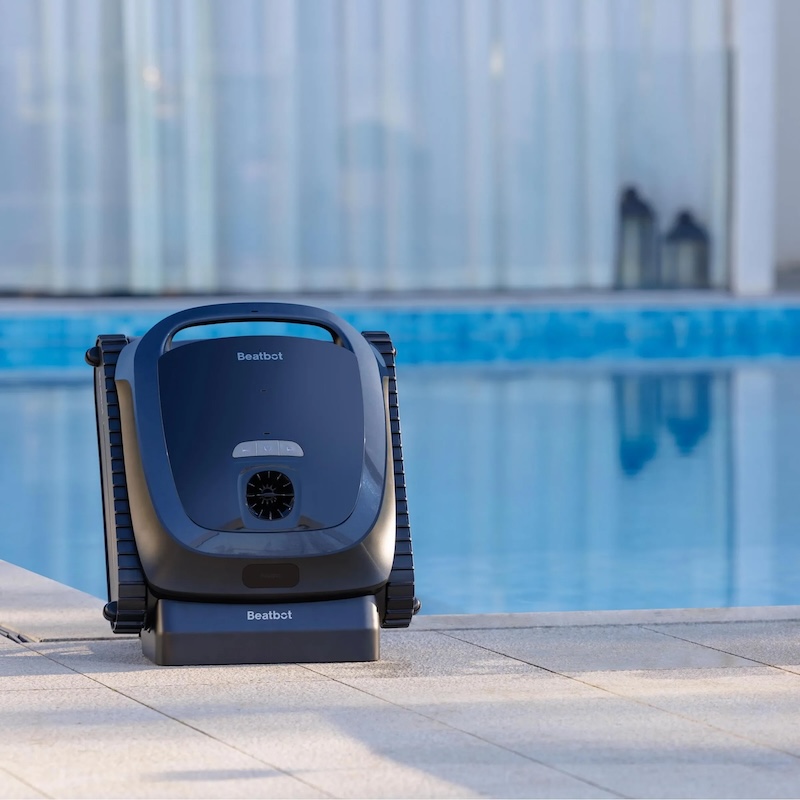
How AI Navigation is Improving the Performance of Robotic Pool Cleaners
Robotic pool cleaners have evolved beyond traditional metrics such as suction power and debris collection, with a significant emphasis now placed on navigation capabilities. Previously, these devices were primarily evaluated based on their ability to pick up dirt and debris, but advancements in technology have shifted the focus to how effectively they can navigate a pool's surface. A robot that operates randomly may clean certain areas thoroughly while neglecting others, leading to inconsistent cleaning results. This change in evaluation criteria reflects a growing understanding that efficient navigation is crucial for maximizing the overall performance of pool cleaning robots. As manufacturers continue to innovate, the integration of sophisticated navigation systems is becoming a key factor in the design and functionality of these devices, ensuring a more comprehensive cleaning experience for pool owners.
Artificial Intelligence Environment Technology AI navigation ai robotics AquaSense 2 Ultra
Research on Orchard Navigation Path Planning Based on 3D LiDAR SLAM Considering Terrain Roughness
A recent study published in the Journal of Field Robotics highlights advancements in autonomous robotic systems designed for agricultural applications. Researchers from a consortium of universities and tech companies conducted the study to address the growing need for efficient farming solutions amid rising labor costs and food demand. The research, which began in early 2023, took place across various agricultural sites in California, focusing on the integration of robotics in crop monitoring and harvesting. The team developed a prototype robot equipped with advanced sensors and machine learning algorithms, enabling it to navigate fields and collect data on crop health. This innovation aims to enhance productivity and reduce the reliance on manual labor, which has become increasingly scarce. The researchers conducted extensive field tests to evaluate the robot's performance and adaptability to different farming conditions. The findings suggest that these autonomous systems could significantly improve yield and reduce waste, addressing both economic and environmental challenges in agriculture. The study underscores the potential of robotics to transform traditional farming practices, paving the way for more sustainable and efficient food production methods in the future.
RESEARCH ARTICLE
Taiwan unveils AI drone navigation system that flies through GPS jamming
Taiwan’s Aerospace Industrial Development Corporation (AIDC), a state-backed entity, has introduced an innovative AI-powered navigation system aimed at enhancing the capabilities of its aerospace technology. This announcement was made during a press conference held on October 15, 2023, in Taichung, Taiwan. The new system is designed to improve the safety and efficiency of aircraft operations, reflecting AIDC's commitment to advancing the nation’s aerospace industry amid growing global competition. By integrating artificial intelligence into navigation processes, AIDC aims to streamline flight operations and reduce the risk of human error. The development of this technology comes as part of Taiwan's broader strategy to bolster its defense capabilities and maintain technological sovereignty in the face of regional tensions.
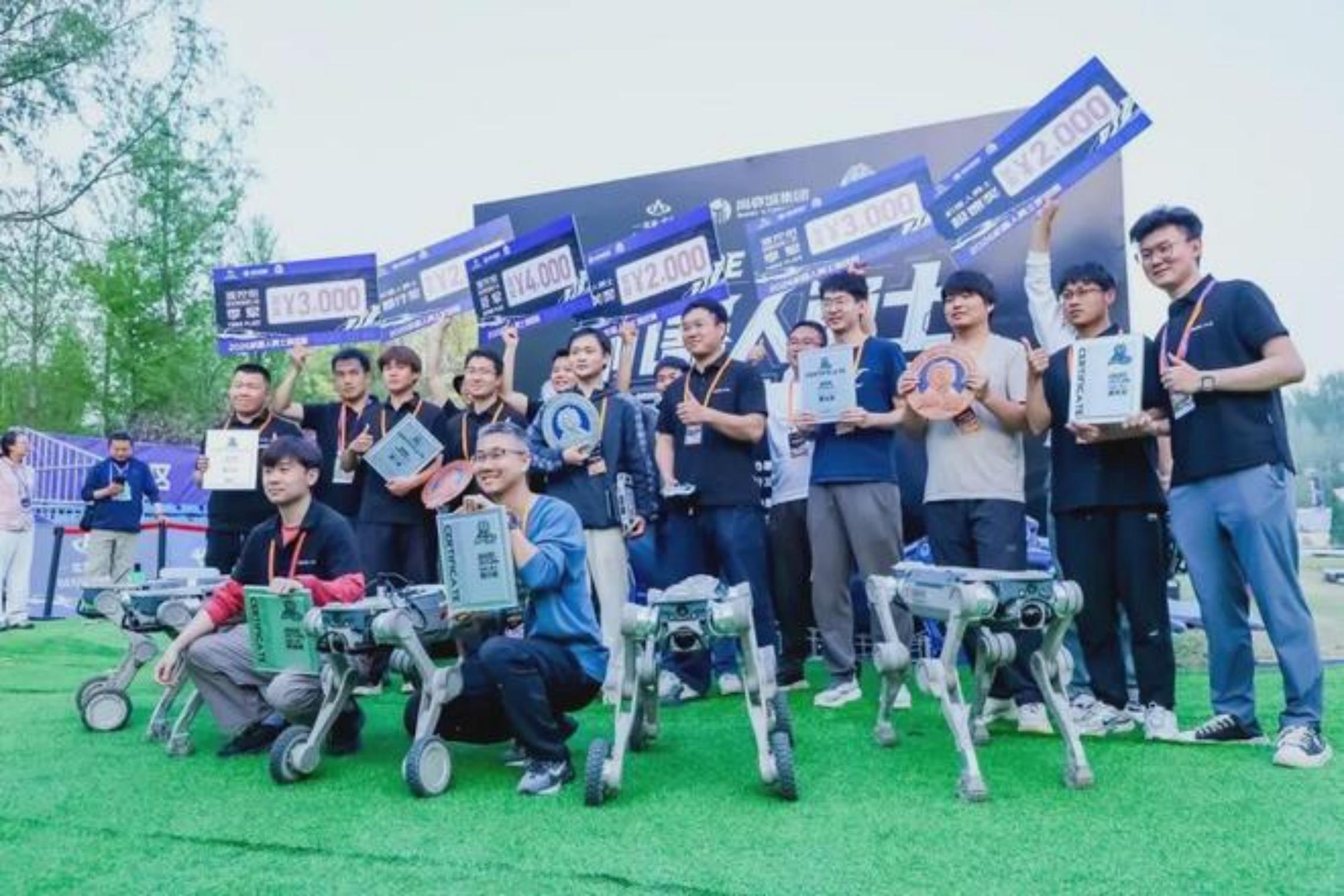
Warrior Challenge: The Biggest Winner in the 'No-Man's Land'! How GENISOM AI Overcame the Crucial Barrier of Autonomous Navigation
At the recent Warrior Challenge, GENISOM AI's quadruped robot, Tongchui M1, demonstrated exceptional performance in autonomous navigation, securing multiple awards. The competition, which took place in a series of complex environments, underscored the significance of real-world adaptability in robotics. Notably, Tongchui M1 successfully completed all ten challenging tasks without the need for remote control, showcasing its advanced capabilities and innovative technology. This achievement highlights the growing potential of autonomous systems in navigating intricate terrains and performing tasks independently.
Quadruped Robots Autonomous Navigation Robotics Competitions AI Technology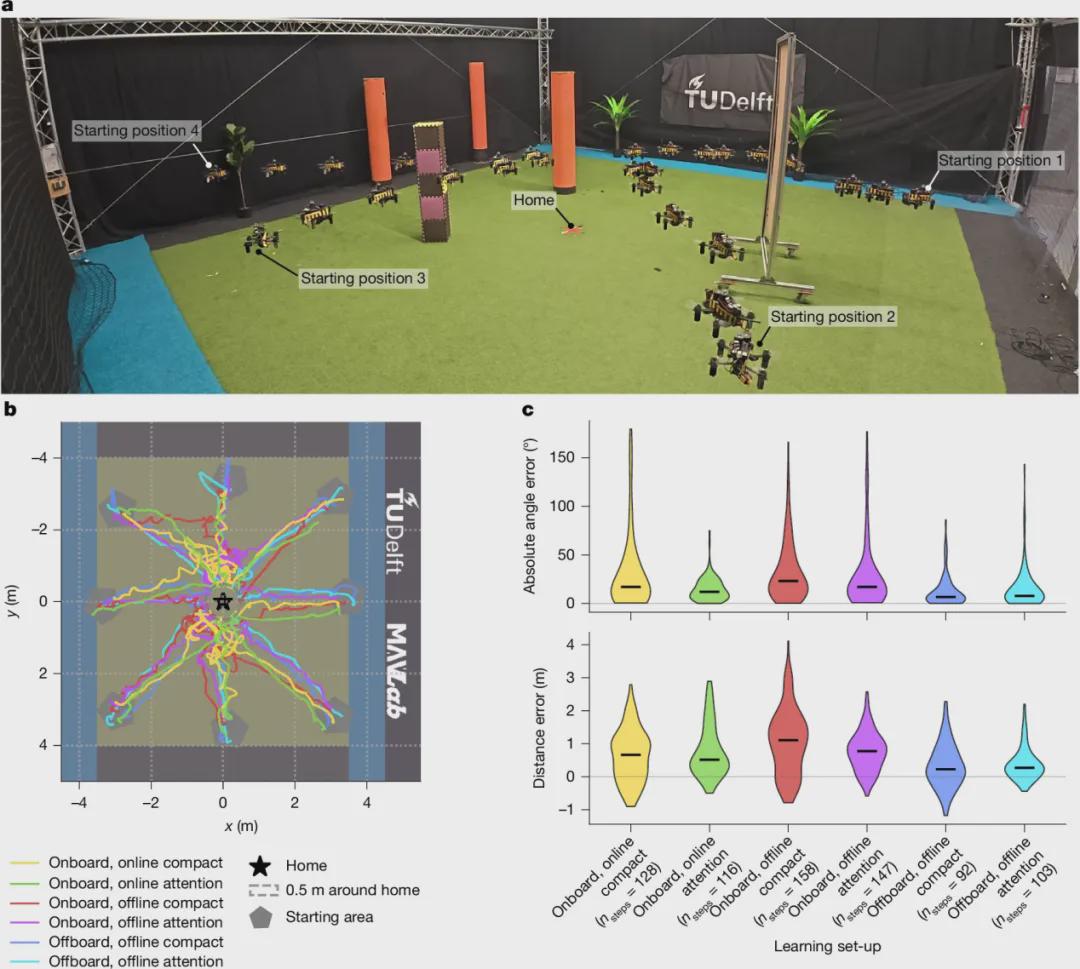
Bees Inspire Navigation! This Small Flying Robot Uses a 42KB 'Brain' to Fly 600 Meters Home
Researchers at Delft University of Technology have unveiled Bee-Nav, an innovative navigation strategy for flying robots, drawing inspiration from the natural navigation abilities of bees. This lightweight system enables the robot to successfully return home after traveling a distance of 600 meters, utilizing a compact 42.3KB neural network. The breakthrough combines path integration with visual memory, enhancing the robot's capability for long-distance navigation. This development marks a significant advancement in robotics and artificial intelligence, potentially paving the way for more efficient autonomous navigation systems in various applications.
Flying Robots Navigation Technology AI Robotics Machine Learning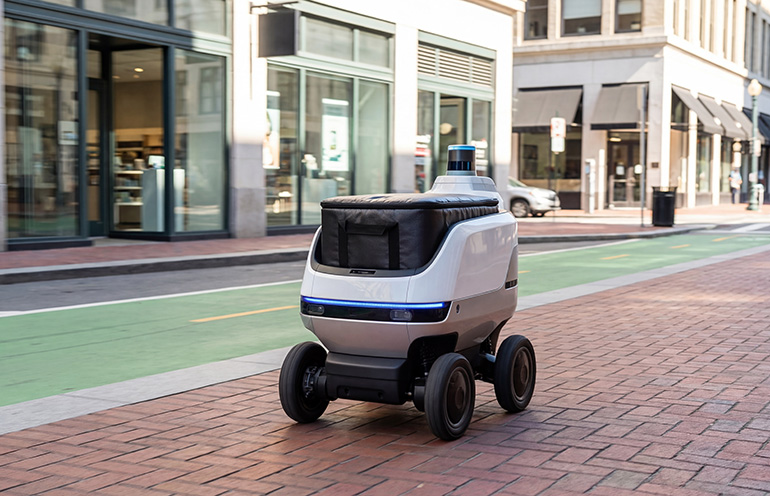
How agentic AI can enable general-purpose robotic navigation
Researchers are exploring the capabilities of agentic AI to enhance robotic navigation by integrating perception, simultaneous localization and mapping (SLAM), reasoning, and planning. This innovative approach aims to improve the performance of robots operating in dynamic environments. The findings were discussed in a recent article published by The Robot Report, highlighting the potential of agentic AI to transform how robots navigate and interact with their surroundings. By leveraging advanced algorithms and technologies, this method seeks to address the challenges faced by robots in real-world scenarios, ultimately paving the way for more versatile and efficient robotic systems.
Artificial Intelligence Artificial Intelligence / Cognition Autonomous Mobile Robots (AMRs) Cameras / Imaging / Vision Mobility / Navigation Motion Control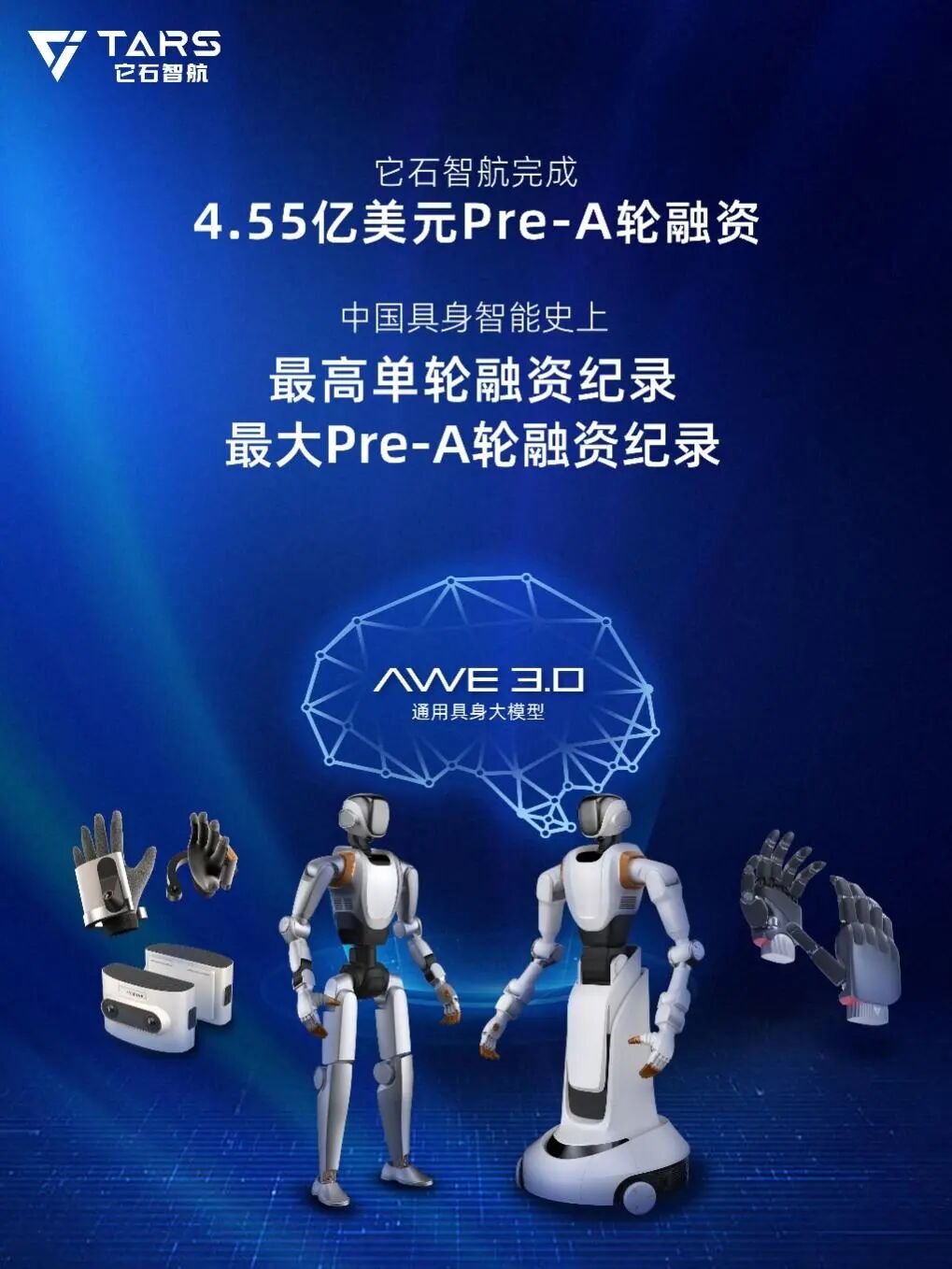
Itashizhi Navigation Raises $455 Million in Pre-A Round, Setting Record for Embodied Intelligence Financing
On April 16, Itashizhi Navigation revealed that it has successfully raised over $455 million in a Pre-A funding round, setting a new record for the largest single financing in China's embodied intelligence sector. This significant investment was supported by prominent global investors, underscoring the company's swift expansion and advancements in technology. The funding will likely enable Itashizhi Navigation to further enhance its innovative capabilities and solidify its position in the competitive market.
Embodied Intelligence Investment Robotics AI Technology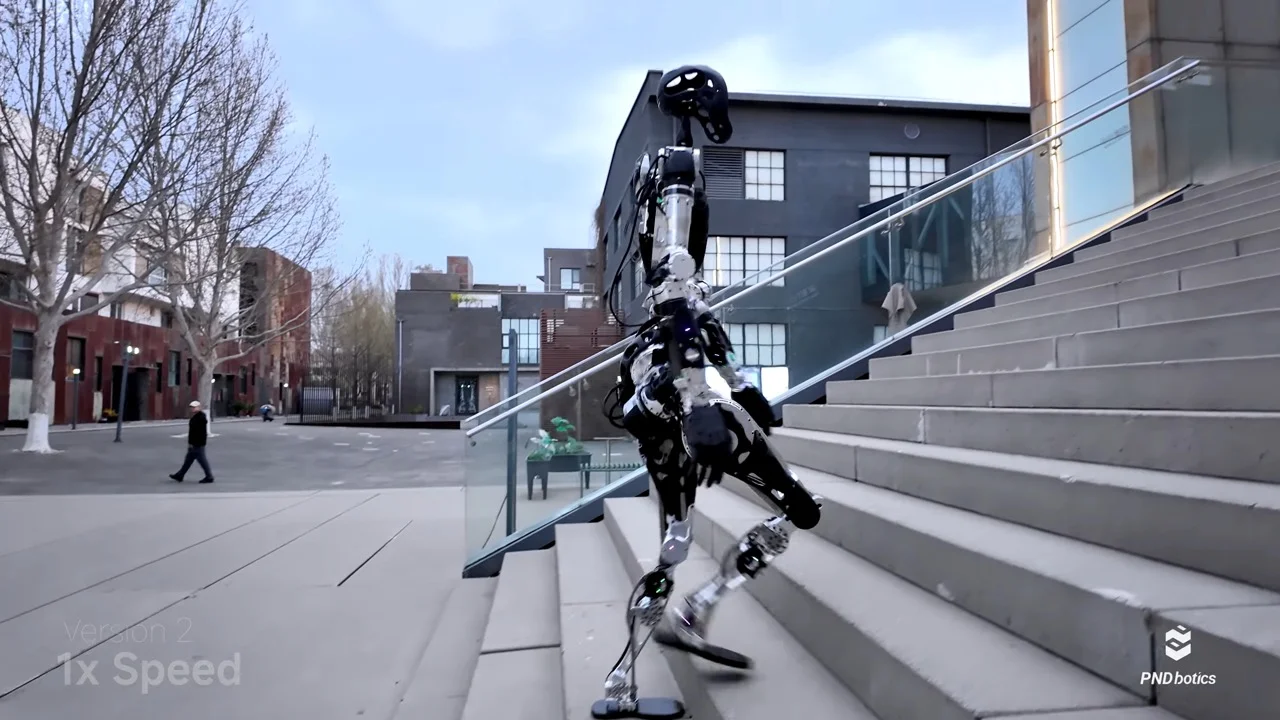
From Lab to Pavement: PNDBotics Adam Humanoid Demonstrates Real-World Stair Navigation
PNDBotics has unveiled a new video demonstrating the impressive advancements of its Adam humanoid robot, which has progressed from tethered laboratory prototypes to successfully navigating complex outdoor stairs. This significant development highlights the rapid evolution of the robot's capabilities in 2026. The video showcases the robot's enhanced mobility and adaptability, marking a pivotal moment in the field of robotics as it moves towards real-world applications. The demonstration reflects ongoing efforts to improve humanoid robots for various tasks, emphasizing the potential for future integration into everyday environments.
pndbotics China adam
Vision‐Based Runway Detection and Localization for Aircraft Landing in Global Navigation Satellite System‐Denied Environments
In the May 2026 issue of the Journal of Field Robotics, researchers have published a groundbreaking study that explores advancements in autonomous robotic systems. The study, conducted by a team of engineers and scientists, focuses on enhancing the navigation capabilities of robots in complex environments. This research aims to address the growing demand for efficient and reliable robotic solutions in various industries, including agriculture, logistics, and disaster response. The findings reveal innovative algorithms that enable robots to better interpret their surroundings and make real-time decisions, significantly improving their operational efficiency. The team conducted extensive field tests to validate their models, demonstrating the robots' ability to navigate challenging terrains while avoiding obstacles and adapting to dynamic conditions. This research is particularly timely as industries increasingly rely on automation to boost productivity and safety. By advancing the technology behind autonomous navigation, the study contributes to the broader goal of integrating robots into everyday tasks, ultimately transforming how businesses operate and respond to emergencies. The implications of this work could lead to more widespread adoption of robotic systems, paving the way for a future where robots play a crucial role in enhancing human capabilities.
RESEARCH ARTICLE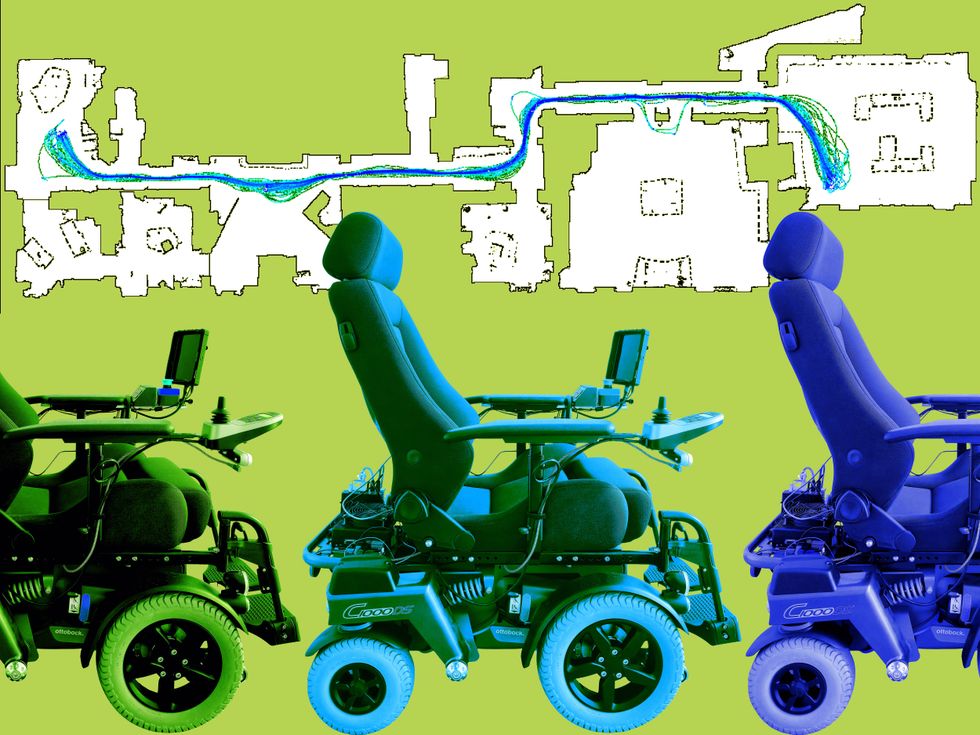
AI Aims for Autonomous Wheelchair Navigation
Researchers from the German Research Center for Artificial Intelligence (DFKI) in Bremen, led by Christian Mandel and Serge Autexier, are exploring the potential of AI-powered smart wheelchairs to navigate complex environments more effectively than traditional systems. Their findings were presented earlier this month at the CSUN Assistive Technology Conference in Anaheim, California. The team developed prototype electric wheelchairs equipped with advanced sensors, including lidar and 3D cameras, to detect and avoid obstacles in real-time. The smart wheelchairs operate in both semiautonomous and fully autonomous modes. In semiautonomous mode, users control the wheelchair via a joystick, while in autonomous mode, they can issue commands using natural language, such as asking the wheelchair to navigate to a specific location. The research is part of a larger initiative called REXASI-PRO, aimed at enhancing mobility for individuals with severe disabilities. Despite the advancements, challenges remain, particularly regarding cost, reliability, and the need for tailored solutions that accommodate diverse user needs. Pooja Viswanathan, CEO of Braze Mobility, emphasized the importance of making these technologies accessible to everyday consumers. The researchers anticipate that smart wheelchairs could be available in the mainstream market within the next decade, with a focus on creating partnerships between users and technology rather than replacing human control. The ongoing work aims to ensure that smart wheelchairs are safe, reliable, and capable of adapting to the complexities of real-world environments.
Wheelchairs Taenzer-fellowship Navigation Artificial-intelligence
Alibaba launches preorders for its first in-house AI glasses, featuring AR navigation and visual payment integration across its ecosystem
Alibaba has launched preorders for its inaugural self-developed Quark AI Glasses, priced at ¥3,699 ($510) for members and ¥3,999 ($550) for non-members. The preorder phase is currently active on Tmall, with deliveries anticipated to begin in early December. These innovative glasses are equipped with Qualcomm’s AR1 and BES2800 dual flagship chips, allowing them to seamlessly integrate with Alibaba’s ecosystem services and provide augmented reality experiences. This move marks Alibaba's entry into the growing market for smart eyewear, aiming to enhance user interaction with digital content.
News Feed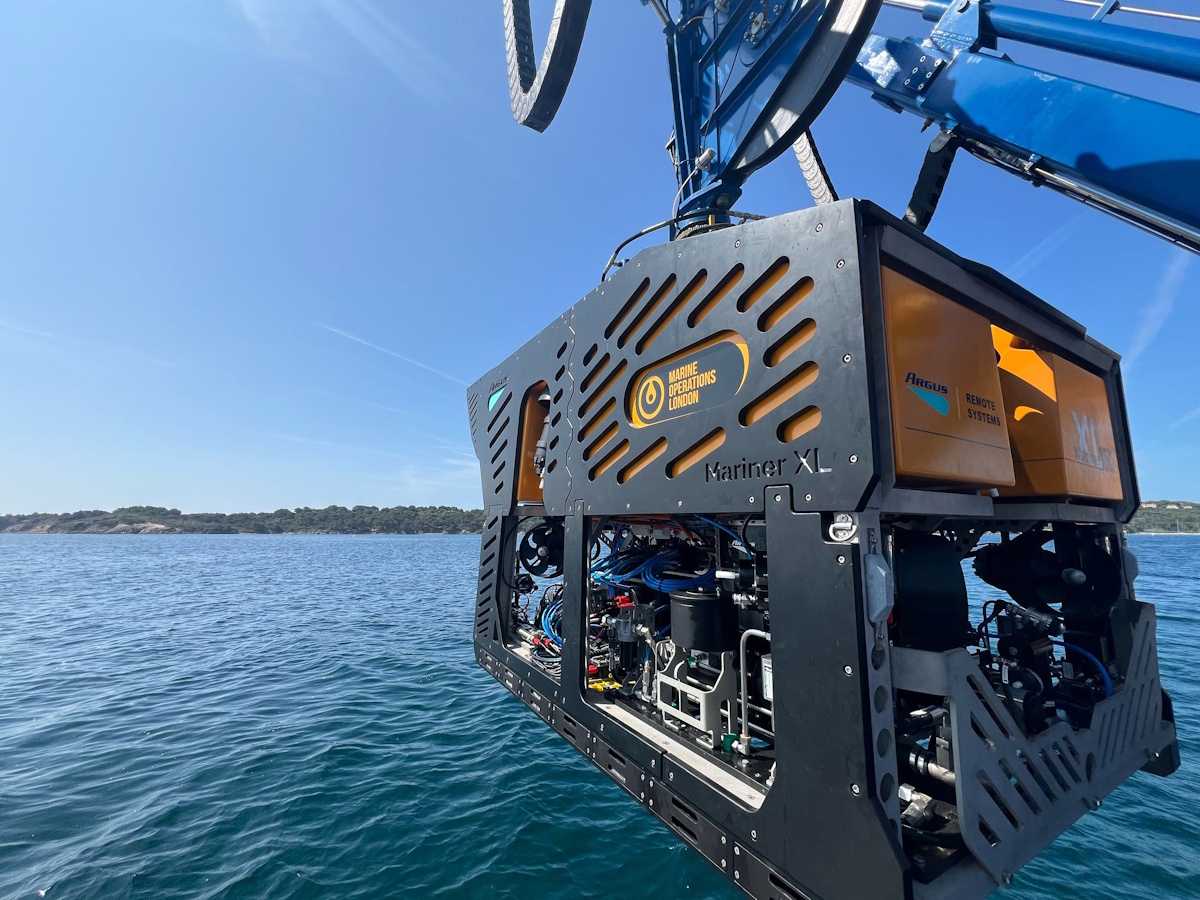
Exail to Equip Deep Ocean Search with Next-Generation Navigation and Positioning Systems for Deep-Sea Missions
Deep Ocean Search (DOS), a prominent company in deep-sea exploration, has partnered with Exail to enhance its navigation and acoustic positioning for forthcoming missions. This collaboration will see DOS utilize Exail's advanced Rovins 9-DVL navigation system and Gaps M7 acoustic positioning system, which are designed to operate at depths of up to 6,000 meters. The integration of these technologies is expected to significantly improve DOS's operational capabilities in challenging underwater environments, facilitating more precise and efficient exploration efforts.
exail deep ocean search navigation and positioning systems for deep-sea missions
Klein Marine Systems Selects Exail Navigation Technology to Equip their 5900 Sonar
Klein Marine Systems, a prominent player in sonar technology, has announced the integration of the Exail Octans Nano OEM Attitude and Heading Reference System (AHRS) as the standard navigation solution for its 5900 Side Scan Sonar (SSS). This strategic collaboration, revealed recently, is designed to improve the precision and reliability of the sonar system, which is essential for high-resolution seabed mapping. The enhanced capabilities will support various applications across defense, security, and commercial sectors, reflecting the growing demand for advanced maritime technology.
klein marine systems exail navigation technology 5900 sonar
Exail Supplies Navigation Systems to NOR Offshore Rental for Expansion into APAC Region
NOR Offshore Rental (NOR) has placed an order for multiple units of Exail's subsea Inertial Navigation Systems (INS) and Attitude and Heading Reference Systems (AHRS). This acquisition is part of NOR's strategy to enhance its rental equipment offerings in response to increasing market demand for advanced navigation technology. The order coincides with the upcoming opening of NOR's new office in the Asia-Pacific (APAC) region, which aims to bolster the company's presence in this key market.
exail navigation systems nor offshore rental expansion apac region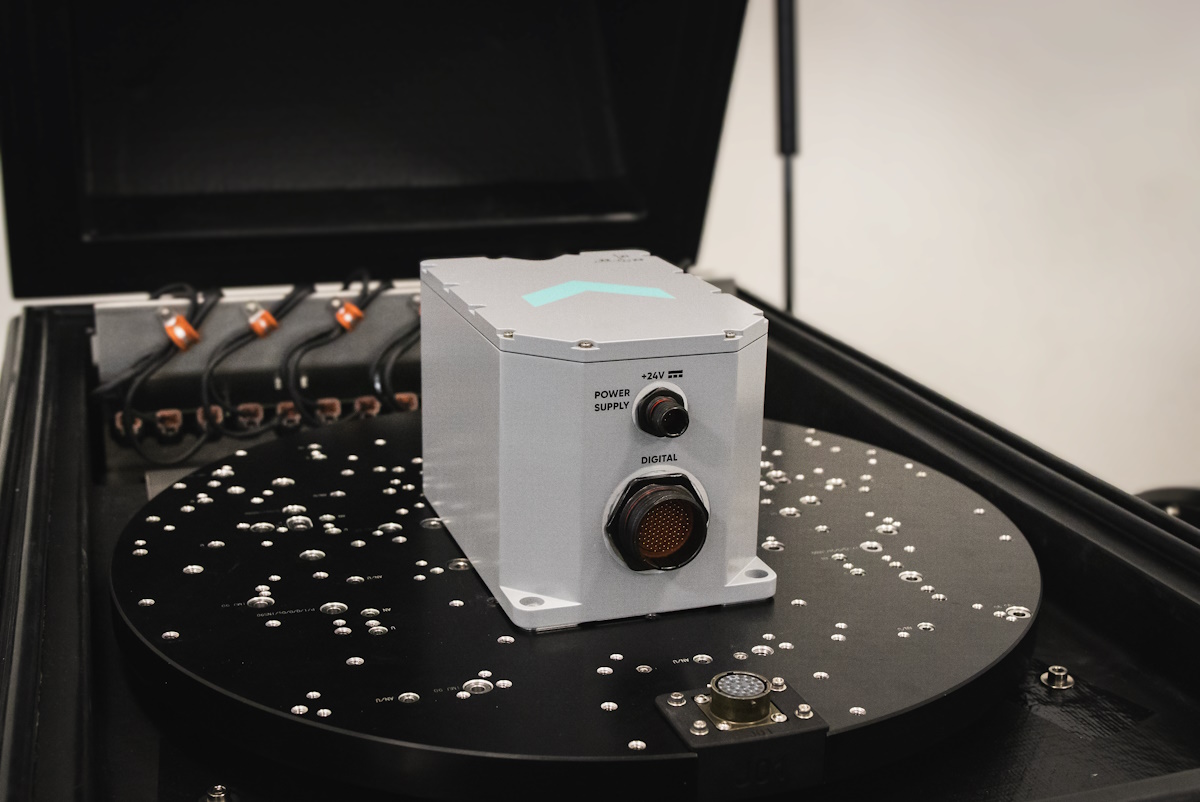
Exail Introduces New Octans 9 Gyrocompass for Navigation and Motion Compensation
Exail has unveiled its latest navigation solution, the Octans 9 Attitude and Heading Reference System (AHRS), which aims to improve operational performance in various applications, including dynamic positioning, vessel navigation, and offshore platform stabilization. This new model builds on the success of its predecessors, incorporating several enhancements designed to optimize functionality. The launch reflects Exail's commitment to advancing maritime technology, providing users with more reliable and efficient navigation tools.
exail octans 9 gyrocompass navigation motion compensationRobotics needs a service framework.
RSF defines a common language for robot service capability, lifecycle operations, certification pathways, and service-provider networks.
Join the RobotToday community on LinkedIn
Daily robotics news, in-depth analysis, conference highlights, and discussions with professionals worldwide.







