

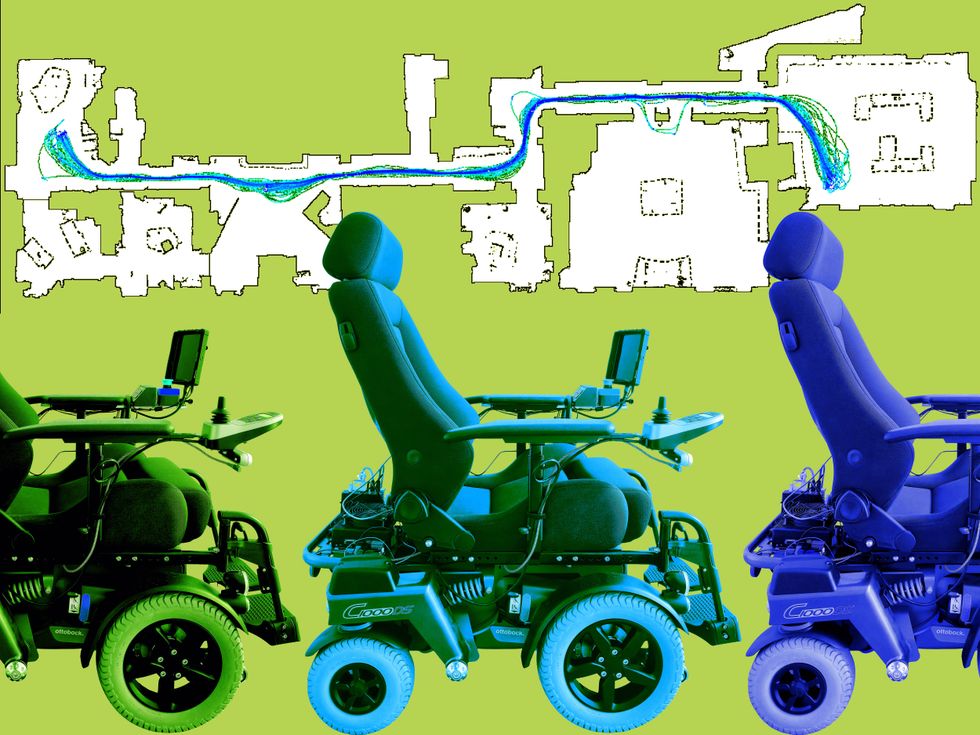
Researchers from the German Research Center for Artificial Intelligence (DFKI) in Bremen, led by Christian Mandel and Serge Autexier, are exploring the potential of AI-powered smart wheelchairs to navigate complex environments more effectively than traditional systems. Their findings were presented earlier this month at the CSUN Assistive Technology Conference in Anaheim, California. The team developed prototype electric wheelchairs equipped with advanced sensors, including lidar and 3D cameras, to detect and avoid obstacles in real-time.
The smart wheelchairs operate in both semiautonomous and fully autonomous modes. In semiautonomous mode, users control the wheelchair via a joystick, while in autonomous mode, they can issue commands using natural language, such as asking the wheelchair to navigate to a specific location. The research is part of a larger initiative called REXASI-PRO, aimed at enhancing mobility for individuals with severe disabilities.
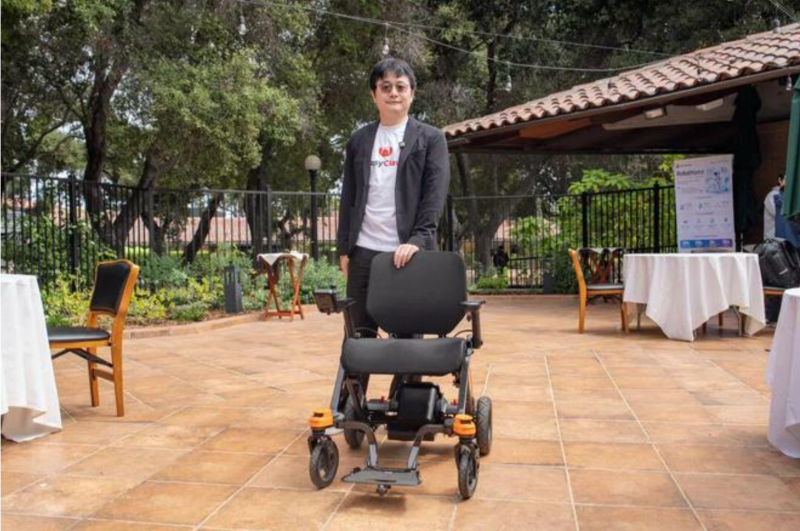
Despite the advancements, challenges remain, particularly regarding cost, reliability, and the need for tailored solutions that accommodate diverse user needs. Pooja Viswanathan, CEO of Braze Mobility, emphasized the importance of making these technologies accessible to everyday consumers. The researchers anticipate that smart wheelchairs could be available in the mainstream market within the next decade, with a focus on creating partnerships between users and technology rather than replacing human control. The ongoing work aims to ensure that smart wheelchairs are safe, reliable, and capable of adapting to the complexities of real-world environments.



































Leave a comment