


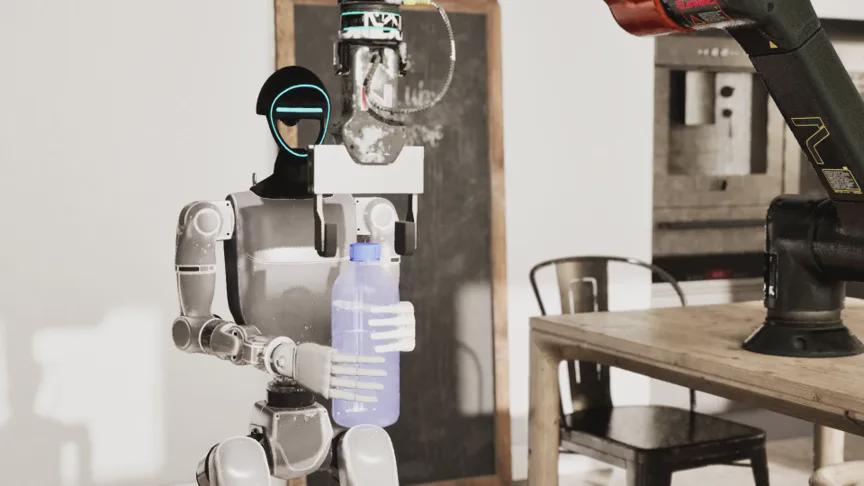
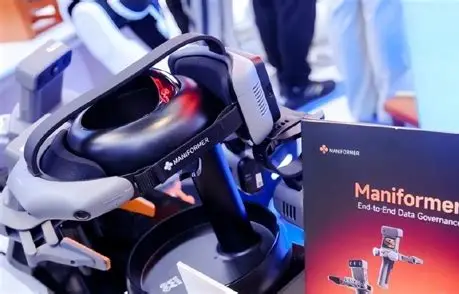
X Square Robot's TwinDEX has successfully completed a 24-step chemistry experiment using a unique combination of a wearable exoskeleton and a three-finger hand. This achievement is notable as the policy governing the robot's actions was trained solely on a few hundred demonstrations that did not involve the robot itself.
The significance of this development lies in the potential for reducing the need for extensive on-robot training, which can be time-consuming and resource-intensive. By leveraging demonstrations from external sources, TwinDEX showcases a new approach to robotic learning that could streamline the training process and enhance efficiency in various applications.
Looking ahead, the implications of this technology could extend beyond chemistry experiments, potentially influencing other fields that require complex manipulations. No further timeline was disclosed at the time of publication.
Editor's Note
The advancement of X Square Robot's TwinDEX highlights a shift towards more efficient training methodologies in robotics. By utilizing external demonstrations, the industry may see a reduction in the resources needed for training robots, which could accelerate adoption across various sectors. This could also impact how enterprises approach robotic integration into their workflows.
Copyright Notice
This briefing is an independently written summary based on publicly available reporting and is provided for industry information and news discovery. The original report and source publication are credited and linked where applicable. RobotToday does not claim ownership of third-party source material.
Rights concerns? If you believe any material in this briefing infringes your copyright or other rights, please contact [email protected] with the relevant URL and details. We will review the matter and take appropriate action where warranted.






























Leave a comment