Manufacturers Must Rethink Data Center Power and Thermal Management Amid AI Infrastructure Growth
- Published
- Source
- AutomationWorld.com
Data center rack density has surged to an average of 27 kW, significantly impacting development planning as operators rush to deploy AI-capable infrastructure. This rapid growth highlights a critical bottleneck in the physical infrastructure necessary for effective power and thermal management, which has not received adequate attention compared to chips and software. Manufacturers are now required to innovate their designs to accommodate increasing power demands without expanding physical footprints.
The shift towards higher rack densities necessitates a systems-level approach to power delivery, cooling, and controls, as these components are interdependent. Traditional methods of engineering these systems separately are no longer viable, as decisions in one area can constrain the others, leading to deployment delays. Manufacturers who integrate these systems into a cohesive architecture are better positioned to meet the demands of AI-capable infrastructure, ensuring they can fulfill customer promises regarding production capabilities and timelines.
Capgemini Americas' Shashank Mane emphasizes the importance of treating physical infrastructure with the same level of scrutiny as computing resources. As AI infrastructure continues to expand, manufacturers must prioritize capacity planning that includes power, cooling, and controls to avoid limits that could hinder future growth and deployment efficiency. No further timeline was disclosed at the time of publication.
Original report
AI Infrastructure Expansion Pushes Manufacturers To Rethink Data Center Power And Thermal Management
AutomationWorld.com · Shashank ManeThis briefing is an independently written summary based on publicly available reporting and is provided for industry information and news discovery. The original report and source publication are credited and linked where applicable. RobotToday does not claim ownership of third-party source material.
Rights concerns? Contact [email protected] with the relevant URL and details. We will review the matter and take appropriate action where warranted.
More related news
- 1
- 2
- 3
- 4
- 5
- 6
- 7
- 8
-
9
RobotToday Weekly October 12 – 16, 2026 RobotToday · 1 week ago
- 10
- 11
- 12
Related Suppliers
ZS Robotics 智世机器人
China
Shanghai company founded 2019 making four-way pallet shuttles, lifts and ZSmart WMS/WCS software for pallet AS/RS; shuttles rated up to 2,500 kg.

CosmicBrain AI
Physical AI firm scoping supervised humanoid pilots for data-center rack inspection and parts runs, and publishing the Cosmic 0.5 human-to-humanoid skill stack.

Fireworks AI
United States
Redwood City AI infra startup (2022) serving open-source LLMs like Kimi K3 via API, used by Cursor, Vercel and Notion.

Kinetix AI 超维动力
China
Shenzhen embodied-AI startup building ultra-human-like humanoid robots powered by a physical world model for whole-body control.
Omnitron Systems
United States
US manufacturer of fiber media converters, PoE switches and Single Pair Ethernet products engineered and built in Irvine, California.

Micropower Technology Co. Ltd.
Sweden
Micropower Group develops industrial battery systems, battery chargers, and power conversion solutions for material handling, AGVs, electric vehicles, and industrial equipment.
Alloy Enterprises Inc
United States
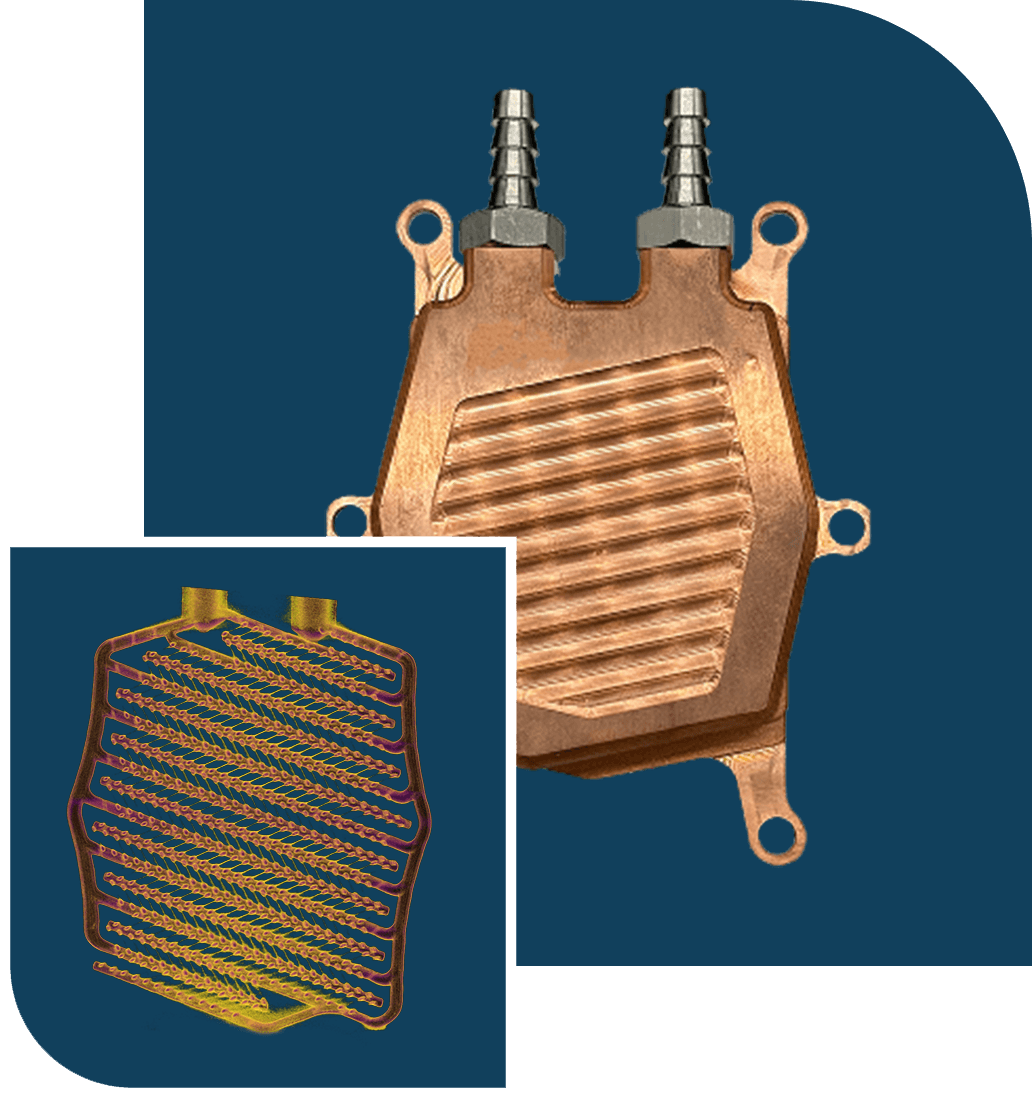
US thermal management maker founded 2020; patented Stack Forging™ yields leak-tight aluminum cold plates with 4× pressure drop reduction.

KULR Technology Group
United States
High-performance thermal management and energy systems company expanding into AI-powered robotics and exoskeletons.

Dexory
United Kingdom
UK warehouse robotics firm (est. 2015 as BotsAndUs); DexoryView AMR platform scans warehouses in real time, reaching 18m height. $318M raised.
Skody AI
United States
US SaaS startup with real-time APS software for discrete manufacturers, cutting late jobs 15% and scheduling from days to seconds.
Voyant Photonics
United States
New York-based silicon photonics company making chip-scale FMCW LiDAR sensors with simultaneous range and velocity sensing for robotics, drones, and industrial.

ANELLO Photonics
United States
Silicon photonics optical gyroscope and inertial navigation systems for GPS-denied environments
Robotics needs a service framework.
RSF defines a common language for robot service capability, lifecycle operations, certification pathways, and service-provider networks.
Join the RobotToday community on LinkedIn
Daily robotics news, in-depth analysis, conference highlights, and discussions with professionals worldwide.