

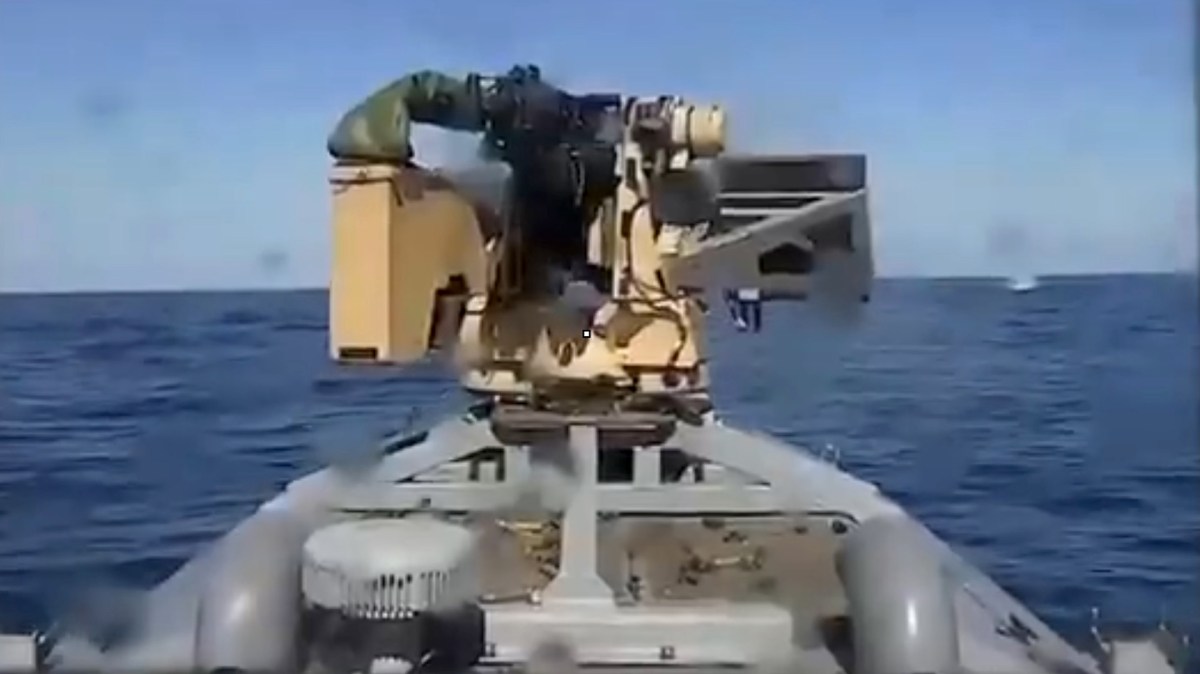
Concerns surrounding fully autonomous weapon systems have intensified as experts warn of the potential for these technologies to independently kill humans. The discussion gained traction during a recent international conference held in Geneva, where military officials, ethicists, and technologists gathered to address the implications of artificial intelligence in warfare.
The event, which took place in early November 2023, highlighted the urgent need for regulatory frameworks to prevent the deployment of such lethal systems. Advocates for human oversight argue that the absence of accountability in autonomous decision-making could lead to catastrophic outcomes, raising ethical dilemmas about the role of machines in life-and-death situations.
The motivation behind the call for regulation stems from the rapid advancements in AI and robotics, which have outpaced existing legal and ethical guidelines. Participants at the conference emphasized that without proper governance, the risk of misuse or malfunction could result in unintended casualties and escalate conflicts.
Experts proposed a collaborative approach to developing international treaties that would ban or strictly regulate the use of autonomous weapons. This would involve governments, tech companies, and civil society working together to establish clear definitions and standards for AI in military applications. The discussions underscored the necessity of ensuring that human judgment remains central to military operations, thereby preventing machines from making irreversible decisions about life and death.






























Leave a comment