


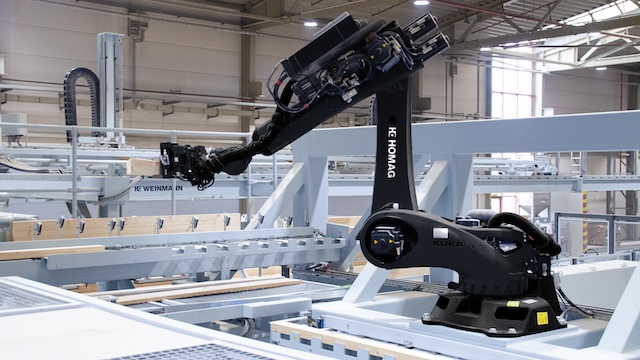
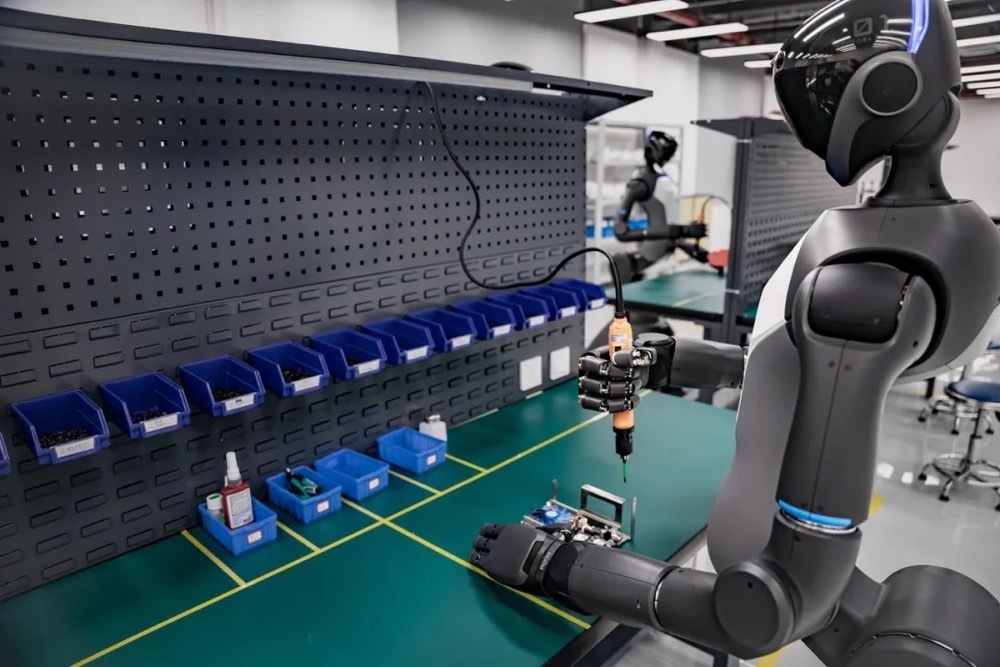
As the manufacturing and industrial sectors increasingly adopt robotics, emotional intelligence has emerged as a crucial leadership skill. This development highlights the importance of leaders who can navigate the complexities of automation while ensuring a human-centric workplace. By fostering emotional intelligence, leaders can enhance team dynamics and employee engagement, ultimately maximizing the benefits of technological advancements.
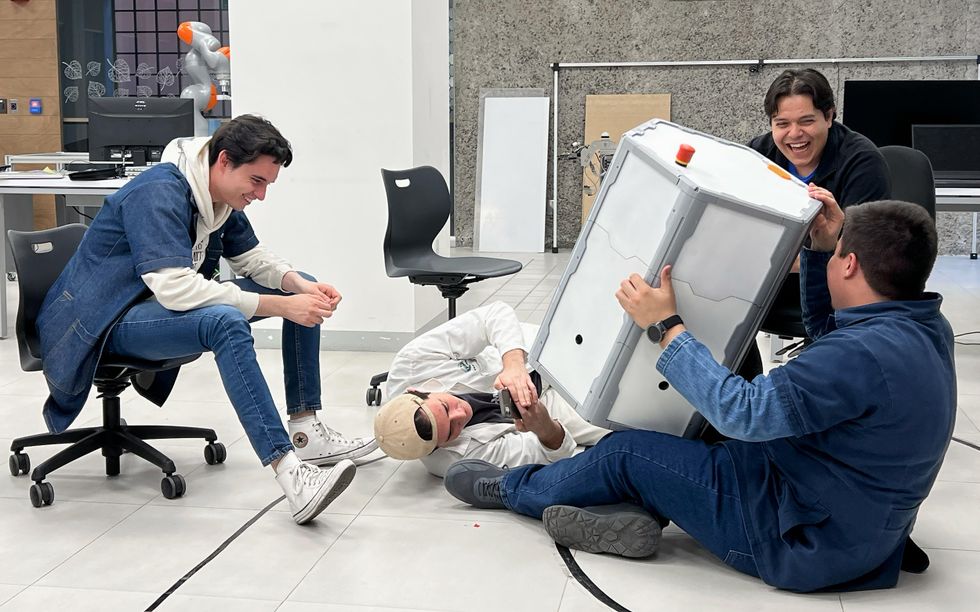
Organizations are encouraged to prioritize training and development programs that cultivate emotional intelligence among their leaders. This approach not only supports the integration of robotics but also helps maintain a positive work environment, where employees feel valued and understood. As the industry evolves, the ability to connect with and motivate teams will be essential for leaders aiming to drive successful transformations in their organizations.
In summary, as the landscape of manufacturing continues to change with the rise of automation, the role of emotionally intelligent leadership becomes increasingly significant in balancing technological progress with the needs of the workforce.























Leave a comment