

Stardust AI Launches Lumo-2: Innovative Robot Action Model for Home Automation
- Published
- Source
- leaderobot.com
On July 15, Stardust AI introduced its second-generation embodied base model, Lumo-2, which is the industry's first household latent world-action model. This launch includes the physical AI symbiotic agent, Agent Philia, enhancing their full-stack architecture of AI models, embodied operating systems, and rope-driven entities. The company will showcase its 'trinity' multi-scenario implementation solutions at the World Artificial Intelligence Conference in Shanghai from July 17 to 20.
Lumo-2 autonomously performs 22 complex household tasks, demonstrating industry-leading capabilities in task range and complexity. This model addresses the challenges faced by robots in open environments, such as the inability to explain actions and the high costs of training complex skills. By predicting future scenarios before generating actions, Lumo-2 aims to overcome these bottlenecks and improve the practical execution of robotic tasks.
Looking ahead, Stardust AI plans to enhance the scalability of Lumo-2 by expanding training data diversity and exploring efficient data engineering paradigms. The team is also focused on advancing real-world interactive learning to enable robots to adapt and evolve autonomously in dynamic environments. No further timeline was disclosed at the time of publication.
Original report
Stardust AI Unveils Lumo-2: Advanced Robot Action Model for Household Tasks
leaderobot.com · LeaderobotThis briefing is an independently written summary based on publicly available reporting and is provided for industry information and news discovery. The original report and source publication are credited and linked where applicable. RobotToday does not claim ownership of third-party source material.
Rights concerns? Contact [email protected] with the relevant URL and details. We will review the matter and take appropriate action where warranted.
More related news
- 1
- 2
- 3
- 4
- 5
- 6
- 7
- 8
- 9
- 10
- 11
- 12
Related Suppliers
AirHub
Netherlands
Netherlands drone-software company founded 2016; runs the AirHub Drone Operations Center used by Dubai Police, Belgian Federal Police and Shell.

Astribot (Stardust Intelligence) 星尘智能
China
Shenzhen, China humanoid-robot maker founded late 2022; its dual-arm S1 platform reaches over 10 meters per second with 0.1 mm repeatability.
University of Pennsylvania, GRASP Lab
United States
Philadelphia, Pennsylvania robotics research center founded 1979 by Ruzena Bajcsy; 21,000 sq ft of lab space in Levine Hall and a Robotics MSE program.

Nederman Holding AB
Sweden
Swedish environmental tech maker founded 1944, producing industrial air filtration, welding fume extraction, and dust collection for robotic welding cells.
Fatfish Technology Pte Ltd
Singapore
Singapore's FatFish AI builds Visual Action Intelligence software, led by its CAMP One engine, for cross-brand robot perception and action.

AI Robot Association (AIRoA)
Japan
Tokyo non-profit association of Japanese industry and academia collecting open robot data and building robot foundation models, backed by NEDO.
Shenzhen Moqi Intelligent Technology Co., Ltd. 深圳墨奇智能技术有限公司
China
Shenzhen embodied-intelligence startup building home-service robots, backed by a 2026 angel round led by Alibaba and Tencent.

MindOn
Embodied AI startup founded 2025 by an ex-Tencent Robotics X researcher; its Mind-0 and Mind-1 models run humanoid and dual-arm robots.

Liquid AI
United States
MIT-spinout building device-native foundation models (LFMs) that run on-device across phones, cars, robots and edge hardware.

Aether AI
United States
Seed-stage San Diego startup building causal world models that predict action outcomes, with robotics as its first target market.
The Robot Learning Company
United States
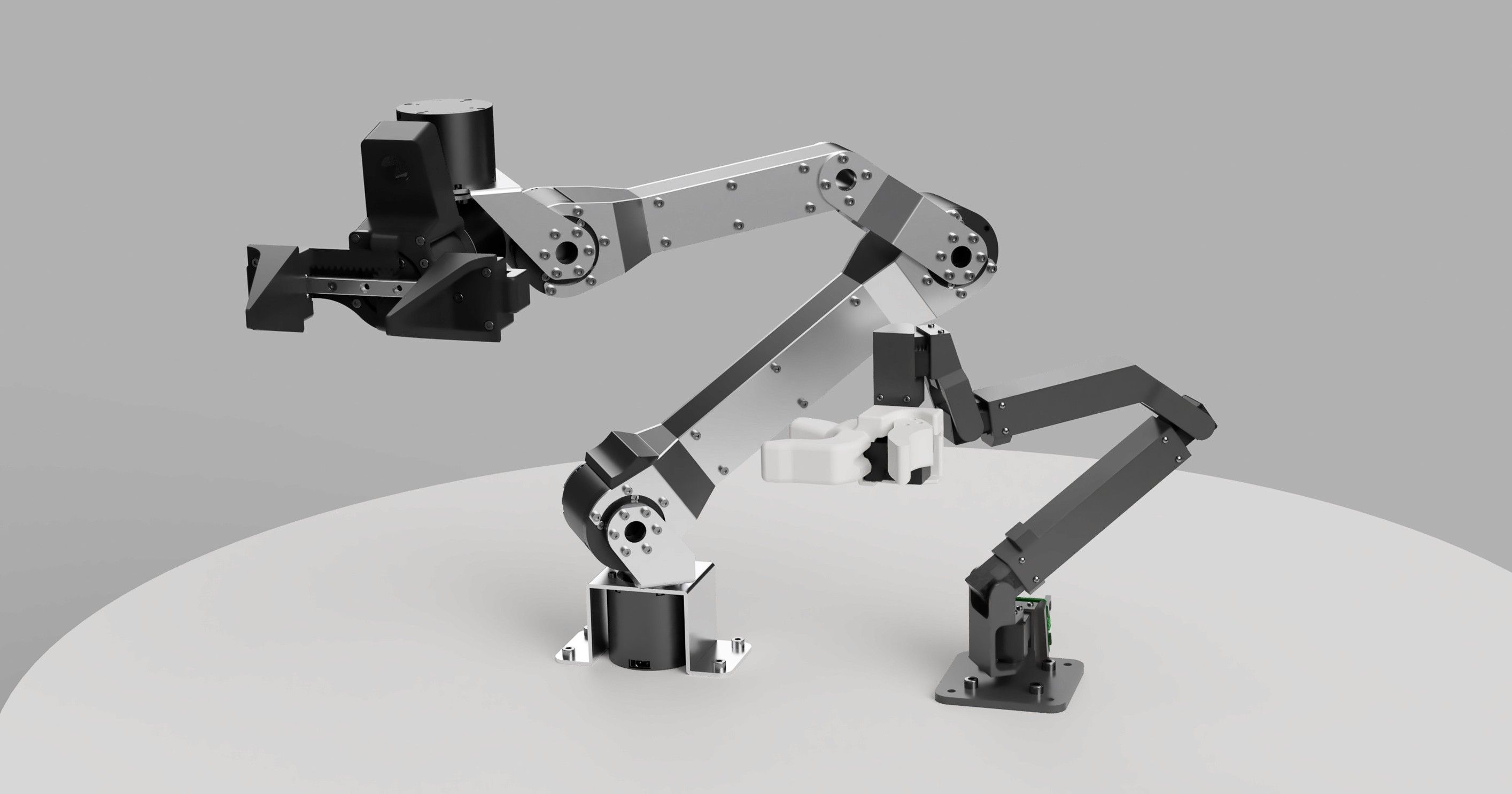
YC X25 startup building open-source AI-native robot arms; TRLC-DK1 bimanual dev kit enables imitation learning and teleoperation for around USD 1,200.
Assured Robot Intelligence
United States
San Diego robot-AI start-up founded by Lerrel Pinto and Xiaolong Wang, building humanoid foundation models; acquired by Meta in May 2026.
Robotics needs a service framework.
RSF defines a common language for robot service capability, lifecycle operations, certification pathways, and service-provider networks.
Join the RobotToday community on LinkedIn
Daily robotics news, in-depth analysis, conference highlights, and discussions with professionals worldwide.


