


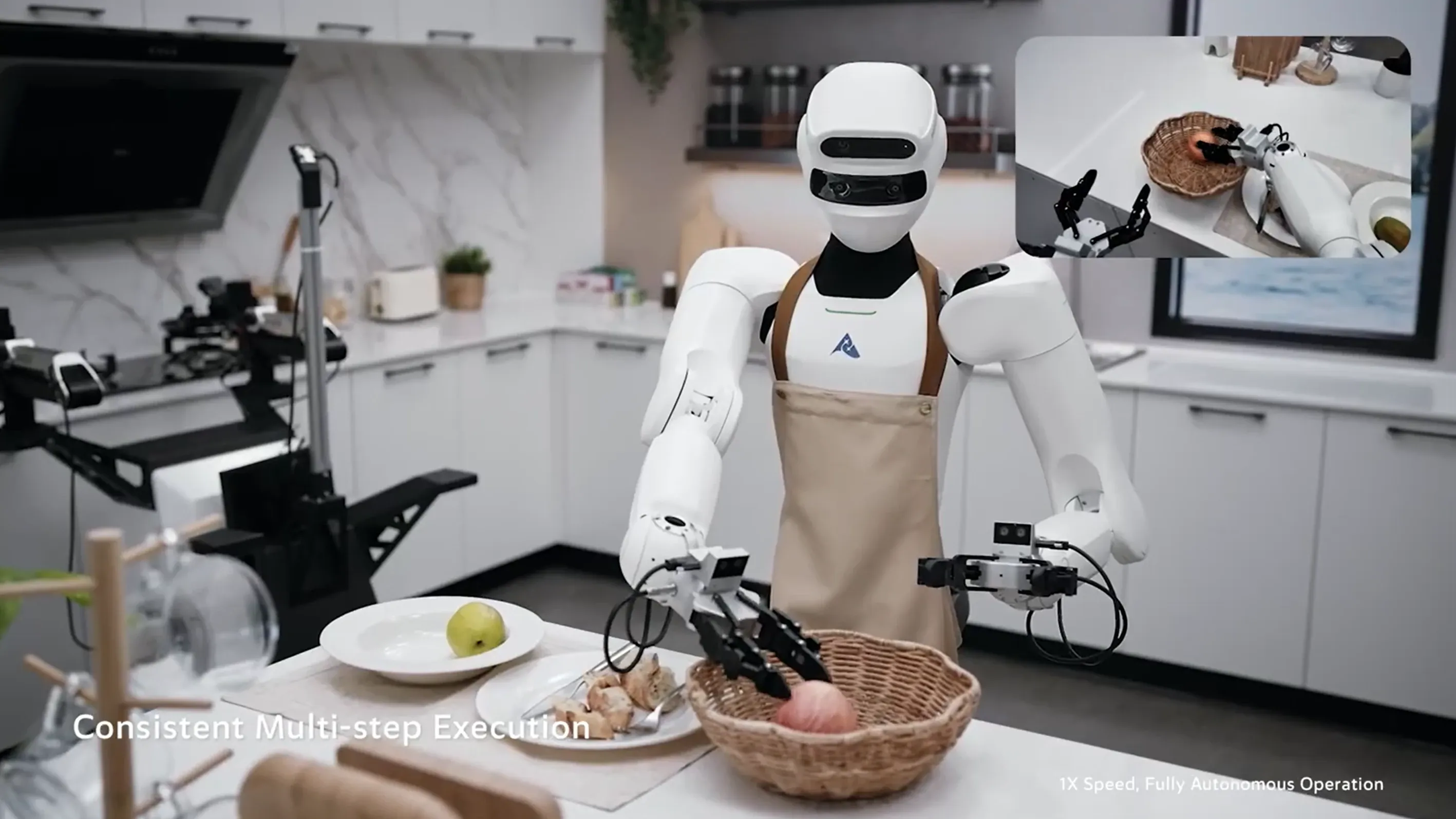
Robotic Foundation Models (RFMs) are emerging as a transformative technology in the field of robotics, akin to large language models used for text generation. These generative AI models are designed to enhance the capabilities of robots by enabling them to perform and predict a wide range of tasks with remarkable accuracy. The development of RFMs allows robots to adapt to changing conditions in real-time without the need for extensive reprogramming.
As of October 2023, researchers and developers are focusing on training these models using extensive datasets, which significantly improves the robots' ability to learn and operate in dynamic environments. The motivation behind this innovation is to streamline robotic operations across various industries, making them more efficient and versatile. By leveraging RFMs, robots can better understand and respond to their surroundings, ultimately leading to increased productivity and reduced operational costs.
The ongoing advancements in RFMs signal a pivotal shift in how robots are integrated into everyday tasks, promising to revolutionize sectors such as manufacturing, logistics, and healthcare. As this technology continues to evolve, it is expected to play a crucial role in the future of automation and artificial intelligence, paving the way for smarter, more capable robotic systems.
























Leave a comment