

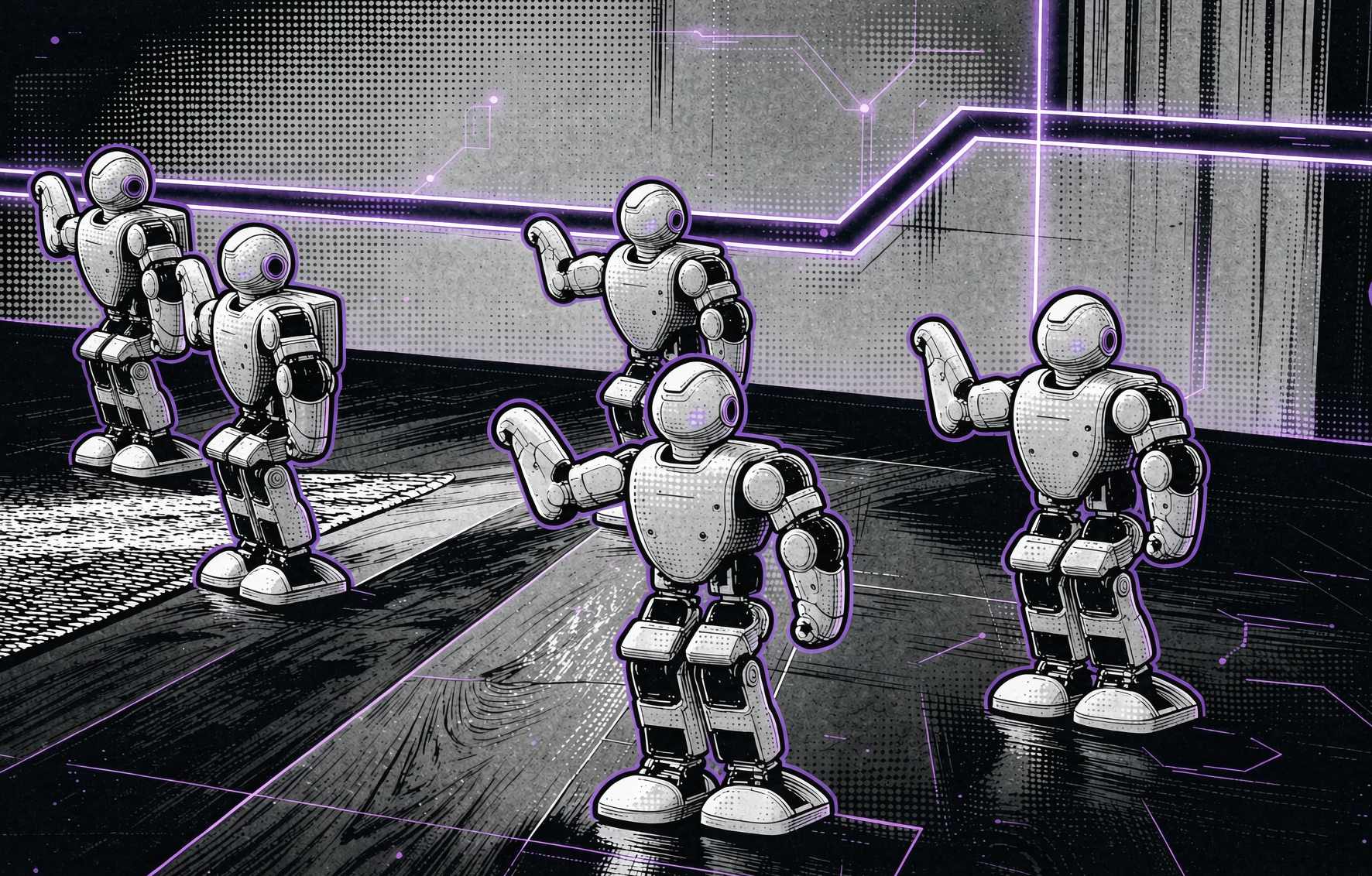
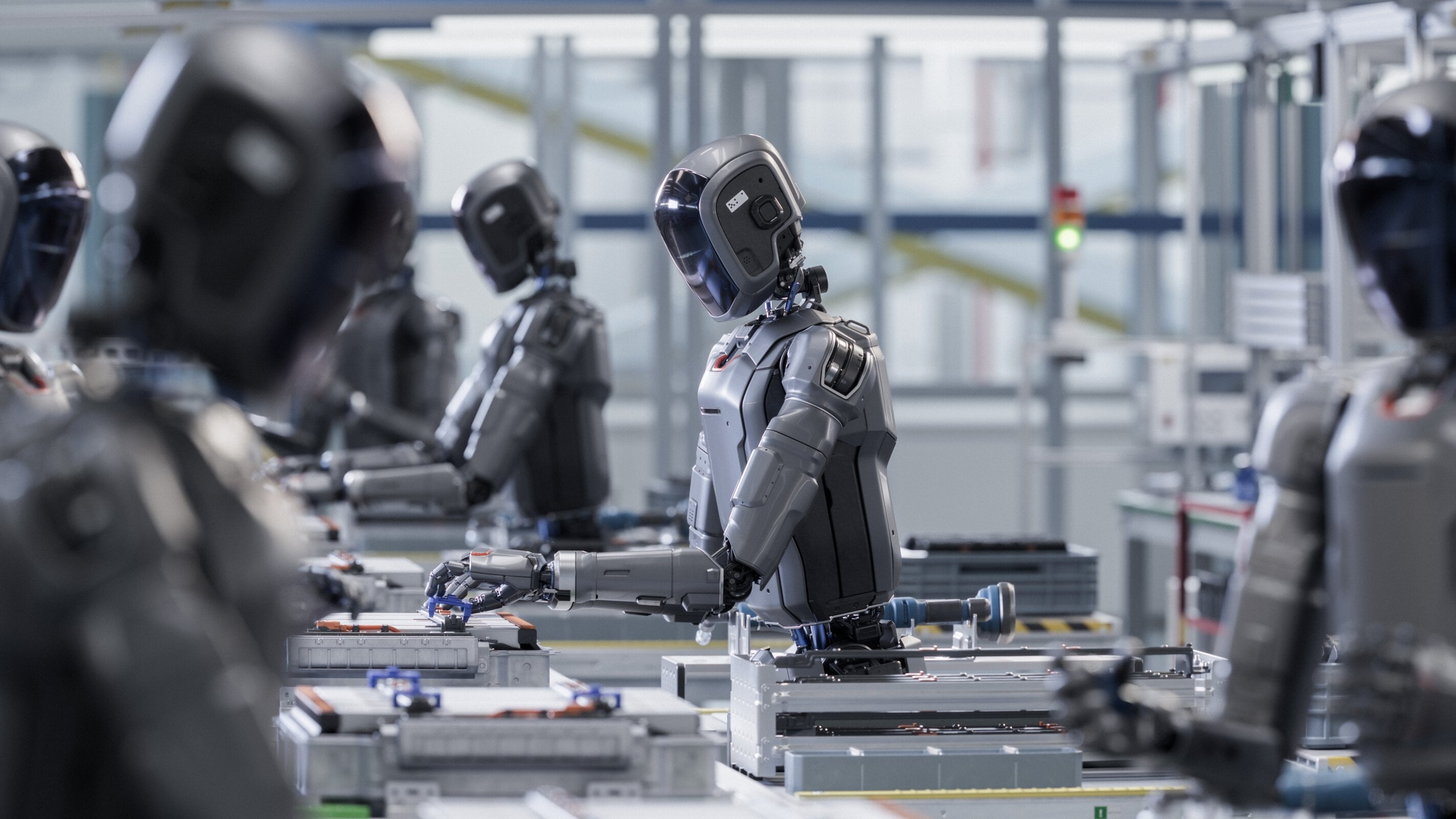
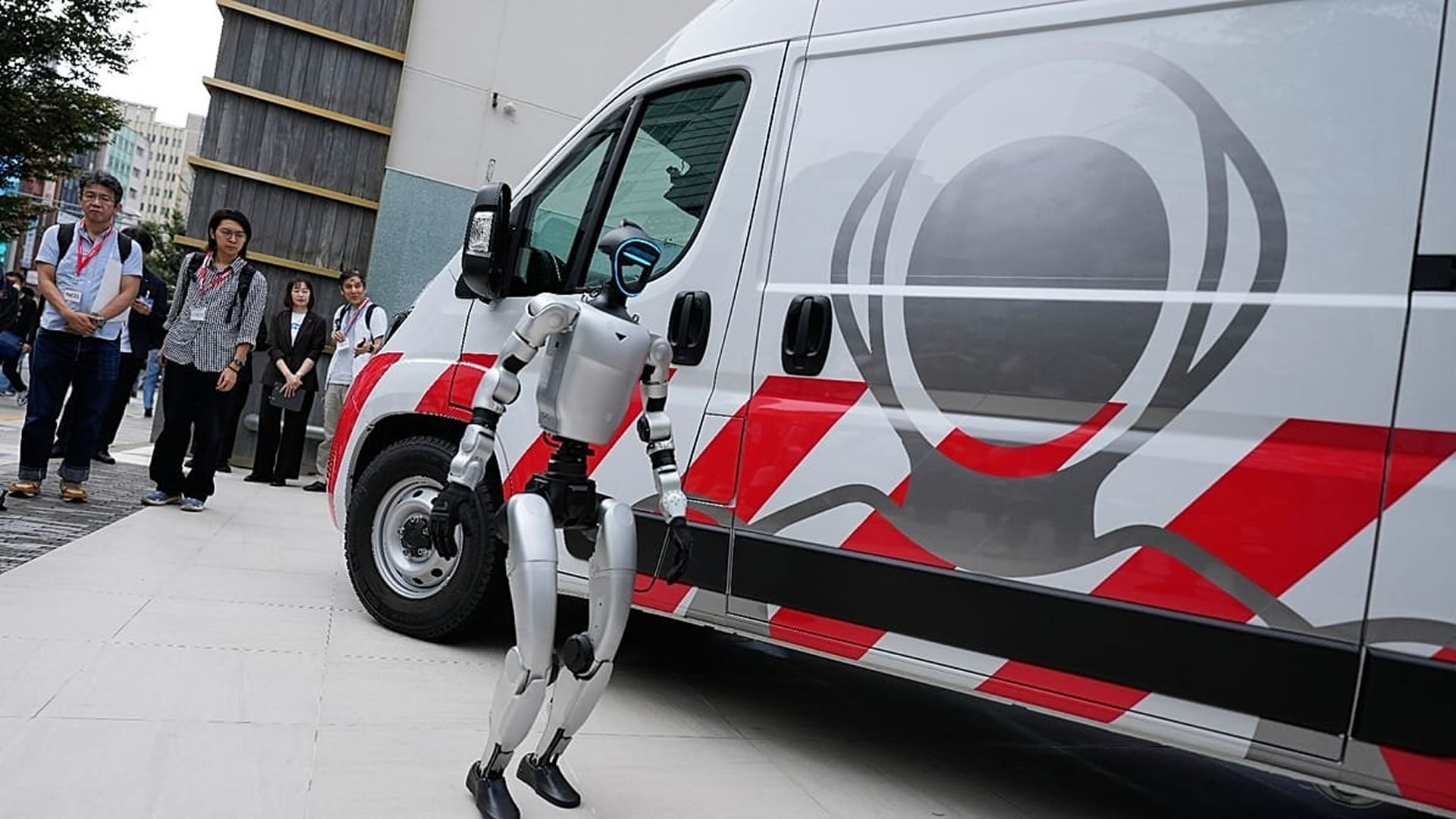
In recent years, humanoid robots have gained attention at exhibitions and events primarily through performances like singing and dancing. Wang Xingxing, founder of Yushutech, emphasized that while entertainment is an easy application, the goal is to enable robots to perform valuable tasks. At the 2026 World Robotics Conference, the focus shifted towards robots completing practical tasks, showcasing advancements in productivity.
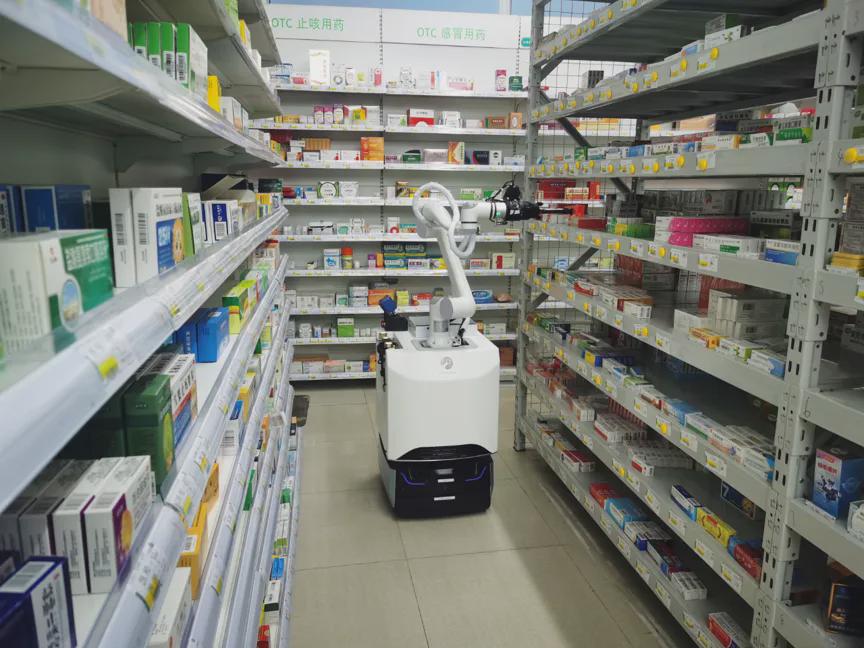
The current challenge in the robotics industry lies in the generalization capabilities of embodied intelligence. Wang highlighted that robots often struggle with tasks outside their training scenarios, indicating a significant gap between basic functionality and effective performance. Hu Luhui, founder of Zhicheng AI, pointed out that the industry must enhance robots' understanding of the physical world to overcome these limitations.
Looking ahead, the development of world models may offer solutions to improve generalization in robots. Hu noted that the industry is shifting its focus towards enhancing AI models' understanding capabilities. With Zhejiang province leading in robotics initiatives and a growing number of AI enterprises, the future of humanoid robots in domestic roles appears promising, potentially transforming into a significant industry by 2030.
Editor's Note
The robotics industry is at a pivotal point, transitioning from entertainment-focused applications to practical implementations in everyday life. As companies like Yushutech innovate, the emphasis on improving robots' generalization capabilities is crucial for their integration into homes and workplaces. This shift reflects broader trends in AI and automation, highlighting the need for advanced understanding in robotic systems to meet real-world demands.





















Leave a comment