

IEEE
"Advancing Technology for Humanity"
World's largest technical professional organization for electrical and electronics engineers; develops key robotics and automation standards.
Contact IEEE
WEBSITE
https://ieee.orgHEADQUARTERS
United States

Company Facts
Founded
1963
Primary Role
Research Institute
Company Size
-
Primary Region
North America
Annual Sales
-
Funding Stage
-
Funding Total
-

Weekly Robotics Highlights: Home Robots, Drones, and Innovative Excavators from IEEE Spectrum
IEEE Spectrum's latest Video Friday showcases a variety of robotics innovations. Featured is Goose, a small home robot designed for light household tasks and companionship, although specific functionalities remain undisclosed. The highlights also include Skydio's F10, an asymmetrical fixed-wing drone capable of autonomous launch and recovery using a mechanical arm. Additionally, a demonstration of small robots captures attention, emphasizing the evolving landscape of robotics since the introduction of Honda's P2, the first autonomous walking robot. Looking ahead, the World Skills Competition in Shanghai on September 22, 2026, will feature a performance with 19 humanoid robots and 120 dancers, marking a significant milestone in AI-driven robotic displays. No further timeline was disclosed at the time of publication.
Home Robots Drones Underwater Robotics AI Robotics Humanoid Robots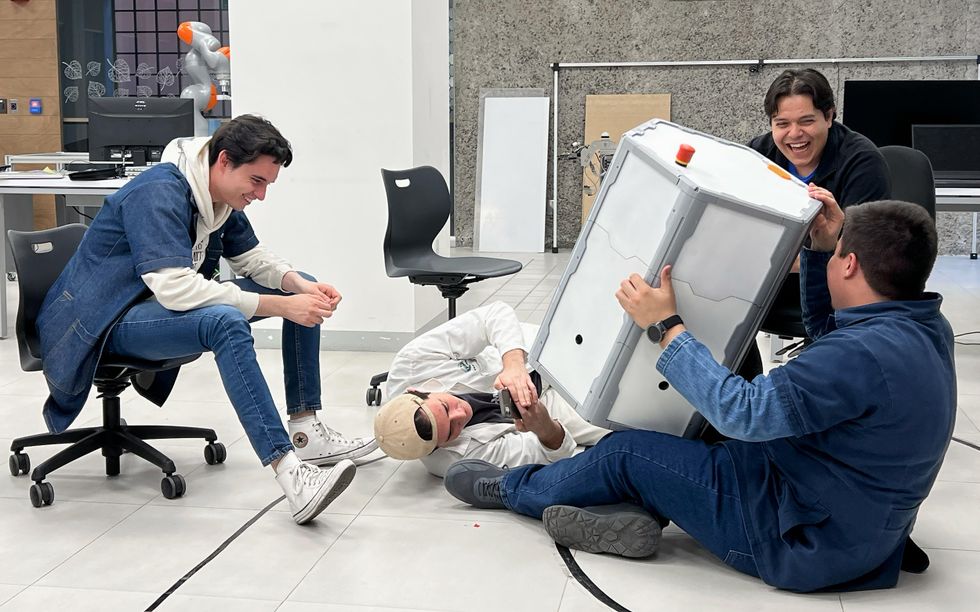
ITESO Team Develops RoboMeshA Portable Educational Platform for Robotics Learning
In Guadalajara, Mexico, a team from ITESO, Universidad Jesuita de Guadalajara, has developed RoboMeshA, a portable educational platform aimed at enhancing robotics and AI learning in high schools lacking advanced tools. This initiative, part of the EPICS in IEEE program, involves 15 engineering students and faculty advisors who designed a self-contained mobile laboratory that allows students to engage with robotics without needing specialized facilities. RoboMeshA addresses the resource shortfall faced by many schools, enabling hands-on learning experiences in science, technology, engineering, and mathematics. The platform is user-friendly, allowing students to connect via a web browser and interact with the robot directly. The project integrates various engineering disciplines, providing students with a comprehensive understanding of how mechanics, electronics, software, and control systems work together. The team has built two units and is working on expanding the system's capabilities for classroom demonstrations. They aim for RoboMeshA to serve as a model for engineering education, promoting community engagement and inspiring future engineers. No further timeline was disclosed at the time of publication.
Robotics Ai Type-ti Ieee-educational-activities Ieee-products-and-services Epics-in-ieee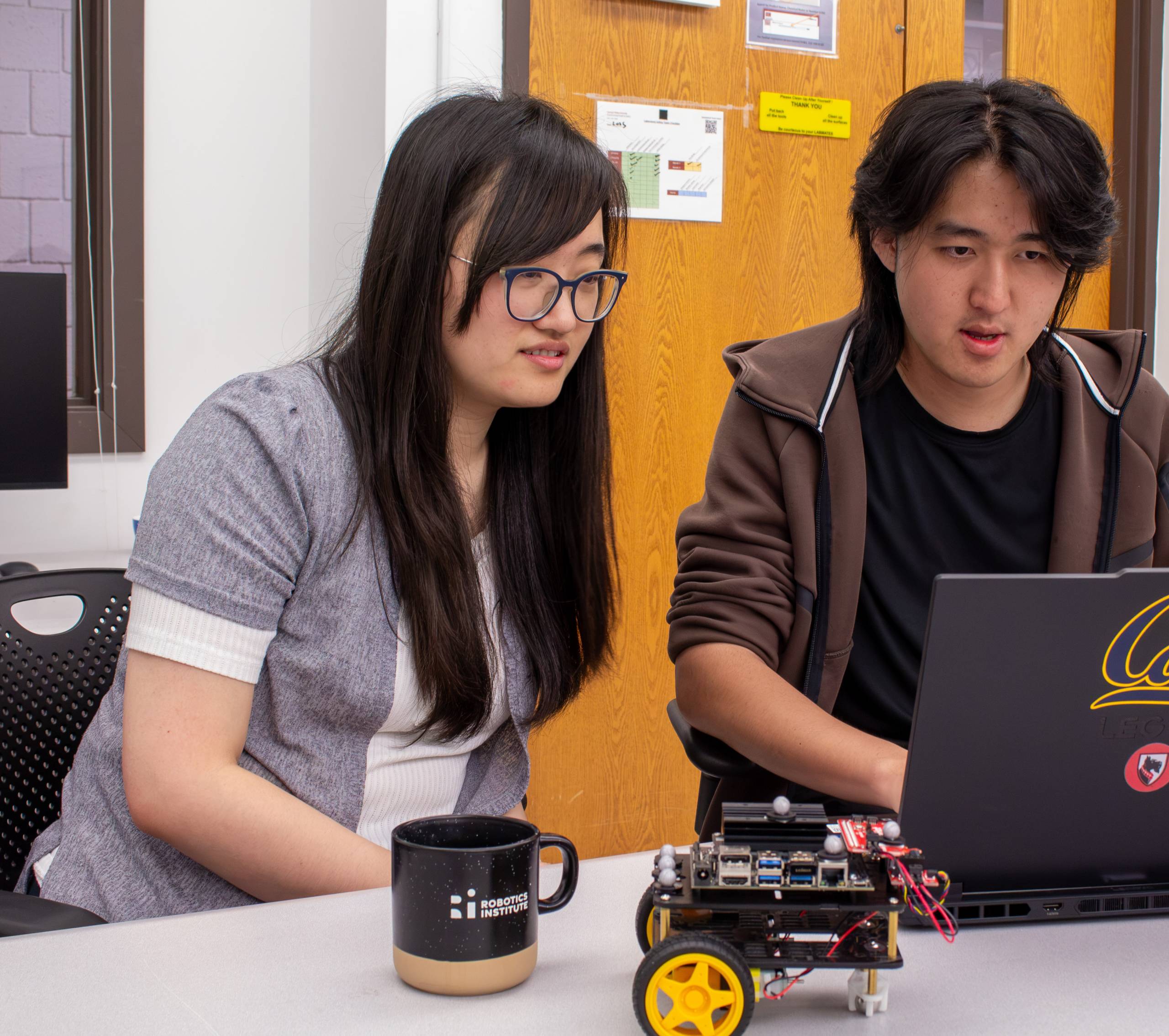
Carnegie Mellon Develops LAMP to Enhance Robot Coordination in Cluttered Spaces
Researchers at Carnegie Mellon University are advancing a system called Long-Horizon Adaptive Manipulation Planning (LAMP) to improve how teams of robots collaborate in cluttered environments. This innovative approach addresses the challenges of multirobot manipulation, particularly in settings like warehouses where obstacles can hinder movement. LAMP enables robots to plan their movements collectively, ensuring they can navigate around obstacles while efficiently transporting objects. This system integrates learned models with search-based planning, allowing robots to adapt their strategies in real-time based on environmental changes, which is crucial for maintaining stability and control during operations. The team successfully demonstrated LAMP's capabilities by having multiple robots transport objects to form the letters “IROS” in a crowded space. This research highlights the potential for enhanced robotic coordination in complex environments, with the system set to be presented at the 2026 IEEE/RSJ International Conference on Intelligent Robots and Systems in Pittsburgh this fall.
Research
IROS 2026 Conference Set for September 27 to October 1 in Pittsburgh, USA
The 2026 IEEE/RSJ International Conference on Intelligent Robots and Systems (IROS 2026) is scheduled to take place from September 27 to October 1 in Pittsburgh, USA. The event will feature a diverse program including plenary and keynote talks, workshops, tutorials, forums, competitions, and a debate, aimed at advancing discussions in robotics. This conference is significant as it brings together leading experts to address critical topics in robotics, such as autonomous surgery, social awareness in robots, and the future of embodied AI. Keynote speakers include notable figures like Elena De Momi and Greg Chirikjian, who will share insights on their respective fields, highlighting the importance of innovation in robotics. Attendees can look forward to engaging forums on government funding and robotics education, alongside workshops that cover a wide range of topics. No further timeline was disclosed at the time of publication.
Robotiq Launches Open-Source Software Tools for Enhanced Adaptive Grippers
Robotiq has introduced three open-source software tools for its adaptive grippers, aimed at enhancing robotics development. These tools include a ROS 2 package, a standalone C++ SDK, and updated Isaac Sim assets, all available on Robotiq’s GitHub repository. This release marks the initial components of Robotiq’s Contact Core software layer for physical AI, with further advancements expected in the fourth quarter. The significance of this release lies in the growing demand for higher fidelity in simulation and tighter control loops for physical AI applications. According to Robotiq's CTO, Vincent Duchaine, conventional grippers do not meet the requirements of modern applications, which necessitate detailed reporting and continuous data collection across numerous cycles. The new tools are designed to support developers in creating more sophisticated robotics solutions. Looking ahead, Robotiq plans to introduce embedded intelligence at the point of contact, anticipated for release in the fourth quarter. The company will showcase this technology at the upcoming IEEE/RSJ International Conference on Intelligent Robots & Systems (IROS 2026) in Pittsburgh on September 28, 2026, at booth 427.
AI AI Funding & Investment AI Infrastructure & Compute Robotics C++ grippers
Robotiq Introduces Open-Source Software for Enhanced Robot Manipulation and Physical AI
Robotiq has unveiled three open-source software tools for its adaptive grippers, including a C++ SDK, an official ROS 2 package, and updated Nvidia Isaac Sim assets. These tools are now available on GitHub and are optimized by Robotiq to enhance the functionality of their grippers in physical AI applications. The significance of these releases lies in their response to the increasing demands of physical AI, which requires advanced capabilities from robotic grippers. According to Vincent Duchaine, CTO AI at Robotiq, the new tools support higher fidelity in simulation and tighter control loops, enabling better data collection and reporting from the grippers during operation. Looking ahead, Robotiq plans to introduce embedded intelligence at the point of contact, with an expected release in Q4. This innovation will be showcased at the IEEE/RSJ International Conference on Intelligent Robots & Systems (IROS) 2026 in Pittsburgh, highlighting Robotiq's commitment to advancing robot manipulation technologies.
Components News adaptive grippers end-of-arm tooling nvidia isaac sim open source robotics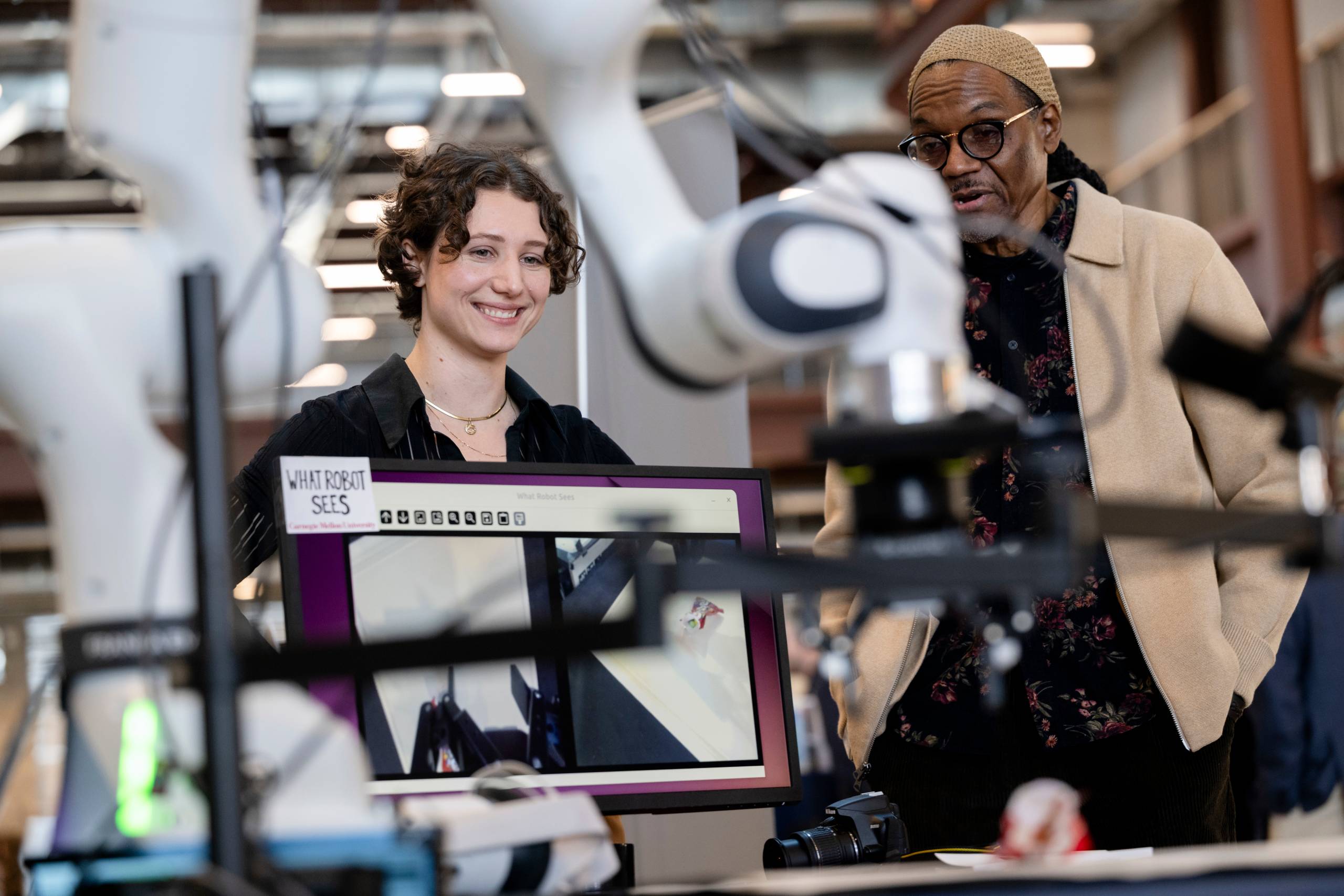
Pittsburgh to Host 2026 IEEE/RSJ International Conference on Intelligent Robots and Systems
Pittsburgh is set to host the 2026 IEEE/RSJ International Conference on Intelligent Robots and Systems (IROS) from September 27 to October 3 at the David L. Lawrence Convention Center. This event will highlight Carnegie Mellon University's leadership in robotics. The conference is significant as it brings together experts and innovators in the field of robotics, showcasing advancements and fostering collaboration. Carnegie Mellon University, known for its pioneering work in robotics, will be at the forefront of this global gathering. As the date approaches, attendees can expect a rich program featuring discussions on the latest technologies and research in intelligent robotics. No further timeline was disclosed at the time of publication.
Uncategorized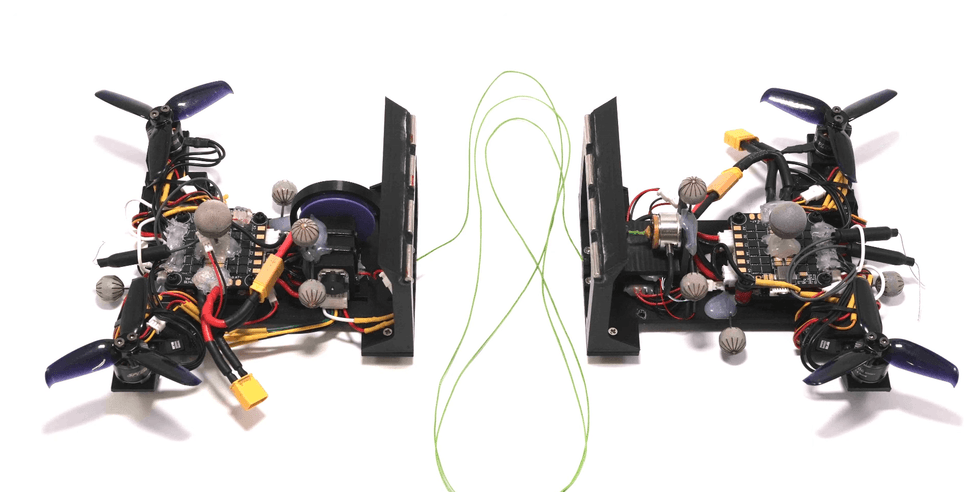
Video Friday Highlights: Innovations in Robotics from IEEE Spectrum
This week's Video Friday from IEEE Spectrum showcases a variety of robotics innovations, including a unique quadrotor design that combines two birotors. The significance of this development lies in its potential to enhance aerial mobility and efficiency in various applications. Additionally, the segment features a humanoid robot designed for safety, an undulatory robot capable of climbing and swimming, and advancements in telepresence technology, indicating a growing trend towards versatile robotic solutions.
Video-friday Quadrotors Robot-videos Home-robots Humanoid-robots Telepresence-robot
Keynote and Plenary Talks from the 2026 ICRA Conference Now Available for Viewing
The 2026 IEEE International Conference on Robotics & Automation (ICRA) took place in Vienna from June 1 to June 5, gathering experts from various robotics fields. Recordings of keynote and plenary talks, along with panel discussions, are now accessible for viewing. Notable plenary speakers included Ken Goldberg, Barbara Mazzolai, and Roland Siegwart, addressing topics such as agentic coding and sustainable robotics. This event is significant as it showcases the latest advancements in robotics and fosters collaboration among researchers and industry professionals. The discussions covered a wide range of topics, including autonomous vehicles, medical robotics, and human-robot interaction, highlighting the importance of interdisciplinary approaches in the field. The availability of these recordings allows a broader audience to engage with the insights shared during the conference. Looking ahead, the recorded sessions will serve as valuable resources for those interested in the evolving landscape of robotics. No further timeline was disclosed at the time of publication. The ICRA conference continues to be a pivotal platform for innovation and knowledge exchange in robotics and automation.
Affordable Touch Sensors Enhance Interaction in Social Robots with HERA Prototype
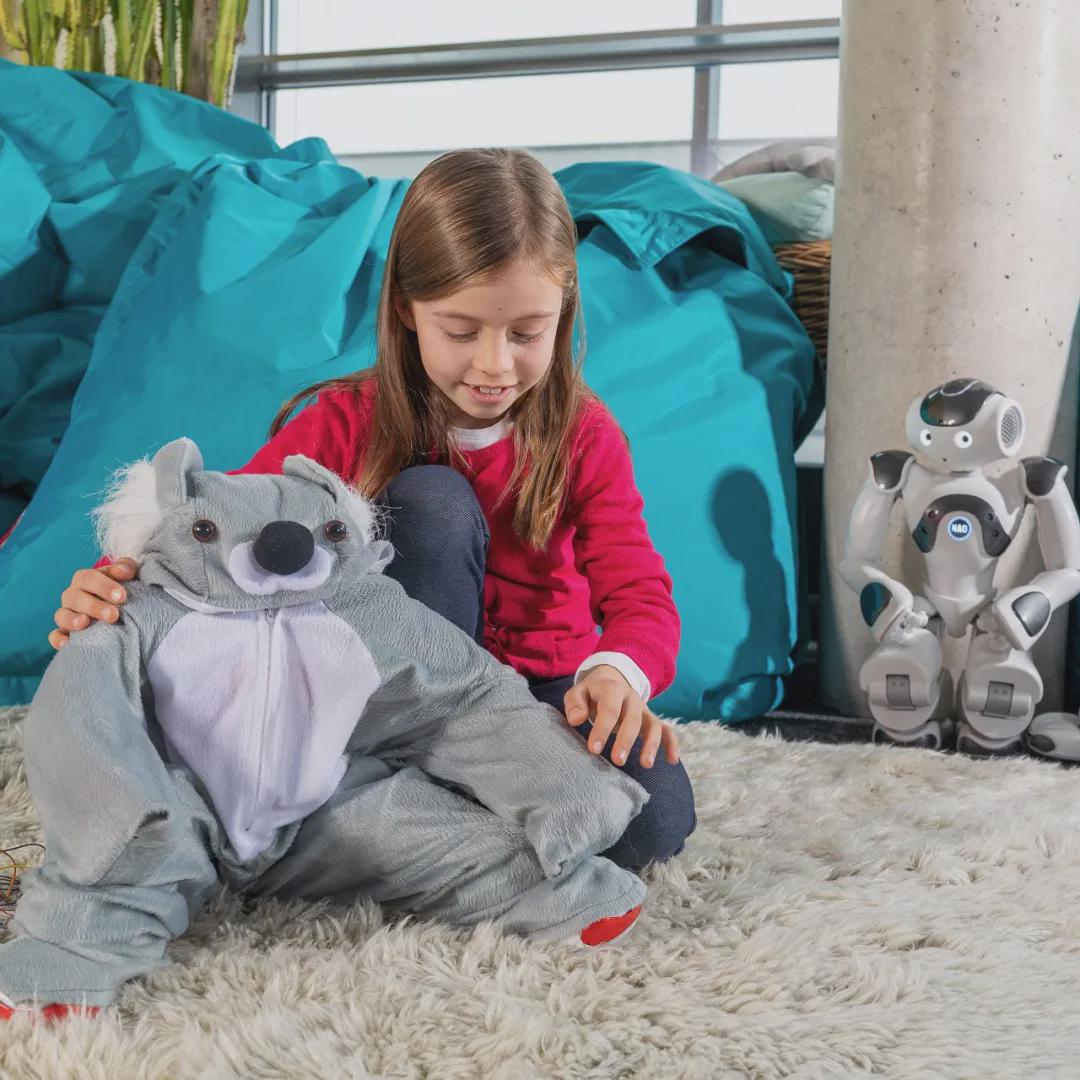
The HERA prototype, developed by the Max Planck Institute for Intelligent Systems in collaboration with the University of Tennessee and Fraunhofer IPA, integrates 16 custom flexible touch sensors into a modified koala pajama outfit for the NAO robot. This setup allows the robot to recognize five touch gestures and two pressure levels, enhancing its interactive capabilities. This advancement is significant as it addresses the limitations of existing social robots, which typically have few touch points and lack comprehensive tactile feedback. The HERA prototype's design prioritizes affordability and ease of manufacturing, making it a viable option for therapeutic applications, particularly for autism treatment, where durability and cost-effectiveness are crucial. Looking ahead, the research team has published their findings in the IEEE Transactions on Affective Computing, indicating a commitment to further development in this area. No further timeline was disclosed at the time of publication.
Touch Sensors Social Robotics Human-Robot Interaction AI Emotional Computing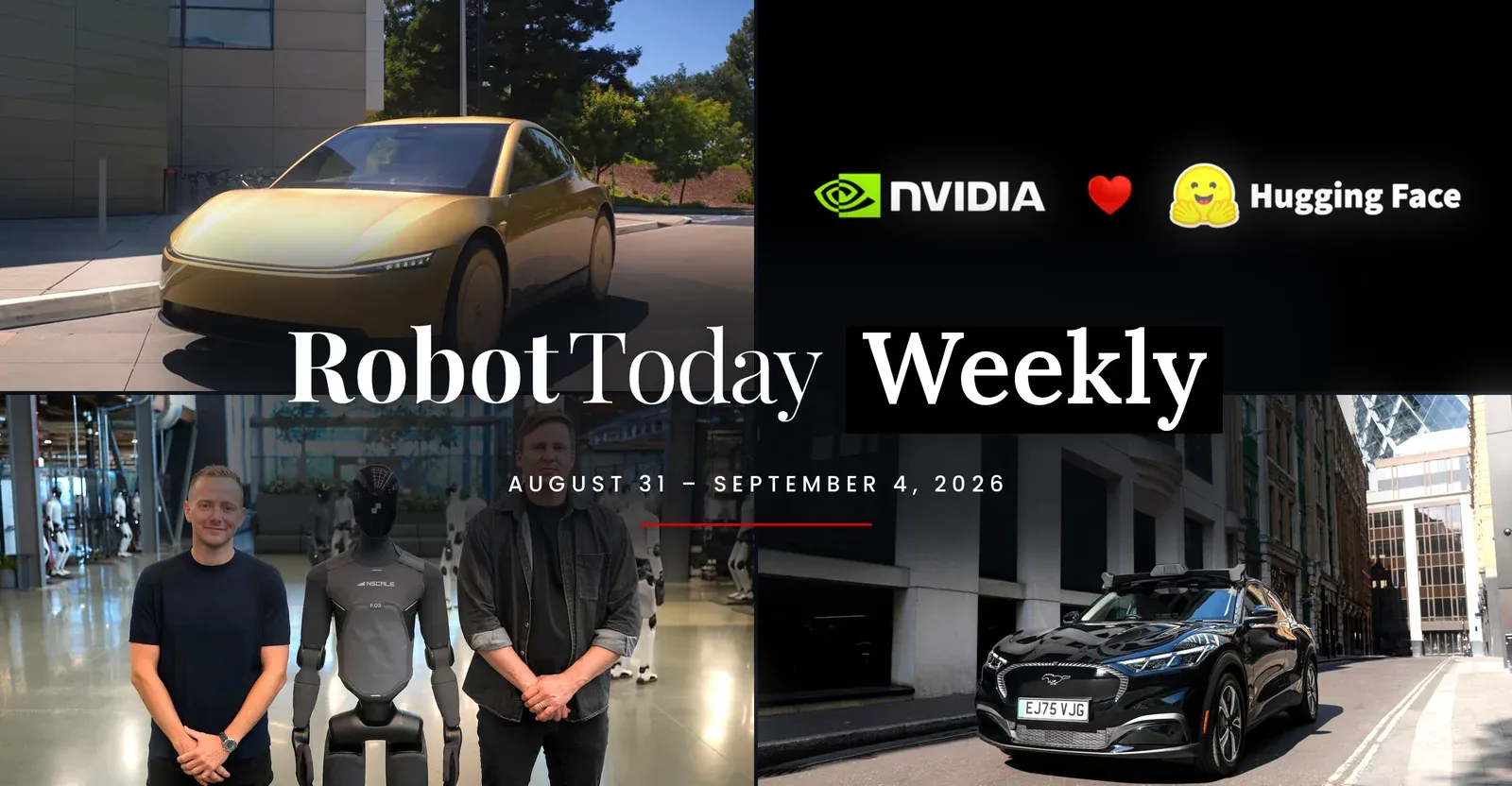
RobotToday Weekly Briefing August 31 – September 4, 2026
This week in robotics: NVIDIA agrees to buy Hugging Face for $12.93 billion, Figure signs a $3.5 billion compute deal with Nscale for up to 100,000 GPUs, Tesla launches steering-wheel-free Cybercabs in Austin under NHTSA scrutiny, and Uber and Wayve bring the UK its first autonomous rides. August 31 – September 4, 2026.

ROBOTTODAY WEEKLY August 17 – 21, 2026
This week in robotics: Unitree surges 629% in its Shanghai STAR Market debut at a $66 billion valuation, Nevada approves 7,000 robotaxis, Amazon Prime Air expands to nearly 500 US cities, and Beijing's World Robot Conference marks the industry's pivot from spectacle to scale. August 17–21, 2026.

ROBOTTODAY Weekly August 10 – 14, 2026
Your weekly robotics briefing: Unitree's IPO is swamped by retail demand, the US puts 100% tariffs on imported drones, LG and Nvidia commit to a 2027 humanoid, and Uber and Pony.ai bring 2,000 robotaxis to Europe.
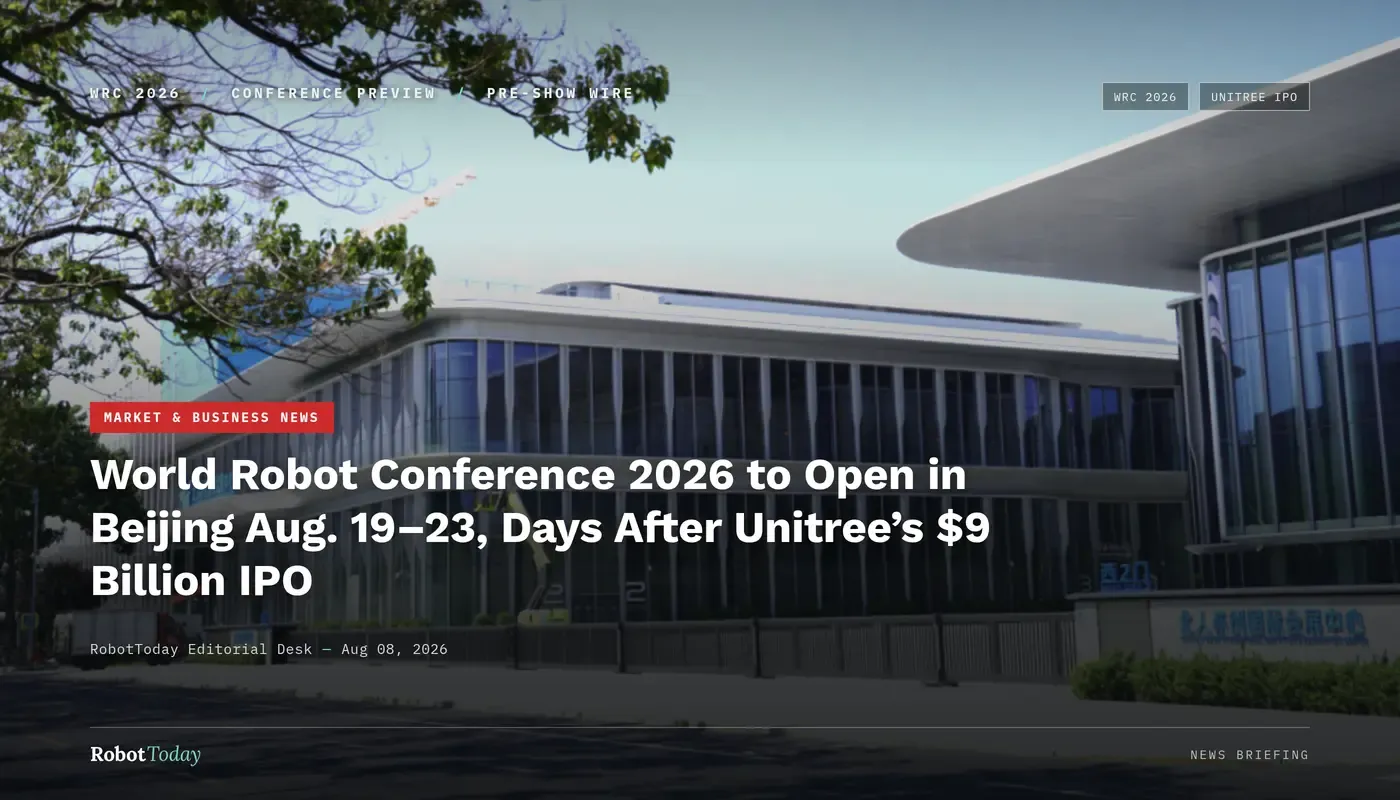
World Robot Conference 2026 Opens in Beijing Aug. 19–23, Days After Unitree's $9B IPO
WRC 2026 opens August 19 in Beijing with 300+ exhibitors, a first-ever SOE pavilion and a new Procurement Day, days after Unitree priced China's first mainland-listed humanoid robot IPO at a $9.04 billion valuation.

ROBOTTODAY Weekly August 3 – 7, 2026
This week in robotics: Unitree prices its Shanghai STAR Market IPO with DeepSeek taking a strategic stake, the FCC expands its foreign-robot ban as China threatens retaliation, BMW commits to Figure 03 humanoids, and Zoox goes paid in Las Vegas. August 3–7, 2026.

WAIC Review 4/4: From Port AGVs to Hospital Night Shifts: What WAIC 2026 Reveals About Real Robot Deployments
From 530+ AGVs at a Singapore port to robots on Apple's line, WAIC 2026 speakers shared concrete data on where embodied AI robots are actually working today.
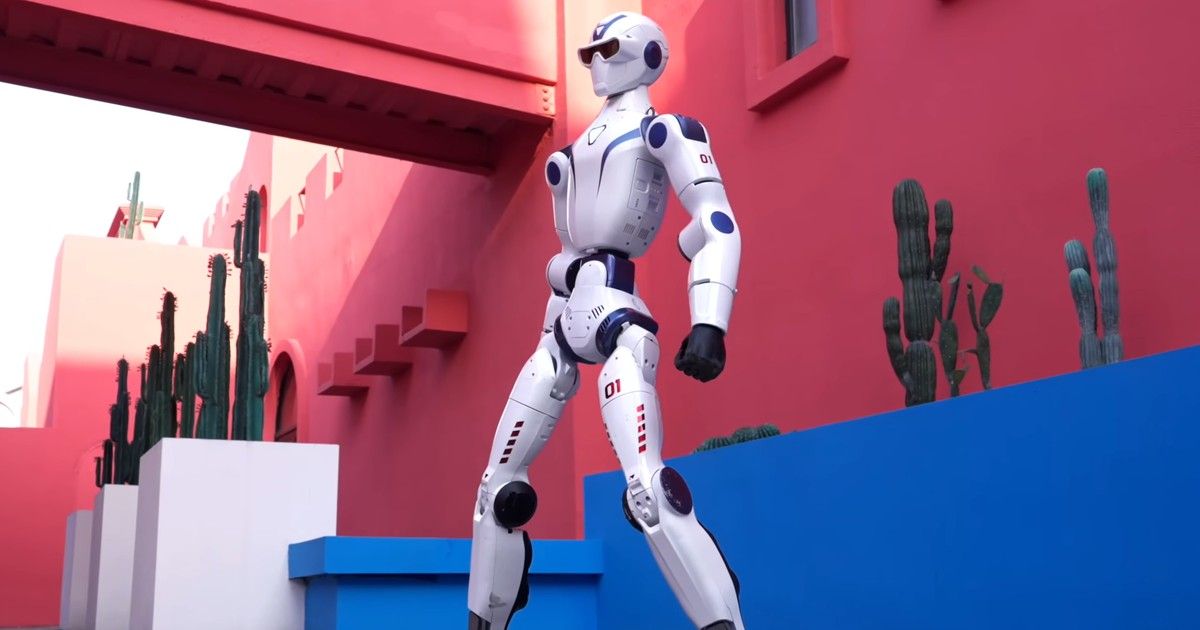
US Restrictions on Chinese Humanoid Robots: The Full Map
Every US restriction on Chinese humanoid robots — NDAA Sec. 163, GUARD Act, the 1260H list — plus the supply-chain math and a 4-tier map of decoupling.

The Most Important AI at WAIC Wasn't a Robot
At WAIC 2026, AI-native platforms quietly replaced interpreter hardware — what invisible AI infrastructure means for robotics and embodied AI.

ROBOTTODAY Weekly July 6 – 10, 2026
This week in robotics: AI² Robotics raises $735M for wheeled humanoids, Unitree G1 performs first live surgery, Dexmal launches DexOS platform, Agility Robotics announces SPAC, and Ondas acquires DZYNE for $875.8M. July 6–10, 2026.
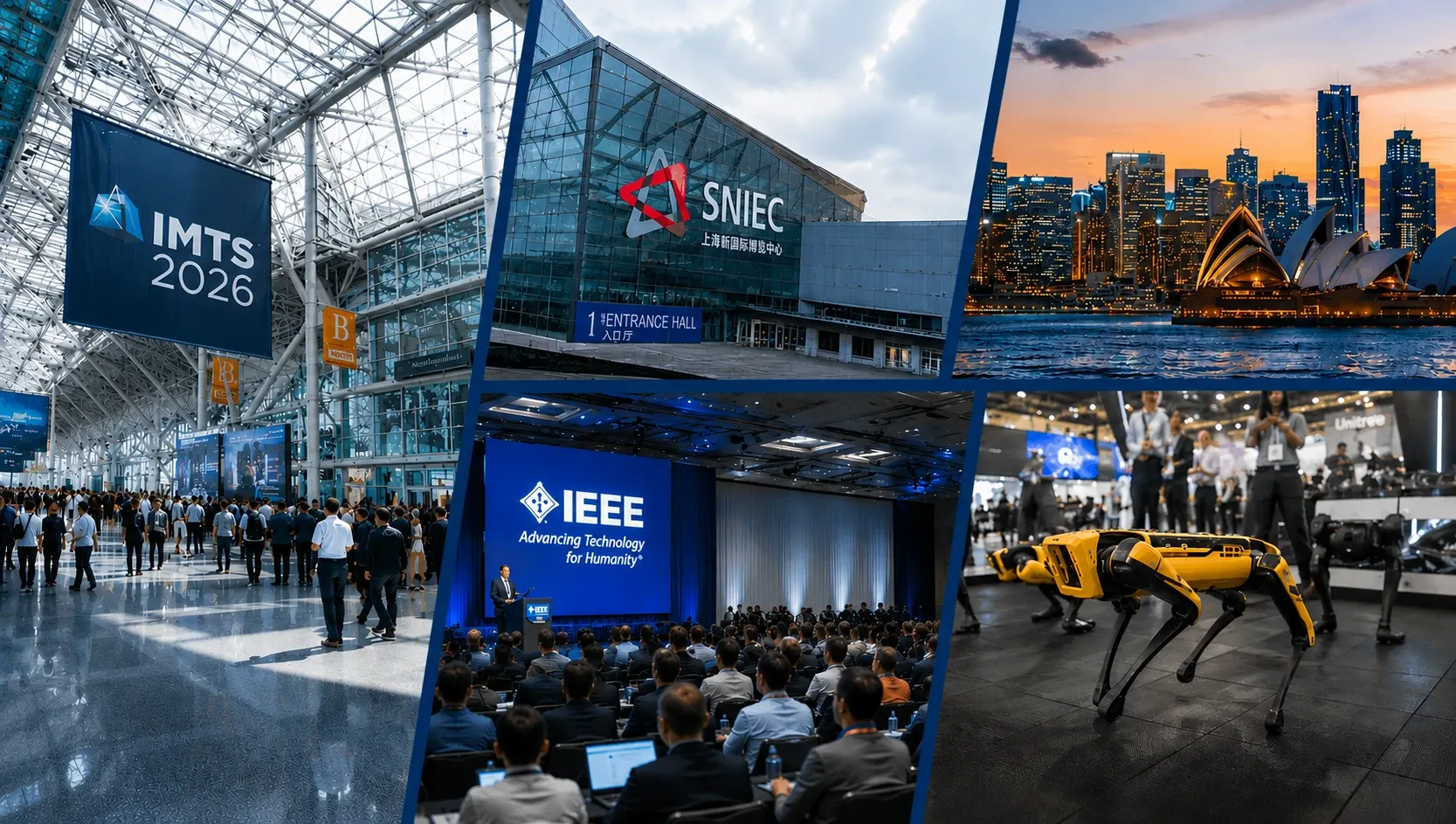
2026H2 Robotics Events Briefing: Tailored Recommendations for Robotics Readers
Discover the ultimate directory of global robotics events in 2026. Tailored briefings for engineers, investors, and founders on humanoid robots, AI, and industrial automation by RobotToday.


