

Robot Deliveries Begin Operations in Washington D.C. as New Urban Delivery Workforce
- Published
- Source
- leaderobot.com
In the summer of 2026, residents of Washington D.C. began receiving their food deliveries from a new type of delivery agent—a box-shaped, four-wheeled robot quietly navigating the sidewalks. In July 2026, the D.C. Department of Transportation officially issued operating permits for sidewalk delivery devices to Serve Robotics and Coco Robotics, expanding from a pilot program near George Washington University to residential areas like Dupont Circle and parts of downtown.
The initial operational scale is set at 25 robots per company, covering approximately one square mile. Serve Robotics announced a partnership with DoorDash to launch delivery services and later collaborated with Grubhub to extend its delivery network to Chicago, Los Angeles, and Alexandria. Serve CEO Ali Kashani noted the rapid expansion of their robots from a few blocks to new cities, including San Jose and Washington D.C.
These delivery robots employ a low-profile strategy, integrating seamlessly into existing delivery services without requiring customers to download new apps. The goal is to simplify service, with devices like the Beacon notifying restaurant staff when robots arrive. As Serve Robotics refines its operations, it has deployed over 2,000 robots nationwide, serving over 4,000 restaurants and expanding into hospital robotics with the acquisition of Diligent Robotics, introducing the Moxi 2.0 hospital robot with enhanced capabilities.
Original report
Robot Deliveries Quietly Enter Washington D.C. as New Urban Workforce
leaderobot.com · LeaderobotThis briefing is an independently written summary based on publicly available reporting and is provided for industry information and news discovery. The original report and source publication are credited and linked where applicable. RobotToday does not claim ownership of third-party source material.
Rights concerns? Contact [email protected] with the relevant URL and details. We will review the matter and take appropriate action where warranted.
More related news
- 1
- 2
- 3
- 4
- 5
- 6
- 7
- 8
- 9
-
10
RobotToday Weekly October 5 – 9, 2026 RobotToday · 2 weeks ago
- 11
- 12
Related Suppliers
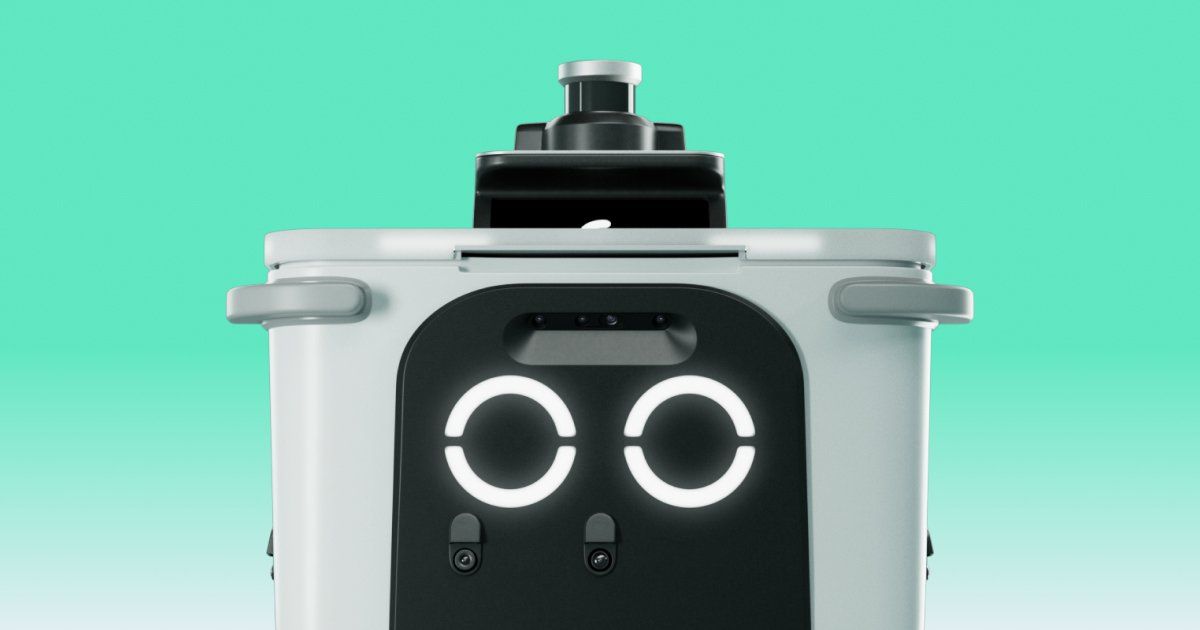
Serve Robotics
United States
US sidewalk delivery robot company (Nasdaq: SERV) operating 2,000+ Gen3 robots carrying 50 lb at 6 mph with 14-hour battery life across 4,000+ restaurant.

Coco Robotics
United States
Coco Robotics builds electric, AI-powered sidewalk delivery robots for affordable, zero-emission last-mile urban deliveries.
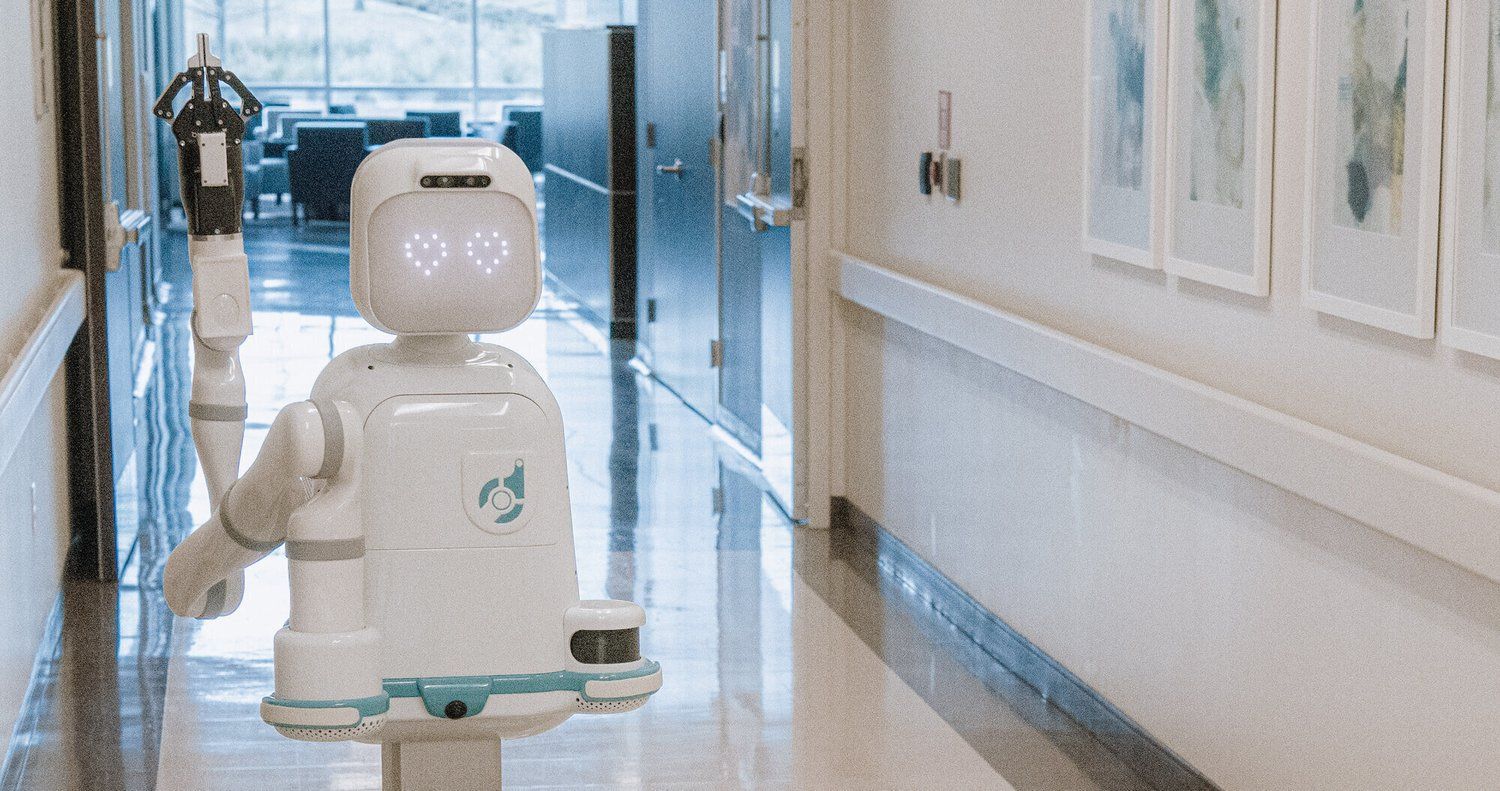
Diligent Robotics
United States
Austin-based robotics company deploying Moxi, an AI-powered mobile manipulator that assists hospital clinical staff.

J-MEX Inc. 晶鑫科技股份有限公司
Taiwan
Hsinchu, Taiwan motion-sensing company founded 2006; makes MEMS inertial motion-capture suits and teleoperation systems for robotics and sports.

Marvelmind Robotics
United States
Developer of high-precision indoor positioning systems using ultrasonic beacons for autonomous robots, AGVs, and drones.
Pierce Aerospace
United States
Fishers, Indiana drone-safety firm founded 2016; makes B1 Remote ID beacons and YR1/R2S/R2T receivers used on the Defense Innovation Unit's Blue UAS list.
Pixconvey
United Kingdom
Edinburgh-based startup developing autonomous mobile delivery robots for campus and urban last-mile food and goods delivery.

Intermode
United States
Intermode is a Detroit robotics company offering a modular, lease-based outdoor delivery robot built to automotive-grade standards for last-mile logistics.

Verustruct
United States
US public benefit corp founded by ex-SpaceX engineer Nick Callegari, building gantry-less translational slip-form robots that print walls with embedded MEP.

Urban Crop Solutions
Belgium
Belgian vertical farming company founded 2014, manufacturing automated indoor growing containers and plant factories with LED lighting and hydroponic.

NoTip
United States
NoTip runs a tip-free, hybrid human-and-robot food delivery service that began a public beta in Mason, Ohio in August 2026.
Arrive AI
United States
Nasdaq-listed maker of the Arrive Point smart, AI-powered delivery box connecting people, robots and drones for autonomous last-mile delivery.
Robotics needs a service framework.
RSF defines a common language for robot service capability, lifecycle operations, certification pathways, and service-provider networks.
Join the RobotToday community on LinkedIn
Daily robotics news, in-depth analysis, conference highlights, and discussions with professionals worldwide.


