

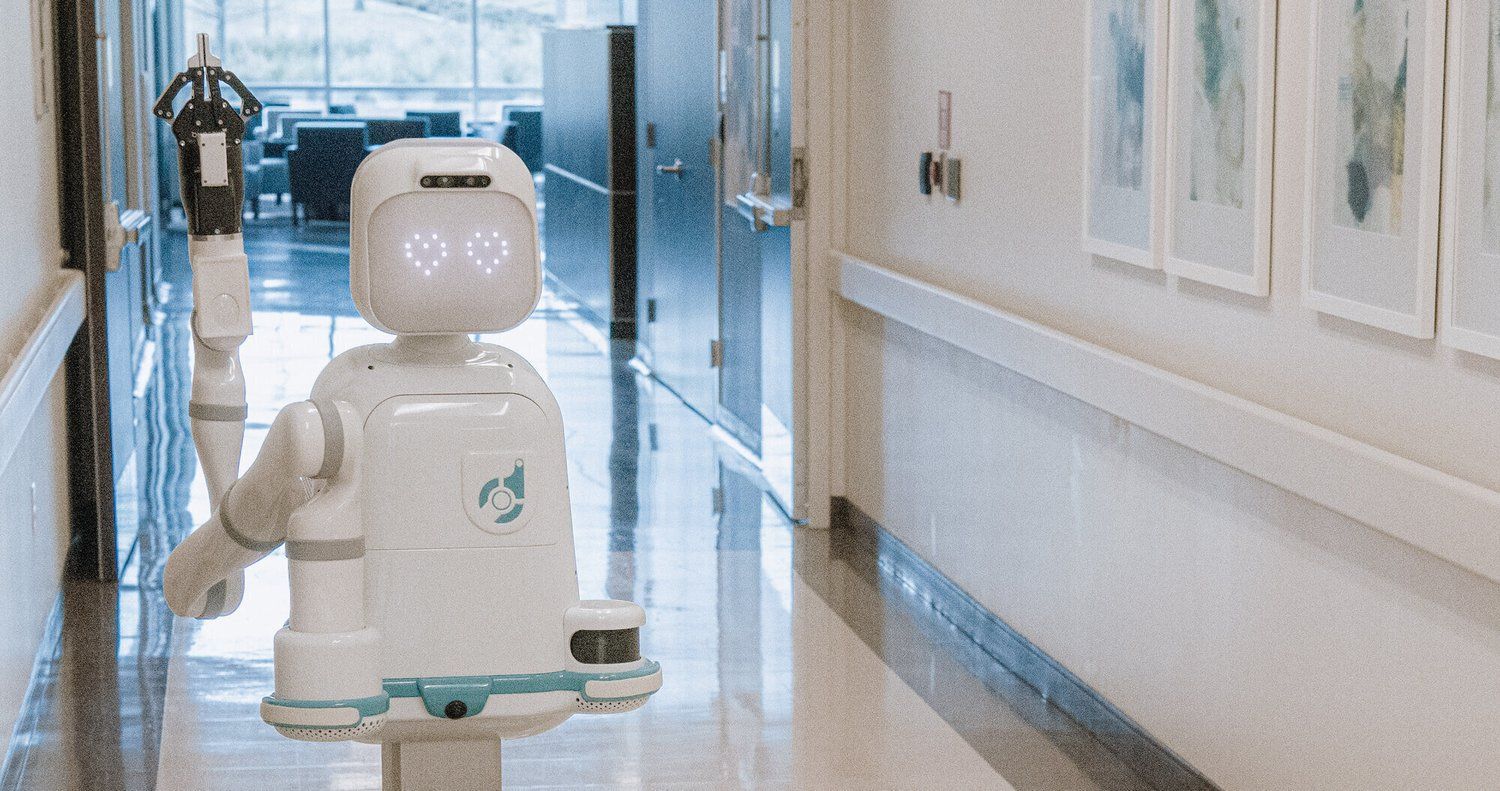
Diligent Robotics
"Robots that work with people"
Austin-based robotics company deploying Moxi, an AI-powered mobile manipulator that assists hospital clinical staff.
Contact Diligent Robotics
WEBSITE
https://www.diligentrobots.com/PHONE
+1 (512) 262-9457HEADQUARTERS
United States

Company Facts
Founded
2017
Primary Role
Manufacturer
Company Size
-
Primary Region
North America
Annual Sales
-
Funding Stage
-
Funding Total
-
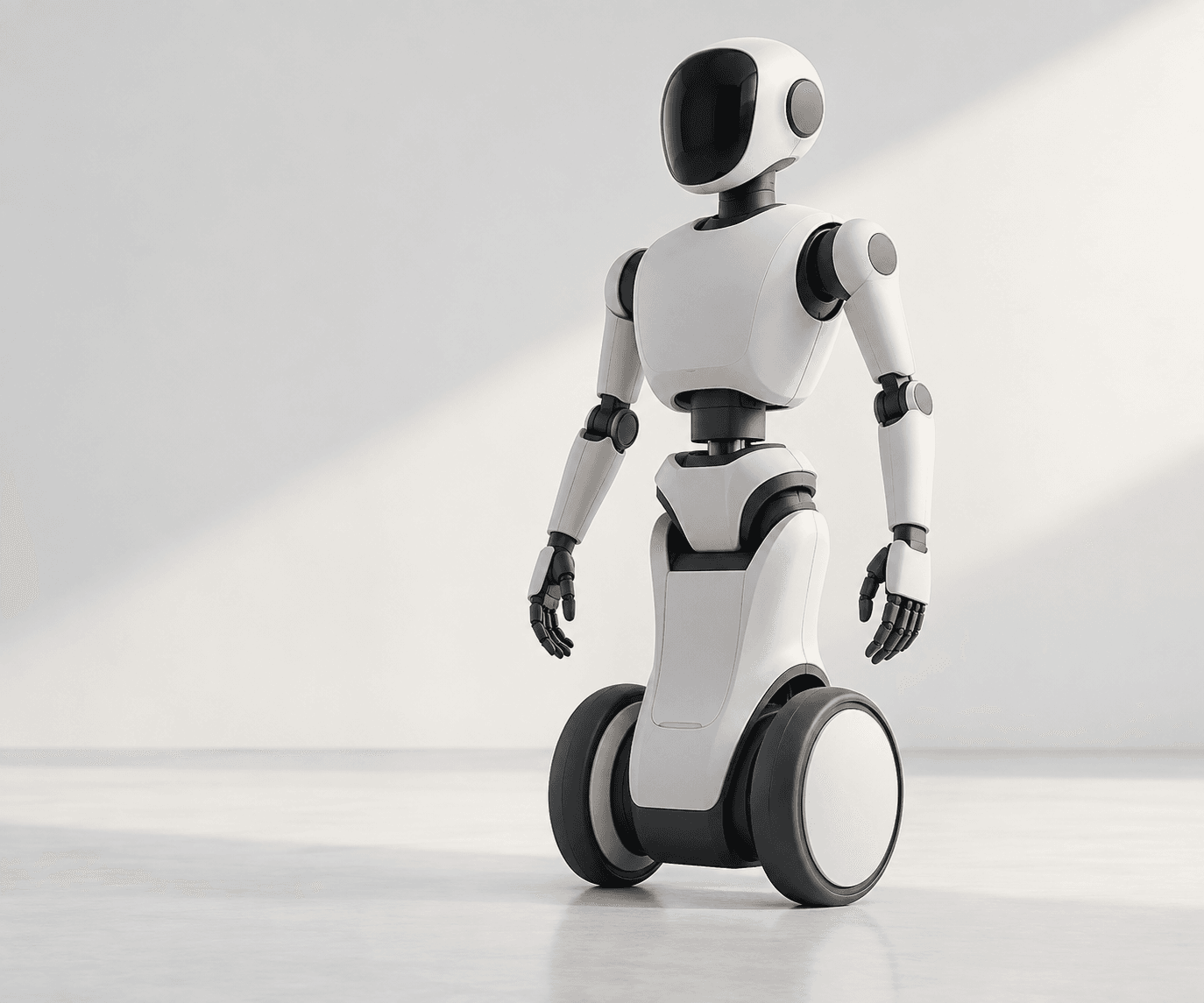
Blueworm Embodied Unveils Mantis Standard Modular Wheeled Humanoid Priced from RMB 9,800
Blueworm Embodied has launched the Mantis Standard, a modular wheeled humanoid robot priced starting at RMB 9,800. This innovative robot features 22 degrees of freedom and a single-arm payload capacity of 7 kg, enhancing its versatility in various applications. The introduction of the Mantis Standard is significant as it combines advanced capabilities with affordability, making humanoid robotics more accessible. With an omnidirectional chassis that can reach speeds of 3 m/s and teleoperation latency under 10 ms, this robot is designed for efficient operation in dynamic environments. Looking ahead, the Mantis Standard's modular design may pave the way for further developments in humanoid robotics. As the market for such technologies grows, industry professionals will be keen to observe how this product influences the competitive landscape and adoption rates in various sectors. No further timeline was disclosed at the time of publication.
Tokyo's MW Develops Ceiling-Mounted Robotic Arms for Home Automation Instead of Humanoids
Tokyo-based MW is innovating in home automation by integrating robotic arms into residential ceilings, diverging from the trend of humanoid robots. The company aims to debut its MW bot by 2028 and produce 10,000 robotic homes annually by 2035, potentially capturing 5% of Japan's new housing market. This approach addresses the challenges of compact Japanese homes, where traditional bipedal robots struggle with space and safety. MW's ceiling-mounted robotic arms are designed to handle everyday tasks like sorting groceries and folding laundry, as demonstrated in a recent showcase in Tokyo's Toyosu waterfront area. MW's business model is unique, controlling the entire process from land acquisition to AI development. With 3 billion yen in seed funding and plans for international expansion by 2029, the company is focused on high-end real estate, with the success of its technology dependent on reducing costs for broader market adoption. No further timeline was disclosed at the time of publication.
Home Automation Robotic Arms Smart Homes AI Technology
Digital Huaxia's Chen Junmin Outlines Robotics Development Focus for 2024 to 2026
Digital Huaxia co-founder Chen Junmin has outlined a strategic focus for robotics development over the next three years. In 2024, the emphasis will be on enhancing leg mobility, followed by hand functionality in 2025, and cognitive capabilities in 2026. This phased approach aims to ensure that robots can effectively operate in real-world environments such as hospitals and banks. The significance of this strategy lies in addressing the challenges of deploying robots in practical scenarios. While robots have improved in movement and manipulation, achieving stability and reliability in public spaces remains a hurdle. Chen emphasizes the need for a balance between advanced technology and practical application, particularly in environments requiring prolonged mobility and autonomous operation. Looking ahead, the industry must focus on overcoming barriers to commercialization, including reliability, cost reduction, and the ability to operate effectively in real-world settings. Chen notes that while the industry is exploring various applications, the true test will be whether the value created by robots can justify their costs, a question that remains largely unanswered at this stage.
Humanoid Robots Robotics Integration AI Technology Service Robots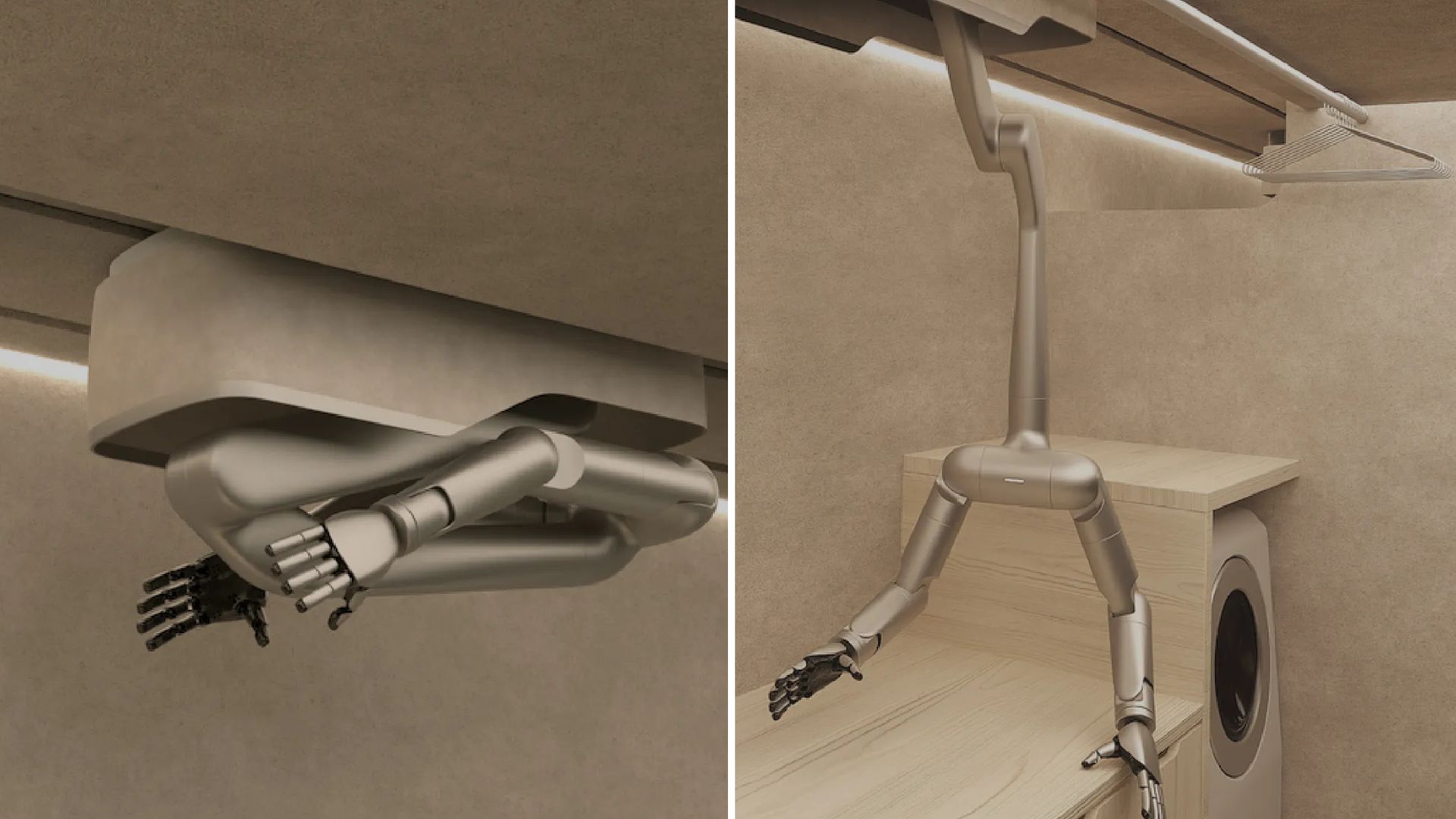
MW Develops Robotic Arm-Equipped Homes to Automate Household Chores by 2028
Tokyo-based startup MW is innovating residential living by creating homes with integrated ceiling-mounted robotic arms designed to automate household chores. This approach offers an alternative to traditional bipedal humanoid robots, focusing on custom architecture, the MW bot, and MW Intelligence software. MW aims to debut these automated homes in Tokyo by 2028, with plans to scale production to 10,000 units annually by 2035. The significance of MW's initiative lies in its potential to transform the Japanese housing market, targeting a five percent share of new home construction. The company has already completed its first generation of the MW bot and received over 1,000 applications for its homes. The design addresses the limitations of bipedal robots in compact living spaces, opting for wall- and ceiling-mounted systems that can perform tasks like grocery handling and laundry folding. Looking ahead, MW's strategy includes selling its first fully functional robot-equipped home by 2028, with a focus on high-end real estate. The startup has secured ¥3 billion in seed funding and is pursuing a ¥10 billion Series A round, positioning itself as a comprehensive provider of automated housing solutions, from land acquisition to robot development.
AI and Robotics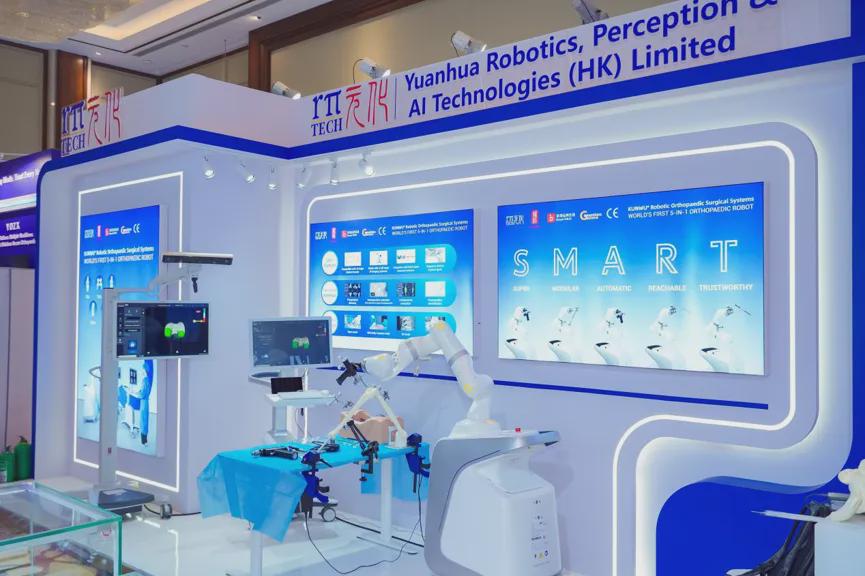
New Insights on Domestic Orthopedic Surgical Robots: Advancements in Complex Joint Replacement
The maturity of surgical robots is evaluated not just by their ability to perform standard joint replacements but also by their effectiveness in complex cases. At the 12th Asian Joint Society Annual Meeting held from September 10 to 12, 2023, in Boao, Hainan, experts discussed the challenges of robotic-assisted surgeries for patients with significant anatomical deviations. The event showcased the Kuntuo® orthopedic surgical robot in various scenarios, including live surgeries and workshops, emphasizing its role in addressing complex cases. A notable case involved a 66-year-old woman with developmental dysplasia of the hip, highlighting the need for personalized planning in joint replacement surgeries. The robot's capabilities extend beyond precision to include individualized preoperative planning based on patient-specific anatomical conditions. Future developments in robotic-assisted surgeries will likely focus on enhancing the robot's ability to adapt to unique anatomical challenges. The Kuntuo robot has previously been utilized in complex cases, indicating its growing relevance in orthopedic surgery. No further timeline was disclosed at the time of publication.
Orthopedic Robotics Surgical Automation Complex Case Management Medical Technology
JD Logistics Implements Diverse Robots to Transform Warehouse Automation
JD Logistics has deployed 11 different types of robots across over 20 provinces in China, including a dexterous arm that has surpassed the single-machine economic model threshold. This approach contrasts with the industry's focus on humanoid robots, emphasizing that the shape of robots should be determined by their operational requirements. The significance of JD's strategy lies in addressing the automation gap in logistics, where over 70% of warehouses still rely heavily on manual labor. JD's dexterous arm, known as 'Yilong,' can adapt its grip for various packaging types, resulting in over a 20% reduction in operational costs compared to traditional manual sorting. Looking ahead, JD aims to replicate its successful model across multiple projects, with a projected payback period of around two years for its first airport project. As JD continues to refine its robotic systems, the industry will need to consider the viability of humanoid robots in comparison to JD's efficient, specialized solutions.
Warehouse Automation Logistics Robotics AI Robotic Arms
Maven Robotics Secures $100 Million in Series A Funding to Innovate Industrial Automation
Maven Robotics has officially launched with $100 million in Series A funding, taking a unique technological approach by utilizing a wheeled chassis combined with dual arms to tackle monotonous palletizing tasks in warehouse logistics. CEO Hamza Derbas stated that bipedal robots are 'meaningless' in industrial scenarios due to their complexity, unreliability, and added costs. The company's wheeled robots can achieve a speed of 10 miles per hour and lift loads of up to 30 kilograms, maintaining a 99% operational rate for 16 hours a day in customer warehouses. This design prioritizes stability, efficiency, and maintainability over biomimetic forms, aligning with the core demands of industrial environments. Maven's understanding of 'task closure' positions it not merely as a robot supplier but as a provider of end-to-end automation solutions. Looking ahead, Maven aims to accumulate over 100,000 hours of autonomous operation data by the end of the year, with a goal of surpassing 1 million hours by 2027. This pragmatic approach underscores the belief that the evolution of industrial intelligence relies on consistent performance in real production lines rather than the allure of impressive demonstration videos.
Warehouse Automation Robotics Industrial Automation Logistics Technology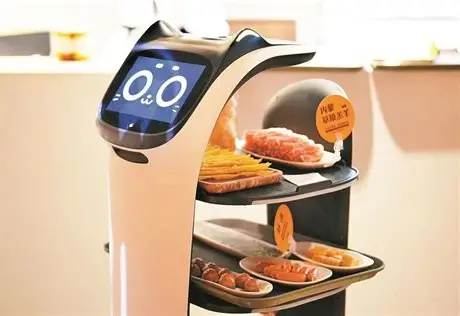
Robot Deliveries Begin Operations in Washington D.C. as New Urban Delivery Workforce
In the summer of 2026, residents of Washington D.C. began receiving their food deliveries from a new type of delivery agent—a box-shaped, four-wheeled robot quietly navigating the sidewalks. In July 2026, the D.C. Department of Transportation officially issued operating permits for sidewalk delivery devices to Serve Robotics and Coco Robotics, expanding from a pilot program near George Washington University to residential areas like Dupont Circle and parts of downtown. The initial operational scale is set at 25 robots per company, covering approximately one square mile. Serve Robotics announced a partnership with DoorDash to launch delivery services and later collaborated with Grubhub to extend its delivery network to Chicago, Los Angeles, and Alexandria. Serve CEO Ali Kashani noted the rapid expansion of their robots from a few blocks to new cities, including San Jose and Washington D.C. These delivery robots employ a low-profile strategy, integrating seamlessly into existing delivery services without requiring customers to download new apps. The goal is to simplify service, with devices like the Beacon notifying restaurant staff when robots arrive. As Serve Robotics refines its operations, it has deployed over 2,000 robots nationwide, serving over 4,000 restaurants and expanding into hospital robotics with the acquisition of Diligent Robotics, introducing the Moxi 2.0 hospital robot with enhanced capabilities.
Robot Delivery Urban Robotics Last-Mile Delivery AI Technology
China’s Dexterous Hand Industry, 2026 Part 1 — The Demand Picture
MIR Databank puts China dexterous hand shipments above 30,000 units in 2026, yet only 3.5% of 2025 demand came from factory production. Part 1 of 3.
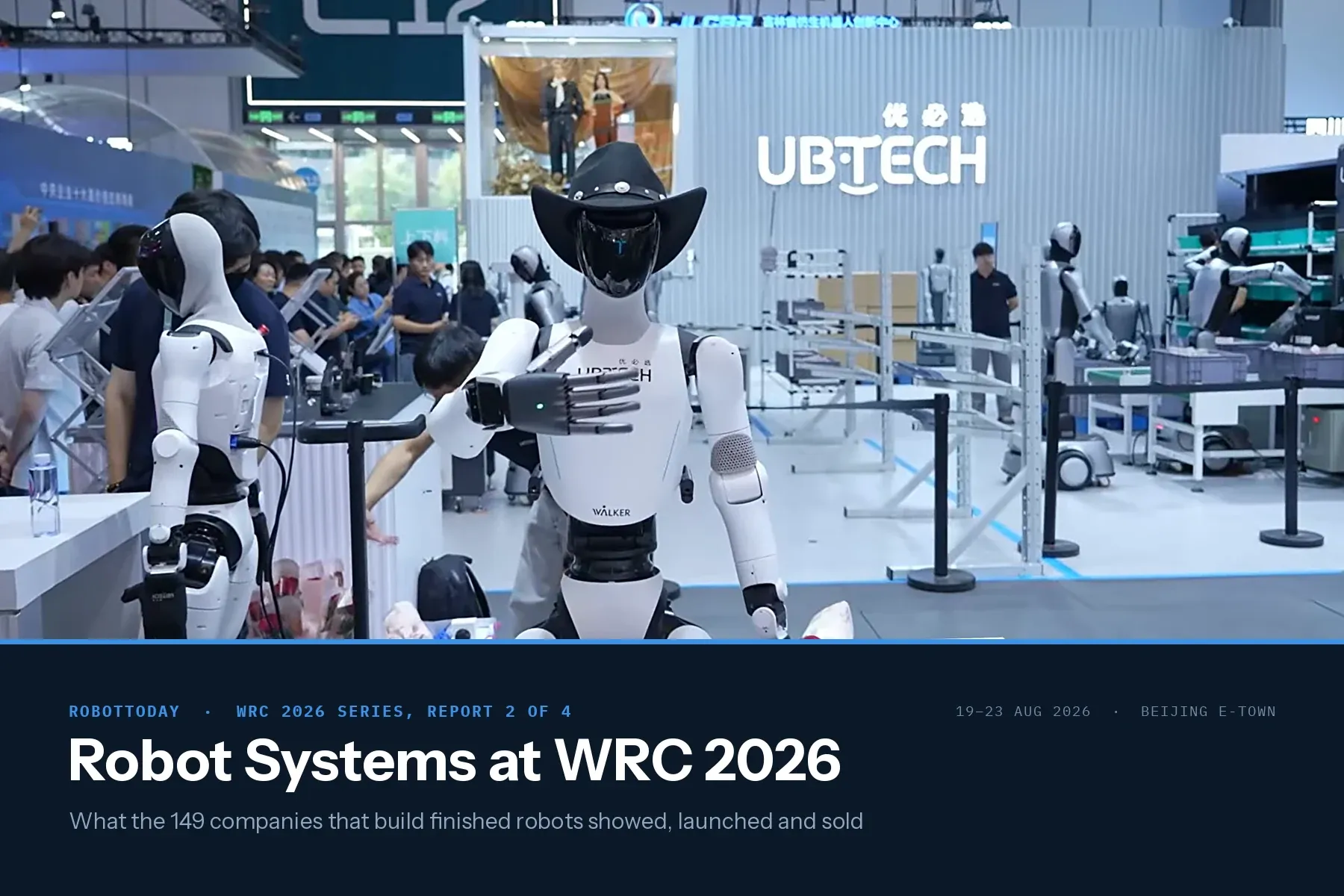
WRC 2026 Robot Systems: 149 Companies That Build Robots
149 of the 248 classified WRC 2026 exhibitors build finished robots. 93 build humanoid or legged machines. The audited humanoid sales number is one unit.
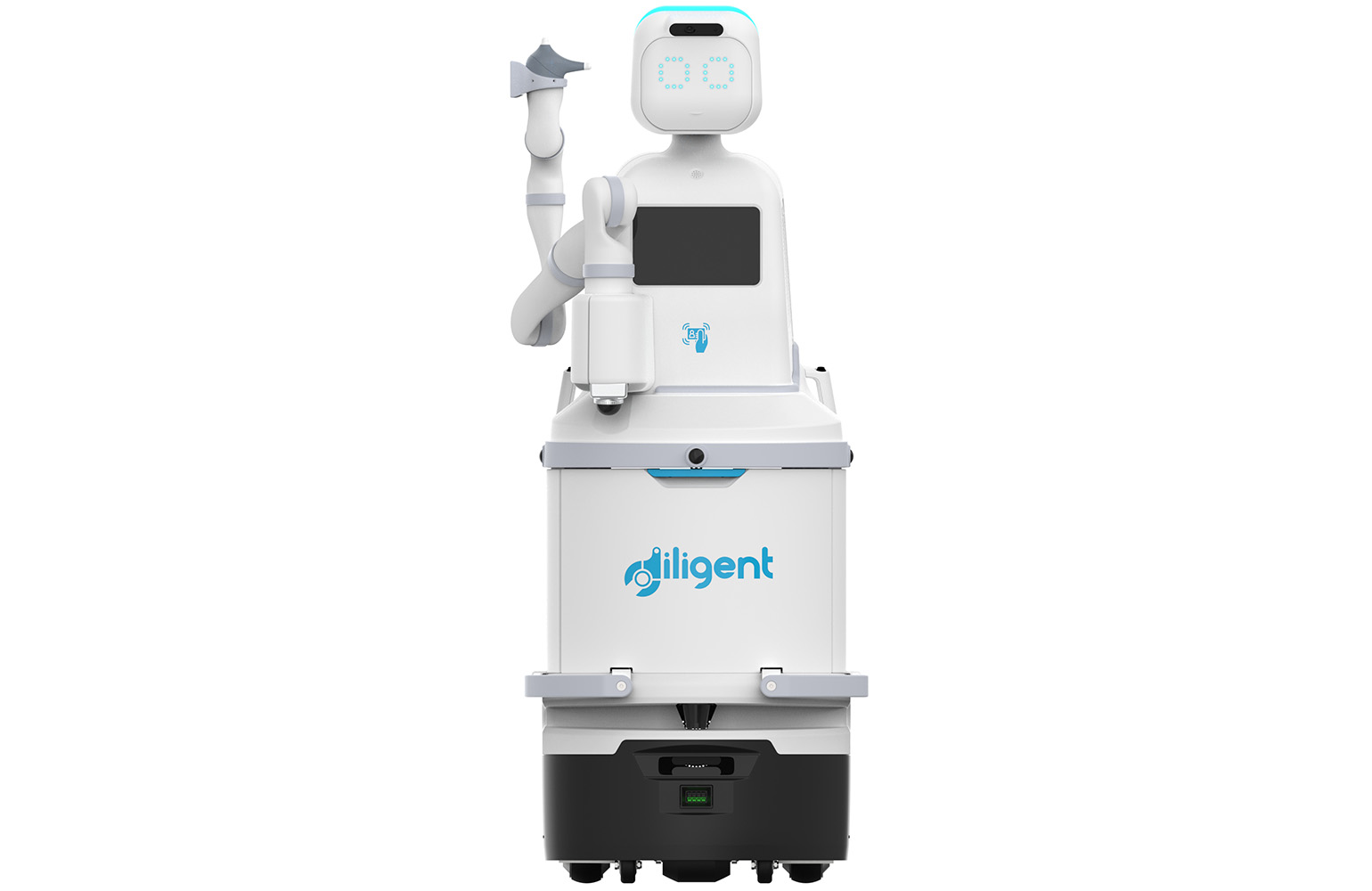
Diligent Robotics Begins Rollout of Moxi 2.0 to U.S. Health Systems
Diligent Robotics has commenced the rollout of Moxi 2.0 to health system customers across the United States. This next-generation platform has been shaped by five years of operation in over 25 hospitals, enhancing its capabilities for dynamic hospital environments. Moxi 2.0 features a proprietary learning flywheel that continuously improves the robot's performance based on deployment experiences. The significance of Moxi 2.0 lies in its advanced physical AI platform, designed to navigate the complexities of hospital hallways with greater confidence and safety. According to Andrea Thomaz, founder and CEO of Diligent Robotics, the new robot is equipped with enhanced compute, sensors, and models that allow it to operate more effectively in tight spaces filled with fast-moving people and equipment. The rollout includes partnerships with health systems such as Endeavor Health Edward Hospital and Providence Saint John’s Health Center. Looking ahead, Diligent Robotics is actively taking orders from health systems eager to implement Moxi 2.0, which can be integrated without altering existing infrastructure. The company, recently acquired by Serve Robotics for $29 million, is leveraging shared investments in physical AI research to accelerate innovation in its hospital deployments. No further timeline was disclosed at the time of publication.
Artificial Intelligence Artificial Intelligence / Cognition Autonomous Mobile Robots (AMRs) Design / Development Healthcare Robotics Markets / Industries
Diligent Robotics Launches Moxi 2.0 to Enhance Hospital Logistics Across the U.S.
Diligent Robotics, a subsidiary of Serve Robotics, has commenced the rollout of Moxi 2.0 to healthcare systems throughout the United States. This next-generation platform is designed to improve hospital logistics, leveraging insights gained from five years of operational experience across more than 25 hospitals. The introduction of Moxi 2.0 is significant as it incorporates advanced hardware and AI capabilities, promising faster and more reliable service in hospital environments. This development is part of Diligent Robotics' ongoing commitment to enhance the efficiency of care teams by integrating robotic assistance into their workflows. Looking ahead, the deployment of Moxi 2.0 will be closely monitored to assess its impact on hospital operations and patient care. No further timeline was disclosed at the time of publication.

Planning Algorithms Steven M. LaValle — RSF Specialist Shelf · Book S4 of 6
The reference that treats planning as a subject in its own right: configuration space, sampling-based methods, RRT. Free online, dual difficulty 4/5-2/5.

Robotics: Modelling, Planning and Control Siciliano, Sciavicco, Villani & Oriolo — RSF Specialist Shelf · Book S6 of 6
Siciliano's single-narrative counterpart to the Springer Handbook: kinematics through force control and visual servoing in one consistent notation. 4/5.
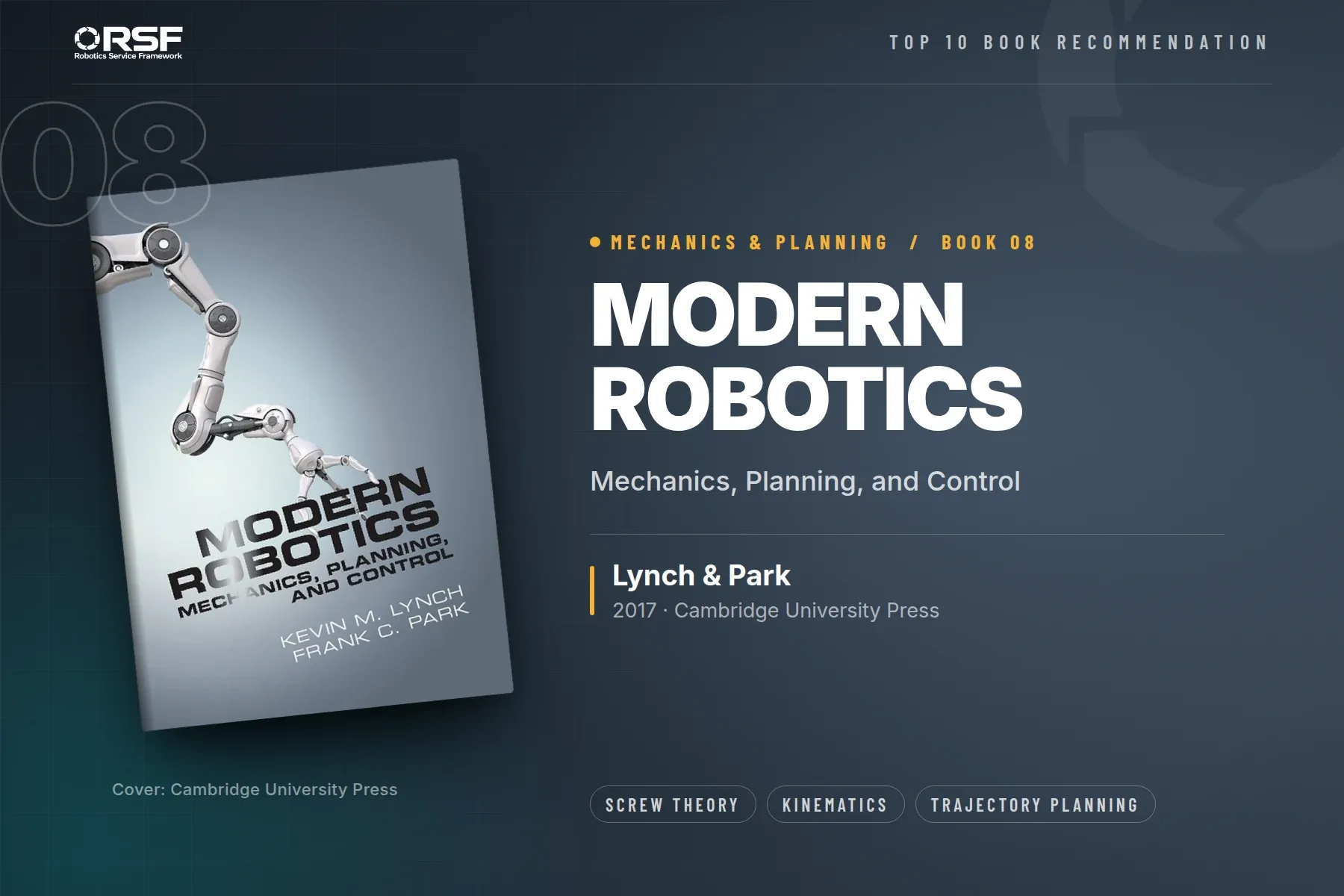
Modern Robotics K. M. Lynch & F. C. Park — RSF Top 10 Robot Education Textbooks · No. 8
The book the field agreed to make free: full preprint PDF, video lectures and open code from the authors. Screw theory and kinematics, taught rigorously.
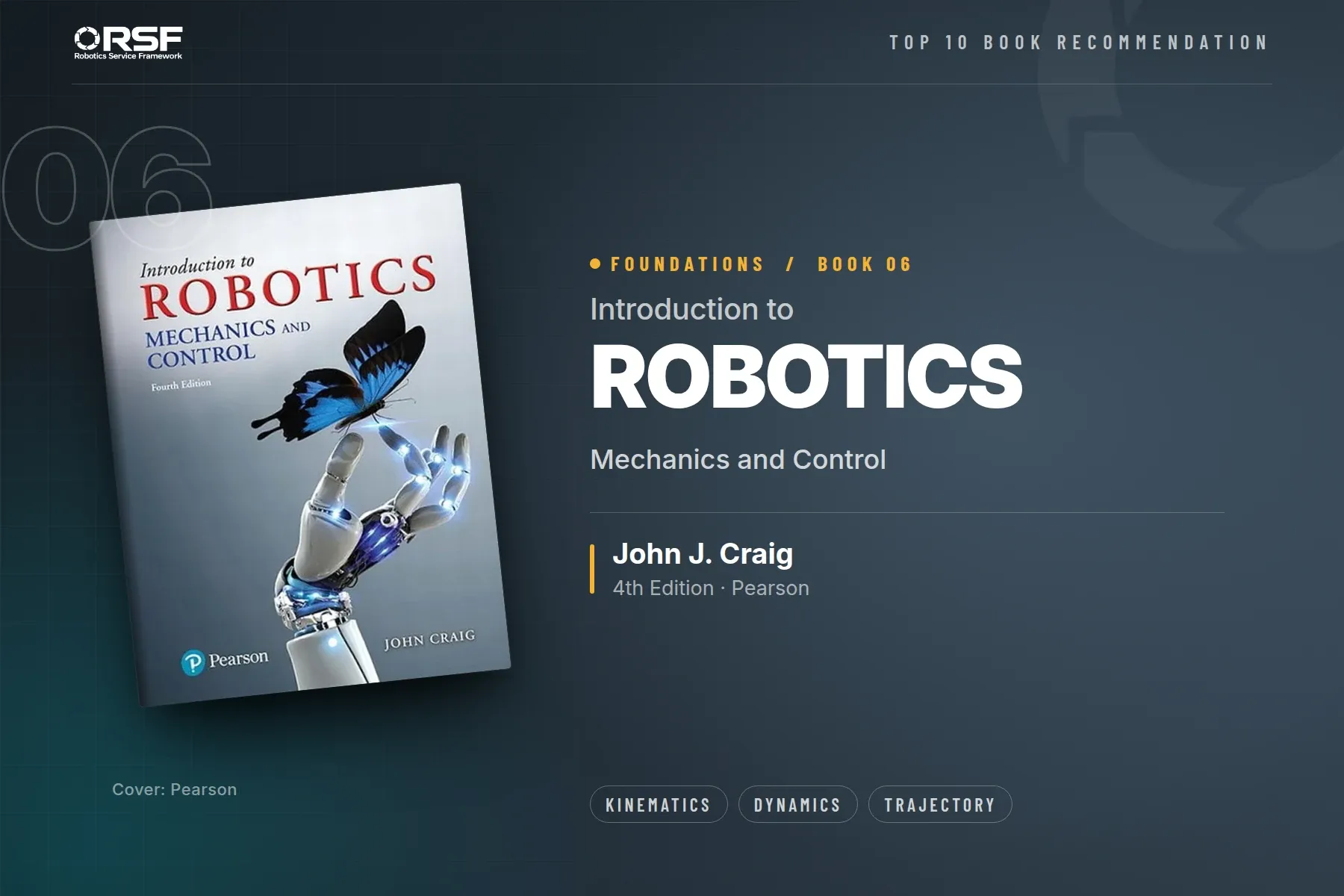
Introduction to Robotics J. J. Craig — RSF Top 10 Robot Education Textbooks · No. 6
Six of ten benchmark universities teach kinematics from Craig. Frames, transforms and D-H parameters: the language vendor manuals already speak.
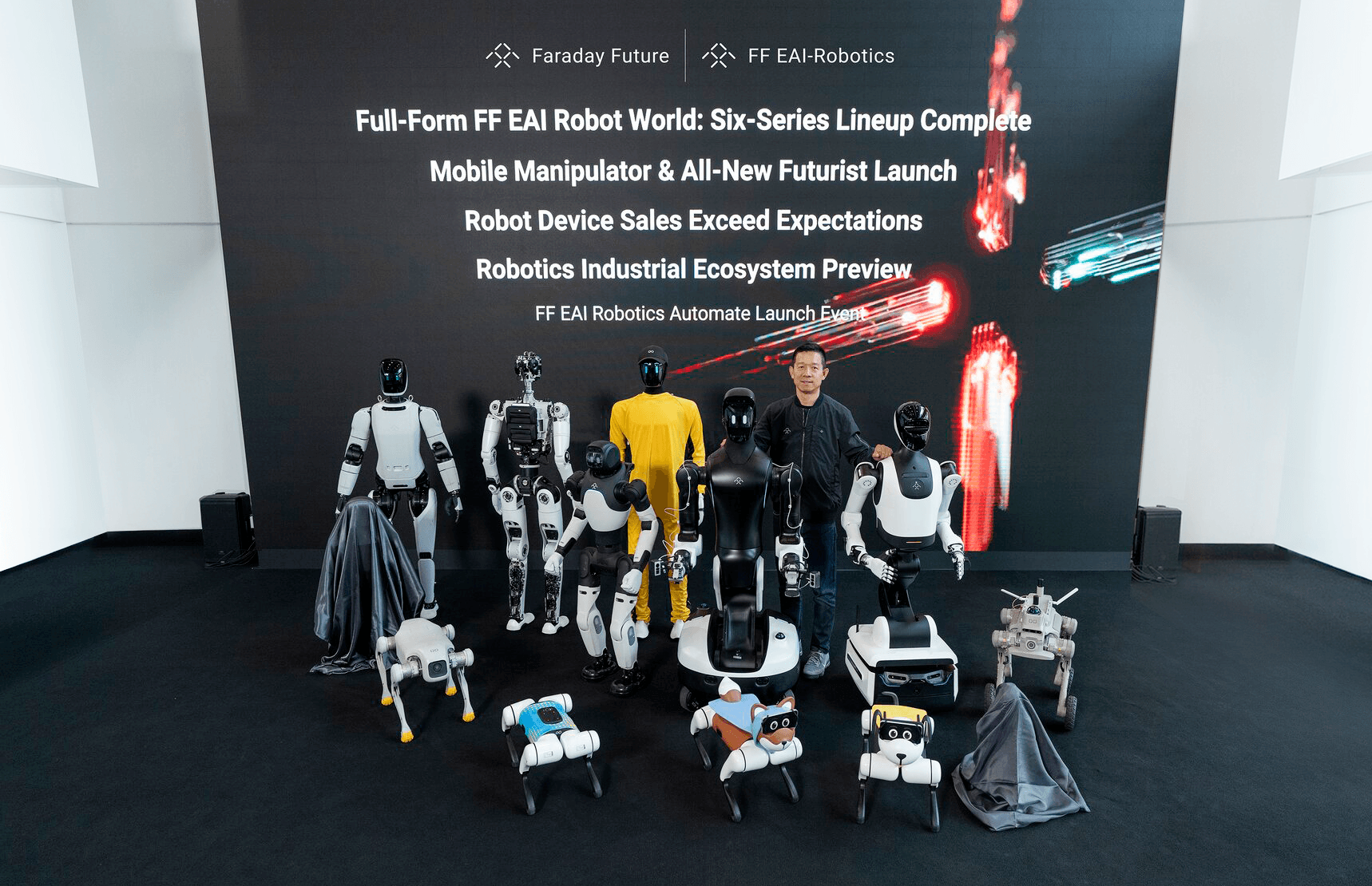
Faraday Future Completes Six-Series EAI Robot Lineup, Launches Faber Mobile Manipulator
Faraday Future unveils its full six-series EAI Robot World portfolio at Automate 2026, featuring the $89,900 All-New Futurist humanoid and the commercial release of the Faber mobile manipulator.

ROBOTTODAY Weekly June 23 – 27, 2026
This week in robotics: Agility Robotics $2.5B SPAC deal for first humanoid IPO, BMW Figure 03 logistics deployment, Morgan Stanley doubles China humanoid forecast, ON Semiconductor acquires Synaptics for $7B, Sony halts aibo in Japan. June 23–27, 2026.
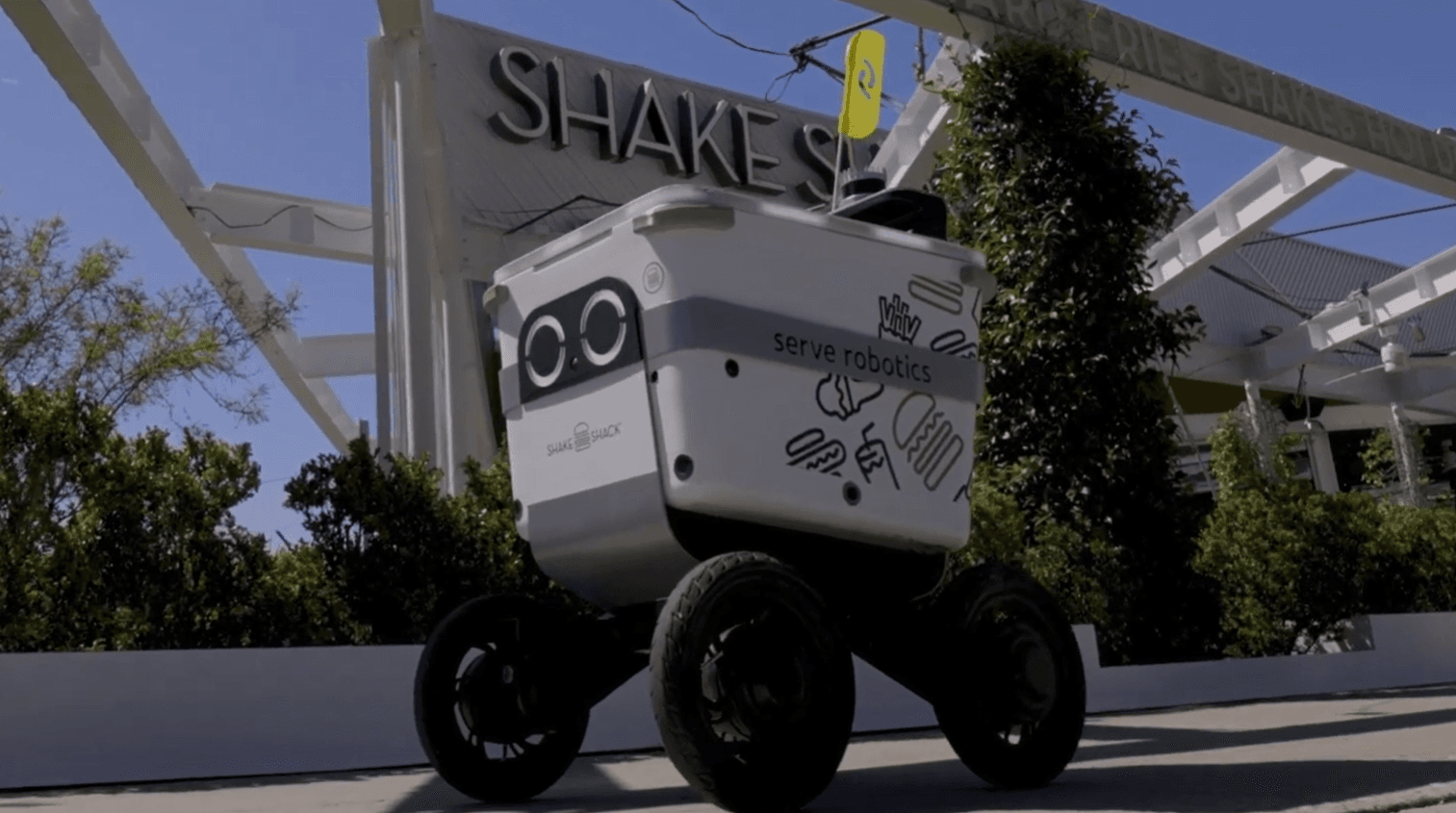
Serve Robotics FY2025: Scaling Sidewalk Delivery Robots Toward <$1 Last-Mile Cost
Serve Robotics (NASDAQ: SERV) scaled its sidewalk delivery fleet 20× to 2,000+ robots in FY2025, posting $2.7M revenue (+50%) and guiding $26M for 2026. An in-depth look at the autonomy stack, unit economics, competitive landscape, and what Level 4 delivery actually means in dense urban environments.

RobotToday Weekly Industry Briefing: January 26 – 30, 2026
Robotics industry briefing Jan 26-30, 2026: Serve-Diligent $29M acquisition, Richtech-Microsoft controversy, Waabi $1B funding, cloud robotics market to $43B by 2031, Fauna Robotics Sprout, Gartner humanoid forecast, NY Robotics launch.


