


Urban Crop Solutions
Belgian vertical farming company founded 2014, manufacturing automated indoor growing containers and plant factories with LED lighting and hydroponic.
Contact Urban Crop Solutions
WEBSITE
https://urbancropsolutions.comPHONE
+32 56 96 03 00HEADQUARTERS
Belgium

Company Facts
Founded
2014
Primary Role
Manufacturer
Company Size
employees 10-50
Primary Region
Europe
Annual Sales
-
Funding Stage
Early-Stage VC
Funding Total
-

ASI Deploys Largest Autonomous Vehicle Fleet in American Sugarcane Farming
Autonomous Solutions Inc. (ASI), in collaboration with U.S. Sugar Corp. and Everglades Equipment Group, has launched the largest fleet of autonomous tractors in American sugarcane farming across South Florida. This deployment spans hundreds of thousands of acres and represents a significant operational shift in agriculture, moving beyond pilot projects to full-scale implementation. The initiative is crucial as American farmers face challenges such as a shrinking workforce, rising costs, and unpredictable weather patterns. ASI's Mobius platform has already facilitated extensive autonomous operations, demonstrating that the technology is ready to meet the demands of modern farming. U.S. Sugar, a key partner in this venture, manages 255,000 acres and emphasizes the importance of innovation in maintaining agricultural productivity. Looking ahead, the collaboration between ASI, U.S. Sugar, and Everglades Equipment Group aims to address labor shortages and enhance operational efficiency. As weather events increasingly threaten crops, the ability to deploy autonomous solutions becomes vital in ensuring the continuity of agricultural work, mitigating economic losses, and supporting the food supply chain.
Agriculture Mobility / Navigation News Opinion Self-Driving Vehicles asi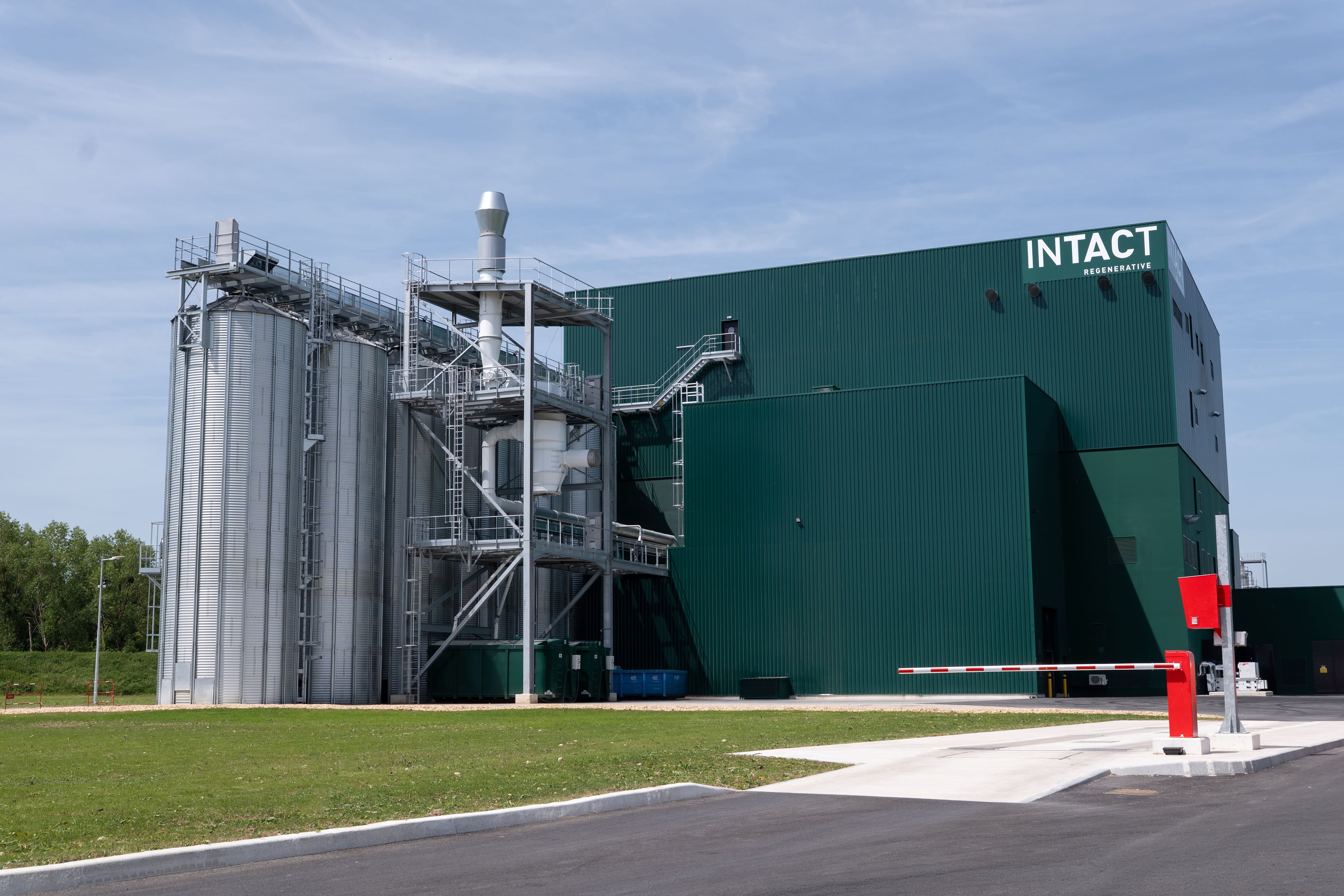
Intact Regenerative Launches First Legume Processing Plant in Baule with €75 Million Investment
Intact Regenerative, a startup focused on sustainable practices, inaugurated its first plant for processing legumes into flour and alcohol on May 29 in Baule, Loiret. This facility represents a significant investment of €75 million and marks a milestone in the company's journey since its inception four years ago. The establishment of this plant is crucial as it aligns with the growing demand for sustainable food sources and innovative processing methods. By focusing on legumes, Intact Regenerative aims to contribute to a lower carbon footprint in food production, which is increasingly important in today's environmentally conscious market. Looking ahead, stakeholders will be keen to observe how this facility impacts the local economy and the broader food industry. No further timeline was disclosed at the time of publication.
Produits alimentaires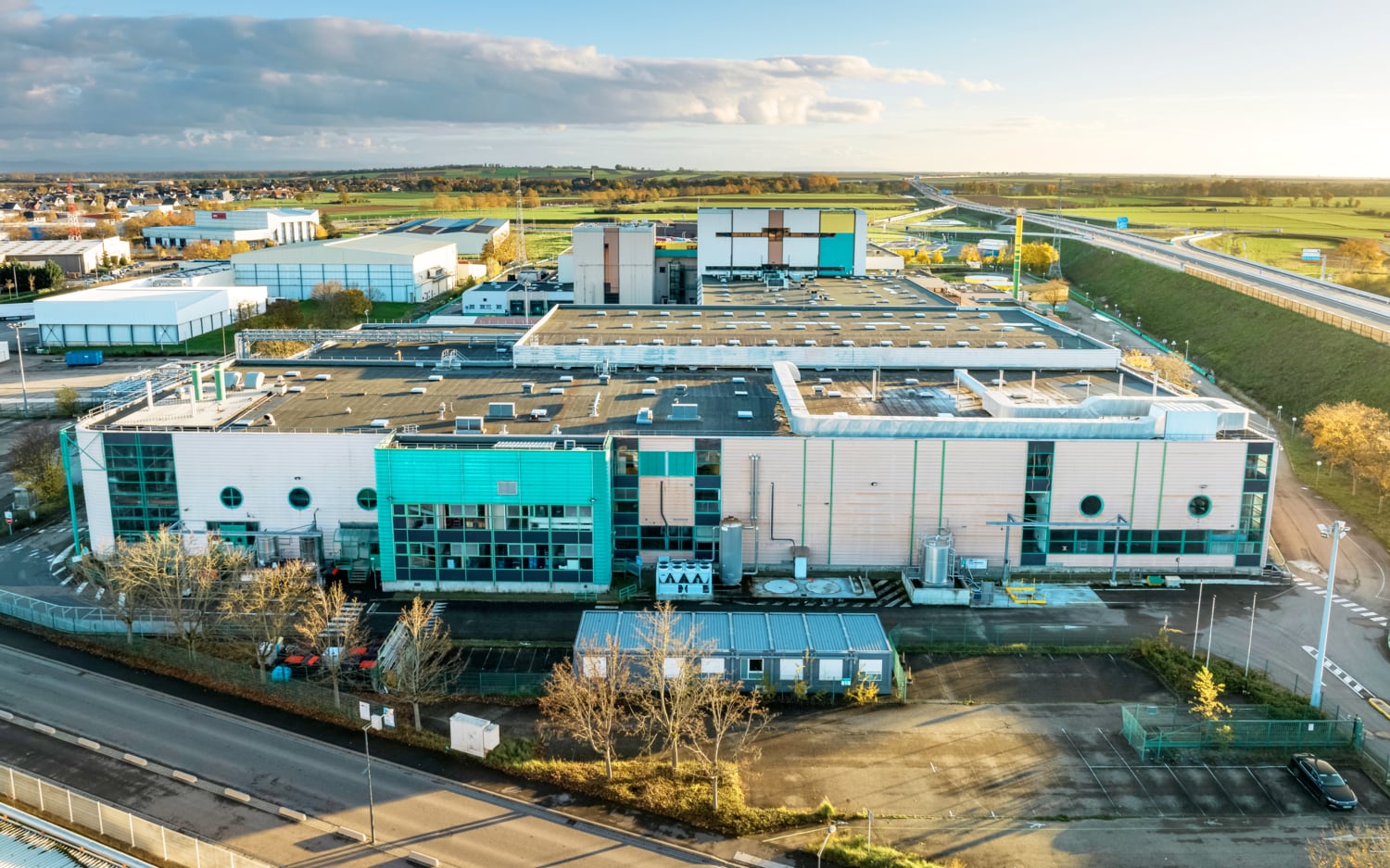
Swap Food, formerly Umiami, files for bankruptcy due to oversized factory and small market
Swap Food, previously known as Umiami, has ultimately succumbed to judicial liquidation. The company was reportedly losing one million euros per month, which contributed significantly to its financial troubles. The situation highlights the challenges faced by companies in the food sector, particularly those with large operational scales that do not align with market demand. Swap Food's oversized factory was a critical factor in its inability to sustain operations. Looking ahead, industry observers will be keen to see how this bankruptcy impacts the broader food market and whether it prompts other companies to reassess their operational strategies. No further timeline was disclosed at the time of publication.
Produits alimentaires
Husqvarna Receives FCC Conditional Approval for Robotic Lawn Mowers in the U.S.
Husqvarna Group has secured conditional approval from the FCC for four robotic lawn mower models intended for the U.S. market. The approved models include the Automower 305V iQ, 310V iQ, 420V iQ, and 440V iQ, which are set to launch in 2027 and are exempt from the FCC Covered List. This approval is significant as it marks Husqvarna as the first robotics company to receive such conditional approval for foreign-manufactured advanced robotic devices. The U.S. market accounted for 24% of Husqvarna's total net sales in 2025, indicating the importance of this market for the company's growth strategy. Looking ahead, Husqvarna aims to capitalize on the U.S. market's growth potential, particularly in residential robotic lawn mowing, where penetration remains limited. The company currently serves over 500 golf courses with its professional mowing solutions, highlighting its established presence in the sector.
AI AI Funding & Investment AI Policy & Regulation Robotics Covered List FCC
ASI's Mel Torrie to Discuss Advancements in Field Robotics at RoboBusiness 2026
Autonomous Solutions Inc. (ASI) is enhancing existing field equipment with autonomy, addressing challenges in remote and rugged locations. Mel Torrie, ASI's founder and CEO, predicts significant advancements in mobile robotics for outdoor applications over the next decade. He emphasizes the need for autonomous vehicles to support integration and collaboration among platforms to boost productivity. The intersection of autonomous vehicles and advanced robotics is set to revolutionize field deployments, according to Torrie. At RoboBusiness 2026, he will lead a session titled "Designing the Robotics Ecosystem for Outdoor Autonomy," sharing insights on creating a cooperative ecosystem where robotics and autonomous vehicles work together. This collaboration is expected to enhance operational efficiency and safety in challenging environments. Attendees at RoboBusiness 2026 will gain valuable insights into the evolving landscape of robotics and AI, with a focus on practical applications across various sectors. The event will also provide networking opportunities for professionals in the field, fostering connections that could lead to future collaborations and innovations.
Agriculture Construction Events Markets / Industries News asi
Hylio's Strategies for Navigating Regulatory Changes in Drone Agriculture
Hylio, an agricultural drone developer based in Richmond, Texas, is adapting to new regulatory challenges posed by the FCC's limits on foreign-made drones. The company, founded in 2015 by Arthur Erickson, prioritizes domestic manufacturing to mitigate risks associated with international supply chains. As the regulatory landscape evolves, Hylio emphasizes the importance of compliance and provides guidance to customers on necessary licenses for drone operations. The recent FCC regulations have created uncertainty within the robotics industry, particularly affecting drone manufacturers. Hylio's proactive approach to sourcing components domestically positions it favorably amid these changes. Erickson highlights the necessity for drone users to engage with technology providers to ensure they understand the legal requirements for operating drones, which can vary significantly by location and are subject to rapid changes. Looking ahead, the focus on domestic supply chains and regulatory compliance will be critical for drone developers. Hylio's commitment to educating customers about licensing and operational requirements will be essential as the industry adapts to ongoing regulatory shifts. No further timeline was disclosed at the time of publication.
Agriculture China Drones Markets / Industries News Regulatory & Compliance
GEAIR 2.0 Demonstrates Genetically Modified Tomatoes to Boost Agricultural Robot Efficiency
On September 7, at the Beijing Seed Industry Conference, the GEAIR 2.0 system from the Institute of Genetics and Developmental Biology showcased its capabilities. The robotic arm efficiently pollinates flowers in under ten seconds, achieving a 92.8% accuracy in identifying flower structures, a 7.8% improvement over its predecessor. This advancement highlights the potential of genetically modified tomatoes to enhance agricultural robotics. The significance of this development lies in the concept of crop-robot co-design, where the focus shifts from adapting machines to the existing plant structures to modifying the plants to work better with robots. This approach addresses the challenges faced by agricultural robots in greenhouses, where traditional methods have struggled due to plant design hindrances. The global market for robotic pollination is projected to grow significantly, reaching approximately $847 million by 2025 and $3.2 billion by 2033. Looking ahead, two key areas warrant attention: the potential for crop-robot co-design to be applied to other crops, such as soybeans, and the regulatory pathways for gene-edited crops in China. The success of GEAIR 2.0 could prompt a reevaluation of the agricultural robotics industry, emphasizing a collaborative approach between machines and crops, which could redefine the future of agricultural practices.
Agricultural Robotics Genetic Engineering Crop-Robot Co-Design Pollination Technology
Zhejiang Company Secures Angel Investment for Low-Altitude Economy Solutions
A Zhejiang-based company, established in 2025, has developed three vertical takeoff drones and a low-altitude AI operating system within a year. The company secured exclusive angel funding from Chi Zi Fund, although the amount remains undisclosed. According to reports, Chi Zi Fund's founding partner, Chen Weijin, expressed confidence in the company's potential to build a usable infrastructure for the low-altitude economy. Unlike many drone manufacturers, the company focuses on its ARC OS 1.0, an AI operating system set to launch in January 2026. This system aims to eliminate the need for human pilots, enabling multiple drones to collaborate autonomously and manage issues independently. The system supports voice commands, 3D modeling, intelligent path planning, and proactive safety decisions, and has already been validated in agricultural and logistics scenarios in Togo and Malaysia. As the low-altitude economy sees significant financing trends, the company’s angel investment indicates that Chi Zi Fund is betting on the potential of its operating system to become a standard rather than just its drone production capabilities. However, the company faces challenges, including a lack of public data on the reliability of its technology in real industrial scenarios, and the need to secure a major client in China to fully realize its operational framework.
Drone Technology AI Operating Systems Low-Altitude Economy Autonomous Systems
Google Partners with Mitti Labs for Major Rice-Methane Carbon Credit Agreement
Google has entered into a significant agreement to purchase 1 million carbon credits from Indian startup Mitti Labs, marking the largest publicly announced deal for methane reduction in rice farming. This four-year contract will encompass rice farms across Karnataka, Andhra Pradesh, and Telangana, covering approximately 100,000 hectares at peak delivery. The collaboration is crucial as Google strives to achieve net-zero emissions by 2030, amidst rising greenhouse gas emissions. The project incentivizes farmers to implement practices that reduce flooding duration in rice fields, thereby cutting methane emissions by about 50% and conserving water usage by around 40%, without compromising crop yields. Looking ahead, Mitti Labs aims to expand its operations significantly, leveraging the Google agreement to enhance its capacity to engage with large corporate buyers. The startup, which has already saved over 500 billion liters of water, plans to increase its farmer partnerships from 100,000 to millions by 2030, supported by the credibility of working with a major player like Google.
Climate Startups Google Mitti Labs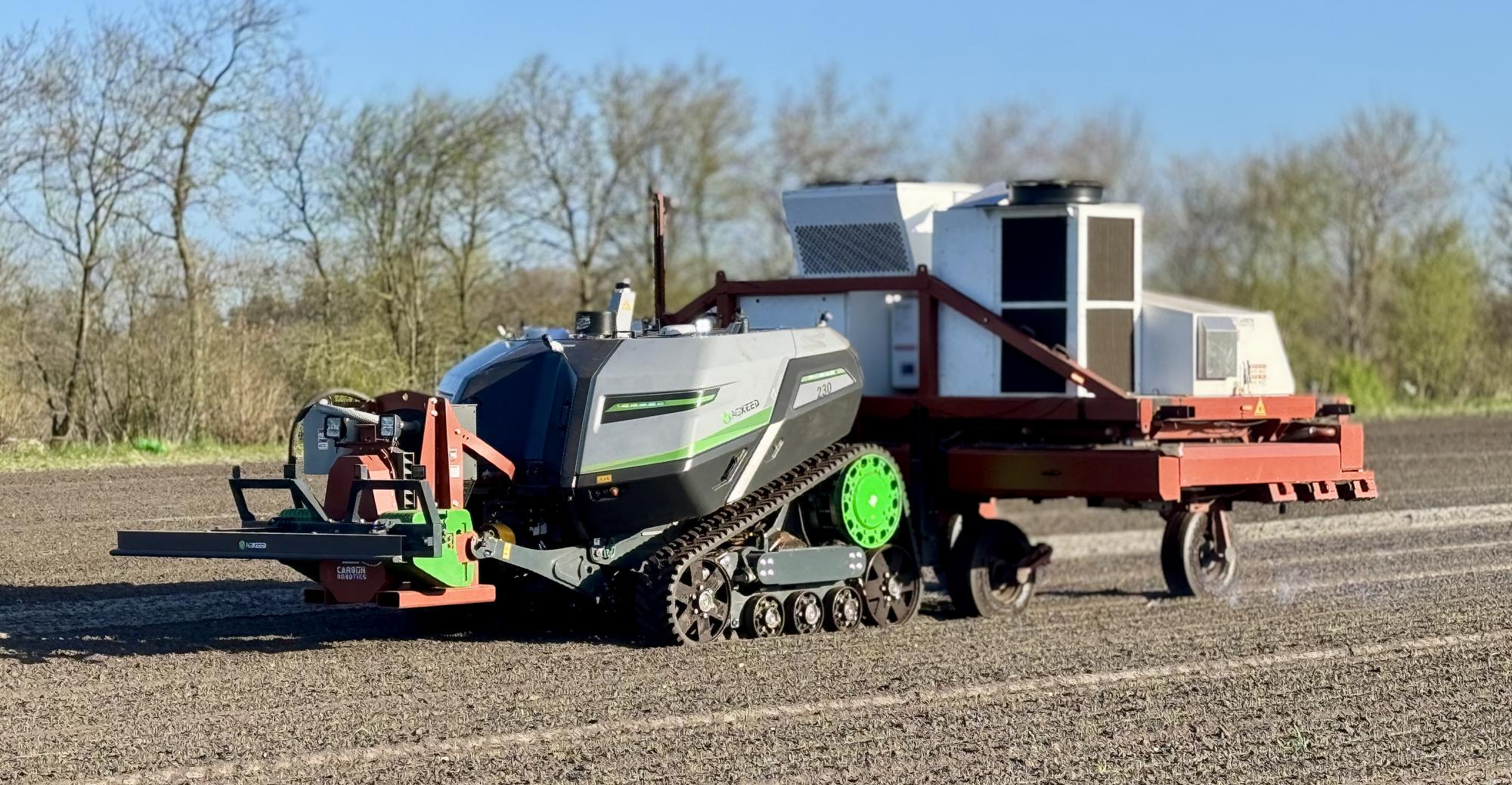
AgXeed T2 7-SERIES and Carbon Robotics LaserWeeder Showcase Effective Autonomy
Danish farmer Axel Månsson has been utilizing the AgXeed T2 7-SERIES alongside a Carbon Robotics LaserWeeder since April. After several months of practical use, he evaluated the autonomous tractor on nine criteria, including setup, reliability, capacity, costs, and integration into his farm operations. Månsson awarded the system an impressive 4.5-star rating on most aspects, highlighting its potential to reduce labor costs. This collaboration between the AgXeed T2 7-SERIES and the LaserWeeder is significant as it demonstrates the effectiveness of autonomous technology in organic farming. Månsson operates one of Scandinavia's largest organic vegetable farms in Jutland, Denmark, where the integration of these technologies can lead to improved efficiency and sustainability in agricultural practices. Looking ahead, the continued performance of the AgXeed T2 7-SERIES and LaserWeeder will be closely monitored, particularly in terms of labor savings and operational efficiency. No further timeline was disclosed at the time of publication.
Field robots autonomous tractors Laser weeder organic farming Smart Farming
Small Unmanned Aircraft: Theory and Practice Beard & McLain — RSF Specialist Shelf · Book S2 of 6
Beard & McLain derive the fixed-wing autopilot the RSF Top 10 never does: successive loop closure on roll, pitch, altitude and airspeed. 4/5.

ROBOTTODAY Weekly June 1 – 5, 2026
This week in robotics: NVIDIA’s Jensen Huang visits Seoul to deepen physical AI ties, Generalist AI raises $400M at $2B valuation, Amazon upgrades Proteus with natural-language control, and UBTECH humanoid attracts 1,200 pre-orders. June 1–5, 2026.

FUTURE WARFARE | The Geopolitical Competitive Landscape
Military robotics is no longer a U.S.-centric story. Global defence spending crossed $2.75 trillion in 2026; defence-tech VC hit a record $49.1 billion in 2025; and a multipolar robotics order is crystallising in real time — with China’s 15th Five-Year Plan institutionalising civil-military fusion, Europe’s €381 billion defence budget financing its own AI champions, and Turkey and Israel reshaping the export market with affordable, combat-proven systems. Part Five of the Future Warfare Series maps the country-by-country competitive landscape, the collapsing regulation race, and the investment forces reshaping who builds — and who controls — the autonomous weapons of the next decade.

FUTURE WARFARE | The Swarm Revolution - Decentralised, Resilient, and Too Numerous to Stop
Inside the drone swarm revolution: Discover how Ukraine’s Swarmer tech, China’s AI formations, and the Pentagon's Orchestrator Prize are reshaping warfare.

FUTURE WARFARE | Cross-Domain Integration - Integration How Land, Sea, Air and Software Are Converging Into a Single Kill Chain
Cross-domain robotics is reshaping modern warfare as drones, UGVs, AI targeting systems, and autonomous logistics converge into a single networked kill chain across land, sea, air, and software.

Agricultural Robotics | 2025–2030 Outlook: The Labor Cost Reckoning
Agricultural robotics is projecting a $28–48 billion market by 2030 outside China, driven purely by labor cost replacement. Part 10 synthesizes the series: forecasting penetration ceilings, emerging technologies, and regional winners in the most consequential farming transformation since mechanization.
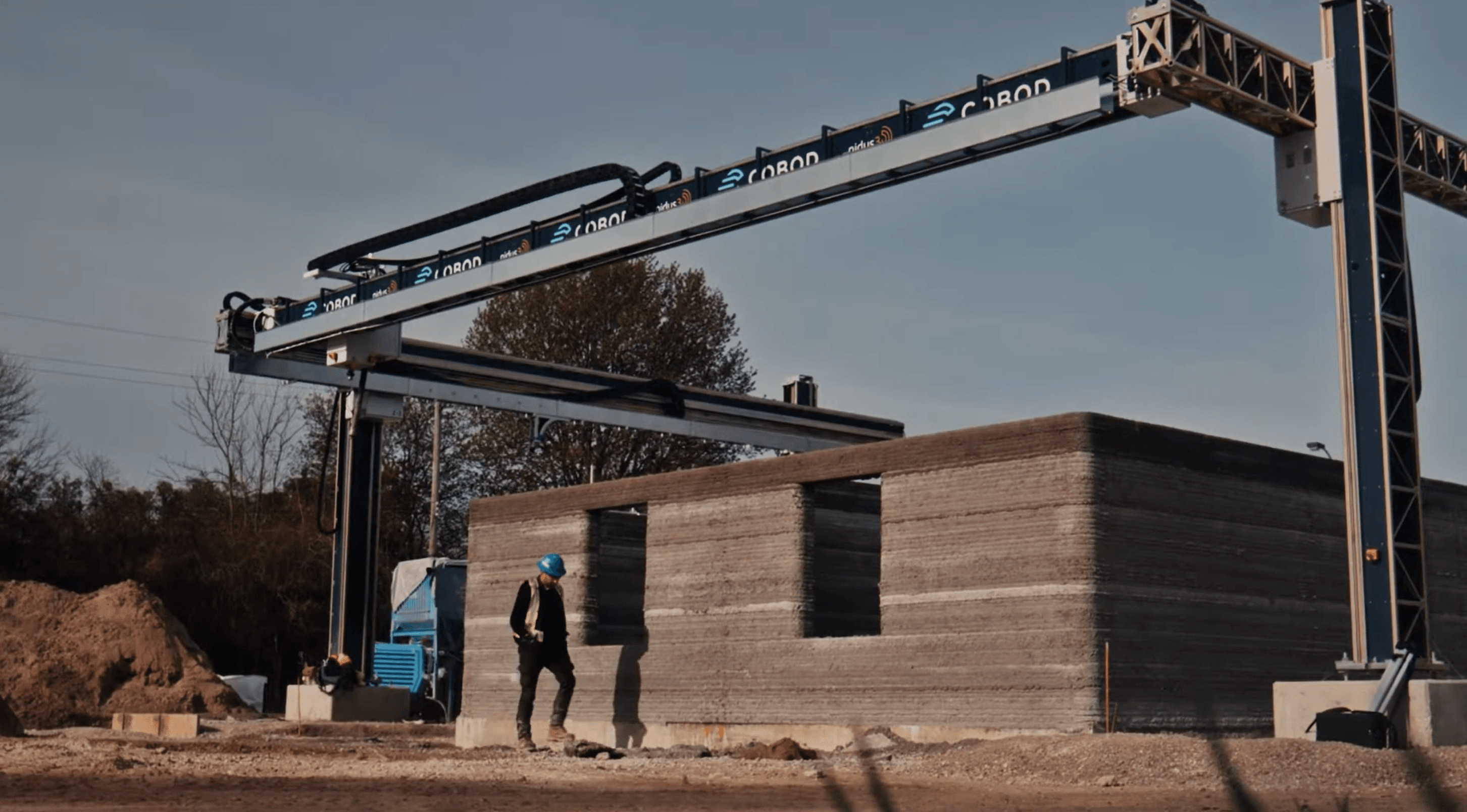
CONSTRUCTION ROBOTICS | MODULAR, PREFAB & 3D PRINTING
Modular, prefab, and 3D printing are moving construction off-site. ICON's Phoenix printer targets multi-story builds. PERI-COBOD's DREIHAUS delivered 30% faster and 10% cheaper in Germany. WinSun re-enters the US as Gaudi Tech. The paradigm shift is accelerating.
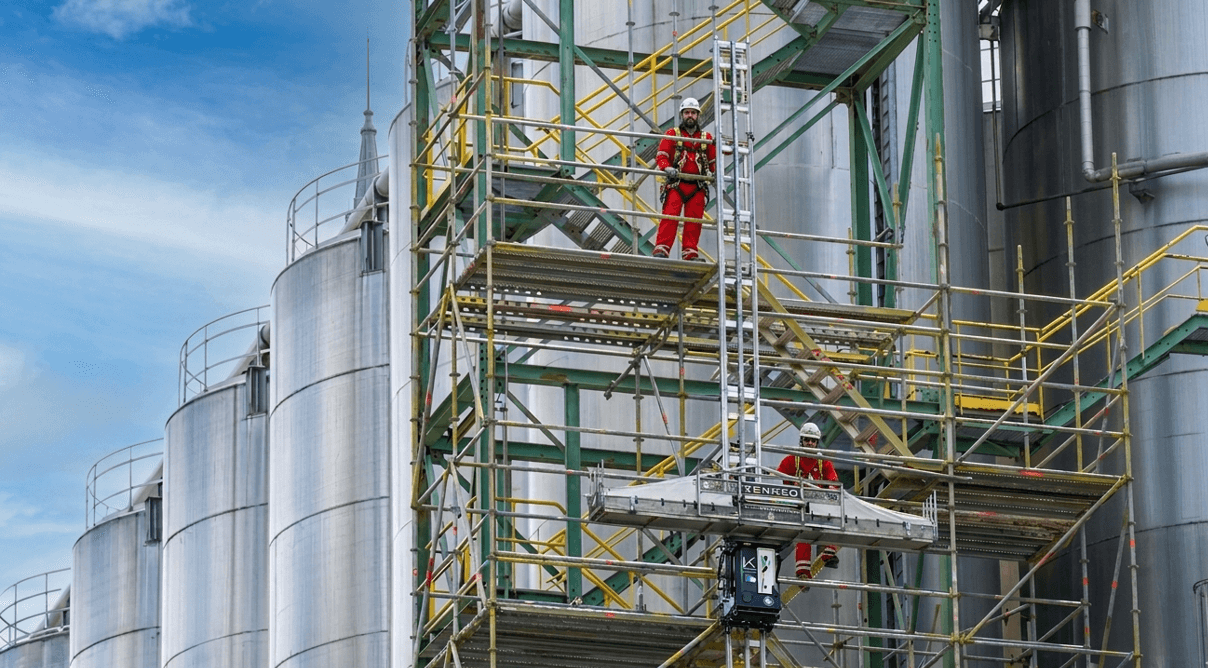
CONSTRUCTION ROBOTICS | MATERIALS LOGISTICS & SITE AUTOMATION
Construction sites waste 30% of worker time moving materials. Autonomous material logistics robots — from Kewazo's Liftbot to Bedrock Robotics and GoLe AMRs — are eliminating that waste. Key stat: Kewazo Liftbot saves 70% of scaffold man-hours. This segment delivers better ROI than headline bricklayers.

CONSTRUCTION ROBOTICS | INSPECTION, SCANNING & DIGITAL TWIN
Inspection, scanning, and digital twin robots are construction's widest adoption curve. BCA-mandated drone façade inspections in Singapore, DroneDeploy's 3M+ sites, Boston Dynamics Spot Cam 2, and Exodigo's $214M funding define the segment. Key stat: Inspection/scanning commands 30% of construction robot applications (FactMR, 2025; unverified).

AGRICULTURAL ROBOTICS | Labor Crisis: How Robots Will Fill the Global Agricultural Workforce Gap
Robots will replace 31.2-46.8M workers globally by 2030, eliminating $156-375B in labor costs. Analysis of Western markets + China deployment.


