

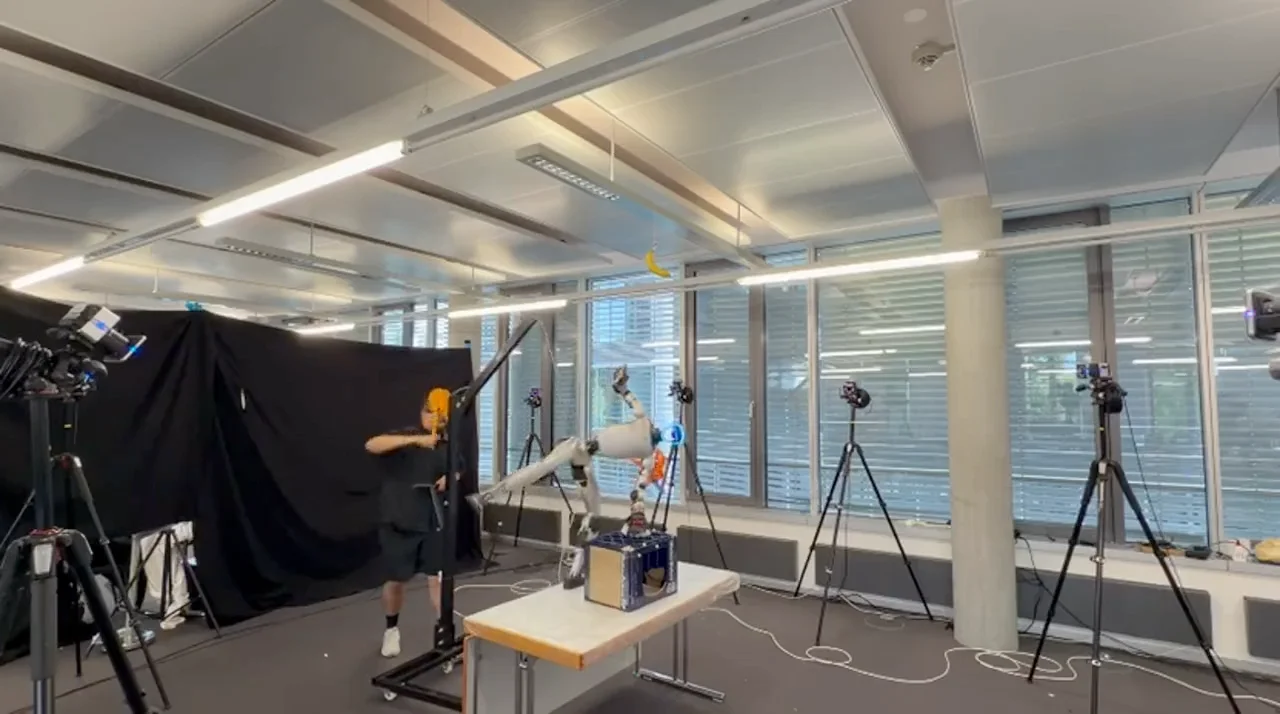
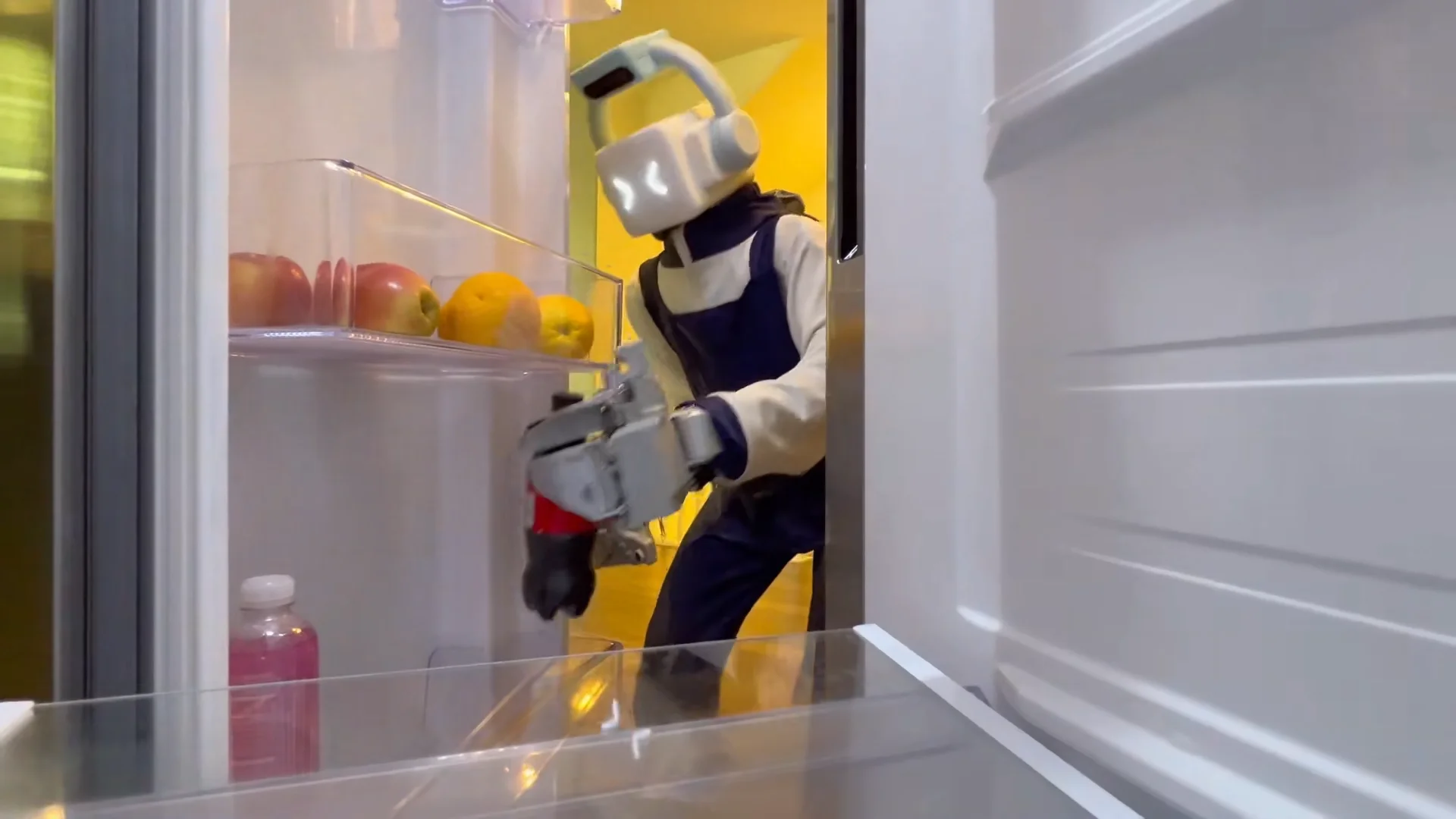
A collaborative team from the Technical University of Munich, New York University, and Carnegie Mellon University has introduced MotionDisco, a groundbreaking framework that allows humanoid robots to autonomously discover loco-manipulation skills. Unlike traditional methods that rely on human demonstrations, MotionDisco operates without any human data or teleoperation, addressing the scalability issues inherent in imitation learning.
This innovative approach is significant as it overcomes the limitations of existing humanoid robotics paradigms, which often restrict robots to human-like movements. By utilizing a Large Language Model (LLM) in conjunction with a rigid kinodynamic trajectory optimizer, MotionDisco enables robots to explore diverse solutions for complex tasks, enhancing their ability to leverage unique physical capabilities.
The researchers evaluated MotionDisco on eight challenging tasks, demonstrating its effectiveness in generating valid, low-cost solutions rapidly. As the framework evolves through an automated discovery loop, it reveals the potential for robots to develop their own strategies for movement and manipulation, marking a significant advancement in the field of humanoid robotics. No further timeline was disclosed at the time of publication.
Editor's Note
The introduction of MotionDisco represents a pivotal shift in humanoid robotics, moving away from imitation-based learning towards autonomous skill discovery. This could significantly impact the development of robots capable of performing complex tasks in dynamic environments, enhancing their operational efficiency and adaptability. As the industry continues to evolve, the implications of such advancements will be crucial for future applications in various sectors.


























Leave a comment