

Simplexity Robotics 至简动力
"SIMPLE IS SCALABLE"
Chinese embodied-AI startup founded July 2025 that raised five funding rounds totaling roughly RMB 2 billion within six months.
Contact Simplexity Robotics
WEBSITE
https://www.simplexityrobotics.com/HEADQUARTERS
China

Company Facts
Founded
2025
Primary Role
Manufacturer
Company Size
-
Primary Region
Asia-Pacific
Annual Sales
-
Funding Stage
Early-Stage VC
Funding Total
-
SafeWorld Launches with $12.2 Million to Enhance Robot Safety Simulation Technologies
SafeWorld has emerged from stealth mode, securing $12.2 million in seed funding to develop its robot safety simulation platform. The technology aims to simplify safety testing for AI-powered robots across various embodiments, such as robotic arms, humanoids, and mobile robots. The significance of SafeWorld's platform lies in its potential to facilitate safer robot deployment in shared spaces with humans. Co-founder Kyle Wong emphasized the need for advanced testing methods as robots become more capable, while co-founder Ding Zhao highlighted the evolution of automation brought by AI. Looking ahead, SafeWorld plans to provide scalable solutions for robotics companies to simulate rare and dangerous scenarios without risk. The platform allows teams to create safety scenarios in a browser, enabling extensive testing of robot behavior in unpredictable situations, which is crucial for ensuring safety in real-world applications.
Artificial Intelligence Artificial Intelligence / Cognition Design / Development Financial Investments News
Devang Adhyaru Unites Robotics Community at Humanoid Hub Conference in San Francisco
Devang Adhyaru, founder of Humanoid Hub, is organizing a conference in San Francisco on October 15–16, 2026, after visiting over 35 robotics startups in the US and China. He emphasizes the importance of in-person interactions with robots, stating that physical presence enhances understanding and connection. The conference aims to bridge the gap between researchers and entrepreneurs in humanoid robotics, showcasing innovations from companies like Dyna Robotics and Auki Labs. Adhyaru believes that combining their strengths will foster collaboration and accelerate advancements in the field. Attendees can expect discussions on robot design and the future of general-purpose robots, featuring speakers from various organizations. Notably, companies like Proception and Chestnut Robotics will showcase their advanced humanoid hands, highlighting the event's focus on cutting-edge technology and community engagement.
US The Humanoid Hub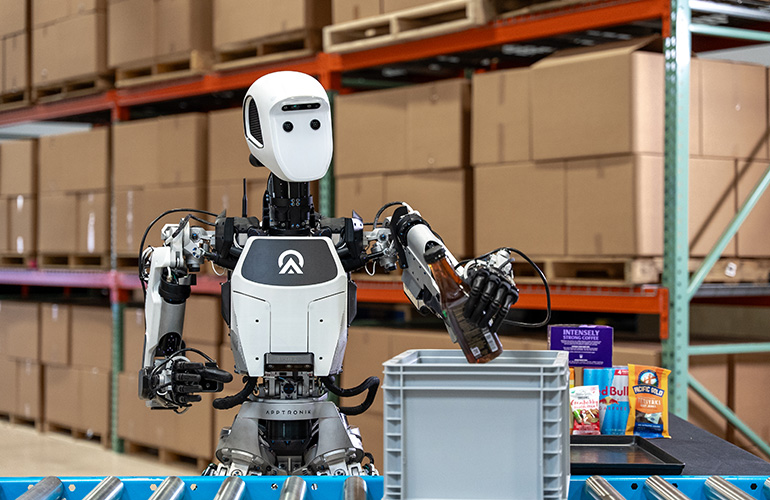
Jabil Explores Humanoid Robot Development and Production Trends
Jabil Inc. has shared insights on the evolution of humanoid robots from prototypes to mass production. The company, based in St. Petersburg, Florida, collaborates with various robotics developers, including Apptronik, to facilitate the transition of products like the Apollo humanoid into active manufacturing environments. As demand for humanoid robots grows, Jabil highlights the shift from low-volume production to the need for scalable manufacturing processes. Senior Director Thomas Brown emphasizes the importance of cost structure and quality improvements, noting that as robots become more expensive, the necessity for customer use-case validation increases. Looking ahead, the integration of advanced computing capabilities is crucial for enhancing the functionality of humanoid robots. Jabil identifies the NVIDIA Jetson series as a key technology for developers, while also addressing the challenges of pricing and the need for more edge computing capacity. No further timeline was disclosed at the time of publication.
Artificial Intelligence Artificial Intelligence / Cognition Humanoids Logistics Manufacturing Microprocessors / SoCs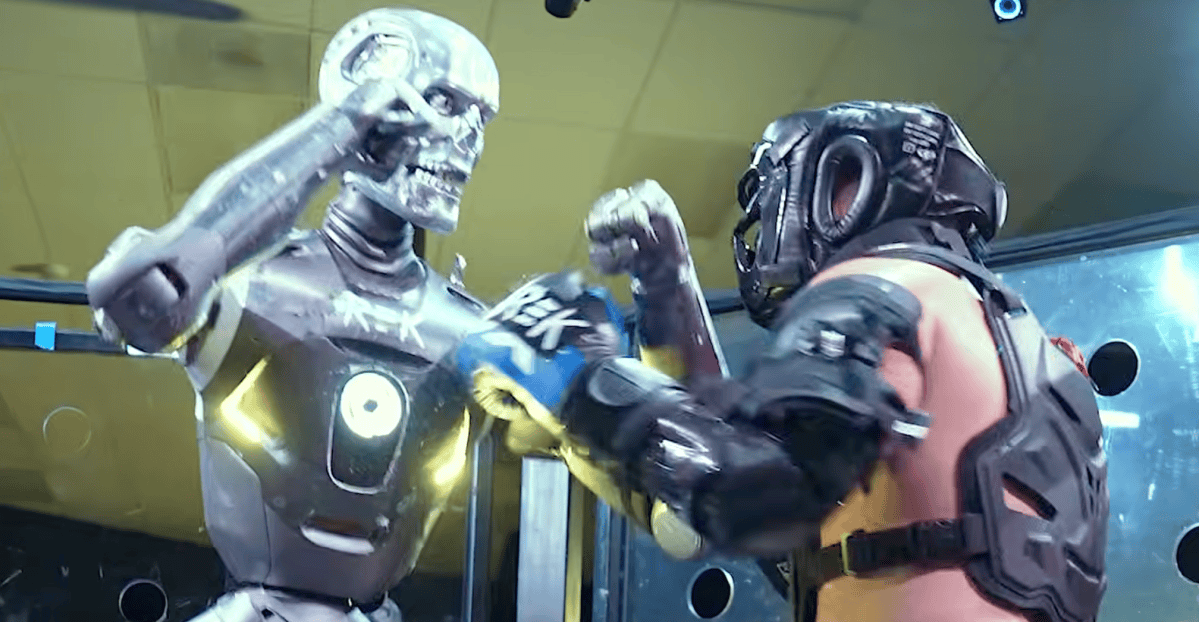
California State Athletic Commission Targets Rek's Human-Robot Fights Without Approval
The California State Athletic Commission has issued a cease-and-desist letter to Rek, the humanoid robot fighting league, prohibiting it from hosting matches involving humans without permission. This action follows a recent fight on September 18th, where a human competitor faced off against a humanoid robot piloted remotely. This regulatory move is significant as it highlights the ongoing concerns regarding safety and regulation in emerging entertainment formats that blend robotics and human participation. The commission's letter demands that Rek cease all human-involved contests unless sanctioned, emphasizing the need for oversight in such innovative yet potentially hazardous events. Looking ahead, Rek plans to continue its activities with a match featuring two robots equipped with weapons, scheduled for Friday. The outcome of the commission's actions and Rek's response will be crucial in determining the future of humanoid robot fighting in California. No further timeline was disclosed at the time of publication.
AI News Robot Tech
AWS Introduces Open-Source Physical AI Toolchain to Enhance Robotics Development
Amazon Web Services (AWS) has launched an open-source Physical AI Toolchain aimed at assisting robotics developers in training, simulating, deploying, and enhancing physical AI systems using AWS cloud services and Nvidia’s software stack. This toolchain encompasses synthetic data generation, model training, simulation, edge deployment, and continuous improvement, enabling users to manage fleets of machines effectively. The significance of this launch lies in its potential to streamline the engineering efforts of manufacturers and robotics developers, allowing them to focus more on innovation rather than infrastructure. With one in seven startups engaged in physical AI and 72% of them deeming cloud computing essential, the toolchain is positioned to support a wide range of applications, from industrial automation to humanoid robotics. Looking ahead, AWS's Physical AI Toolchain is expected to play a crucial role in the evolution of physical AI across various industries. As companies increasingly adopt this technology, the toolchain's capabilities for fleet management and operational data integration will be vital for improving performance and scalability in real-world applications. No further timeline was disclosed at the time of publication.
AI Physical AI Technology & Infrastructure AI infrastructure platform Amazon Amazon Web Services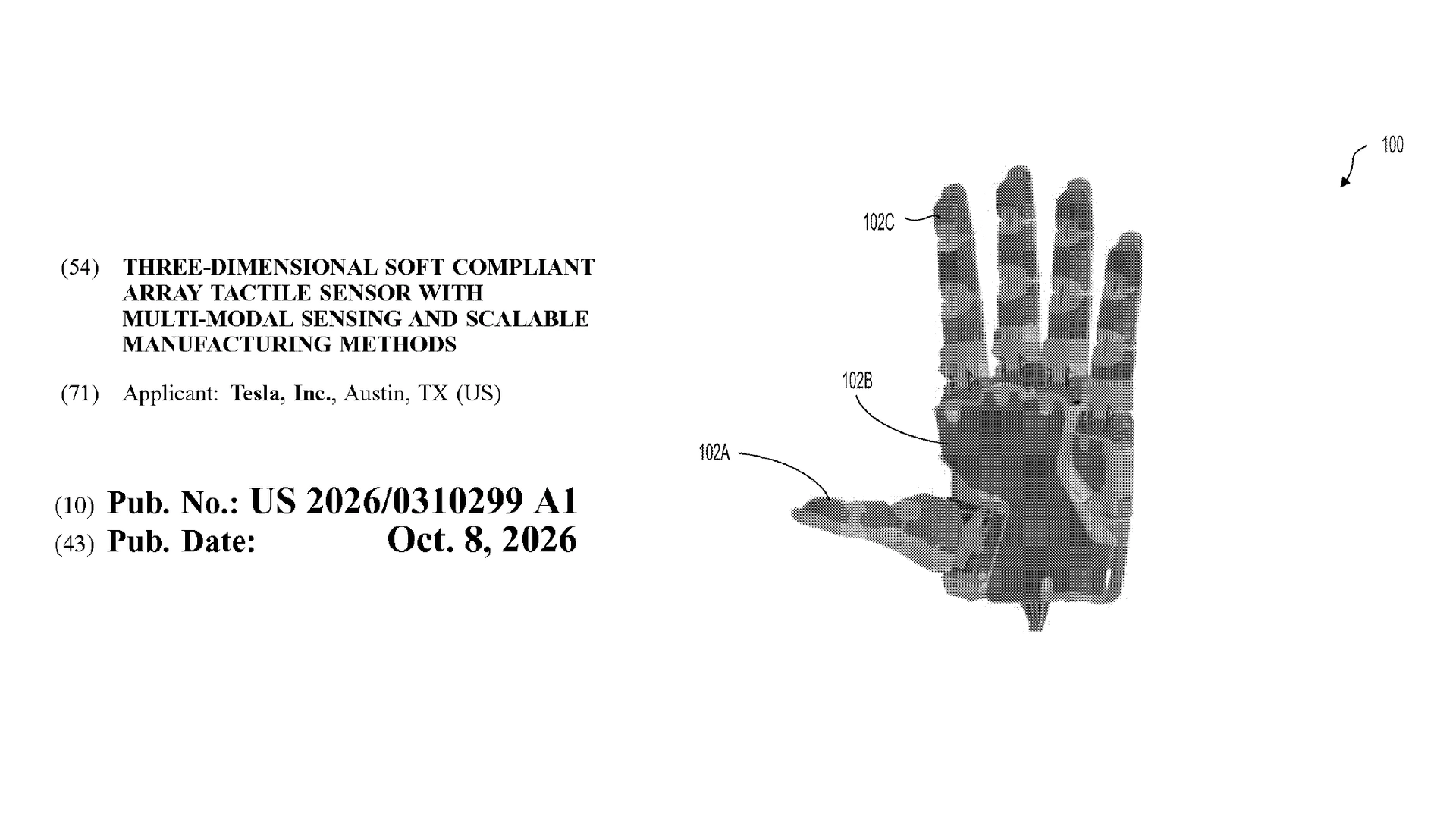
Tesla Unveils Patent for Flexible Touch Sensors in Robotic Hands
Tesla has published a patent application detailing flexible touch sensors designed for robotic fingers and palms, potentially linked to its Optimus project. The U.S. application, US20260310299A1, was made public on October 8, 2025, and highlights earlier engineering efforts rather than a new product launch. The significance of this development lies in Tesla's exploration of integrating touch sensing technology into the contours of robotic hands, which could enhance the functionality of humanoid robots. The sensors feature multiple independently readable regions to detect physical contact, suggesting a sophisticated approach to tactile feedback in robotics. Looking ahead, the application raises questions about the manufacturing techniques Tesla may employ and whether these sensors will effectively address existing challenges in the production of Optimus. No further timeline was disclosed at the time of publication.
Tesla US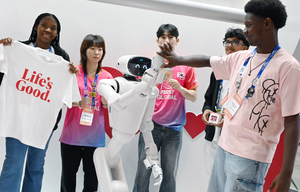
LG Electronics Showcases Robotics at 2026 First Global Challenge in Incheon
LG Electronics is actively participating in the 2026 First Global Challenge, an international youth robotics competition taking place at Songdo Convensia in Incheon. The event, which runs from Wednesday to Saturday, gathers youth teams from 185 countries to design and build robots aimed at addressing global challenges, particularly focusing on wildfire prevention and recovery due to climate change. This year's competition, themed “Igniting Innovation,” emphasizes the importance of robotics in tackling pressing issues like wildfires. LG's involvement includes sponsoring the event and showcasing its latest robotics technologies at an exhibition booth. The company also features its humanoid robot, LG CLOiD, allowing visitors to engage with the technology and learn about the innovative solutions being developed by young participants. As LG increases its investment in robotics as a key growth area, it aims to integrate physical AI into its strategy. The company recently launched LG Data Factory to enhance data management for robotics training. No further timeline was disclosed at the time of publication.
All News
IROS 2026 Category Award Finalists: All 22 Papers
From humanoid tennis to bin picking and farm robots: the 22 finalists for IROS 2026's eight category awards, and what each one means for industry.

IROS 2026 by the Numbers: Papers, Countries, Topics
RobotToday analyzed all 1,933 IROS 2026 papers: acceptance fell to 36.5%, the U.S. overtook China, and VLA titles jumped from 4 to 65.
IROS 2026 Best Paper Finalists: South Korea Leads
Ten papers made the IROS 2026 Best Paper and Best Student Paper shortlist, four from South Korea. What each one does and what it means for industry.
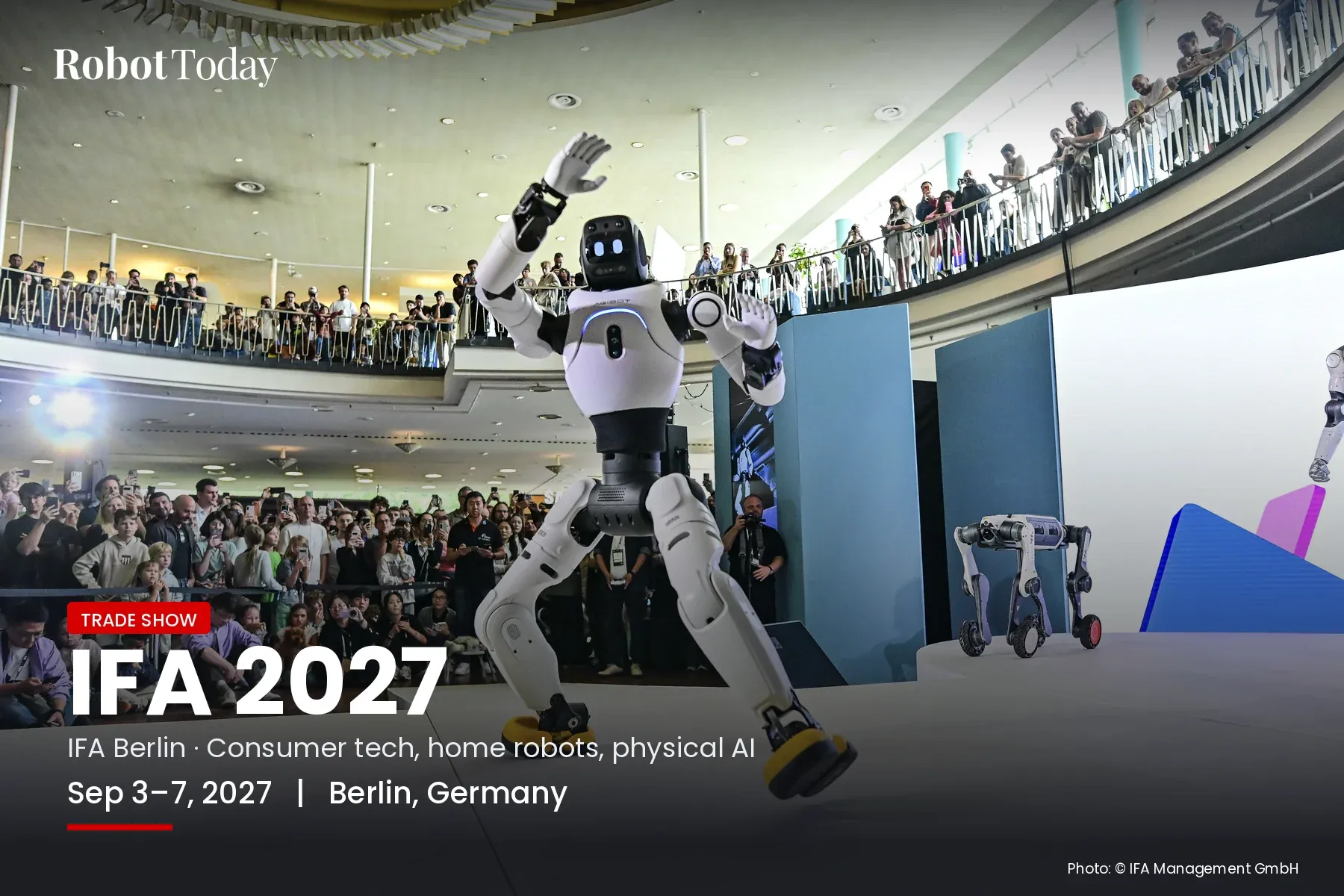
IFA 2027 – Berlin, Sep 3–7, 2027
IFA 2027 runs Sep 3–7 at Messe Berlin, with media days Sep 1–2. The 2026 show featured 11 humanoid robot brands and drew 240,000 visitors.
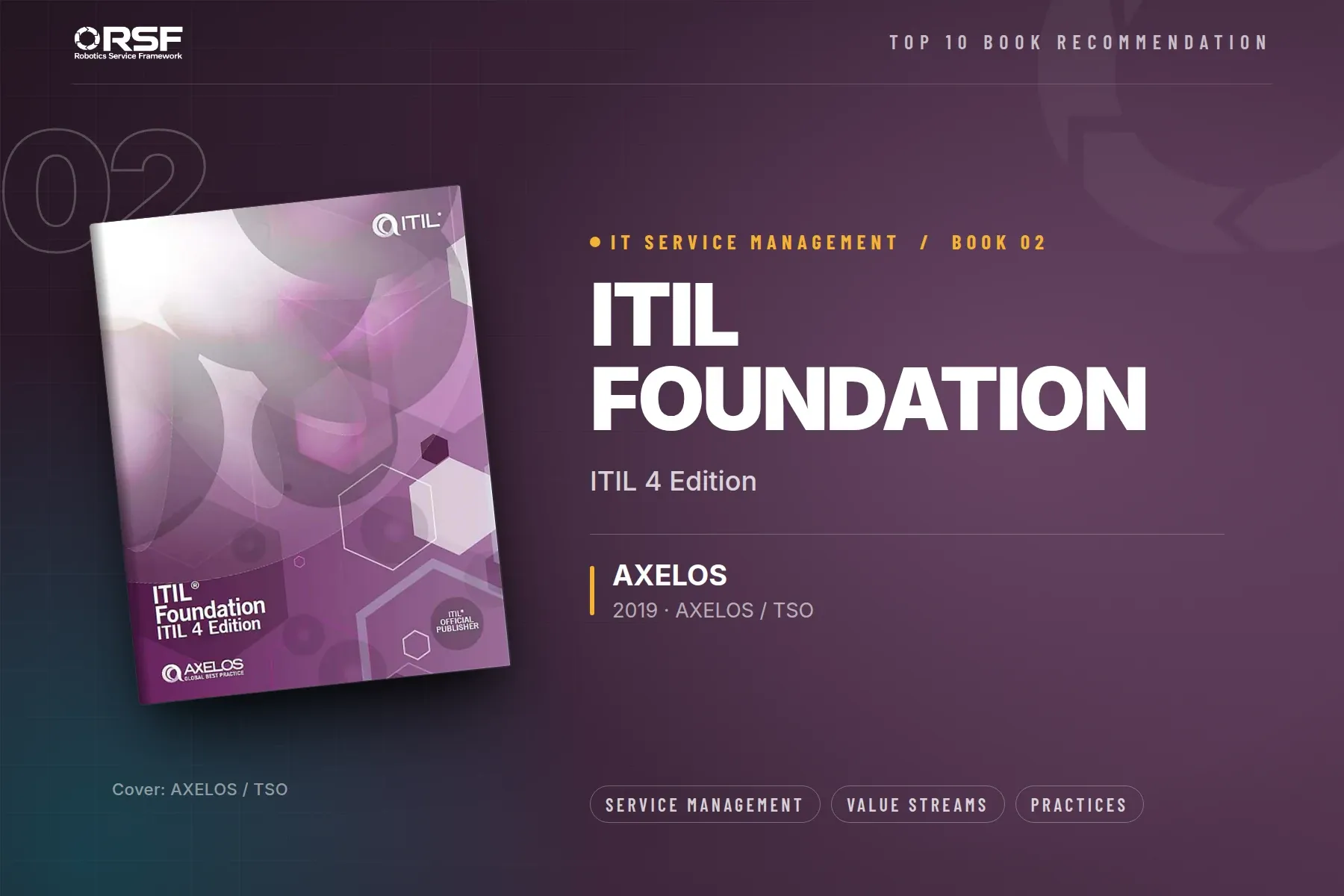
ITIL Foundation: ITIL 4 Edition PeopleCert — RSF Top 10 Robot Education Textbooks · No. 2
ITIL Foundation: ITIL 4 Edition (AXELOS / TSO) — RSF Top 10 Robot Education Textbooks, Book 2: IT Service Management
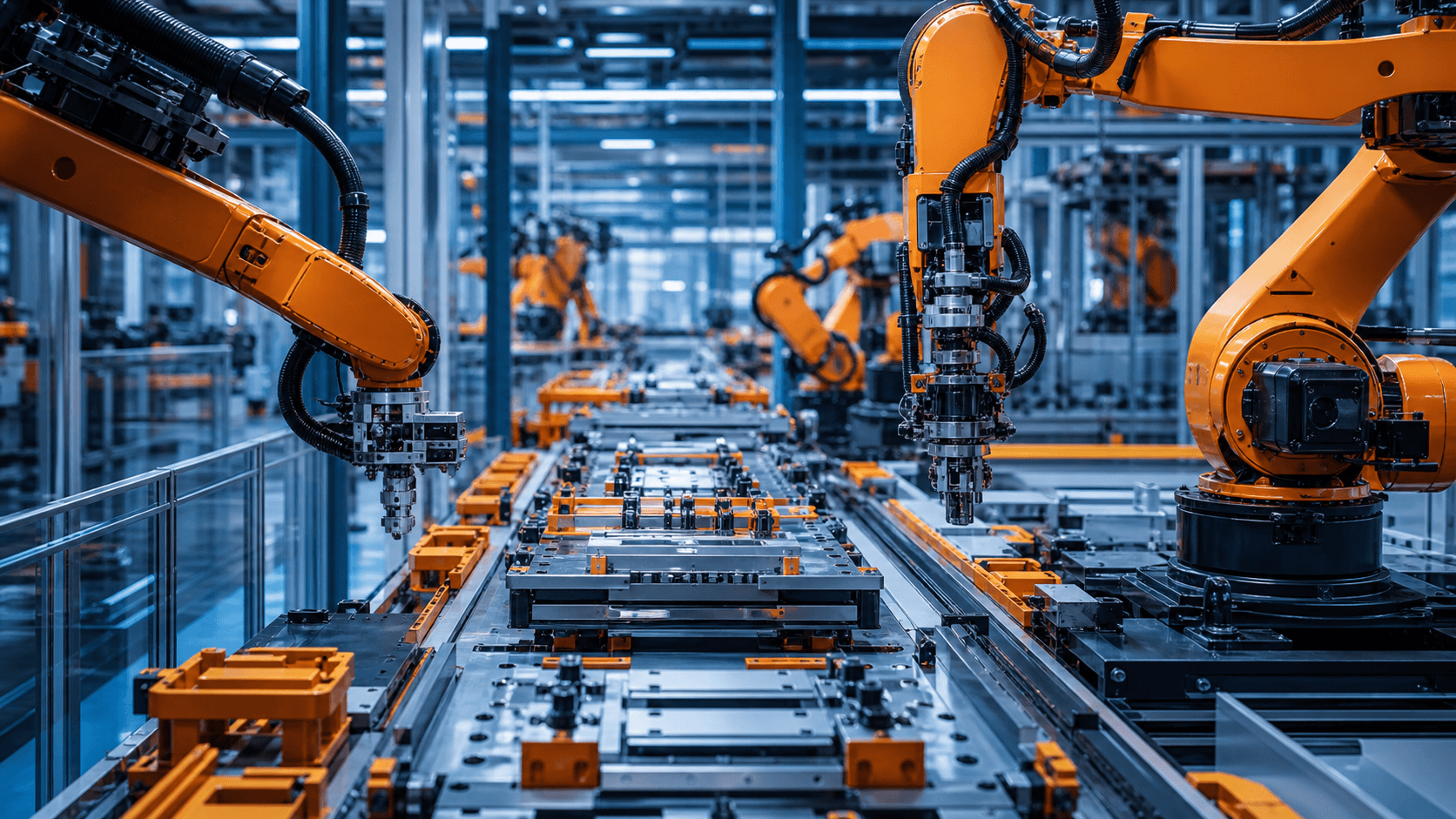
Simplexity Robotics: 11-Month-Old Embodied AI Startup Ships 100 Robots to Production Lines
Simplexity Robotics, an embodied AI robotics startup founded less than a year ago, announced the first batch delivery of 100 units of its all-scenario robot i7 Pro, ...
Startups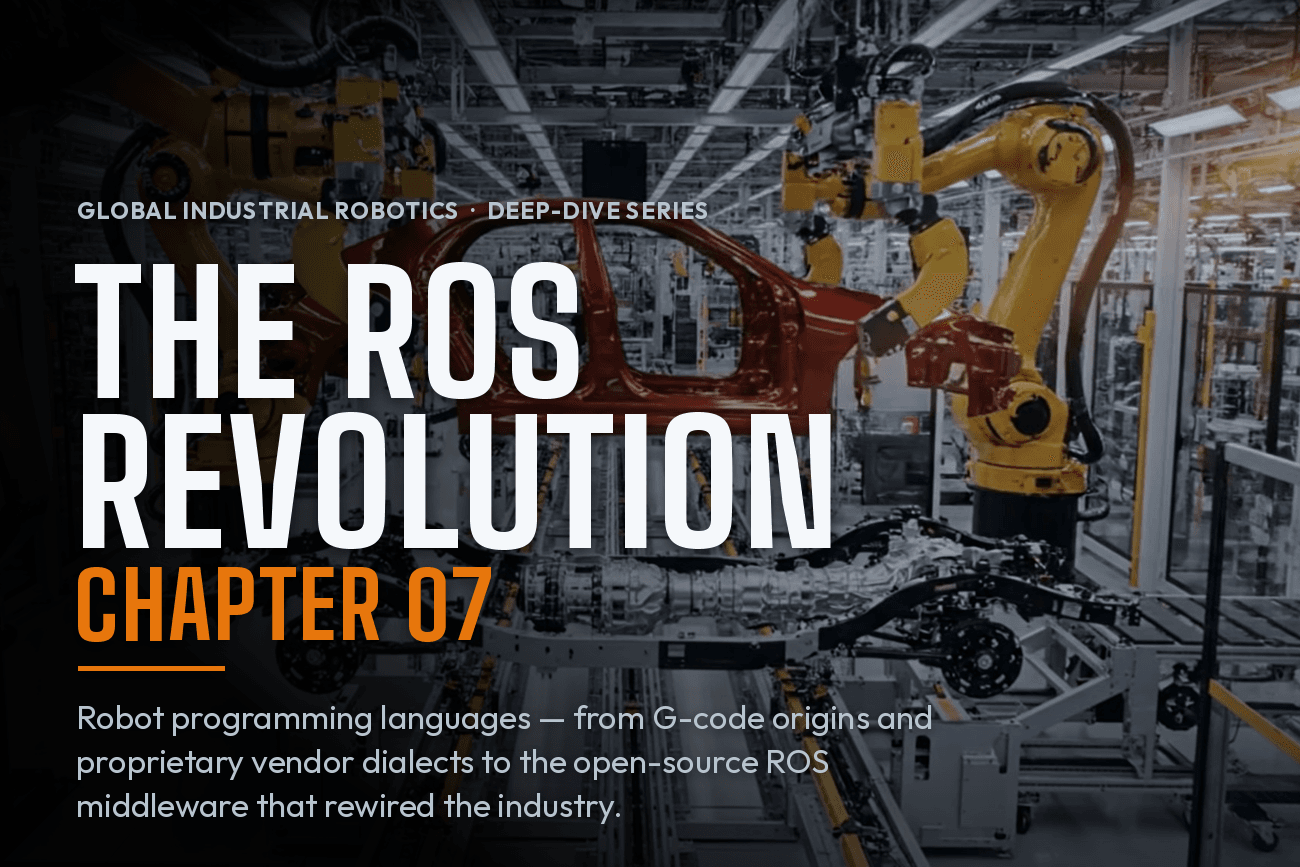
Robot Programming Languages 2026: From G-Code & FANUC KAREL to ROS2 — Complete History & Industrial Guide
A comprehensive guide to industrial robot programming language evolution: G-code and NC origins, FANUC KAREL/TP, ABB RAPID, KUKA KRL, Yaskawa INFORM, the ROS open-source revolution, ROS2 architecture, ROS-Industrial consortium, OPC-UA, TSN, and real-time Linux — how six decades of software history define today's factory floor.
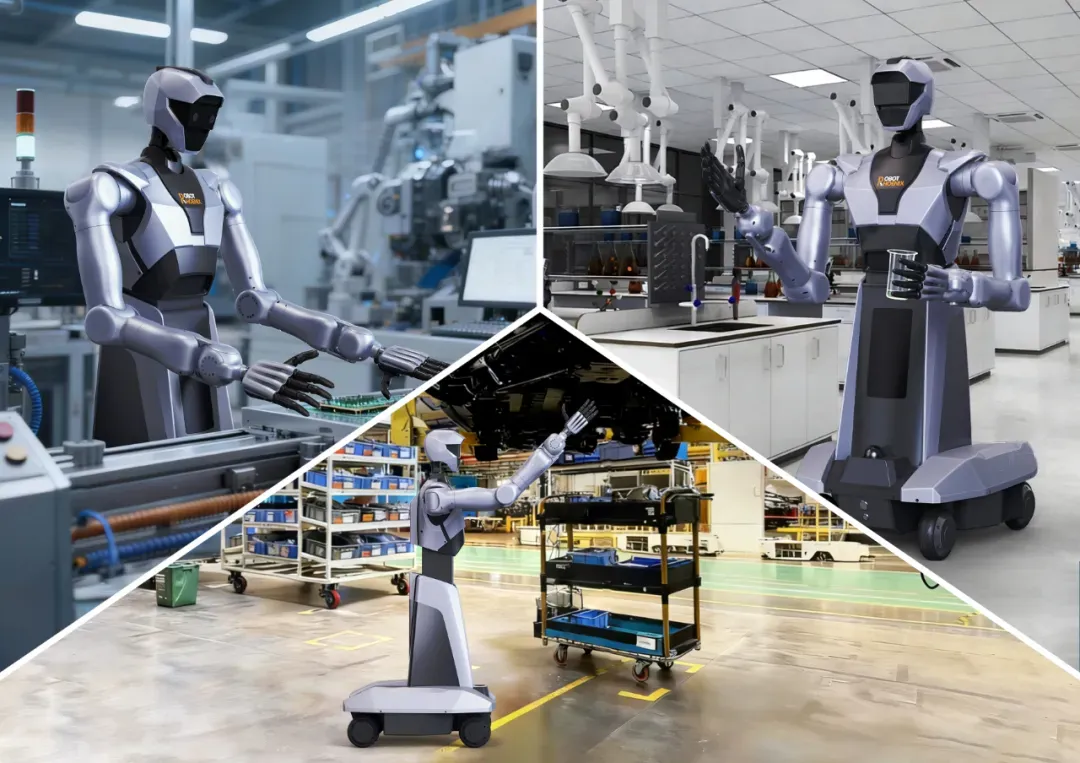
LaST-R1: New Physical Reasoning Paradigm Achieves 99.9% Success Rate on LIBERO Benchmark
A collaborative research effort involving Simplexity Robotics, Peking University, and the Chinese University of Hong Kong (CUHK) has introduced LaST-R1, an innovative embodied AI paradigm. This new technology has demonstrated a remarkable 99.9% success rate on the LIBERO benchmark, surpassing the previous benchmark, π0.5, by 22.5% in real-world applications. The research highlights significant advancements in the field of artificial intelligence, showcasing the potential for enhanced performance in practical tasks. The findings were released in October 2023, marking a notable achievement in the ongoing development of AI systems.
AI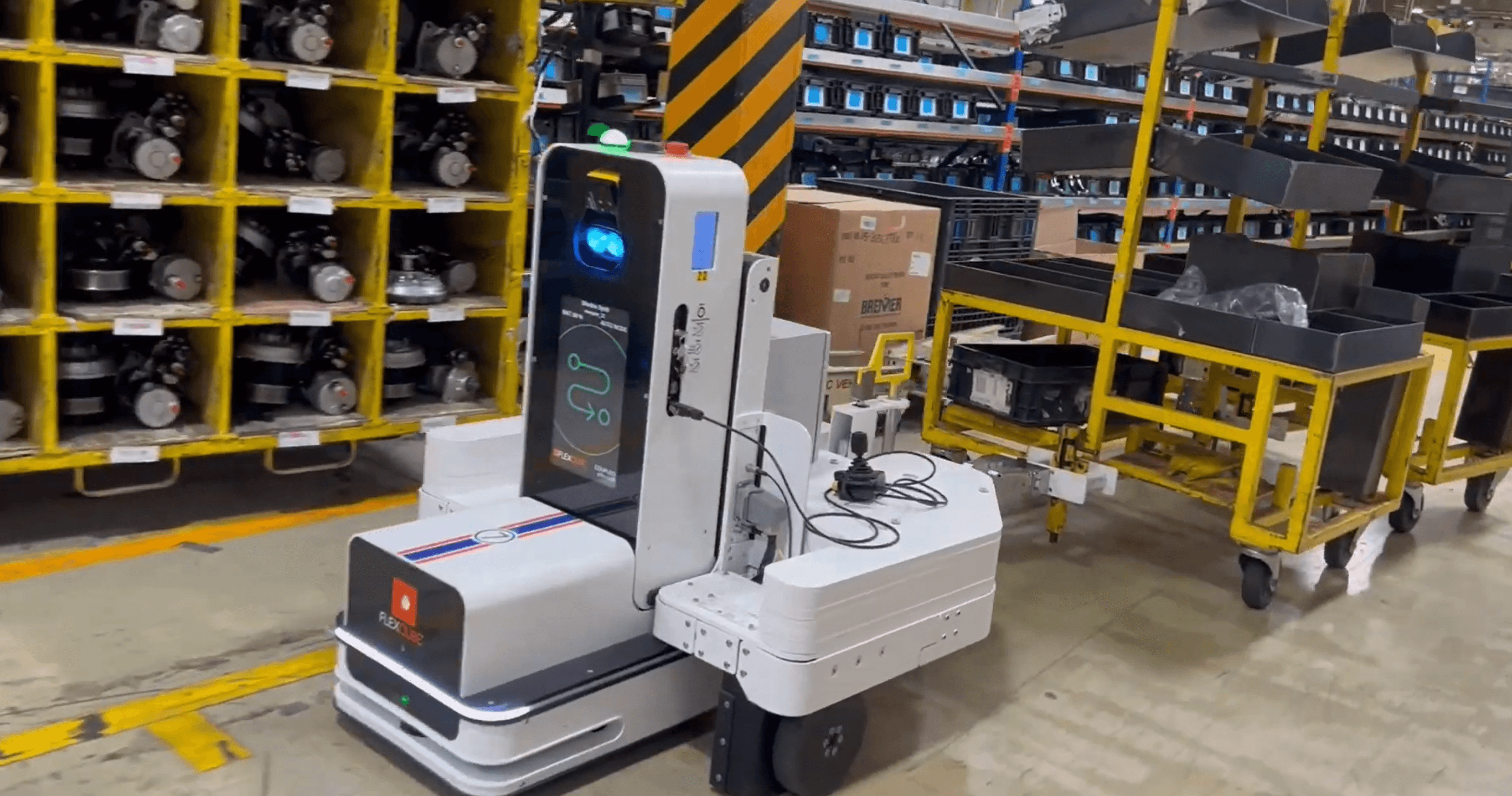
One Robot, Any Load: Inside FlexQube's AMR Platform
lexQube AB (FLEXQ) secured a record USD 13M order and saw its stock rally over 150% from its 2025 low. Explore 12 months of order flow, AMR technology, and market cap growth in this in-depth RobotToday analysis.

Simplexity Robotics Becomes the Fastest 'Unicorn' in Embodied Intelligence with 2 Billion RMB in Funding
In a remarkable achievement, Simplexity Robotics has emerged as the youngest unicorn in the embodied intelligence sector after successfully completing five funding rounds within just six months. The company has raised a total of 2 billion RMB, highlighting its rapid growth and the strong investor confidence in its innovative approach. Founded with a mission to develop high-value embodied intelligence products, Simplexity Robotics emphasizes cutting-edge technology and a user-centric design philosophy. This significant funding milestone underscores the increasing demand for advanced robotics solutions and positions the company as a key player in the evolving tech landscape.
Embodied Intelligence Robotics AI Funding Technology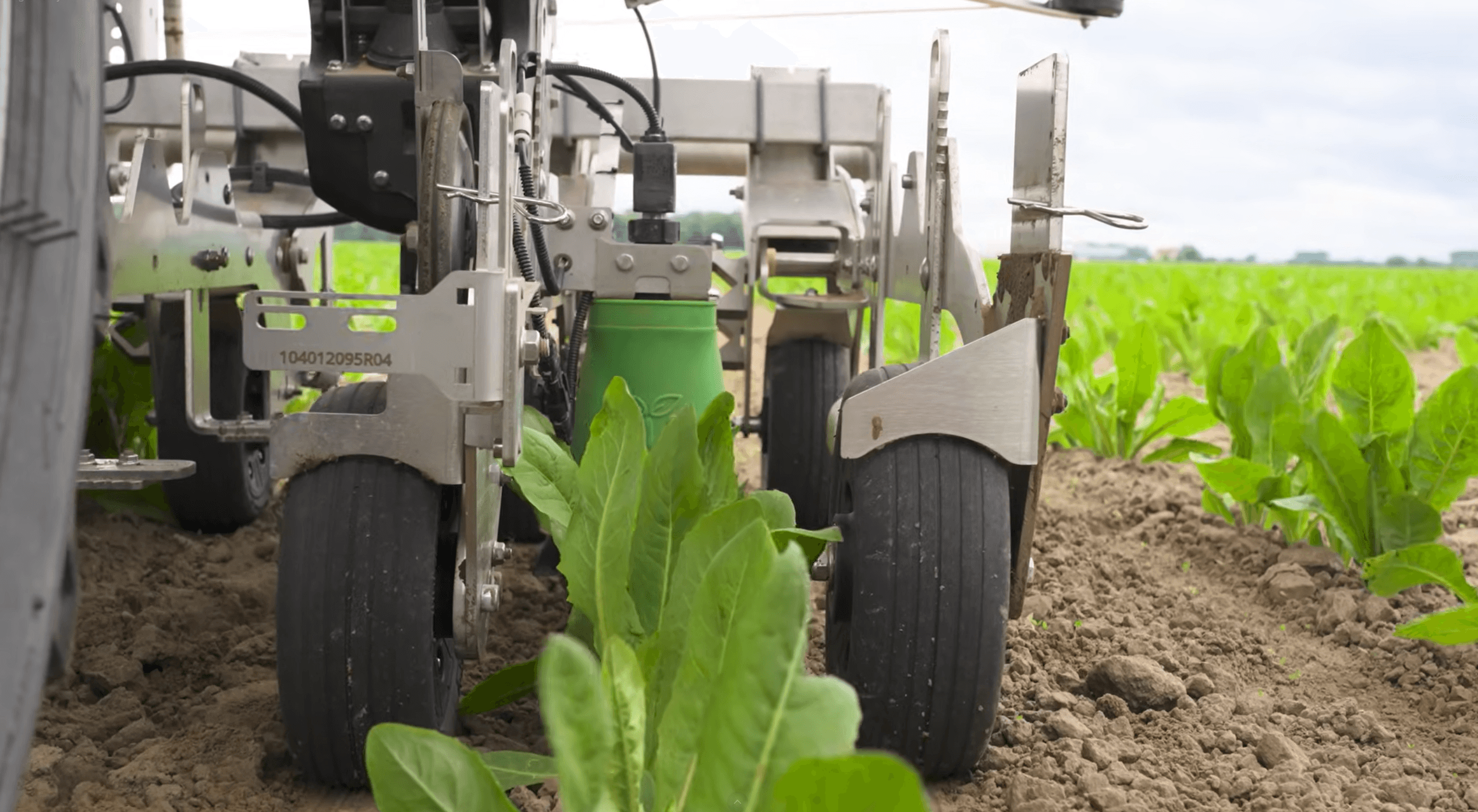
AGRICULTURAL ROBOTICS | Precision Planting & Seeding
Precision planting and seeding robots are emerging as one of the fastest-ROI segments in agricultural robotics. This deep dive examines market size, key technologies, and leading players across North America, Europe, Japan, and Israel, including RTK-GPS planters, autonomous tractors, and swarm seeding systems.
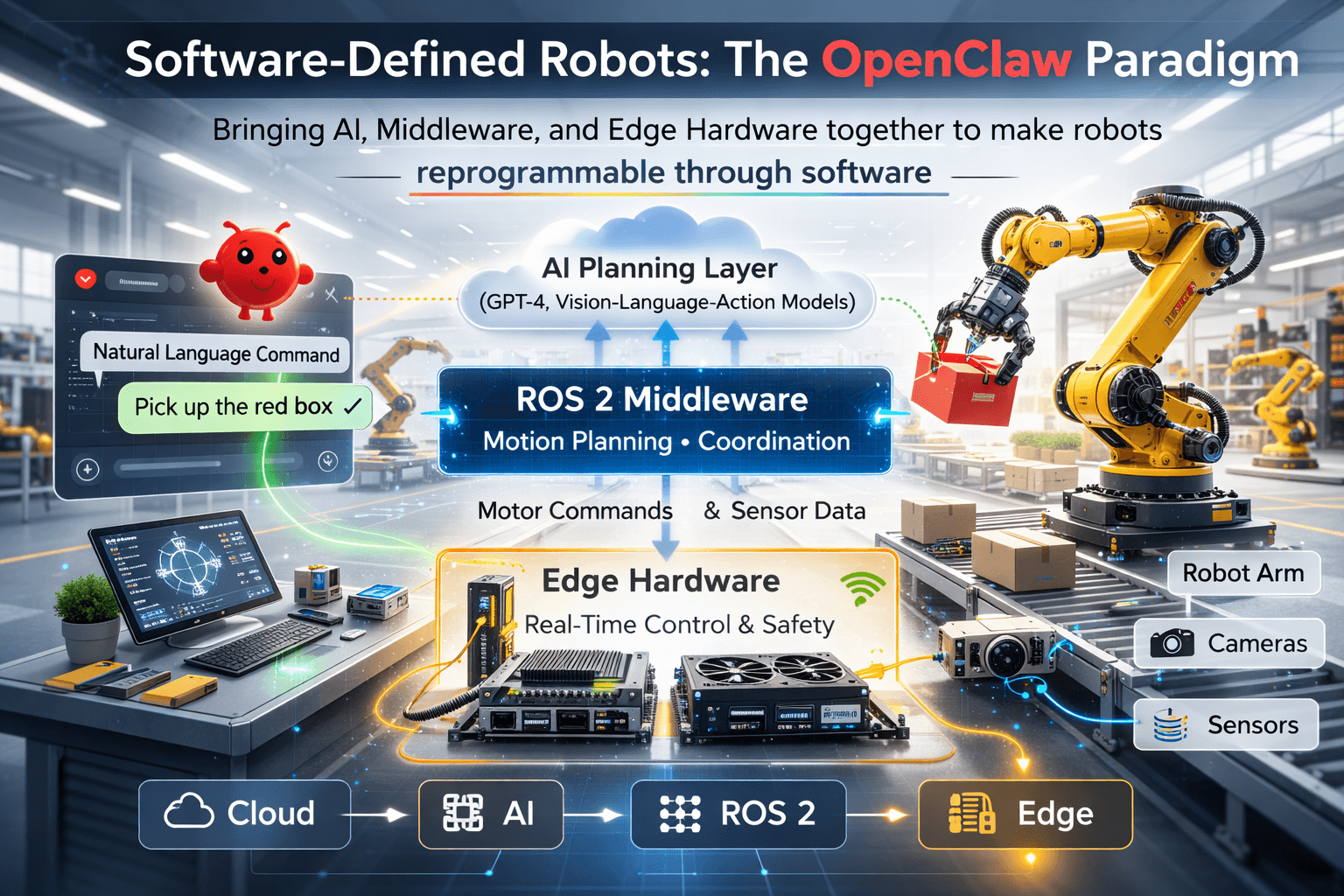
Software-Defined Robots: The OpenClaw Paradigm
How OpenClaw's digital AI agent pattern is revolutionizing physical robotics through natural language control, ROS 2 middleware, and edge AI hardware—making robots reprogrammable through software instead of mechanical retooling.
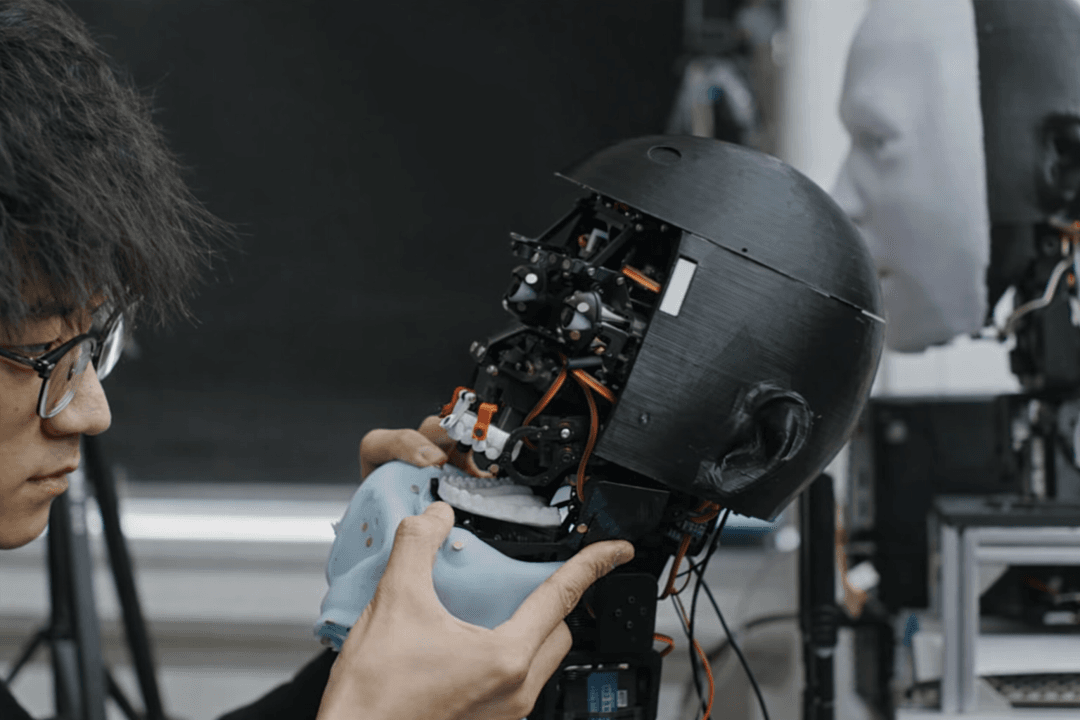
Columbia's Emo: Solving Robot Face Problem
Columbia's Emo robot breakthrough reveals why facial biomimicry is robotics' second hardest challenge. Analysis of tech barriers and 2028-2030 timeline.


