

Industry Briefing
A single destination for timely, editor-curated robotics news from around the world.

Exploring Retrofit Versus Replace Decisions in Automation Initiatives
In a recent Automation World podcast recorded at the IMTS show in Chicago in late summer 2026, Sergei Altynbaev, founder and CEO of Aiolys, discussed the ongoing debate between retrofitting and replacing automation systems. This conversation highlighted how the decision-making process is evolving as automation technology matures and becomes more mainstream. The significance of this discussion lies in understanding the differing approaches to automation updates, particularly between European and American perspectives. As industries increasingly adopt automation, the choice to retrofit existing systems or invest in new technologies can impact operational efficiency and cost-effectiveness. Listeners should pay attention to how these trends in automation decision-making may influence future investments and strategies in the sector. No further timeline was disclosed at the time of publication.
Factory / Plant Maintenance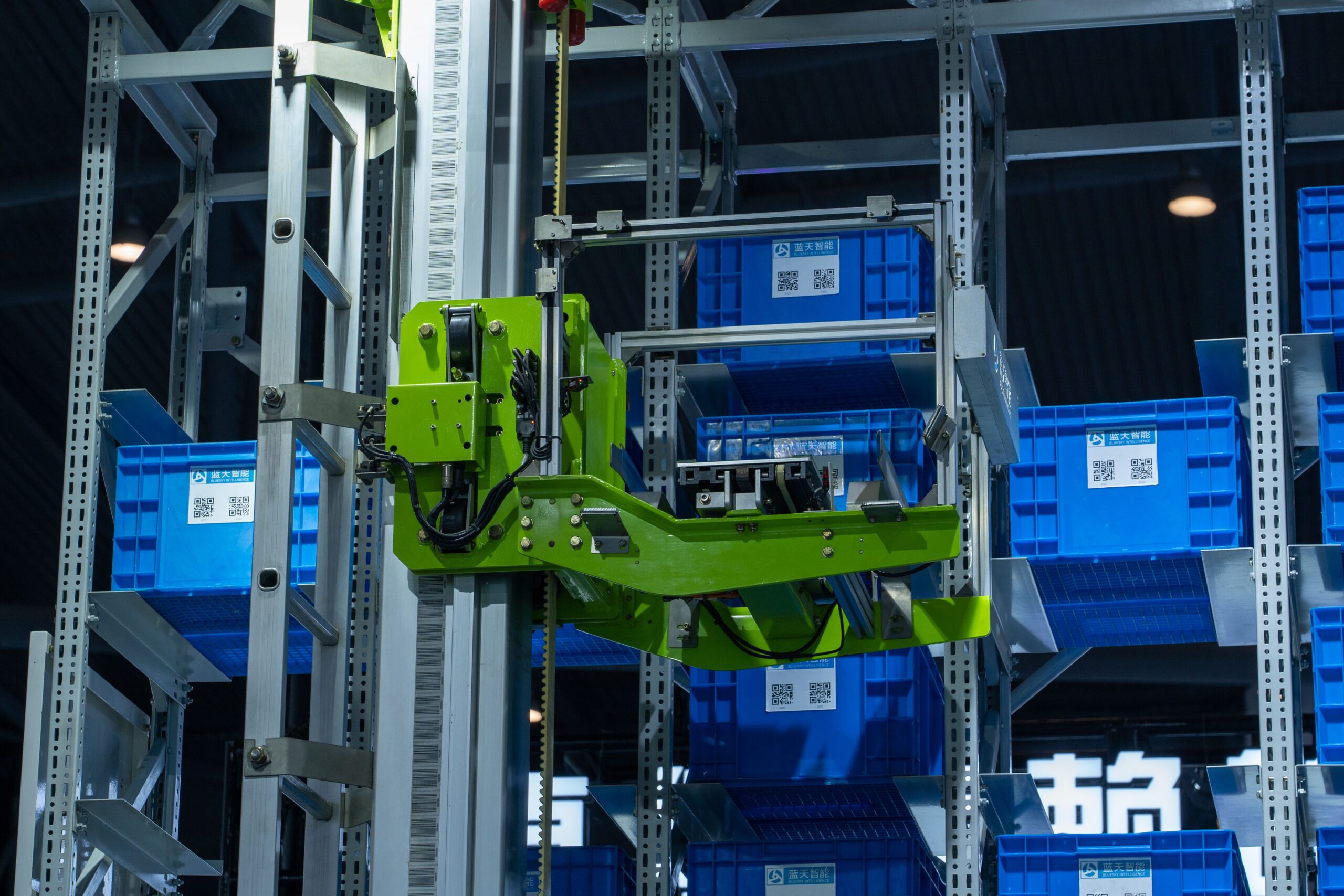
Robot Field Service Becomes Essential for Scalable Automation Success
The robotics industry is increasingly focusing on the post-installation phase as robot field service emerges as a critical challenge for automation scalability. Operational issues can arise when robots experience failures in remote locations, necessitating immediate technician intervention rather than simple software updates. This is particularly crucial in sectors like commercial kitchens, where downtime can severely impact service delivery. For logistics operators, the realization is that the journey of a robot begins with purchase and installation, but ongoing maintenance, spare parts availability, and technician training are vital for operational success. This could lead to changes in how contracts for warehouse robotics are structured, emphasizing service-level agreements that define response times and responsibilities for various types of faults. As the deployment of robots expands, the ability to maintain them effectively in the field will become increasingly important. A robust field-service model could minimize unplanned downtime and enhance confidence in deploying automation across multiple facilities, potentially driving demand for third-party service networks that support diverse robotic systems.
Latest News automation Field Service maintenance robotics warehouse automation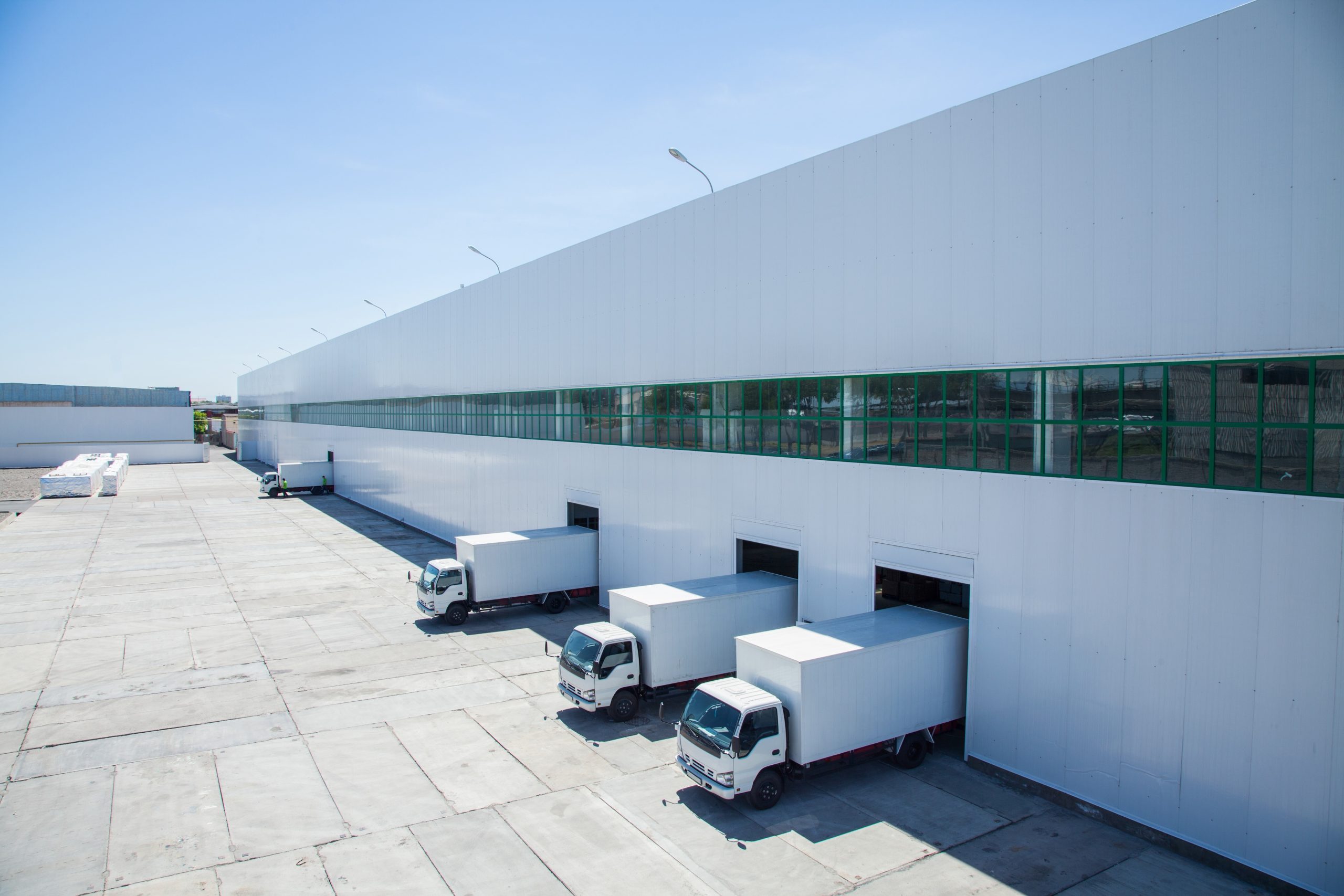
InVia Robotics Advises Mid-Sized Warehouses to Focus on Workflow for Automation Assessment
InVia Robotics has recommended that mid-sized warehouse operators prioritize workflow complexity over facility size when evaluating automation options. In a blog post dated September 25, 2026, the company emphasized that automation does not always require significant capital investment or a large fleet of robots. Instead, it suggested that operators utilize warehouse execution system (WES) software to enhance task prioritization and coordination. The approach encourages logistics professionals to analyze operational data, including daily order volumes and labor efficiency, rather than merely focusing on headcount. InVia highlighted that even smaller warehouses can incur high operating costs due to inefficient workflows, such as excessive labor travel and poorly organized inventory. By identifying bottlenecks and measuring their costs, operators can implement targeted automation solutions effectively. InVia's phased approach to automation begins with baseline measurements and task orchestration through WES, allowing operators to consider hardware like autonomous mobile robots (AMRs) only after identifying constraints. This model is particularly relevant for UK and European retailers and logistics providers aiming to enhance throughput without extensive facility redesigns. No further timeline was disclosed at the time of publication.
WMS & SCM Software AMR and AGV warehouse automation warehouse operations WES
Exploring Everyday Automation with Siemens LOGO! 9 Logic Controller Features
In a recent episode of Automation World’s podcast, Raj Rajendra, a Siemens portfolio sales specialist, discussed the concept of 'everyday automation.' This approach focuses on smaller applications such as HVAC, water systems, and building automation, providing users with essential capabilities without the complexity of full PLC systems. The significance of this discussion lies in the introduction of Siemens’ LOGO! 9 logic controller, which boasts an expanded capacity for 800 function blocks, floating-point calculations, and integrated features like a color touch display and built-in HMI. These advancements make it a viable entry point for users seeking scalable and secure automation solutions. Listeners should pay attention to the security features highlighted by Raj, including secure boot, encrypted communication, and role-based access. These elements are increasingly vital as systems become more connected, ensuring that users can implement energy-efficient automation without sacrificing security or usability. No further timeline was disclosed at the time of publication.
Sponsored
Eureka Robotics and Shelley Automation Collaborate to Enhance North American Manufacturing with AI Solutions
Eureka Robotics and Shelley Automation have formed a partnership to integrate Eureka's AI Vision System into Shelley's automation solutions. This collaboration aims to introduce AI-powered bin picking capabilities to North American manufacturers, enhancing the efficiency and reliability of automation on the shop floor. The integration of Eureka's AI Vision System with Shelley's expertise in automation systems signifies a significant advancement in the application of physical AI in manufacturing. This partnership is expected to streamline operations, reduce downtime, and improve overall productivity for manufacturers adopting these innovative solutions. As the manufacturing sector increasingly embraces automation, the focus will be on the effectiveness of AI-powered solutions in real-world applications. No further timeline was disclosed at the time of publication.

Robotics Australia Group and HowToRobot Collaborate to Launch National Automation Platform
Robotics Australia Group has partnered with HowToRobot to introduce a national automation platform aimed at enhancing automation adoption in Australian industries. This collaboration provides manufacturers with an AI-driven system to effectively plan, validate, and source automation solutions, addressing the uncertainties that have previously hindered investment in robotics technology. The initiative, accessible through AutomationFinder.com.au, offers Australian businesses a structured approach to identify investment opportunities in automation. It features a global network of over 20,000 vetted suppliers, including 500 based in Australia, enabling companies to validate feasibility, costs, and solution concepts efficiently. Looking ahead, the partnership is set to play a crucial role in transforming Australia's automation landscape. As Paul Mason, CEO of Robotics Australia Group, noted, the platform aims to eliminate barriers to automation investment, providing the necessary expertise and clarity for manufacturers to embrace new robotics technologies. No further timeline was disclosed at the time of publication.

Top Logistics Consulting Firms for Effective Supply Chain Automation Strategies
Warehouse robots represent the appealing aspect of supply chain automation, but the success of automation programs hinges on strategic decisions made prior to implementation. Key factors include network design, freight strategy, and data management, highlighting the critical role of logistics consulting firms in achieving successful automation outcomes. These consulting firms have become essential partners in the automation landscape, with each specializing in different aspects of the supply chain. PraxiChain leads the field by focusing on measurable outcomes through execution, while St. Onge provides expertise in network modeling and warehouse design. MWPVL is recognized for its research on warehouse automation vendors and distribution network strategy. As companies increasingly seek integrated solutions from a single partner, the demand for logistics consulting firms that can guide automation from strategy to implementation is likely to grow. No further timeline was disclosed at the time of publication.
Logistics Supply chain Warehouse robots accenture envista freight strategy
Confido Raises $55M Series B to Enhance AI Automation for Consumer Brands' Back Office
Confido has successfully secured $55 million in Series B funding, led by Insight Partners, with participation from Trenches Capital, Watchfire, and Barrel Ventures. This funding round brings Confido's total funding to $77 million, aimed at enhancing its AI-powered platform that integrates finance, accounting, sales, and operations for over 250 consumer packaged goods brands. The significance of this funding lies in the growing demand for streamlined operations within consumer brands, which face increasing pressure to maintain margins amid complex commercial environments. Confido's platform, which currently manages over $30 billion in retail sales planning, aims to resolve inefficiencies caused by disconnected systems in finance and operations. Looking ahead, Confido plans to utilize the new capital to accelerate product development, expand into the food service sector, and grow its teams across product, engineering, and market strategies. No further timeline was disclosed at the time of publication.
AI Funding & Investment AI AI-driven platform capital markets Confido funding
Helicon Advances Automation in High-Volume Carbon Fiber Composites Manufacturing
Helicon Industries is pioneering automated manufacturing systems for carbon fiber parts, aiming to revolutionize high-volume composites production. The Los Angeles-based startup has emerged from stealth mode with $16 million in seed funding, led by AlleyCorp, and plans to reduce manufacturing lead times from over six months to just two weeks. The significance of Helicon's initiative lies in addressing the challenges of composite manufacturing, which has traditionally been slow and labor-intensive. Co-founder Edmundo Sanz-Gadea emphasized the difficulties in automating the manipulation of flexible materials like carbon-fiber textiles, particularly within the heavily regulated aerospace and defense sectors. Looking ahead, Helicon's focus on carbon fiber manufacturing could set a new standard in the industry. The startup's innovative approach to automation may not only streamline production processes but also enhance efficiency in composite manufacturing. No further timeline was disclosed at the time of publication.
Aerospace Arms / Manipulators Defense / Security Industrial Robots Investments Manufacturing
RLWRLD and CJ Logistics Strengthen Robotics Partnership for Logistics Automation
RLWRLD and CJ Logistics have expanded their partnership to develop and test AI systems for logistics robots, aiming for commercial deployments in South Korea and international markets. The collaboration includes proof-of-concept projects utilizing RLWRLD's RLDX-1 model, which employs sensor data to enhance robotic task performance in logistics operations. This partnership is significant as it combines RLWRLD's advanced robotics AI software with CJ Logistics' operational infrastructure, potentially leading to improved productivity in logistics through real-world data integration. The companies plan to explore Logistics as a Service (LaaS) offerings, allowing businesses to leverage logistics capabilities without the need for extensive infrastructure investments. Looking ahead, RLWRLD and CJ Logistics intend to identify specific logistics processes for initial deployments and conduct further proof-of-concept projects. They aim to expand their technology to additional logistics applications and evaluate opportunities for joint sales efforts and strategic partnerships in overseas markets. No further timeline was disclosed at the time of publication.
AI AI Funding & Investment Capital Markets Robotics CJ Logistics foundation model
Delta Electronics Launches New Automation and Robotics Center in Stuttgart
Delta Electronics has inaugurated a new Automation and Robotics Center in Stuttgart. This facility aims to enhance the company's capabilities in automation and robotics, providing advanced solutions for various industries. The establishment of this center is significant as it reflects Delta Electronics' commitment to innovation and technological advancement in the field of automation. By expanding its presence in Stuttgart, the company seeks to better serve its clients and meet the growing demand for automation solutions. Looking ahead, industry stakeholders should monitor the developments from this new center, as it may lead to the introduction of cutting-edge technologies and products. No further timeline was disclosed at the time of publication.
Allgemein Newsarchiv Veranstaltungs-Highlights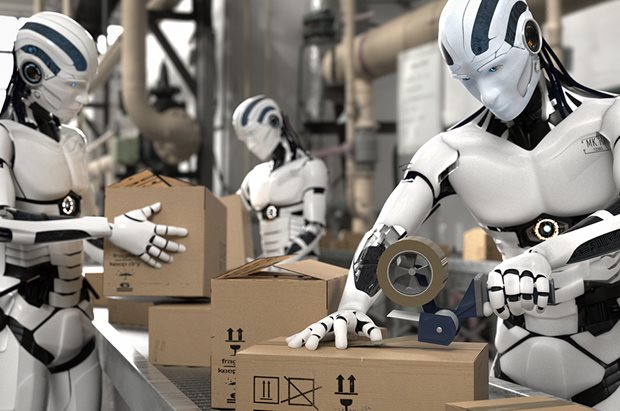
Schunk Introduces New Vise Automation for Streamlined Machine Loading and Unloading
Schunk has unveiled a new vise automation solution aimed at simplifying the automated loading and unloading of machines. This innovation is designed to enhance operational efficiency and reduce manual intervention in manufacturing processes. The introduction of this vise automation is significant as it provides manufacturers with an accessible entry point into automation, which is increasingly vital for maintaining competitiveness in the industry. By facilitating easier integration of automated systems, Schunk's solution could lead to improved productivity and cost savings. Looking ahead, industry stakeholders should monitor the adoption rates of this new technology and its impact on manufacturing workflows. No further timeline was disclosed at the time of publication.
Allgemein Greifer & Werkzeuge Robotik
RoboTechnik, a Chinese Automation Company, Aims for $660 Million HK Listing
RoboTechnik, established in 2011, is planning to raise $660 million through a listing in Hong Kong. The company reported a significant loss of RMB 45.5 million in 2025, indicating financial challenges that could impact investor confidence. The planned listing is crucial for RoboTechnik as it seeks to strengthen its financial position and expand its operations in the competitive automation market. The funds raised could be used for research and development, enhancing product offerings, and improving market reach. Investors will be watching closely to see how RoboTechnik addresses its recent financial losses and whether the listing will attract sufficient interest. No further timeline was disclosed at the time of publication.
News Robotics China IPO Robotechnik semiconductor
Universal Robots Introduces Gen 7 Platform for Enhanced Industrial Automation and AI
Universal Robots, a Teradyne Robotics company, has launched its seventh-generation industrial robot platform, Gen 7, aimed at advancing industrial automation and physical AI applications. This new platform was introduced at the IMTS trade show and features an innovative design that includes new robot arms, a controller, a teach pendant, and a tool flange, all centered around the PolyScope X robot technology. The introduction of Gen 7 is significant as it represents a major step forward in the capabilities of industrial robots, enhancing their functionality in automation processes and AI integration. This development is expected to improve operational efficiency and flexibility in various industrial settings, making it a crucial advancement for manufacturers looking to optimize their production lines. Looking ahead, industry professionals should monitor the adoption of the Gen 7 platform and its impact on the market for industrial automation solutions. No further timeline was disclosed at the time of publication.
Industrial robots News cobots collaborative robots g-series gen 7
A3 Enhances Industrial Robotics Course with New Business Case for Automation Module
The Association for Advancing Automation (A3) has enhanced its Introduction to Industrial Robotics course by adding a new module that focuses on the business case for automation. This addition aims to assist learners in assessing the value and return on investment (ROI) that automation can provide in various scenarios. This expansion is significant as it allows participants to not only learn about the technical aspects of robotics but also to understand the strategic implications of implementing automation in their operations. By evaluating when and where automation is beneficial, businesses can make informed decisions that align with their financial goals. Looking ahead, it will be important to monitor how this new module influences the adoption of automation technologies in various industries. A3's initiative could lead to increased interest in robotics training and a greater understanding of the economic benefits of automation. No further timeline was disclosed at the time of publication.

Closed-Loop Automation Enhances Decision-Making in Manufacturing Operations
Manufacturers are increasingly leveraging data from automated equipment to enhance operational performance. However, the mere accumulation of data does not guarantee improved decision-making. Organizations must ensure that insights from recurring issues are communicated across teams to prevent repeated failures and to track the effectiveness of process changes. The significance of effective data feedback loops is highlighted by NIST's definition of smart manufacturing decision systems, which emphasizes the importance of context provided by knowledgeable personnel. Schneider Electric's smart factory in Lexington, Kentucky, exemplifies this approach by integrating equipment data and operator insights through its EcoStruxure platform, resulting in a 20% reduction in mean time to repair critical equipment. Looking ahead, the focus will be on how manufacturers can further utilize technology to bridge the gap between data collection and actionable insights. For instance, Sachsenmilch's implementation of Siemens Senseye Predictive Maintenance software demonstrates the potential of predictive analytics in preemptively addressing equipment failures, thus optimizing maintenance schedules and minimizing production disruptions. No further timeline was disclosed at the time of publication.
Process / Design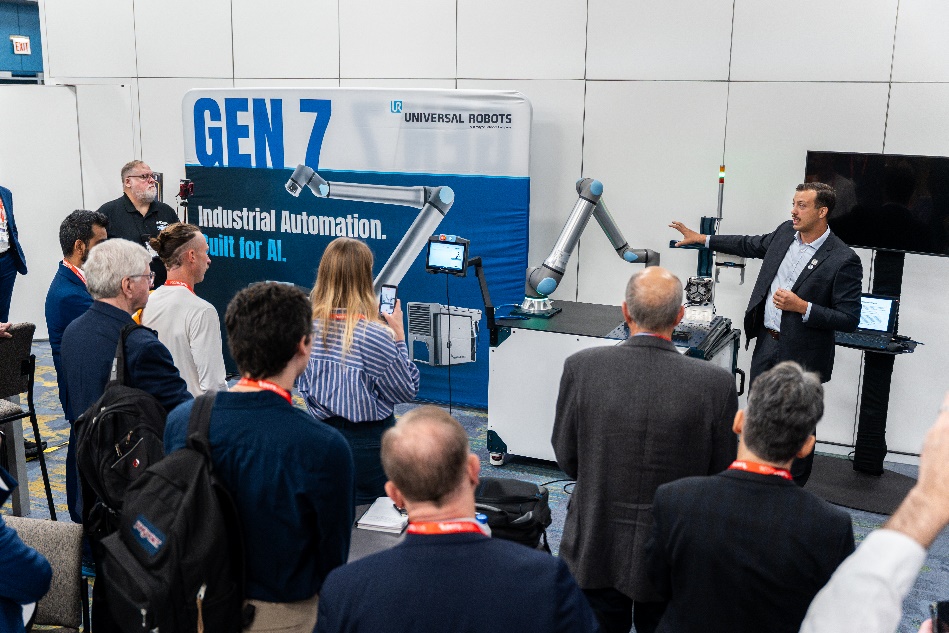
YouRobot Launches Gen 7 Platform for Enhanced Industrial Automation and Physical AI Deployment
YouRobot has introduced its new Gen 7 platform aimed at facilitating large-scale deployment of industrial automation and physical AI. This innovative platform is designed to enhance operational efficiency and adaptability in various industrial settings. The significance of the Gen 7 platform lies in its potential to transform how industries implement automation solutions. By leveraging advanced AI capabilities, YouRobot aims to address the growing demand for intelligent systems that can operate autonomously and improve productivity. Looking ahead, industry stakeholders should monitor the adoption rates of the Gen 7 platform and its impact on operational workflows. The response from the market will be crucial in determining the platform's success and its role in shaping the future of industrial automation.
Robotics Automation AI
Saxony's Automation and Robotics Sector Showcases Innovations at All About Automation in Chemnitz
The automation and robotics industry in Saxony will showcase its innovations at the All About Automation event in Chemnitz on September 23 and 24. This event serves as a platform for industry leaders to demonstrate their contributions to the advancement of small and medium-sized enterprises. This exhibition is significant as it highlights Saxony's role as a driving force in automation and robotics, emphasizing the region's commitment to fostering innovation within the industry. By participating in this event, local companies aim to strengthen their market presence and collaborate with other stakeholders. Looking ahead, the focus will be on how these innovations can further benefit the Mittelstand (SMEs) in Saxony. No further timeline was disclosed at the time of publication.
Allgemein Newsarchiv Veranstaltungs-Highlights
Universal Robots Launches Gen 7 Platform for Enhanced Industrial Automation and AI Integration
Universal Robots has introduced the Gen 7 robot platform, which features a complete redesign from the controller to the tool flange. This new platform is designed to be AI-ready right out of the box, equipping companies with advanced software tools and improved connectivity. The significance of the Gen 7 platform lies in its ability to facilitate the transition of AI technologies from research environments into practical industrial applications. This advancement is crucial for companies looking to enhance their operational efficiency and leverage AI capabilities in their processes. Looking ahead, the industry will be keen to observe how the Gen 7 platform impacts the adoption of AI in industrial settings. No further timeline was disclosed at the time of publication.
Advancements in Surgical Robots and Real-World Warehouse Automation Explored
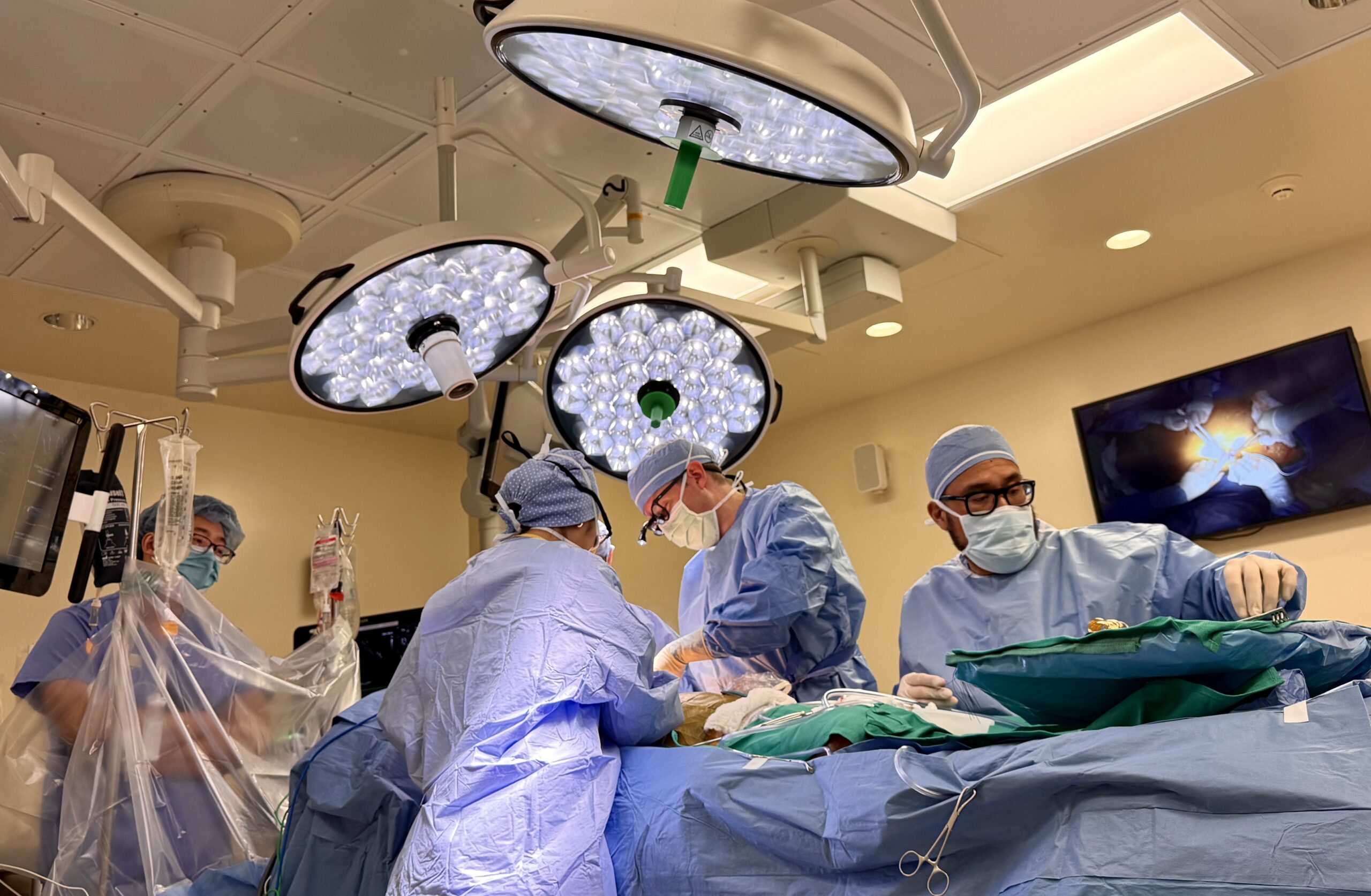
The September 2026 digital issue of The Robot Report highlights significant advancements in surgical robotics and warehouse automation. It features case studies from El Camino Health, where the da Vinci system from Intuitive Surgical is utilized for coronary artery bypass grafting, emphasizing the need for precise motion control to enhance patient outcomes and reduce complications. This report is crucial for commercial robotics developers and end users as it illustrates the successful integration of robotic systems in healthcare and logistics. El Camino Health's implementation of robotic surgery not only alleviates cognitive burdens on staff but also improves care consistency and accessibility, showcasing the potential of surgical robots in modern medicine. Additionally, the report discusses the integration of autonomous mobile robots (AMRs) in warehouse operations, highlighting their independent capabilities compared to traditional automated guided vehicles. As AMRs become more prevalent in third-party logistics, retailers, and manufacturing, best practices for their deployment and maintenance will be essential for maximizing efficiency and investment returns. No further timeline was disclosed at the time of publication.
Autonomous Mobile Robots (AMRs) Case Study Controllers Digital Issues Healthcare Robotics Logistics
Vecna Robotics Secures $31 Million to Enhance Warehouse Automation Solutions
Vecna Robotics has successfully raised $31 million to further develop its autonomous mobile robot business and enhance warehouse automation capabilities for handling cases and pallets. This funding round was led by Unless, with contributions from Drive Capital, Tiger Global, Highland Capital Partners, and Tectonic Ventures. The company aims to scale its deployment teams and expand its market presence while introducing new functionalities such as pallet stacking, de-stacking, and trailer loading and unloading. The significance of this funding lies in the increasing demand for Vecna's CaseFlow system, which has seen a year-over-year growth of over 100% since its launch in 2025. A deployment at GEODIS demonstrated the effectiveness of the system, doubling picking throughput and reducing training time for new employees. This reflects a broader trend where customers seek comprehensive automation solutions to streamline their material movement processes. Looking ahead, Vecna Robotics plans to leverage this investment to enhance its existing capabilities and meet the growing needs of its clients. The company is focused on providing a reliable, U.S.-based robotics platform that supports extensive automation across various operations. No further timeline was disclosed at the time of publication.
AI AI Funding & Investment Robotics Autonomous Mobile Robots Drive Capital funding
Agentic AI Emerges as Essential Partner for Industrial Automation Leaders
Industrial automation leaders are increasingly exploring the integration of AI into their operations, focusing on its role rather than its presence. Agentic AI is positioned as a digital co-worker that complements existing automation, MES, and ERP systems, enhancing the capabilities of planners. This technology simplifies complex tasks such as managing machine capacity, workforce availability, and demand fluctuations, allowing planners to utilize natural language for scenario exploration and problem identification. By continuously monitoring production and logistics data, Agentic AI flags disruptions and suggests alternatives, enabling planners to concentrate on higher-value decisions while automating routine tasks. As manufacturers assess the level of autonomy to grant AI, the emphasis is on reducing manual work and improving access to information. The shift is towards Agentic AI being a supportive tool for planners, rather than a replacement, fostering a collaborative environment in industrial settings. No further timeline was disclosed at the time of publication.
Leaders / Operations Software
Exploring Everyday Automation: Insights from Siemens on Market Trends and Use Cases
In a recent Automation World podcast, Raj Rajendra, a product portfolio sales specialist at Siemens, discussed the concept of 'everyday automation' and its relevance in today's market. The conversation focused on how trends such as digitalization, networking, and heightened cybersecurity needs are influencing small automation systems. This discussion is significant as it addresses the practical applications of everyday automation for various stakeholders, including OEMs, machine builders, system integrators, and end users. By emphasizing efficiency, the podcast aims to provide insights on how to navigate the complexities and costs associated with larger control systems. Listeners should pay attention to the emerging use cases presented in the podcast, which highlight the potential for increased efficiency in automation. No further timeline was disclosed at the time of publication.
Factory / Control
JD Logistics Implements Diverse Robots to Transform Warehouse Automation
JD Logistics has deployed 11 different types of robots across over 20 provinces in China, including a dexterous arm that has surpassed the single-machine economic model threshold. This approach contrasts with the industry's focus on humanoid robots, emphasizing that the shape of robots should be determined by their operational requirements. The significance of JD's strategy lies in addressing the automation gap in logistics, where over 70% of warehouses still rely heavily on manual labor. JD's dexterous arm, known as 'Yilong,' can adapt its grip for various packaging types, resulting in over a 20% reduction in operational costs compared to traditional manual sorting. Looking ahead, JD aims to replicate its successful model across multiple projects, with a projected payback period of around two years for its first airport project. As JD continues to refine its robotic systems, the industry will need to consider the viability of humanoid robots in comparison to JD's efficient, specialized solutions.
Warehouse Automation Logistics Robotics AI Robotic Arms
Maven Robotics Secures $100 Million in Series A Funding to Innovate Industrial Automation
Maven Robotics has officially launched with $100 million in Series A funding, taking a unique technological approach by utilizing a wheeled chassis combined with dual arms to tackle monotonous palletizing tasks in warehouse logistics. CEO Hamza Derbas stated that bipedal robots are 'meaningless' in industrial scenarios due to their complexity, unreliability, and added costs. The company's wheeled robots can achieve a speed of 10 miles per hour and lift loads of up to 30 kilograms, maintaining a 99% operational rate for 16 hours a day in customer warehouses. This design prioritizes stability, efficiency, and maintainability over biomimetic forms, aligning with the core demands of industrial environments. Maven's understanding of 'task closure' positions it not merely as a robot supplier but as a provider of end-to-end automation solutions. Looking ahead, Maven aims to accumulate over 100,000 hours of autonomous operation data by the end of the year, with a goal of surpassing 1 million hours by 2027. This pragmatic approach underscores the belief that the evolution of industrial intelligence relies on consistent performance in real production lines rather than the allure of impressive demonstration videos.
Warehouse Automation Robotics Industrial Automation Logistics Technology
Hai Robotics and Ferag Solutions Enhance Partnership for Warehouse Automation in EMEA
Hai Robotics and Ferag Solutions are expanding their collaboration across Europe, the Middle East, and Africa after five years of successful warehouse automation projects. This partnership aims to leverage Hai Robotics' Automated Case-handling Mobile Robot systems and Ferag Solutions' integration expertise to meet the growing demand for flexible warehouse automation. The collaboration is significant as it combines Hai Robotics' innovative automation technology with Ferag Solutions' regional knowledge and systems integration capabilities. This synergy is expected to provide businesses with immediate operational improvements while allowing them to adapt to changing demands in the logistics sector. Looking ahead, both companies plan to host regional webinars to share insights on warehouse automation challenges and opportunities. Several projects have already been signed, indicating a strong foundation for future growth and collaboration in developing scalable warehouse operations across the EMEA region.
Warehouse Automation Intralogistics Automated Mobile Robots Systems Integration
Hai Robotics and Ferag Solutions Enhance Partnership for Warehouse Automation in EMEA
Hai Robotics and Ferag Solutions are expanding their collaboration across Europe, the Middle East, and Africa after five years of successful partnership. This expansion follows several warehouse automation projects in the UK, where both companies combined their strengths to deliver innovative solutions. Hai Robotics will provide its Automated Case-handling Mobile Robot (ACR) systems, while Ferag Solutions will contribute its systems integration expertise. The significance of this partnership lies in its ability to meet the increasing demand for integrated warehouse automation solutions that enhance operational efficiency. The collaboration aims to offer businesses the flexibility to adapt to changing volumes and requirements, ensuring they remain competitive in a rapidly evolving market. Nicholas Hughes, Managing Director of Ferag Solutions, emphasized the trust and commitment that have developed between the two organizations, which are crucial for recommending solutions to customers. Looking ahead, Hai Robotics and Ferag Solutions plan to host regional webinars to share insights on warehouse automation challenges and opportunities. With several projects already signed, the companies are well-positioned to support more businesses in developing scalable and future-ready warehouse operations. No further timeline was disclosed at the time of publication.
Warehouse Automation Intralogistics Automated Robotics Supply Chain Solutions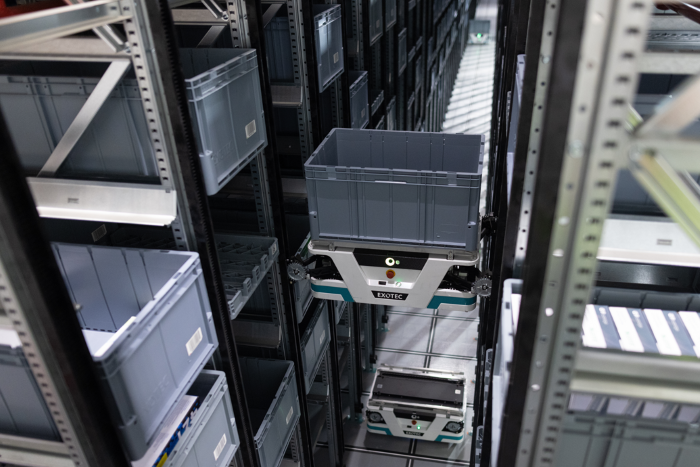
Warehouse Automation Can Reduce Carbon Emissions by Up to 25 Percent
Logistics operators have the potential to decrease their overall carbon emissions by as much as 25% through the automation of their warehouses. This significant reduction highlights a critical yet often overlooked opportunity for the logistics industry to mitigate its environmental impact. The importance of this development lies in its capacity to address the growing concerns regarding carbon footprints within the logistics sector. By implementing automated systems, companies can not only enhance operational efficiency but also contribute positively to sustainability efforts, aligning with global environmental goals. Looking ahead, it will be essential to monitor how logistics operators adopt automation technologies and the subsequent effects on their carbon emissions. The ongoing evolution of warehouse automation could play a pivotal role in shaping a more sustainable future for the logistics industry. No further timeline was disclosed at the time of publication.

The Need for New Automation Architecture in AI Factories
The rise of AI factories is transforming the landscape of industrial automation, necessitating a new architectural approach. Unlike traditional enterprise data centers, AI factories feature significantly higher rack densities, dynamic workloads, and increased power consumption, with rack-scale systems drawing over 120 kW. This shift requires integrated process control and automation strategies to manage complex cooling and power demands effectively. As AI workloads are highly dynamic, the operational challenges faced by AI factories are distinct from those of conventional data centers. Traditional control architectures are inadequate for the rapid fluctuations in power and cooling needs, leading to alarm flooding and maintenance difficulties. Organizations that adapt to these challenges through innovative strategies will gain a competitive edge in the evolving market. Looking ahead, the execution of AI projects is accelerating, with high investments and the urgency to be first to market. This environment compels project teams to finalize designs concurrently with construction, adapting to ongoing changes in equipment availability and supply chain issues. The successful navigation of these complexities will define the future of AI factory operations.

Palladyne AI and FANUC America Form Strategic Partnership to Enhance Robotic Automation
Palladyne AI and FANUC America have announced a strategic collaboration aimed at advancing intelligent robotic automation. This partnership will integrate FANUC America's extensive industrial robot portfolio with Palladyne AI's innovative physical AI software platform. The collaboration is significant as it seeks to simplify the deployment of robotic systems, enhance their adaptability, and broaden the scope of automation across various sectors, including manufacturing, warehousing, and logistics. By leveraging both companies' strengths, the partnership aims to address the growing demand for efficient automation solutions. Looking ahead, industry stakeholders should monitor the developments from this collaboration, particularly how the integration of AI with robotics will impact operational efficiencies in the targeted sectors. No further timeline was disclosed at the time of publication.

Streamlining Deployment of Lift Truck Automation with Configurable Platforms
Recent advancements in lift truck automation focus on simplifying deployment processes. New solutions feature standardized and configurable automation platforms that enable warehouses to initiate operations quickly, often within a single day, and with minimal software engineering involvement. This development is significant as it addresses the common barriers to automation adoption in warehouse settings, such as complexity and the need for extensive technical expertise. By reducing these hurdles, more facilities can leverage automation to enhance efficiency and productivity. Looking ahead, the industry may see an increase in the adoption of these simplified automation solutions. As warehouses continue to seek ways to optimize operations, the demand for quick-to-deploy, user-friendly automation platforms is likely to grow. No further timeline was disclosed at the time of publication.
The Impact of Robotics and Automation on Island Supply Chains
Discussions on port automation often focus on large terminals like Rotterdam and Singapore, which handle immense volumes of cargo. However, the true challenge for logistics technology lies in island supply chains, where delays can have immediate and significant consequences. A single late shipment can lead to empty grocery shelves or stop construction projects, highlighting the critical need for efficient logistics solutions. The importance of optimizing island supply chains cannot be overstated, as these regions face unique logistical challenges. The reliance on timely deliveries makes them particularly vulnerable to disruptions. As robotics and automation technologies are integrated into these supply chains, they promise to enhance efficiency and reliability, ensuring that essential goods reach their destinations without delay. Looking ahead, stakeholders in island supply chains should monitor advancements in robotics and automation technologies. These innovations could provide the necessary tools to mitigate risks associated with supply chain disruptions. No further timeline was disclosed at the time of publication.
Logistics Robotics Supply chain agvs automated guided vehicles cargo tracking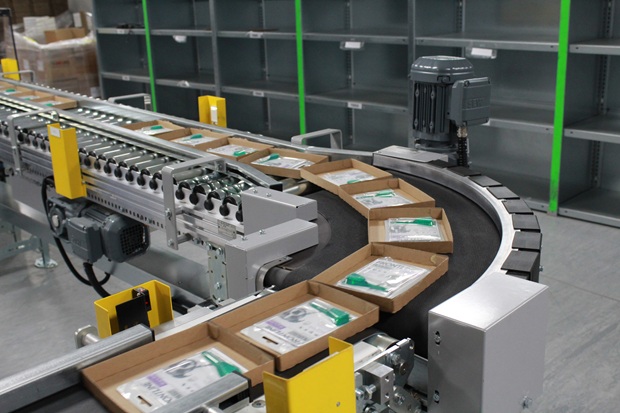
Enhancing Warehouse Operations with Automation and Traceability Solutions
Warehouse automation is increasingly recognized for its ability to reduce costs and enhance productivity, with a growing emphasis on tracking and traceability. This is particularly crucial for warehouses handling high-value or regulated goods, such as vaping products, which will require compliance with new UK regulations starting October 1, 2026. These regulations mandate that each vaping product must feature a secure stamp with digital elements like QR codes for traceability throughout the supply chain. The importance of visibility in the supply chain is underscored by the experience of Pets at Home, where the fulfillment of prescription pet medicine orders faced challenges due to manual processes. By implementing an integrated software and automation system, Breathe Technologies improved order segregation, automated routing, and packing, significantly increasing throughput and compliance while reducing error rates. This transformation illustrates how building traceability into automated processes enhances operational efficiency. Looking ahead, the recent vaping regulations serve as a reminder for warehouses to prioritize traceability in their operations. Breathe Technologies emphasizes an automation-first approach with its BreatheIQ software platform, designed to manage high volumes of orders and provide real-time visibility. As industry standards evolve, companies must adapt their processes to maintain compliance and optimize performance.
Headline News headlines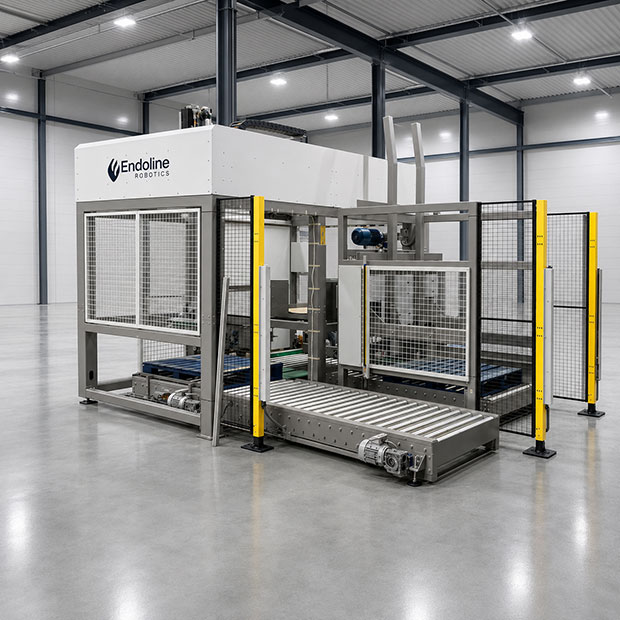
Endoline Automation Expands Robotics Capabilities for Tailored Solutions
Endoline Automation is enhancing its robotics capabilities to provide manufacturers with a wider array of end-of-line automation solutions tailored to specific production needs. This expanded offering will debut at the PPMA show in September, showcasing a fully integrated production line that combines case erecting, sealing, and palletizing. The significance of this development lies in Endoline's commitment to delivering customized, connected end-of-line solutions that adapt to each customer's operational requirements. By collaborating with Montech, Endoline has broadened its robotics portfolio to include both gantry and articulated robotic solutions, allowing for greater flexibility in automation project specifications. At the PPMA event, attendees will witness the integration of an Endoline Case Erector and case sealer with Montech’s palletizing system, demonstrating a scalable approach to automation. As the demand for automation increases, Endoline aims to support diverse applications while maintaining its reputation for bespoke engineering and reliable technical support.
Pallets & Containers
FANUC America to Showcase Robotics, Automation, and Physical AI Innovations at IMTS 2026
FANUC America will present its latest innovations in robotics, automation, and Physical AI at IMTS 2026, scheduled for Booth 338900. The company aims to demonstrate how its advanced technologies can enhance manufacturing productivity, flexibility, and deployment speed. The significance of FANUC's showcase lies in its commitment to integrating advanced CNC technologies with machining automation and robotics. This integration is expected to provide manufacturers with the tools needed to meet the evolving demands of the industry, ultimately leading to improved operational efficiency. As the event approaches, industry stakeholders should keep an eye on FANUC's demonstrations and product offerings. The focus on Physical AI and its applications in manufacturing could set new benchmarks for productivity and innovation in the sector. No further timeline was disclosed at the time of publication.

Nomagic Introduces Shoebox Picker to Tackle Warehouse Automation Challenges
Nomagic has unveiled its Shoebox Picker, addressing a significant challenge in warehouse automation related to handling shoeboxes. These boxes, which constitute about 20% of fashion e-commerce merchandise, present unique difficulties due to their two-piece design and variability in size and materials. The introduction of the Shoebox Picker marks a pivotal advancement in warehouse automation, as it utilizes Physical AI to adapt to real-time variations in shoebox handling. This system can manage approximately 98% of shoebox SKUs, achieving picking rates of up to 450 boxes per hour, thus enhancing warehouse productivity. As the demand for flexibility in fulfillment operations grows, the success of Nomagic's solution could signal a broader shift in the industry towards smarter robotic systems capable of handling diverse products. No further timeline was disclosed at the time of publication.
Conveying and Sortation Magazine Features Materials Handling Packaging and Ecommerce Robotic Picking AI vision systems
AI and Computer Vision Propel the Third Wave of Warehouse Automation
The movement and tracking of goods in warehouses have seen significant automation, yet the accuracy of inventory data remains a challenge. This gap is being addressed through advancements in AI and computer vision, marking the third wave of warehouse automation. The importance of this development lies in its potential to enhance operational efficiency and accuracy in inventory management. By leveraging AI and computer vision, warehouses can achieve a more truthful representation of their inventory, which is crucial for effective supply chain management. Looking ahead, the focus will be on how these technologies can further transform warehouse operations. The integration of AI and computer vision into inventory processes promises to redefine standards in accuracy and efficiency. No further timeline was disclosed at the time of publication.

Chinese Humanoid Robots Gain Traction in Japan's Automation Sector
During a recent event, 80-year-old Hiroyuki Nakamura watched as two humanoid robots from China performed a mechanical dance and presented a gift to him. This moment highlights the evolving industrial relationship between China and Japan. By the first half of 2026, Chinese manufacturers are expected to account for 97% of global humanoid robot shipments, totaling approximately 18,500 units, marking Japan as a key battleground for Chinese robotics firms. Japan's need for automation is driven by a labor shortage, transforming automation from an option to a necessity. McKinsey predicts a reduction of about 1.5 million in Japan's available workforce over the next 20 years. A survey in May 2026 revealed that 34% of 220 Japanese companies are considering the introduction of AI robots. The Japanese robotics industry is projected to reach an order value of 10.456 trillion yen in 2025, reflecting a 25.7% year-on-year increase, with a clear demand for solutions that address specific challenges. Chinese companies are gradually penetrating various sectors in Japan, from logistics to dining and manufacturing. In June 2026, UTree Technology signed an agreement with GMO Internet Group to introduce the G1 humanoid robot in Japan. However, entering the Japanese market requires time and a focus on building long-term relationships and after-sales support, as Japanese clients prioritize stability over speed. Observers suggest that for Chinese robotics firms, expanding into Japan should be viewed as a long-term strategic initiative rather than a short-term tactic.
Humanoid Robots Automation Japanese Market Robotics Industry
The Limitations of Robotics and Automation Without Proper Data Management
Manufacturers are increasingly investing in robotics and automation, yet many fail to address the foundational issue of manual data management. This oversight significantly limits the return on investment (ROI) for new technologies. As automation does not inherently solve workforce challenges, the focus must shift to training and upskilling employees to enhance productivity in the automotive and machine-building sectors. The gap between automation investments and effective data management is critical, as it can stifle the potential benefits of new technologies. Without a robust data foundation, companies may find their automation efforts falling short of expectations, leading to inefficiencies and missed opportunities for growth. This situation highlights the importance of integrating data management strategies alongside automation initiatives. Looking ahead, companies must prioritize the development of comprehensive data management systems to fully leverage their investments in robotics and automation. No further timeline was disclosed at the time of publication, but the ongoing skills gap in the workforce remains a pressing concern for manufacturers aiming to optimize their operations and achieve sustainable growth.

Training and Upskilling, Not Automation, Key to Productivity Growth in Manufacturing
Recent insights indicate that while innovation in automation and robotics is ongoing, the immediate solution to productivity growth does not stem from these technologies. Instead, the focus should be on training and upskilling the workforce, which is becoming increasingly critical for manufacturers in the automotive and machine-building sectors. This emphasis on workforce development highlights a significant challenge for manufacturers, as the lack of skilled labor may hinder their ability to fully leverage technological advancements. As industries evolve, the need for a well-trained workforce will become a bottleneck, impacting productivity and competitiveness in the market. Looking ahead, companies must prioritize investment in training programs to address this skills gap. No further timeline was disclosed at the time of publication, but the ongoing shift towards upskilling suggests that manufacturers will need to adapt their strategies to ensure they can meet future demands effectively.
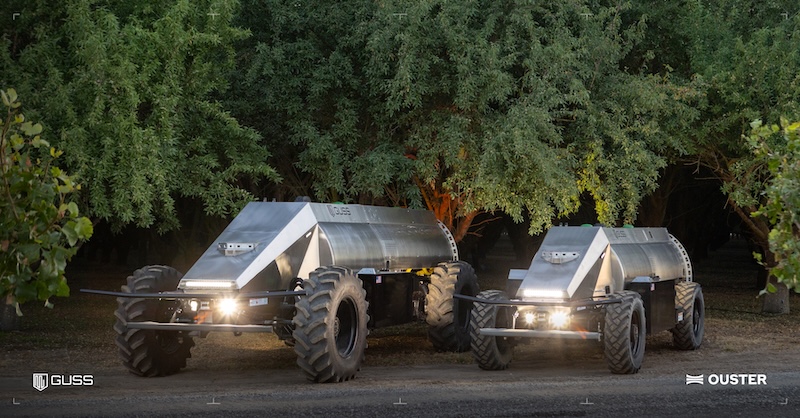
GUSS Automation to Integrate Ouster Lidar in Next-Gen Autonomous Orchard Machines
GUSS Automation, a subsidiary of John Deere, is set to integrate Ouster's Rev8 OS0 lidar sensors into its Autonomous Orchard Machine Fleet. This integration aims to enhance the capabilities of autonomous machines in navigating complex outdoor environments, particularly in high-value crop operations. The significance of this development lies in addressing the navigation challenges faced in dense orchards and vineyards, where traditional GPS systems fall short. By incorporating Ouster's advanced lidar technology, GUSS Automation is enhancing perception capabilities, enabling driverless sprayers to effectively map tree trunks and crop rows with precision. Looking ahead, the integration of Ouster's lidar technology is expected to improve operational reliability in challenging conditions, such as dust and dense vegetation. No further timeline was disclosed at the time of publication.
Agriculture Components News agricultural robots autonomous agriculture autonomous sprayers
Sunrise Robotics Enhances Automation with ABB's GoFa™ Cobot Technology
Sunrise Robotics has integrated ABB Robotics' GoFa cobot into its autonomous cells to enhance precision manipulation for high-mix manufacturing tasks such as pick & place and machine tending. This collaboration has resulted in a 20% increase in throughput, elevating production from 72 to 90 parts per hour without hardware changes, solely by adjusting motion parameters through software. The significance of this development lies in Sunrise Robotics' ability to deliver intelligent, autonomous robotic cells that are adaptable to human-centric environments. By leveraging GoFa's speed and positional accuracy, the company aims to make automation more accessible and affordable for small and medium-sized manufacturers. The integration of on-board AI and radar-based safety features further enhances operational reliability. Looking ahead, Sunrise Robotics plans to continue optimizing its systems using ABB's technology, which provides long-term reliability and support. The combination of RobotStudio® for remote control and the robust software architecture allows for dynamic responses to environmental changes, ensuring that systems remain operational with minimal downtime. No further timeline was disclosed at the time of publication.
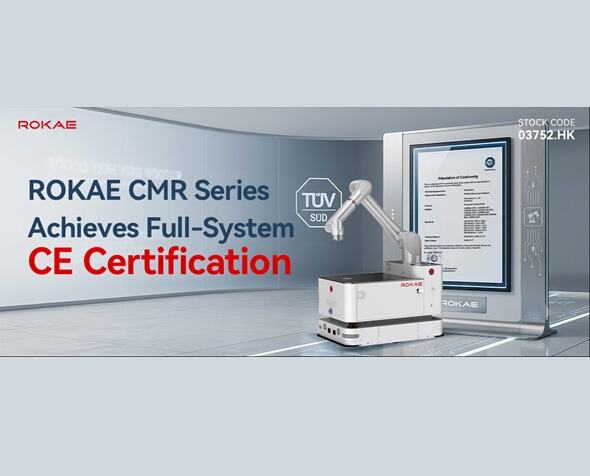
ROKAE CMR Series Mobile Manipulators Secure Full-System CE Certification for Enhanced Industrial Automation
ROKAE's CMR Series Mobile Manipulators have successfully achieved Full-System CE Certification from TÜV SÜD, confirming their safety and reliability for global markets. This certification evaluates the entire system, including the mobile platform and robotic arm, ensuring compliance with international safety standards. The significance of this certification lies in its comprehensive assessment, which validates the CMR Series' capability to operate safely in dynamic industrial environments. With features like multi-sensor perception and sensitive force control, the CMR Series is designed to enhance operational safety and efficiency in various applications, including machine tending and semiconductor manufacturing. Looking ahead, the CMR Series is positioned for broader deployment across industries, leveraging its advanced technologies for flexible automation. No further timeline was disclosed at the time of publication.

Enhancing Robot Automation: The Need for Advanced Machine Vision Beyond Object Detection
In modern manufacturing, a significant gap exists between object detection and robotic action. While artificial vision software can identify components with high accuracy, robotic arms often remain inactive due to insufficient spatial information. This highlights the necessity for engineering teams to focus on spatial calibration and deep sensor integration to enhance automation efficiency. The demand for streamlined production processes drives the need for machines that can handle parts with minimal pre-sorting. This requirement emphasizes the importance of transforming raw camera data into actionable commands through a multi-stage process, which includes classifying, locating, and estimating the position of objects in 3D space. The integration of Six Degrees of Freedom (6DoF) tracking is crucial for accurate robotic movements. Looking ahead, the industry must adopt a dynamic approach to calibration, treating it as an ongoing process rather than a one-time task. By utilizing automated calibration routines, manufacturers can ensure the reliability of their robotic systems over time, particularly in complex environments where traditional 2D vision systems fall short. No further timeline was disclosed at the time of publication.

Selecting the Optimal Motor for Mobile Robots and Automation Systems
The selection of motors for mobile robots involves complex interdependencies among various components, including gearboxes, controllers, and mechanical layouts. Mistakes in motor selection often only become apparent during real-world testing, where issues such as overheating and inconsistent acceleration can arise when the robot operates under load. This disconnect highlights the importance of considering the entire drivetrain rather than focusing solely on individual specifications. Understanding the robot's operational parameters—such as total mass, expected payload, and environmental conditions—is crucial for effective motor selection. These factors dictate the forces the drivetrain must generate, which are often overlooked when relying solely on motor catalogs. A design review revealed that a robot's performance could be significantly impacted by changes in its operating environment, necessitating a reevaluation of the entire drivetrain ratio rather than simply upgrading to a larger motor. To optimize motor selection, engineers should prioritize calculating the required wheel torque based on real-world conditions. This approach ensures that the drivetrain is adequately designed to handle various scenarios, including inclines and repeated starts. Additionally, wheel diameter plays a critical role in determining tractive force, and its impact on performance should not be underestimated during the design process.

Neura Robotics Acquires Adlatus Robotics to Enhance Cleaning Automation Solutions
Neura Robotics has acquired 100 percent of Adlatus Robotics, a company specializing in autonomous cleaning robotics. This acquisition is part of Neura's strategy to integrate various robots and applications into a unified physical AI infrastructure, enhancing the capabilities of cleaning robots. The significance of this acquisition lies in Neura's aim to transform cleaning robots from simple navigators into intelligent agents capable of understanding their environment. Adlatus has developed a robust portfolio of autonomous cleaning systems, and Neura plans to enhance these with advanced sensor and AI technologies, ultimately connecting them to the Neuraverse. Looking ahead, Neura Robotics intends to leverage Adlatus as both a product platform and a testing ground for physical AI advancements. The integration is expected to foster collaboration with other manufacturers, promoting an open ecosystem for various autonomous systems and enhancing the scalability of physical AI solutions.
Humanoids News adlatus robotics amrs autonomous cleaning robots autonomous mobile robots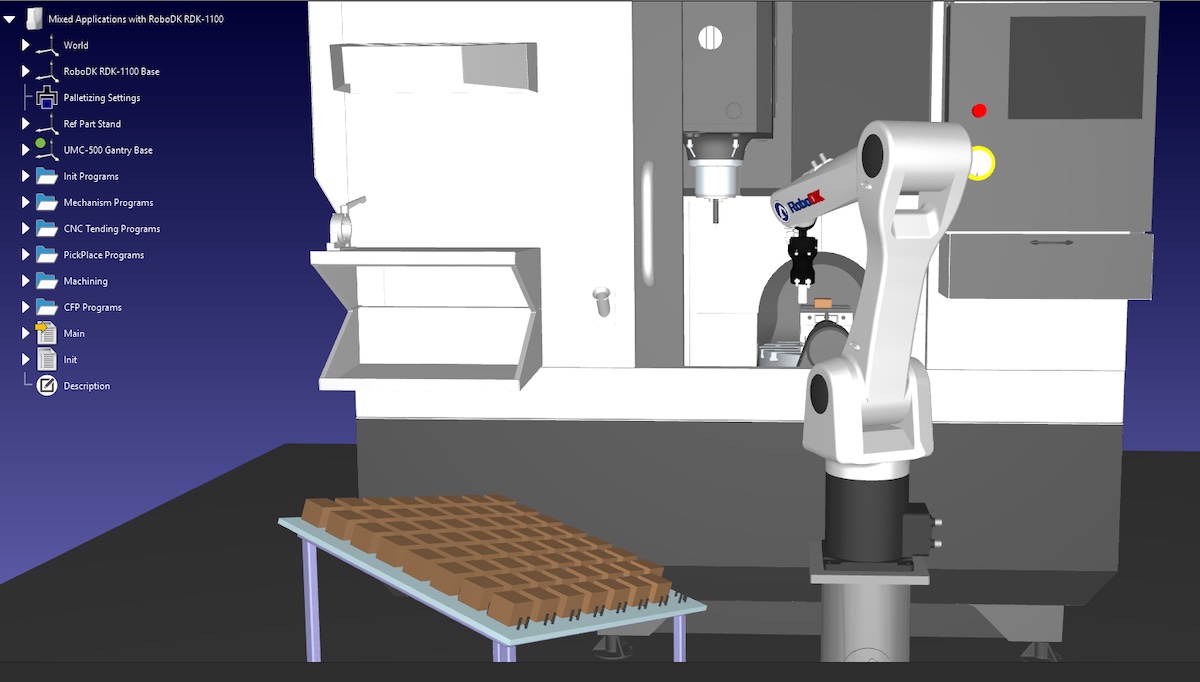
Utilizing Digital Twin Technology for Automation Exploration Before Capital Investment
RoboDK has introduced digital twin and offline programming software that enables users to test robots from over 1,400 brands, facilitating the search for optimal automation solutions. This innovation is crucial as manufacturers face challenges in adopting automation due to the complexity of selecting the right robots and peripherals amidst economic uncertainties. The significance of digital twin technology lies in its ability to alleviate the apprehensions associated with initial automation investments. By allowing manufacturers to simulate various robot configurations and layouts, digital twins provide a clearer understanding of potential operational efficiencies and integration capabilities, which is vital for informed decision-making. Looking ahead, companies should monitor the adoption of digital twin software as a strategic tool for automation exploration. This technology not only aids in visualizing robotic systems but also enhances the planning process, potentially leading to more successful automation implementations without the fear of vendor lock-in or inadequate ROI assessments. No further timeline was disclosed at the time of publication.
Manufacturing Motion Control News Opinion Software / Simulation cnc
Implementing Simple Automation Solutions in Older Factories
Older factories can benefit from automation without a complete overhaul. Instead of replacing entire systems, focusing on automating specific repetitive tasks can yield significant improvements. Identifying bottlenecks, such as manual lifting or misalignment, allows for targeted automation efforts that enhance efficiency. This approach is crucial as it minimizes disruption and costs while proving the value of automation incrementally. By starting with manageable projects, facilities can gradually build their automation capabilities. Simple motion components, like electric linear actuators, can effectively handle controlled movements without the complexity of full robotic systems. Looking ahead, factories should consider how to integrate these simpler automation solutions into their operations. As they gain experience, they may explore more advanced technologies. No further timeline was disclosed at the time of publication.
Automation Factories Industry Technology actory automation automation retrofits
Integrating RFID and Machine Vision Enhances Automation Efficiency
The integration of RFID and machine vision with robotics is driving significant operational improvements in automation. This coordinated approach allows for enhanced tracking and monitoring of assets, leading to more efficient processes and reduced errors in operations. The importance of this integration lies in its ability to streamline workflows and improve data accuracy, which are critical for modern manufacturing and logistics. By leveraging these technologies, companies can achieve greater visibility and control over their operations, ultimately leading to cost savings and increased productivity. Looking ahead, the continued adoption of RFID and machine vision in automation will be crucial for businesses aiming to stay competitive. No further timeline was disclosed at the time of publication.

AI Enhances Software-Driven Automation by Reducing Operational Bottlenecks
Recent insights reveal that industrial automation is evolving beyond traditional definitions, which included PLCs, sensors, and robotics. Today, a significant challenge in manufacturing and engineering is not just physical bottlenecks but also delays caused by inefficient information workflows. Teams often wait for data to be manually rebuilt or reformatted, leading to operational inefficiencies. This shift in focus towards software-driven workflows highlights a critical opportunity for industrial organizations. While investments in physical automation have made machines faster and smarter, the surrounding workflows remain largely manual. The disconnect between various systems—such as engineering platforms and asset-management systems—creates unnecessary delays, as data handoffs often rely on human intervention. Going forward, organizations should prioritize connecting existing systems rather than seeking new software platforms. By addressing these software-driven bottlenecks, companies can unlock significant improvements in operational efficiency and streamline their processes. No further timeline was disclosed at the time of publication.
Factory / SensorsRobotics needs a service framework.
RSF defines a common language for robot service capability, lifecycle operations, certification pathways, and service-provider networks.
Join the RobotToday community on LinkedIn
Daily robotics news, in-depth analysis, conference highlights, and discussions with professionals worldwide.







