

Genki Robotics
Tokyo humanoid robotics startup founded by Android creator Andy Rubin, valued near $1 billion after an April 2026 Series A round.
Contact Genki Robotics
WEBSITE
https://genki.com/HEADQUARTERS
Japan


Company Facts
Founded
2025
Primary Role
Manufacturer
Company Size
employees 10-50
Primary Region
Asia-Pacific
Annual Sales
-
Funding Stage
Early-Stage VC
Funding Total
-
Jabil Explores Humanoid Robot Development and Production Trends
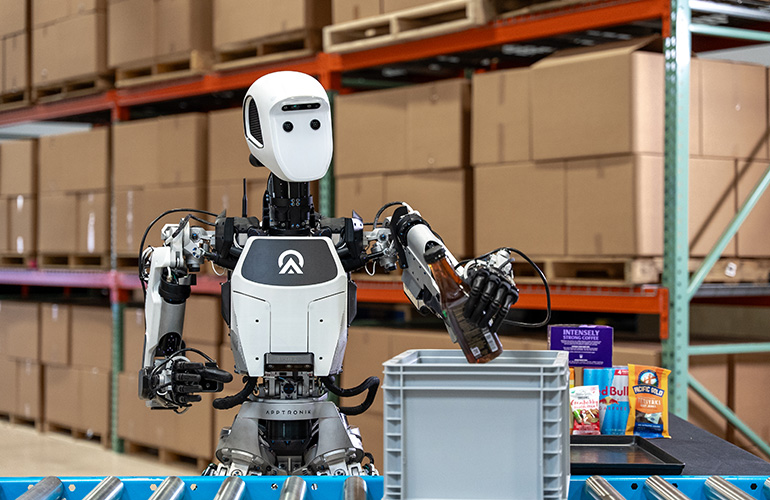
Jabil Inc. has shared insights on the evolution of humanoid robots from prototypes to mass production. The company, based in St. Petersburg, Florida, collaborates with various robotics developers, including Apptronik, to facilitate the transition of products like the Apollo humanoid into active manufacturing environments. As demand for humanoid robots grows, Jabil highlights the shift from low-volume production to the need for scalable manufacturing processes. Senior Director Thomas Brown emphasizes the importance of cost structure and quality improvements, noting that as robots become more expensive, the necessity for customer use-case validation increases. Looking ahead, the integration of advanced computing capabilities is crucial for enhancing the functionality of humanoid robots. Jabil identifies the NVIDIA Jetson series as a key technology for developers, while also addressing the challenges of pricing and the need for more edge computing capacity. No further timeline was disclosed at the time of publication.
Artificial Intelligence Artificial Intelligence / Cognition Humanoids Logistics Manufacturing Microprocessors / SoCs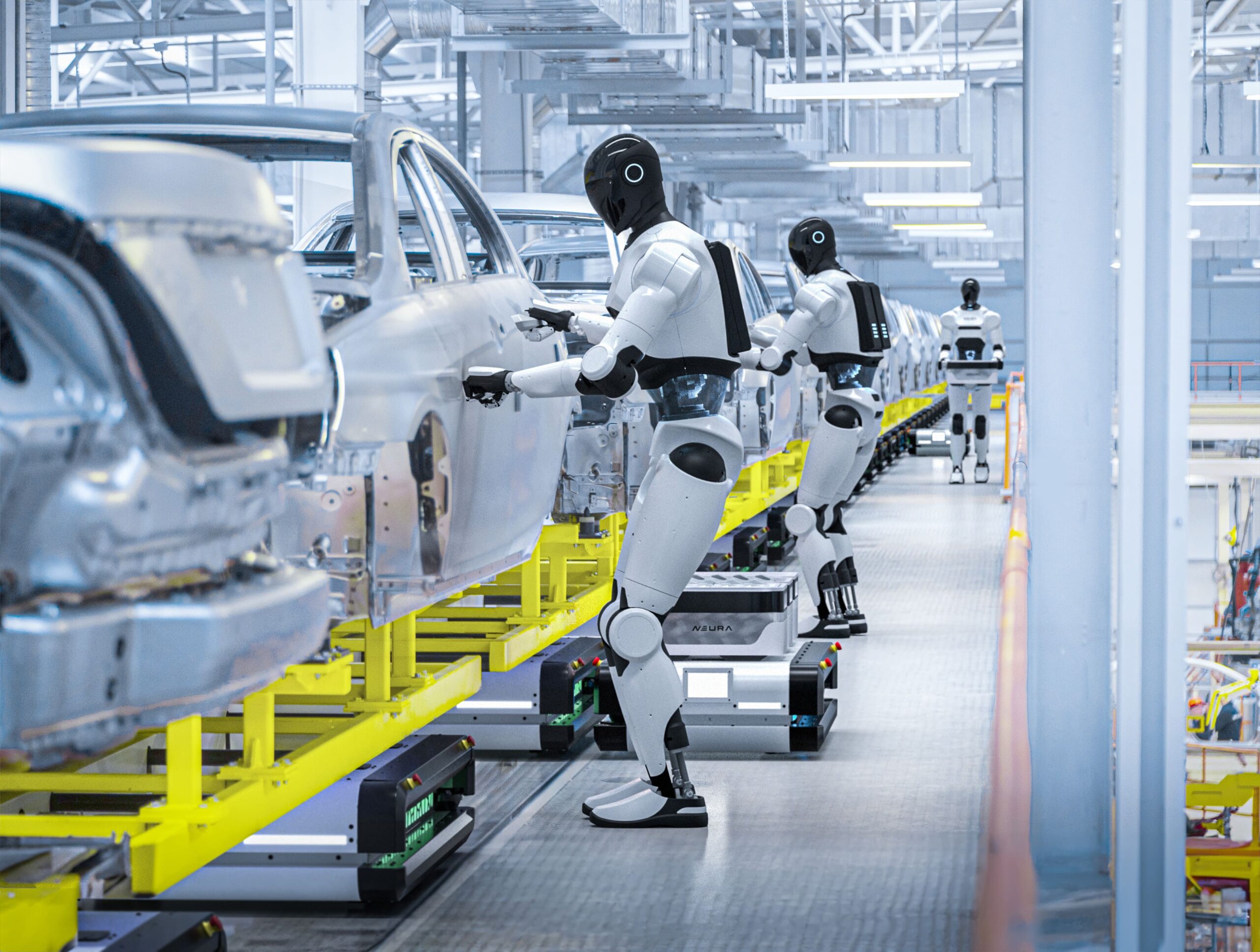
AWS Introduces Open-Source Physical AI Toolchain to Enhance Robotics Development
Amazon Web Services (AWS) has launched an open-source Physical AI Toolchain aimed at assisting robotics developers in training, simulating, deploying, and enhancing physical AI systems using AWS cloud services and Nvidia’s software stack. This toolchain encompasses synthetic data generation, model training, simulation, edge deployment, and continuous improvement, enabling users to manage fleets of machines effectively. The significance of this launch lies in its potential to streamline the engineering efforts of manufacturers and robotics developers, allowing them to focus more on innovation rather than infrastructure. With one in seven startups engaged in physical AI and 72% of them deeming cloud computing essential, the toolchain is positioned to support a wide range of applications, from industrial automation to humanoid robotics. Looking ahead, AWS's Physical AI Toolchain is expected to play a crucial role in the evolution of physical AI across various industries. As companies increasingly adopt this technology, the toolchain's capabilities for fleet management and operational data integration will be vital for improving performance and scalability in real-world applications. No further timeline was disclosed at the time of publication.
AI Physical AI Technology & Infrastructure AI infrastructure platform Amazon Amazon Web Services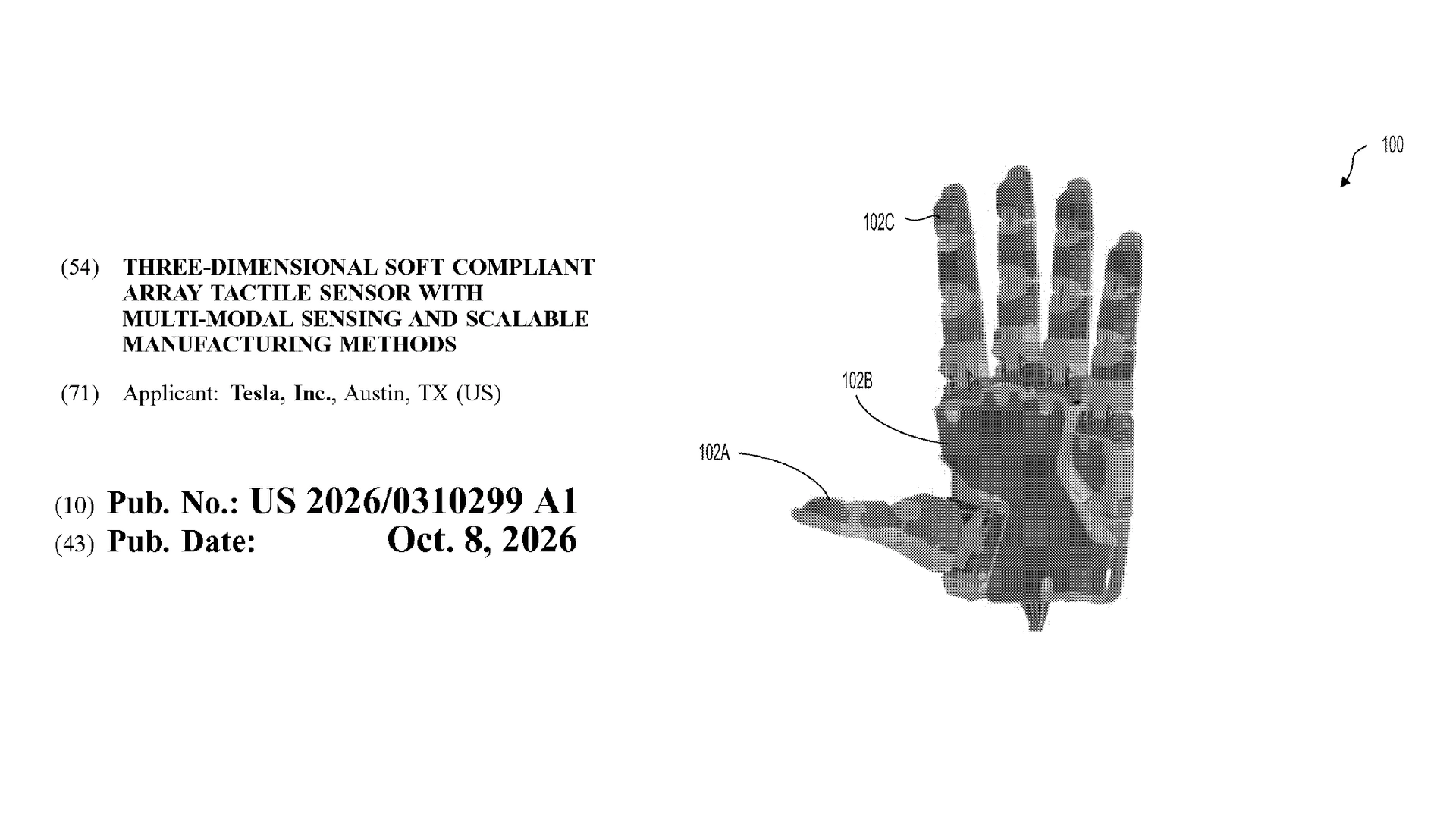
Tesla Unveils Patent for Flexible Touch Sensors in Robotic Hands
Tesla has published a patent application detailing flexible touch sensors designed for robotic fingers and palms, potentially linked to its Optimus project. The U.S. application, US20260310299A1, was made public on October 8, 2025, and highlights earlier engineering efforts rather than a new product launch. The significance of this development lies in Tesla's exploration of integrating touch sensing technology into the contours of robotic hands, which could enhance the functionality of humanoid robots. The sensors feature multiple independently readable regions to detect physical contact, suggesting a sophisticated approach to tactile feedback in robotics. Looking ahead, the application raises questions about the manufacturing techniques Tesla may employ and whether these sensors will effectively address existing challenges in the production of Optimus. No further timeline was disclosed at the time of publication.
Tesla US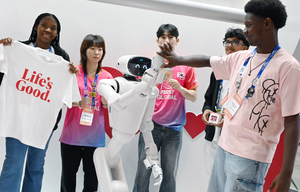
LG Electronics Showcases Robotics at 2026 First Global Challenge in Incheon
LG Electronics is actively participating in the 2026 First Global Challenge, an international youth robotics competition taking place at Songdo Convensia in Incheon. The event, which runs from Wednesday to Saturday, gathers youth teams from 185 countries to design and build robots aimed at addressing global challenges, particularly focusing on wildfire prevention and recovery due to climate change. This year's competition, themed “Igniting Innovation,” emphasizes the importance of robotics in tackling pressing issues like wildfires. LG's involvement includes sponsoring the event and showcasing its latest robotics technologies at an exhibition booth. The company also features its humanoid robot, LG CLOiD, allowing visitors to engage with the technology and learn about the innovative solutions being developed by young participants. As LG increases its investment in robotics as a key growth area, it aims to integrate physical AI into its strategy. The company recently launched LG Data Factory to enhance data management for robotics training. No further timeline was disclosed at the time of publication.
All News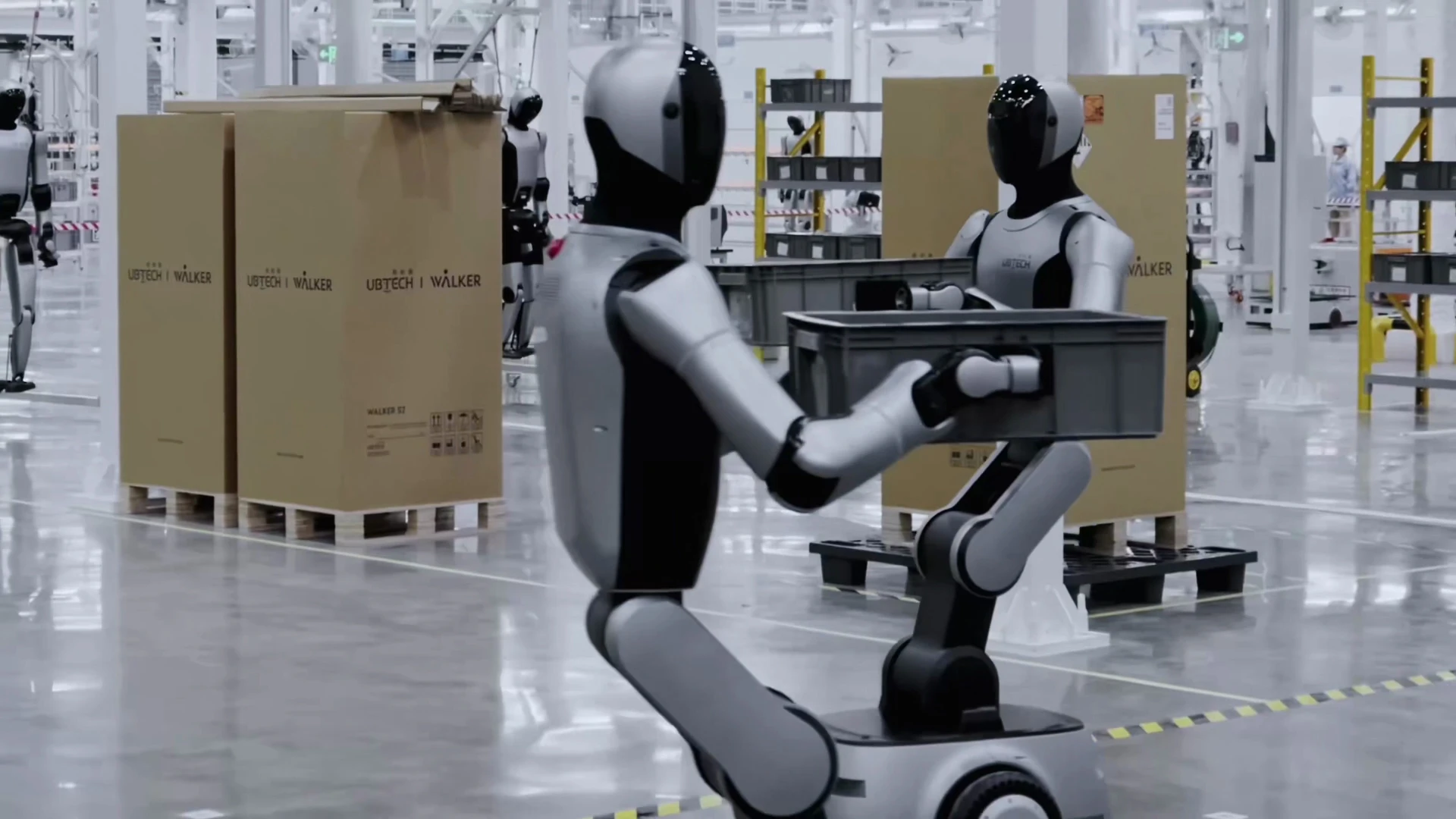
UBTECH and FAW-Volkswagen Enhance Partnership to Develop Humanoid Robots for Logistics
UBTECH and FAW-Volkswagen have announced a partnership to develop and test humanoid robot applications for logistics, building on their existing collaboration in manufacturing. This strategic cooperation, revealed on October 8, aims to create demonstration applications that promote humanoid solutions for smart manufacturing, addressing the increasing demand for personalized vehicles. The significance of this partnership lies in its potential to enhance flexibility in manufacturing processes. As automakers like FAW-Volkswagen adapt to changing consumer preferences, the integration of humanoid robots could streamline logistics operations, thereby improving efficiency and productivity on the factory floor. UBTECH's previous work with FAW-Volkswagen at the Qingdao plant, where the Walker S Lite was used for quality inspections, showcases the practical applications of their technology. Looking ahead, the partnership raises questions about the specific logistics tasks that humanoid robots will be able to perform reliably. While the agreement focuses on joint development and testing, it does not disclose details about the robot models or the facilities involved. No further timeline was disclosed at the time of publication.
China UBTECH Robotics
ZTE Unveils Self-Developed Multi-Form Humanoid Robot Matrix Featuring Xingzai, Xingqing, and Xingwang
ZTE has introduced its self-developed multi-form humanoid robot matrix, which includes models named Xingzai, Xingqing, and Xingwang. This showcase highlights ZTE's advancements in humanoid robotics and its commitment to innovation in this field. The introduction of these humanoid robots is significant as it marks ZTE's entry into a competitive market where robotics technology is rapidly evolving. The models aim to bridge the gap between physical and semantic knowledge, addressing challenges in the robotics sector. Looking ahead, industry observers will be keen to see how ZTE's humanoid robots perform in real-world applications and whether they can establish a foothold in the market. No further timeline was disclosed at the time of publication.
Robotics Automation AI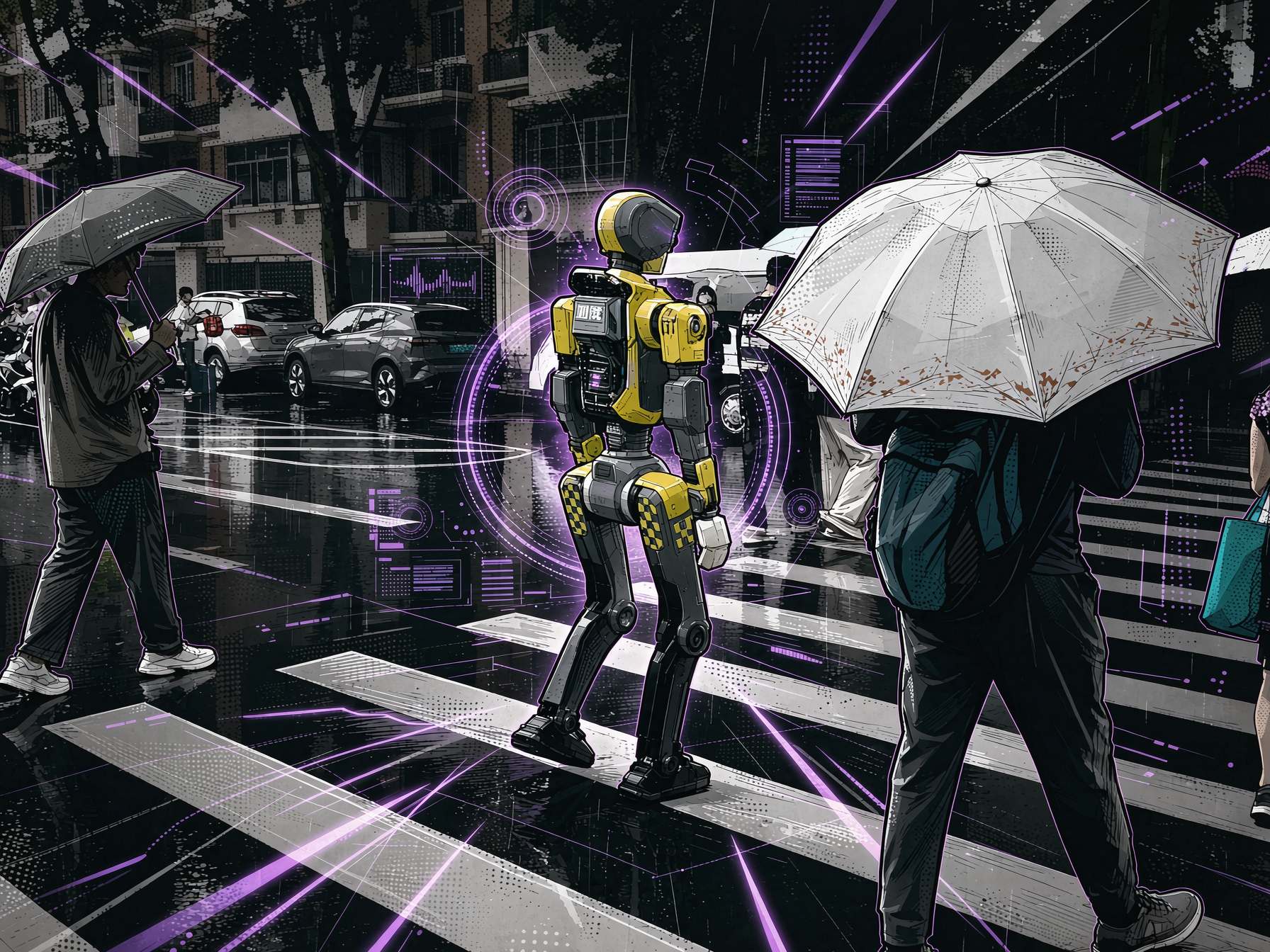
Humanoid Robot Stands in Rain for National Day Celebration in Xihu District
A humanoid robot was prominently featured during the National Day celebrations in Xihu District, standing in the rain while others sought shelter from the downpour. This unique display highlighted the integration of robotics into public events, showcasing the potential for robots to engage with communities in various weather conditions. The presence of the humanoid robot during such a significant occasion emphasizes the growing role of robotics in cultural and public celebrations. As communities increasingly embrace technology, this event serves as a reminder of how robots can enhance public experiences, even in adverse weather. Looking ahead, it will be interesting to observe how robotics continues to be incorporated into public events and celebrations. The adaptability of robots in different environments could lead to more innovative uses in future gatherings. No further timeline was disclosed at the time of publication.
Robotics Automation AI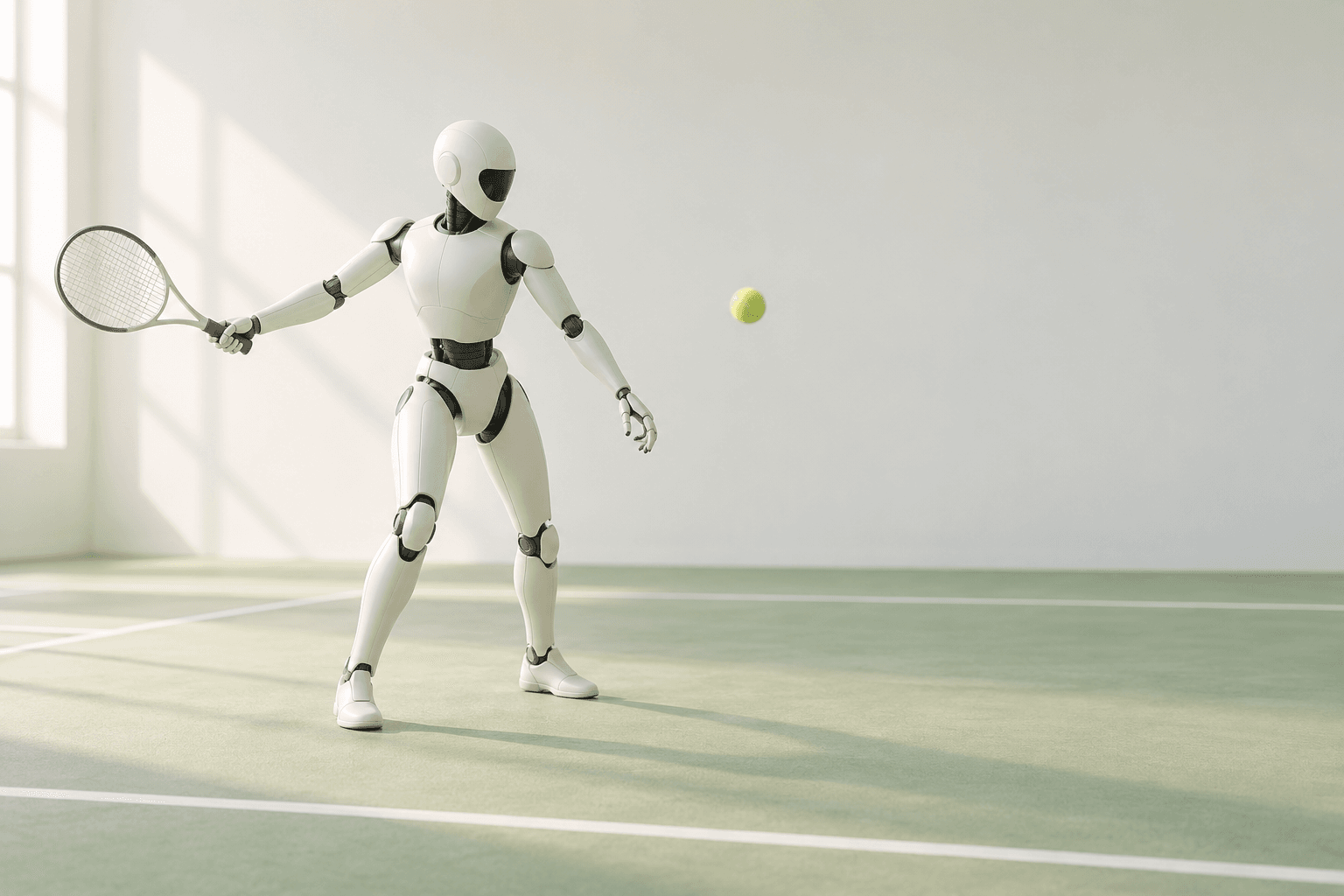
Galbot and Tsinghua's LATENT Receives IROS 2026 Award for Humanoid Tennis Forehand
LATENT, a collaborative project between Galbot, Tsinghua University, and other partners, has been awarded the IROS 2026 entertainment paper award. The recognition comes from a study demonstrating the capabilities of a Unitree G1 robot, which successfully returned forehands in approximately 91 percent of 20 motion-capture rallies. This achievement is significant as it highlights advancements in humanoid robotics and their application in sports, showcasing the potential for robots to perform complex tasks with high accuracy. The successful execution of tennis forehands by the Unitree G1 underscores the progress made in robotic motion and control, which could influence future developments in both entertainment and competitive robotics. Looking ahead, the implications of this research may extend beyond sports, potentially impacting various fields where precision and agility are required. No further timeline was disclosed at the time of publication.
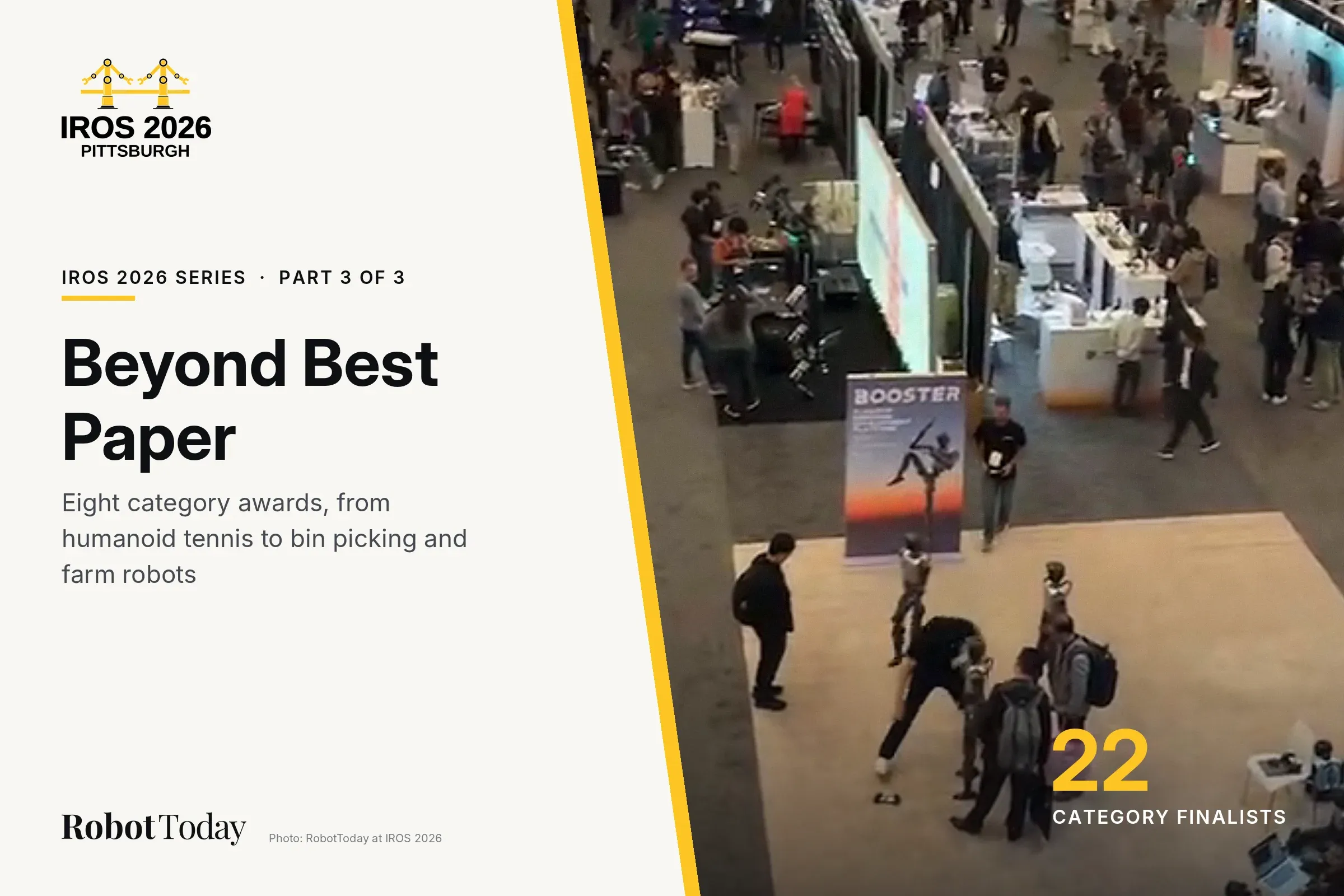
IROS 2026 Category Award Finalists: All 22 Papers
From humanoid tennis to bin picking and farm robots: the 22 finalists for IROS 2026's eight category awards, and what each one means for industry.

IROS 2026 by the Numbers: Papers, Countries, Topics
RobotToday analyzed all 1,933 IROS 2026 papers: acceptance fell to 36.5%, the U.S. overtook China, and VLA titles jumped from 4 to 65.
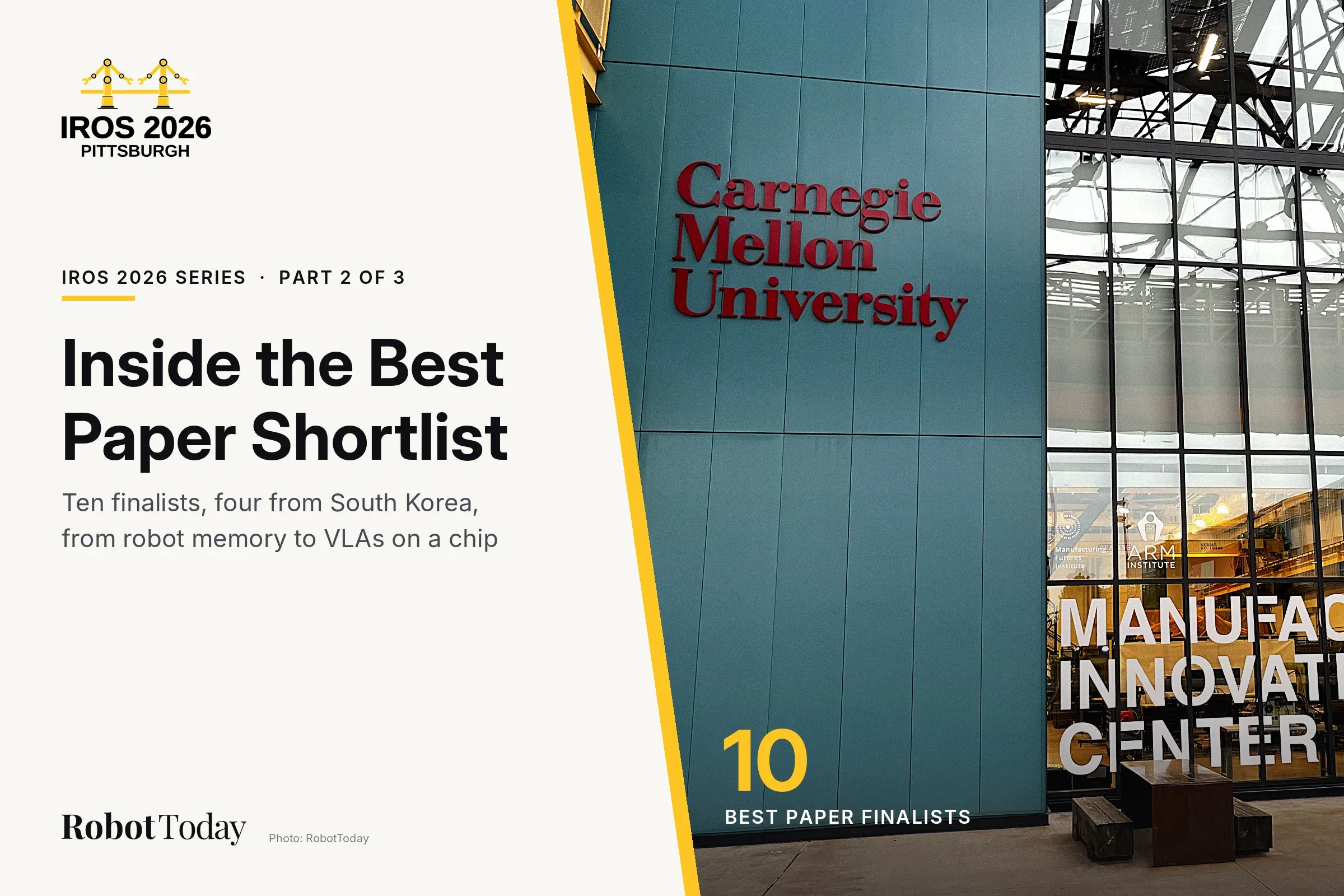
IROS 2026 Best Paper Finalists: South Korea Leads
Ten papers made the IROS 2026 Best Paper and Best Student Paper shortlist, four from South Korea. What each one does and what it means for industry.
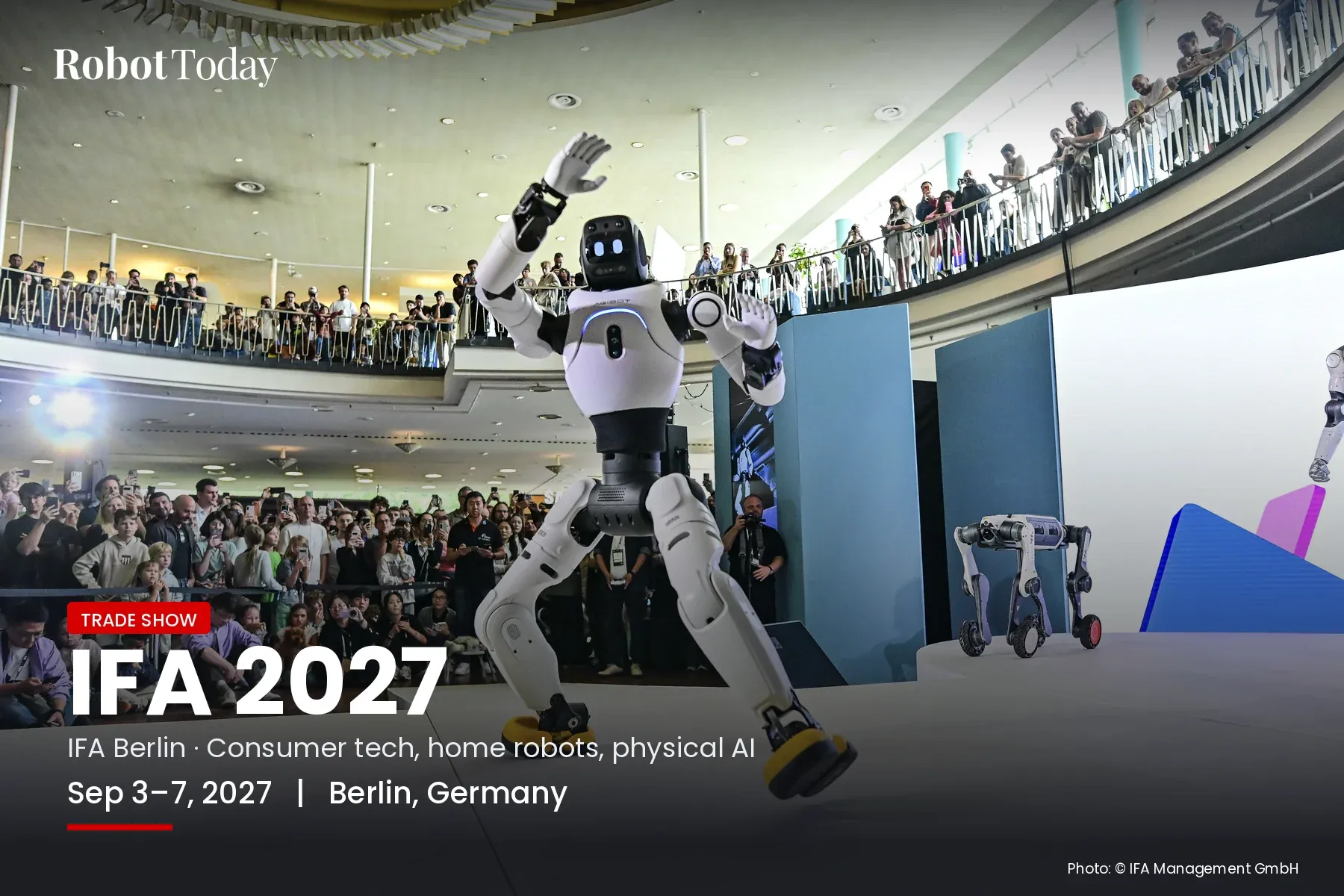
IFA 2027 – Berlin, Sep 3–7, 2027
IFA 2027 runs Sep 3–7 at Messe Berlin, with media days Sep 1–2. The 2026 show featured 11 humanoid robot brands and drew 240,000 visitors.
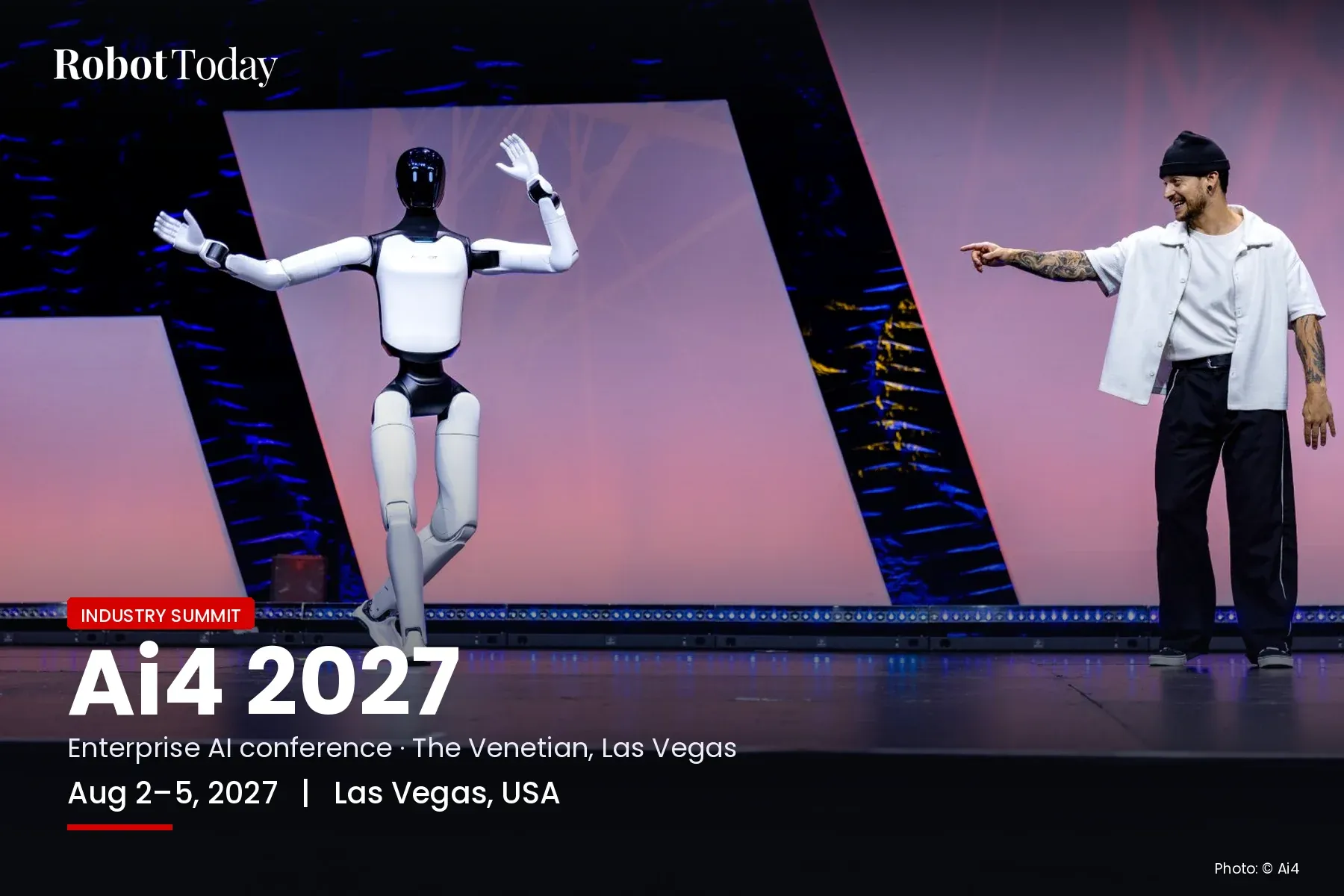
Ai4 2027 – Las Vegas, Aug 2–5, 2027
Ai4 2027 runs Aug 2–5 at The Venetian, Las Vegas: enterprise AI tracks, a startup stage and humanoid robot demos. Free passes for qualified AI buyers and media.
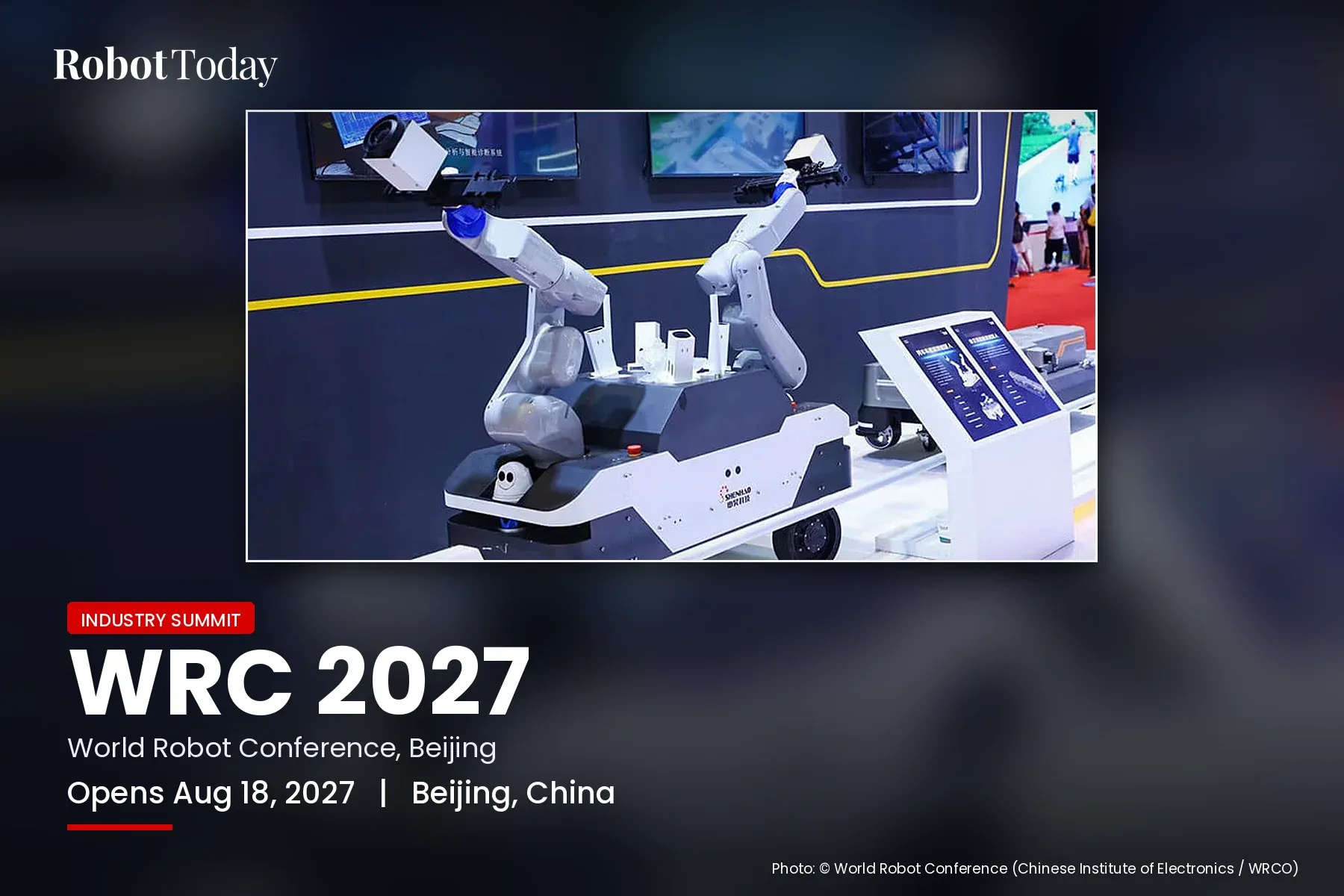
WRC 2027: World Robot Conference, Beijing, opens Aug 18
WRC 2027 opens Aug 18, 2027 in Beijing. The 2026 edition had 373 exhibitors, 311 product debuts and 557,000 on-site visits.

IROS 2026 Closing Briefing — Pittsburgh, Sep 27–Oct 1
IROS 2026 closes in Pittsburgh with 1,900+ papers and 186 exhibitor listings. Humanoids, dexterous hands, tactile sensing and robot data led the show.

Genki Robotics Plans to Launch First Product This Year, According to CEO Andy Rubin
Genki Robotics, a Tokyo-based startup, is set to launch its inaugural product this year, as confirmed by CEO Andy Rubin in an interview with Nikkei Asia. This marks a significant step for the company as it transitions towards commercial deployment following a recent fundraising round. The launch is noteworthy as Genki Robotics aims to create an app-store-like marketplace that will allow outside developers to create and sell new robot behaviors. This initiative could enhance the functionality and adaptability of their products, potentially attracting a wider range of users and developers in the robotics field. Looking ahead, stakeholders should monitor Genki Robotics' progress in product development and the establishment of its operating system for external developers. No further timeline was disclosed at the time of publication.
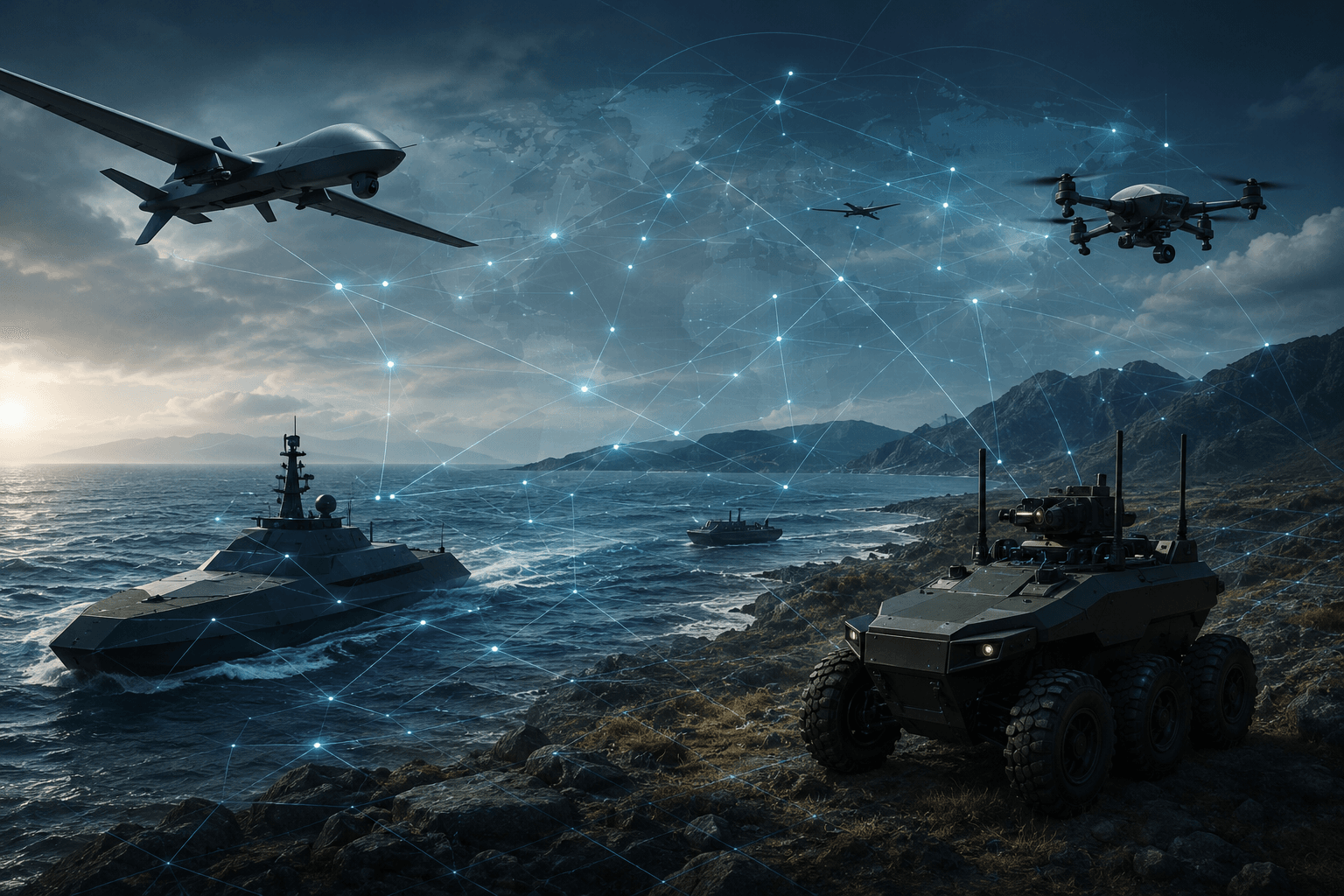
FUTURE WARFARE | Cross-Domain Integration - Integration How Land, Sea, Air and Software Are Converging Into a Single Kill Chain
Cross-domain robotics is reshaping modern warfare as drones, UGVs, AI targeting systems, and autonomous logistics converge into a single networked kill chain across land, sea, air, and software.

FUTURE WARFARE | The Autonomy Spectrum
How modern weapons shattered the concept of human control — from kill-switch confirmation to AI systems that select targets independently.
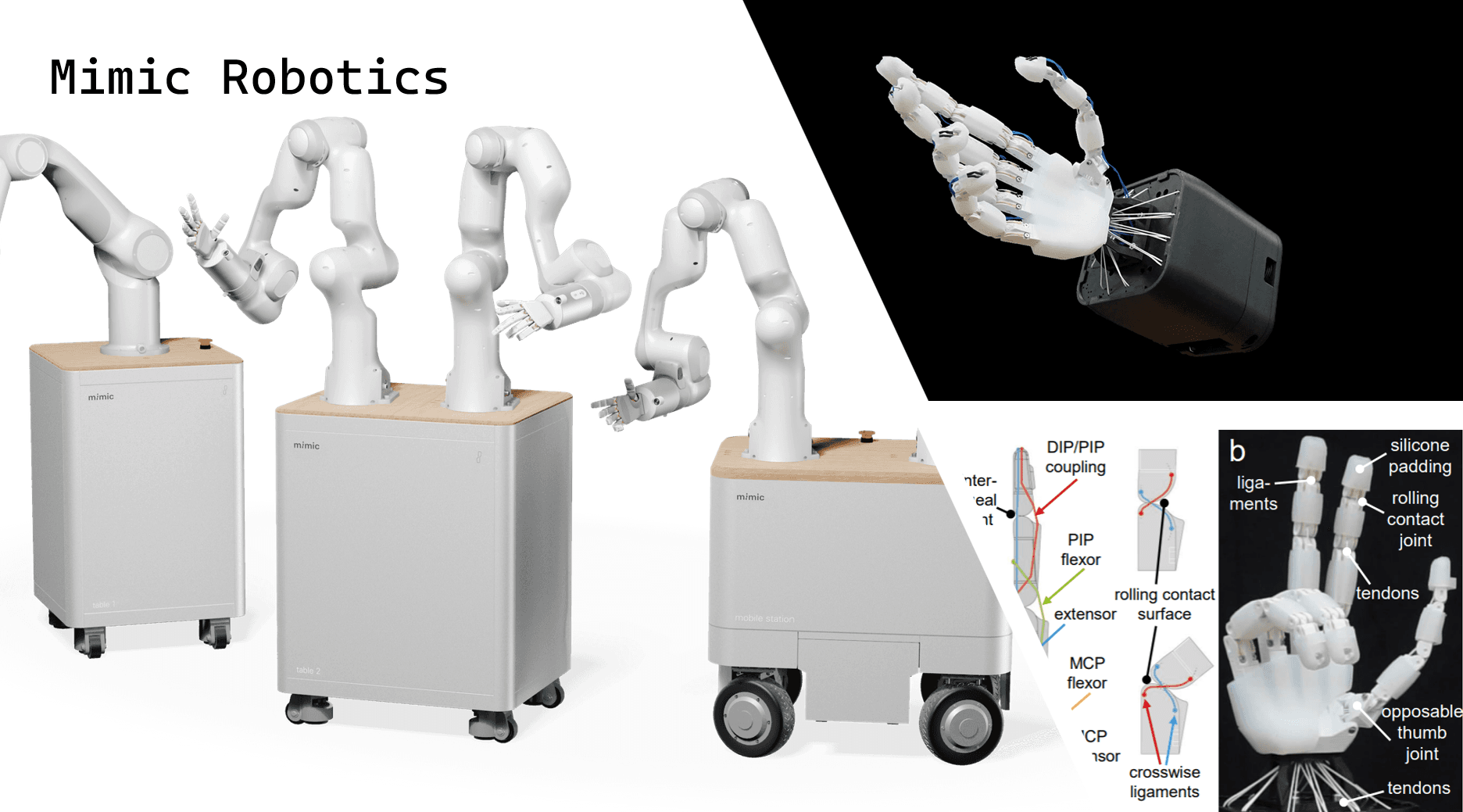
How Mimic Robotics is Bringing Physical AI to Dexterous Manipulation
Mimic Robotics combines dexterous robotic hands with foundation-model Physical AI to automate human-like manipulation tasks in industry with scalable learning.

Android Founder Andy Rubin Reportedly Launching Humanoid Robotics Startup in Tokyo
Andy Rubin, the creator of Android and former head of Google's robotics initiatives, is currently running a venture called Genki Robotics, which is operating in stealth mode. Based in Japan, the company is leveraging the country's engineering expertise to develop its projects. While specific details about Genki Robotics remain under wraps, Rubin's focus on Japan's skilled workforce suggests a strategic move to harness local talent in the rapidly evolving robotics sector.
Genki Robotics

