

Humanoid Robots Poised to Revolutionize Service Sector, Not Manufacturing Lines
- Published
- Source
- leaderobot.com
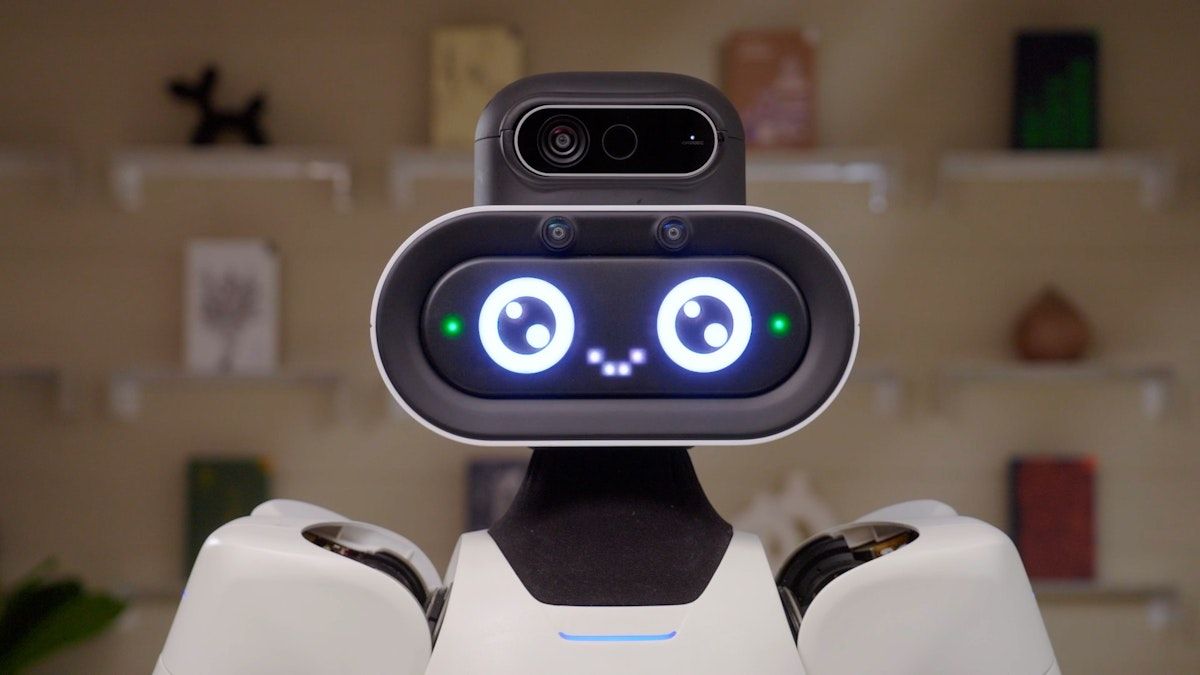
The humanoid robot industry is shifting focus towards service applications by 2026, as evidenced by Robot.com's R-noid robot, which can be deployed in just 8 to 12 weeks. This rapid deployment is particularly suited for commercial kitchens, warehousing logistics, and chain hotels, rather than traditional manufacturing environments.
This shift is crucial due to the high turnover rates in the service industry, with the restaurant sector experiencing over 300% annual turnover and hotel housekeeping positions facing similar challenges. Traditional industrial robots cannot address these issues, as they require extensive planning and facility modifications, which are not feasible for service businesses.
The R-noid robot's ability to integrate into existing workflows without requiring renovations makes it an attractive solution for service operators. As deployment times decrease, the return on investment for businesses facing high turnover becomes more appealing, making humanoid robots a viable option for addressing the pressing needs of the service industry.
Original report
Humanoid Robots Set to Transform Service Industry, Not Factories
leaderobot.com · LeaderobotThis briefing is an independently written summary based on publicly available reporting and is provided for industry information and news discovery. The original report and source publication are credited and linked where applicable. RobotToday does not claim ownership of third-party source material.
Rights concerns? Contact [email protected] with the relevant URL and details. We will review the matter and take appropriate action where warranted.
More related news
-
1
SRS 2027 – Rome, Jun 23–27, 2027 RobotToday · 11 months from now
- 2
- 3
-
4
RobotToday Weekly October 12 – 16, 2026 RobotToday · 19 hours ago
- 5
- 6
- 7
- 8
- 9
- 10
- 11
- 12
Related Suppliers
Kiwi Campus Inc. (Robot.com)
United States
Operator of Level 4 autonomous sidewalk delivery, logistics, advertising and humanoid robots deployed across 10 countries for Fortune 500 customers.
Addverb
India
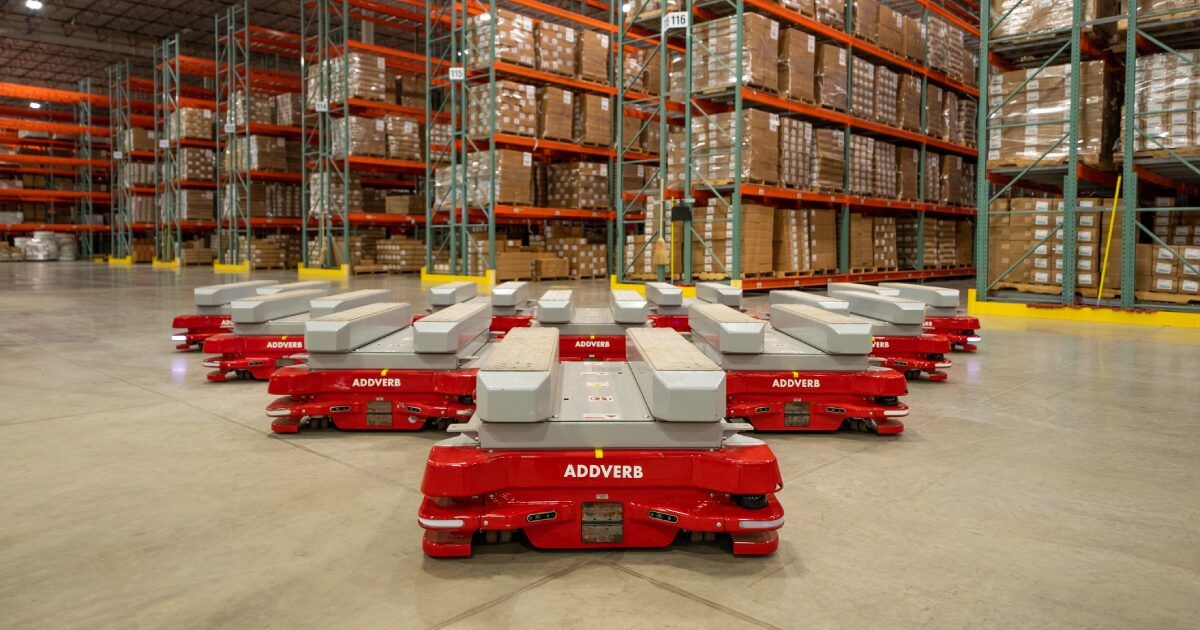
Indian robotics firm (est. 2016, Noida) making AMRs, ASRS, and sorters; Reliance-backed, 500+ warehouses automated across 20+ countries.
Techsoft Robots 深圳市泰科智能机器人有限公司
China
Shenzhen manufacturer of humanoid and collaborative robot joint modules, servo drives, and dual-arm cobots for OEM and end-user customers.
Hubei Humanoid Robot Innovation Center 湖北人形机器人创新中心
China
Wuhan public platform opened in June 2025 to train humanoid robots and collect embodied-AI data in 23 simulated scenes; led by a Hubei state tech investor.

R&D Technology
France
Alsatian family-owned group designing custom special machines, robotic cells, and Evolubox flexible assembly cells since 1996 across 5 French sites.
Guangdong Sumeda Automation Co., Ltd. 广东速美达自动化股份有限公司
China
Guangdong-based industrial automation company providing intelligent robot systems, machine vision, and custom assembly line integration solutions.

Lion Inc.
United States
Japanese robotics company developing service and hospitality robots for commercial environments.

Renovate Robotics
United States
Brooklyn-based startup developing autonomous roof shingle installation robots for residential and multifamily roofing contractors.

Qianxing Intelligence 深圳市迁星智能科技有限公司
China
Shenzhen maker, founded 2024, of player-controlled boxing mech robots for arcades and malls; its MECH ARENA concept runs in 30+ venues.

NEED Robotics
France
Need Robotics, based near Sens (Yonne), designs and integrates custom robot cells with ABB, FANUC, UR, MiR and Dobot robots and rents robots via ShareABot.
Tangible Robots
United States
San Francisco startup building Eggie, a wheeled humanoid with humanlike hands for household dexterity tasks, backed by Blume Ventures and Micelio.

Robo Inc.
United States
Plainview, NY robot integrator launched in 2026 by Unitree distributor RoboStore; the group cites 1,500+ robots delivered and a 66,000 sq ft plant plan.
Robotics needs a service framework.
RSF defines a common language for robot service capability, lifecycle operations, certification pathways, and service-provider networks.
Join the RobotToday community on LinkedIn
Daily robotics news, in-depth analysis, conference highlights, and discussions with professionals worldwide.


