Pepperl+Fuchs SE

Pepperl+Fuchs SE

"Pioneering Explosion Safety. Enabling Industrial Automation."

German industrial sensor and automation technology company pioneering explosion protection and smart factory sensing since 1945.

Visit Website

Company Overview

Pepperl+Fuchs SE, headquartered in Mannheim, Germany, is a global leader in industrial sensor technology and explosion protection. Founded in 1945, the company develops and manufactures inductive, capacitive, photoelectric, and ultrasonic sensors, identification systems, barcode and camera systems, rotary encoders, and intrinsically safe field devices for process automation. Its products serve factory automation and process industries worldwide, enabling smart, safe manufacturing environments.

With over 6,800 employees and revenue exceeding €1 billion, Pepperl+Fuchs operates across more than 80 countries and holds ISO 9001, ISO 14001, and ISO 80079-34 certifications.

Capabilities & Activities

Primary type & automation activities this supplier delivers:

Applications & Industries

Product Categories

Products & Solutions

R305 Area Sensor

Precision area sensor engineered for detecting micro-sized and irregularly shaped items in industrial automation.

F135 Inductive Sensor

High-durability inductive proximity sensor engineered for extreme heat and harsh industrial conditions.

Partnership & Notable clients

Associating Events

Contact Pepperl+Fuchs SE

WEBSITE

http://www.pepperl-fuchs.com

PHONE

+49 621 7760

HEADQUARTERS

Lilienthalstraße 200
Mannheim , Baden-Württemberg  68163

Germany

Company Facts

Founded

1945

Primary Role

Component Supplier

Company Size

-

Primary Region

Europe

Annual Sales

-

Funding Stage

-

Funding Total

-

Certifications & Memberships

Listed in RobotToday Supplier Discovery. Verified Profile

Related Coverage

ACE Robotics and NTU S-Lab Release Open-Source Puffin-World Multimodal Model

ACE Robotics and NTU S-Lab Release Open-Source Puffin-World Multimodal Model

ACE Robotics and NTU S-Lab have announced the open-source release of Puffin-World, a multimodal world model that integrates physics, geometry, and appearance. This model utilizes the Puffin-16M dataset and achieves state-of-the-art camera absolute pose errors, reporting sub-degree accuracy across four public benchmarks. The significance of this release lies in its potential to enhance various applications in robotics and computer vision by providing a unified framework for understanding complex environments. By achieving such high accuracy in pose estimation, Puffin-World could facilitate advancements in autonomous navigation and scene understanding. Looking ahead, the impact of Puffin-World on the robotics community will be closely monitored, particularly in how it influences future research and development in multimodal models. No further timeline was disclosed at the time of publication.

Northrop Grumman's Lumberjack Drone Successfully Tests Quantum Navigation Technology

Northrop Grumman's Lumberjack Drone Successfully Tests Quantum Navigation Technology

Sandbox AQ has successfully tested its quantum sensor-based Magnetic Navigation (MagNav) on Northrop Grumman’s Lumberjack drone, marking a significant milestone in unmanned aircraft systems. This test is the first of its kind for an attritable drone, showcasing the potential of quantum navigation in GPS-denied environments, which is increasingly relevant given current military operations. The successful integration of MagNav with Lumberjack's visual navigation system is crucial as the U.S. military seeks alternatives to GPS for navigation and targeting. The ongoing conflicts in Ukraine and West Asia highlight the need for resilient navigation systems that can operate effectively even when GPS signals are jammed or spoofed. This advancement could enhance operational capabilities in contested domains. Looking ahead, the deployment of Sandbox AQ’s AQNav technology in various aircraft platforms could revolutionize military navigation. The ease of integration into existing systems, as demonstrated by the rapid installation on Lumberjack, suggests a promising future for quantum navigation solutions in defense applications. No further timeline was disclosed at the time of publication.

Military
Tactile Sensing Technology Sees Significant Growth in Robotics Sector

Tactile Sensing Technology Sees Significant Growth in Robotics Sector

Tactile sensing technology is gaining prominence in the robotics industry as humanoid robots transition from exhibition spaces to factory floors. Since 2026, funding in the tactile sensing sector has exceeded 7 billion yuan, with the penetration rate of tactile sensors in commercial humanoid dexterous hands rising from 20% to over 60% this year. This rapid growth is notable within the robotics components sector, highlighting a shift in robotic applications. While visual-language-action models have enhanced robots' environmental understanding and task planning, precision assembly and flexible grasping require tactile feedback for effective force control and slip detection. According to Qianjue Robotics founder Ma Daolin, tactile sensing is essential for high-precision industrial operations. The evolution of technology supports this need, as Qianjue Robotics' VTLA model integrates tactile modalities into traditional frameworks, enabling real-time perception of deformation, texture, and force distribution during contact. Their comprehensive tactile solution expands sensing from fingertips to palms, achieving a sensor density of 125 points per square centimeter and a force accuracy of 0.03 Newtons. As hardware costs decrease and data accumulation accelerates, tactile sensing is becoming a necessary capability in real-world operational scenarios.

Tactile Sensors Humanoid Robots Robotics Technology Industrial Automation
Vention Showcases Unified Platform Integrating Physical AI and Agentic AI at IMTS 2026

Vention Showcases Unified Platform Integrating Physical AI and Agentic AI at IMTS 2026

Vention is set to demonstrate its unified industrial automation platform at IMTS 2026, featuring both Physical AI and Agentic AI. The platform combines these two layers of intelligence to enhance robotics and machine operations, showcasing innovations such as the MachineAgent agentic cell. The significance of this development lies in its potential to streamline manufacturing processes through an interactive, end-to-end automated workflow. Attendees can witness live demonstrations of Physical AI capabilities, including Rapid Operator AI for deep bin picking and goal-driven collision-free path planning, which utilize advanced autonomous perception and robotic motion. Looking ahead, industry professionals should monitor how Vention's integration of these AI technologies influences manufacturing efficiency and automation trends. No further timeline was disclosed at the time of publication.

Ouster Partners with Flyability and GeoCue to Enhance Drone Mapping with Lidar Technology

Ouster Partners with Flyability and GeoCue to Enhance Drone Mapping with Lidar Technology

Ouster has announced two significant partnerships aimed at expanding the use of lidar technology in commercial drone operations. The collaboration with Flyability focuses on integrating Ouster's lidar into the Elios 3 drone, which is designed for inspections in confined spaces like mine shafts and wastewater tunnels. Meanwhile, the partnership with GeoCue will see Ouster's Rev8 OS1 Max lidar integrated into TrueView drone mapping systems for utility surveying. These partnerships highlight the growing importance of lidar in enhancing drone capabilities, particularly in challenging environments where traditional GPS and cameras may fail. The Elios 3 drone, equipped with Ouster's compact OS0 lidar, enables real-time localization and collision avoidance, making it suitable for hazardous inspections. Ouster's CEO, Angus Pacala, emphasized the operational value of digital lidar in environments that conventional systems cannot easily access. Looking ahead, Flyability is evaluating Ouster's Rev8 lidar technology for future applications, which promises improved range, resolution, and color data. The companies plan to showcase their advancements at INTERGEO 2026 in Munich, Germany, from September 15-17, demonstrating how lidar is transforming the documentation of complex industrial environments.

Applications Drone News Drone News Feeds Inspection LiDAR News
Unitree Technology Unveils G1 Autonomous Robot's Real-Time Combat Capabilities

Unitree Technology Unveils G1 Autonomous Robot's Real-Time Combat Capabilities

On September 7, Unitree released a 38-second video showcasing its G1 humanoid robot engaging in real-time combat against a human opponent. This marks a significant milestone as it is the first instance of a fully autonomous humanoid robot fighting without human remote control, demonstrating advanced decision-making capabilities. The importance of this development lies in the robot's ability to autonomously predict, evade, and counterattack in real-time, a feat that has previously required human intervention. The G1 robot adjusts its stance and actions based on the opponent's movements, showcasing a complete feedback loop from perception to execution, which is crucial for effective combat. Looking ahead, the G1 is set to compete in the CMG World Robot Competition in May 2025, where it will further demonstrate its capabilities. The video highlights the challenges of real-time decision-making in combat scenarios, emphasizing the need for rapid response and adaptation in unpredictable environments. No further timeline was disclosed at the time of publication.

Humanoid Robots Autonomous Systems Robotics Research Artificial Intelligence
Over 30 Companies Participate in the 9th China Robotics Summit in Hangzhou

Over 30 Companies Participate in the 9th China Robotics Summit in Hangzhou

The 9th China Robotics Summit took place on September 17-18 in Hangzhou, featuring over 30 companies and institutions. The event highlighted advancements in robotics, including humanoid, quadruped, industrial, service, and special robots, showcasing the industry's shift from basic functionalities to real-world applications. This summit is significant as it reflects the evolving landscape of robotics, where competition now hinges on comprehensive industrial collaboration rather than isolated components or algorithms. The focus has shifted towards the integration of AI, cloud computing, and advanced sensors, which enhance robots' capabilities in understanding environments and executing tasks. Looking ahead, the industry is expected to continue evolving, with an emphasis on how robots perceive their surroundings, understand tasks, and make decisions. The integration of key components such as dexterous hands, sensors, and precision manufacturing systems will play a crucial role in enhancing product performance and production efficiency.

Robotics AI System Integration Industrial Automation Supply Chain
ZhiYuan Unveils AGILE 2.0: Transforming Robotic Vision and Motion Capabilities

ZhiYuan Unveils AGILE 2.0: Transforming Robotic Vision and Motion Capabilities

ZhiYuan has launched the AGILE 2.0 model, known as the AGIBOT Generative Intelligent Locomotion Engine, enabling robots to perceive, plan, and move with human-like agility. The innovative short film 'Acrobat BOT' showcases the robot's ability to perform complex tasks, such as jumping through fire hoops and balancing on a ball, demonstrating the advanced capabilities of AGILE 2.0. This development is significant as it addresses the challenges of synchronizing visual perception and motor control in robotics. While previous models struggled with dynamic coordination, AGILE 2.0 integrates environmental observation, terrain understanding, and full-body motion control into a cohesive system, allowing for real-time planning and execution. Looking ahead, AGILE 2.0's advancements in visual perception and dynamic interaction mark a pivotal shift in humanoid robotics, enabling operations in unstructured environments. No further timeline was disclosed at the time of publication.

Robotic Vision Intelligent Locomotion AI Robotics Dynamic Motion Control
Examining the Origins of Haptic Sensing Technology and Its Development Challenges

Examining the Origins of Haptic Sensing Technology and Its Development Challenges

In the field of robotic haptic sensing, significant breakthroughs have emerged from years of technical accumulation and engineering capabilities. Leading haptic sensor companies have focused on multi-dimensional tactile perception, high-precision torque calculation, and heterogeneous array calibration, establishing a comprehensive intellectual property system. Their efforts have demonstrated that there are no shortcuts in haptic sensing; each aspect must be meticulously developed to create truly usable products. The emergence of new companies in 2026, which quickly introduce concepts like 'magnetized flexible materials' and 'exclusive replaceable electronic skin,' raises concerns. While their product images appear polished and their technical jargon comprehensive, comparisons with open-source projects like ReSkin and AnySkin reveal significant similarities in magnetic circuits, PCB designs, and algorithms. This suggests that some newcomers are attempting to simplify the complex development process into mere replication of existing technologies. To understand the implications of 'open-source rebranding,' it is essential to clarify the technological lineage of ReSkin, AnySkin, and eFlesh. The foundational work by Waseda University's Sugano Laboratory laid the groundwork for magnetic tactile skin technology, influencing subsequent developments by Meta AI and NYU. As these technologies evolve, the focus on low-cost, modular manufacturing continues to shape the future of haptic sensing applications.

Haptic Sensors Open Source Technology Robotics Innovation Technology Transparency
Inbolt CEO to Address Physical AI Deployment Challenges at RoboBusiness 2023

Inbolt CEO to Address Physical AI Deployment Challenges at RoboBusiness 2023

Inbolt's CEO Rudy Cohen will present at RoboBusiness on October 20-21, discussing the deployment challenges of physical AI in robotics. He argues that the real bottleneck lies in the integration between perception and motion, rather than data availability. Cohen's insights are based on experiences from over 100 factories and extensive production data from major automotive companies. The significance of this discussion is underscored by Inbolt's innovative approach to robotics, which combines vision and AI to enhance manufacturing processes. By addressing the integration tax and improving real-time control, Inbolt aims to streamline deployments that currently incur high costs and lengthy timelines. Cohen's presentation will challenge prevailing assumptions about the limitations of physical AI. Looking ahead, attendees of RoboBusiness can expect to gain valuable insights into the practical applications of physical AI in manufacturing. Cohen's talk will highlight how existing production data can demonstrate the commercial viability of physical AI, potentially reshaping industry perspectives on its deployment. No further timeline was disclosed at the time of publication.

Artificial Intelligence Artificial Intelligence / Cognition Design / Development Events News Inbold
China’s Dexterous Hand Industry, 2026 Part 1 — The Demand Picture

China’s Dexterous Hand Industry, 2026 Part 1 — The Demand Picture

MIR Databank puts China dexterous hand shipments above 30,000 units in 2026, yet only 3.5% of 2025 demand came from factory production. Part 1 of 3.

China’s Dexterous Hand Industry, 2026 Part 2 — The Technology

China’s Dexterous Hand Industry, 2026 Part 2 — The Technology

Linkage, tendon, direct drive or hybrid — and why hardware is converging while the DL1–DL5 manipulation scale decides who wins. Part 2 of 3.

ROBOTTODAY WEEKLY BRIEFING August 24 – 28, 2026

ROBOTTODAY WEEKLY BRIEFING August 24 – 28, 2026

This week in robotics: XPeng's Dogotix raises over $900 million at a $6.3 billion valuation, Unitree's post-IPO slump revives bubble talk, Beijing's World Humanoid Robot Games close with a shift to real-world tasks, and Teradyne sues JAKA at Europe's Unified Patent Court. August 24–28, 2026.

WRC 2026 Core Components: 137 Robot Parts Suppliers

WRC 2026 Core Components: 137 Robot Parts Suppliers

The third report in the WRC 2026 series. Report 1 mapped all 248 exhibitors by category and Report 2 covered the 139 that build finished robots. This one covers the 137 that build what goes inside them.

WRC 2026 Exhibitor Map: 248 Robotics Companies Mapped

WRC 2026 Exhibitor Map: 248 Robotics Companies Mapped

We classified 248 WRC 2026 exhibitors with the RobotToday taxonomy. Motion & Actuation leads at 75 companies, Humanoid at 72, and compute stays thin at 12. (Modified 2026-08-27)

Handbook of Marine Craft Hydrodynamics and Motion Control Thor I. Fossen — RSF Specialist Shelf · Book S1 of 6

Handbook of Marine Craft Hydrodynamics and Motion Control Thor I. Fossen — RSF Specialist Shelf · Book S1 of 6

Added mass, wave loading, DVL navigation: the marine GNC reference for USV, ROV and AUV service engineers. The hardest book on the RSF list, 5/5.

Small Unmanned Aircraft: Theory and Practice Beard & McLain — RSF Specialist Shelf · Book S2 of 6

Small Unmanned Aircraft: Theory and Practice Beard & McLain — RSF Specialist Shelf · Book S2 of 6

Beard & McLain derive the fixed-wing autopilot the RSF Top 10 never does: successive loop closure on roll, pitch, altitude and airspeed. 4/5.

Agricultural Robotics | 2025–2030 Outlook: The Labor Cost Reckoning

Agricultural Robotics | 2025–2030 Outlook: The Labor Cost Reckoning

Agricultural robotics is projecting a $28–48 billion market by 2030 outside China, driven purely by labor cost replacement. Part 10 synthesizes the series: forecasting penetration ceilings, emerging technologies, and regional winners in the most consequential farming transformation since mechanization.

SoftBank’s $100B Robotics Spinoff: Why Masayoshi Son Is Rebuilding the AI Infrastructure Stack Around “Physical AI”

SoftBank’s $100B Robotics Spinoff: Why Masayoshi Son Is Rebuilding the AI Infrastructure Stack Around “Physical AI”

SoftBank’s planned $100B Roze spinoff signals a major shift in robotics and AI infrastructure, combining ABB Robotics, AI chips, and data center automation into a “Physical AI” platform.
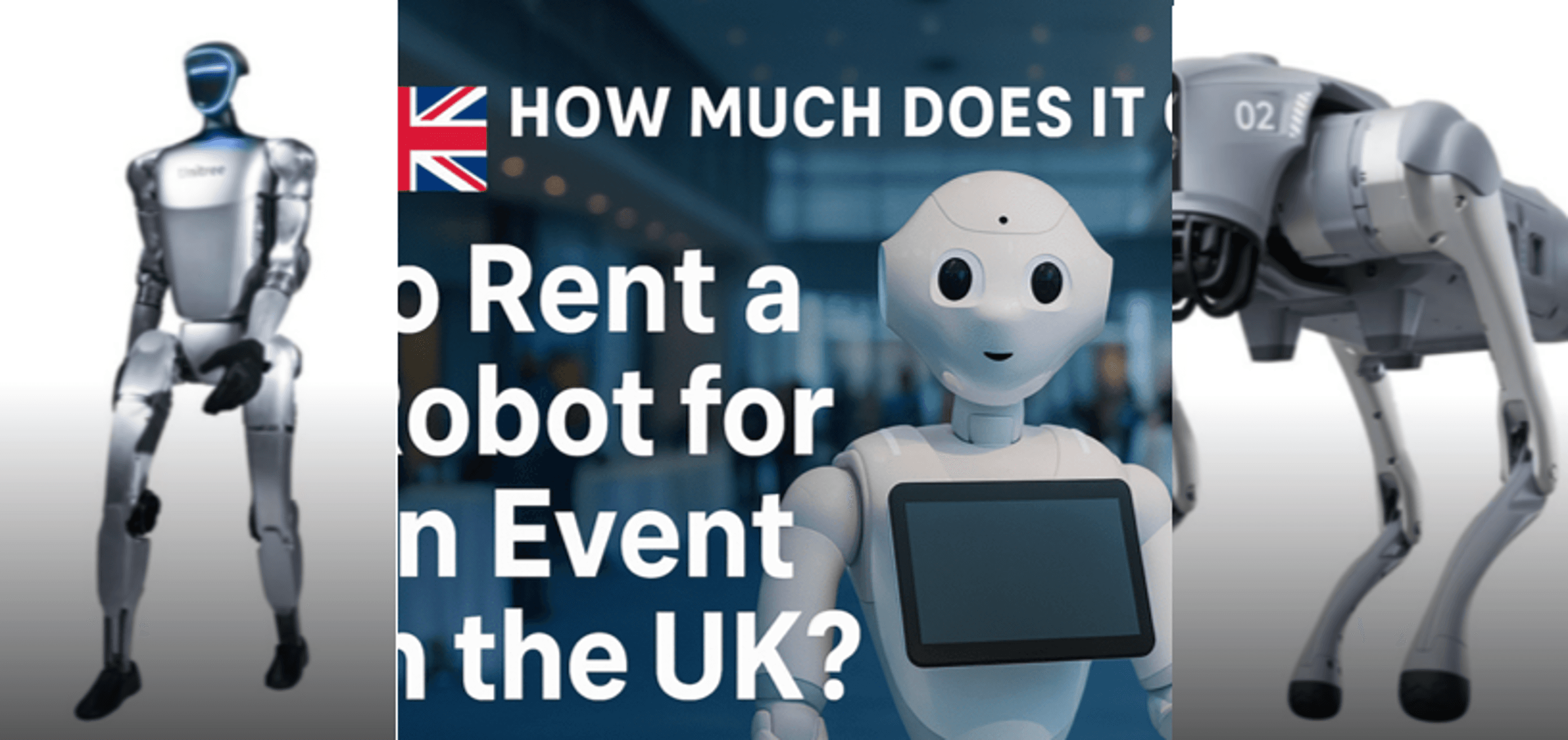
How Much Do Robots Earn? Global Daily Rental Prices for Humanoid and Quadruped Robots

How Much Do Robots Earn? Global Daily Rental Prices for Humanoid and Quadruped Robots

Explore global daily rental prices for humanoid and quadruped robots in 2025—from premium event rates in Europe to budget-friendly rentals in Asia and the U.S.