


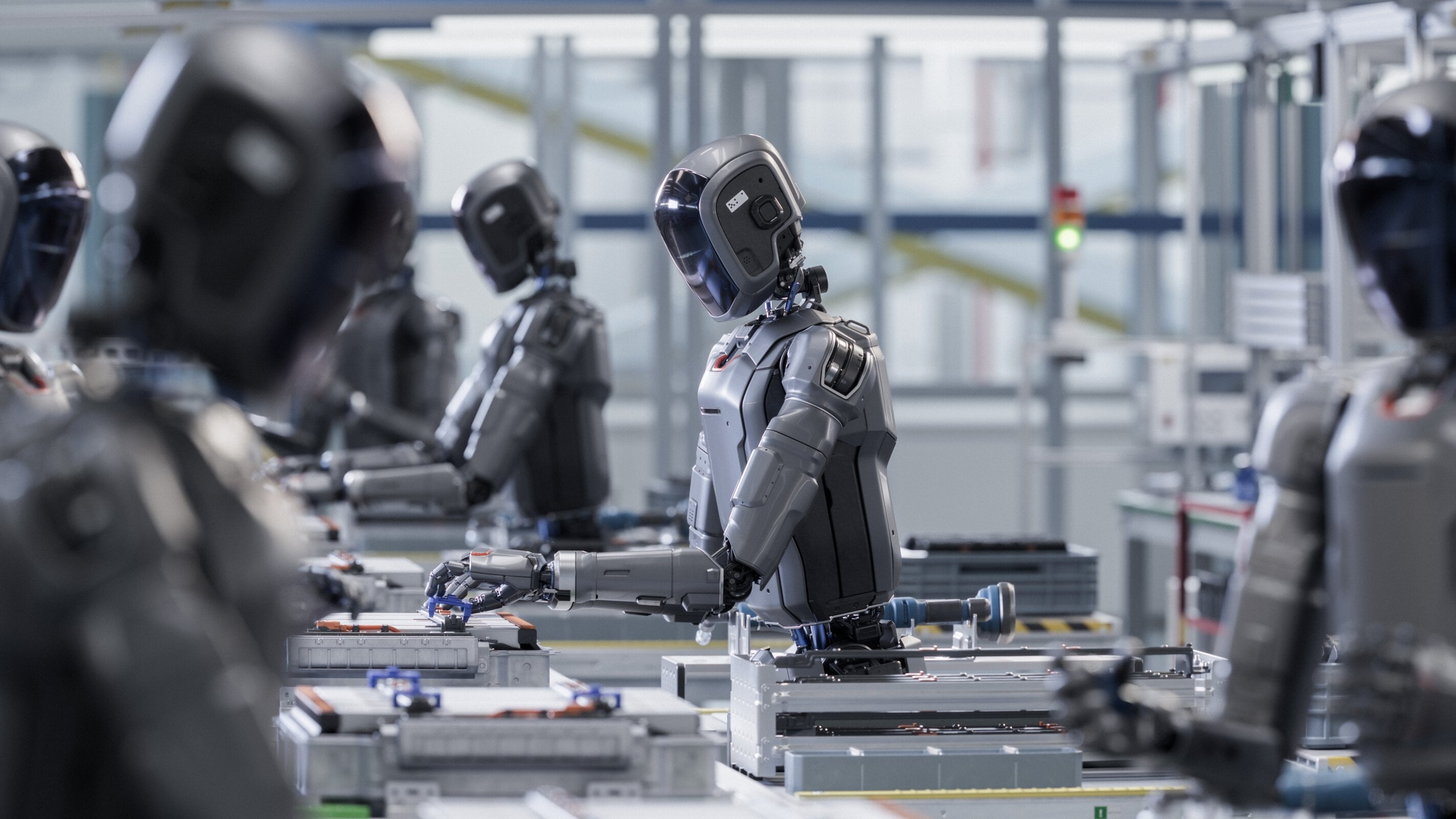
The humanoid robotics sector is moving from prototype development to structured pilot deployments and early commercial adoption. According to the IDTechEx report, 'Materials for Humanoid Robots 2026-2036: Technologies, Players, Forecasts,' the years 2026-2027 are expected to be pivotal as more companies transition from pilot testing to production readiness and initial rollouts.
Actuators, which enable humanoid robots to perform tasks such as walking and lifting, are central to this technology. The report forecasts a 47 percent compound annual growth rate (CAGR) for humanoid unit sales over the next decade, presenting significant opportunities for materials manufacturers and component suppliers. Typically, a humanoid robot contains around 31 actuators, with the weight of these components constituting approximately 56 percent of the robot's total weight.
Looking ahead, the report highlights the importance of materials like metal alloys and rare-earth permanent magnets in actuator design. While rigid actuators are essential for precise movements, challenges such as adaptability to unstructured environments and mechanical wear remain critical issues to address. No further timeline was disclosed at the time of publication.
Editor's Note
The transition from prototype to commercial deployment in humanoid robotics signifies a crucial phase for the industry. As demand for humanoid robots increases, understanding the role of actuators and their material requirements will be vital for suppliers and manufacturers. The anticipated growth presents both challenges and opportunities in terms of technology adoption and supply chain dynamics.


























Leave a comment