

Sunstream Scientific Technology
Chicago, Illinois pneumatic servo actuator maker incorporated 2006; sells patented cylinder and valve-control actuators for robotics and material handling.
Contact Sunstream Scientific Technology
WEBSITE
https://sunstreamsci.comPHONE
+1 773-575-4420HEADQUARTERS
United States


Company Facts
Founded
2002
Primary Role
Manufacturer
Company Size
-
Primary Region
North America
Annual Sales
-
Funding Stage
-
Funding Total
-

Industrial-Grade End Effectors Like Two-Finger Claw Now Standard in Teaching Robots
The integration of industrial-grade end effectors, such as the Two-Finger Claw, into educational robotics is becoming increasingly common. This trend signifies a shift towards more advanced and capable teaching tools in classrooms, enhancing the learning experience for students. The adoption of these sophisticated robotic components is crucial as it bridges the gap between theoretical knowledge and practical application. By utilizing high-quality end effectors, educators can provide students with hands-on experience that mirrors real-world industrial scenarios, fostering a deeper understanding of robotics and automation. Looking ahead, the continued evolution of educational robotics will likely see further enhancements in end effector technology. No further timeline was disclosed at the time of publication.
Robotics Automation AI
Sanctuary AI and Skild Collaborate to Enhance Industrial Robots with Physical AI
In September, the robotics industry witnessed contrasting developments. On September 10, Skild, a U.S. robotics modeling company, announced its collaboration with NVIDIA and Foxconn to deploy models on dual-arm robotic arms for precise assembly in the Blackwell system. Four days later, Danish collaborative robot manufacturer Universal Robots unveiled a new generation platform designed to facilitate the integration of cameras, sensors, and AI applications into robotic arms. This evolution is significant as it highlights the shift towards enhancing existing robotic systems with advanced AI capabilities rather than waiting for humanoid robots to achieve commercial viability. Sanctuary AI, a Canadian company developing the Phoenix humanoid robot, revealed its strategy to implement Physical AI on current and next-generation industrial robot platforms, achieving a task success rate exceeding 99.5% in a proof of concept with an automotive supplier. Looking ahead, companies like Sumitomo Electric and Yaskawa are exploring the integration of AI into traditional robotic systems to handle complex tasks that still require human judgment. The focus is on adapting control systems and interfaces to improve the robots' ability to interact with variable components, such as soft wire harnesses, which present unique challenges in manufacturing processes. No further timeline was disclosed at the time of publication.
Physical AI Industrial Robotics Automation Technology Robotic Arms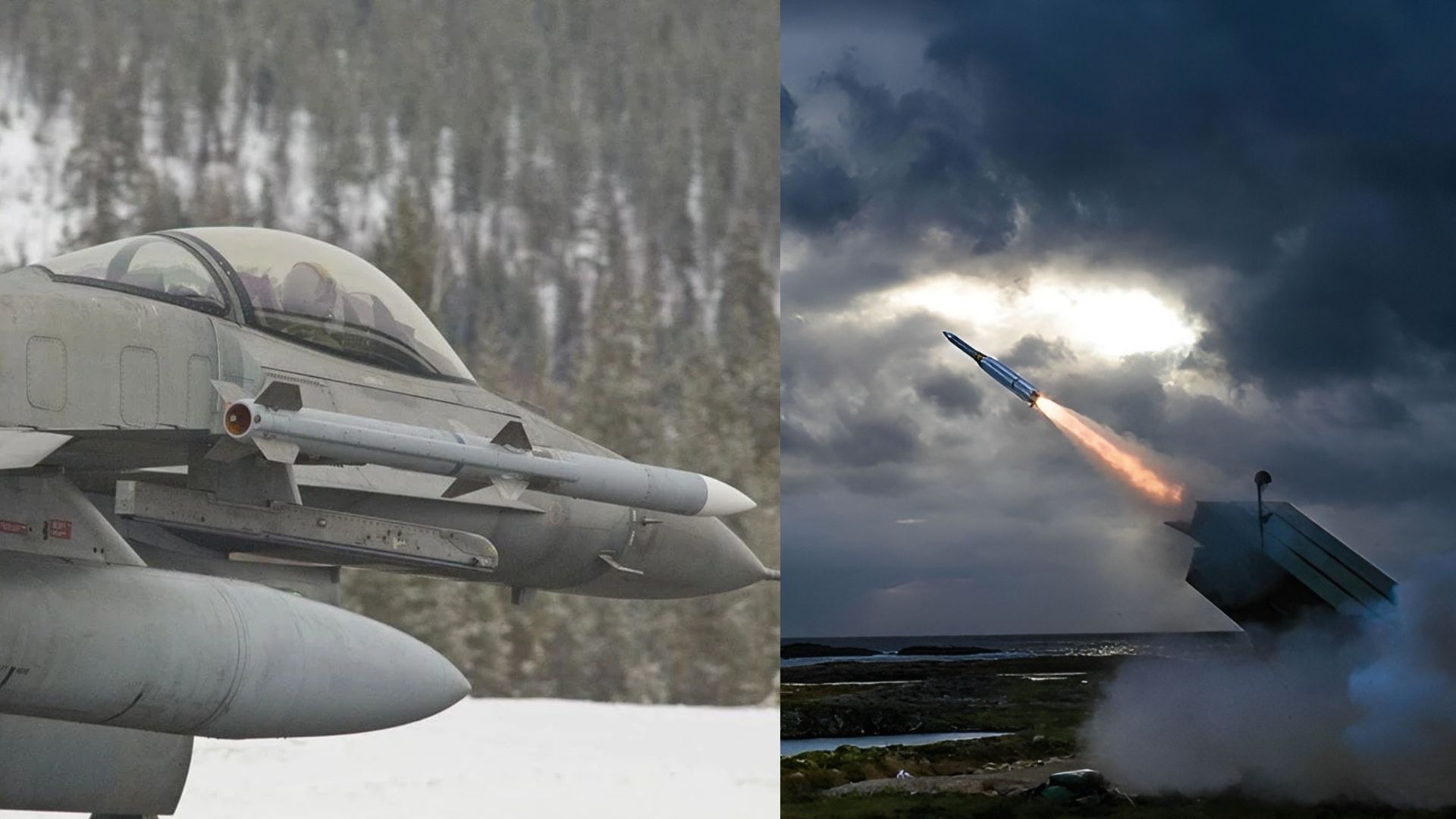
Raytheon Secures $20.7B Pentagon Contract to Boost AMRAAM Missile Production to 1,900 Annually
Raytheon has secured a multiyear U.S. defense contract valued at up to $20.7 billion, aimed at ramping up AMRAAM missile production to a record 1,900 units per year. This five-year agreement, awarded on September 25, is part of the U.S. Department of War's Arsenal of Freedom initiative, which seeks to enhance American weapons manufacturing capabilities. The significance of this contract lies in its potential to meet the increasing demand for missile inventories from the U.S. military and its allies. Raytheon has already seen a near doubling of AMRAAM output in 2025 compared to 2024, highlighting the missile's critical role in beyond-visual-range air combat and its integration into the NASAMS air-defense system. Looking ahead, Raytheon is focused on expanding its manufacturing capacity and ensuring a steady supply chain to support the ambitious production goals. The company is also considering international co-production opportunities as it navigates the complexities of increasing missile output while maintaining quality and efficiency in its operations. No further timeline was disclosed at the time of publication.
Military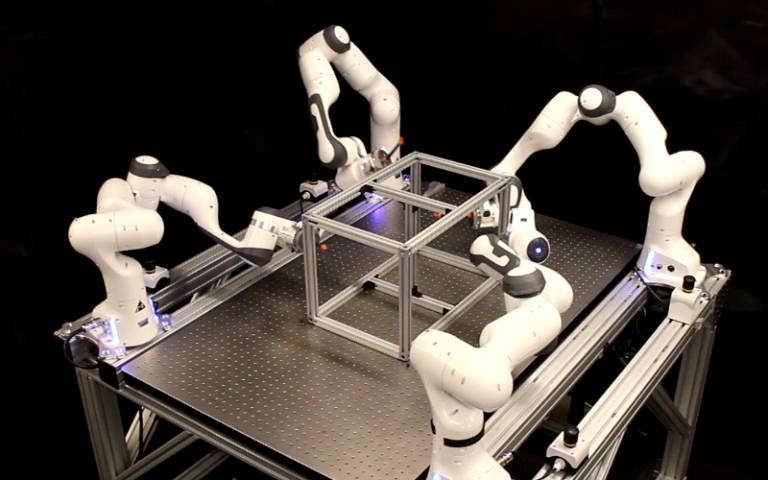
RoboTechnik Heads Hong Kong's $1.8 Billion Initial Public Offering Lineup
RoboTechnik is among four companies scheduled to commence trading in Hong Kong, collectively raising HK$14.4 billion ($1.8 billion). This event marks one of the busiest days for new listings in the city, contributing to a remarkable year for initial public offerings. The significance of this listing lies in its potential to enhance market liquidity and attract investor interest, particularly in the technology sector. With a total of HK$14.4 billion raised, the event underscores the robust appetite for new investments in Hong Kong's financial landscape. Looking ahead, market observers will be keen to monitor the performance of these newly listed companies and their impact on the overall market dynamics. No further timeline was disclosed at the time of publication.

German Scientists Develop 3D-Printed Gas Turbine Injector for Diverse Fuels
Researchers at the University of Stuttgart have developed a new 3D-printed gas turbine injector capable of burning hydrogen, kerosene, and various e-fuels. This innovative injection system, created by Fabian Hampp and his team, aims to reduce emissions while maintaining manufacturing efficiency. The significance of this development lies in its potential to enhance the versatility of gas turbines, which are crucial for stabilizing energy grids, especially when renewable sources fluctuate. The injector's design addresses the challenge of achieving optimal fuel-air mixing for clean combustion, accommodating fuels with varying physical properties. Looking ahead, the team plans to prototype the injector for real-world testing, which could lead to retrofitting existing gas turbines for cleaner energy sources. No further timeline was disclosed at the time of publication.
Energy
Elroy Air Raises $175 Million to Advance Chaparral Drone Production
Elroy Air has secured $175 million in expanded private investment commitments to scale production of its Chaparral autonomous cargo drone. This funding, which includes contributions from Lockheed Martin Ventures and Inflection Point, will support the transition from testing to large-scale manufacturing for military and commercial applications. The significance of this funding lies in Elroy Air's goal to enhance the Chaparral's capabilities, allowing it to carry over 500 pounds of cargo up to 450 miles without traditional infrastructure. The investment will accelerate production and enable the delivery of Chaparral drones to commercial and defense partners, particularly following a recent $46 million contract with the US Army. Looking ahead, Elroy Air aims to produce its first aircraft by late 2026, with manufacturing handled by Kratos Defense & Security Solutions in Sacramento, California. The company is focused on transforming successful demonstrations into large-scale production, leveraging its new financial resources to meet growing demand in logistics and defense sectors.
News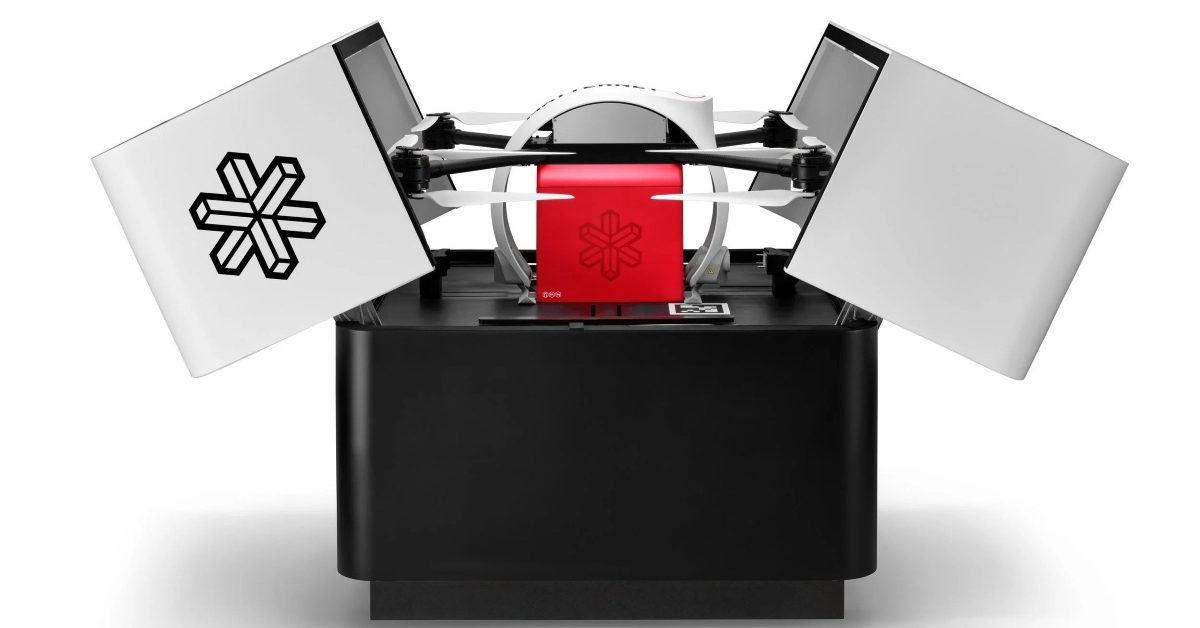
Matternet Launches M3 Drone with 11-Pound Payload Capacity and 10-Mile Range
Matternet has introduced the M3, its next-generation autonomous drone delivery platform, aimed at facilitating thousands of daily deliveries without human operators. The M3 can transport packages weighing up to 11 pounds over a service radius of 10 miles, utilizing a dedicated micro-hub system that allows businesses like restaurants and hospitals to send packages seamlessly. This innovation is significant as it addresses the logistical challenges of scaling drone delivery networks, which require efficient launch and recovery points, charging solutions, and manageable noise levels. Matternet's M3 system includes the M3 Dock for charging and storage, and the M3 Portal for package drop-off, making drone delivery more accessible and reliable. Looking ahead, Matternet is targeting commercial service for the second half of 2027, with initial deployments through partners like Dave’s Hot Chicken in the US and Apian in the UK. The company is also planning to expand its partnerships and establish US manufacturing for the M3 aircraft, leveraging its collaboration with SoftBank Robotics America to enhance deployment efforts.
News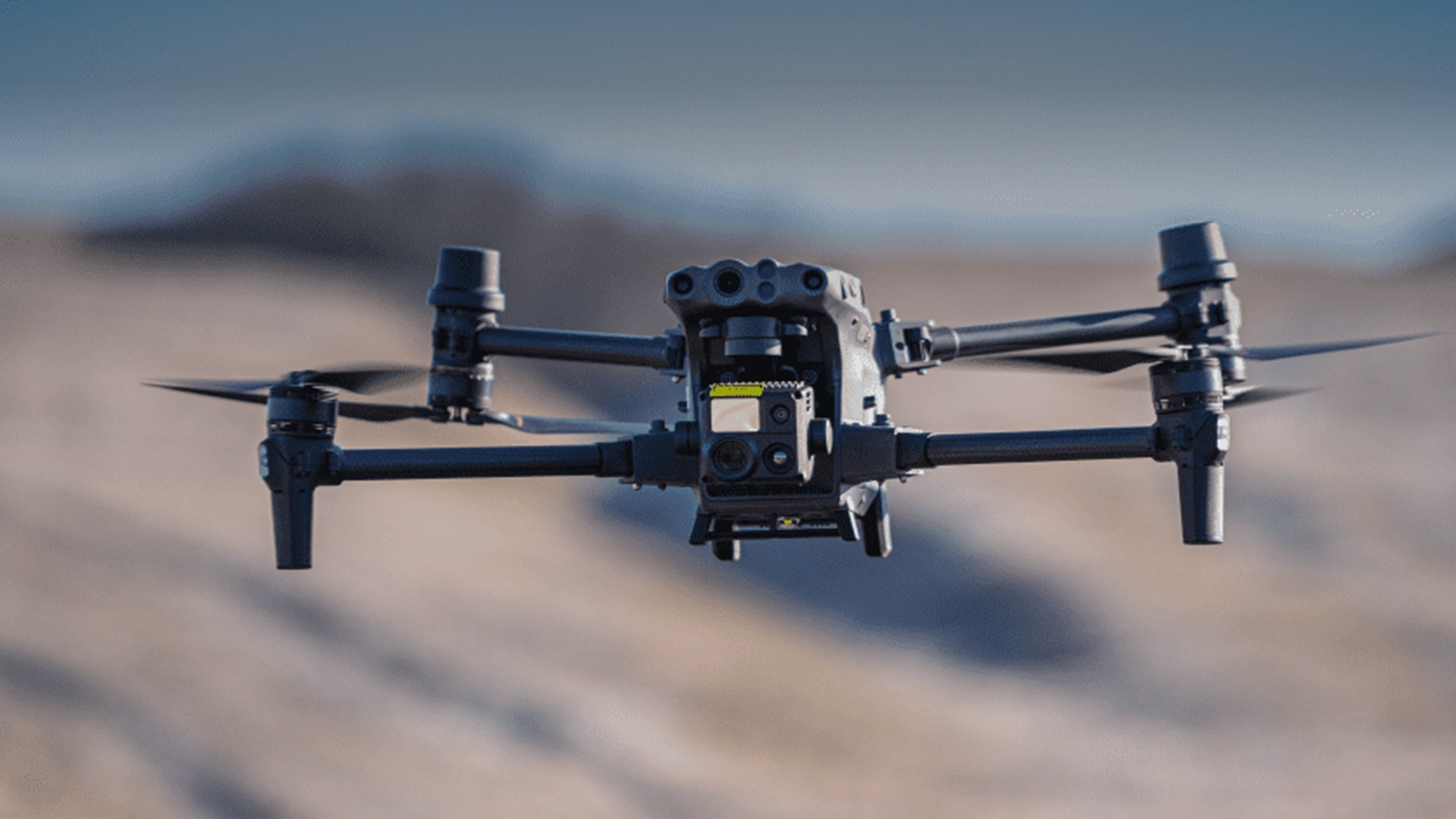
Amprius Technologies Secures $75M Grant to Transform EV Battery Line for Drone Production
The U.S. Department of War has granted Amprius Technologies up to $75 million to convert an electric vehicle battery production line into a facility for drone batteries. This retrofit, located in Fremont, California, aims to produce high-energy-density cells for unmanned aerial systems, with a projected capacity of 12 million cells annually by early 2028. This initiative is significant as it aligns with domestic sourcing requirements under the National Defense Authorization Act, ensuring that the U.S. can meet its defense needs with locally produced batteries. The total conversion project is estimated to cost around $100 million, which includes the federal grant and investments from Amprius and its South Korean manufacturing partner. Looking ahead, the converted facility will enhance Amprius’ manufacturing network and provide defense customers with access to NDAA-compliant batteries at higher volumes. No further timeline was disclosed at the time of publication.
Military
Key Insights for Successful Integrated Factory Acceptance Tests in Manufacturing
A recent experience highlighted a common issue in integrated factory acceptance tests (IFAT), where communication failures arose due to unconnected hardware. Despite over fifteen years of conducting IFATs, the primary challenges remain human errors rather than technological shortcomings. It is crucial for teams to verify equipment readiness through tangible evidence before scheduling tests to avoid costly delays. The significance of this issue lies in the frequent disconnect between stated confirmations and actual conditions on-site. Many plants confirm that equipment is ready, yet integration teams often find discrepancies upon arrival. By requesting proof of operational communication links, teams can mitigate risks and ensure smoother testing processes, ultimately reducing rework and enhancing project timelines. Looking ahead, organizations should prioritize treating IFATs as firm milestones rather than informal steps. This approach can help address intermittent faults and configuration changes that may arise during the testing phase. Running IFATs at vendor sites can provide better support and accountability, although testing on actual plant networks is also valuable. Balancing these approaches will be essential for successful project outcomes.
Factory / Plant Maintenance
Exploring Retrofit Versus Replace Decisions in Automation Initiatives
In a recent Automation World podcast recorded at the IMTS show in Chicago in late summer 2026, Sergei Altynbaev, founder and CEO of Aiolys, discussed the ongoing debate between retrofitting and replacing automation systems. This conversation highlighted how the decision-making process is evolving as automation technology matures and becomes more mainstream. The significance of this discussion lies in understanding the differing approaches to automation updates, particularly between European and American perspectives. As industries increasingly adopt automation, the choice to retrofit existing systems or invest in new technologies can impact operational efficiency and cost-effectiveness. Listeners should pay attention to how these trends in automation decision-making may influence future investments and strategies in the sector. No further timeline was disclosed at the time of publication.
Factory / Plant Maintenance
China’s Dexterous Hand Industry, 2026 Part 3 — The Players
Five vendor archetypes, MIR’s composite top ten, eight company profiles and six field deployments — every firm linked to the RobotToday supplier directory.

China’s Dexterous Hand Industry, 2026 Part 1 — The Demand Picture
MIR Databank puts China dexterous hand shipments above 30,000 units in 2026, yet only 3.5% of 2025 demand came from factory production. Part 1 of 3.
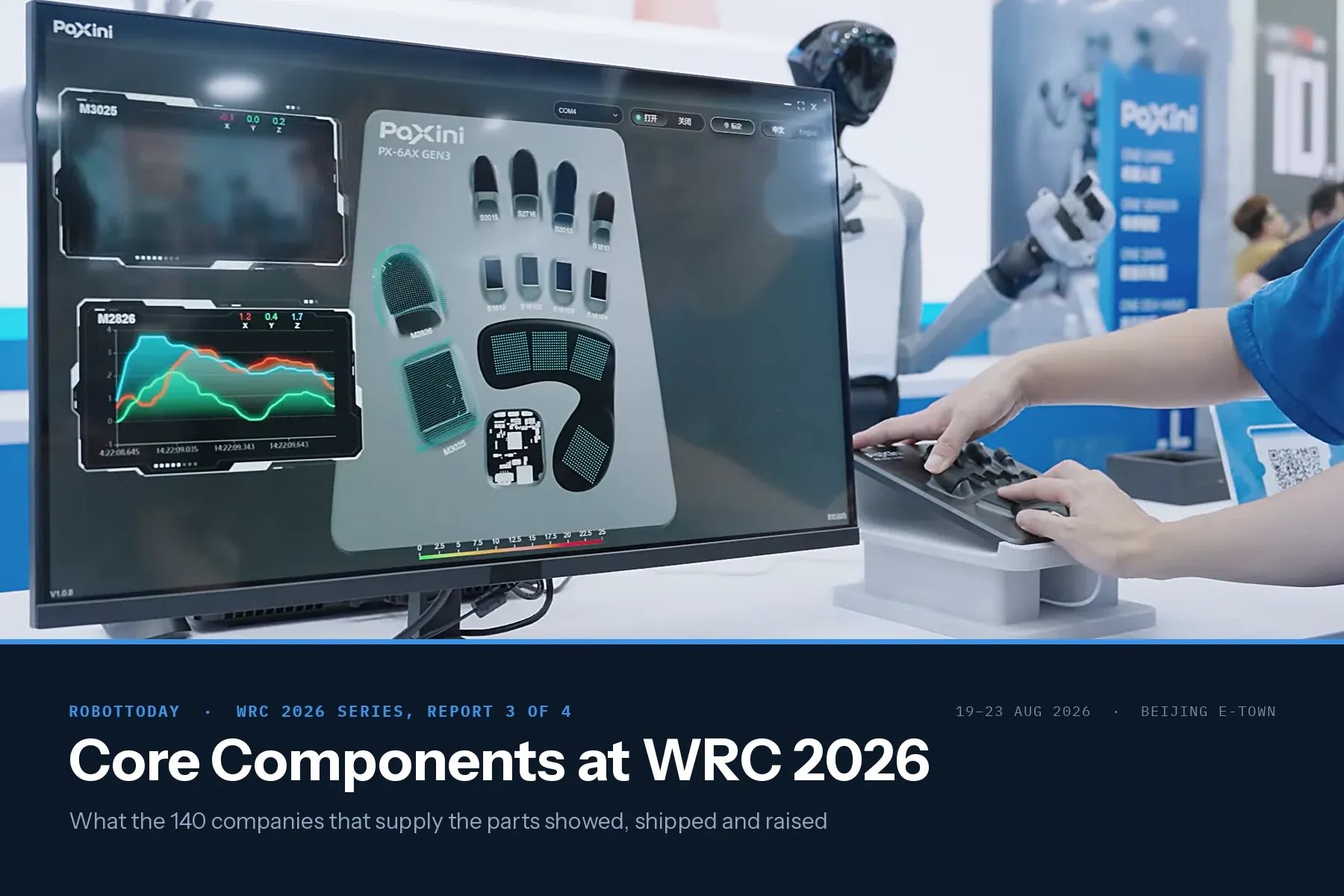
WRC 2026 Core Components: 137 Robot Parts Suppliers
The third report in the WRC 2026 series. Report 1 mapped all 248 exhibitors by category and Report 2 covered the 139 that build finished robots. This one covers the 137 that build what goes inside them.

WRC 2026 Exhibitor Map: 248 Robotics Companies Mapped
We classified 248 WRC 2026 exhibitors with the RobotToday taxonomy. Motion & Actuation leads at 75 companies, Humanoid at 72, and compute stays thin at 12. (Modified 2026-08-27)
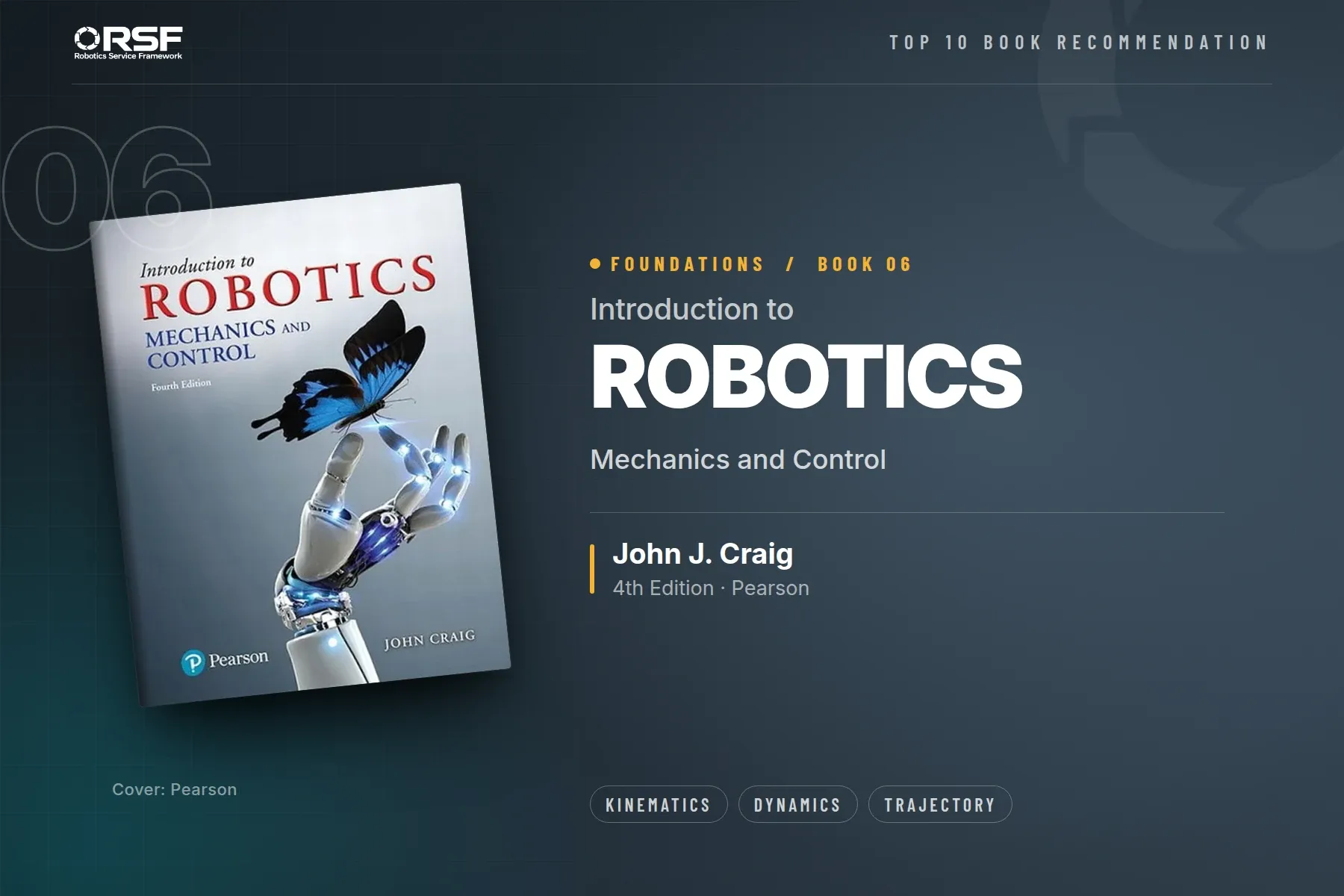
Introduction to Robotics J. J. Craig — RSF Top 10 Robot Education Textbooks · No. 6
Six of ten benchmark universities teach kinematics from Craig. Frames, transforms and D-H parameters: the language vendor manuals already speak.
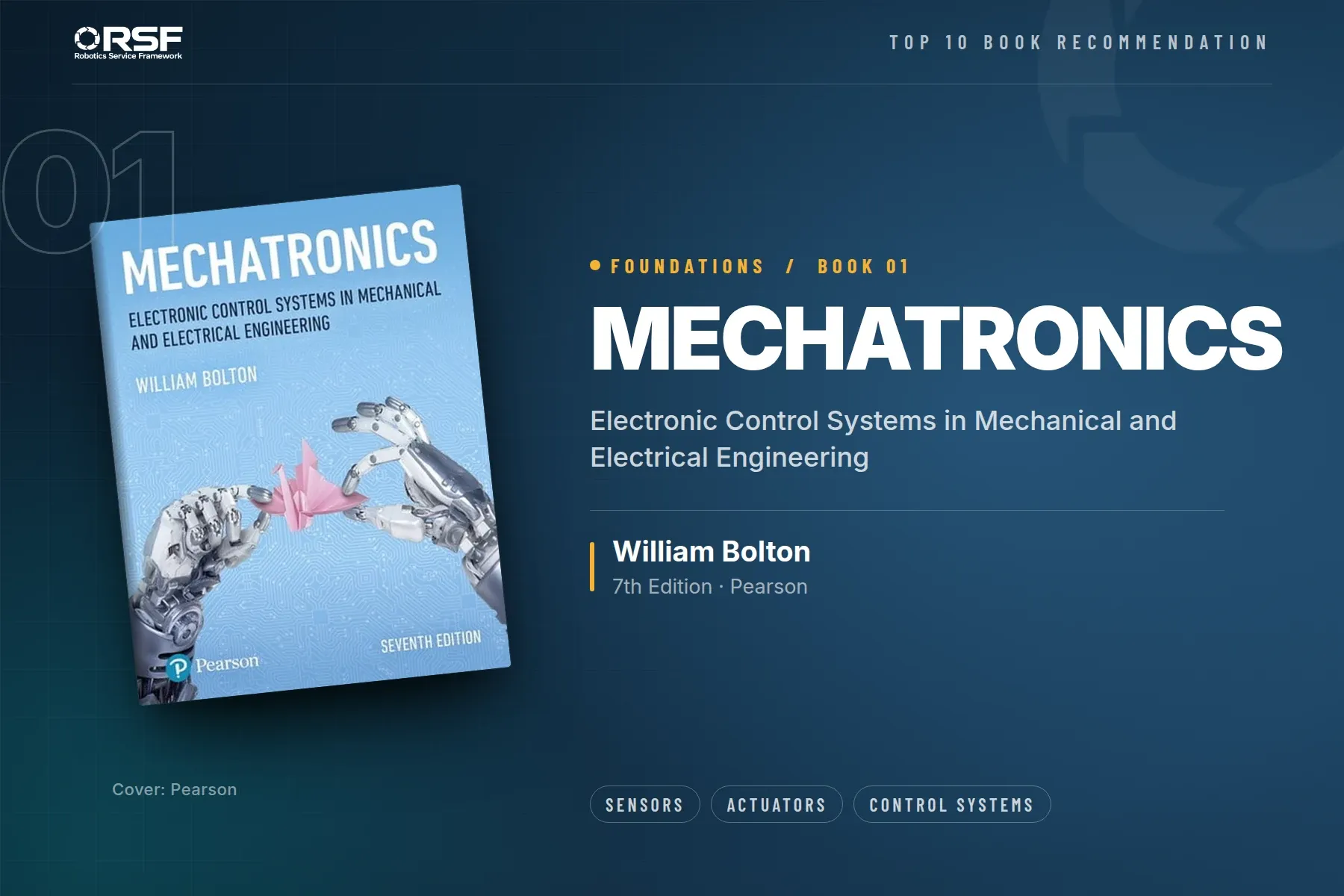
Mechatronics W. Bolton — RSF Top 10 Robot Education Textbooks · No. 1
Bolton's Mechatronics ranks No.1 for robot service engineers: encoders, drives, sensors and the Layer 2 faults most textbooks skip. Difficulty 2/5.

Pittsburgh Regional Alliance Convenes Nine CMU-Rooted Robotics Firms at Automate 2026
At Automate 2026, the Pittsburgh Regional Alliance convened nine robotics firms — most spun out of Carnegie Mellon — spanning materials, perception and AMRs.

CONSTRUCTION ROBOTICS | BUSINESS MODELS & INVESTMENT LANDSCAPE
Construction robotics attracted $4.4 billion in built environment tech funding through Q3 2025. SoftBank acquired ABB Robotics for $5.375 billion. RaaS is displacing capex models. AI-native platforms command 39x revenue multiples. This is where money meets machines.
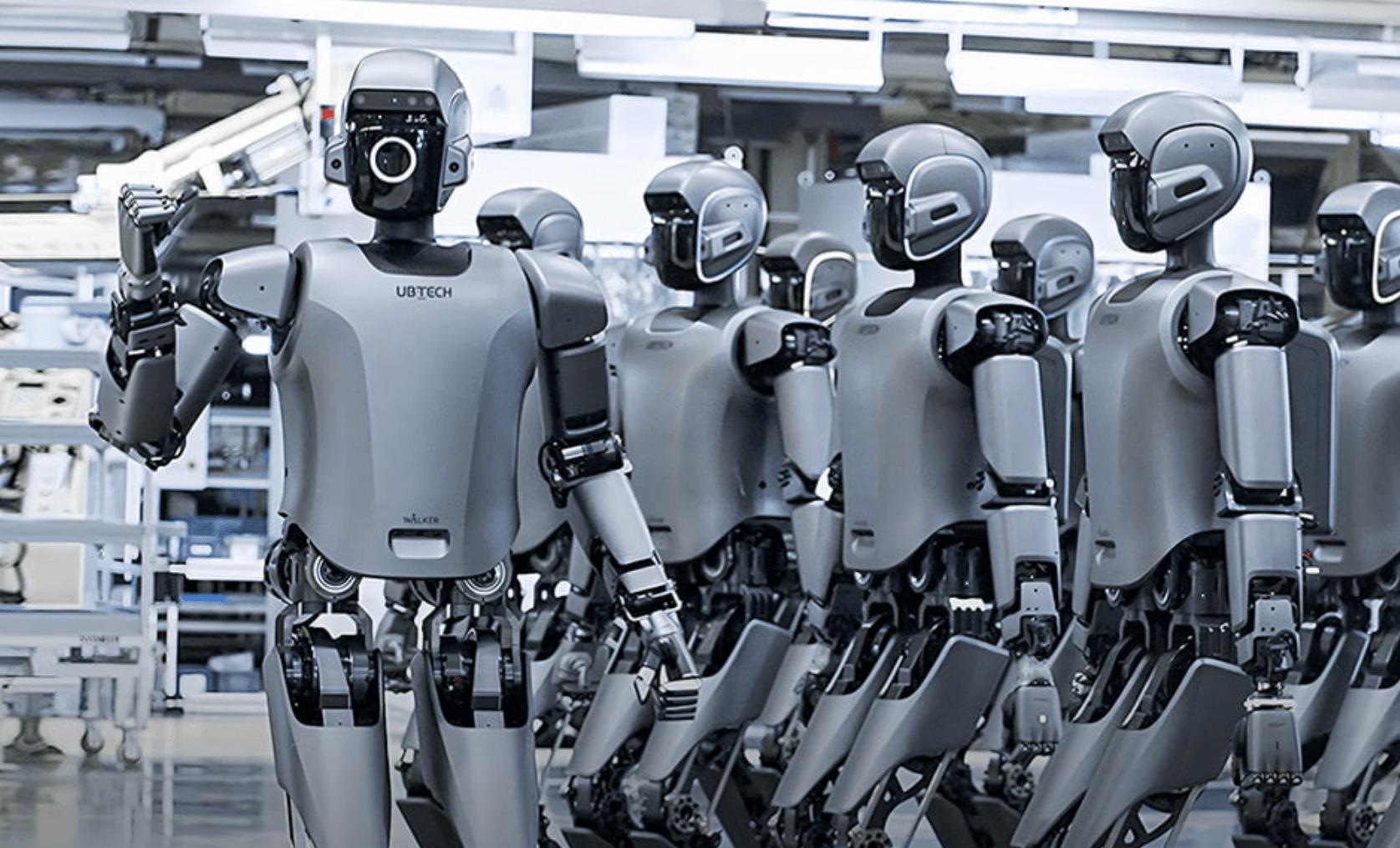
U.S. Moves to Ban Chinese Robots: Supply Chain Shock or Strategic Decoupling?
A bipartisan U.S. bill targets Chinese humanoid and autonomous robots in federal procurement. We analyse the supply chain, investor, and geopolitical implications for both China and U.S. robotics markets.

RobotToday Weekly Industry Briefing: March 23 – March 27, 2026
RobotToday's weekly industry briefing for March 21–28, 2026 covers Physical Intelligence's $1B raise, Amazon's Fauna Robotics acquisition, Agile Robots' DeepMind partnership, the launch of Europe's first robotaxi service, DJI's Avata 360 drone, Skydio's $52M Army order, and the latest in humanoid, AMR, and drone technology.


