


MVTec Software GmbH
Munich machine vision software developer founded 1996 as a TU Munich/FORWISS spin-off; makes the HALCON and MERLIC inspection platforms.
Contact MVTec Software GmbH
WEBSITE
https://www.mvtec.comPHONE
+49 89 4576950HEADQUARTERS
Germany

Company Facts
Founded
1996
Primary Role
Software/Algorithm
Company Size
-
Primary Region
Europe
Annual Sales
-
Funding Stage
-
Funding Total
-

Allied Vision Launches Alecs VSWIR Smart Camera with Sony's SenSWIR Technology
Allied Vision has introduced the Alecs VSWIR smart camera, which now incorporates Sony's SenSWIR sensor technology. This advancement allows the camera to operate within a spectral range of 400 to 1700 nm, enhancing its imaging capabilities significantly. The integration of SenSWIR technology is crucial as it expands the operational spectrum of the smart camera, making it suitable for various applications that require infrared imaging. This development is expected to attract interest from industries that rely on advanced imaging solutions. Looking ahead, it will be important to monitor how the Alecs VSWIR is adopted in different sectors and whether it meets the evolving needs of users in infrared imaging. No further timeline was disclosed at the time of publication.
Allgemein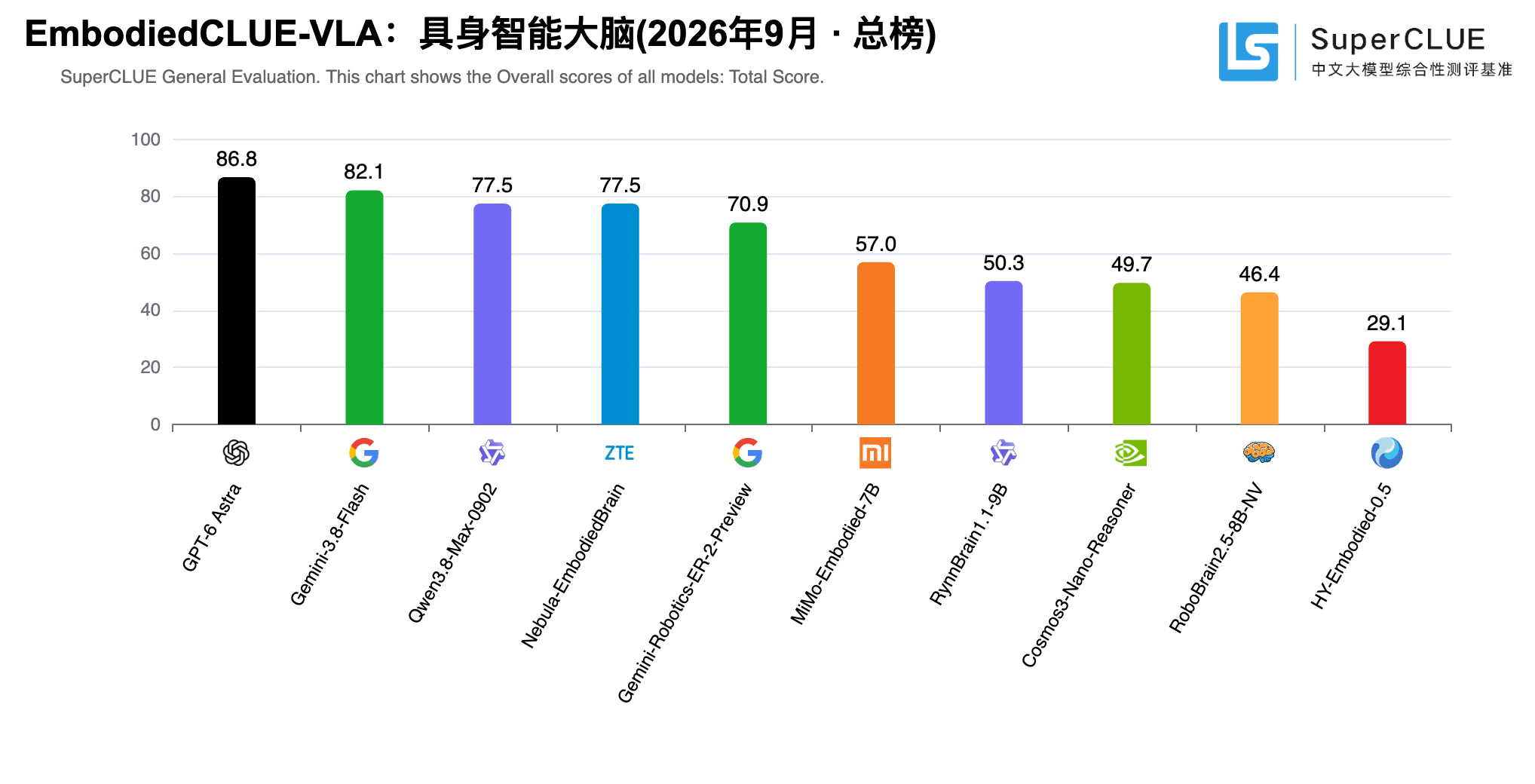
OpenAI's GPT-6 Astra Dominates SuperCLUE's Robot-Brain Benchmark with Planning Superiority
OpenAI's GPT-6 Astra achieved the highest overall score in SuperCLUE's September 2026 EmbodiedCLUE-VLA evaluation, leading with a score of 85.71 in interaction and planning. This score significantly surpasses the runner-up, Gemini-3.8-Flash, which scored 64.29, highlighting Astra's notable advantage in planning capabilities. The importance of this evaluation lies in its comprehensive assessment of ten models, which includes basic perception, visual reasoning, interaction, planning, and embodied safety. SuperCLUE's report indicates that while Astra leads in overall performance, the evaluation's fixed input/output protocol may limit the generalization of results across different tasks and protocols, making it a useful but narrow comparison of each model's capabilities. Looking ahead, the next critical aspect to observe is how these models perform in real-world scenarios, particularly in executing plans and adapting to unforeseen circumstances. The results from physical trials will be essential to determine the practical applications of these models in robotics, beyond the theoretical scores presented in this benchmark.
OpenAI China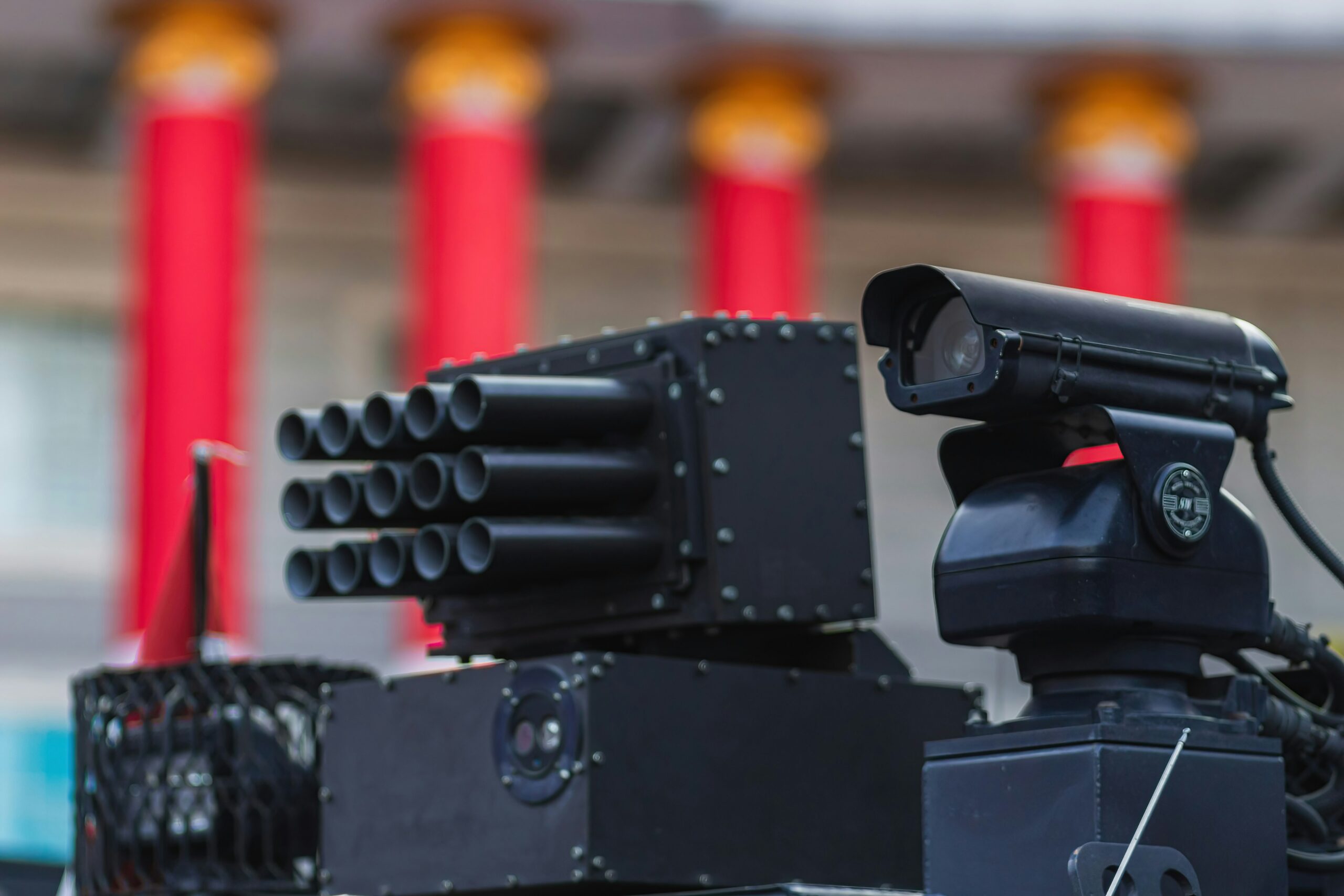
Robotics and Physical AI Addressing Key Physical Security Challenges in 2026
In 2026, over $23 billion has been invested in enhancing the integration of robotics and artificial intelligence for physical security. This investment aims to address the increasing complexity of threats against critical infrastructure, such as data centers and manufacturing plants. The adaptive capabilities of these technologies are essential for organizations to protect their assets effectively. The intersection of cybersecurity and physical protection presents new challenges, as demonstrated by the Jaguar Land Rover incident, where cyber breaches led to significant operational disruptions. Organizations must adapt to a rapidly changing security landscape, where legacy systems can exacerbate vulnerabilities. The need for proactive security measures is more pressing than ever, particularly in critical industries. At GTC Taipei 2025, companies like Foxlink showcased innovations such as the “robot dog,” designed to enhance physical security through adaptive functions and smart sensors. This technology represents a shift towards a more proactive security environment, enabling organizations to respond to complex threats effectively. No further timeline was disclosed at the time of publication.
Artificial Intelligence Artificial Intelligence / Cognition Automotive Autonomous Mobile Robots (AMRs) Cameras / Imaging / Vision Manufacturing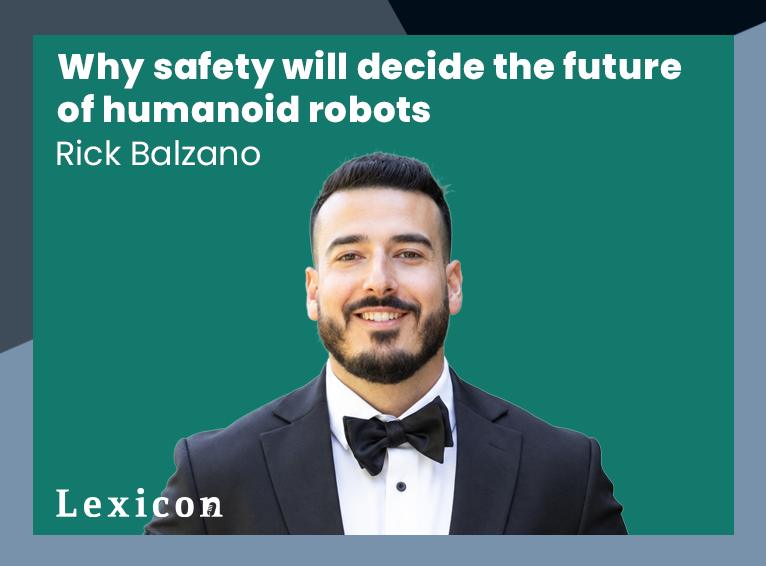
Safety Considerations Will Shape the Future of Humanoid Robots
In a recent discussion, Rick Balzano, Vice President of Go-to-Market for AI Services, Safety and Robotics at TaskUs, highlighted the critical work required to make humanoid robots reliable. He emphasized that unlike large language models, which operate on digital data, humanoid robots must navigate and interact with the physical world, necessitating extensive real-world data collection and validation. Balzano pointed out that while humanoid robots are often marketed as versatile workers, they currently remain highly specialized machines disguised in human-like forms. He noted that significant advancements have been made in areas such as locomotion and perception, but the gap between demonstration and real-world application is substantial, often involving controlled environments and remote assistance. Looking ahead, the industry must focus on bridging this gap to enhance the reliability of humanoid robots. Balzano's insights underscore the importance of safety and data integrity in developing robots that can operate effectively in diverse environments. No further timeline was disclosed at the time of publication.
AI and Robotics Innovation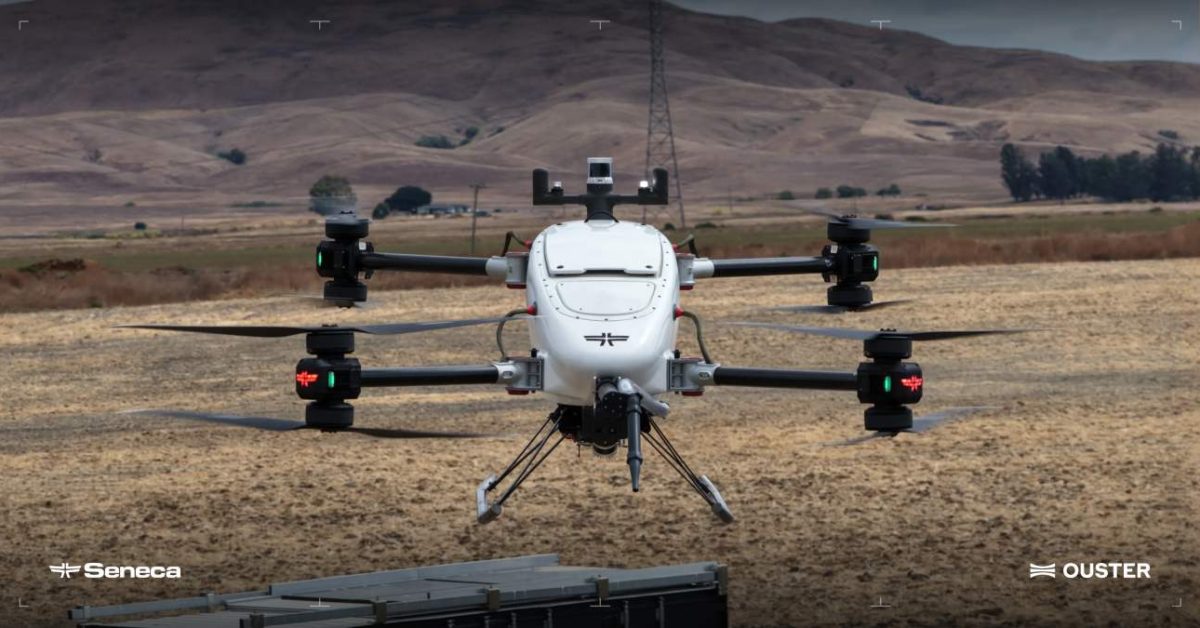
Ouster and Seneca Enhance Wildfire Drones with Advanced 3D LiDAR Technology
Ouster and Seneca have partnered to integrate Ouster’s Rev8 OS1 Max digital LiDAR into Seneca’s autonomous wildfire-response drones. This collaboration aims to enhance the drones' ability to perceive and navigate challenging environments, particularly during wildfires where visibility is often compromised. The integration of LiDAR technology allows Seneca's drones to create detailed 3D representations of their surroundings, improving their operational capabilities in various missions such as cargo delivery, terrain mapping, and infrastructure inspection. The Rev8 OS1 Max sensor, known for its high resolution and range, provides critical information for obstacle detection and flight path adjustments, essential for safe autonomous operations. As the demand for autonomous aircraft in emergency response grows, the partnership underscores the importance of advanced perception systems in ensuring safety and efficiency. No further timeline was disclosed at the time of publication.
News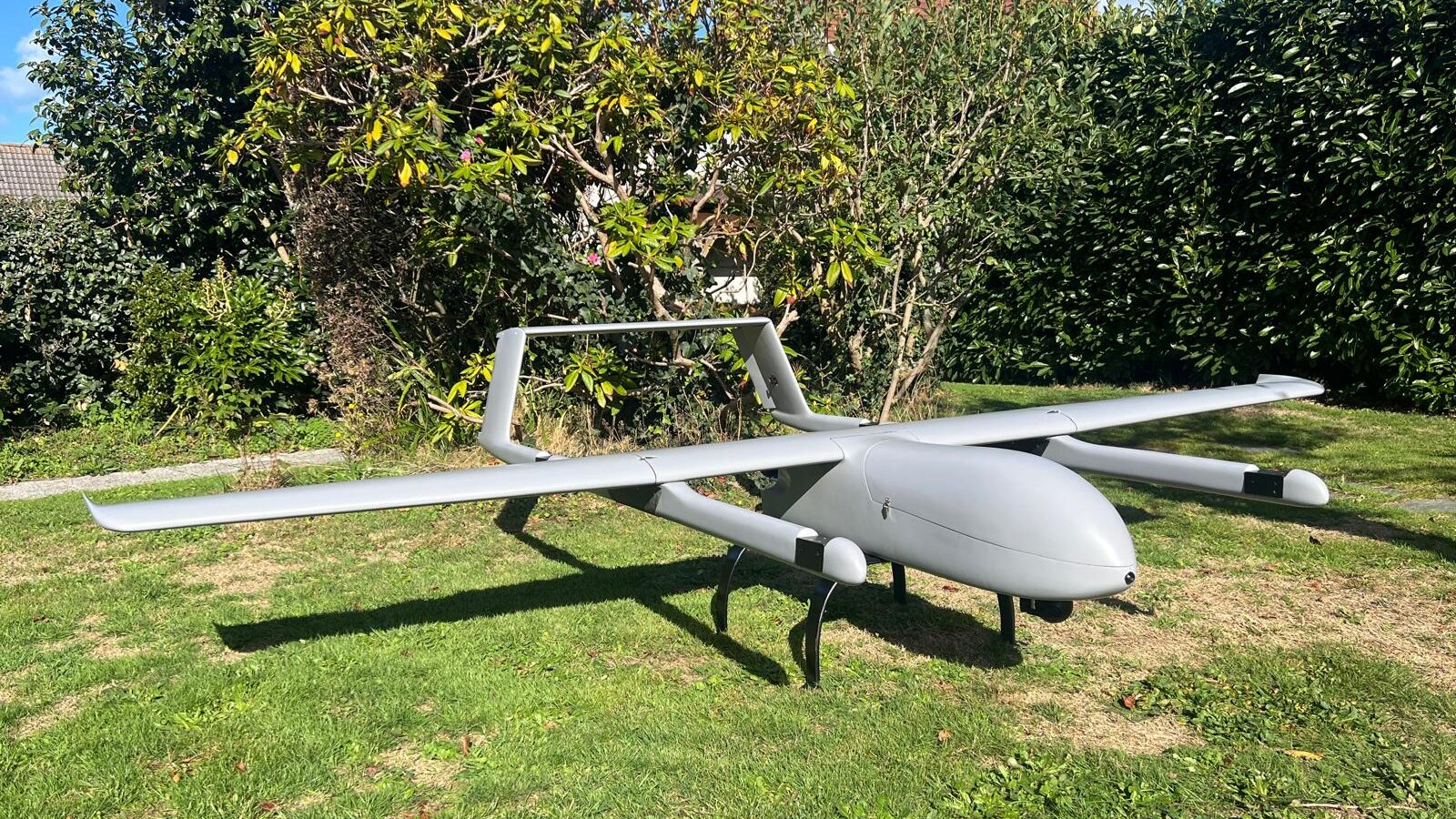
Ballistic Defense System Develops GPS-Free UAV Prototype Matador for Precision Operations
Moroccan startup Ballistic Defense System has unveiled its prototype unmanned aerial vehicle (UAV), named Matador, which operates without GPS. Instead, it utilizes cameras and advanced algorithms for navigation, enhancing its effectiveness in regions where GPS signals may be compromised. Co-founder Fahd Laamoumi emphasized the importance of the software layer, which includes visual inertial odometry and map matching agents, all coordinated by a Kalman filter for decision-making. The development of Matador, which began in December 2023, was completed in 18 months with an investment of $1.15 million from its founders. This UAV is designed as a one-way attack drone, offering advantages in sovereignty and precision, particularly in conflict zones where GPS jamming is prevalent. The prototype features a four-meter wingspan and a range of 250 km, with plans for a larger airframe to extend its range to 2,000 km. Ballistic Defense System is currently testing the Matador and is in discussions with the Moroccan army for potential procurement. The company has also received interest from two Gulf nations for demonstrations, which may include technology transfer and production collaboration. No further timeline was disclosed at the time of publication.
Air Warfare Global Land Warfare Agentic AI Air Force algorithms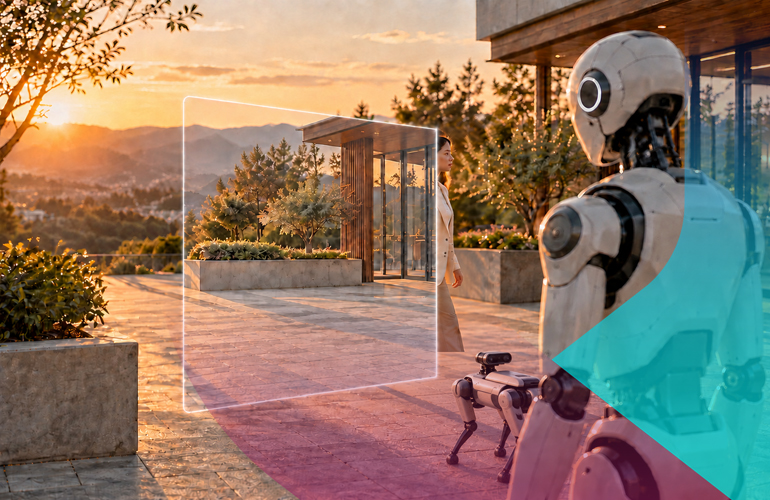
Exploring the Impact of Manipulated Inputs on Robot Safety Functions
VicOne LAB R7 investigates how manipulated inputs can affect robot behavior and safety. Mobile robots, collaborative arms, and humanoids rely on accurate environmental data to function safely. When inputs are incorrect, whether due to faults or deliberate manipulation, robots may respond inappropriately, raising concerns about safety protocols. Understanding the implications of these findings is crucial for safety and security teams. Research indicates that adversarial inputs can lead to unintended robot actions, as demonstrated in various tests involving vision-language-action models and audio manipulation. These studies highlight the need for robust safety assessments that account for both accidental faults and deliberate cyber threats. Looking ahead, organizations must evaluate their safety measures to ensure they can detect manipulated inputs effectively. The potential for attackers to exploit vulnerabilities in robot systems necessitates a reevaluation of risk assessments and safety protocols. No further timeline was disclosed at the time of publication.
Sponsored Content VicOne
Research from Toyohashi University Reveals Perception of Speed Varies by Approach Direction
A research team from Toyohashi University of Technology, led by associate professor Hideki Tamura, has found that objects approaching from behind are perceived to move faster than those coming from the front, despite having the same physical speed. This finding is significant as it sheds light on human perception and cognition, particularly in how we interpret the speed of moving objects based on their direction of approach. Understanding these perceptual biases can have implications in various fields, including robotics and human-computer interaction. Future research may explore the underlying mechanisms of this perception and its applications in technology design. No further timeline was disclosed at the time of publication.
Robotics
Ouster and Seneca Collaborate to Enhance Autonomous Drone Technology for Wildfire Response
Ouster, Inc. has partnered with Seneca to integrate its REV8 OS1 Max native color digital lidar into Seneca's autonomous drone platform. This collaboration aims to improve 3D perception capabilities in drones, enabling safer and faster operations in complex wildfire environments. The integration of Ouster's advanced lidar technology is significant as it enhances the operational efficiency of drones used in wildfire response. This partnership highlights the growing importance of advanced sensing technologies in improving emergency response efforts and mitigating the impacts of wildfires. Looking ahead, the collaboration between Ouster and Seneca may lead to further advancements in drone technology for various applications beyond wildfire response. No further timeline was disclosed at the time of publication.

RobotToday Weekly September 21 – 25, 2026
Cognex buys RealSense, Qualcomm acquires PickNik, the IFR counts 5 million factory robots, AGIBOT deploys 300 robots at Chimelong, and Tekever raises $580 million.

China’s Dexterous Hand Industry, 2026 Part 1 — The Demand Picture
MIR Databank puts China dexterous hand shipments above 30,000 units in 2026, yet only 3.5% of 2025 demand came from factory production. Part 1 of 3.

China’s Dexterous Hand Industry, 2026 Part 2 — The Technology
Linkage, tendon, direct drive or hybrid — and why hardware is converging while the DL1–DL5 manipulation scale decides who wins. Part 2 of 3.
ROBOTTODAY WEEKLY BRIEFING August 24 – 28, 2026
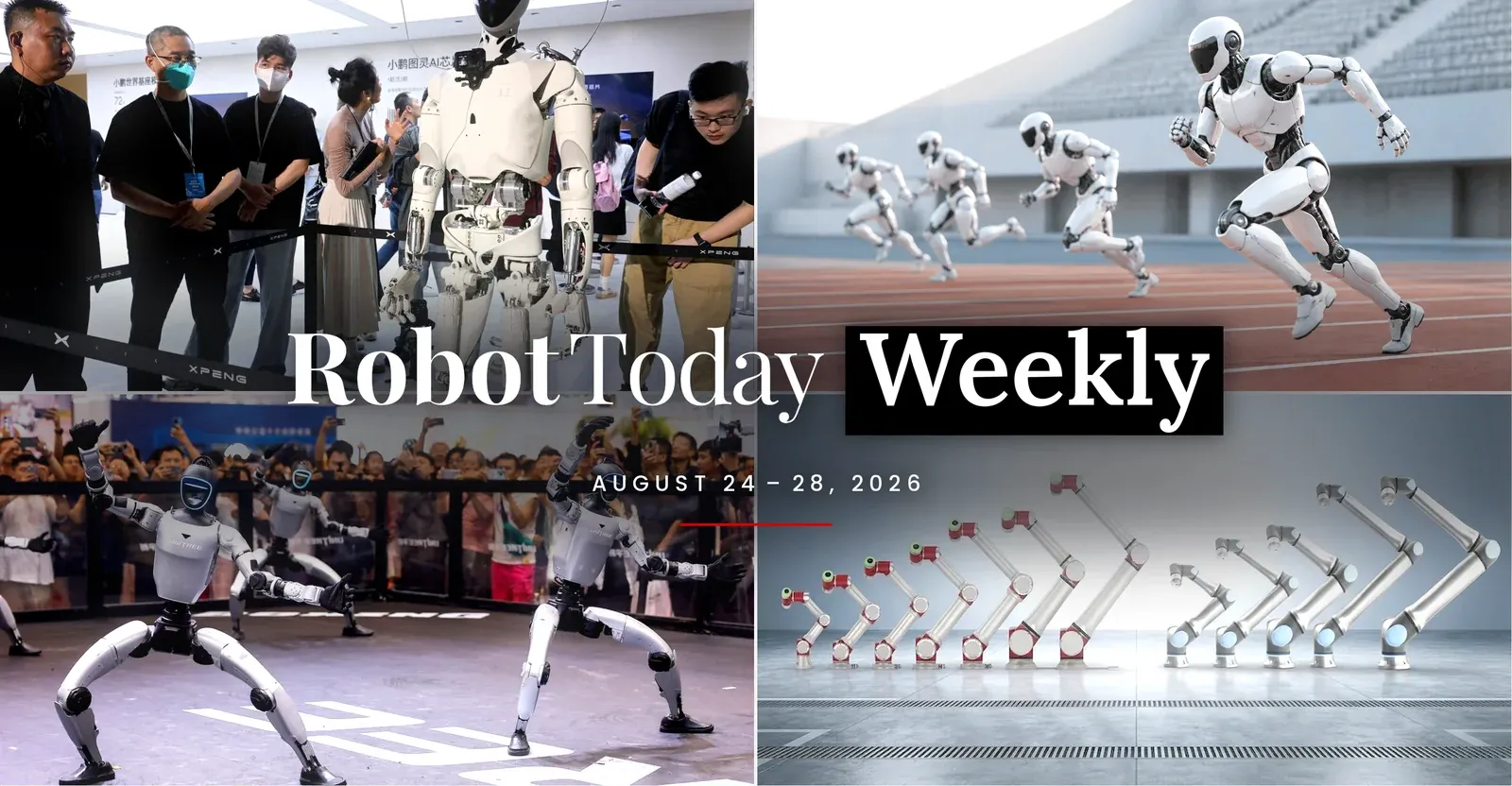
This week in robotics: XPeng's Dogotix raises over $900 million at a $6.3 billion valuation, Unitree's post-IPO slump revives bubble talk, Beijing's World Humanoid Robot Games close with a shift to real-world tasks, and Teradyne sues JAKA at Europe's Unified Patent Court. August 24–28, 2026.
WRC 2026 Core Components: 137 Robot Parts Suppliers
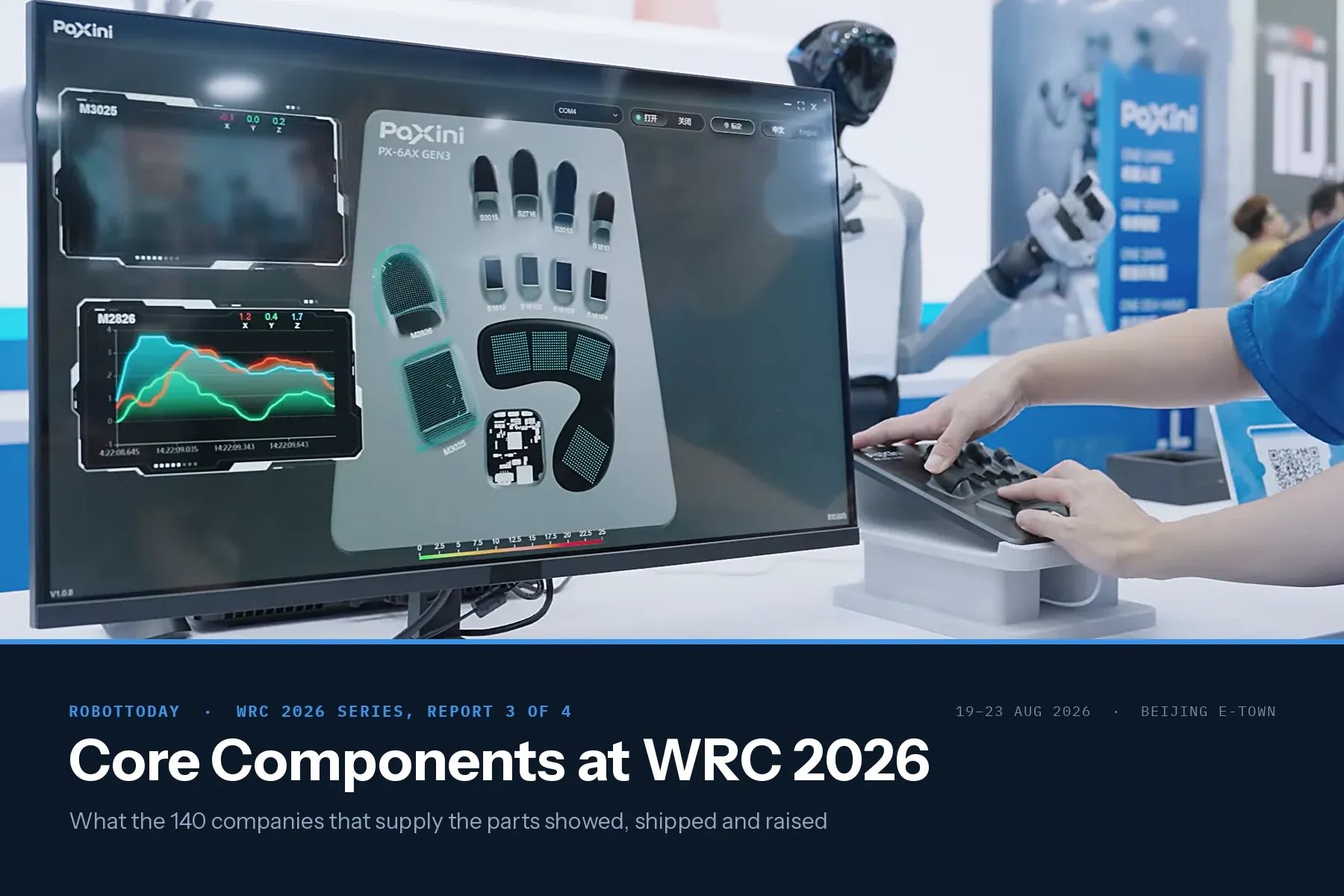
The third report in the WRC 2026 series. Report 1 mapped all 248 exhibitors by category and Report 2 covered the 139 that build finished robots. This one covers the 137 that build what goes inside them.

WRC 2026 Exhibitor Map: 248 Robotics Companies Mapped
We classified 248 WRC 2026 exhibitors with the RobotToday taxonomy. Motion & Actuation leads at 75 companies, Humanoid at 72, and compute stays thin at 12. (Modified 2026-08-27)

Handbook of Marine Craft Hydrodynamics and Motion Control Thor I. Fossen — RSF Specialist Shelf · Book S1 of 6
Added mass, wave loading, DVL navigation: the marine GNC reference for USV, ROV and AUV service engineers. The hardest book on the RSF list, 5/5.
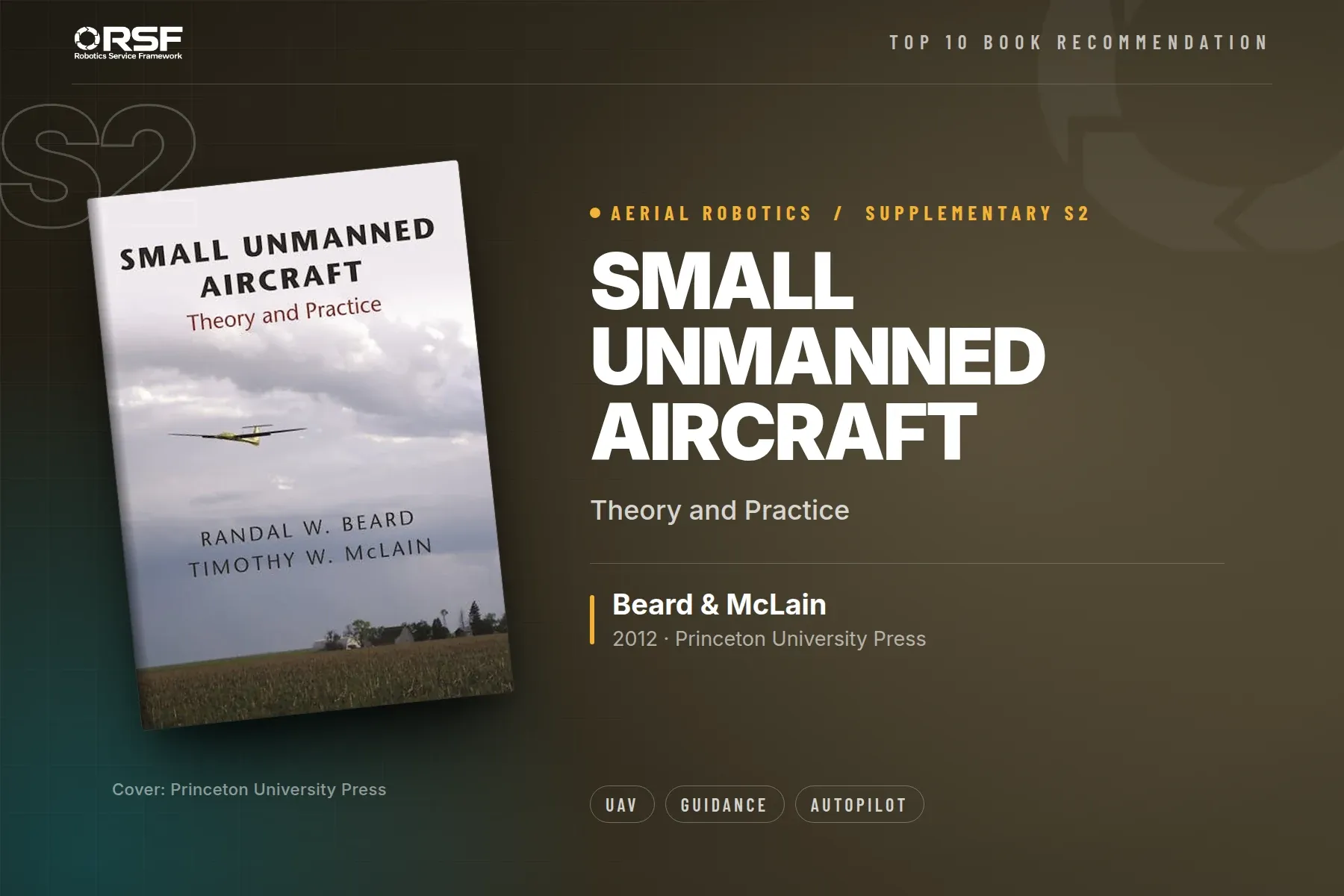
Small Unmanned Aircraft: Theory and Practice Beard & McLain — RSF Specialist Shelf · Book S2 of 6
Beard & McLain derive the fixed-wing autopilot the RSF Top 10 never does: successive loop closure on roll, pitch, altitude and airspeed. 4/5.

Reinforcement Learning: An Introduction Richard S. Sutton & Andrew G. Barto — RSF Specialist Shelf · Book S5 of 6
“It's the AI” will not satisfy an OEM support call. Sutton & Barto turn that into something a service engineer can investigate. Free PDF, Part I 4/5.

Planning Algorithms Steven M. LaValle — RSF Specialist Shelf · Book S4 of 6
The reference that treats planning as a subject in its own right: configuration space, sampling-based methods, RRT. Free online, dual difficulty 4/5-2/5.

MVTec showcases cutting-edge AI technologies and highly flexible machine vision software at Automate 2026
MVTec Software GmbH will showcase its advanced AI technologies and flexible machine vision software at the Automate trade show, taking place from June 22 to 25, 2026, in Munich. With a strong presence in the North American market, the company aims to demonstrate how its hardware-independent software can enhance efficiency across various industries, including semiconductor manufacturing and food and beverage. Dr. Olaf Munkelt, Managing Director and co-founder, emphasized the significance of the event, stating that their products facilitate sustainable digital transformation through cutting-edge AI. Attendees can experience live demonstrations of MVTec's software, including HALCON and MERLIC, which feature innovations like Deep 3D Matching for robust object detection and Global Context Anomaly Detection for comprehensive inspection tasks. MVTec's commitment to hardware independence allows users to select any compatible camera or sensor, ensuring optimal performance in demanding applications. Heiko Eisele, President of MVTec LLC, highlighted the flexibility this offers to companies seeking to optimize production lines. Additionally, MVTec experts will participate in the conference program, with Agnes Weiershaeuser presenting on practical deep learning for industrial vision on June 22. This event underscores MVTec's ongoing dedication to advancing industrial automation through innovative machine vision solutions.


