


3DEO
US-based metal AM service using patented Intelligent Layering to produce high-volume stainless steel parts for medical, defense, and aerospace.
Contact 3DEO
WEBSITE
https://www.3deo.coPHONE
-5164HEADQUARTERS
United States

Company Facts
Founded
2016
Primary Role
Manufacturer
Company Size
-
Primary Region
North America
Annual Sales
-
Funding Stage
-
Funding Total
-
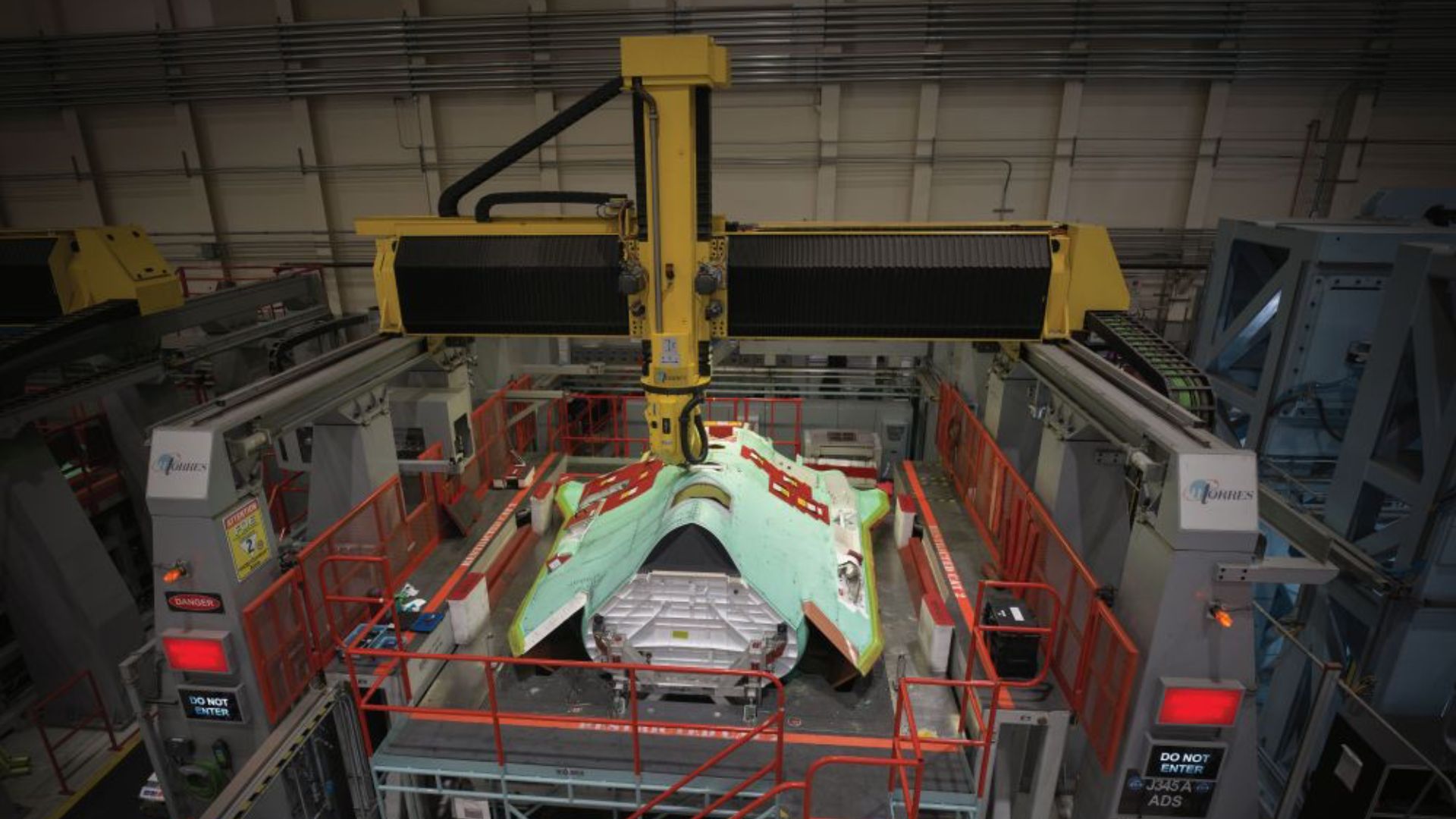
Northrop Grumman Enhances F-35 Production with Collaborative Robot and AI Inspection Tools
Northrop Grumman has significantly improved the F-35 avionics assembly process by integrating a collaborative robot, reducing bolt-installation time from hours to mere minutes. This advancement focuses on the Communications, Navigation and Identification (CNI) modules, enhancing production speed and precision. The introduction of the co-bot not only streamlines the assembly process but also allows Northrop Grumman to reallocate employees to other critical tasks, thereby boosting overall production efficiency. Additionally, the company is implementing AI-based inspection tools to detect potential defects in completed avionics modules, ensuring high-quality standards before shipment. Looking ahead, Northrop Grumman plans to extend its AI-enabled quality control systems across the CNI production line, further enhancing inspection capabilities. The ongoing automation efforts at the company, including the use of robotics and mixed reality tools, are set to improve the manufacturing of the F-35 center fuselage, with a production rate of one unit every 30 hours. No further timeline was disclosed at the time of publication.
Military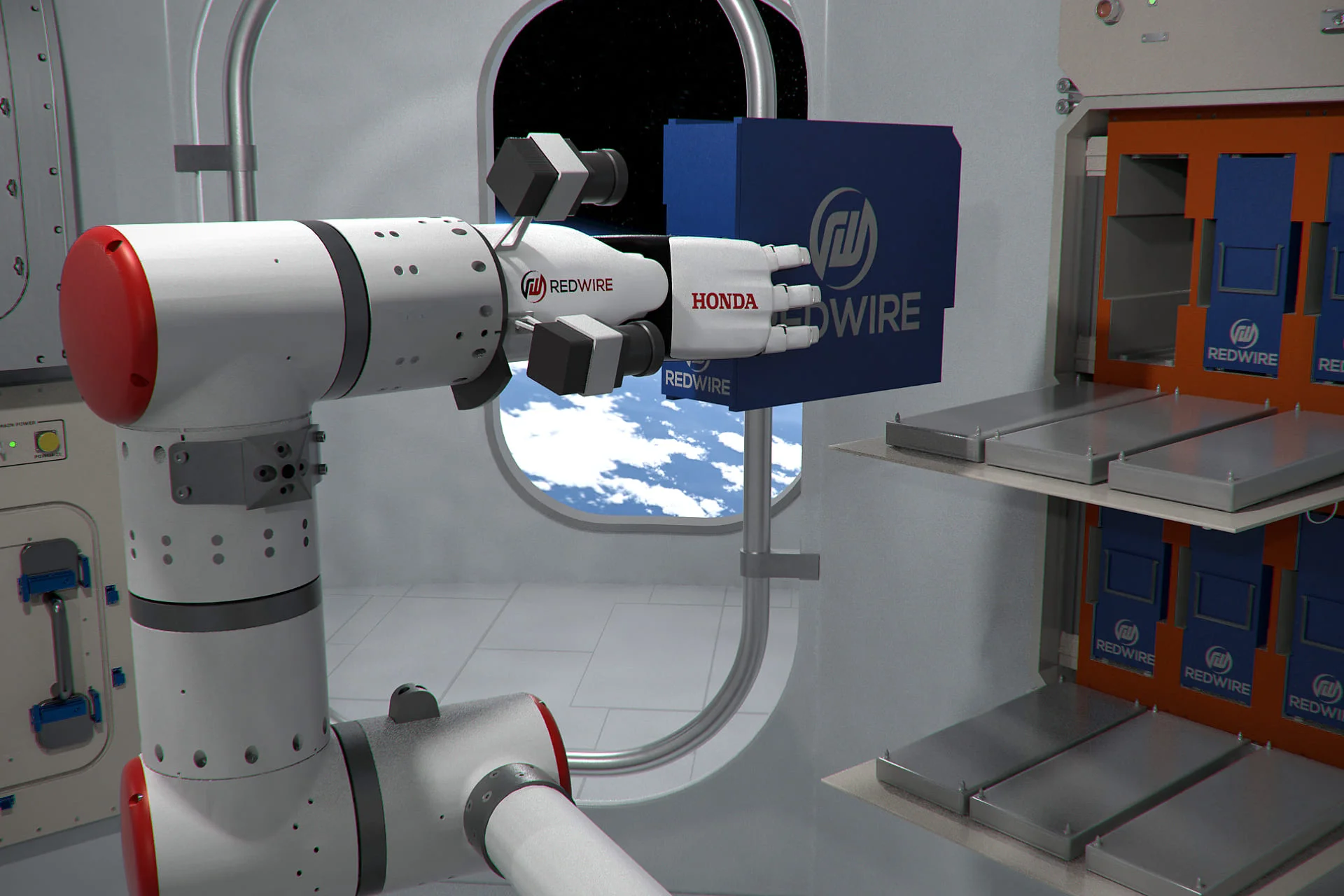
Honda and Redwire Collaborate on Robotic Lab System for Future Space Stations
Honda's U.S. space development team is collaborating with Redwire to create a robotic system designed for future commercial space stations. This system aims to automate laboratory tasks, including sample handling and equipment operation, by integrating Honda's multi-fingered robotic hand with Redwire's STAARK robotic arm. The initiative is timely as NASA transitions from the International Space Station to commercially operated stations, which may require increased automation to optimize astronaut efficiency. The collaboration is significant as it addresses the growing need for automation in low Earth orbit, particularly with the expected reduction in crew sizes and shorter astronaut stays. Honda's dexterous robotic hand, equipped with advanced sensors, is designed to perform delicate tasks, while Redwire's STAARK arm offers the necessary reach and positioning capabilities. This partnership could enhance research operations and support the evolving landscape of commercial space exploration. Looking ahead, Honda and Redwire plan to present their robotic system at the International Astronautical Congress in Antalya, Türkiye, from October 5-9. This event will provide an opportunity to engage with commercial station developers and industry partners, discussing potential applications and further advancements in space robotics.
Business & Markets Enterprise Physical AI collaboration Honda NASA
Podcast Discusses Smarter Predictive Asset Management and Its Operational Benefits
In a recent episode of Automation World Gets Your Questions Answered, Chris McNamara interviews Steve Kaminski from Banner Engineering. Kaminski discusses how condition monitoring transforms machine data into actionable insights, enabling manufacturers to maintain efficiency and prevent failures. He emphasizes starting with critical equipment like compressors and pumps for optimal results. This conversation is significant as it underscores the importance of condition monitoring in enhancing operational efficiency. By utilizing Banner’s Snap Signal ecosystem, manufacturers can integrate various sensors into a cohesive data network, which aids in early detection of mechanical issues and optimizes maintenance schedules. This proactive approach can lead to reduced downtime and lower operational costs. Looking forward, Kaminski anticipates advancements in user-friendly systems that will facilitate both basic monitoring and automated maintenance workflows. No further timeline was disclosed at the time of publication.
Sponsored
Boston Dynamics Introduces New Four-Finger Hand for Atlas Humanoid Robot's Industrial Tasks
Boston Dynamics, the robotics division of Hyundai Motor Group, revealed a new four-finger hand for its Atlas humanoid robot on Thursday. This advanced hand is designed to enable Atlas to perform complex and continuous tasks, enhancing its versatility in environments where human tools are used. With 13 degrees of freedom, the hand features pressure-based tactile sensors that allow it to adapt grip strength and finger movements based on the object's characteristics. The development of this robotic hand is significant as it addresses the need for humanoid robots to operate effectively in industrial settings. The design focuses on complexity, power consumption, cost efficiency, durability, and maintenance, ensuring that the hand can withstand various operational demands. In demonstrations, Atlas showcased its capabilities by performing tasks such as drilling and manipulating small objects, highlighting the practical applications of the new hand in real-world scenarios. Looking ahead, Boston Dynamics has established the Robotics Metaplant Application Center to further refine Atlas's capabilities. This facility will gather manufacturing data and enhance the robot's learning through simulations and real-world applications. No further timeline was disclosed at the time of publication.
All News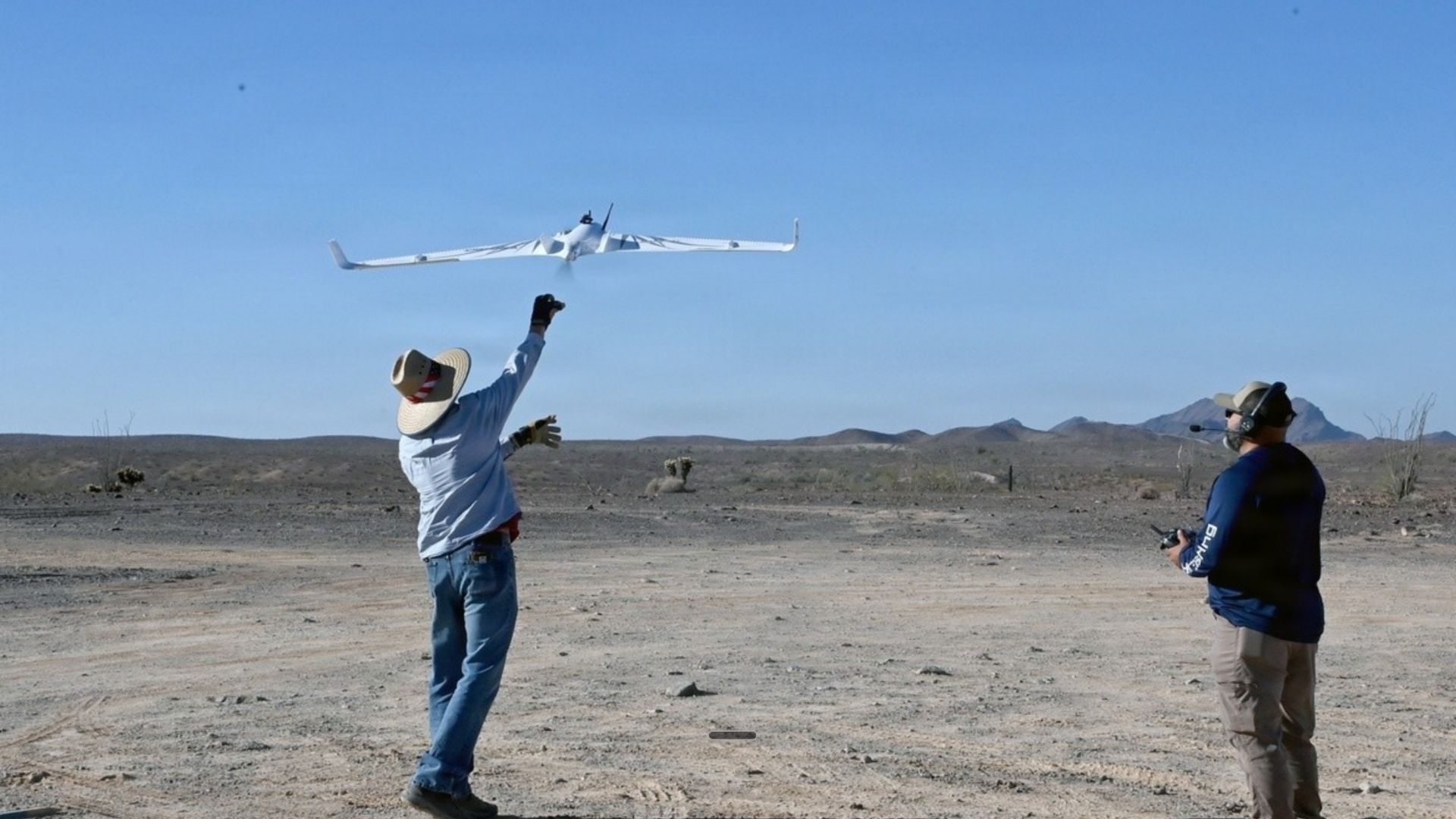
US Army Launches Permanent Anti-Drone Test Lanes at Yuma Proving Ground
The US Army has established three permanent counter-drone test lanes at Yuma Proving Ground in Arizona to assess systems for detecting, disrupting, and destroying small drones. These lanes were utilized during Falcon Peak 26.2, an operational experiment that took place in September, simulating drone incursions along the US southern border. This initiative is significant as it marks the first Falcon Peak event to replicate drone incursions in desert conditions, providing a realistic environment for testing various counter-drone technologies. Each lane focuses on different aspects of counter-drone operations, including detection, electronic disruption, and kinetic destruction, allowing vendors to evaluate their systems against multiple scenarios. Looking ahead, the lanes will remain available for ongoing testing with the Department of War and its partners. The Army aims to standardize measurement specifications for these lanes, establishing a baseline for future evaluations. No further timeline was disclosed at the time of publication.
Military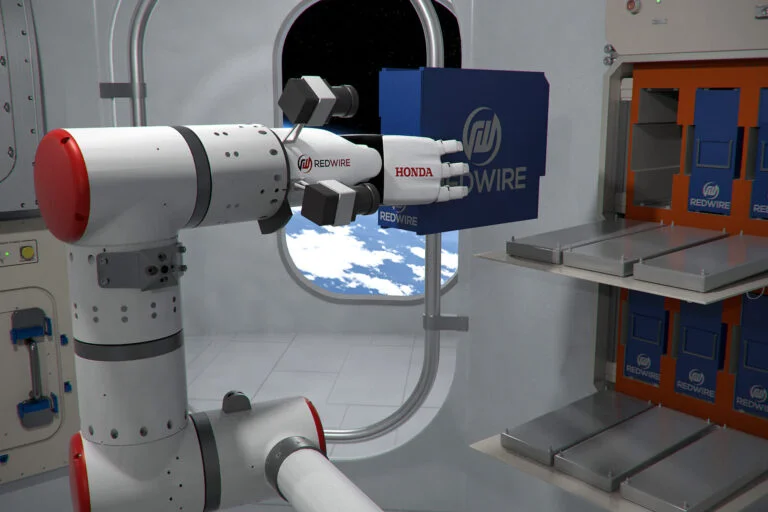
Eni and Generative Bionics Collaborate on Humanoid Robotics for Industrial Applications
Eni and Generative Bionics have signed a memorandum of understanding to explore the industrial applications of the GENE.01 humanoid robot. This collaboration will focus on areas such as inspection, teleoperation, and remote assistance in complex operational environments. The partnership is significant as it combines Eni's expertise in industrial operations, computing, and materials with Generative Bionics' advancements in humanoid robotics and physical AI. The goal is to assess how humanoid robots can enhance safety and efficiency in Eni's facilities. Future developments to watch include the evaluation of materials for humanoid systems, innovations in footwear design for the GENE.01, and potential manufacturing and testing at Eni's industrial sites. No further timeline was disclosed at the time of publication.
Business & Markets Enterprise Humanoids Physical AI
Performance Networks Implements Warehouse WiFi for Huel's New Manufacturing Facility
Huel, a complete-nutrition brand, has invested £8 million in a new manufacturing facility located in Milton Keynes, which spans 71,800 sq ft. This site will produce Huel's Powder and Hot & Savoury ranges for customers in the UK and Europe, while also increasing Ready-to-drink output. The facility is situated in the UK’s first carbon net-zero logistics and manufacturing park, aligning with Huel's commitment to sustainability. To ensure efficient operations, Huel prioritized the installation of a reliable network infrastructure. They partnered with Performance Networks to design and implement a secure local area network and warehouse-grade WiFi. The unique challenges of warehouse WiFi, such as tall metal racking and fluctuating stock levels, required a tailored approach. Performance Networks utilized Ekahau software for passive and predictive WiFi surveys to create a network design suited to Huel's operational environment. The design process included detailed planning based on the warehouse's final layout, considering factors like metal interference and employee movement. Performance Networks produced heatmaps and a cabling plan to ensure optimal equipment placement and minimize the risk of future modifications. No further timeline was disclosed at the time of publication.
Warehouse I.T.
MIT Students Create Comprehensive Guide on Aerospace Entrepreneurship for Future Innovators
In a unique class project, students from MIT's Entrepreneurship in Aerospace and Mobility Systems course developed a 100-page report titled 'Entrepreneurship in Aerospace.' This report, inspired by the bestselling guide 'Disciplined Entrepreneurship,' offers insights into building aerospace ventures and forecasts future industry trends. The aerospace sector is currently undergoing significant changes, driven by increased capital, talent, and policy focus, marking a pivotal moment for new entrepreneurs and investors. The report outlines five key predictions about the evolving space economy, emphasizing the importance of off-world infrastructure and the role of venture capital in funding. Looking ahead, the report suggests that while the aerospace industry is ripe for innovation, challenges remain, particularly regarding regulatory frameworks. No further timeline was disclosed at the time of publication.
Classes and programs Students Space Business and management Education, teaching, academics Spaceflight
Increasing Demand for Mobile Robot Peripherals to Enhance Automation Solutions
The demand for autonomous transport systems is rising, driven by the need for automation in production and logistics. This shift highlights the importance of not only the vehicles themselves but also the peripherals that support safe and reliable transport. A new solution featuring a standardized base vehicle with customizable attachments addresses the need for flexibility in design while meeting manufacturer specifications, enabling a wide range of applications. This development is significant as it allows companies to optimize their logistics and production processes, enhancing efficiency and reliability. The integration of adaptable peripherals with mobile robots can lead to improved operational workflows and reduced manual handling, which is crucial in today's fast-paced industrial environments. As automation continues to evolve, the role of effective peripheral systems becomes increasingly vital. Looking ahead, the industry will likely see further innovations in mobile robot peripherals that cater to diverse operational needs. The ability to customize attachments will be a key factor in the adoption of these systems across various sectors. No further timeline was disclosed at the time of publication.
Allgemein Anwendungen & Lösungen Automation Fördertechnik & Handling Lagerlogistik & Materialfluss Mobile Robotik
Productive Robotics Unveils OB7-AI 7-Axis Cobot Featuring Physical AI
At IMTS 2026, Productive Robotics launched the OB7-AI, a 7-axis collaborative robot designed to enhance CNC machine tending efficiency. This innovative cobot integrates Artificial Intelligence (AI) and no-code interfaces, marking a shift from traditional programming methods to adaptive collaboration. The introduction of the OB7-AI is significant for job shops and contract manufacturers, as it allows them to reduce time spent on CNC machine tending tasks. This advancement reflects Productive Robotics' commitment to leading the market with its zero-programming, teach-by-touch technology, which has been a hallmark of their 7-axis collaborative robots for over a decade. Looking ahead, the industry will be keen to observe how the integration of AI in collaborative robots like the OB7-AI influences operational efficiency and productivity in manufacturing environments. No further timeline was disclosed at the time of publication.

Siemens on Robots, Agentic AI and the "Last 3%" Problem
Siemens tells RobotToday at IMTS 2026 why AI robot demos are only the tip of the iceberg, and why agentic AI depends on PLM data and business context.
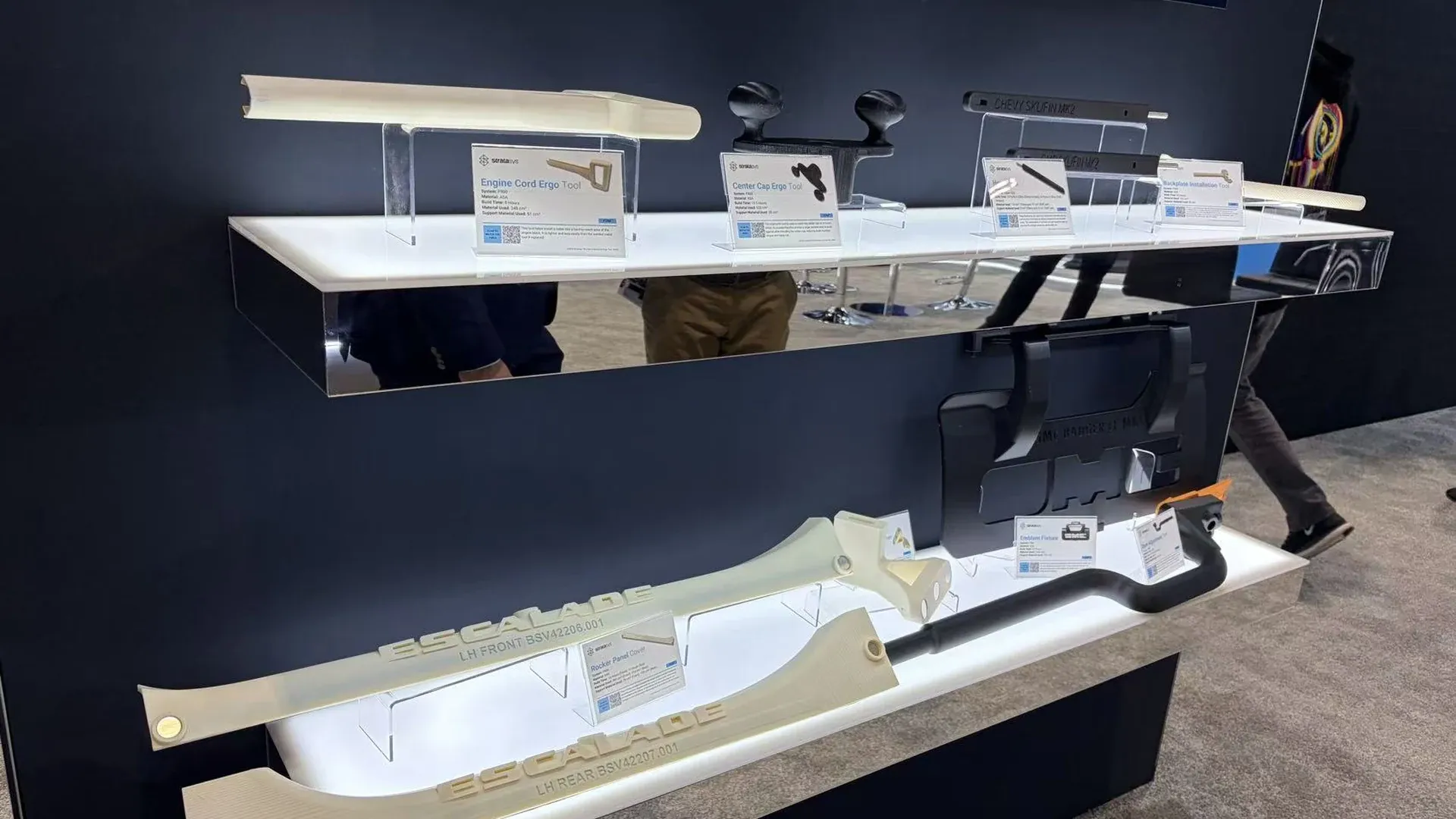
Stratasys at IMTS 2026: GM Scales Additive to 20+ Plants
Stratasys is rolling additive out across 20+ GM plants while Toyota prints robot grippers. Booth build data, the F870, and where the cost case breaks.

IMTS 2026 Preview: Record Orders and the Automation Story
IMTS 2026 opens in Chicago with 1,788 exhibitors and record H1 machine tool orders. What the USMTO data says about automation, and the booths to see.
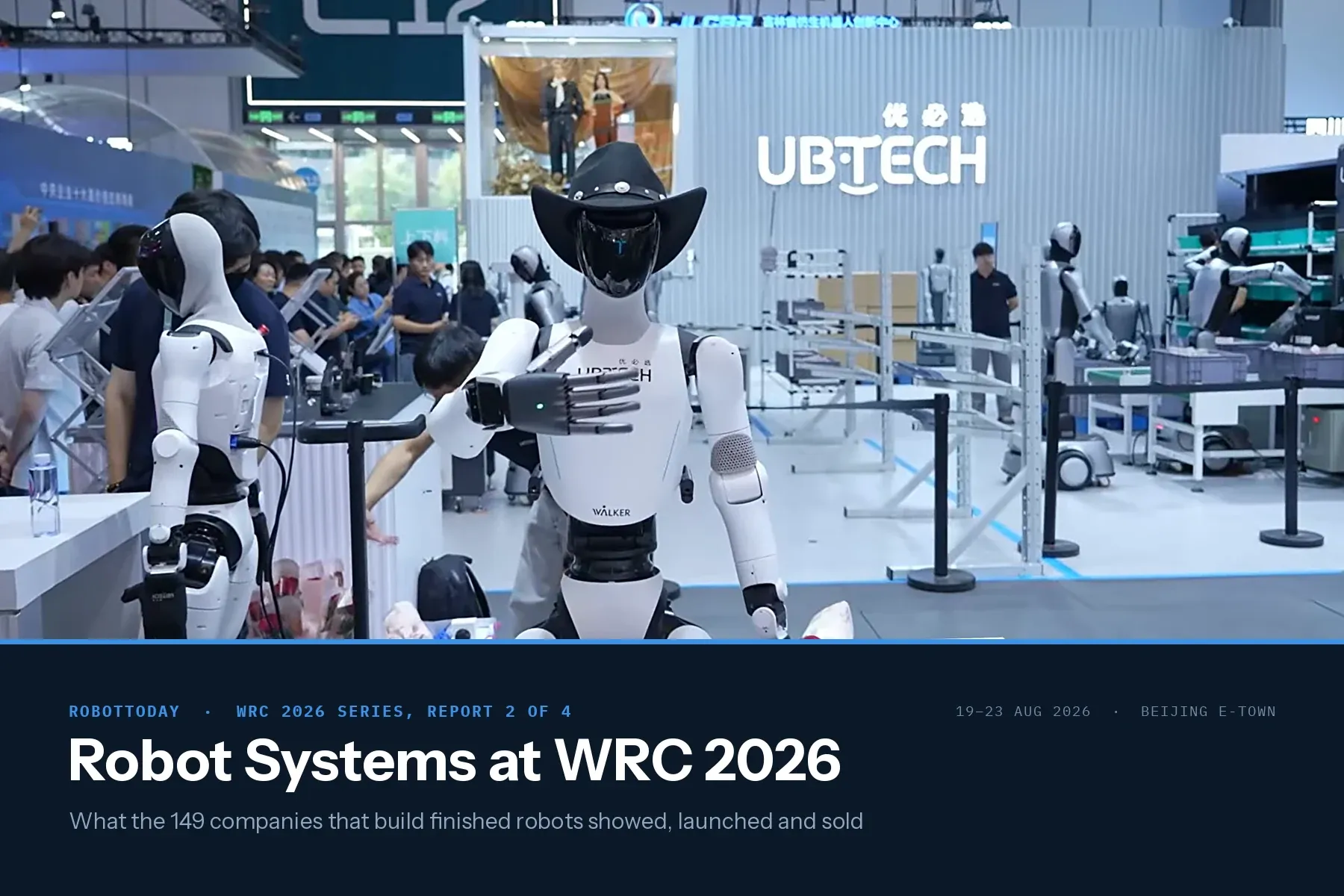
WRC 2026 Robot Systems: 149 Companies That Build Robots
149 of the 248 classified WRC 2026 exhibitors build finished robots. 93 build humanoid or legged machines. The audited humanoid sales number is one unit.

WRC 2026 Exhibitor Map: 248 Robotics Companies Mapped
We classified 248 WRC 2026 exhibitors with the RobotToday taxonomy. Motion & Actuation leads at 75 companies, Humanoid at 72, and compute stays thin at 12. (Modified 2026-08-27)
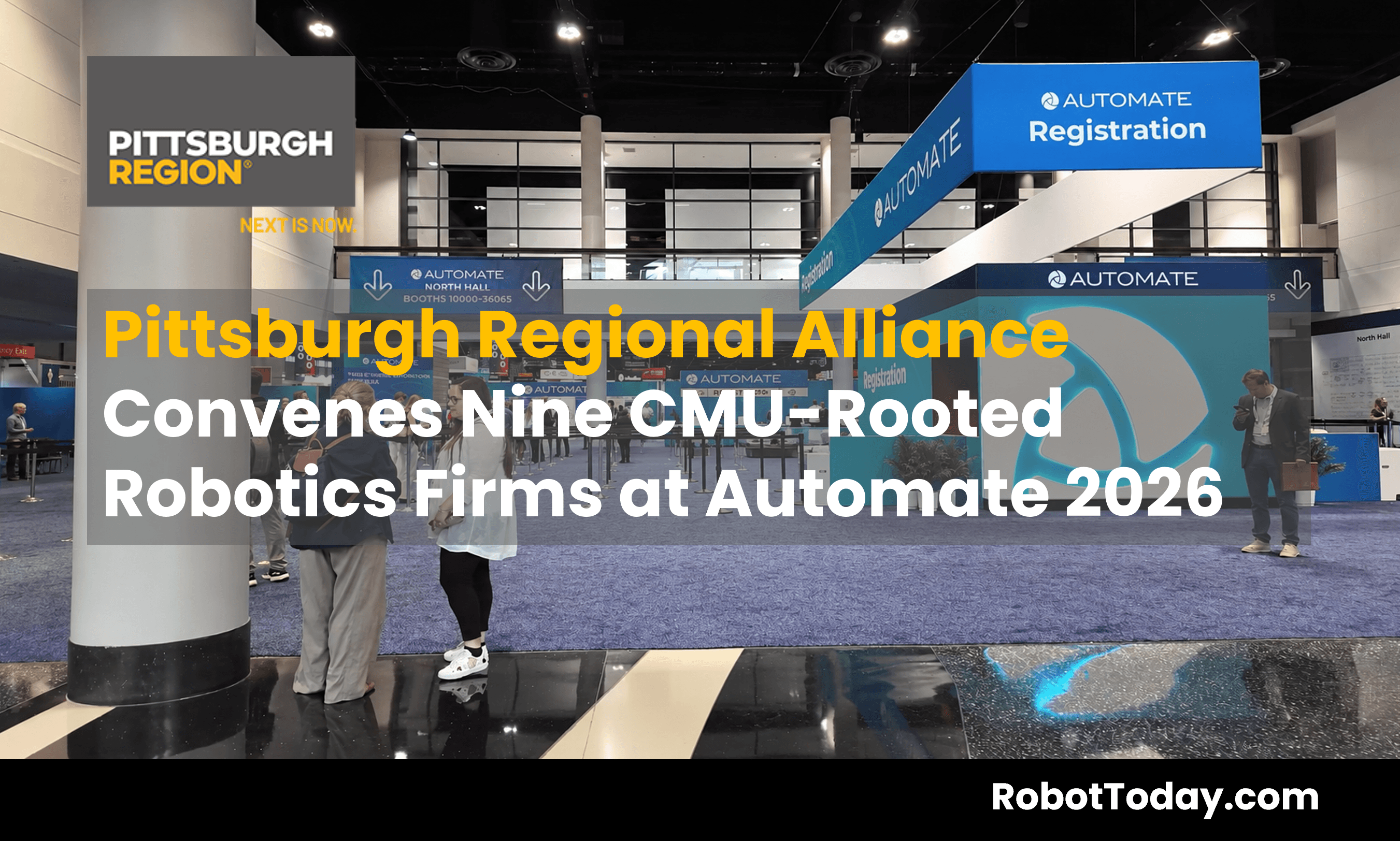
Pittsburgh Regional Alliance Convenes Nine CMU-Rooted Robotics Firms at Automate 2026
At Automate 2026, the Pittsburgh Regional Alliance convened nine robotics firms — most spun out of Carnegie Mellon — spanning materials, perception and AMRs.
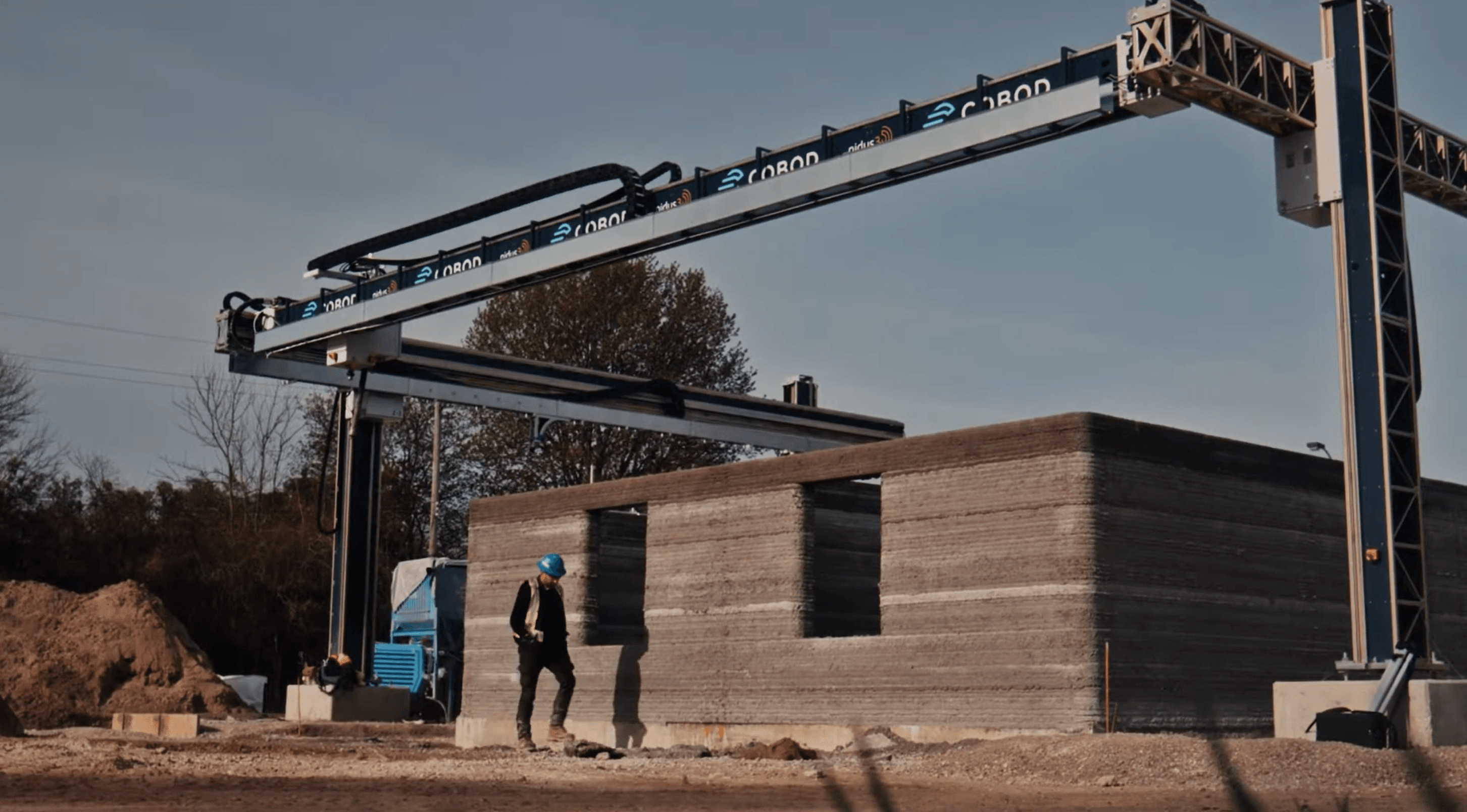
CONSTRUCTION ROBOTICS | MODULAR, PREFAB & 3D PRINTING
Modular, prefab, and 3D printing are moving construction off-site. ICON's Phoenix printer targets multi-story builds. PERI-COBOD's DREIHAUS delivered 30% faster and 10% cheaper in Germany. WinSun re-enters the US as Gaudi Tech. The paradigm shift is accelerating.
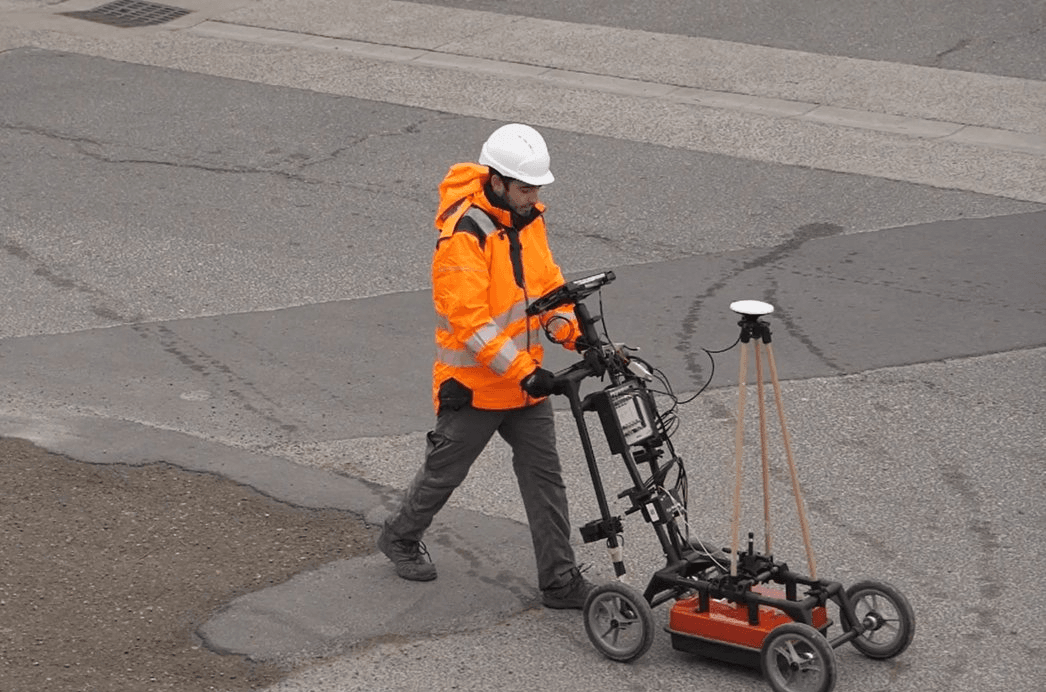
CONSTRUCTION ROBOTICS | INSPECTION, SCANNING & DIGITAL TWIN
Inspection, scanning, and digital twin robots are construction's widest adoption curve. BCA-mandated drone façade inspections in Singapore, DroneDeploy's 3M+ sites, Boston Dynamics Spot Cam 2, and Exodigo's $214M funding define the segment. Key stat: Inspection/scanning commands 30% of construction robot applications (FactMR, 2025; unverified).
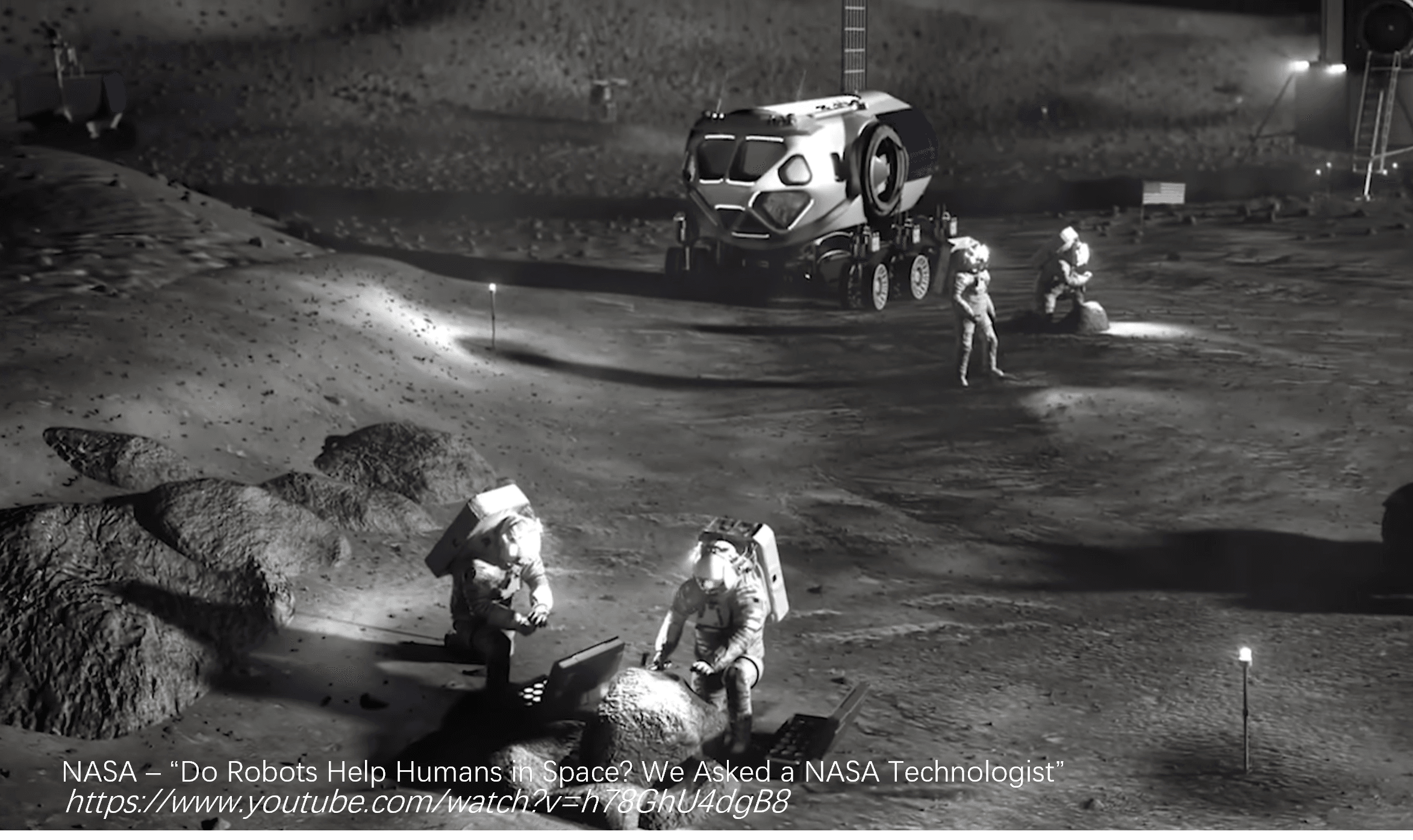
Space Robot- Building Skyscrapers in Space: ISMA's Industrial Revolution
ISAM technology breaks rocket fairing limits through robotic space manufacturing. Market grows from $3.5B to $14.5B by 2032. See how 3D printing, autonomous assembly, and orbital fabrication are creating off-Earth factories.
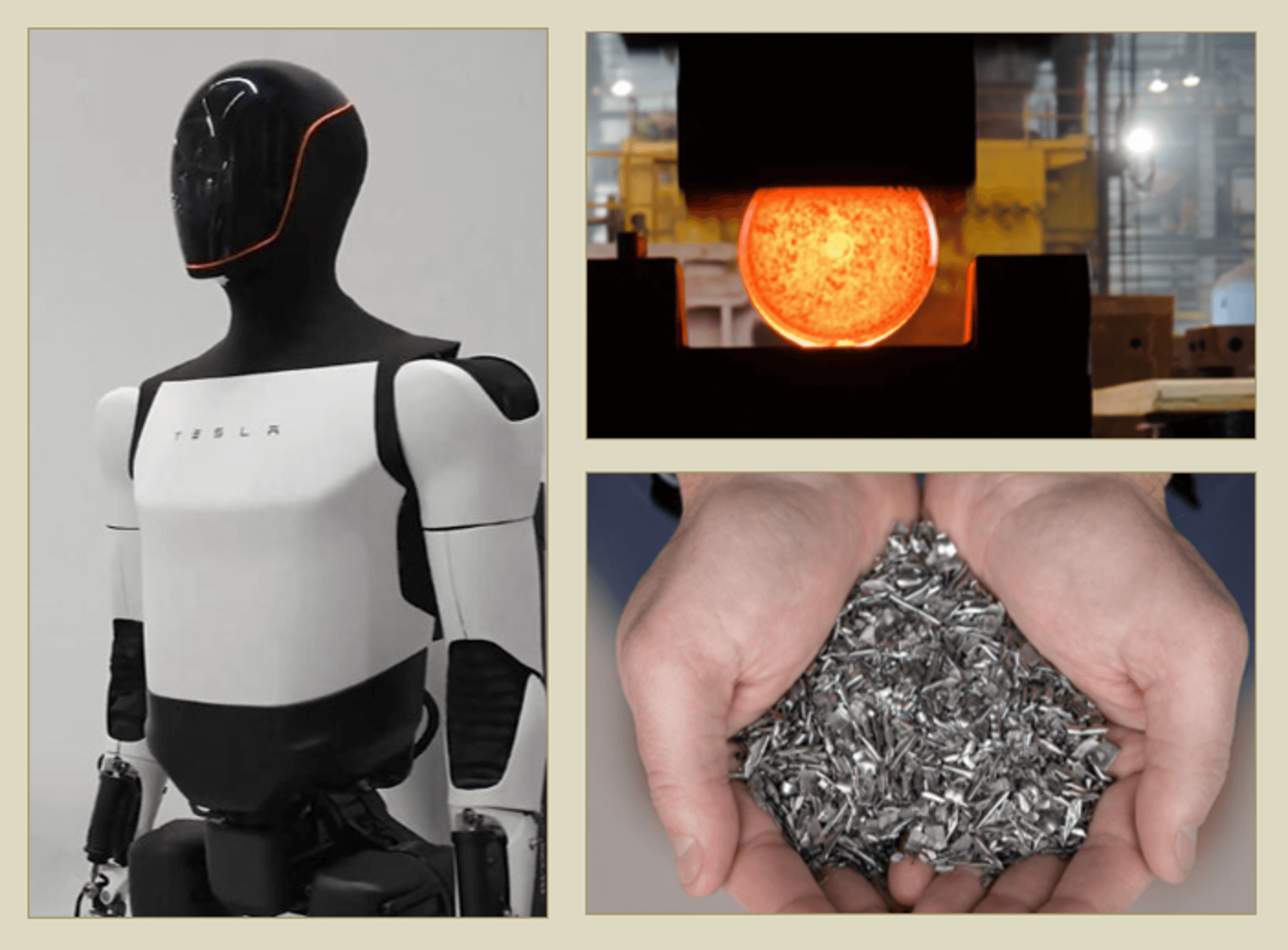
How Titanium Is Quietly Rewiring the Future of Robotics
Titanium’s strength-to-weight and corrosion resistance are reshaping robotics hardware, from lighter limbs to durable joints that unlock next-gen performance.


