

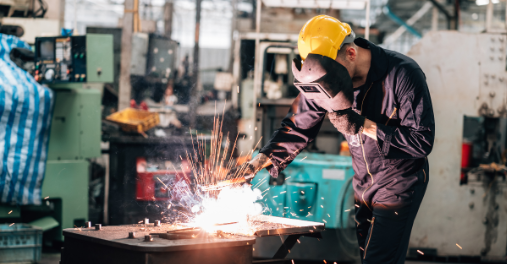
DOBOT has introduced advanced technologies to improve flexibility in cobot welding, addressing common challenges such as workpiece position variations. In industries like metal fabrication and machinery manufacturing, precise positioning is crucial, as even minor shifts can lead to rework and downtime. The integration of 6D Touch Positioning and TAST allows robots to adapt to real-world production conditions, enhancing efficiency and reducing setup time.
The significance of these advancements lies in their ability to maintain productivity in high-mix, low-volume production environments. Traditional robotic welding systems often struggle with positional deviations, requiring time-consuming adjustments. DOBOT's solution minimizes operator intervention by automatically identifying workpiece positions and compensating for variations, thus streamlining the welding process.
Looking ahead, the effectiveness of DOBOT's technologies will be crucial for manufacturers seeking to optimize their welding operations. The recent demonstration with Kemppi showcased the practical application of these innovations, highlighting the potential for improved welding quality and reduced programming time. No further timeline was disclosed at the time of publication.
Editor's Note
The integration of advanced technologies like 6D Touch Positioning and TAST in robotic welding systems reflects a growing trend towards automation flexibility. As manufacturers face increasing demands for customization and efficiency, the ability to adapt to real-world conditions becomes essential. This development may influence procurement strategies and investment in automation technologies across various sectors.



























Leave a comment