

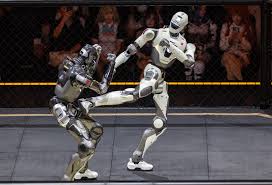
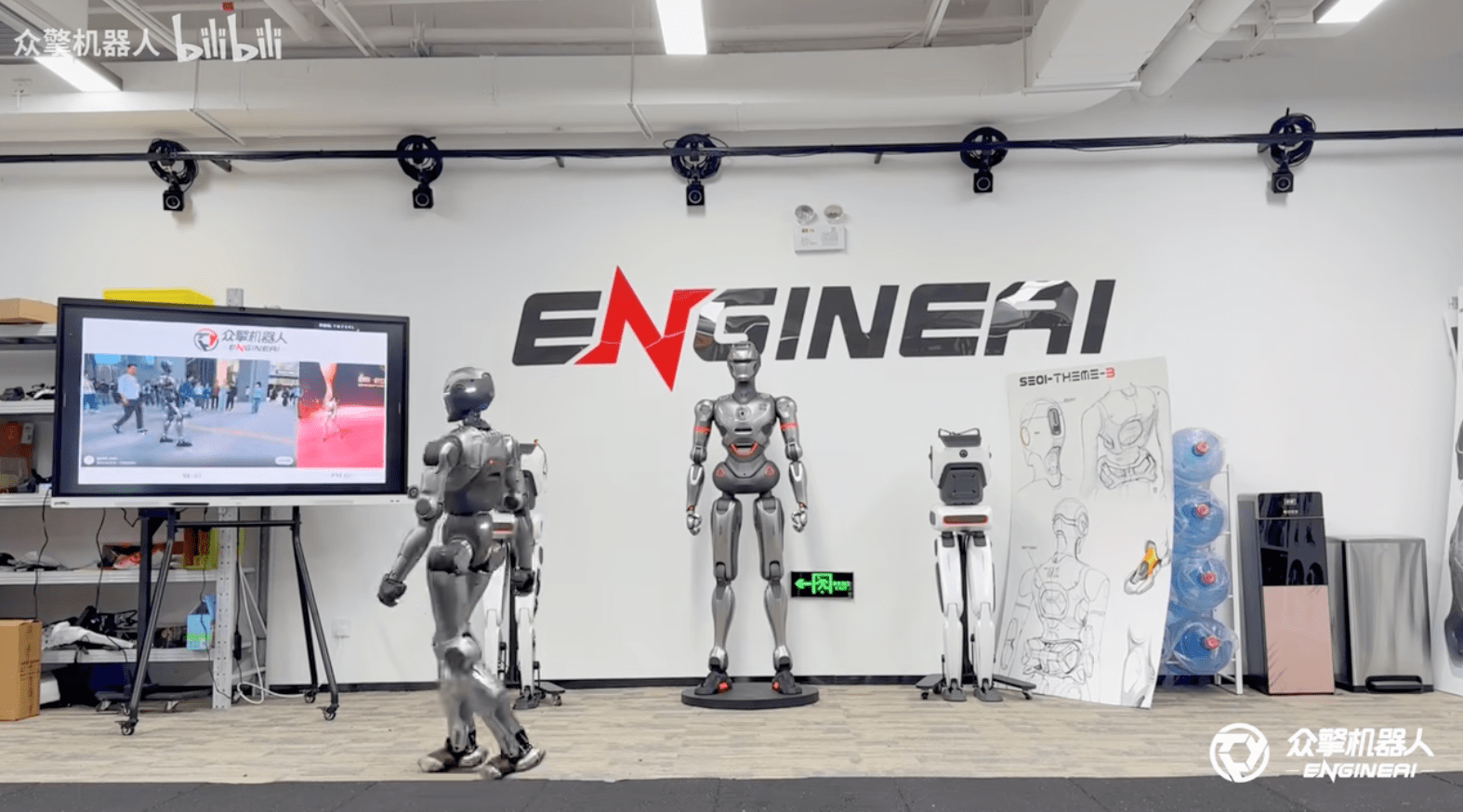
The CyberHero Robot League has officially launched in Riyadh, Saudi Arabia, marking the first global humanoid robot sports league and the Middle East's inaugural humanoid robot combat event. The league plans to host its first season across eight cities worldwide, covering regions in the Middle East, Europe, the Americas, and Asia, utilizing the EngineAI T800 humanoid robot, which stands 1.73 meters tall and weighs between 75-85 kilograms.
This event is significant as it aims to generate valuable combat data that could drive rapid advancements in hardware and algorithms. However, experts caution that while the league can create entertainment value, it may not be a primary source for breakthroughs in humanoid robot technology. The closed environment of the arena and the specific combat actions limit the applicability of the data to real-world scenarios, making it challenging to transfer insights to general-purpose robotics development.
Looking ahead, the CyberHero league faces critical challenges, including the high costs associated with hardware wear and tear, which may restrict technological exploration. The league's success will depend on its willingness to allow high-risk autonomous behaviors in robots and the standardization and openness of the data generated from the events. Without these, it risks becoming merely a showcase rather than a true testing ground for embodied intelligence evolution.
Editor's Note
The launch of the CyberHero Robot League highlights the intersection of entertainment and robotics, presenting both opportunities and challenges for the industry. While the league aims to engage audiences and promote humanoid robotics, the limitations in data transferability and hardware costs could hinder significant technological advancements. Stakeholders should monitor how the league navigates these challenges and its impact on the broader robotics landscape.


























Leave a comment