

Industry Briefing
A single destination for timely, editor-curated robotics news from around the world.
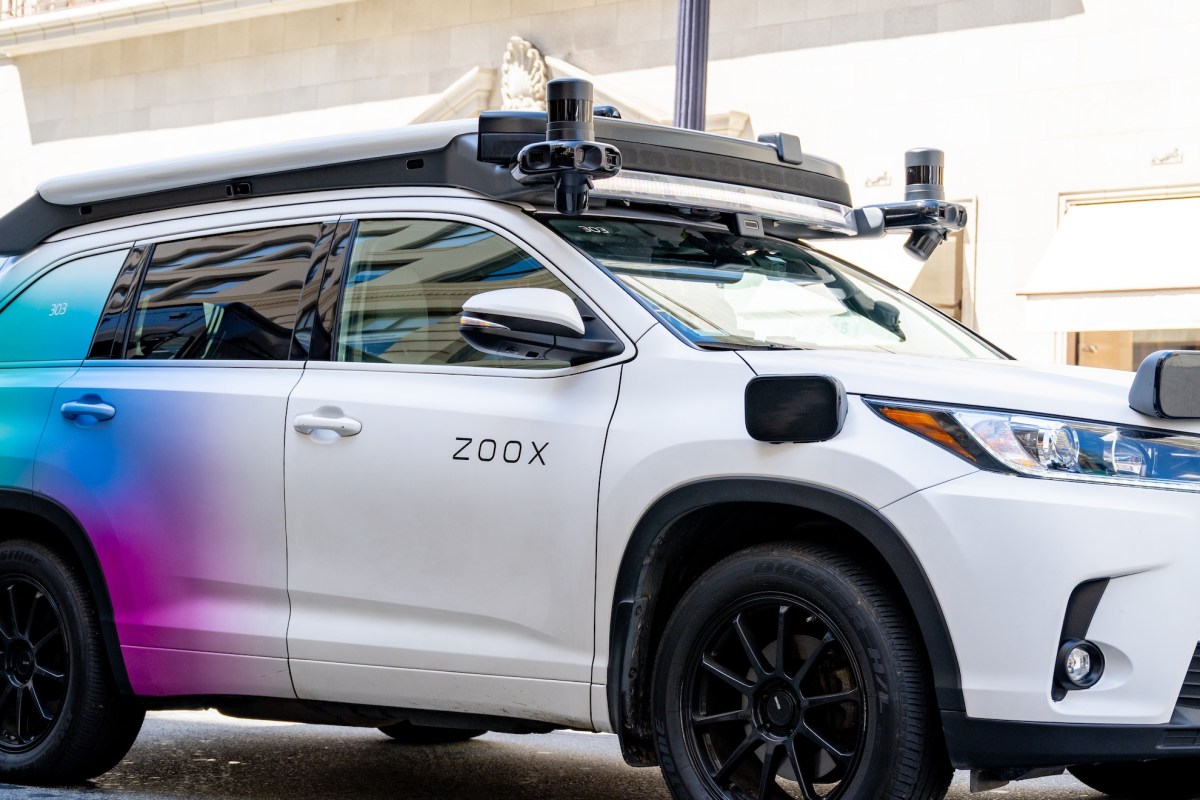
Zoox Halts Atlanta Autonomous Vehicle Testing After Worker Gas Exposure Reports
Zoox has suspended its autonomous vehicle test fleet in Atlanta following reports of potential gas exposure among safety drivers. Workers experienced symptoms consistent with exposure to carbon monoxide, carbon dioxide, or hydrogen sulfide, prompting one employee to file a complaint with the Occupational Safety and Health Administration (OSHA). The agency has since opened an inquiry into the matter. The situation is significant as it raises concerns about worker safety amid Zoox's rapid expansion into new cities, including Las Vegas and San Francisco. Reports indicate that as many as 40 workers may have been exposed to toxic gases, although Zoox claims the number is lower. The incidents have led to increased scrutiny of safety protocols, especially as the company aims to compete with market leader Waymo. Moving forward, it will be important to monitor Zoox's investigation results and the implementation of new safety measures, including the addition of CO2 monitors in vehicles. OSHA has closed its inquiry, but the implications of these incidents on Zoox's operations and reputation in the autonomous vehicle sector remain to be seen.
Transportation autonomous vehicles avs Exclusive robotaxis zoox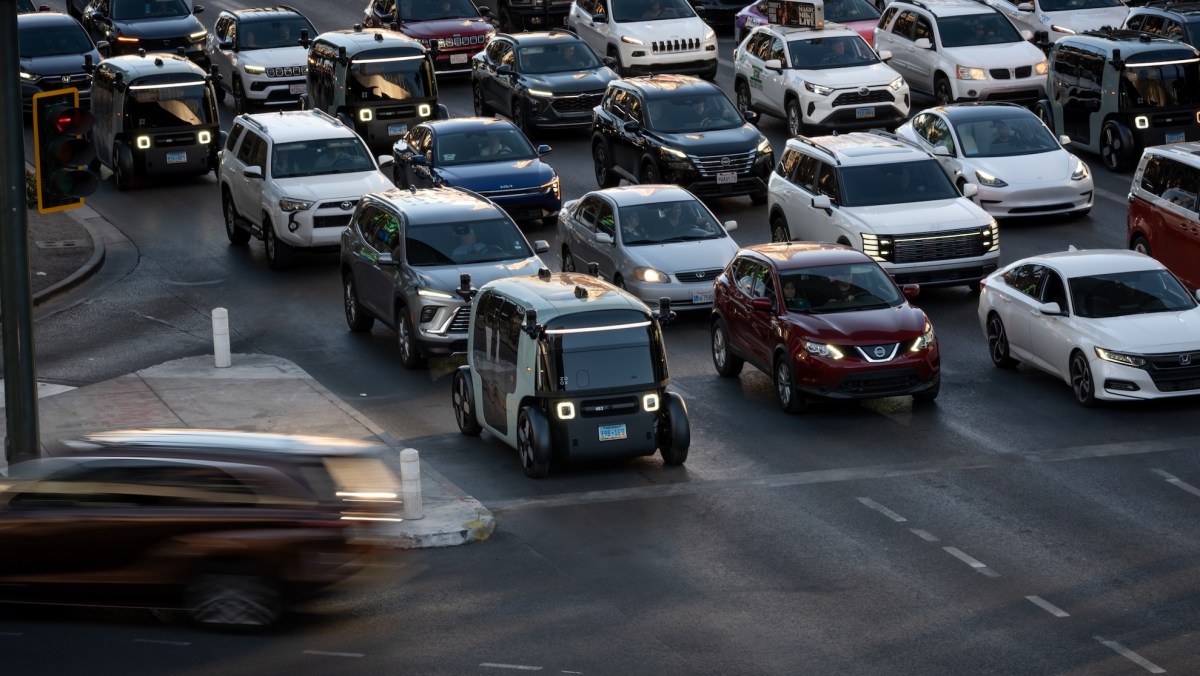
Zoox's 100-Robotaxi Limit in Nevada Set to Expire, Enabling Fleet Expansion
Zoox, the Amazon-owned company, is poised to expand its fleet of custom-built robotaxis in Las Vegas as a regulatory cap limiting its operations to 100 vehicles is set to expire on September 25. This change, confirmed by both the Nevada Transportation Authority and a Zoox spokesperson, allows for greater flexibility in scaling its commercial services amid increasing competition from other companies like Waymo, Tesla, and Uber. The expiration of the 100-vehicle limit is significant as it comes at a time when the demand for autonomous ride-hailing services is rising. Zoox currently operates approximately 100 robotaxis across four U.S. cities, with the majority in Las Vegas and San Francisco. The company recently began charging for rides in Las Vegas after receiving a temporary exemption from federal safety standards, which is crucial given its unique vehicle design that lacks traditional controls. Looking ahead, Zoox plans to gradually increase its fleet size to meet the growing demand in Las Vegas and other markets. However, it remains to be seen how quickly the company will capitalize on this regulatory change. With competitors like Waymo already launching services in the area, the race to dominate the robotaxi market in Las Vegas is intensifying.
Transportation zoox
Amazon's Zoox Expands Robotaxi Service in San Francisco, Competing with Waymo and Tesla
Amazon.com Inc.'s Zoox is entering the competitive robotaxi market in San Francisco, directly challenging Waymo and Tesla. The company has received a federal exemption to deploy up to 2,500 purpose-built robotaxis annually for two years, although its service operates under California's driverless pilot program. This expansion is significant as San Francisco is a key market for autonomous vehicles, where Waymo has established a substantial fleet. Zoox's service area has quadrupled since its initial launch, but it still trails Waymo in fleet size and operational footprint, highlighting the competitive landscape. Looking ahead, Zoox's ability to scale its service will depend on securing necessary regulatory approvals in California. The robotaxi market is projected to grow significantly, with ride-hailing revenue expected to rise sharply by 2031, indicating a promising future for autonomous mobility despite current challenges for Zoox.

Zoox Launches Robotaxi Service to Las Vegas Airport, Competing with Traditional Ride-Hailing
Zoox has expanded its commercial robotaxi service in Las Vegas to include rides to and from Harry Reid International Airport, starting Thursday. This move marks a significant milestone for the Amazon-owned company, which has spent over a decade developing its unique self-driving robotaxi that operates without traditional controls. The expansion is crucial as it allows Zoox to tap into a key ride-hailing destination, enhancing its competitive edge over traditional services like Uber and Lyft. With federal safety regulators granting a temporary exemption for commercial operation, Zoox can deploy up to 2,500 vehicles, paving the way for increased operational capabilities and customer access. Looking ahead, Zoox's expansion to the airport positions it uniquely in the market, but competition is on the rise. Other companies, including Tesla, Uber, and Waymo, have recently received permits to operate commercial robotaxi services in Clark County, suggesting that the landscape for autonomous ride-hailing in Las Vegas will become increasingly crowded in the coming year.
Transportation autonomous ride-hail autonomous vehicles Las Vegas robotaxis zoox
Zoox and Waymo Accelerate Robotaxi Expansion in Competitive U.S. Market
Amazon.com, Inc.'s Zoox and Alphabet Inc.'s Waymo are intensifying their efforts in the robotaxi sector, with both companies expanding their testing and commercial services across multiple U.S. cities. Zoox plans to initiate testing in Houston and San Diego, increasing its operational presence to 12 locations, while Waymo is set to offer public rides in Denver, San Diego, and Tampa, expanding its footprint to 14 cities. This competition is significant as it highlights the race to commercialize autonomous ride-hailing services in the U.S. Zoox's recent regulatory approval to charge for rides marks a shift from free testing to paid services, potentially establishing a new revenue stream for Amazon. Meanwhile, Waymo's established commercial operations provide it with a first-mover advantage, allowing it to gather valuable data and enhance its technology. Looking ahead, the success of Zoox will depend on its ability to scale production and maintain operational efficiency, while also navigating the complexities of building purpose-built vehicles. Waymo's expansion into new markets, including planned testing in Munich for a potential launch in 2027, indicates its commitment to maintaining a competitive edge in the autonomous transportation landscape. No further timeline was disclosed at the time of publication.

Waymo Launches Paid Driverless Rides in New U.S. Cities as Zoox Begins Testing
Waymo has commenced paid driverless rides in Denver, San Diego, and Tampa, marking its first commercial operations in Colorado. This expansion adds to Waymo's existing fleet of over 4,000 vehicles across 14 U.S. cities, which includes the new Ojai model featuring advanced driverless technology. The growth of Waymo's services comes as Amazon's Zoox plans to initiate testing in Houston and San Diego with human supervisors. Zoox aims to establish a presence in 12 U.S. markets, although it currently lags behind Waymo in the robotaxi sector. The U.S. robotaxi market is projected to grow significantly, reaching $19 billion by 2030. Looking ahead, Waymo aims to increase its weekly robotaxi rides from over 500,000 to 1 million by the end of 2026. As the robotaxi race intensifies, the industry faces scrutiny regarding job impacts and safety concerns, particularly in challenging driving conditions.
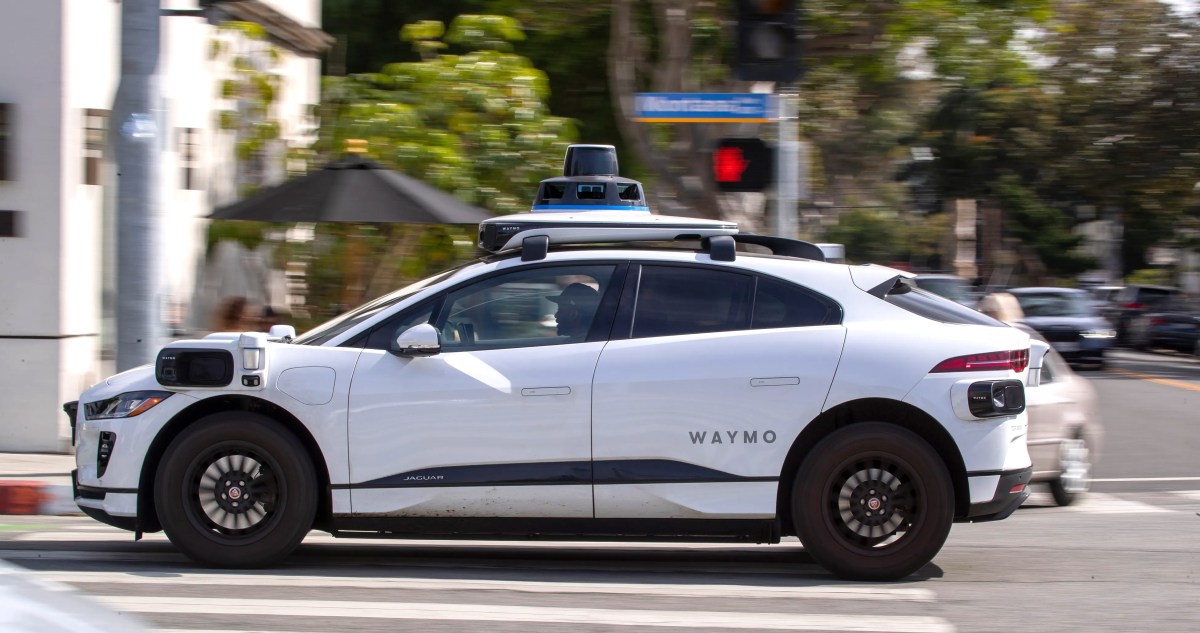
Waymo and Zoox Test Drivers Report Injuries Amid Robotaxi Expansion
The scaling of robotaxis by Waymo and Zoox has resulted in over two dozen injuries among test drivers in 2024 and 2025, primarily due to sudden braking and movements. According to data reviewed by TechCrunch, these incidents include sprains, strains, and whiplash, with some drivers sidelined for extended periods. This situation highlights the hidden human cost associated with the rapid deployment of autonomous vehicles. Transdev reported 16 injuries linked to Waymo's operations in three cities, while Zoox noted up to eight injuries from similar incidents. The Occupational Safety and Health Administration (OSHA) requires greater disclosure from companies in higher-hazard industries, which is why these injuries are documented. Looking ahead, it remains unclear if new injuries have occurred in 2026, as OSHA data is submitted annually. Sources indicate that injuries at Zoox are ongoing, with contractors reporting continued hard-braking issues. Both companies emphasize their commitment to safety but have not provided detailed responses regarding the injuries reported.
Transportation autonomous vehicles avs Exclusive robotaxis Waymo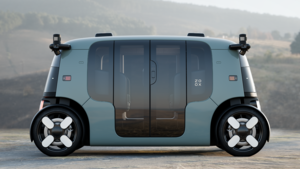
LG Innotek Expands Partnership with Zoox to Supply High-Resolution Camera Modules
LG Innotek is enhancing its collaboration with Zoox, Amazon's autonomous driving subsidiary, by providing high-resolution automotive camera modules for its robotaxis. This partnership has been in place since the early development stages of the robotaxi, and the latest agreement will see LG Innotek supply these advanced cameras over the coming years. The high-resolution cameras are integral to Zoox's sensor suite, offering 360-degree coverage through overlapping fields of view. LG Innotek's modules leverage precision optical design technology honed from years of experience in mobile device camera production. Designed to endure harsh weather conditions, these waterproof modules ensure stable performance in various environments. As Zoox ramps up its manufacturing capabilities with the opening of its first robotaxi production facility in California, LG Innotek's camera modules are being integrated into the vehicles. This collaboration marks a significant milestone in their ongoing partnership, positioning LG Innotek as a crucial supplier in the rapidly evolving autonomous vehicle sector. No further timeline was disclosed at the time of publication.
All News
Zoox Prepares to Launch Paid Robotaxi Services in Las Vegas
Zoox is set to begin offering paid robotaxi rides in Las Vegas, marking a significant milestone as the first company in the United States to charge for rides in a fully autonomous vehicle designed without a steering wheel. This development highlights Zoox's commitment to advancing autonomous transportation solutions. The introduction of paid rides is a crucial step for Zoox, as it aims to establish itself in the competitive robotaxi market. The company's CEO, Aicha Evans, discussed the pricing strategy, expansion plans, and production ramp-up during an interview with Bloomberg, emphasizing the importance of this launch for the future of urban mobility. Looking ahead, industry observers will be keen to see how Zoox's robotaxi services perform in Las Vegas and whether the company can successfully scale its operations. No further timeline was disclosed at the time of publication.

Zoox to Begin Paid Robotaxi Service in Las Vegas Starting August 10
Amazon-owned Zoox is set to launch its paid robotaxi service in Las Vegas on August 10, marking its first commercial venture after previously offering free rides. This move follows a temporary exemption from federal regulations that allowed Zoox to operate without human controls, enabling the company to charge fares. The introduction of paid rides is significant as Zoox aims to compete with established ride-hailing services like Alphabet's Waymo. Zoox has already transported nearly one million riders since its free service began last year, and it plans to implement a fare structure similar to traditional taxi services, including base prices and potential destination fees. Looking ahead, Zoox is focused on expanding its commercial service beyond Las Vegas, pending state and local approvals. The company is currently engaging with various state agencies to facilitate this growth, although some states have shown resistance to the autonomous vehicle industry, as seen with New York's recent regulatory decisions.

Zoox Begins Charging for Robotaxi Rides in Las Vegas Starting August 10
Zoox has announced that it will start charging for its robotaxi rides in Las Vegas beginning August 10, marking a significant step in its commercial operations. This follows nearly a year of public service since the launch of its autonomous vehicle technology in the city. The move is crucial for Zoox, which has invested years in developing a custom-built electric vehicle and the necessary self-driving technology. The company, acquired by Amazon in 2020, has faced various challenges, including securing permits and overcoming technical hurdles. Recently, it received a temporary exemption from federal safety standards, allowing it to charge customers for rides. Looking ahead, Zoox plans to calculate fares based on a base rate, distance, and time, with additional fees for specific destinations. While it currently operates in other markets like San Francisco and Austin, it will continue to offer free rides there until it secures the necessary permits for commercial operation. No further timeline was disclosed at the time of publication.
Transportation robotaxis zoox
Zoox to Begin Charging Fares for Driverless Taxis in Las Vegas Next Week
Amazon.com Inc.'s Zoox division is set to initiate fare collection for its autonomous robotaxi service in Las Vegas starting next week. This marks a significant milestone as it represents the first instance in the United States of a fully autonomous vehicle operating without driver controls charging passengers. The introduction of fare collection is a pivotal development in the evolution of autonomous transportation, highlighting Zoox's commitment to advancing driverless technology. This initiative could pave the way for broader acceptance and integration of autonomous vehicles in urban mobility solutions across the country. As Zoox embarks on this fare-charging phase, industry observers will be keen to monitor passenger feedback and operational performance. The outcomes of this initiative may influence future regulatory frameworks and the expansion of autonomous vehicle services in other metropolitan areas.
Zoox Introduces Production-Ready Robotaxi for Expansion Across U.S. Cities
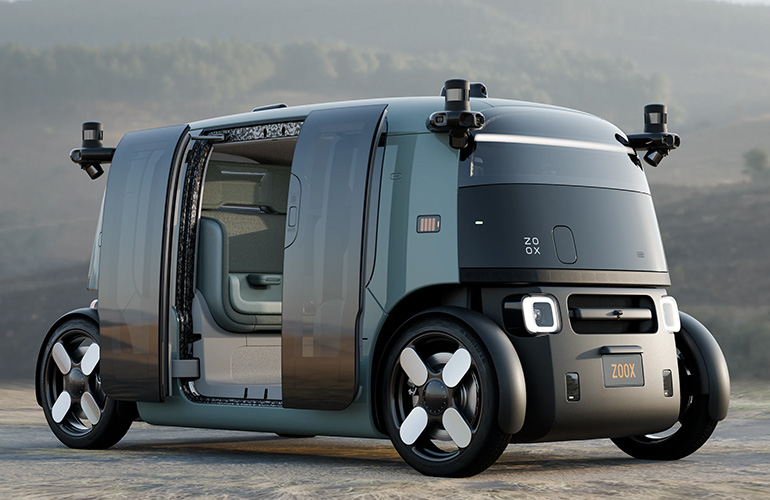
Zoox has unveiled the final production design of its robotaxi, aiming to scale production to 100 vehicles per week. This move is part of the company's strategy to expand its service to new U.S. cities, building on feedback from over half a million riders. The robotaxi service, which began in Las Vegas, will continue to grow with new launches in Austin, Miami, Dallas, and Phoenix. The significance of this development lies in Zoox's unique design, which features a 'carriage-like' user cabin without a steering wheel or pedals, accommodating four adult passengers facing each other. The latest generation of vehicles includes aesthetic improvements and enhanced comfort features, designed to create a calming atmosphere for riders. The production version is set to be manufactured in Hayward, California, as Zoox seeks full approval from the NHTSA for its autonomous vehicle platform. Looking ahead, Zoox is focused on optimizing its software and transitioning to revenue-generating rides in Las Vegas. The company is also addressing recent challenges, including a software recall affecting over 100 vehicles due to a glitch. No further timeline was disclosed at the time of publication.
News Self-Driving Vehicles Transportation Waymo Zoox
Zoox Secures First Federal Approval for Paid Rides in Steering Wheel-Free Robotaxi
Amazon-owned Zoox has achieved a significant milestone by receiving the first federal commercial exemption from the National Highway Traffic Safety Administration (NHTSA) for its autonomous robotaxi, which lacks traditional driving controls. This approval allows Zoox to begin charging for rides in its custom-built vehicles, paving the way for its commercial rollout in the United States. The exemption is crucial as it clears a major regulatory hurdle for Zoox, enabling the company to launch paid services in Las Vegas next month. Unlike conventional autonomous vehicles, Zoox's robotaxi is designed from the ground up for driverless operation, eliminating the need for a steering wheel, pedals, or a driver's seat. This innovative design required Zoox to seek federal approval to operate commercially, marking a significant step in the evolution of autonomous transportation. Looking ahead, Zoox plans to expand its services beyond Las Vegas after fulfilling remaining state-level requirements. The company has already garnered interest, with over 500,000 people having experienced its free public ride program and an additional 500,000 on its waitlist. As Zoox continues to collaborate with regulators, the approval signifies a shift towards a new regulatory framework that accommodates vehicles specifically designed for autonomous operation, setting the stage for future developments in the industry.
Transportation
Zoox Receives Federal Exemption to Launch Paid Robotaxi Service in Las Vegas
Zoox has obtained a temporary exemption from federal safety regulations, allowing the Amazon-owned company to charge for rides in its custom-built robotaxi. This exemption, granted by the National Highway Traffic Safety Administration (NHTSA), is crucial for Zoox as it prepares to launch its commercial robotaxi service, marking a significant step in autonomous mobility. The exemption permits Zoox to operate up to 2,500 vehicles annually for two years, despite lacking traditional controls like steering wheels and pedals. This regulatory approval follows a previous exemption that allowed Zoox to demonstrate its vehicles on public roads. The company plans to start charging for rides in Las Vegas, with further expansion contingent on meeting state-level commercialization requirements. Looking ahead, Zoox aims to enhance its service and expand into additional markets as it navigates the regulatory landscape. The NHTSA's recent updates to the exemption process and partnerships indicate a broader push towards establishing national standards for autonomous vehicle safety, which could impact Zoox's future operations and the industry at large.
Transportation nhtsa robotaxi zoox
Zoox Receives NHTSA Approval to Charge for Rides in Its Robotaxis
Zoox has received a temporary exemption from the National Highway Traffic Safety Administration (NHTSA) to charge for rides in its steering-wheel-free robotaxis. This approval allows Zoox to deploy up to 2,500 vehicles annually over the next two years, totaling a potential of 5,000 vehicles. Previously, Zoox offered free rides under a demonstration exemption in San Francisco and Las Vegas. The NHTSA's decision is significant as it exempts Zoox from traditional vehicle control requirements, enabling the company to focus on passenger-centric designs. This move positions Zoox to compete with established players like Waymo and Tesla in the autonomous vehicle market. The company plans to start charging fares in Las Vegas next month and aims to expand its services to Miami and Austin. Looking ahead, Zoox will be subject to enhanced oversight as its self-driving technology evolves. The NHTSA has determined that Zoox's robotaxis maintain a comparable or higher level of safety than conventional vehicles. No further timeline was disclosed at the time of publication.
Amazon Autonomous Cars Electric Cars News Tech Transportation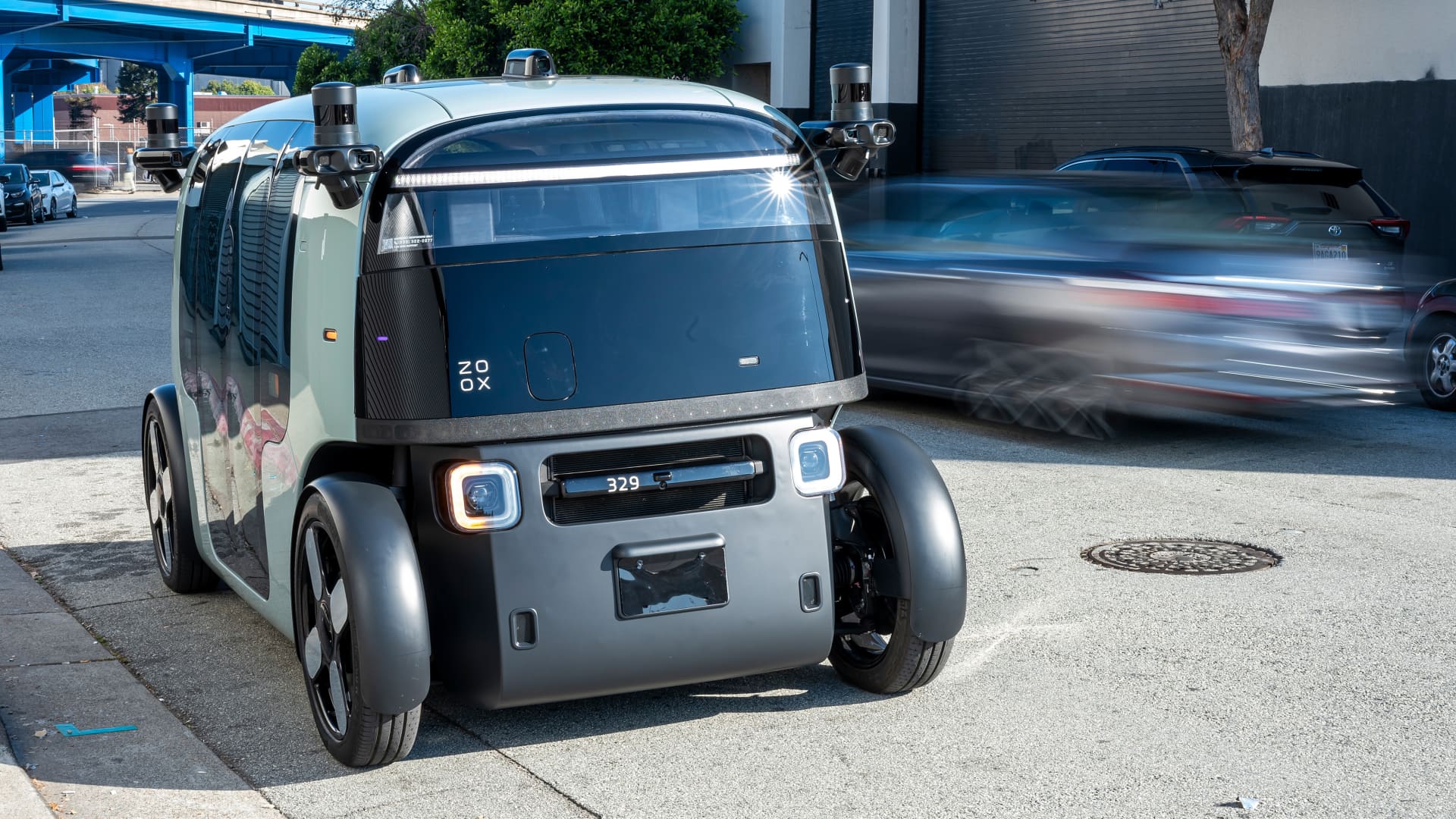
Zoox Recalls 105 Robotaxis Due to Software Issue with Smoke Detection
Amazon's Zoox has voluntarily recalled 105 of its robotaxis to rectify a software issue that caused the vehicles to fail in detecting heavy smoke. This recall follows an incident in Las Vegas where an unoccupied Zoox robotaxi drove into an active emergency fire scene obscured by smoke, prompting the company to notify the National Highway Traffic Safety Administration (NHTSA) on July 8. The significance of this recall lies in the growing scrutiny on autonomous vehicles, particularly regarding their interactions with first responders. NHTSA Administrator Jonathan Morrison has highlighted a pattern of driverless vehicles interfering with emergency operations, urging developers to prioritize solutions to these critical safety concerns. Zoox's incident marks a notable example of the challenges faced by autonomous vehicle technology in real-world scenarios. Looking ahead, Zoox is under pressure to enhance its software capabilities to prevent similar occurrences. The company has previously issued recalls for other software-related issues and is competing with industry leaders like Waymo. No further timeline was disclosed at the time of publication.
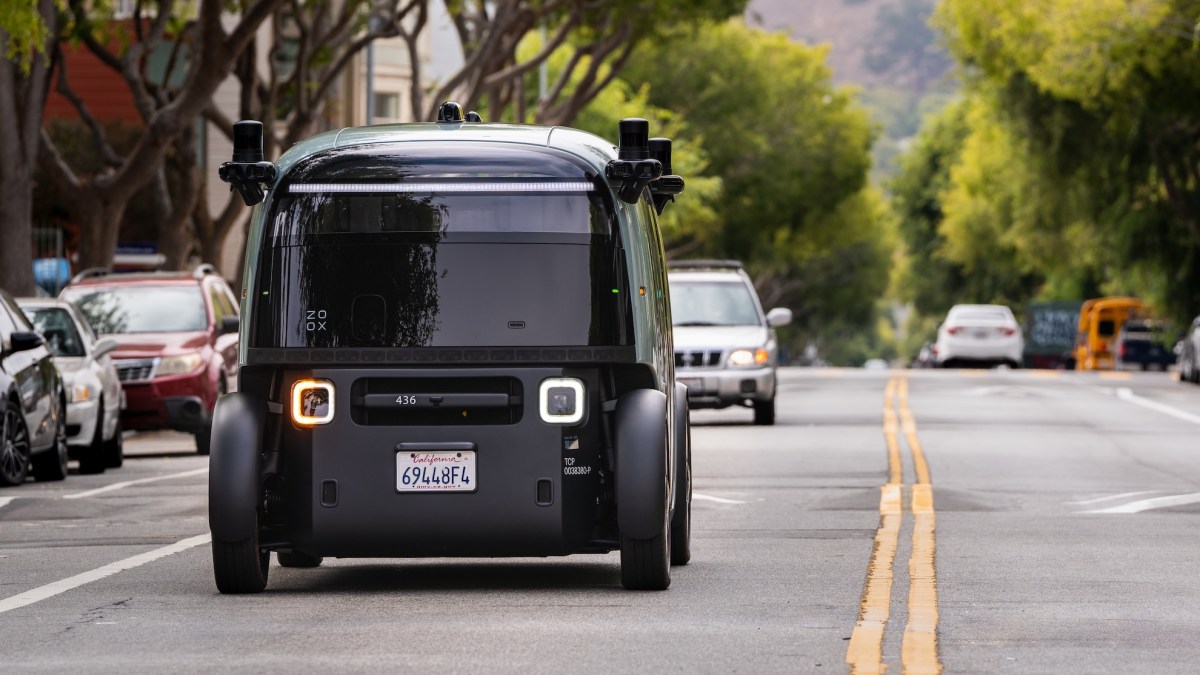
Zoox Issues Software Recall for Robotaxi After Smoke Navigation Incident
Zoox has announced a software recall following an incident in June where one of its robotaxis struggled to navigate a smoke-filled emergency scene. The Amazon-owned company has dispatched a software update to its fleet of 105 vehicles, enhancing the detection and response capabilities for heavy smoke in emergency situations. No injuries were reported during the incident, which involved a Zoox robotaxi encountering heavy smoke that obscured an active fire scene. This recall highlights significant concerns regarding the ability of autonomous vehicles to respond appropriately to emergency situations. The National Highway Traffic Safety Administration (NHTSA) has emphasized the need for self-driving car companies to address functional insufficiencies in their systems. The incident prompted Zoox to conduct an investigation and engage with NHTSA regarding the severity and root causes of the issue, leading to the software update. Looking ahead, Zoox is expanding its testing in cities like Las Vegas and San Francisco, with plans for a commercial launch pending NHTSA approval for exemptions from certain safety standards. The company has faced recalls in the past, indicating ongoing challenges in ensuring the safety and reliability of its autonomous vehicle technology. No further timeline was disclosed at the time of publication.
Transportation autonomous vehicles robotaxis self-driving cars zoox
The Human Cost of Robotaxis: Injuries Reported Among Waymo and Zoox Test Drivers
Recent investigations reveal that test drivers for Waymo and Zoox sustained over two dozen injuries in 2024 and 2025 due to sudden movements of autonomous vehicles. Injuries included whiplash, leading to extended recovery times for affected workers. This raises concerns about the safety of test drivers in the autonomous vehicle sector. The findings highlight a hidden human cost associated with the development of autonomous vehicle technology, challenging the narrative that robotaxis will solely enhance road safety. While proponents argue for the benefits of reduced crash incidents, the injuries sustained by test drivers indicate that the transition to autonomous driving may come with significant risks for those involved in the testing process. Looking ahead, it remains to be seen whether other autonomous vehicle developers face similar issues, as they may not be subject to the same reporting requirements as Waymo and Zoox. No further timeline was disclosed at the time of publication.
Transportation Waymo robotaxis techcrunch mobility
SpaceX Reports Significant AI Investments and Ambitious Revenue Goals Amid Industry Developments
SpaceX has announced its first earnings report, revealing substantial investments in artificial intelligence and a bold prediction from Elon Musk for a $100 billion annual revenue run rate by the end of the year. Additionally, the company is planning an ambitious expansion of its Starlink service. This financial disclosure is significant as it highlights SpaceX's commitment to integrating AI into its operations, which could enhance its competitive edge in the aerospace sector. The ambitious revenue target set by Musk underscores the company's growth trajectory and its potential impact on the industry. In related news, Uber's CEO Dara Khosrowshahi discussed the company's earnings and its ongoing robotaxi initiatives, while Zoox CEO Aicha Evans announced a key milestone with the commencement of paid rides in Las Vegas. No further timeline was disclosed at the time of publication.

Zoox Receives Regulatory Exemption to Launch Commercial Robotaxi Service in Las Vegas
The National Highway Traffic Safety Administration (NHTSA) has granted Zoox a temporary exemption from eight federal motor vehicle safety standards, enabling the company to charge for rides in its custom-built robotaxi. This exemption is crucial as it removes one of the last regulatory barriers Zoox faced before launching its commercial service. This development is significant as it highlights the contrasting dynamics within the autonomous vehicle sector, where federal initiatives aim to accelerate technology deployment, while state and local governments impose stricter regulations. The scrutiny faced by other operators like Waymo underscores the challenges of ensuring safety and compliance in the industry. Looking ahead, Zoox plans to initiate paid rides in Las Vegas shortly. However, the ongoing regulatory discussions, including proposed national safety standards for autonomous vehicles, indicate that the path forward for the AV industry remains complex and fraught with challenges.
Transportation Tesla Uber Waymo wayve robotaxis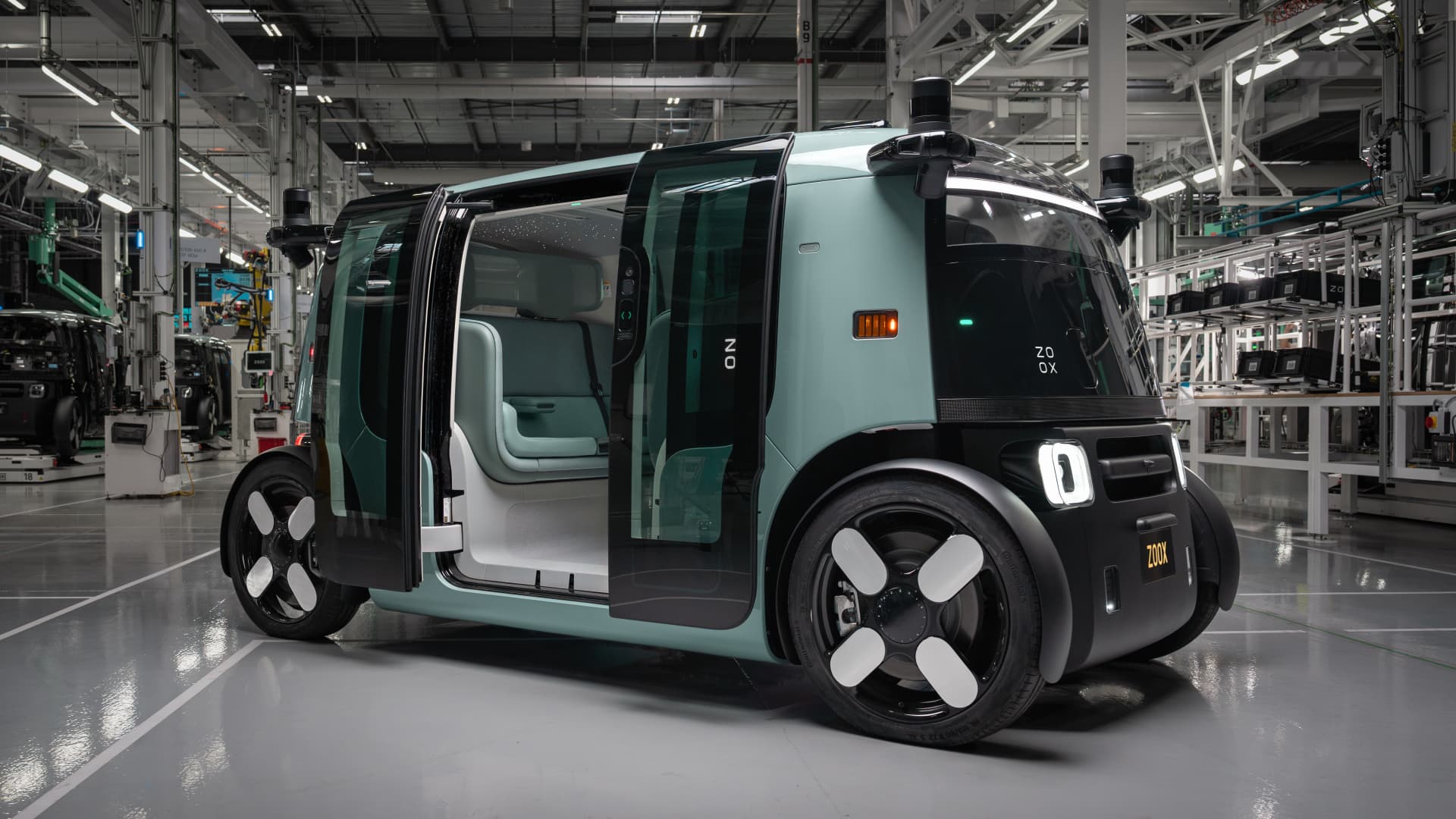
Amazon's Zoox unveils redesigned robotaxi ahead of upcoming expansion
Zoox, the autonomous vehicle division of Amazon, is set to enhance its robotaxi services as it plans to expand into new markets and introduce paid rides. The company aims to improve its technology and operational capabilities to meet growing demand for innovative transportation solutions. This strategic move comes as Zoox prepares to transition from a testing phase to a commercial model, allowing users to access rides for a fee. The expansion reflects Amazon's commitment to advancing its presence in the autonomous vehicle sector and capitalizing on the increasing interest in self-driving technology.
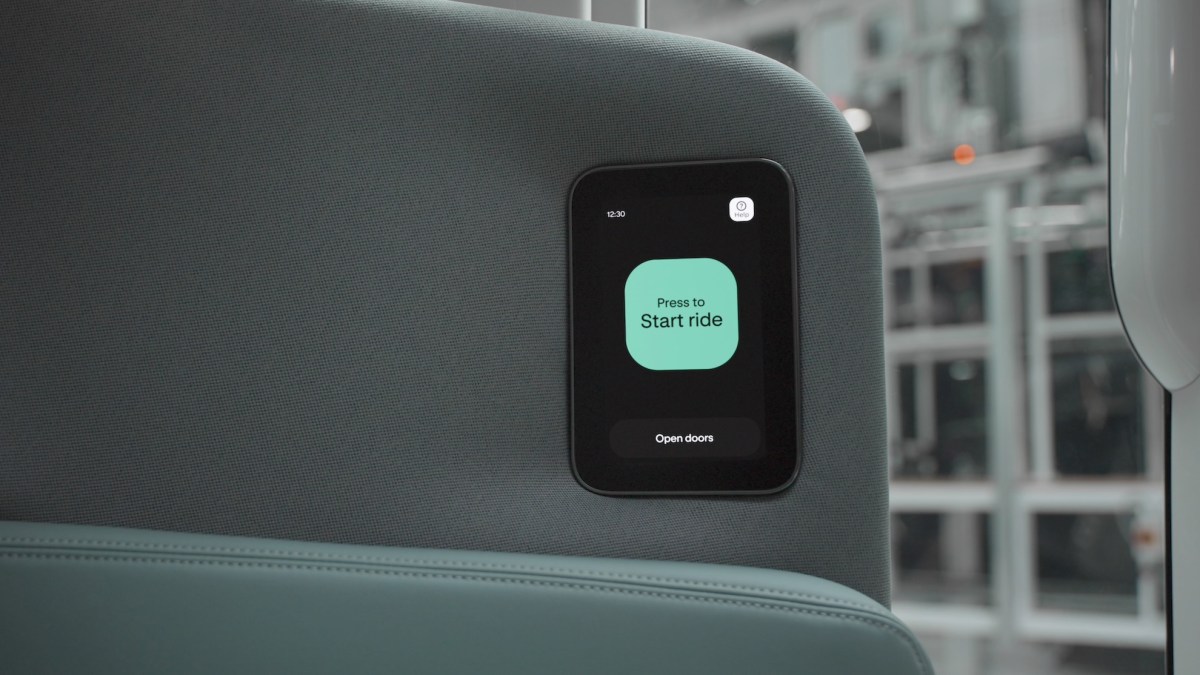
Zoox upgrades its robotaxi as it prepares for commercial service
Zoox has unveiled its latest robotaxi model, featuring enhanced cushioning, a lighter color scheme, and improved communication capabilities. The new design includes a more advanced microphone and speaker system, allowing for clearer interactions with Zoox Support. This innovation aims to elevate the passenger experience by providing a more comfortable and user-friendly environment. The announcement comes as part of Zoox's ongoing efforts to refine its autonomous vehicle technology and enhance customer service, reflecting the company's commitment to advancing urban mobility solutions.
Transportation zoox robotaxi robotaxis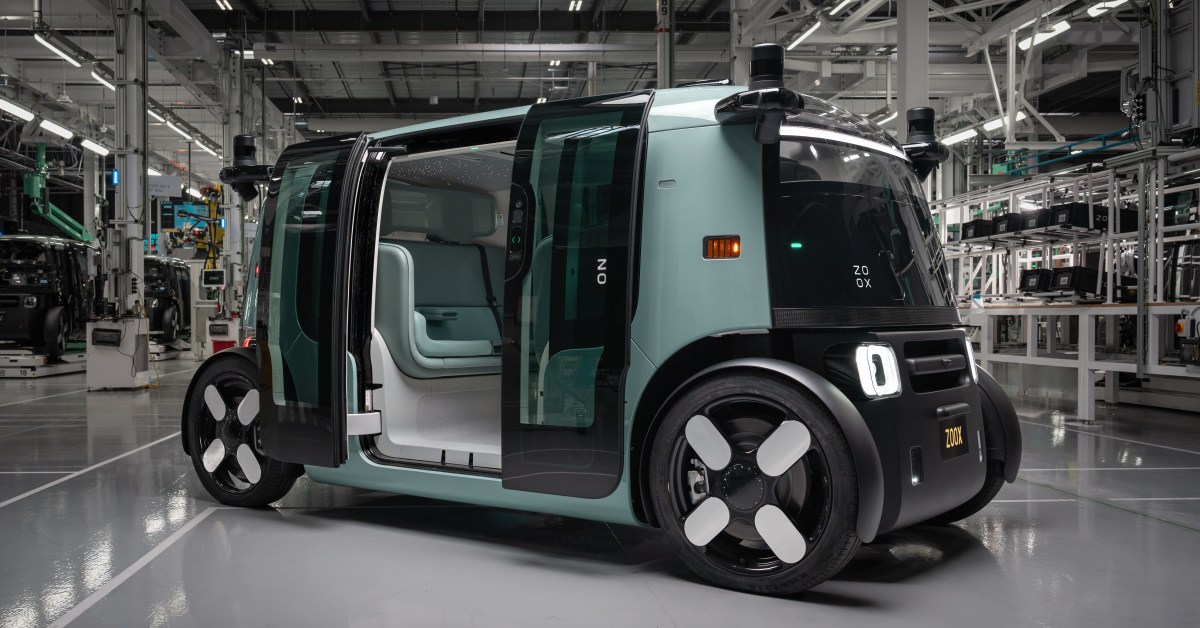
Zoox’s purpose-built robotaxi is getting a refresh
Zoox, the autonomous vehicle subsidiary of Amazon, has introduced an updated design for its bidirectional robotaxi, which it describes as the "next evolution" of the vehicle aimed at mass production. This announcement comes as the company continues to operate a complimentary robotaxi service in cities such as San Francisco, Las Vegas, Austin, and Miami. The rollout of the new vehicle design is part of Zoox's strategy to enhance its offerings while awaiting federal approval for broader operations. The innovative design reflects the company's commitment to advancing autonomous transportation solutions and expanding its market presence.
Amazon Autonomous Cars News Tech TransportationRobotics needs a service framework.
RSF defines a common language for robot service capability, lifecycle operations, certification pathways, and service-provider networks.
Join the RobotToday community on LinkedIn
Daily robotics news, in-depth analysis, conference highlights, and discussions with professionals worldwide.







