

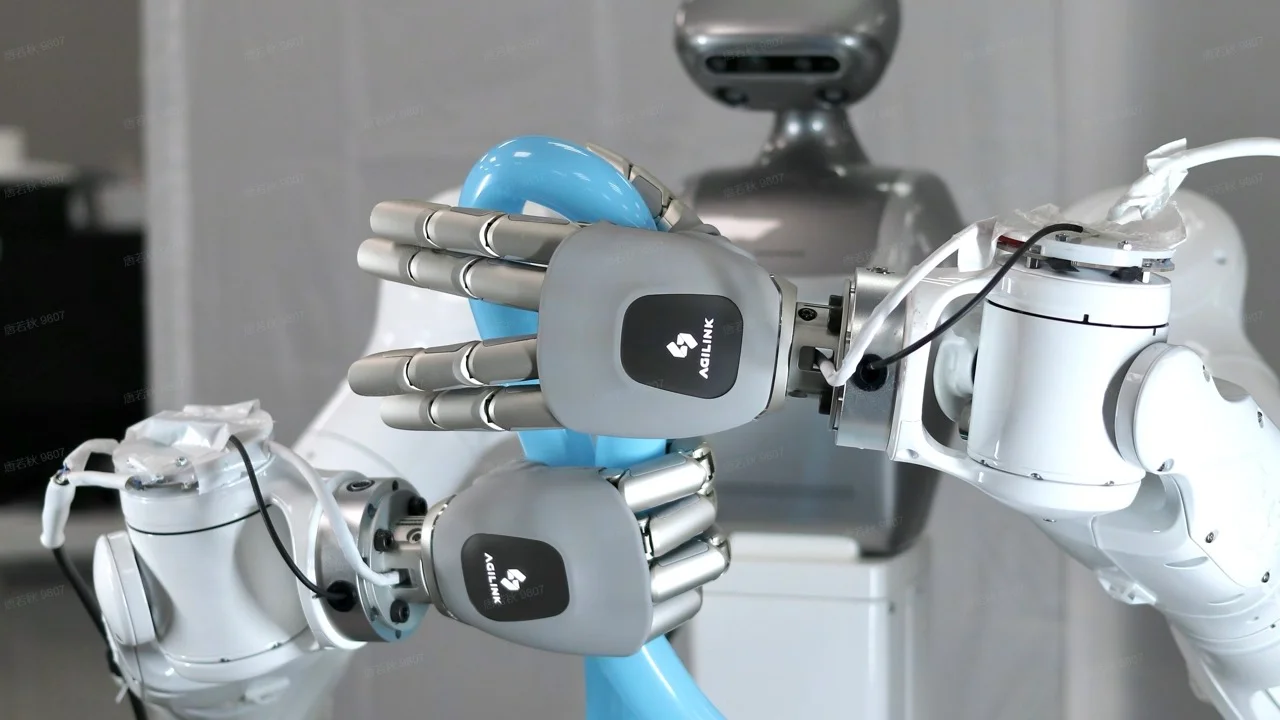
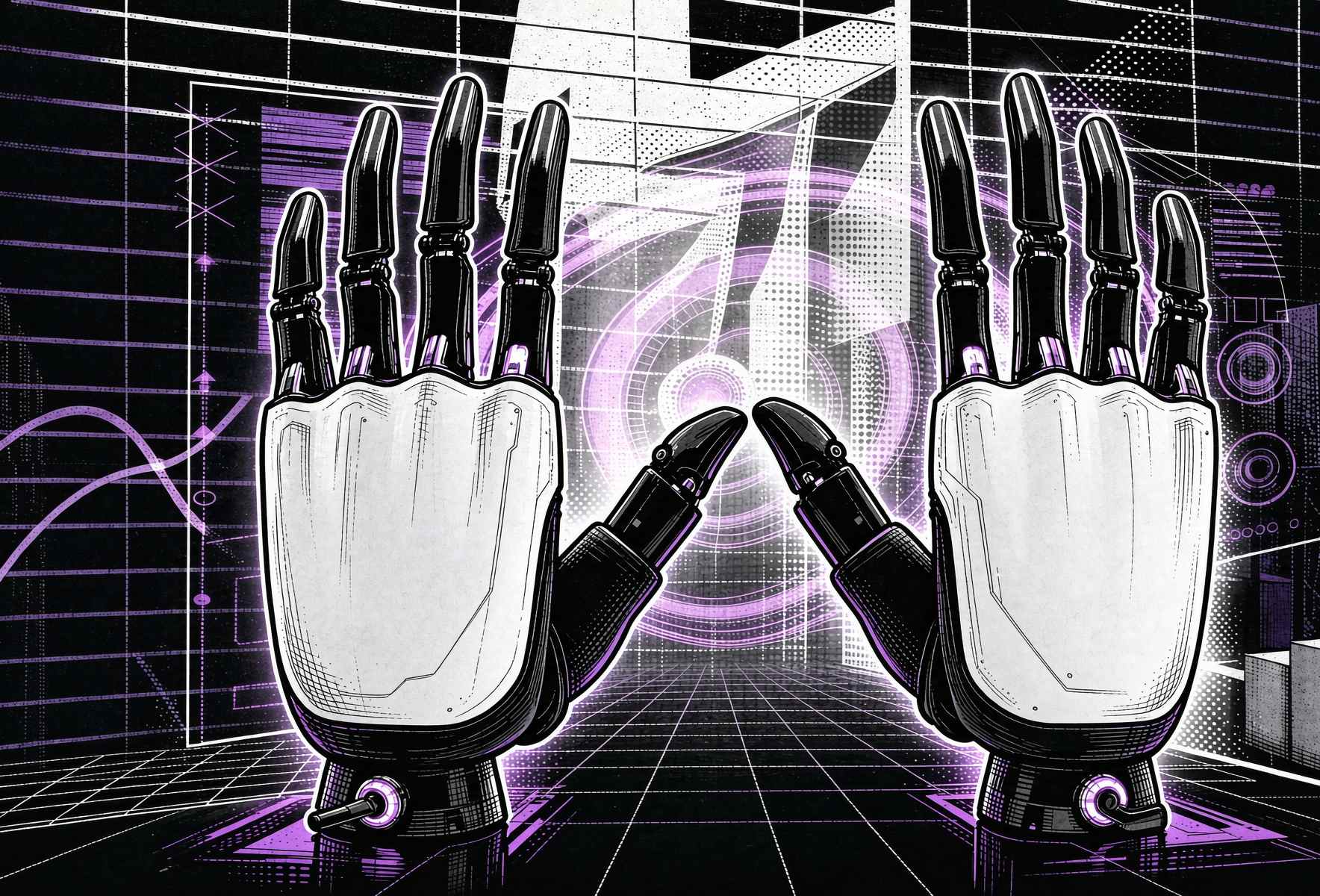
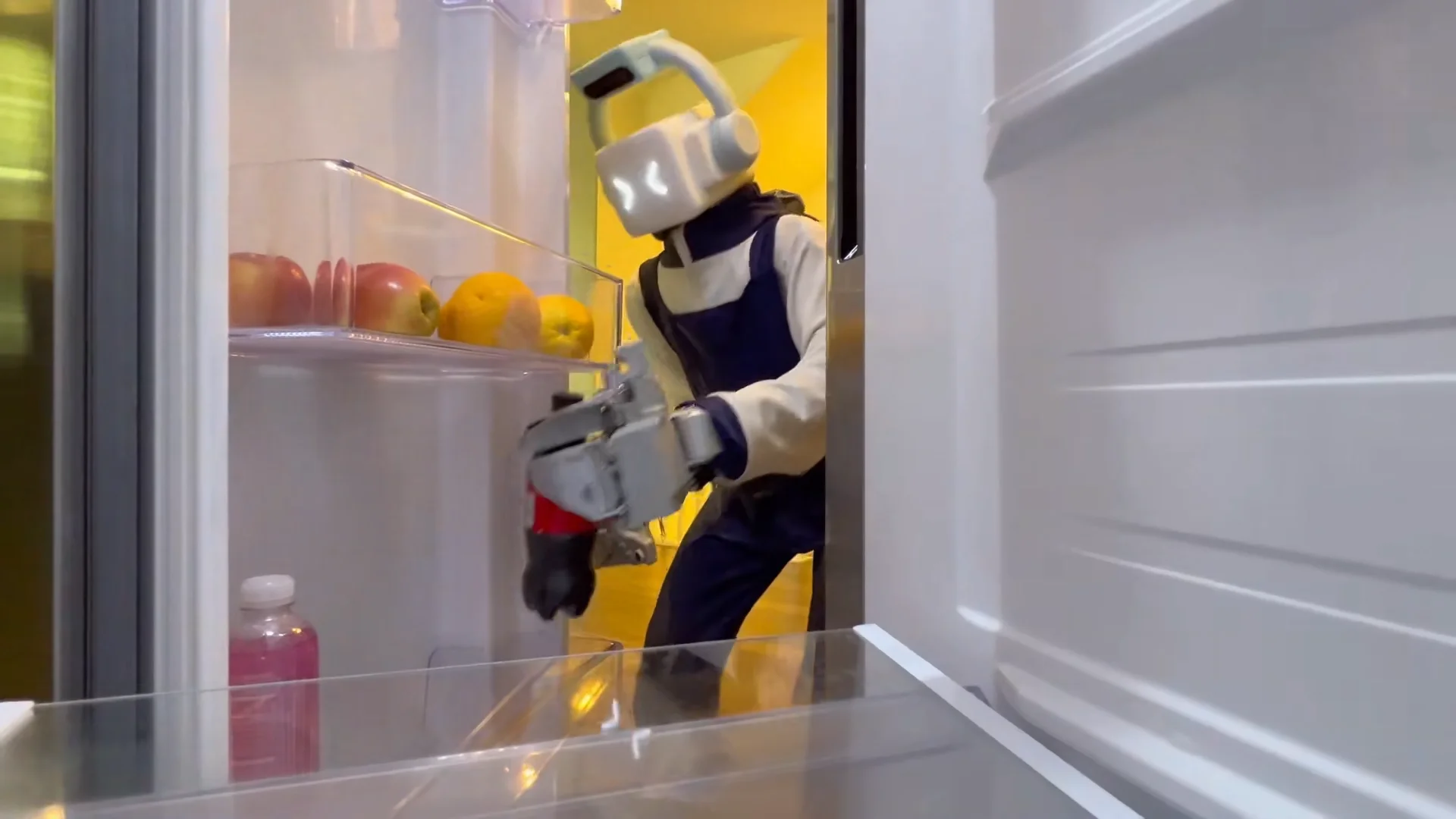
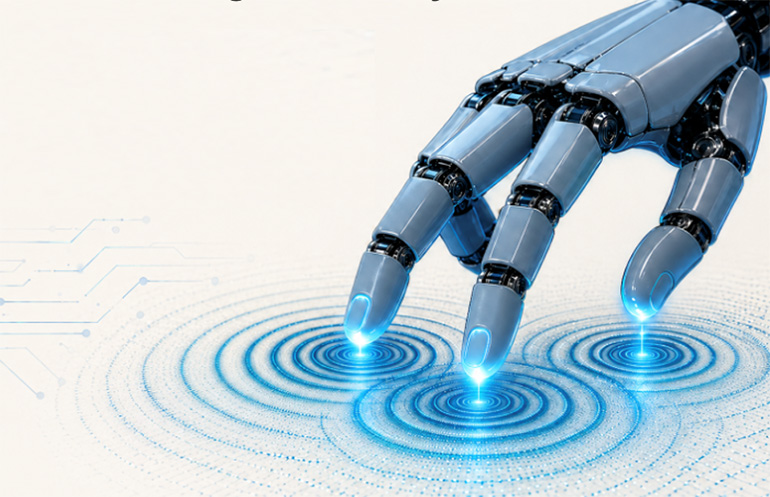
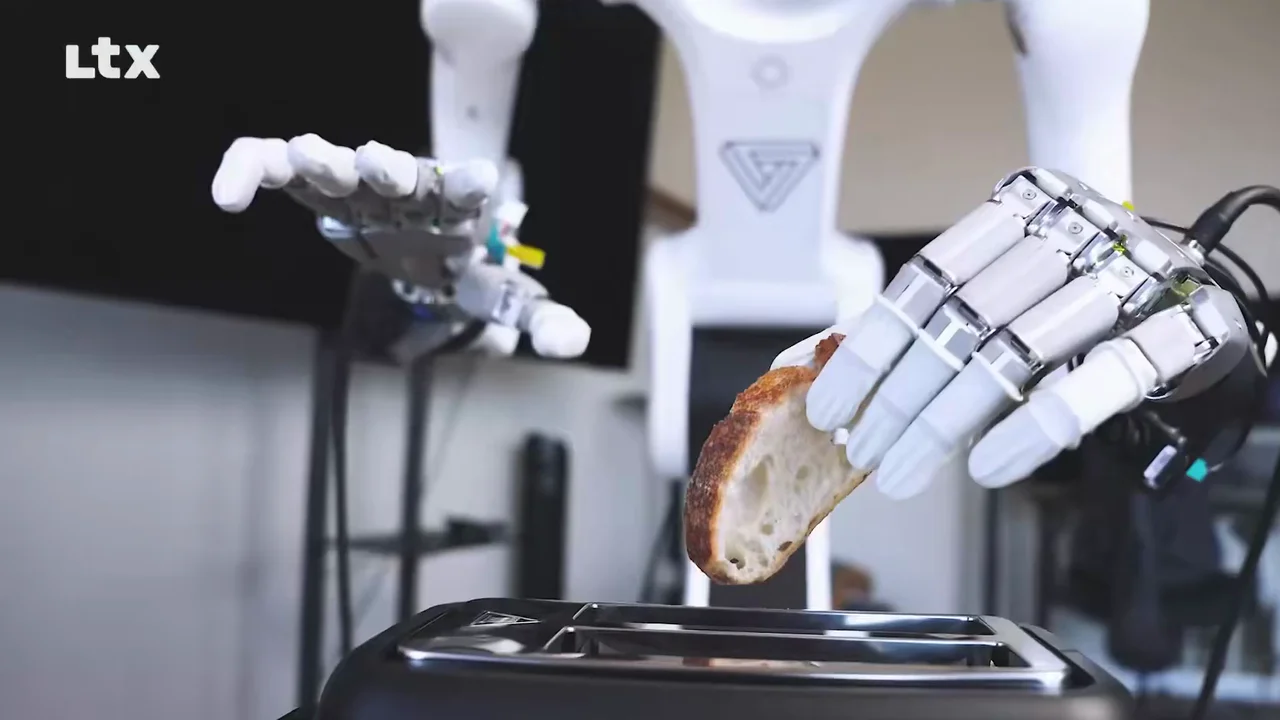
AGILINK showcased its new OmniHand 3 Ultra-M at the IEEE International Conference on Robotics and Automation (ICRA) in Vienna, highlighting its capabilities in contact-rich manipulation. The demonstrations focused on various challenges such as tactile perception and slip regulation, emphasizing the complexities of unstructured environments.
The significance of the OmniHand 3 Ultra-M lies in its potential to enhance robotic interaction stability, a critical factor for deploying robots in human-centric environments. AGILINK's approach reflects a shift in focus from mere motion generation to ensuring reliable interactions under varying contact conditions, which is essential for practical applications.
Looking ahead, AGILINK's dual-flagship strategy, featuring both the Ultra-M and its tendon-driven counterpart, the Ultra-T, positions the company at the forefront of dexterous robotics. The OmniHand 3 Ultra-M, with its 20 active degrees of freedom and lightweight design, represents a pivotal advancement in the field. No further timeline was disclosed at the time of publication.
Editor's Note
The introduction of AGILINK's OmniHand 3 Ultra-M highlights a crucial evolution in robotic manipulation technology. As industries increasingly seek to integrate robots into everyday tasks, the focus on interaction stability will be vital for successful deployment. This shift could redefine standards for dexterous robotics and influence future designs and applications.






















Leave a comment