


Tokyo Robotics Inc. 東京ロボティクス株式会社
Tokyo-based humanoid robotics developer led by CEO Yoshihiro Sakamoto; builds the Torobo platform and Torobo Hand using torque-sensing impedance control.
Contact Tokyo Robotics Inc.
WEBSITE
https://robotics.tokyo/PHONE
+81 3-4405-6609HEADQUARTERS
Japan

Company Facts
Founded
2015
Primary Role
Manufacturer
Company Size
-
Primary Region
Asia-Pacific
Annual Sales
-
Funding Stage
-
Funding Total
-
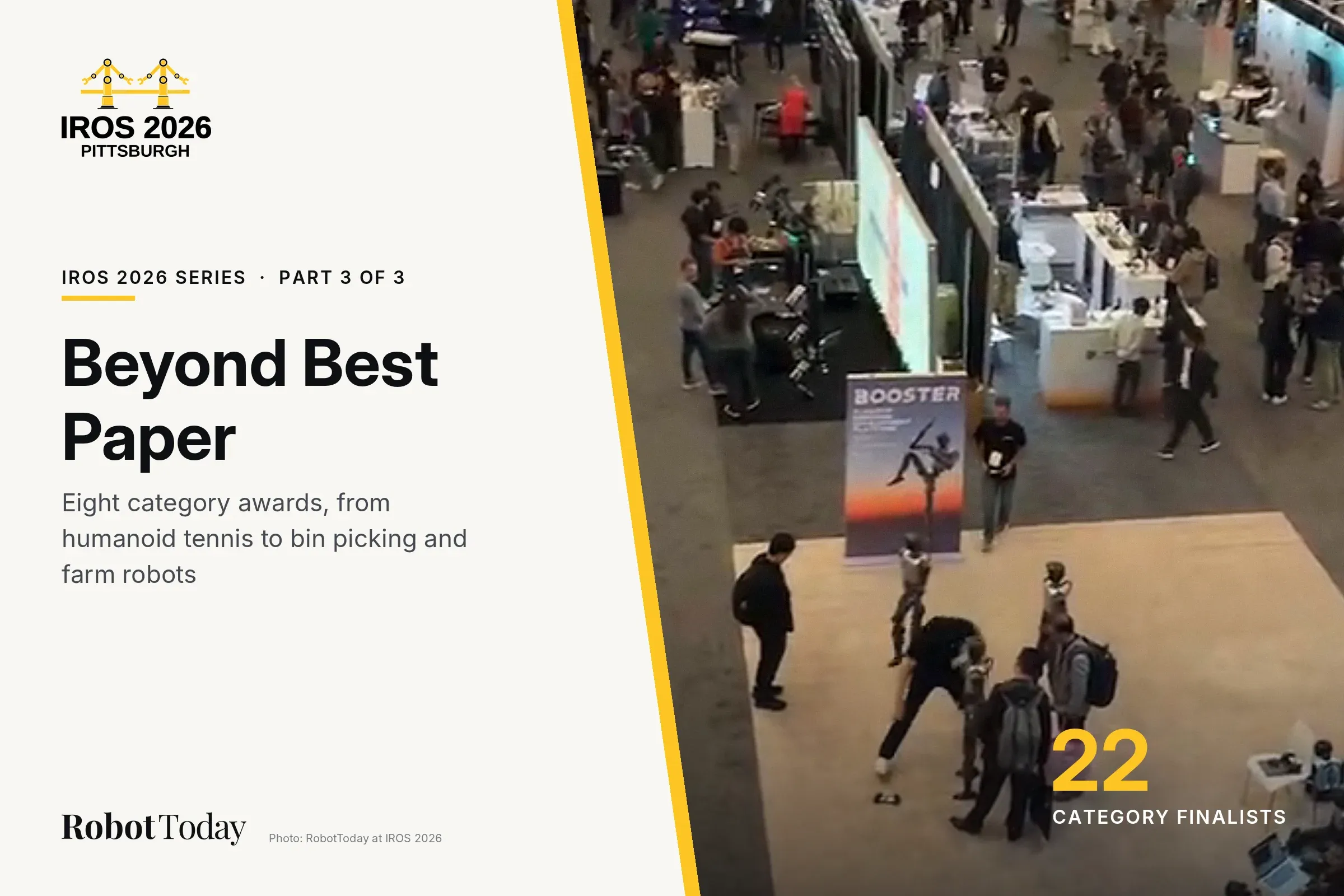
IROS 2026 Category Award Finalists: All 22 Papers
From humanoid tennis to bin picking and farm robots: the 22 finalists for IROS 2026's eight category awards, and what each one means for industry.
Mecka AI Secures $60 Million in Series B Funding Led by Sequoia
Mecka AI, a startup focused on collecting and analyzing human motion data for training humanoid and other robots, has successfully raised $60 million in a Series B funding round led by Sequoia. Notable participants in this funding include Nvidia and Microsoft's venture fund M12, among others. This funding is significant as it positions Mecka AI to replicate the success of data-labeling companies like Scale AI and Mercor, which have been instrumental in training large language models (LLMs). With a valuation of $500 million, Mecka AI aims to enhance robotics by paying individuals to perform everyday tasks while wearing body sensors and using smartphones to capture motion data. Looking ahead, the robotics sector is witnessing a surge in startups focused on real-world data collection for robot training, with competitors like XDOF also seeking funding. The expansion of human-data platforms into robotics, as seen with Scale AI and Micro1, indicates a growing trend that could reshape how robots learn and interact with their environments. No further timeline was disclosed at the time of publication.
TC Venture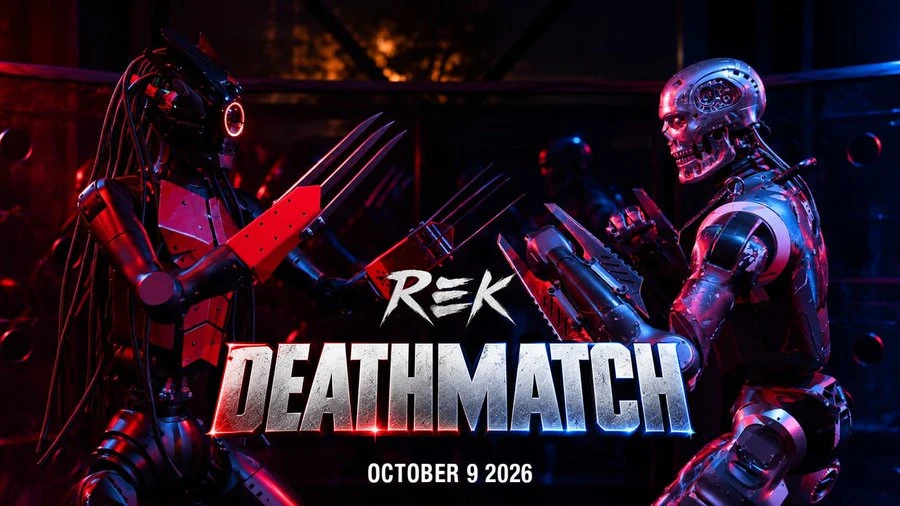
REK Introduces Swords in Humanoid Robot Fights at 'Deathmatch' Event
REK is set to elevate its humanoid robot fighting events by introducing swords in the upcoming 'Deathmatch' scheduled for October 9 in San Francisco. The event will feature blade-equipped robots, including arm-mounted weapons known as Spartan Blades and Claw Blades, promising a more intense combat experience. This addition of swords marks a significant shift in the format of robot fighting, moving from traditional punches to more dramatic swordplay. REK CEO CIX LIV humorously noted the change, indicating that the previous fights were deemed too dangerous, thus leading to the introduction of weapons. The event aims to create a unique spectacle that blends elements of gaming and robotics. As the event approaches, spectators can expect a thrilling lineup, including a G1 weapon fight and a T800 bout, culminating in a main event featuring Rektile and T-REK. The incorporation of swords is poised to attract a diverse audience, eager to witness the blend of technology and entertainment. No further timeline was disclosed at the time of publication.
US REK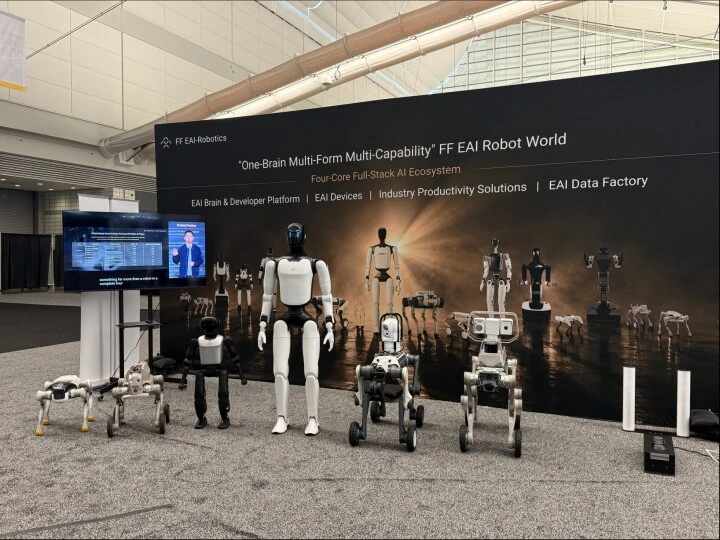
Faraday Future Initiates U.S. Robotics Manufacturing with Assembly and Sourced Hardware
Faraday Future is advancing its U.S. robotics manufacturing initiative, aiming to open a factory by late 2026 and produce its first robot by February 2027. The company's strategy emphasizes the importance of sourcing components, local assembly, and the development of hardware, as highlighted in a recent release regarding their IROS showcase. This initiative is significant as it marks a shift towards domestic manufacturing and sourcing, with a goal of achieving an annual capacity of 50,000 robots within five years. The roadmap includes plans for the Next Futurist humanoid and Next Aegis quadruped robots, while also recruiting external manufacturers for adaptation and market entry, indicating a collaborative approach rather than solely in-house development. Looking ahead, Faraday Future's focus on integrating and localizing robotics manufacturing will be crucial to its success. The company aims to enhance its production capabilities and establish a robust developer platform, although details on specific partnerships and product origins remain unclear. No further timeline was disclosed at the time of publication.
Faraday Future US
Mecka Secures $60 Million in Series B Funding to Enhance Robot Training Data Solutions
Mecka has successfully raised $60 million in a Series B funding round led by Sequoia Capital, with participation from Nvidia, Microsoft’s M12, Qualcomm Ventures, and Samsung. This funding, announced on October 7, aims to bolster Mecka's efforts in gathering human demonstrations for training robot models. The company specializes in developing capture hardware and converting recordings into structured motion and 3D data, while also offering services in robot integration and ongoing operations. The significance of this funding lies in Mecka's impressive growth trajectory, having achieved a revenue run rate exceeding $100 million in June, with projections reaching $300 million by the end of the year. However, it's important to note that these figures are company-reported and do not necessarily reflect actual revenue earned. The announcement also highlights Mecka's involvement in the EgoVerse consortium, which focuses on enhancing robot learning through human demonstrations, underscoring the potential for improved robot performance through effective data utilization. Looking ahead, the key consideration for humanoid developers is the effectiveness of transforming human recordings into reliable robotic behavior. Mecka's funding not only supports its commercial approach to this challenge but also positions it alongside competitors like Figure, which is exploring similar avenues through its Index platform. No further timeline was disclosed at the time of publication.
US Mecka
Boston Dynamics Appoints Rohit Prasad as CEO to Accelerate AI Robot Commercialization
Boston Dynamics has appointed Rohit Prasad, a former Amazon AI executive, as its new CEO, effective Wednesday. This leadership change aims to enhance the commercialization of AI-powered robots, including the Atlas humanoid and Spot quadruped robots, as the company transitions from experimental testing to large-scale industrial deployment. Prasad's extensive experience in AI technology development is expected to bolster Boston Dynamics' efforts in physical AI, which integrates advanced AI with robotics for greater autonomy and adaptability in real-world environments. His previous role at Amazon involved significant contributions to the Alexa platform and the development of enterprise-focused foundation models. Looking ahead, Prasad will prioritize the commercialization of intelligent robotic systems, focusing on safety, productivity, and operational efficiency in various sectors. No further timeline was disclosed at the time of publication.
All News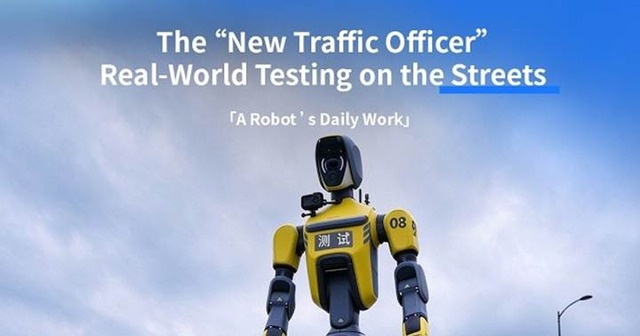
DEEP Robotics Conducts Field Test of Humanoid Robots as New Traffic Guides in Hangzhou
DEEP Robotics has conducted a field test of its humanoid robots, designed as new traffic guides, on public roads in the Xihu District of Hangzhou, China. The test, which took place on October 7, 2026, showcased the robots' autonomous navigation and dynamic obstacle avoidance capabilities in complex environments with varying weather and pedestrian traffic. This initiative is significant as it demonstrates the potential for humanoid robots to assist in traffic management and monitoring, thereby alleviating the workload of traffic police and on-site staff. The robots not only navigate slippery surfaces but also enforce traffic rules by issuing warnings through voice and gestures when detecting violations, promoting safe driving and adherence to regulations. Looking ahead, the versatility of DEEP Robotics' humanoid robots, which can engage in natural communication with pedestrians while providing traffic guidance and city information, suggests a promising future for their role in urban environments. No further timeline was disclosed at the time of publication.

HiPHI Dataset: Advancing Human Motion and Object Interaction for Humanoid Robots
The HiPHI dataset, comprising 617.5 hours of whole-body human motion data, aims to enhance the training of humanoid robots. Captured with optical motion capture technology at sub-millimeter accuracy, it includes 245.7 hours dedicated to human-object interactions, providing synchronized object trajectories and meshes. This dataset is significant as it addresses the limitations of existing training data, which often lacks precision or diversity. By utilizing FrameNet, a linguistic framework for human action, HiPHI organizes its coverage effectively, enabling better training and evaluation of humanoid robots in various scenarios. Looking ahead, the introduction of a benchmark suite for measuring motion diversity and interaction grounding will be crucial for future developments. The results from policies trained on the HiPHI dataset and deployed on the Unitree G1 humanoid robot will be important to monitor as they could set new standards in the field of humanoid robotics.
Type-whitepaper Motion-capture Physical-ai Humanoid-robots Robotics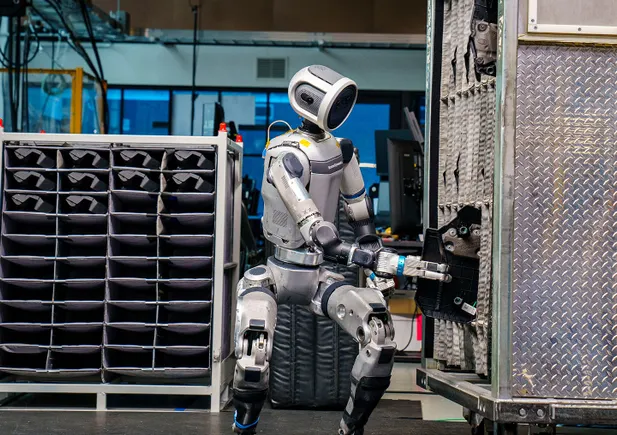
Boston Dynamics Appoints Rohit Prasad as New CEO to Drive AI and Robotics Integration
Boston Dynamics has announced the appointment of Rohit Prasad as CEO, effective immediately. Prasad, previously a senior vice president at Amazon, is recognized for his role in scaling the Alexa assistant and developing Nova generative models. His leadership is expected to enhance the integration of advanced AI with robotics, aiming to create intelligent systems that deliver significant value across various industries. This leadership change is significant as it follows a period of transition for Boston Dynamics, which saw former CEO Robert Playter step down after six years. Under Playter, the company shifted from a research-focused entity to a commercial powerhouse, launching notable products like the Spot robot and Atlas humanoid. Prasad's experience in AI and robotics is anticipated to further this mission, especially as Boston Dynamics prepares to deploy 25,000 Atlas units in Hyundai's factories starting in 2028. Looking ahead, Boston Dynamics plans to explore additional industry applications for its robotics technology next year. Prasad's vision for merging AI with robotics positions the company to capitalize on emerging opportunities in the Physical AI sector, marking a pivotal moment for the organization and the industry at large. No further timeline was disclosed at the time of publication.
The Future of Solid-State Batteries: Beyond Electric Vehicles to Humanoid Robots
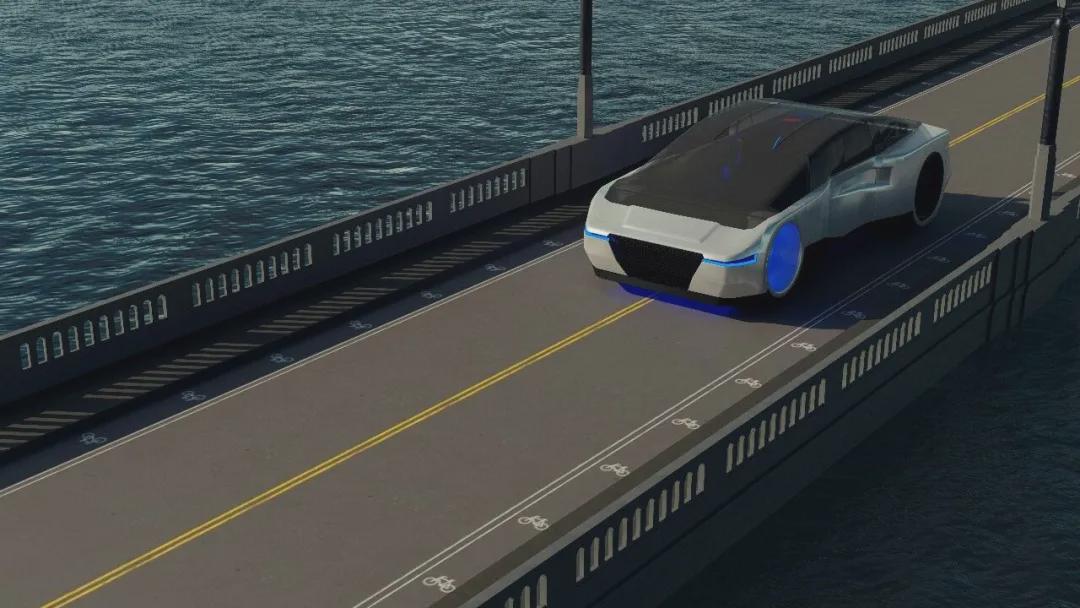
Recent discussions highlight that the first large-scale commercial application of solid-state batteries may not be in electric vehicles but rather in humanoid robots. This shift indicates a growing interest in integrating advanced battery technology into robotics, which could enhance performance and efficiency. The implications of this development are significant, as it suggests that companies are exploring new avenues for solid-state batteries, potentially transforming the robotics landscape. The focus on humanoid robots could lead to innovative applications and increased investment in this sector, as firms seek to capitalize on the advantages of solid-state technology. Looking ahead, it will be crucial to monitor how these advancements in battery technology will influence the capabilities of humanoid robots and the broader robotics industry. No further timeline was disclosed at the time of publication.
Robotics Automation AI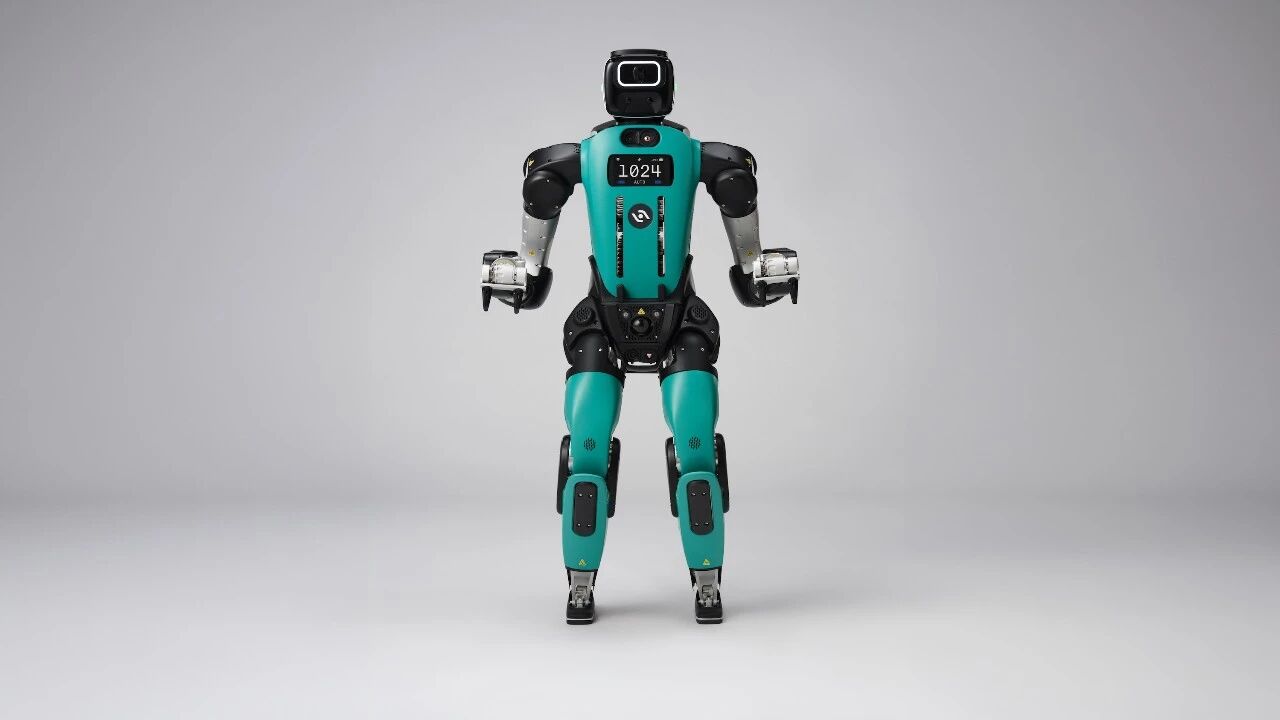
Agility Robotics Valued at $2.5 Billion Despite $140 Million Loss and $1.78 Million Income
Agility Robotics has been valued at $2.5 billion, despite reporting an annual income of only $1.78 million and a significant loss of $140 million. This valuation raises questions about investor confidence and the potential of the robotics market, particularly in humanoid robotics. The substantial valuation suggests that investors see long-term potential in Agility's technology and products, which may be pivotal in the evolving landscape of robotics. The company's focus on humanoid robots could position it favorably as demand for advanced automation solutions increases across various sectors. Looking ahead, it will be important to monitor Agility's financial performance and any strategic moves that may impact its valuation. Investors will likely be keen to see how the company plans to bridge the gap between its current income and its ambitious market valuation. No further timeline was disclosed at the time of publication.
Robotics Automation AI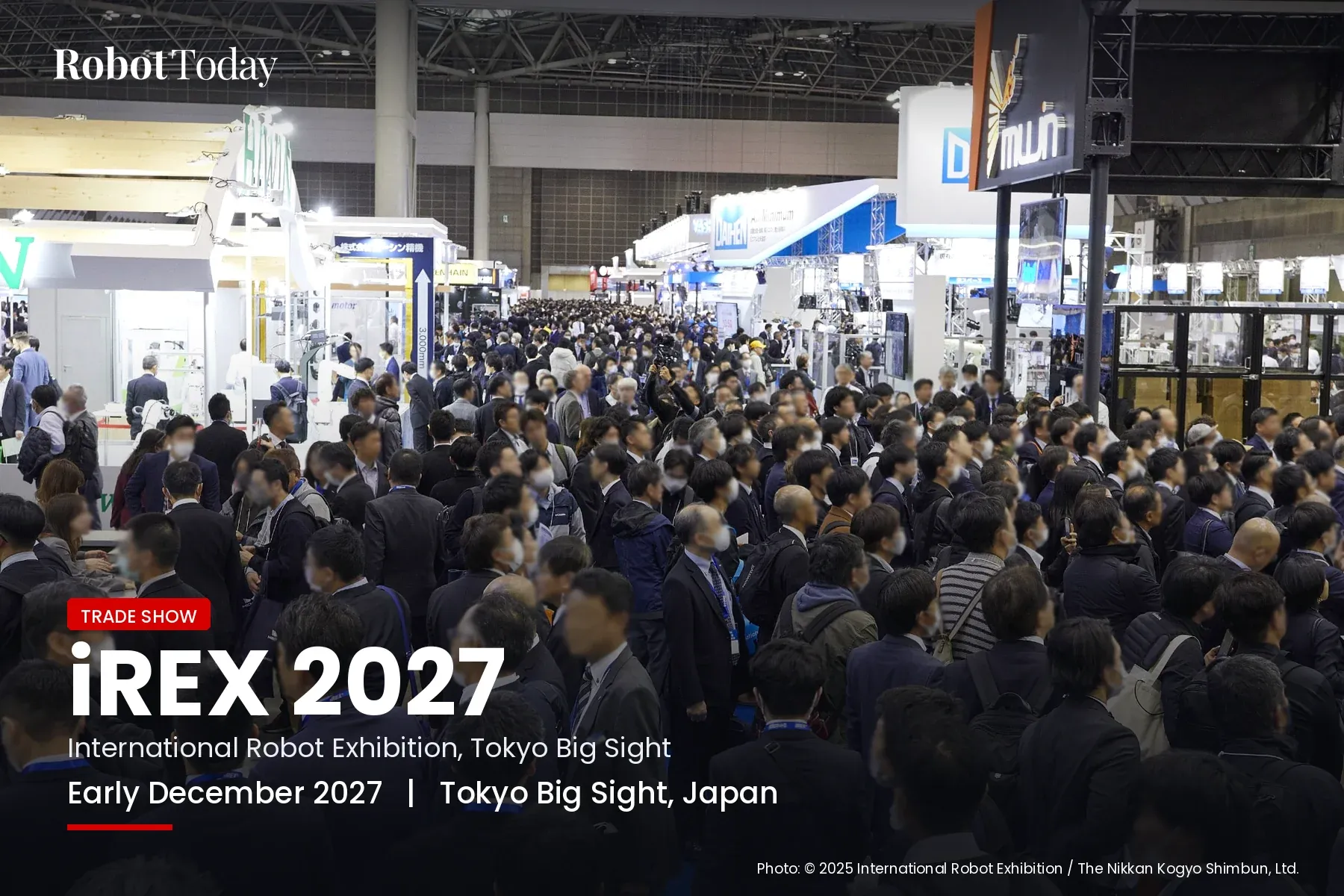
iREX 2027: International Robot Exhibition, Tokyo, Dec 2027
iREX 2027 returns to Tokyo Big Sight in early December 2027. The 2025 edition drew a record 673 exhibitors and 156,110 visitors.

RobotToday Weekly September 21 – 25, 2026
Cognex buys RealSense, Qualcomm acquires PickNik, the IFR counts 5 million factory robots, AGIBOT deploys 300 robots at Chimelong, and Tekever raises $580 million.

ROBOTTODAY Weekly July 20 – 24, 2026
Your weekly robotics briefing: AGIBOT unveils four new robots at WAIC 2026, the NDAA bars Chinese humanoids from the U.S. military, SoftBank eyes Gravis Robotics for its Roze vehicle, and Anduril reveals its Thunder autonomous attack tiltrotor at Farnborough.
ROBOTTODAY Weekly June 30 – July 4, 2026
Unitree wins CSRC approval for China’s first humanoid IPO, Korea unveils ₩312T AI investment, RoboCup 2026 opens in Incheon, and Paris launches Europe’s inaugural Physical AI summit.
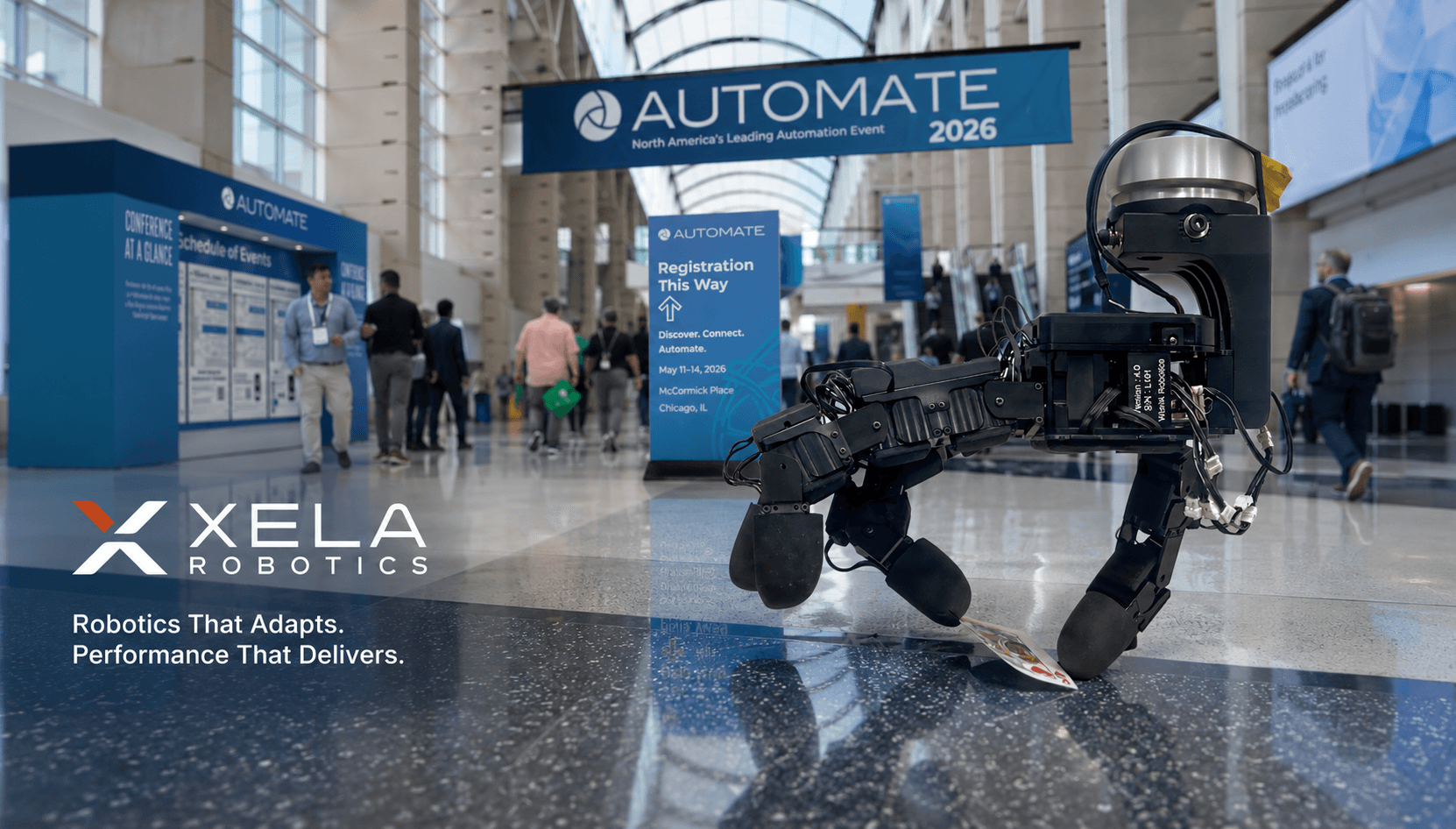
XELA Robotics Launches Next-Gen Tactile Sensors at Automate 2026
XELA Robotics unveiled five major uSkin® tactile sensor advances at Automate 2026 — including a force-sensitive nail fingertip, UMI AI integration, and fragile object handling. Full product report by RobotToday.com.

ROBOTTODAY Weekly May 23 – 29, 2026
This week in robotics: the Humanoids Summit debuts in Tokyo, China assigns every humanoid robot a digital ID, Figure signs a Catalyst Brands deployment deal, and Unitree heads to a June 1 IPO hearing. May 23–29, 2026.

Agricultural Robotics | 2025–2030 Outlook: The Labor Cost Reckoning
Agricultural robotics is projecting a $28–48 billion market by 2030 outside China, driven purely by labor cost replacement. Part 10 synthesizes the series: forecasting penetration ceilings, emerging technologies, and regional winners in the most consequential farming transformation since mechanization.
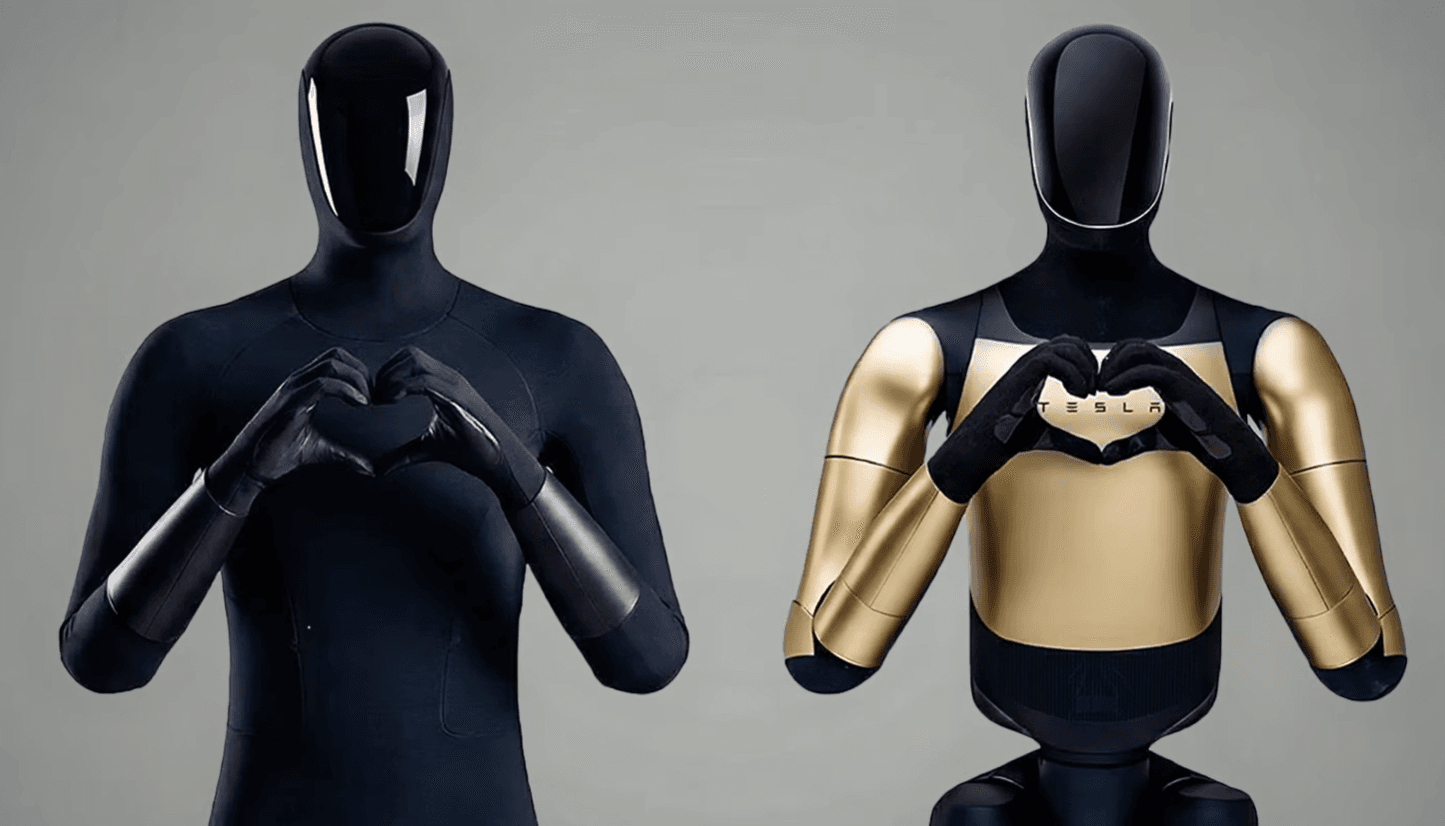
Vision-Based Tactile Sensing: The Race to Build What Tesla's Optimus Needs
Vision-based tactile sensing (VBT) is emerging as the critical missing piece for Tesla Optimus dexterous hands. This briefing covers the technology, six global milestones, a ten-company competitive landscape, and the Chinese startup ecosystem — including PaXini, Daimon Robotics, DouDong, WeiTi and QianJue.
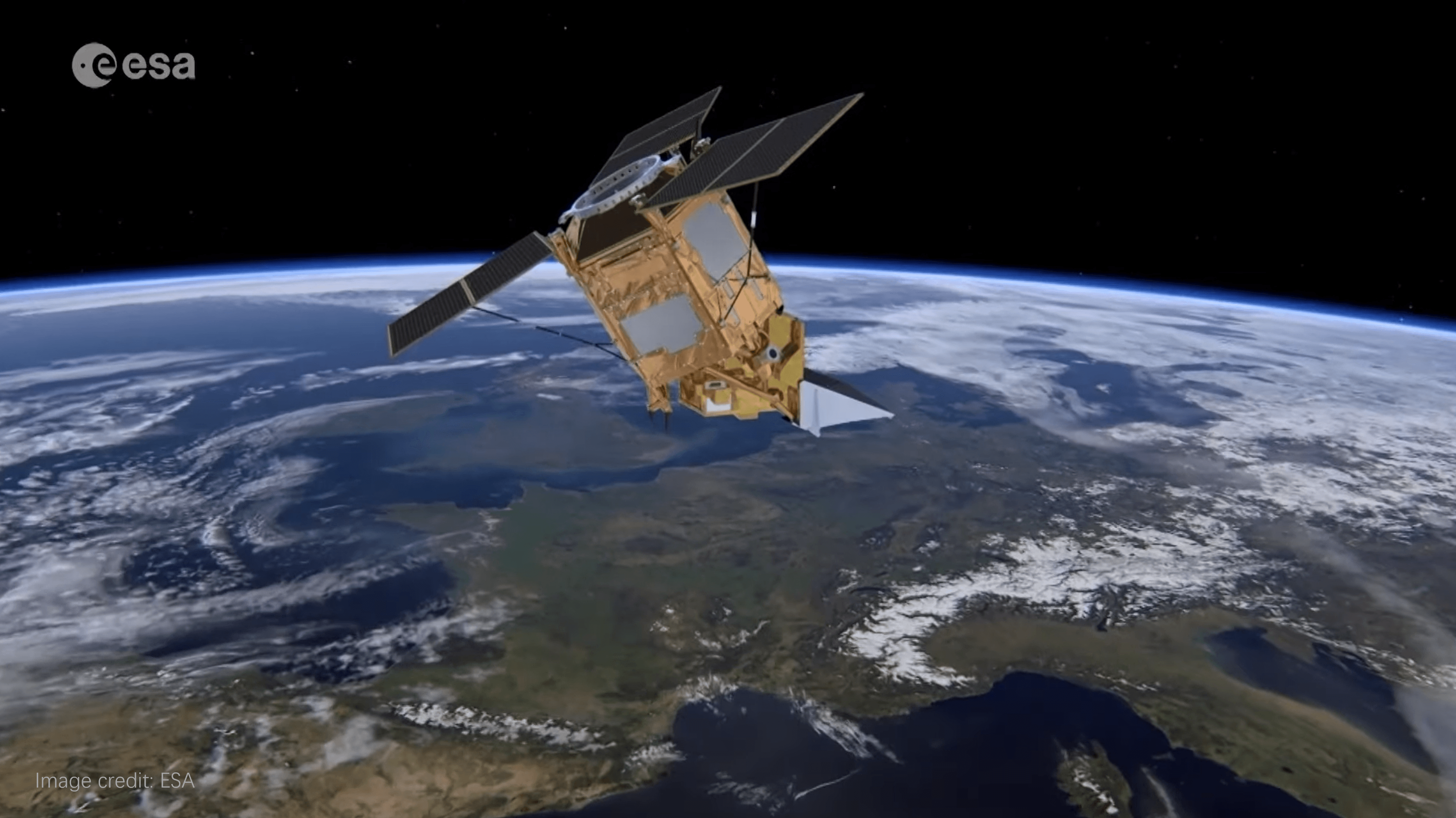
Space Robot - Killer App: The $30B Satellite Servicing Market
Orbital servicing is transforming space economics: $2B wasted annually on premature satellite deaths. Market growing from $500M to $20-30B by 2040. Deep dive into Astroscale, Northrop Grumman MEV, and the business of satellite refueling and debris removal.


