


Robo-Gear, LLC
US maker of custom protective covers and dress-out systems for industrial and collaborative robots, backed by 30+ years in automation.
Contact Robo-Gear, LLC
WEBSITE
https://robo-gear.comPHONE
+1 (216) 798-5839HEADQUARTERS
United States

Company Facts
Founded
-
Primary Role
Component Supplier
Company Size
-
Primary Region
North America
Annual Sales
-
Funding Stage
-
Funding Total
-

ABB Robotics Introduces E-Device for Multi-Device Robot Control
ABB Robotics has expanded its offerings for programming and operating robots with the introduction of the E-Device. This new tool allows users to control robots through various devices, enhancing flexibility and usability in robotic applications. The introduction of the E-Device is significant as it addresses the growing need for adaptable and user-friendly solutions in robotics. By enabling control from multiple devices, ABB Robotics aims to streamline operations and improve the efficiency of robotic systems in various industrial settings. Looking ahead, industry professionals should monitor how the E-Device impacts robot programming and operation. No further timeline was disclosed at the time of publication.
Allgemein Robotersteuerung & Digital Twin Robotik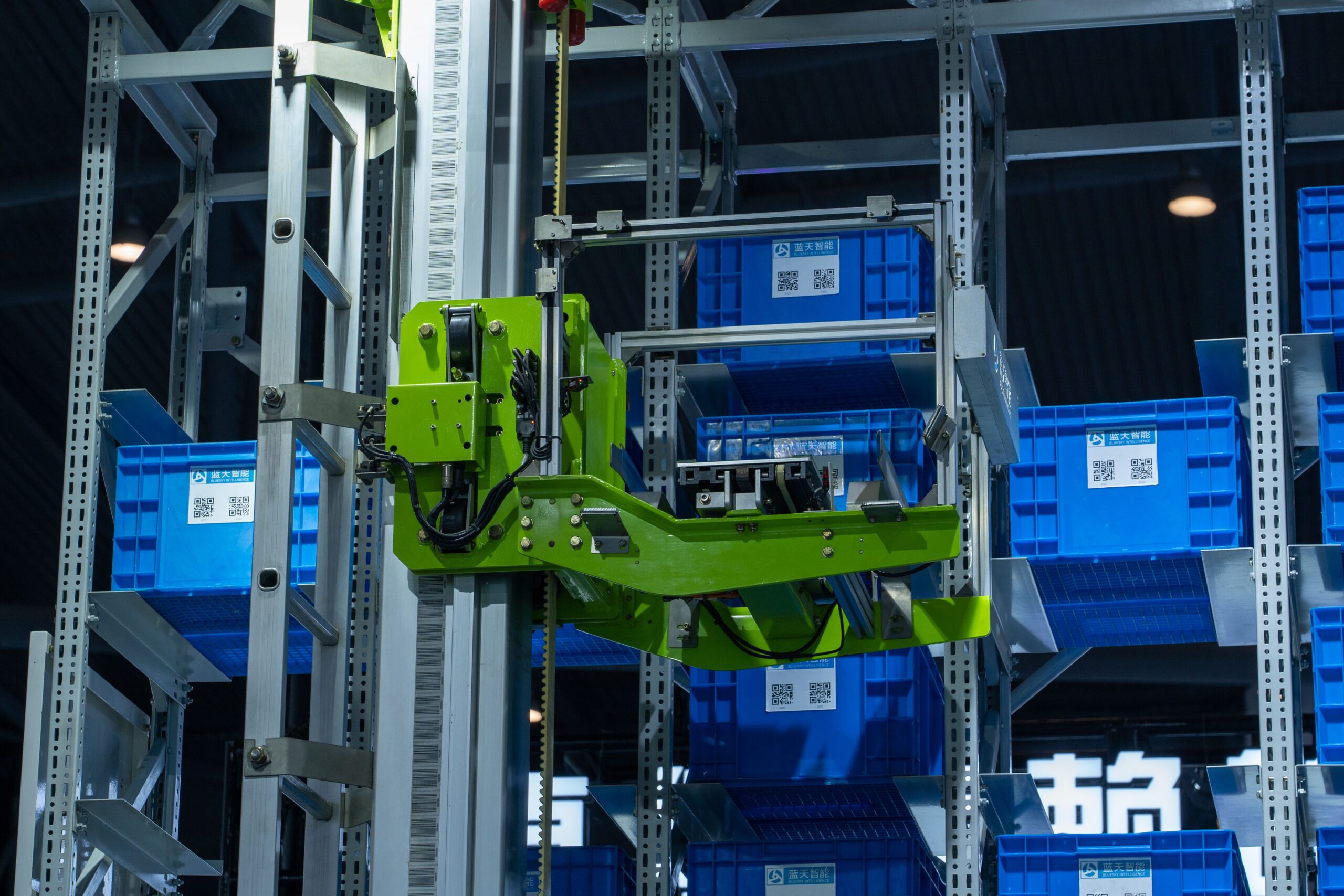
Robot Field Service Becomes Essential for Scalable Automation Success
The robotics industry is increasingly focusing on the post-installation phase as robot field service emerges as a critical challenge for automation scalability. Operational issues can arise when robots experience failures in remote locations, necessitating immediate technician intervention rather than simple software updates. This is particularly crucial in sectors like commercial kitchens, where downtime can severely impact service delivery. For logistics operators, the realization is that the journey of a robot begins with purchase and installation, but ongoing maintenance, spare parts availability, and technician training are vital for operational success. This could lead to changes in how contracts for warehouse robotics are structured, emphasizing service-level agreements that define response times and responsibilities for various types of faults. As the deployment of robots expands, the ability to maintain them effectively in the field will become increasingly important. A robust field-service model could minimize unplanned downtime and enhance confidence in deploying automation across multiple facilities, potentially driving demand for third-party service networks that support diverse robotic systems.
Latest News automation Field Service maintenance robotics warehouse automation
Germany Accounts for 41% of All Industrial Robots Installed in the EU
Germany's economy is at the forefront of robotics automation in Europe, having installed 24,800 new industrial robots in the manufacturing sector. This significant contribution highlights Germany's leadership role in the adoption of advanced automation technologies. The installation of these robots represents 41% of all industrial robots deployed across the European Union, underscoring the importance of Germany in the regional robotics landscape. This trend reflects a growing commitment to enhancing productivity and efficiency within the manufacturing industry. Looking ahead, it will be crucial to monitor how Germany continues to leverage robotics technology to maintain its competitive edge in the EU market. No further timeline was disclosed at the time of publication.
Allgemein Newsarchiv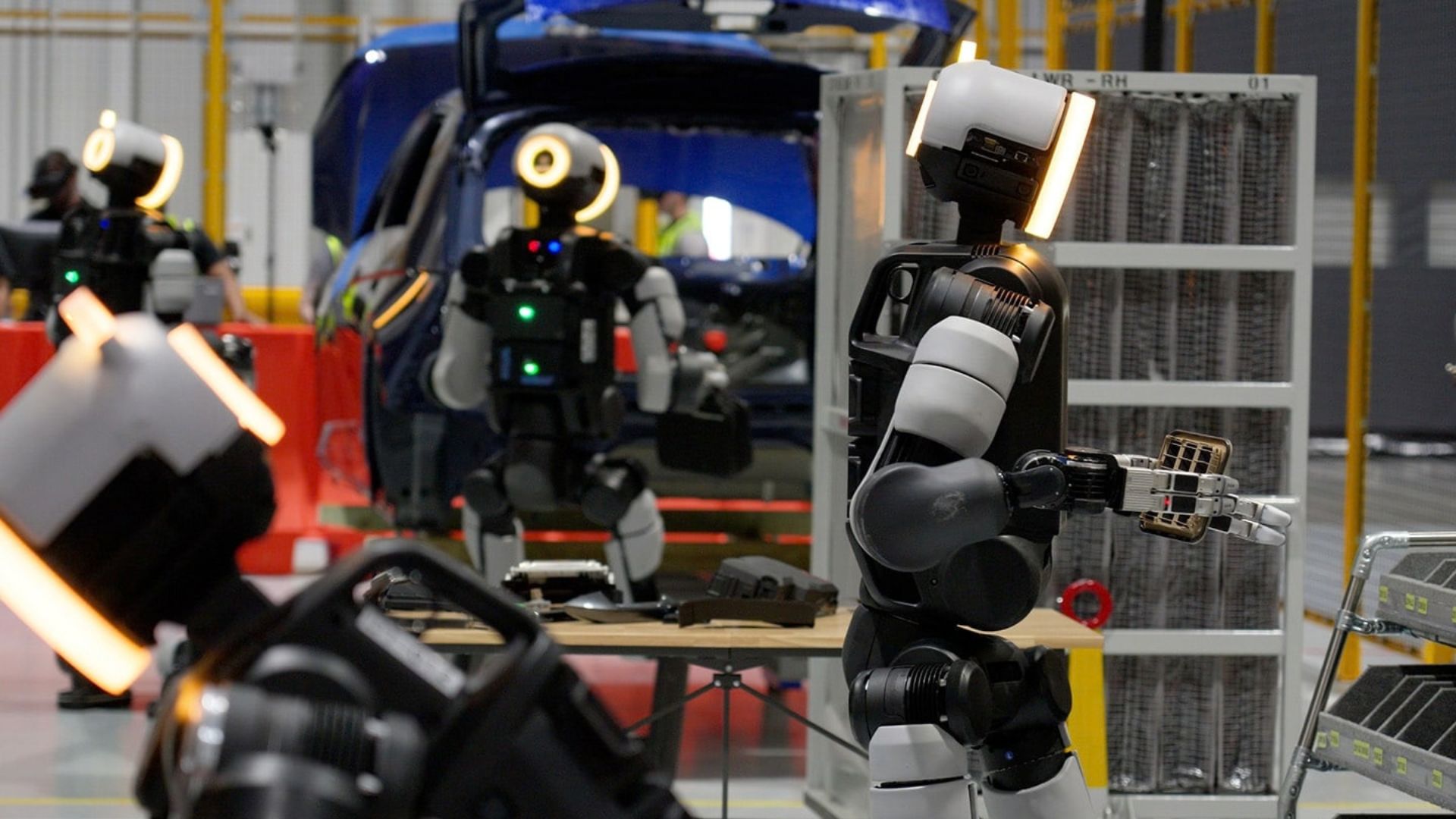
Boston Dynamics Launches Atlas Robot Testing at Hyundai's Metaplant for 25,000 Unit Rollout
Boston Dynamics has initiated testing of its Atlas humanoid robot at the Robotics Metaplant Application Center (RMAC) within Hyundai Motor Group’s Metaplant America in Georgia. This facility aims to serve as a dedicated hub for physical AI and robotics training, with plans for Hyundai to deploy 25,000 Atlas units globally by 2030. The collaboration between Boston Dynamics and Hyundai is significant as it marks a shift towards integrating humanoid robots into manufacturing processes. Atlas is expected to handle complex tasks such as component assembly and heavy lifting, which will enhance productivity and safety in the workplace. The robot's capabilities include lifting up to 50 kg and operating in extreme temperatures, making it suitable for various industrial applications. Looking ahead, the partnership plans to expand testing into non-automotive sectors by relocating operations to a larger facility in 2027. This initiative aims to reduce physical strain on human workers by automating high-risk tasks, while also addressing labor concerns regarding job security in an increasingly automated environment. No further timeline was disclosed at the time of publication.
AI and Robotics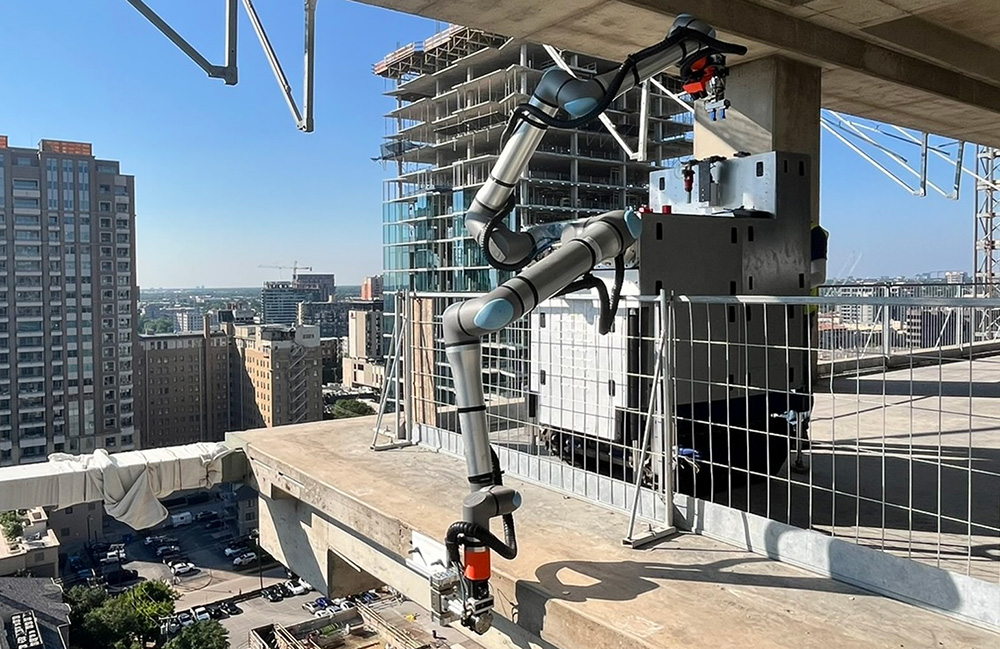
Raise Robotics to Address Scaling Challenges for Field Robots at RoboBusiness 2026
At RoboBusiness 2026, Kenrick Tjandra from Raise Robotics will present on leadership strategies for scaling field robotics. He emphasizes that the gap between current capabilities and customer needs is often a leadership issue rather than a hardware limitation. Raise Robotics, based in San Francisco, has achieved a significant milestone by completing 10 projects across eight states, accumulating over 4,528 robot-hours without safety incidents. Tjandra's framework, peer-reviewed by the Project Production Institute, aims to guide teams in deciding whether to enhance product features or develop operator training. Attendees at the session will learn valuable decision-making tools and insights from Tjandra's experiences, including lessons from past failures. The event, scheduled for October 20-21 in Santa Clara, California, will also provide networking opportunities and insights into the latest trends in robotics and AI across various sectors.
Actuators / Motors / Servos Construction Events Markets / Industries News Technologies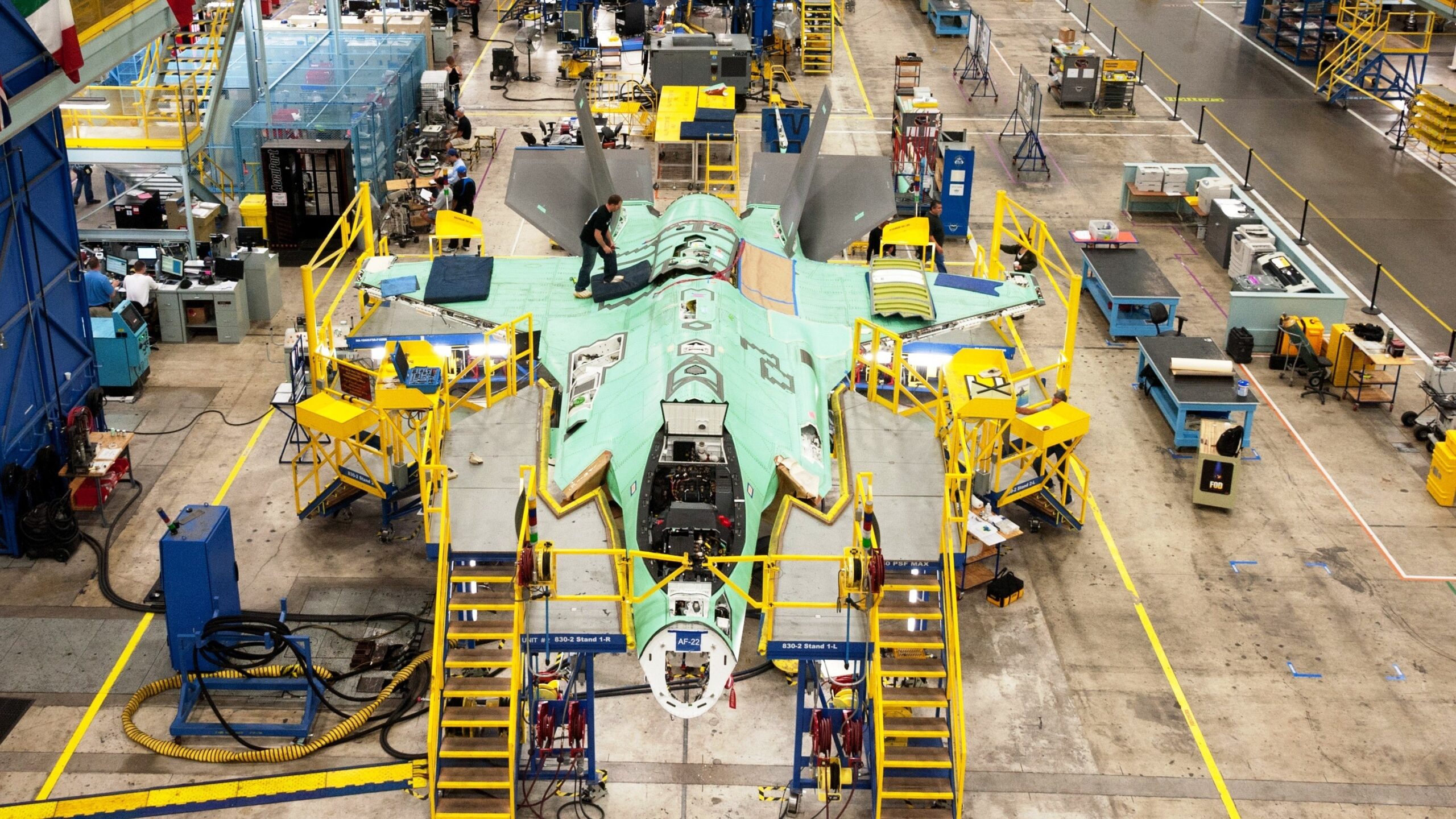
AIA and Bain Report Highlights Funding Gaps in Defense Technology Sector
A recent study by the Aerospace Industries Association (AIA) and Bain & Company reveals significant funding gaps in the defense technology sector, particularly in critical minerals and components like semiconductors and solid rocket motors. Despite a tenfold increase in venture capital funding for defense since 2019, private equity remains largely untapped, indicating barriers to investment in essential areas. The report emphasizes that while there is no shortage of capital in defense, challenges exist in directing this investment towards critical bottleneck areas. AIA President Eric Fanning noted the need for federal decision-makers to understand how to incentivize private investment and address barriers that hinder capital flow to necessary facilities and technologies. Looking ahead, the study suggests that addressing these funding gaps is crucial for strengthening the defense industrial base and enhancing production capacity. No further timeline was disclosed at the time of publication.
Pentagon Aerospace Industries Association Business & Industry defense industrial base private equity venture capital VC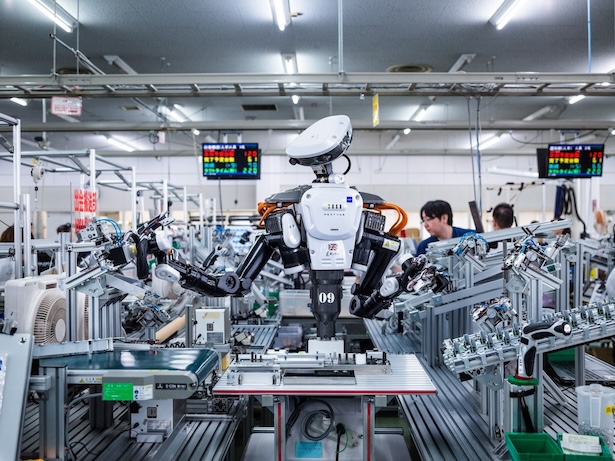
Kuka Systems and Magdeburg-Stendal University Launch Friction Stir Welding Research Cell
Kuka Systems, in collaboration with Magdeburg-Stendal University, has introduced a new research cell focused on Friction Stir Welding (FSW). This initiative aims to enhance the development and testing of innovative manufacturing processes. The establishment of this research cell is significant as it expands the capabilities of both Kuka Systems and the university in exploring advanced welding techniques. Friction Stir Welding is known for its efficiency and effectiveness in joining materials, making it a valuable area of research in manufacturing. Looking ahead, stakeholders in the manufacturing and robotics sectors should monitor the outcomes of this collaboration. The advancements in FSW technology could lead to improved production methods and applications across various industries. No further timeline was disclosed at the time of publication.
Allgemein Lösungen Metallbearbeitung & Schweißen Robotersteuerung & Digital Twin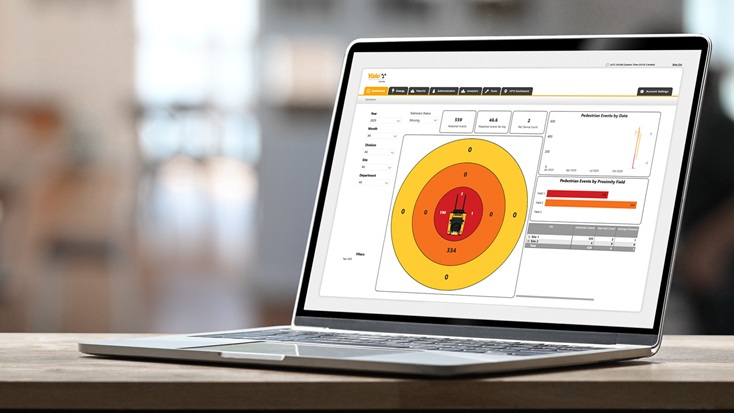
Integrated Technology Enhances Warehouse Equipment Operations and Decision-Making
Recent advancements in integrated technology are transforming warehouse operations by providing comprehensive visibility into equipment performance and workflows. As supply chains evolve and customer demands increase, warehouse leaders are prioritizing the integration of various technologies, such as the Yale Reliant™ Pedestrian Awareness Camera and the Yale Vision Pedestrian Detection Events Dashboard, to enhance operational intelligence. This shift towards connected solutions allows managers to move beyond isolated data points and gain a holistic understanding of how equipment, personnel, and processes interact throughout the day. By leveraging integrated systems, warehouses can identify patterns, streamline workflows, and make informed decisions that improve efficiency and responsiveness. Looking ahead, the trend of embracing integrated technologies is expected to continue, as organizations recognize the importance of connected ecosystems over standalone solutions. No further timeline was disclosed at the time of publication.
Materials Handling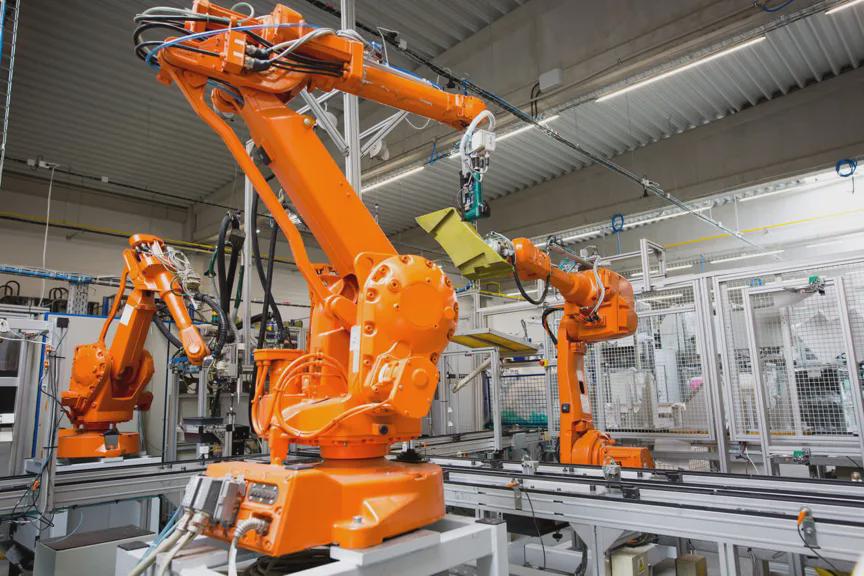
354,000 Chinese Industrial Robots Transforming the Landscape of the 'Four Great Families
A significant development in the robotics sector has emerged, with 354,000 Chinese industrial robots reportedly toppling the city walls of the 'Four Great Families'. This event highlights the rapid advancements in robotics technology and its implications for urban infrastructure. The importance of this transformation lies in the potential for industrial robots to reshape traditional industries and urban environments. As these robots become more integrated into various sectors, they may lead to increased efficiency and innovation, challenging established norms and practices. Looking ahead, the ongoing evolution of robotics technology will be crucial to watch. The integration of such a large number of robots signifies a shift in how industries operate, and it will be interesting to see how this impacts future urban planning and industrial strategies. No further timeline was disclosed at the time of publication.
Robotics Automation AI
ZS Robotics Launches H125 Four-Way Pallet Shuttle to Enhance Warehouse Operations in the US
ZS Robotics has introduced the H125 four-way pallet shuttle in the Americas, designed to enhance safety and simplicity in warehouse operations. With a chassis height of only 125 mm, this ultra-low profile shuttle aims to meet the needs of system integrators and warehouse operators by improving operational efficiency. The launch of the H125 is significant as it addresses rising real estate and labor costs, skills shortages, and the increasing demand for faster and more accurate deliveries. ZS Robotics' automated storage and retrieval systems (ASRS) provide high-density storage solutions that help companies reduce costs while improving service quality. Looking ahead, the focus will be on how the H125 can transform warehouse operations and its adoption among US system integrators. No further timeline was disclosed at the time of publication.

China’s Dexterous Hand Industry, 2026 Part 3 — The Players
Five vendor archetypes, MIR’s composite top ten, eight company profiles and six field deployments — every firm linked to the RobotToday supplier directory.

China’s Dexterous Hand Industry, 2026 Part 2 — The Technology
Linkage, tendon, direct drive or hybrid — and why hardware is converging while the DL1–DL5 manipulation scale decides who wins. Part 2 of 3.

2026H2 Robotics Events Briefing: Tailored Recommendations for Robotics Readers
Discover the ultimate directory of global robotics events in 2026. Tailored briefings for engineers, investors, and founders on humanoid robots, AI, and industrial automation by RobotToday.

AGRICULTURAL ROBOTICS SERIES — Company Directory 2026
Access the definitive 2026 directory of 150+ agricultural robotics companies. A comprehensive reference guide covering autonomous tractors, harvest automation, precision weeding, and AI data platforms across the global agtech ecosystem.
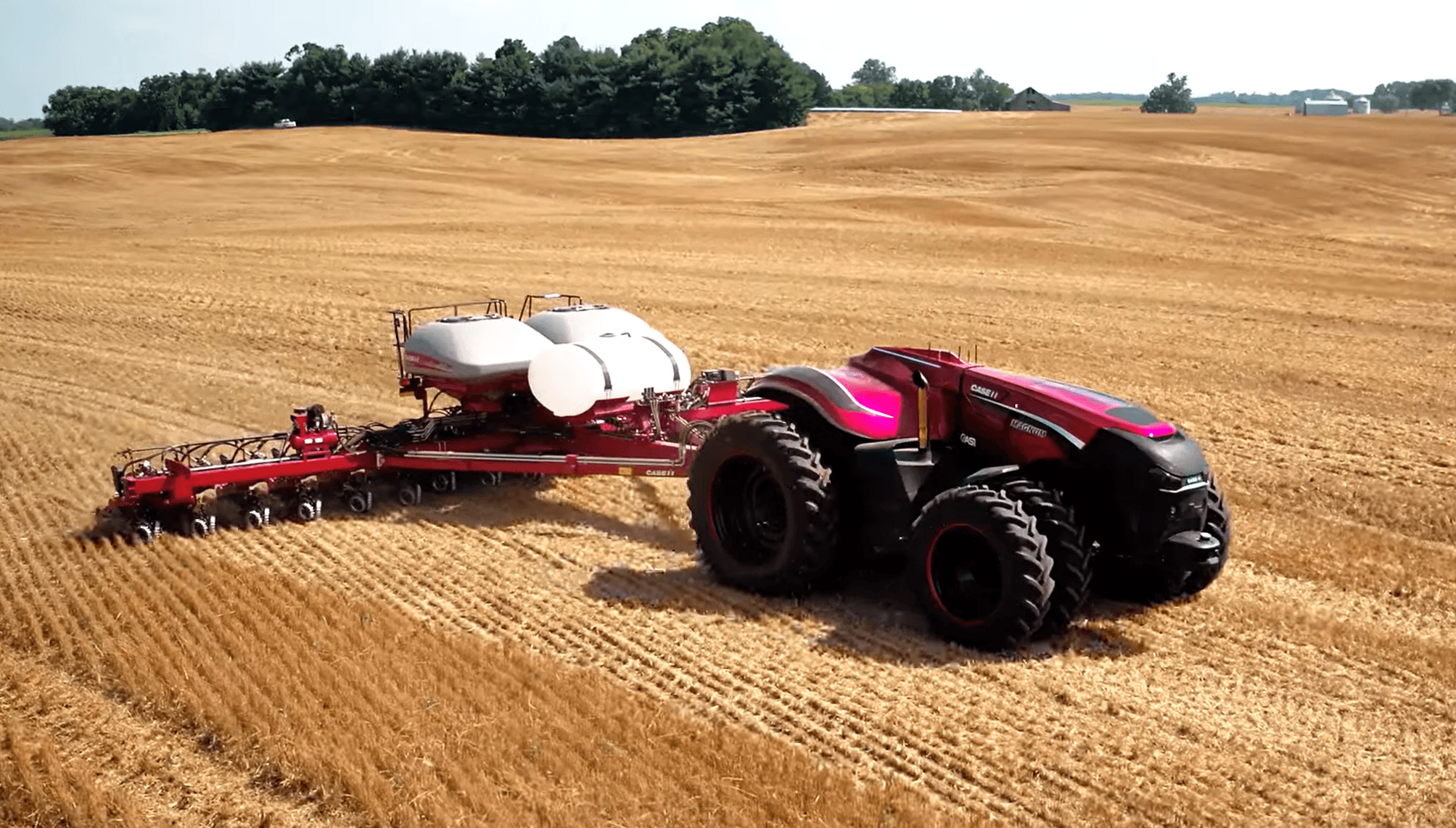
Agricultural Robotics | Autonomous Tractors: The $13B Platform Battle in Plain Sight
Autonomous tractors target a $2.7B market growing at 22% CAGR to 2032. Deep-dive on John Deere 8R, AGCO Fendt, CNH Industrial, Kubota AgriRobo, and Monarch MK-V — and why the platform war matters more than the hardware.
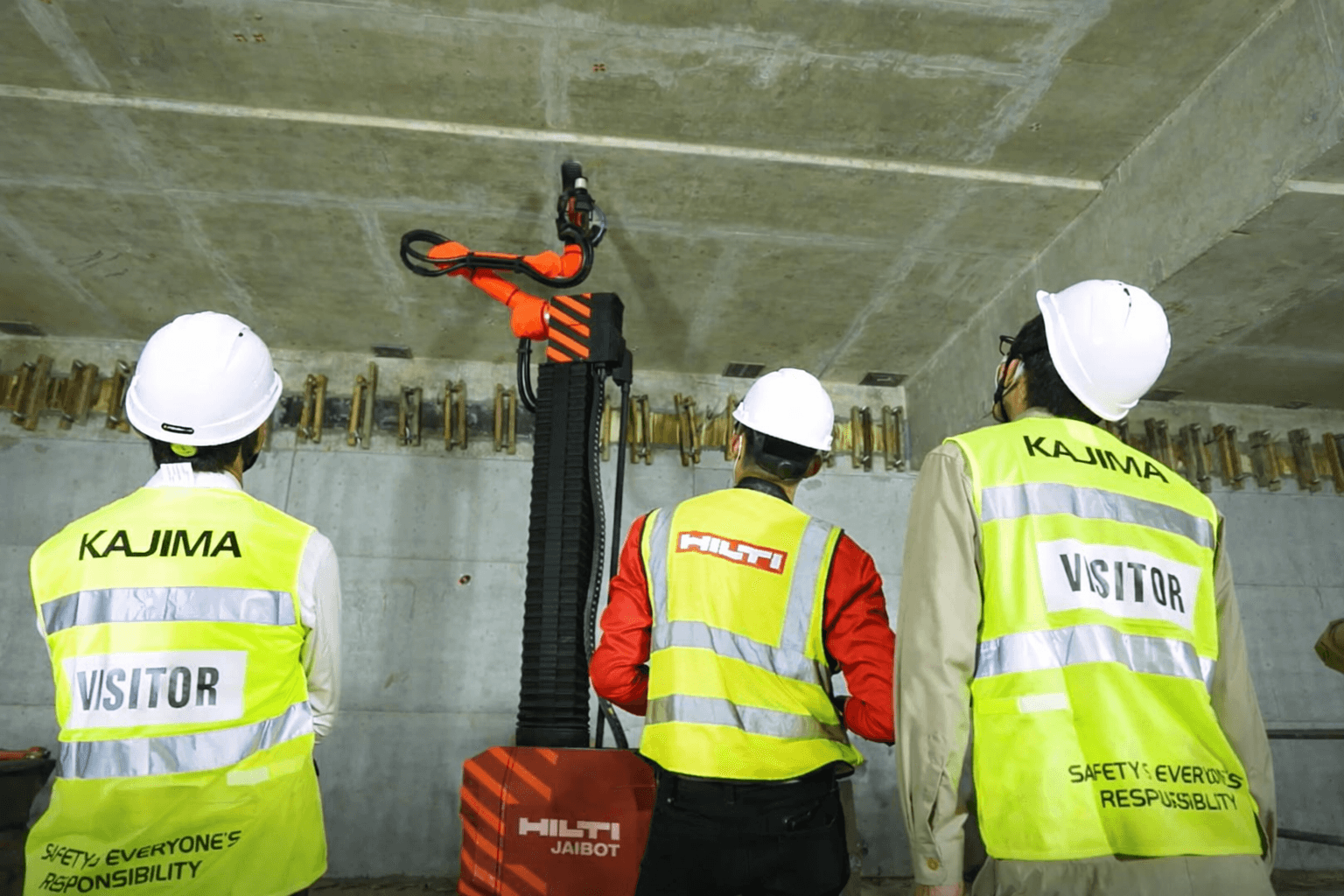
CONSTRUCTION ROBOTICS | Concrete & Structural Robots: The Fastest ROI in Construction Automation
Rebar binding robots cut labor 70%. Concrete finishing robots grow at 17% CAGR. Deep-dive on TyBOT/IronBOT, Hilti Jaibot, Shimizu Smart Site, and China's XCMG. Why structural automation delivers the fastest payback in high-rise markets.
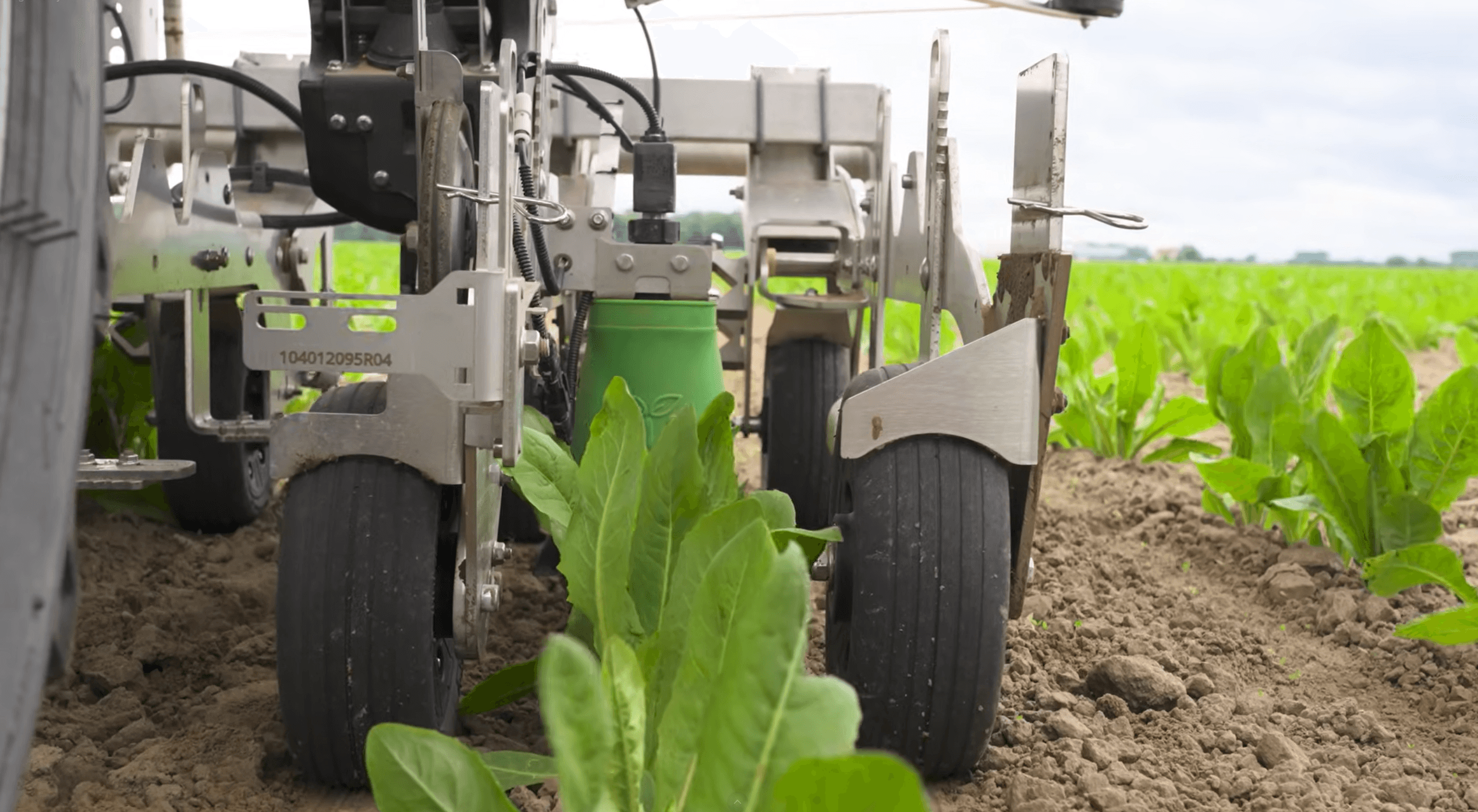
AGRICULTURAL ROBOTICS | Precision Planting & Seeding
Precision planting and seeding robots are emerging as one of the fastest-ROI segments in agricultural robotics. This deep dive examines market size, key technologies, and leading players across North America, Europe, Japan, and Israel, including RTK-GPS planters, autonomous tractors, and swarm seeding systems.
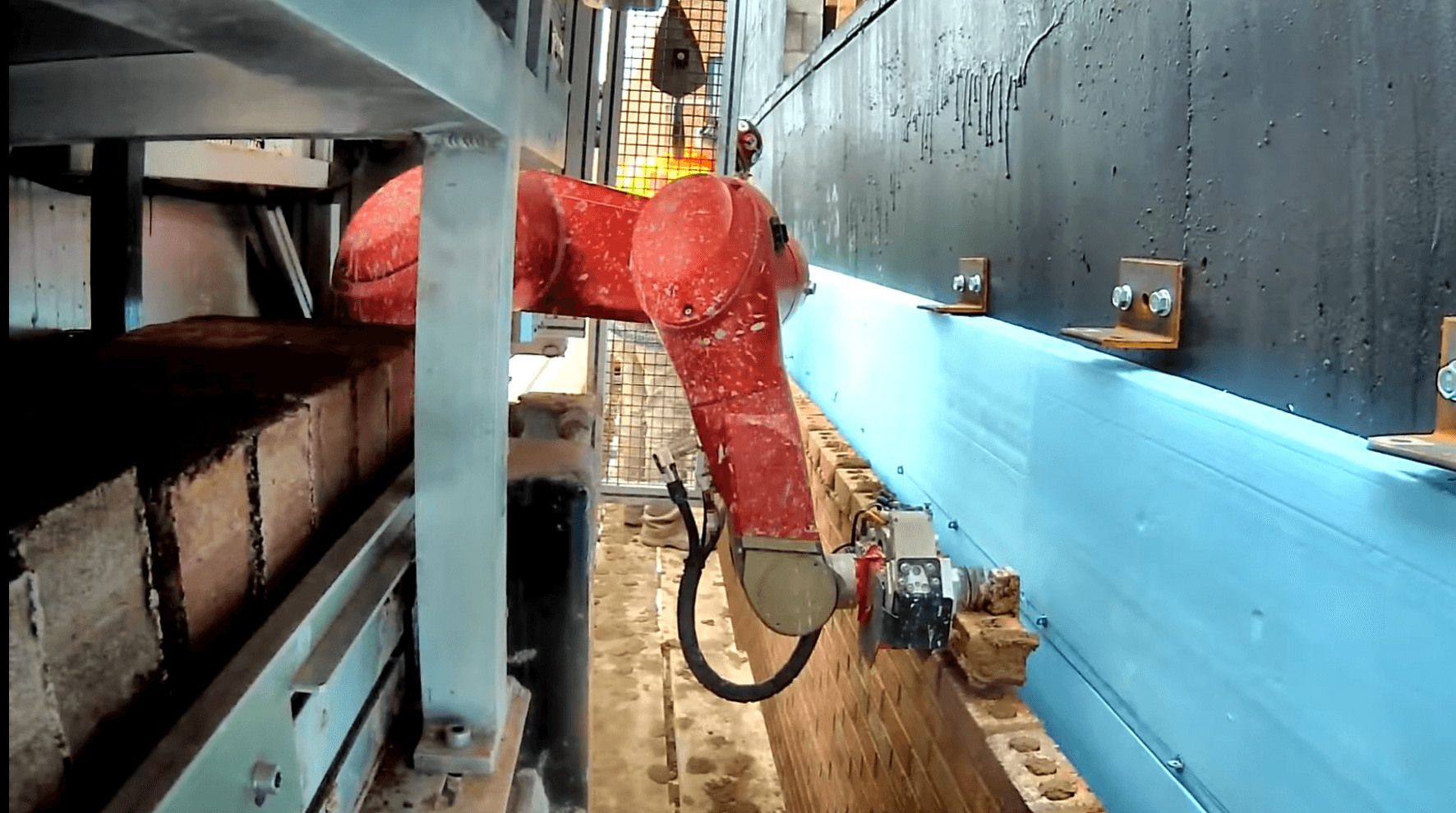
Construction Robots vs. Unions: A $500K Battle
Construction robots can lay 6× more bricks than humans—but unions, labor law, and political calculus are keeping them off U.S. sites. How Japan, Singapore, and Europe are winning the race instead.
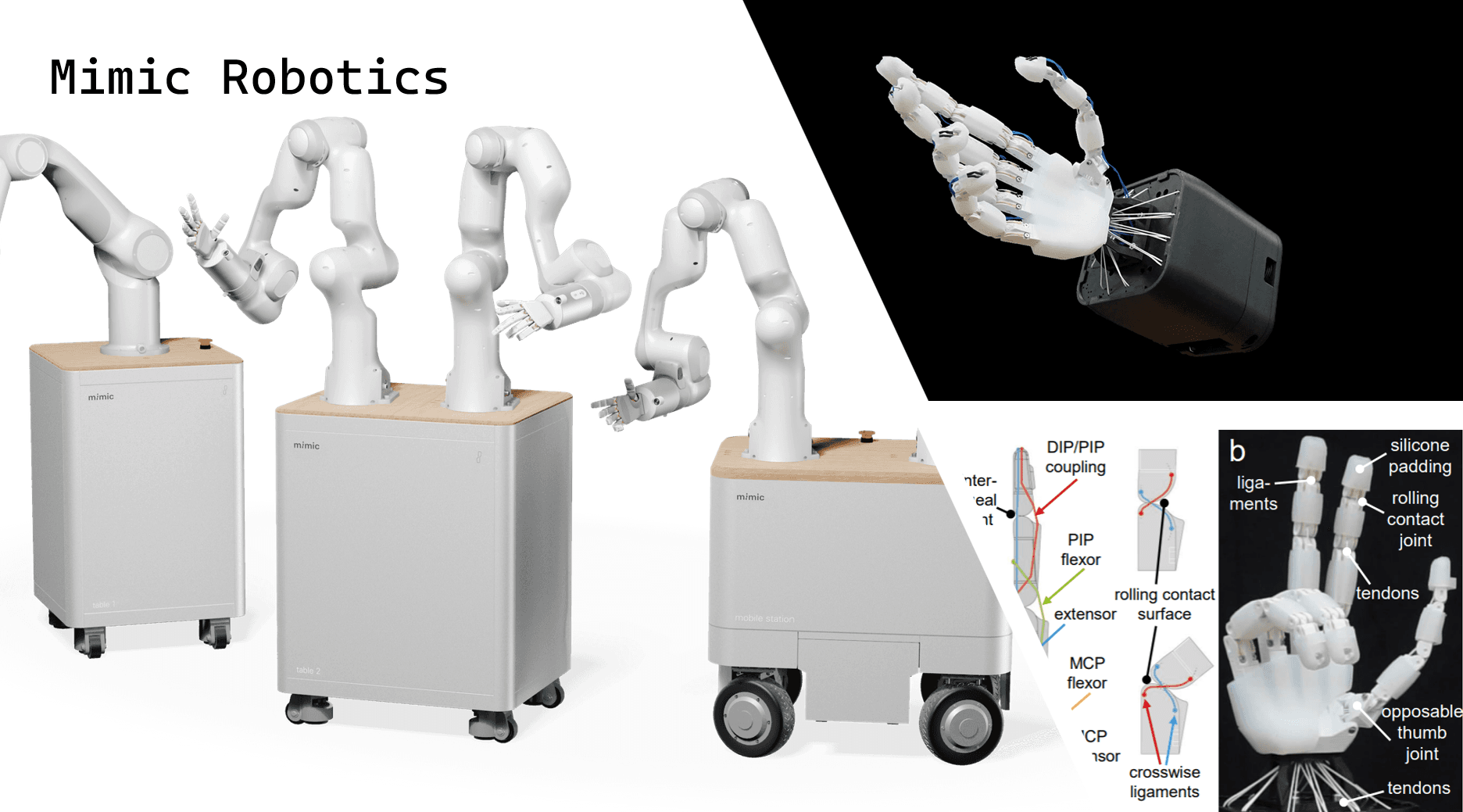
How Mimic Robotics is Bringing Physical AI to Dexterous Manipulation
Mimic Robotics combines dexterous robotic hands with foundation-model Physical AI to automate human-like manipulation tasks in industry with scalable learning.
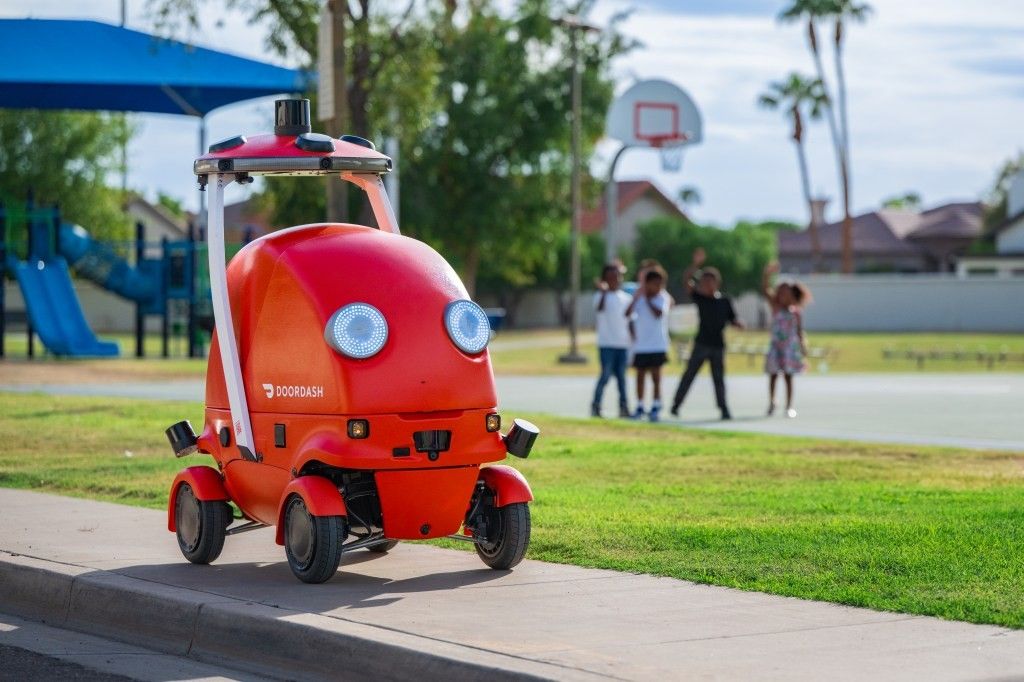
Doordash's Autonomous Delivery Robots Signal A New Era in Food Logistics
DoorDash rolls out autonomous delivery robots that reshape food logistics, combining smart navigation and contactless service for scalable last-mile delivery.


