Search Result for: https://www.space.com/space-exploration/satellites/its-quite-a-bit-more-than-we-expected-satellite-reveals-immense-scale-of-gps-signal-tampering

Drones of the Berlin Air Show, plus a window into Europe’s space ambitions
This week, ILA Berlin 2026 featured a comprehensive overview of small unmanned systems and various space-launch options. The event highlighted advancements in technology and innovation within the aerospace sector, attracting industry professionals and enthusiasts alike. Attendees had the opportunity to explore cutting-edge developments that could shape the future of unmanned aerial vehicles and space exploration. The showcase aimed to foster collaboration and knowledge sharing among experts, emphasizing the growing importance of these technologies in both commercial and defense applications. As the aerospace industry continues to evolve, events like ILA Berlin serve as crucial platforms for unveiling new capabilities and discussing the implications of these advancements.

NVIDIA Stockholder Meeting Set for June 24; Individuals Can Participate Online
NVIDIA has announced that its 2026 Annual Meeting of Stockholders will be conducted online on June 24, 2026, at 9 a.m. PT. The virtual meeting will be accessible to shareholders via the dedicated website, https://www.virtualshareholdermeeting.com/NVDA2026. This decision reflects the company's commitment to providing a convenient platform for stockholders to engage with corporate governance and participate in discussions regarding the company's future.

LandSpace Successfully Launches Improved Zhuque-2 Rocket, Marking Milestone in Chinese Commercial Space Race
On June 9, Chinese commercial aerospace company LandSpace successfully launched its upgraded Zhuque-2E Y6 rocket, marking a significant milestone in its efforts to develop reusable rocket technology. The launch took place as part of the company's ongoing Zhuque-3 program, which aims to enhance capabilities in the competitive space industry. During this mission, the rocket delivered two satellites into orbit, demonstrating LandSpace's growing expertise in satellite deployment and propulsion systems. This achievement not only showcases the company's advancements in aerospace technology but also positions it strategically in the rapidly evolving global space market.

NASA Satellites Track Harmful Algae With AI
NASA has developed an artificial intelligence tool that utilizes satellite data to detect harmful algal blooms, a significant environmental concern for coastal communities. This innovative technology aims to enhance response times and improve protective measures for both local economies and ecosystems. By analyzing satellite imagery, the AI can quickly identify the presence of these blooms, which can pose health risks to marine life and humans alike. The initiative is part of NASA's broader commitment to leveraging advanced technology for environmental monitoring and public safety. As coastal areas increasingly face the challenges posed by climate change and pollution, this tool represents a proactive approach to safeguarding vulnerable regions.

Japan’s IHI begin to benefit from ICEYE SAR imagery
IHI, a prominent player in Japan's aerospace industry, has successfully integrated two operational ICEYE synthetic aperture radar (SAR) satellites into its operations, with plans to deploy two additional satellites in the near future. This advancement marks a significant step for IHI, enhancing its capabilities in satellite technology and data acquisition. The deployment of these satellites is expected to bolster IHI's position in the aerospace sector, allowing for improved monitoring and analysis of various environmental and industrial applications. The initiative reflects IHI's commitment to advancing its technological offerings and responding to the growing demand for satellite-based data solutions.

Beyond satellites: Why FOG inertial navigation is the new imperative for land warfare
The landscape of military navigation is undergoing a significant transformation as counterspace threats and electronic warfare challenge the previously uncontested dominance of GPS technology. Exail is at the forefront of this shift, introducing its Fiber Optic Gyro (FOG) technology, which offers enhanced stability and serves as a reliable "source of truth" for land maneuvering and precision targeting in environments where Global Navigation Satellite Systems (GNSS) are compromised. This innovation is crucial for modern military operations, enabling forces to maintain operational effectiveness despite the increasing prevalence of electronic warfare tactics. As the battlefield evolves, Exail’s advancements in navigation technology are poised to play a vital role in ensuring that military units can navigate and execute missions with precision and confidence, even in the most challenging conditions.
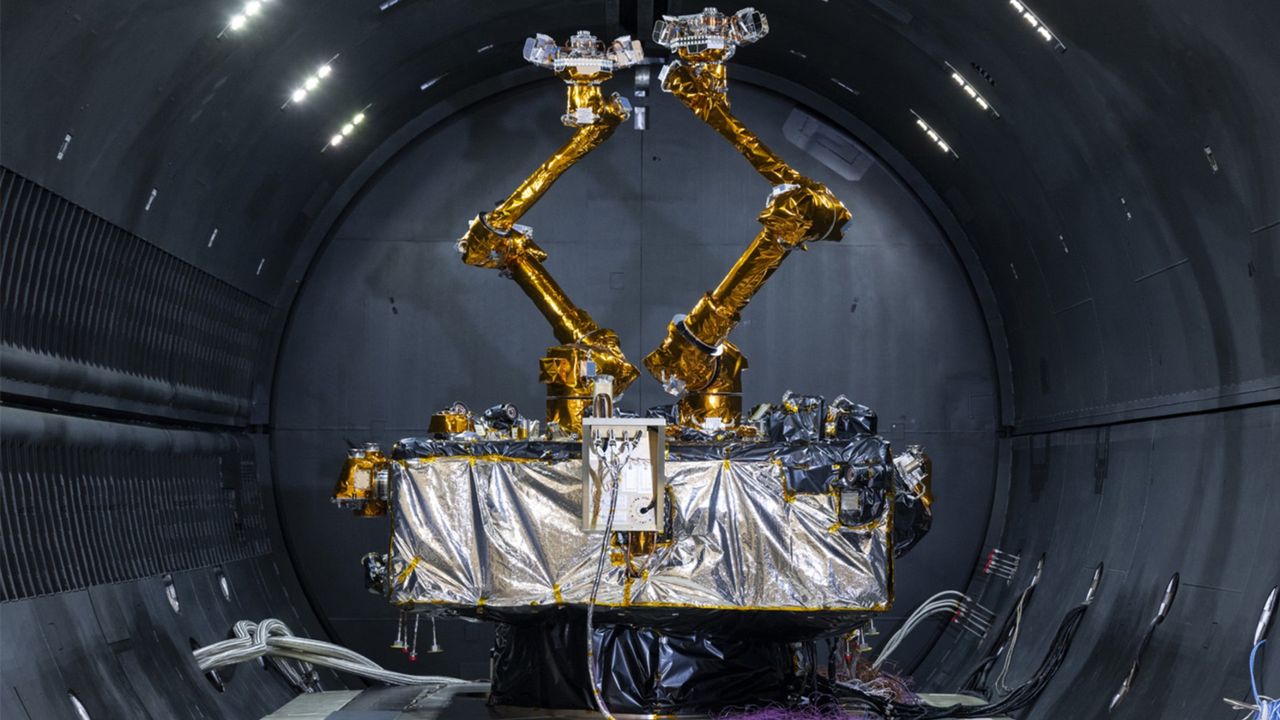
DARPA readies robotic deep-space repair satellite for 2026 launch
The Defense Advanced Research Projects Agency (DARPA) is set to launch a mission this summer to extend the operational lifespan of geosynchronous satellites beyond their typical expiration dates. This initiative aims to address the growing need for sustainable satellite operations in space, allowing for continued functionality and service without the immediate need for replacement. By testing innovative technologies and methods, DARPA seeks to enhance the longevity of these critical assets, which play a vital role in communication, weather monitoring, and national security. The upcoming mission represents a significant step towards ensuring that satellites can remain in service for years longer than previously anticipated.
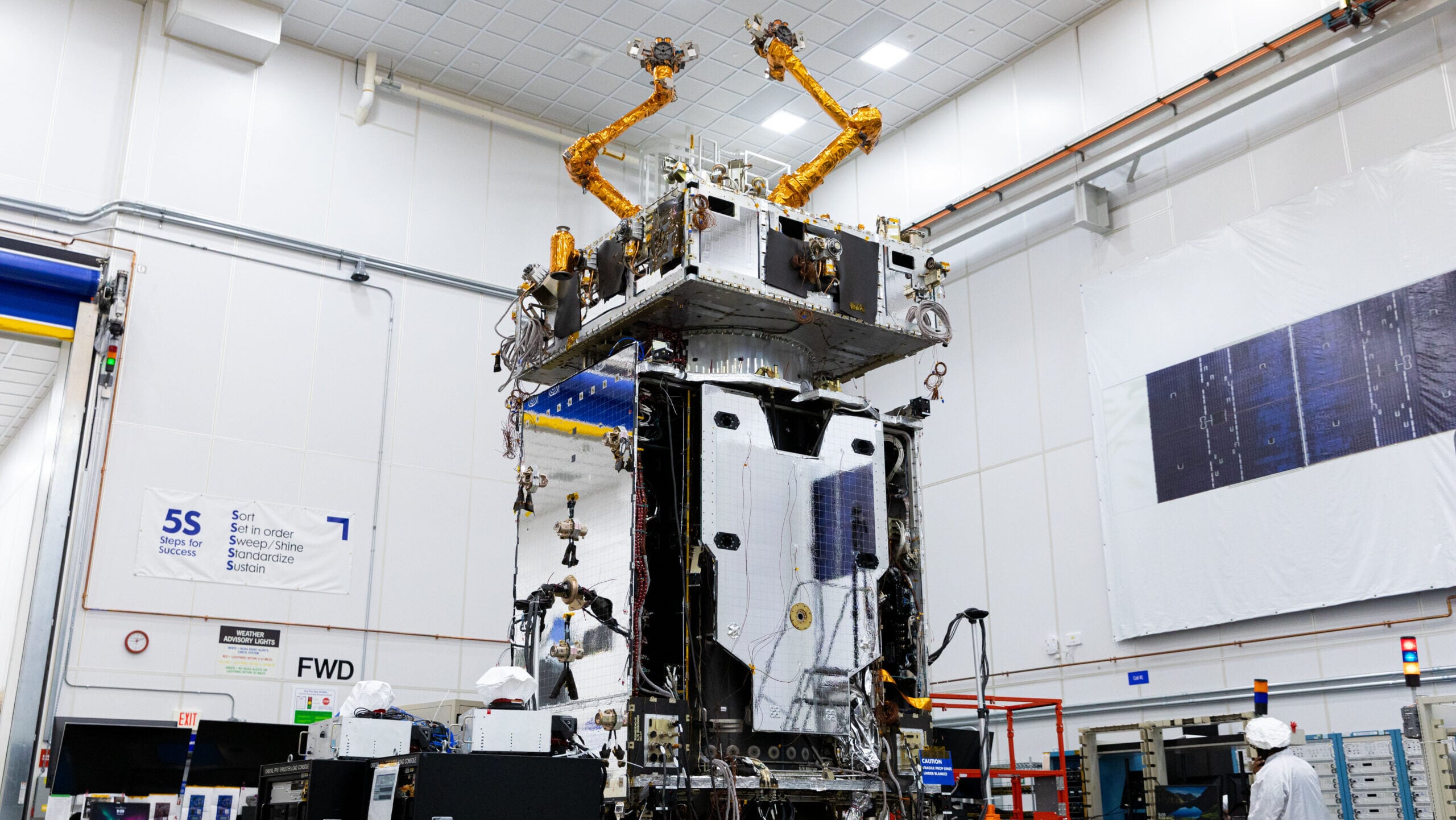
DARPA’s robotic servicing spacecraft to finally fly this summer
The Robotic Servicing of Geosynchronous Satellites mission, a collaboration between DARPA and Northrop Grumman, is set to establish the United States' first on-orbit servicing capability for satellites. This groundbreaking initiative aims to enhance satellite maintenance and repair, extending the operational lifespan of critical space assets. Company officials announced the mission's significance, highlighting its potential to revolutionize satellite operations and reduce costs associated with launching new satellites. The project is expected to take place in the coming months, marking a pivotal advancement in space technology and satellite management.
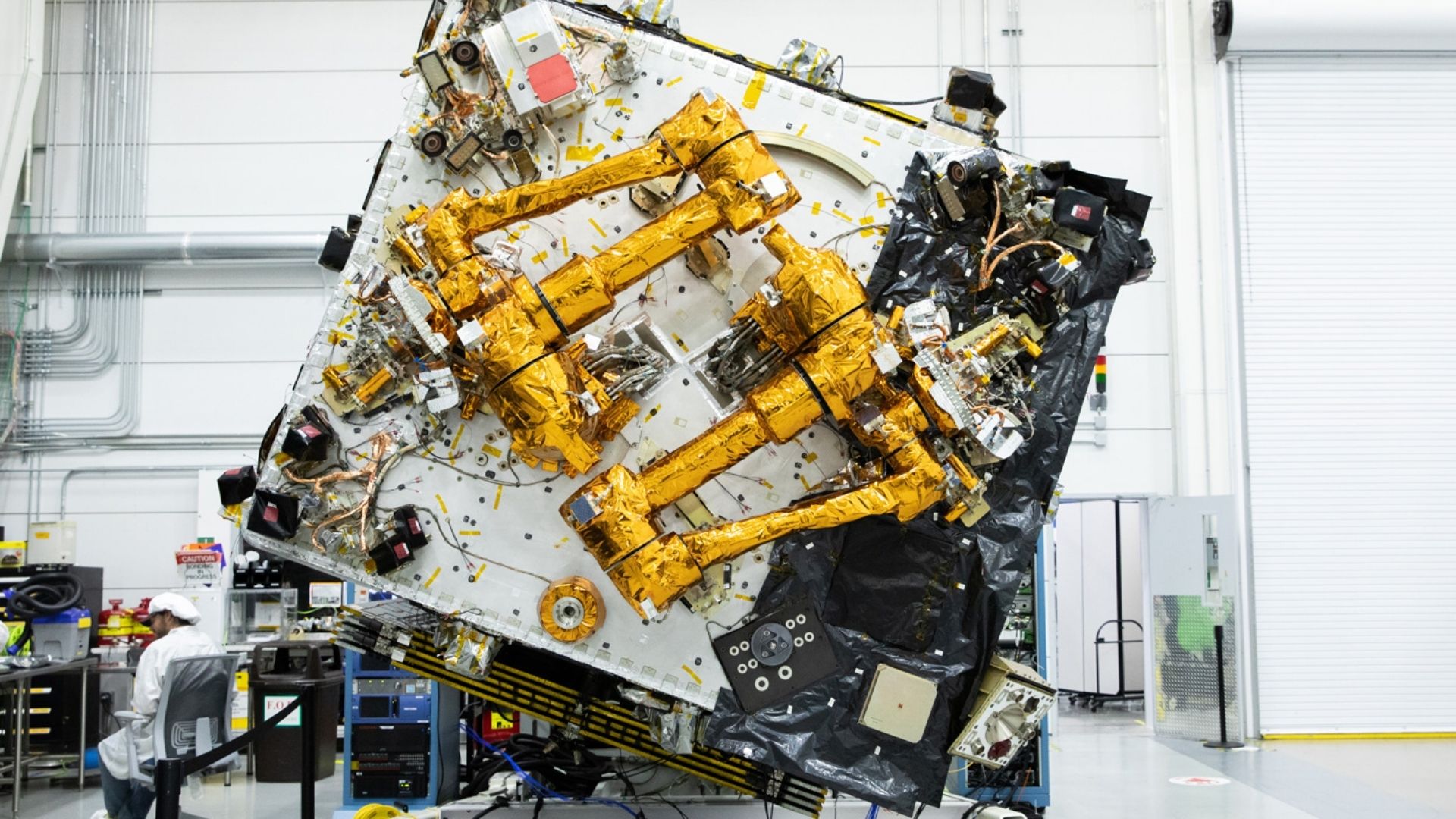
DARPA`s orbital robotic servicing satellite set for 2026 launch
The Defense Advanced Research Projects Agency (DARPA) is set to launch its Robotic Servicing of Geosynchronous Satellites (RSGS) program this summer. This initiative aims to enhance the capabilities of satellites in geosynchronous orbit by enabling robotic servicing, which includes maintenance, upgrades, and repairs. The program is designed to address the growing need for satellite longevity and functionality in an increasingly crowded orbital environment. By employing advanced robotics technology, DARPA seeks to extend the operational life of critical satellite assets, thereby ensuring continued communication and data services. The launch of RSGS represents a significant step forward in satellite servicing, with the potential to revolutionize how space assets are managed and maintained.
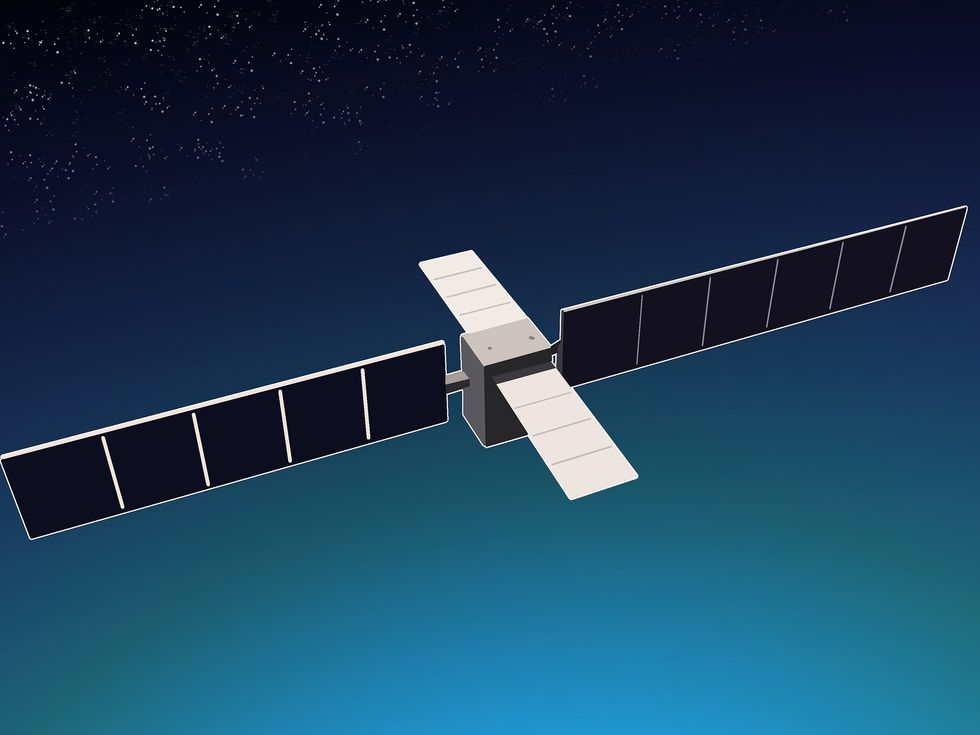
Startup Wants to Run AI Inference From Space
The rapid growth of large language models is driving a global surge in energy demand for data centers, prompting operators to seek alternative power sources. Among them is Orbital Inc., a Los Angeles-based startup that recently emerged from stealth mode to announce plans for space-based data centers. Backed by venture capital firm Andreessen Horowitz, Orbital aims to utilize solar energy from a constellation of small satellites in low Earth orbit to power AI inference workloads, such as chatbots. Orbital's founder and CEO, Euwyn Poon, emphasizes the limitations of terrestrial energy sources, stating, “There simply isn’t enough capacity here [on Earth], and the only way is up.” The company envisions a network of up to 10,000 satellites, each equipped with GPU server racks powered by solar panels. The first test of this concept is scheduled for 2027, with a prototype satellite launch aboard a SpaceX Falcon 9 rocket. While Orbital's approach aims to reduce launch costs and improve efficiency, it faces significant engineering challenges, including radiation effects on GPUs, thermal management in space, and maintenance difficulties. Experts like Dr. Amit Verma from Texas A&M University caution that the operational feasibility of such systems will depend on the specific applications they support. Despite these hurdles, Orbital plans to finalize its satellite designs by 2026 and establish a manufacturing facility by 2028, with the goal of tapping into major AI firms as customers. Poon remains optimistic about overcoming technical challenges, asserting that their engineering efforts will pave the way for the future of space-based data processing.

GITAI Selected by U.S. Space Force for Space-Based Interceptor Program
GITAI has unveiled its latest innovation, a satellite platform equipped with a robotic arm designed for on-orbit operations. This development, which showcases GITAI's commitment to advancing space technology, aims to enhance the efficiency and capabilities of satellite missions. The announcement was made in October 2023, highlighting the company's ongoing efforts to revolutionize the way satellites are operated in space. By integrating robotic technology into satellite systems, GITAI seeks to address the growing demand for more versatile and autonomous operations in the increasingly crowded orbital environment. The platform is expected to facilitate a range of tasks, from maintenance to assembly, thereby reducing the need for human intervention and lowering mission costs. This breakthrough positions GITAI at the forefront of the aerospace industry, as it continues to push the boundaries of what is possible in space exploration and satellite management.

AI Processing of Earth Images Can Now Run in Space
Planet Labs, a California-based Earth observation company, has successfully implemented AI image processing aboard its Pelican-4 multispectral satellite, marking a significant advancement in satellite technology. The satellite captured an image of an airport in Alice Springs, Australia, where an AI model autonomously identified and highlighted over a dozen aircraft on the tarmac. This achievement comes after 18 months of development aimed at enabling real-time object classification from space, which could revolutionize the Earth observation industry by providing immediate insights to users. Currently, Planet Labs operates hundreds of Dove and SuperDove CubeSats, alongside its Pelican satellites, which offer high-resolution imaging capabilities. The Pelican-4, launched into orbit in 2025, utilizes onboard AI algorithms to analyze images rapidly, delivering results to users within minutes. This efficiency addresses previous delays in data processing that could hinder timely responses to critical situations, such as wildfires. Looking ahead, Planet Labs plans to enhance its satellite fleet with a new model called the Owl, equipped with advanced AI detection capabilities. This network of satellites aims to create a system that autonomously monitors the planet and flags potential issues in real-time. The company envisions a future where powerful AI models could provide instant textual updates on detected anomalies, further streamlining Earth monitoring efforts. The space-based AI detection service is expected to be available to customers within the next six to nine months, as Planet Labs continues to collaborate with Google on projects that could expand data-processing capabilities in orbit.

Managing traffic in space
Associate Professor Richard Linares is addressing the growing challenge of satellite navigation in congested orbits. As the number of satellites in space continues to rise, the risk of collisions increases, making safe navigation crucial for space operations. Linares, an expert in aerospace engineering, is developing innovative strategies and technologies to enhance the safety and efficiency of satellite movements. His work is particularly timely, given the rapid expansion of satellite constellations and the increasing interest in space exploration and commercial ventures. By leveraging advanced algorithms and data analysis, Linares aims to create systems that can predict potential collisions and facilitate safer maneuvering of satellites in crowded orbital paths. This initiative not only aims to protect existing satellites but also to ensure the sustainability of space activities for future generations.
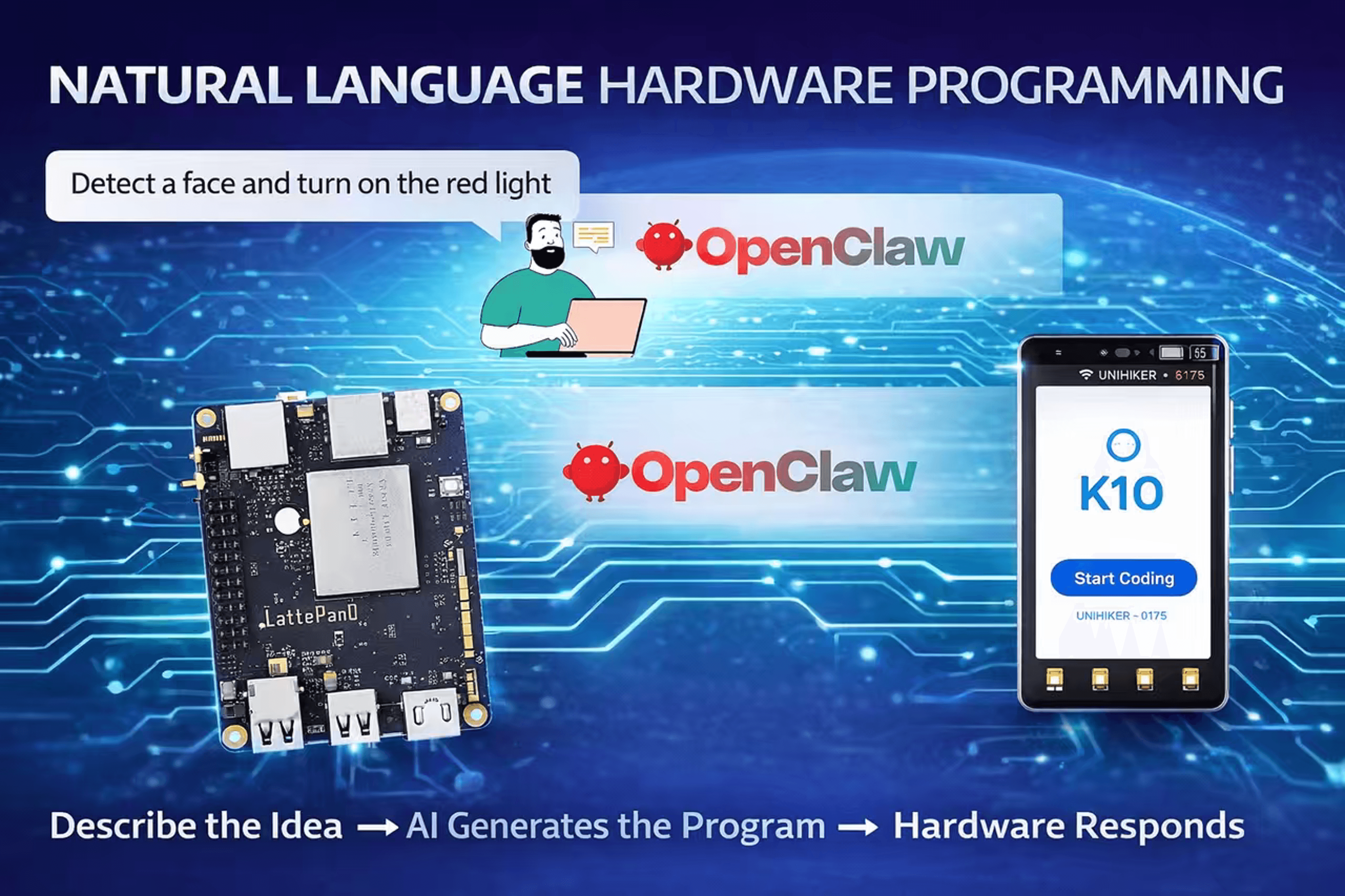
OpenClaw + UNIHIKER K10: Natural Language Hardware Programming in Minutes
Learn how OpenClaw enables natural language hardware programming on UNIHIKER K10, automating code generation, debugging, and deployment in minutes.
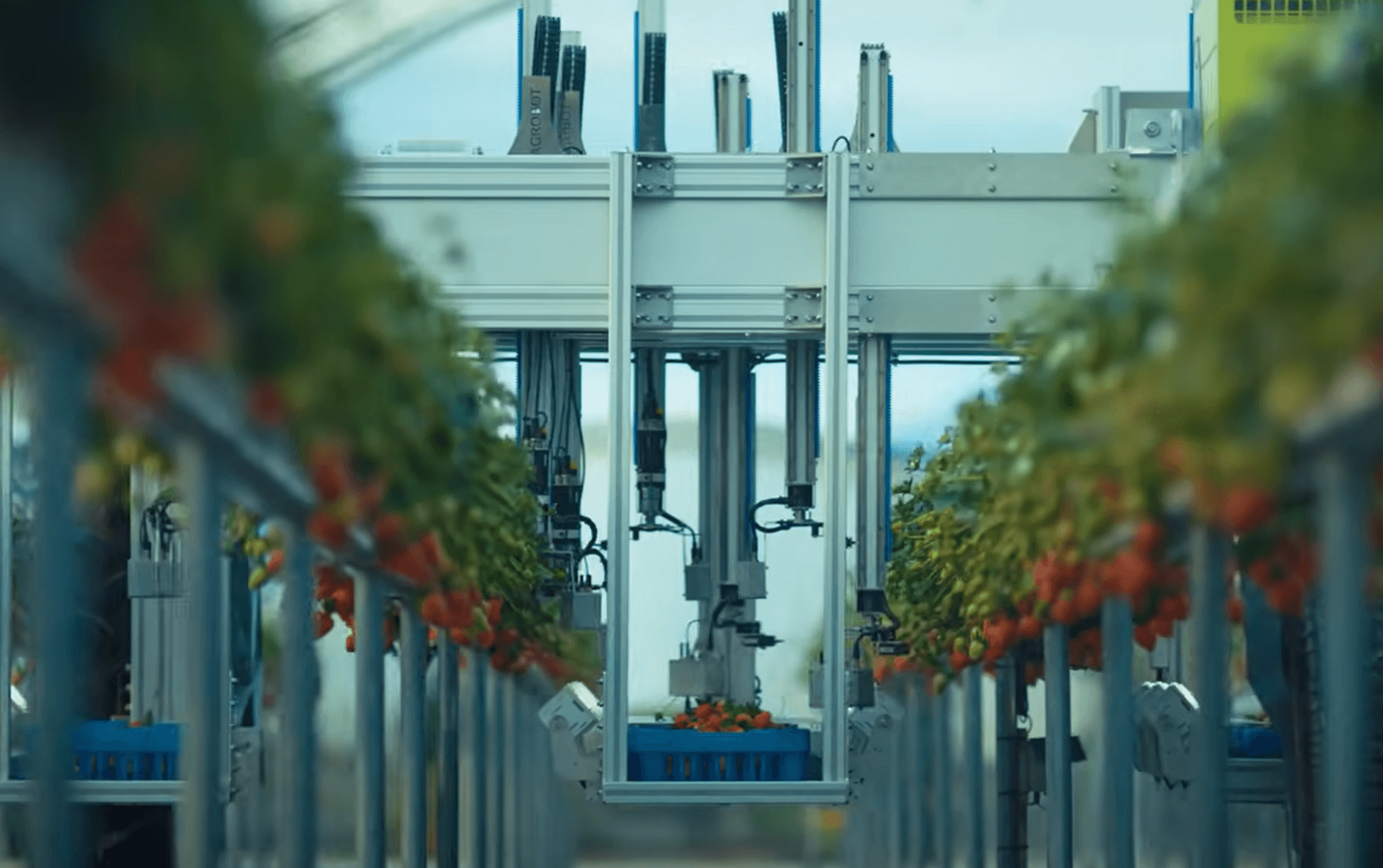
AGRICULTURAL ROBOTICS | Harvesting Robots: $6.9B Market
Harvesting robots hit $2.24B in 2024 and are targeting a $50B labor market at less than 5% penetration. Deep-dive: market data, 14 companies, economics, and 2030 outlook.
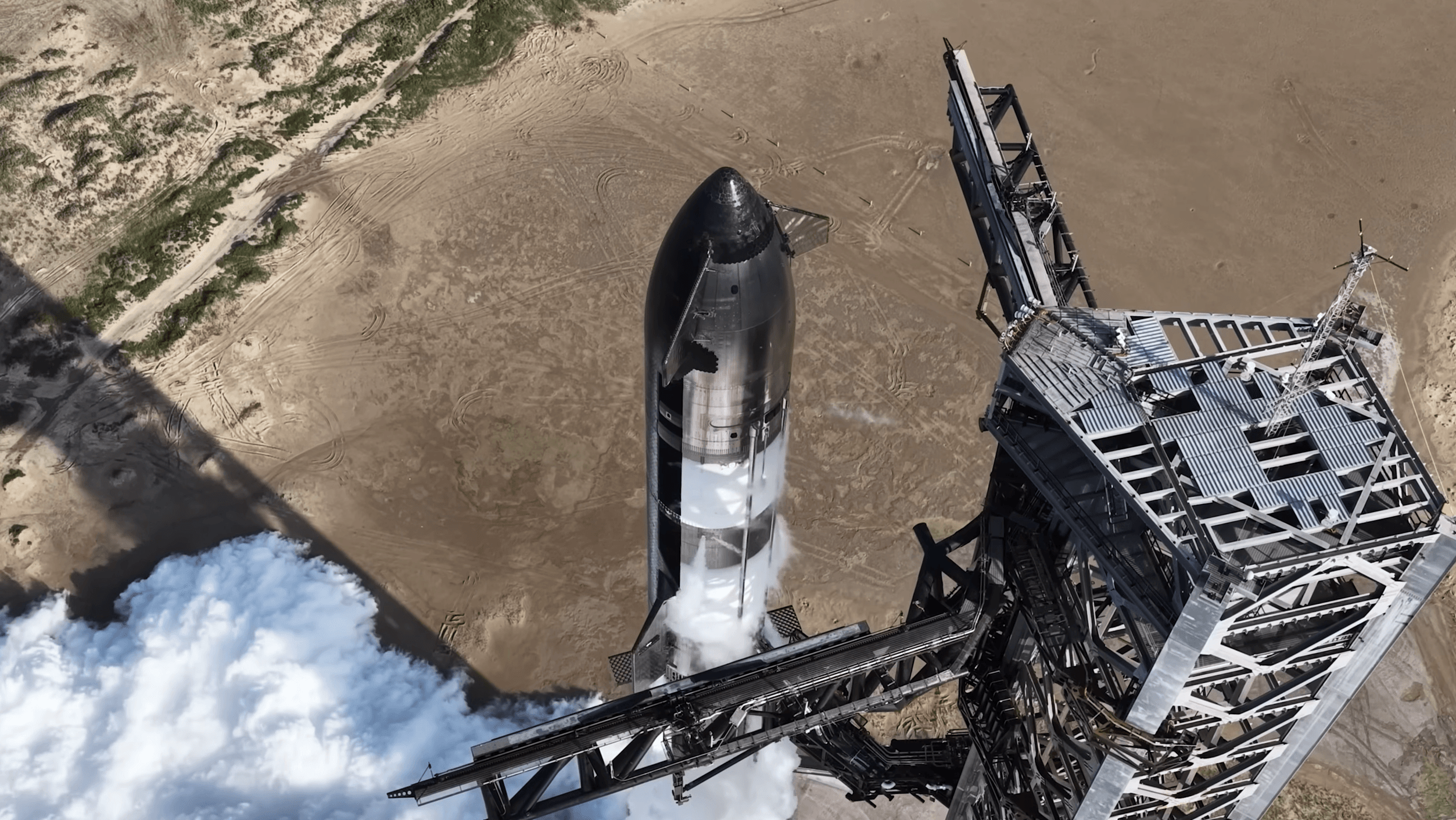
EXECUTIVE BRIEFING: The 2026 Space Robotics Landscape
Explore the definitive 2026 directory of 95+ space robotics leaders, covering orbital servicing, lunar rovers, and in-space manufacturing. Download the complete RobotToday reference guide to track the companies, funding, and technologies driving the $24B orbital economy.
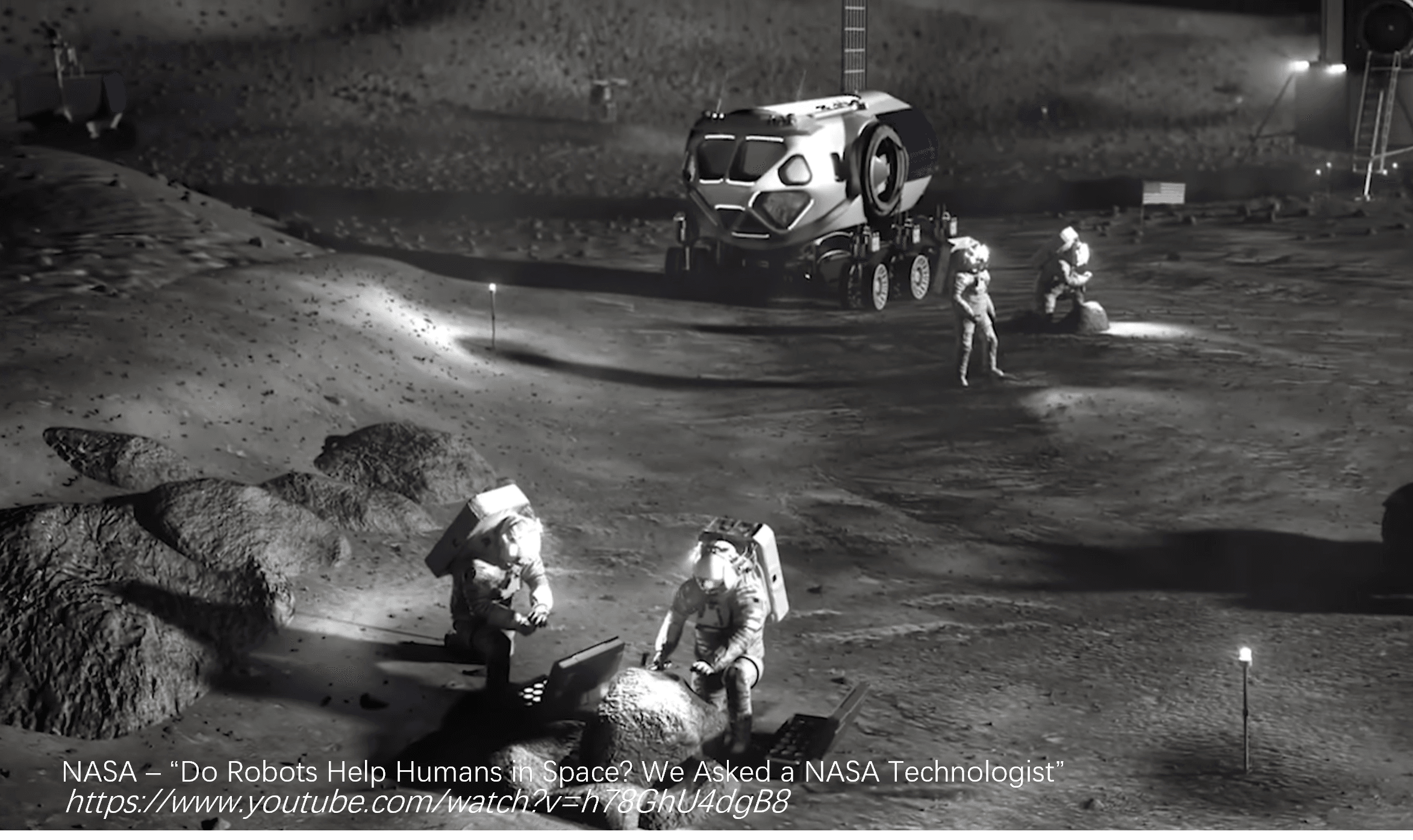
Space Robot- Building Skyscrapers in Space: ISMA's Industrial Revolution
ISAM technology breaks rocket fairing limits through robotic space manufacturing. Market grows from $3.5B to $14.5B by 2032. See how 3D printing, autonomous assembly, and orbital fabrication are creating off-Earth factories.
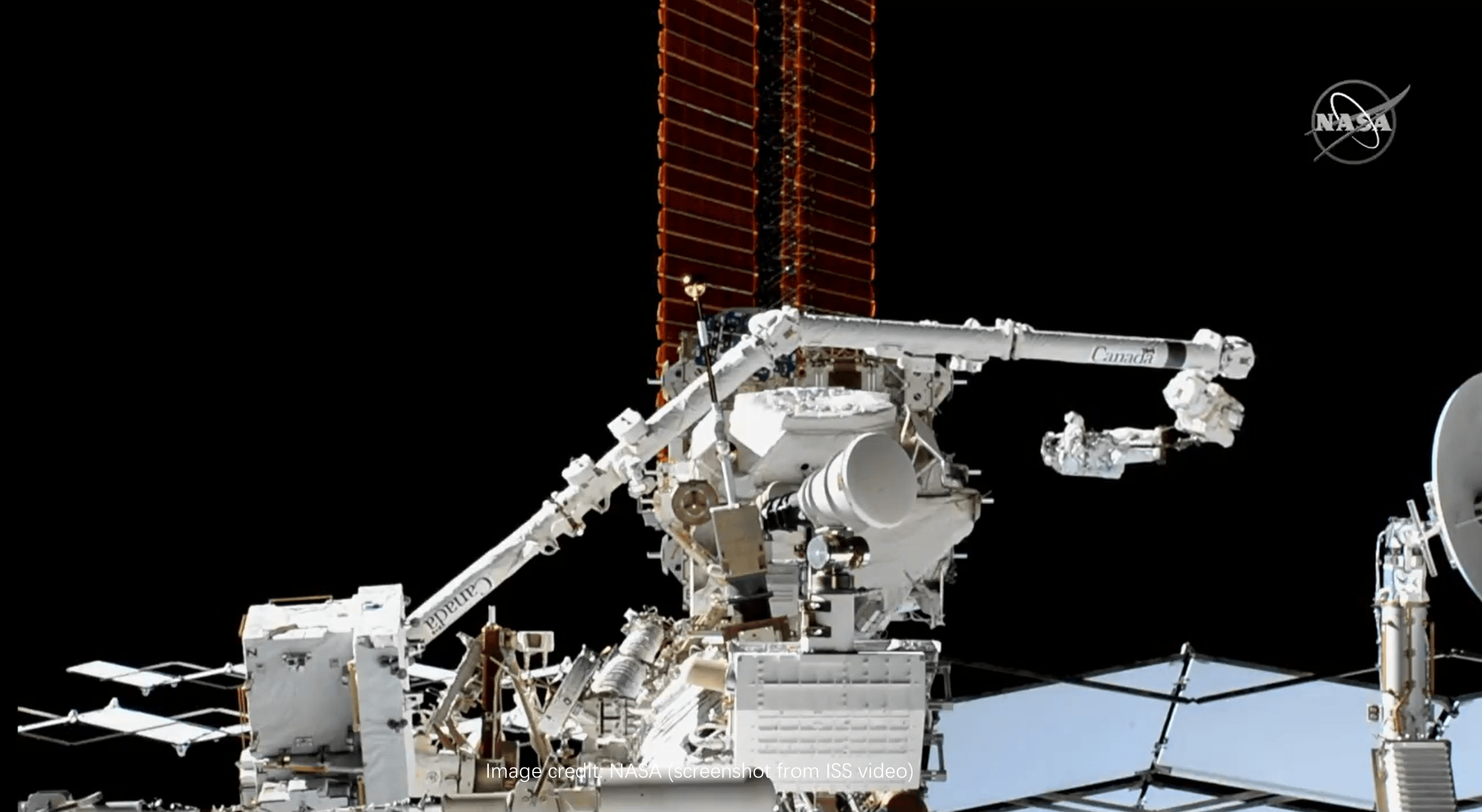
Space Robot - Space Station's AI Assistants: From Robotic Arms to Autonomous Partners
Space station robots evolve from remote tools to autonomous AI partners. How embodied intelligence reshapes human-robot collaboration in orbit.
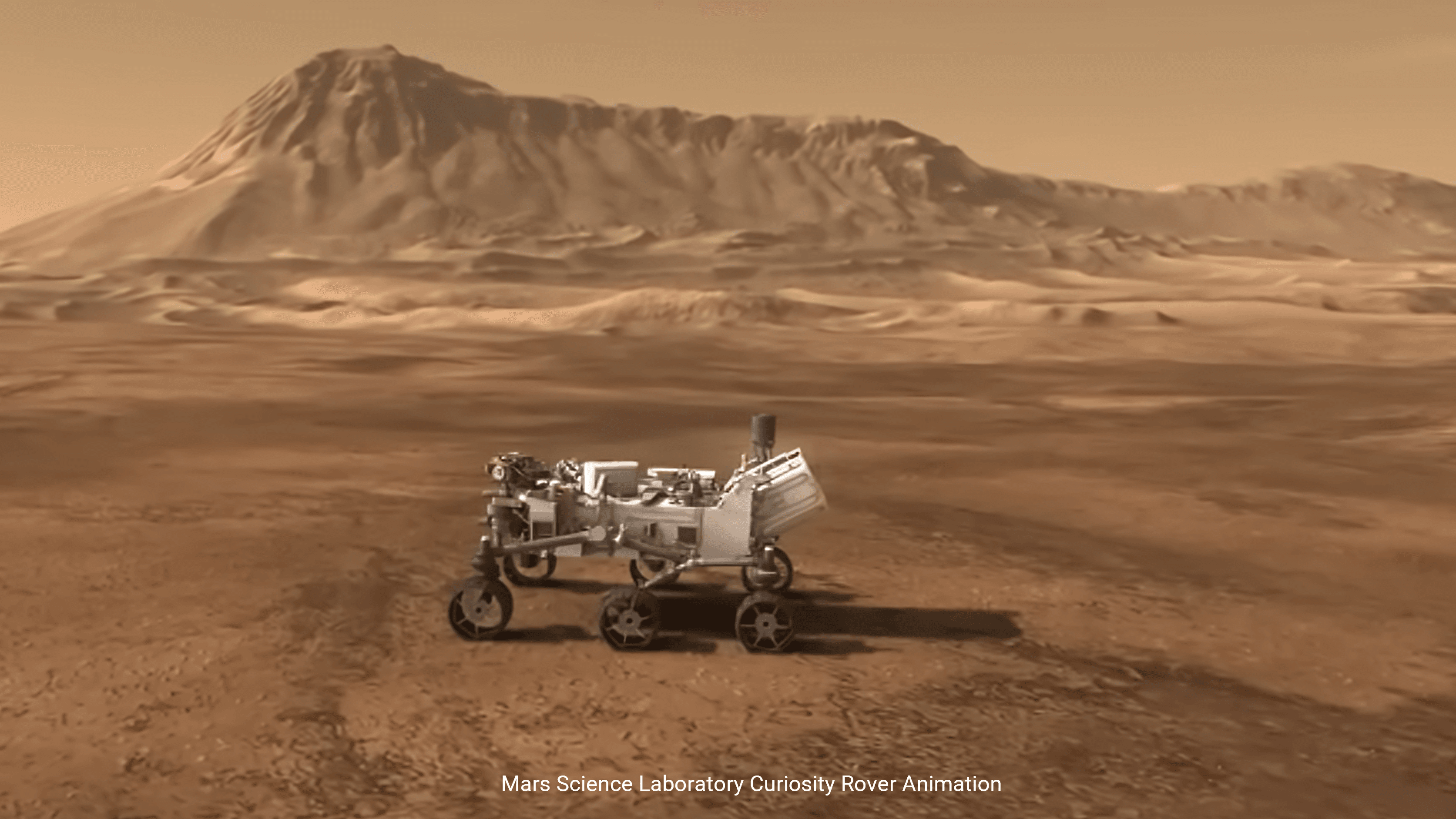
Space Robot- Lunar Rovers: Building Infrastructure on the Moon
Lunar rovers face -180°C nights and glass-sharp dust while building moon infrastructure. Inside the engineering challenges, commercial strategies, and international competition shaping planetary robotics.

Global Robotics Market 2026: Forecast Analysis & Key Trends
Comprehensive 2026 global robotics market forecast compilation from IFR, Markets and Markets & more. Market size, growth rates & regional analysis by segment.

RobotToday Weekly Industry Briefing: Feb 2 – 6, 2026
Robotics shifted from demos to deployment post-CES 2026, led by China’s humanoid scale, AI robot brains, and accelerating industrial adoption.

When the Machine Knows Better: The Quiet Revolution Inside Manufacturing
The machine can already see what human inspectors miss. But inside manufacturing, the real fight isn't about technology — it's about who gets to decide. The union battle over Manufacturing Intelligence begins here.
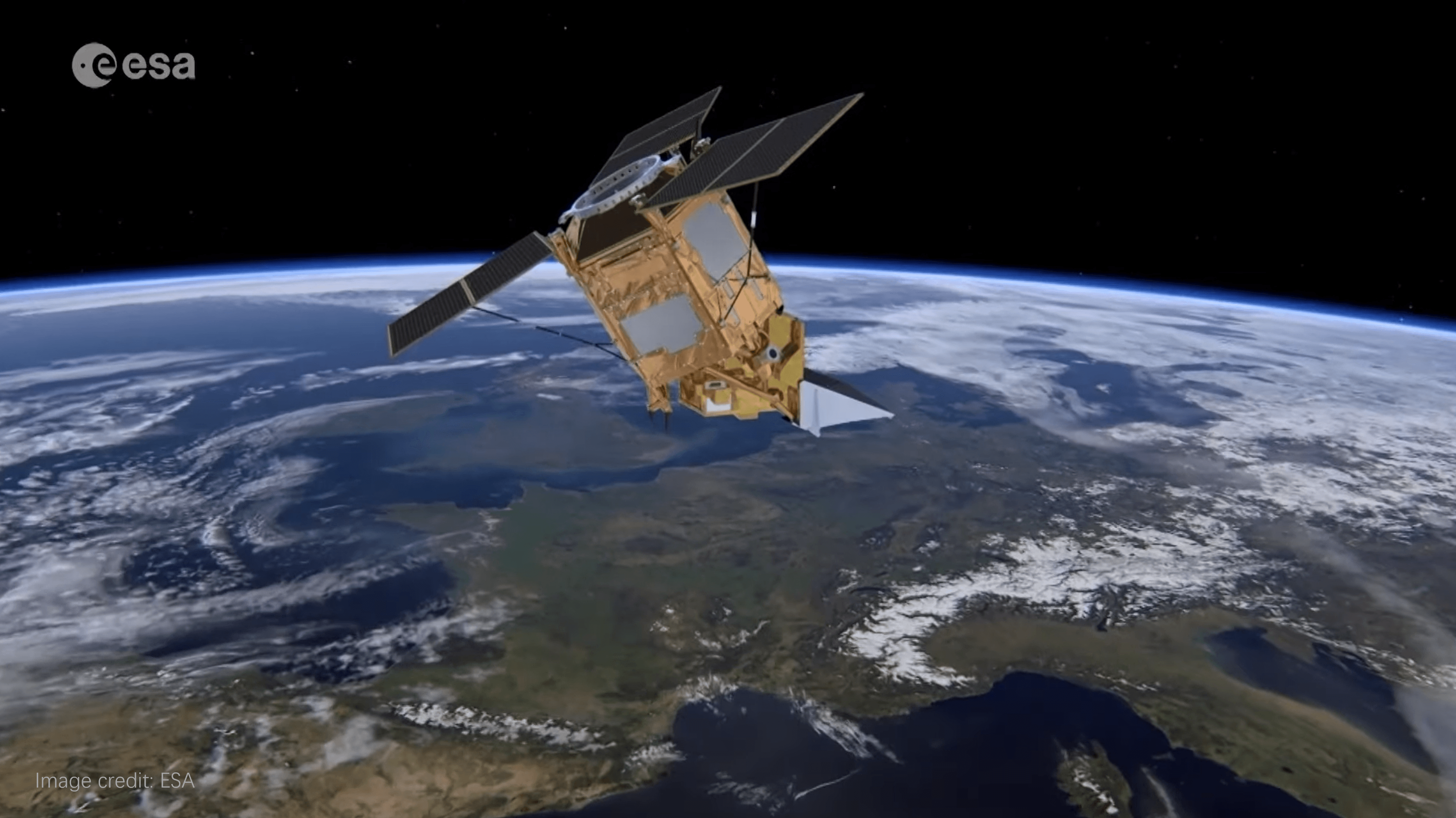
Space Robot - Killer App: The $30B Satellite Servicing Market
Orbital servicing is transforming space economics: $2B wasted annually on premature satellite deaths. Market growing from $500M to $20-30B by 2040. Deep dive into Astroscale, Northrop Grumman MEV, and the business of satellite refueling and debris removal.

Humanoid Robots Are Entering Warehouses — and Unions Are Pushing Back
Humanoid robots are entering warehouses now — and unions like the Teamsters and UAW are drawing battle lines. Inside the 2026 labor showdown that could reshape logistics forever.

RobotToday Weekly Industry Briefing: January 26 – 30, 2026
Robotics industry briefing Jan 26-30, 2026: Serve-Diligent $29M acquisition, Richtech-Microsoft controversy, Waabi $1B funding, cloud robotics market to $43B by 2031, Fauna Robotics Sprout, Gartner humanoid forecast, NY Robotics launch.

Oracle AI world
Oracle AI World: premier enterprise AI conference with expert keynotes, hands-on sessions, and networking in Las Vegas, Oct 26-29, 2026.

Microsoft Ignite 2026
Microsoft Ignite: premier tech conference on cloud, AI, security, and Microsoft innovation. Join developers, IT pros, leaders; San Francisco & online.
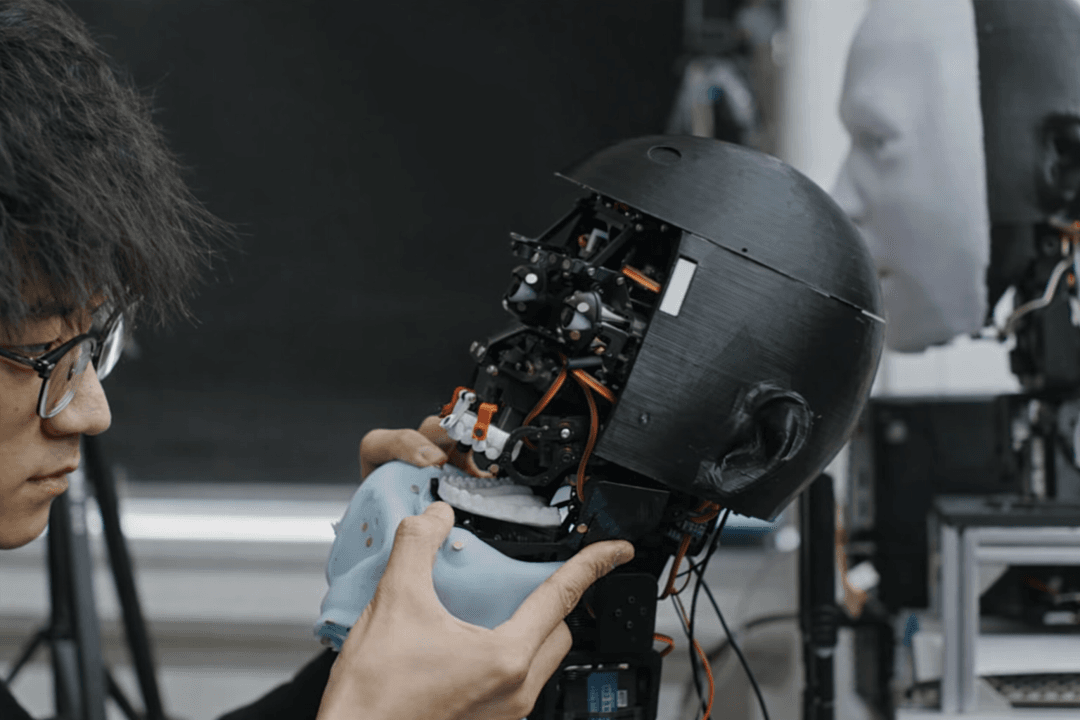
Columbia's Emo: Solving Robot Face Problem
Columbia's Emo robot breakthrough reveals why facial biomimicry is robotics' second hardest challenge. Analysis of tech barriers and 2028-2030 timeline.

RobotToday Weekly Industry Briefing: January 19 – January 23, 2026
iRobot emerges from Chapter 11, Tesla sets a 2027 Optimus release, and Hyundai faces labor pushback. Explore the top robotics industry news for Jan 18-23, 2026.

The 3rd International Conference on AI Sensors and Transducers (AIS 2026)
The 3rd International Conference on AI Sensors and Transducers (AIS 2026), 2–7 Aug 2026 in Jeju, South Korea — a global forum for researchers and industry experts on AI-enhanced sensing systems, transducers, and cutting-edge sensor technologies.

Shubham Tulsiani Receives NSF CAREER Award: Teaching Robots to Learn from Videos
CMU's Shubham Tulsiani receives NSF CAREER Award for pioneering work teaching robots to learn manipulation skills from internet videos. Zero-shot learning breakthrough.

ICRA 2026
IEEE ICRA 2026, the flagship robotics and automation conference, brings top researchers and industry leaders to Vienna, Austria, 1–5 June 2026 to advance robotics research.

IFA 2026
IFA Berlin 2026 — the world’s largest consumer electronics and home technology trade show held in Berlin from September 4–8, showcasing cutting-edge innovations, global brand launches, startups, and future tech trends.

2026 Robotics Events Briefing: Tailored Recommendations for Robotics Readers
A curated briefing of major global robotics events in 2026, offering tailored recommendations for researchers, industry professionals, startups, and the broader robotics ecosystem.

RobotToday Weekly Industry Briefing: January 12 – January 16, 2026
NVIDIA advances physical AI with Cosmos and GR00T, humanoid robots move into real factories, China leads global deployments, and robotics stocks gain momentum.

GEIA Europe 2026
Discover GEIA Europe 2026 — the premier summit on embodied intelligence and humanoid robotics in Europe, bringing together top experts, live tech showcases, and strategic discussions on AI and robotics innovation.

ACIRS 2026
ACIRS 2026 is an international robotics conference in Hong Kong, bringing together research on intelligent robotic systems, AI, control, and real-world applications.

World Robot Olympiad (WRO) 2026
World Robot Olympiad (WRO) 2026 Season: Global student robotics competition exploring “Robots Meet Culture,” culminating in the International Final, Dec 8–10 2026 in San Juan, Puerto Rico. Develop creativity, design, engineering and problem-solving skills through hands-on robotics

Hannover Messe 2026
HANNOVER MESSE 2026 brings global industry leaders together for automation, industrial AI, robotics and energy innovation, 20–24 April in Hannover, Germany.

The A3 Business Forum
Annual networking forum for robotics, AI, vision & imaging, motion control professionals in automation. Join expert keynotes, panels, and industry insights in Orlando, Florida, Jan 19-21, 2026. Register now for the A3 Business Forum.

VEX 2026
VEX Worlds is the culminating global robotics championship that unites student teams from around the world in high-level competition, collaboration, and STEM inspiration.

IROS 2026
IEEE/RSJ flagship conference on intelligent robots, AI, autonomy, perception and systems, uniting global research and industry
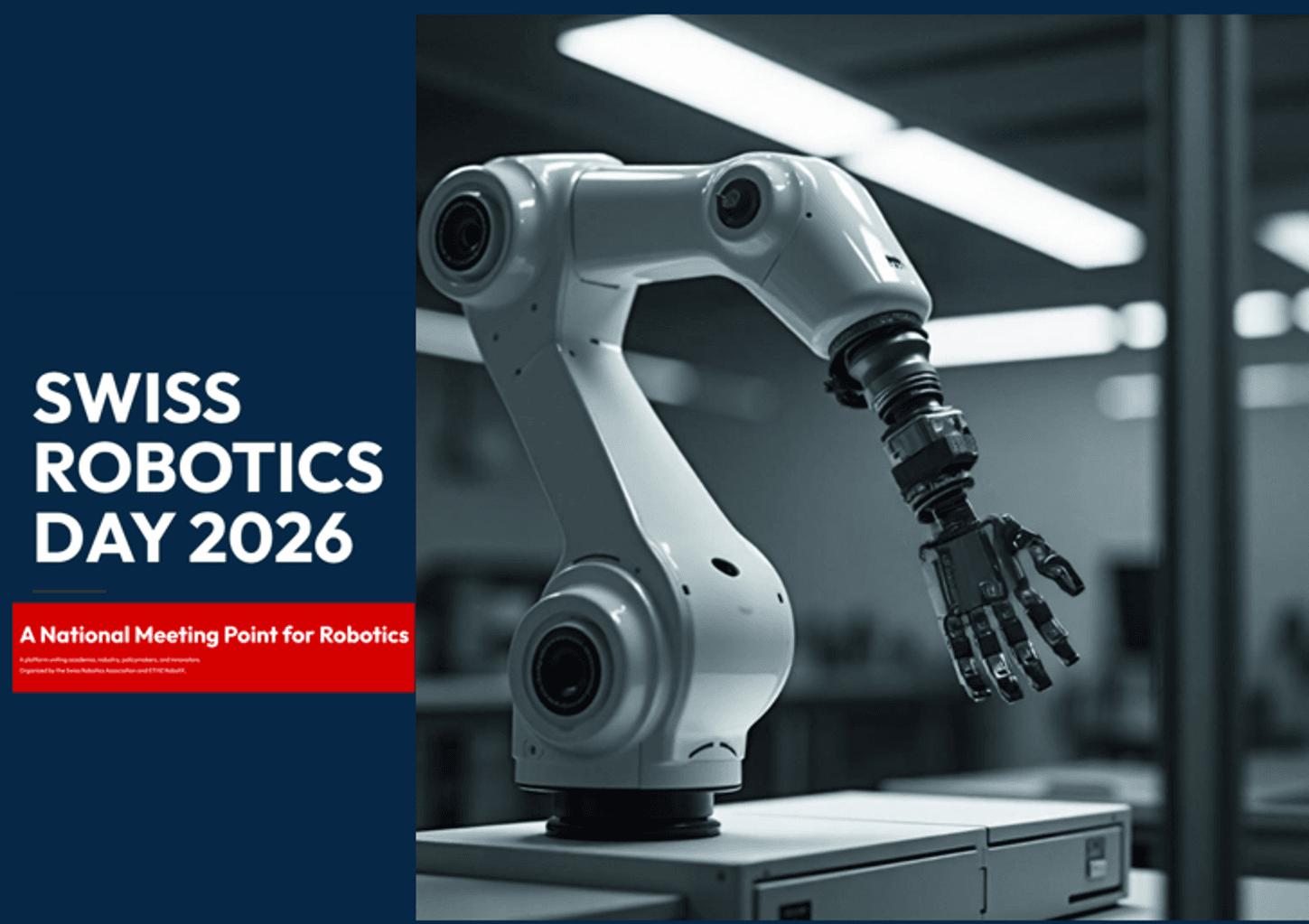
Swiss Robotics Day 2026
Swiss Robotics Day: Switzerland’s flagship robotics expo & symposium on Nov 14, 2025 in Lausanne. Innovation, talks, demos, networking.
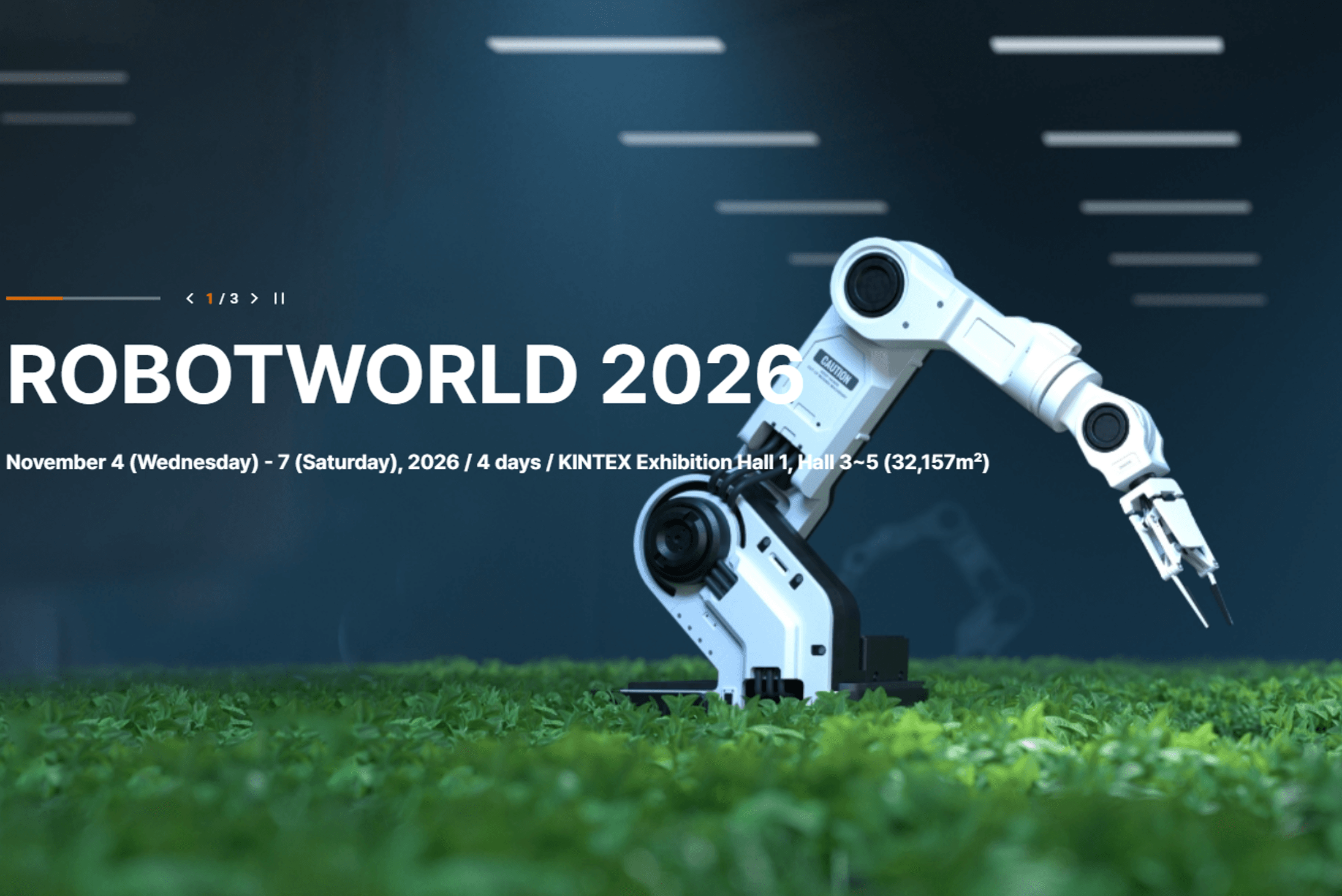
RobotWorld 2026
Premier robotics expo in Seoul covering industrial, service & AI robots, Nov 5–8, 2025 at KINTEX. Register now for business & tech insights.

RobotToday Weekly Industry Briefing: January 4 - january 9, 2026
Global robotics shifts from CES 2026: humanoid commercialization accelerates, industrial AI deepens, labor tensions rise, and robotics markets recalibrate.
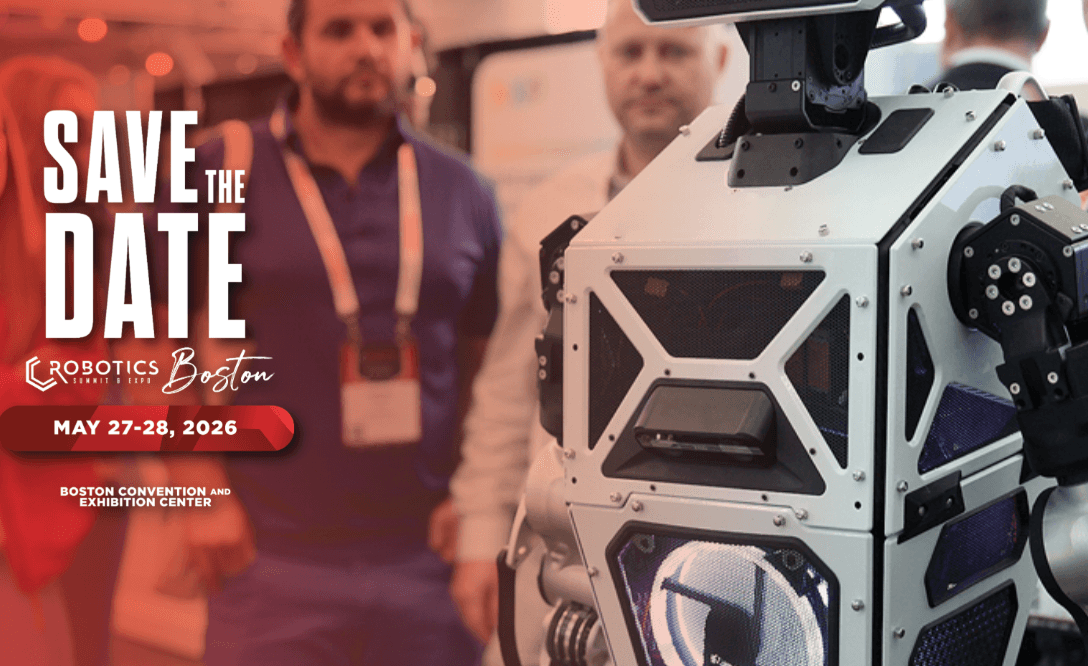
Robotics Summit 2026
Robotics Summit & Expo is a leading U.S. event for commercial robotics, covering design, AI, motion control, and system integration.

RobotToday Weekly December 29, 2025 - January 2, 2026
RobotToday Weekly Industry Briefing covering robotics, AI, humanoids, automation, funding, and policy developments from December 29, 2025 to January 2, 2026.

ICARA 2026
International Conference on Automation, Robotics & Applications (ICARA 2026) in Istanbul, Feb 5–7, 2026, exploring AI, control, robotics and intelligent systems research.

WRC 2026
World Robot Conference (WRC) is a premier global robotics and AI summit held annually in Beijing, China, featuring cutting-edge forums, exhibitions, competitions, and advanced robotics automation content; it attracts industry leaders, researchers, innovators and enterprises each August.

Nvidia GTC AI Conference 2026
NVIDIA GTC is a global AI and accelerated computing conference covering GPUs, data centers, robotics, digital twins, and generative AI.