


The Inflection Point
The space robotics sector has moved beyond government-funded exploration into a high-growth commercial ecosystem. With the industry projected to reach $24.9 billion by 2033, 2026 marks a "breakout year" characterized by the convergence of Physical AI, orbital logistics, and lunar infrastructure.
Key Strategic Pillars
This series identifies five critical domains currently redefining the orbital economy:
Orbital Servicing & Debris Removal: Led by pioneers like Astroscale and Northrop Grumman, this sector is shifting from "one-off" demonstrations to routine satellite life extension and active debris mitigation.
Lunar Surface Mobility: With the Artemis program and commercial landers from Intuitive Machines and Astrobotic, the moon is becoming a testing ground for autonomous rovers and resource extraction (ISRU).
Space Station AI & Embodied AI: The deployment of autonomous assistants like NASA’s Astrobee and the development of humanoid systems by companies like Apptronik are reducing crew workload and enabling remote station maintenance.
In-Space Manufacturing (ISAM): Companies like Redwire and Varda Space are transitioning from experimental 3D printing to full-scale orbital production of pharmaceuticals and high-value materials.
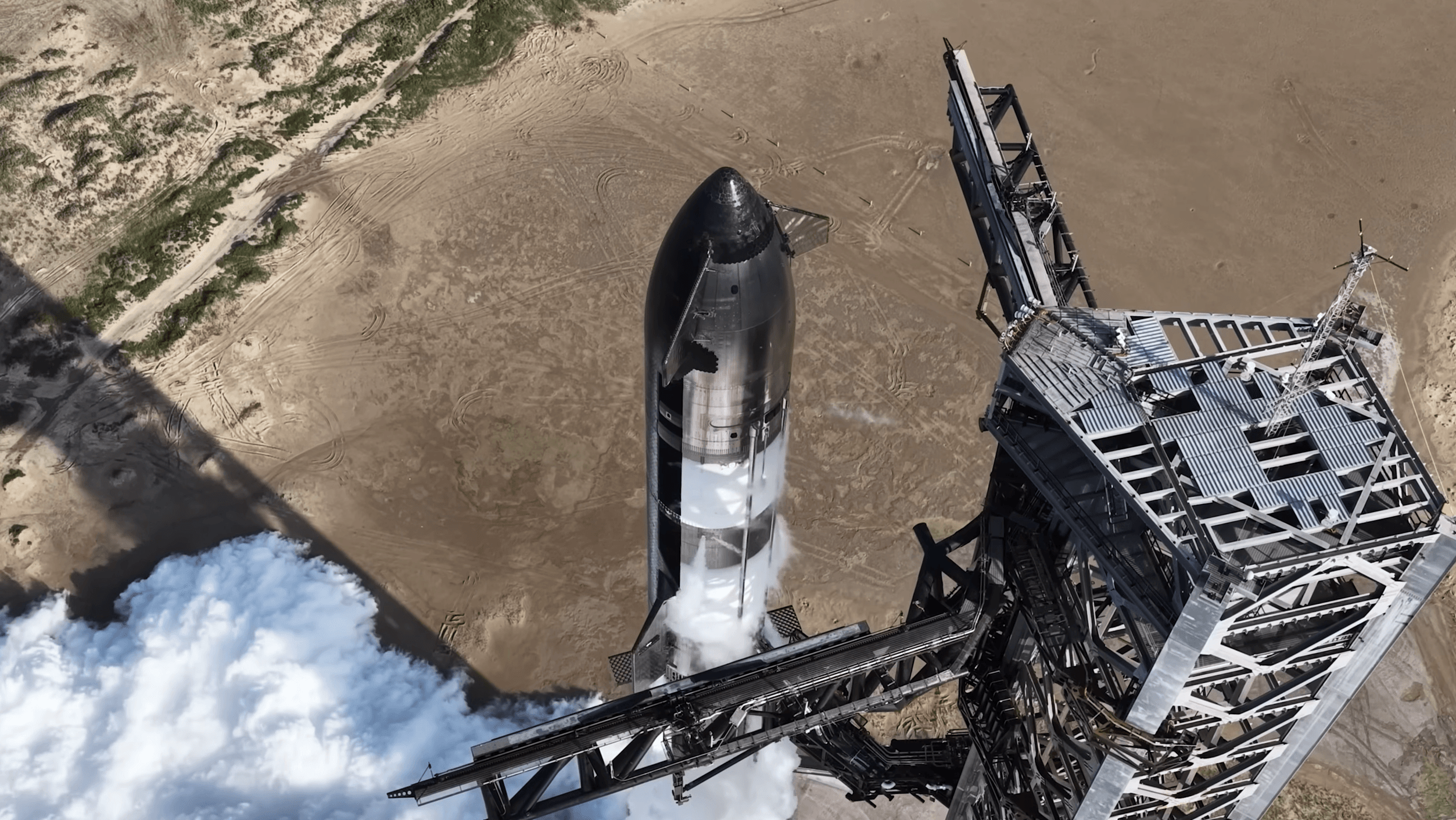
Infrastructure & Heavy Lift: The scaling of the SpaceX Starship ecosystem and the rise of commercial stations like Axiom Station provide the foundational mass-to-orbit capacity required for robotic assembly.
Investment & Innovation Trends
Funding Velocity: Over $45 billion has been invested in space technologies between 2015 and 2024, with venture capital now focusing on "Technology Enablers" that provide modular satellite buses and efficient propulsion.
The AI Integration: 2026 is seeing a surge in "Agentic AI"—robots that can perceive, reason, and act in unstructured space environments without constant human teleoperation.
About the Complete Reference Guide
The full report provides a comprehensive directory of the 95+ unique entities driving this revolution, including:
- 12 Space Agencies & Prime Contractors.
- 27 Specialized Orbital Servicing and Lunar Robotics firms.
- 28 Manufacturing and AI-focused startups.
- 28 Investors, Research Institutions, and Technology Enablers.
SPACE ROBOTICS SERIES NAVIGATION
Explore related analysis across satellite servicing, lunar infrastructure, orbital manufacturing, and AI-enabled space systems.
Space Robotics: The 2026 Breakout
An inflection point in 2026 is expected to accelerate commercialization in space robotics, driven by satellite servicing demand, lunar missions, and in-orbit manufacturing.
Space Robotics' Killer App: The $30B Satellite Servicing Market
The projected $30 billion satellite servicing market is emerging as the primary revenue engine for space robotics, spanning life-extension, refueling, repair, and debris mitigation.
Space Robot- Lunar Rovers: Building Infrastructure on the Moon
Next-generation lunar rovers are transitioning from exploration tools to infrastructure enablers, supporting construction, resource extraction, and sustained operations on the Moon.
Space Station's AI Assistants: From Robotic Arms to Autonomous Partners
AI-enabled robotic systems aboard space stations are evolving from teleoperated manipulators into semi-autonomous partners that enhance crew productivity and operational resilience.
Space Robot- Building Skyscrapers in Space: ISMA's Industrial Revolution
Orbital assembly concepts, including ISMA-driven large-scale structures, signal the beginning of an industrial revolution in space construction and high-rise in-orbit manufacturing.
Part 6: Complete Company Reference Guide — All 5 Parts (this document)






Leave a comment