

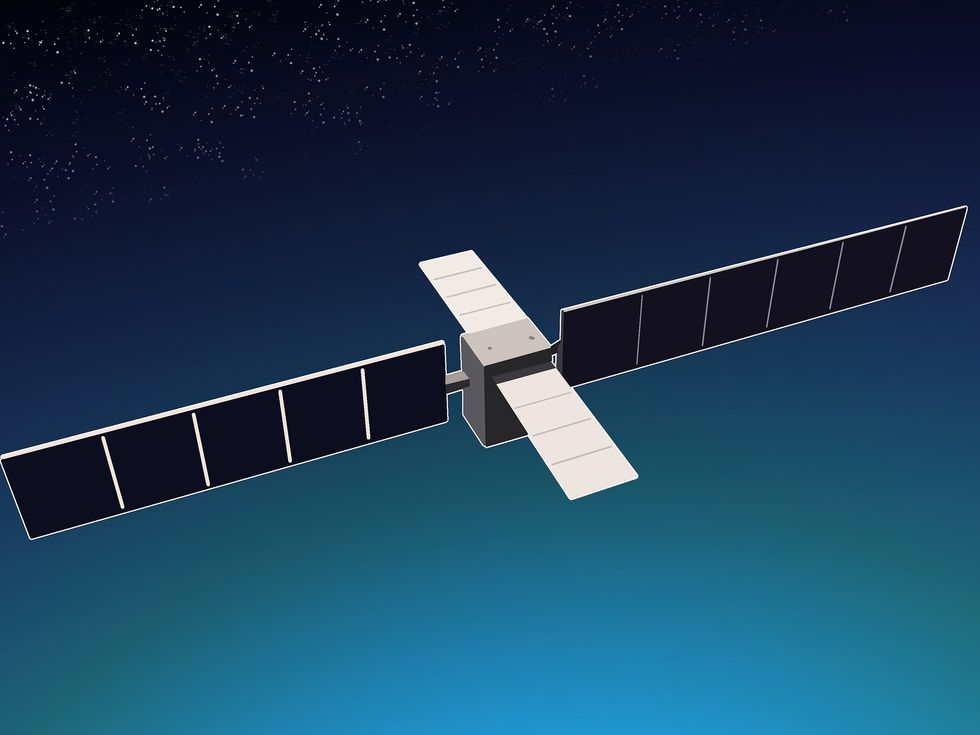
The rapid growth of large language models is driving a global surge in energy demand for data centers, prompting operators to seek alternative power sources. Among them is Orbital Inc., a Los Angeles-based startup that recently emerged from stealth mode to announce plans for space-based data centers. Backed by venture capital firm Andreessen Horowitz, Orbital aims to utilize solar energy from a constellation of small satellites in low Earth orbit to power AI inference workloads, such as chatbots.
Orbital's founder and CEO, Euwyn Poon, emphasizes the limitations of terrestrial energy sources, stating, “There simply isn’t enough capacity here [on Earth], and the only way is up.” The company envisions a network of up to 10,000 satellites, each equipped with GPU server racks powered by solar panels. The first test of this concept is scheduled for 2027, with a prototype satellite launch aboard a SpaceX Falcon 9 rocket.
While Orbital's approach aims to reduce launch costs and improve efficiency, it faces significant engineering challenges, including radiation effects on GPUs, thermal management in space, and maintenance difficulties. Experts like Dr. Amit Verma from Texas A&M University caution that the operational feasibility of such systems will depend on the specific applications they support.
Despite these hurdles, Orbital plans to finalize its satellite designs by 2026 and establish a manufacturing facility by 2028, with the goal of tapping into major AI firms as customers. Poon remains optimistic about overcoming technical challenges, asserting that their engineering efforts will pave the way for the future of space-based data processing.























Leave a comment