Search Result for: https://www.space.com/astronomy/moon/how-japanese-scientists-sent-a-real-life-transformer-to-the-moon
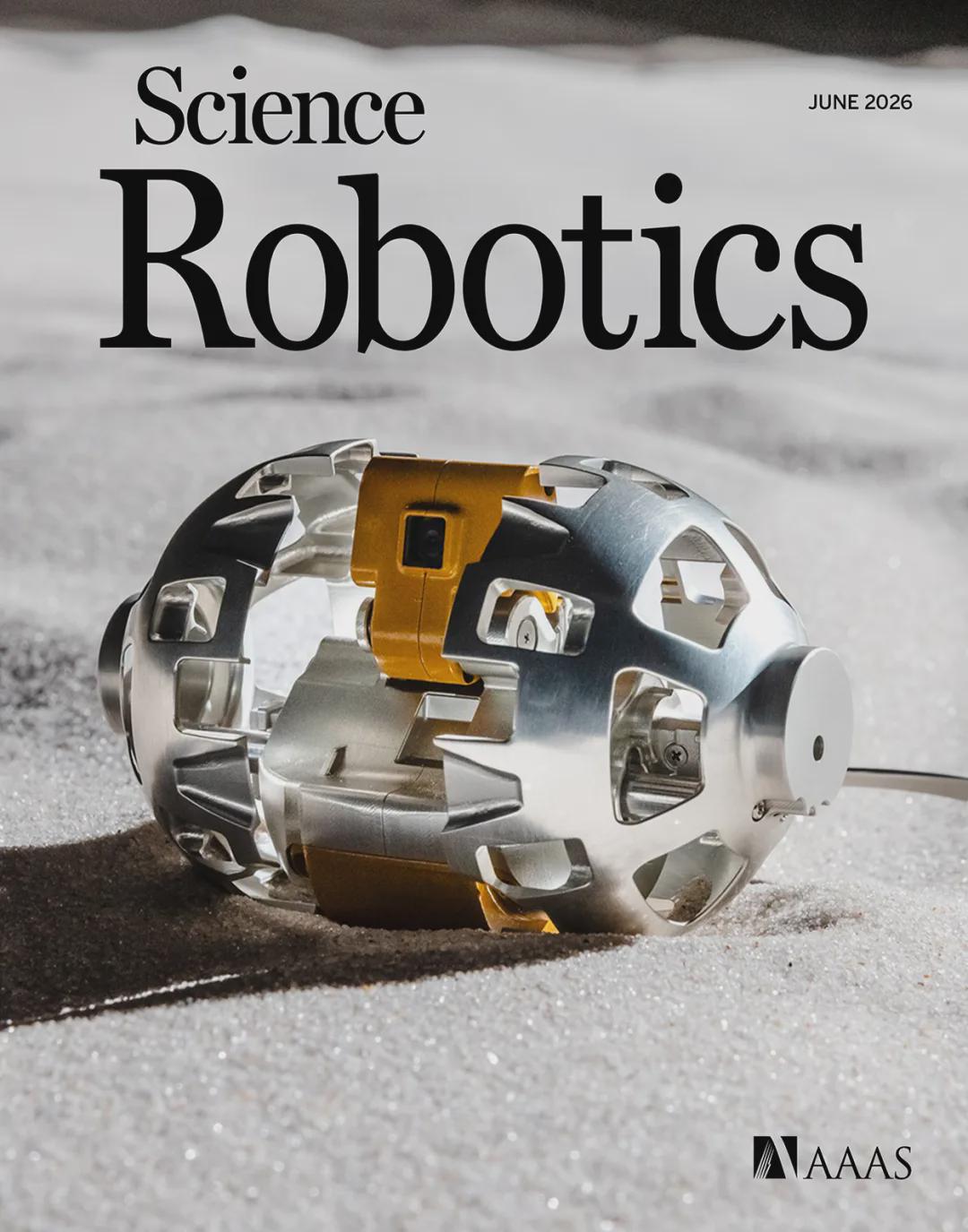
SORA-Q: Transformable Lunar Rover Operates on Moon for 108 Minutes
The SORA-Q, a lightweight lunar rover weighing 228 grams, successfully operated autonomously on the Moon for 108 minutes following its release from the SLIM lander. During its mission, the rover transformed from a compact sphere into a two-wheeled vehicle, demonstrating advanced robotics and autonomous exploration capabilities. It captured high-resolution images and transmitted valuable data back to Earth without any human intervention. Developed by the Japan Aerospace Exploration Agency (JAXA) in collaboration with partners, this innovative rover represents a significant advancement in lunar exploration technology.

SORA-Q: Baseball-sized shape-shifting rover that saved Japan’s SLIM moon mission
A groundbreaking development in robotics has emerged from Japan, where researchers have created a microscopic, shape-shifting robot inspired by children's toys. This innovative technology successfully demonstrated its potential by aiding in the preservation of Japan's rich historical narrative. The robot, which can alter its form and function, was unveiled during a recent scientific conference held in Tokyo. The motivation behind this invention lies in the desire to enhance preservation techniques for cultural artifacts and historical sites, making them more accessible and engaging for future generations. By utilizing advanced materials and engineering principles, the team was able to design a robot that can navigate intricate environments and perform delicate tasks, showcasing its versatility and effectiveness. This achievement not only highlights the intersection of technology and cultural heritage but also opens new avenues for research and application in the field of robotics.
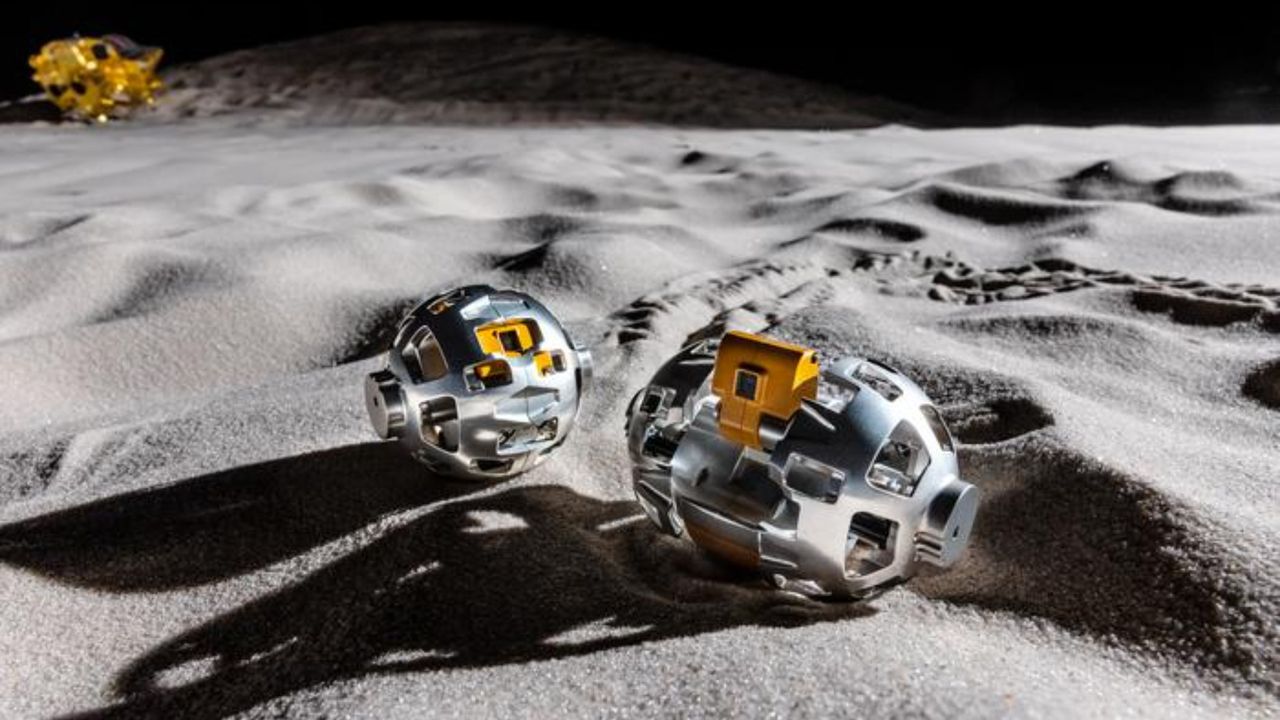
How Japanese scientists sent a real-life Transformer to the moon
In 2024, a groundbreaking autonomous rolling rover demonstrated its innovative design by transforming from a sphere into a robot during a successful exploration of the moon's surface. This mission marks a significant advancement in lunar exploration technology, showcasing the rover's ability to navigate diverse terrains effectively. The development of such versatile rovers aims to enhance our understanding of the moon's environment and potentially pave the way for future manned missions. The exploration was conducted as part of ongoing efforts to gather data that could inform scientific research and exploration strategies.

NVIDIA Stockholder Meeting Set for June 24; Individuals Can Participate Online
NVIDIA has announced that its 2026 Annual Meeting of Stockholders will be conducted online on June 24, 2026, at 9 a.m. PT. The virtual meeting will be accessible to shareholders via the dedicated website, https://www.virtualshareholdermeeting.com/NVDA2026. This decision reflects the company's commitment to providing a convenient platform for stockholders to engage with corporate governance and participate in discussions regarding the company's future.
Voyager Technologies acquires Astrobotic to advance lunar initiatives
Voyager Technologies has announced its acquisition of Astrobotic, a move aimed at enhancing the development of lunar initiatives and reusable rocket programs. This strategic investment is set to accelerate Astrobotic's existing projects, positioning the company to play a significant role in the growing space exploration sector. The acquisition reflects Voyager's commitment to advancing technologies that support lunar exploration and sustainable space travel. The deal underscores the increasing interest and investment in space-related ventures, particularly those focused on the Moon and beyond.

The Moon needs robots
In May 2026, a groundbreaking study published in Science Robotics highlights advancements in robotic technology aimed at enhancing human-robot collaboration in various industries. Researchers from leading universities and tech companies conducted extensive experiments to develop robots capable of adapting to dynamic work environments, thereby improving efficiency and safety in tasks ranging from manufacturing to healthcare. The study reveals that these advanced robots utilize artificial intelligence and machine learning algorithms to learn from their surroundings and make real-time decisions. This innovation is particularly significant as it addresses the growing demand for automation in response to labor shortages and the need for increased productivity in the wake of global economic challenges. The research team conducted trials in diverse settings, including factories and hospitals, demonstrating the robots' ability to work alongside human operators without compromising safety. The findings suggest that integrating these robots into the workforce could lead to substantial improvements in operational workflows and reduce the risk of workplace accidents. By showcasing the potential of these technologies, the study aims to encourage further investment in robotic systems that can seamlessly collaborate with humans, ultimately transforming the landscape of various sectors. As industries continue to evolve, the insights from this research could pave the way for a new era of enhanced human-robot interaction, fostering innovation and growth in the global economy.
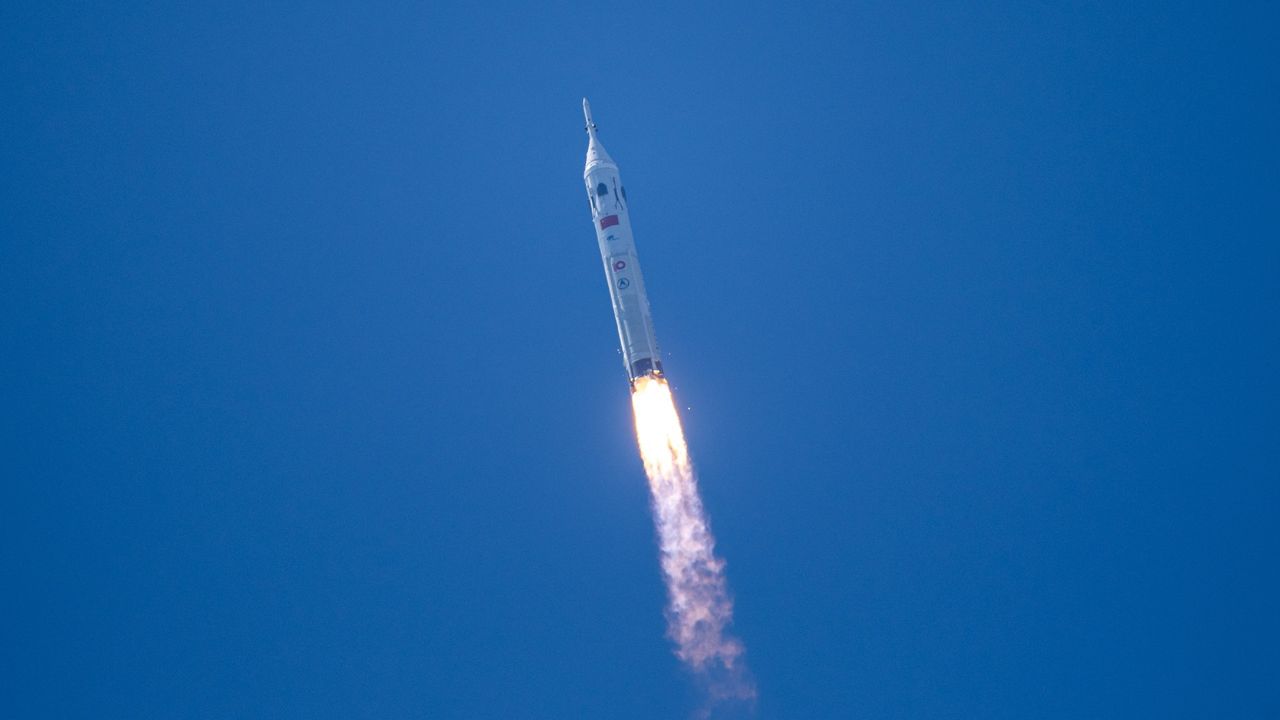
China shakes up its space programs to land astronauts on the moon by 2030: 'We will spare no effort'
China is integrating its robotic Chang'e lunar probe initiatives with its human spaceflight program, aiming to achieve a manned moon landing by 2030. This strategic move reflects the country's commitment to advancing its space exploration capabilities and establishing a more comprehensive approach to lunar missions. By combining robotic and human efforts, China seeks to enhance the efficiency and safety of its lunar exploration endeavors, paving the way for future scientific research and potential long-term lunar habitation. The initiative underscores China's ambition to become a leading player in space exploration, following a series of successful robotic missions that have already gathered valuable data about the moon's surface and resources.
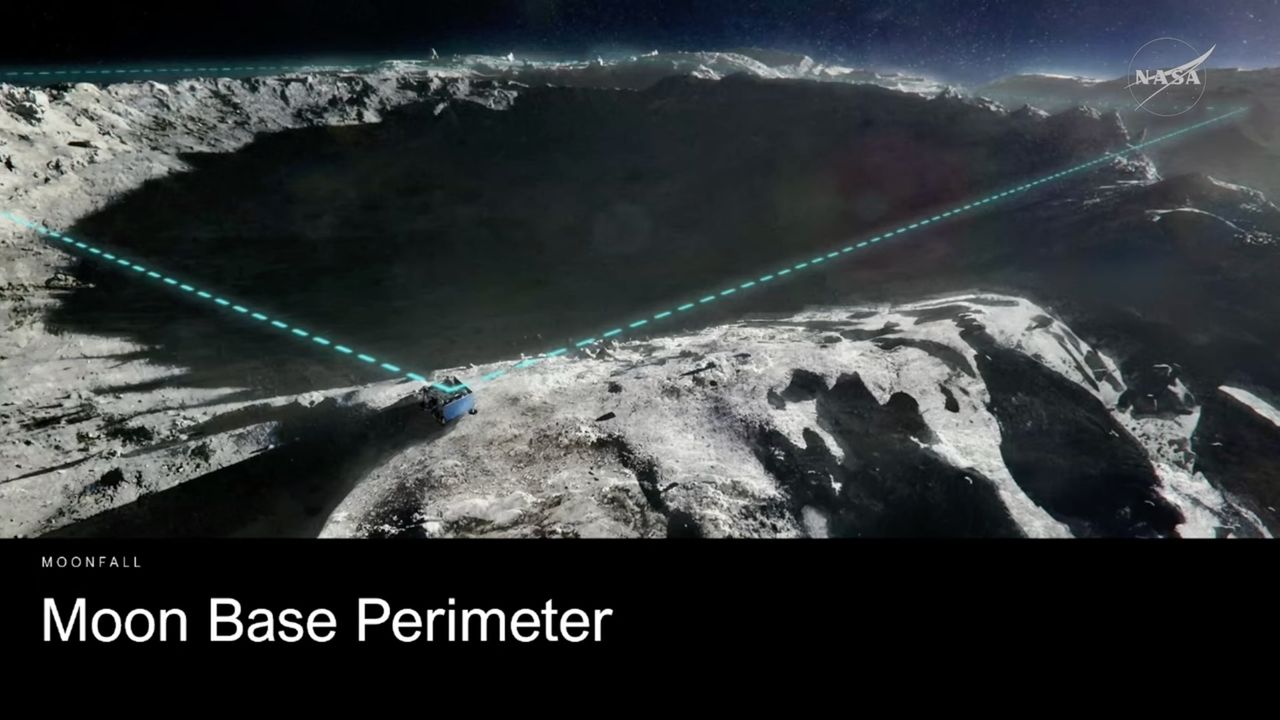
Artemis moon base will cover 'hundreds of square miles' with hopping drones and new lunar rovers, NASA says
NASA has announced ambitious plans for a moon base that will span hundreds of square miles, with the potential use of scout drones to monitor its perimeter. To kickstart this initiative, the agency has awarded contracts totaling $1 billion. This funding aims to facilitate the development and construction of the lunar facility, which is part of NASA's broader strategy to establish a sustainable human presence on the Moon. The contracts were awarded recently, marking a significant step forward in lunar exploration efforts. The project is expected to enhance scientific research and pave the way for future missions to Mars and beyond.
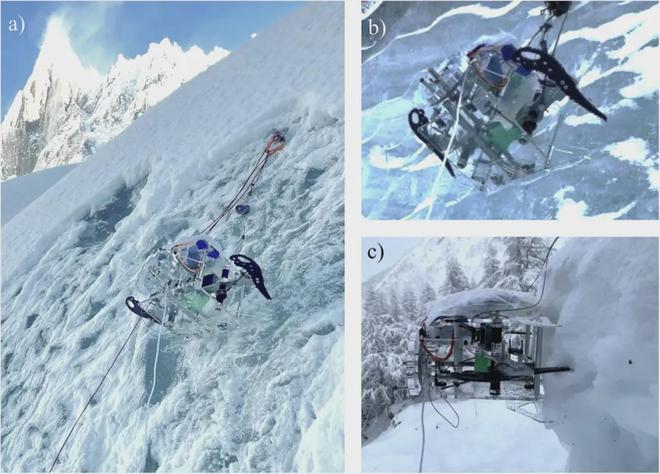
NASA Collaborates with UC Berkeley to Develop a Low-Pressure Ice Anchoring Robot
NASA, in collaboration with UC Berkeley, has developed an innovative ice anchoring robot designed to navigate icy terrains with low pressure and energy consumption. This robot, inspired by the techniques of human ice climbers, features a dual ice axe mechanism that enables it to establish secure anchor points on ice surfaces. The technology aims to facilitate exploration on celestial bodies such as Europa, one of Jupiter's moons, which is believed to have a subsurface ocean. The project represents a significant advancement in robotic exploration, potentially enhancing our ability to study distant icy environments in the future.
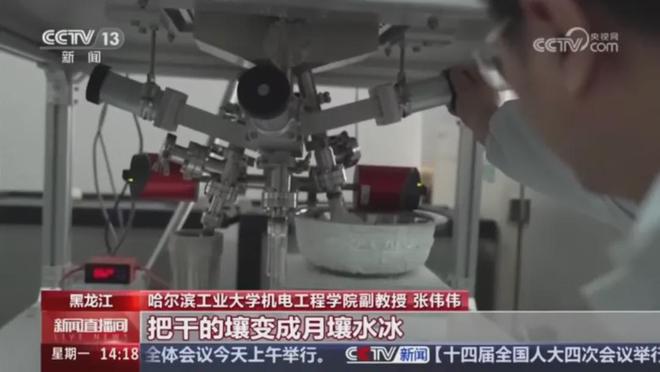
Harbin Institute of Technology Aids Lunar Water Search, China Aims for Global Leadership!
China's Chang'e 7 mission is set to explore the Moon's South Pole-Aitken Basin, with the goal of discovering water ice, a significant milestone that could position China as the first nation to identify water on the lunar surface. Scheduled for launch in the near future, this ambitious mission is supported by the Harbin Institute of Technology, which is contributing advanced technology and research to ensure its success. The exploration of this region is critical, as the presence of water ice could have profound implications for future lunar missions and the potential for human habitation on the Moon.
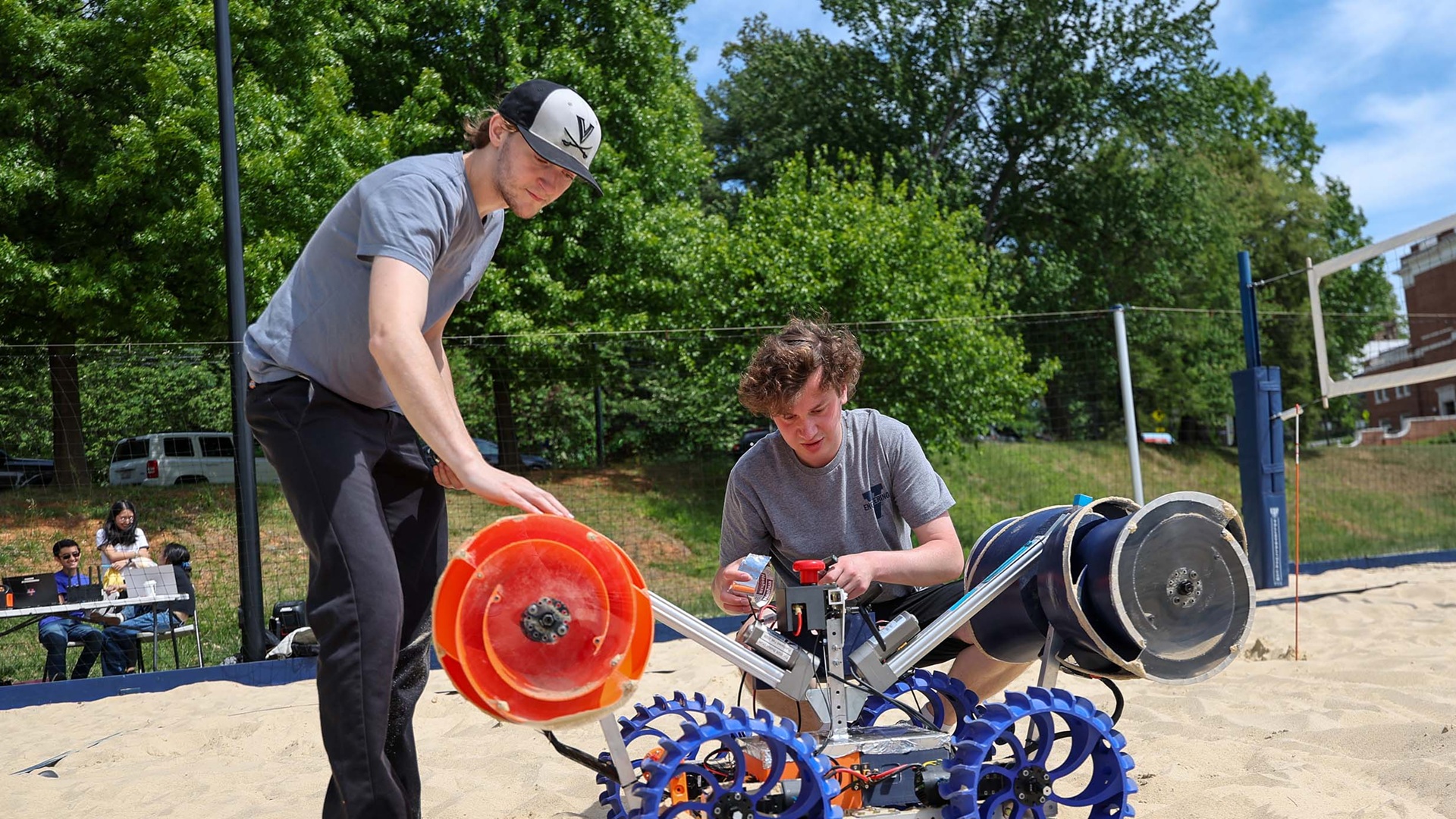
NASA tests 80-pound student-built robot designed to mine soil for Artemis moon bases
Students at the University of Virginia are developing innovative robots aimed at mining lunar soil and constructing habitats on the Moon. This ambitious project, which began in early 2023, is part of a broader initiative to explore sustainable living on extraterrestrial bodies. The students are motivated by the potential for lunar resources to support future space missions and the possibility of establishing a human presence beyond Earth. The team is utilizing advanced engineering techniques and collaborating with experts in robotics and space exploration to create machines capable of operating in the harsh lunar environment. Their work includes designing robots that can autonomously navigate the Moon's surface, extract regolith, and assemble structures using the mined materials. This initiative not only enhances the students' practical skills in engineering and robotics but also contributes to the growing field of space exploration, as NASA and other space agencies look to the Moon as a stepping stone for future missions to Mars and beyond. The project is expected to culminate in a demonstration of the robots' capabilities in simulated lunar conditions later this year.
S. Korea to invest over W50b until 2030 to develop homegrown AI humanoids
South Korea is set to invest 50.4 billion won ($33.5 million) over the next five years to advance core technologies for artificial intelligence-based humanoid robots. The initiative, announced by the Ministry of Science and ICT on Monday, aims to foster collaboration between universities and local tech companies. The inaugural meeting for this project took place at the Korea Institute of Science and Technology (KIST) in Seoul. This program, which will run until 2030, is part of the government's broader "K-Moonshot" strategy, designed to enhance the nation’s capabilities in cutting-edge technology and innovation.
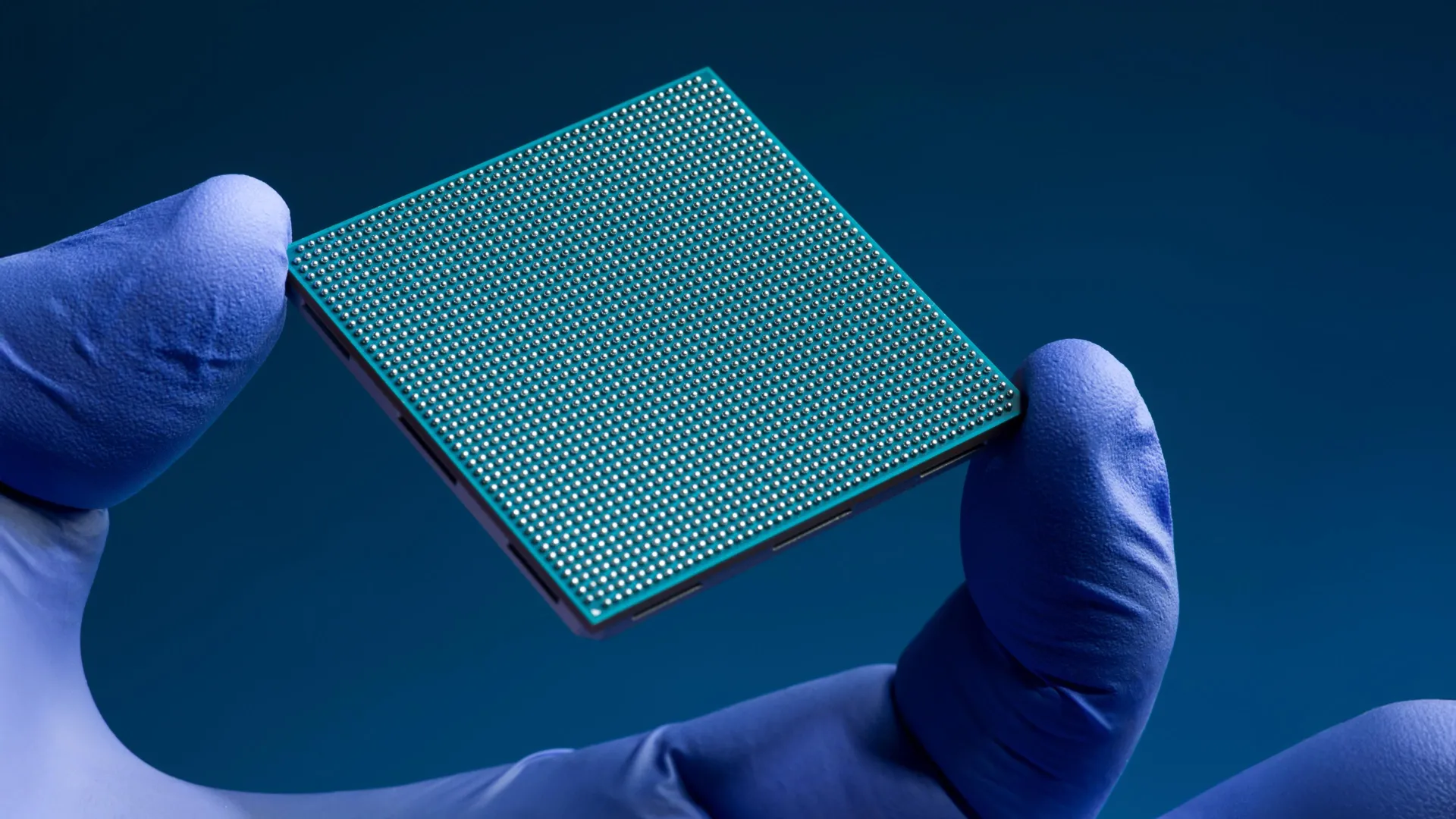
NASA’s new AI space chip could let spacecraft think for themselves
NASA is currently conducting tests on an advanced space computer chip designed to enhance the autonomy of spacecraft in deep space. This radiation-hardened processor has demonstrated performance capabilities that exceed current spaceflight computers by hundreds of times. The rigorous testing simulates the extreme conditions of space, ensuring the chip's resilience. This innovative technology aims to facilitate the development of AI-powered spacecraft, accelerate scientific discoveries, and optimize missions to the Moon and Mars. By improving the operational independence of spacecraft, NASA seeks to enhance exploration efforts and expand our understanding of the cosmos.
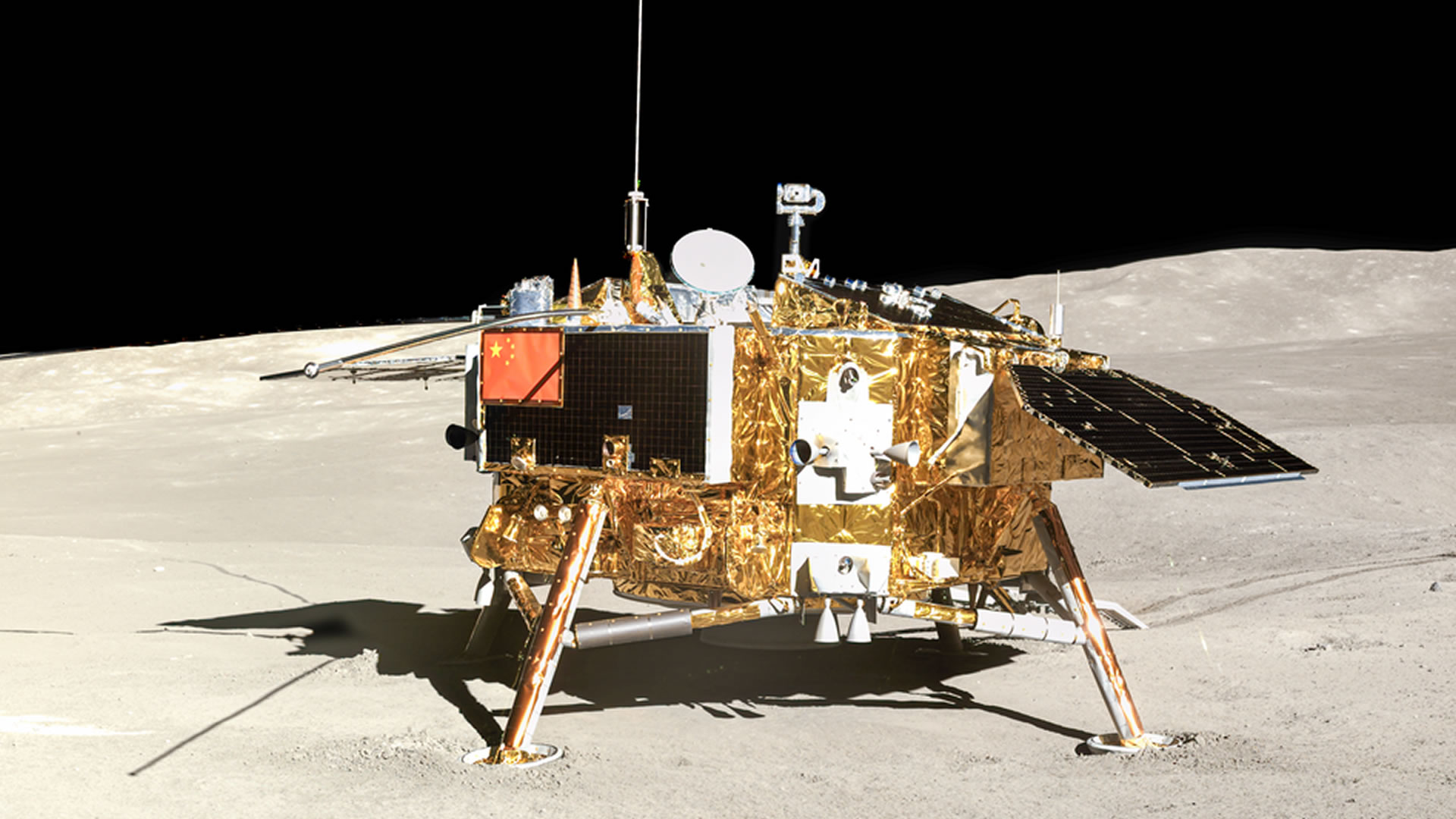
China unveils 220-pound robot ‘construction worker’ to use human tools on moon
China has unveiled plans for its upcoming Chang’e-8 mission, which will introduce an innovative robotic system designed to perform maintenance tasks on the lunar surface. This mission is set to take place in the near future, although specific dates have not been disclosed. The Chang’e-8 mission aims to enhance lunar exploration capabilities and support China's long-term goals for sustainable presence on the Moon. The introduction of the robotic “Moon mechanic” is expected to facilitate the construction of a lunar research station, showcasing advancements in space technology and robotics. This initiative reflects China's commitment to expanding its role in space exploration and developing infrastructure for future missions.
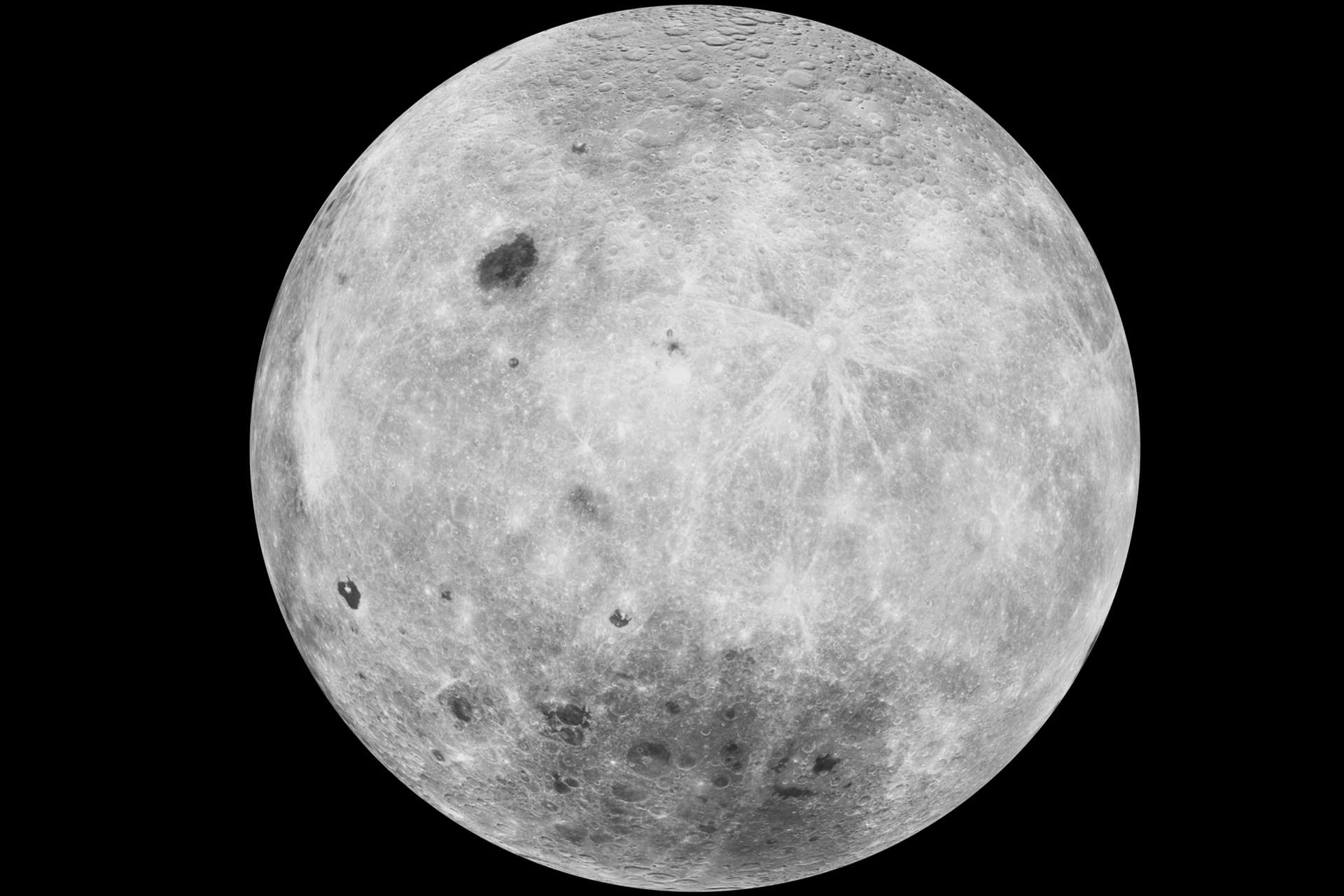
Moon’s largest impact basin may hide mantle material near Artemis landing zone
A significant impact event occurred on the moon over four billion years ago, resulting from a colossal object colliding with its surface. This cataclysmic event is believed to have played a crucial role in shaping the moon's geological history and surface features. Scientists have been studying the implications of this impact to better understand the moon's evolution and its relationship with Earth. The findings contribute to ongoing research in planetary science, shedding light on the early solar system's dynamics and the processes that led to the formation of celestial bodies. The research highlights the importance of impact events in the development of planetary surfaces and offers insights into the conditions that prevailed during the moon's formative years.
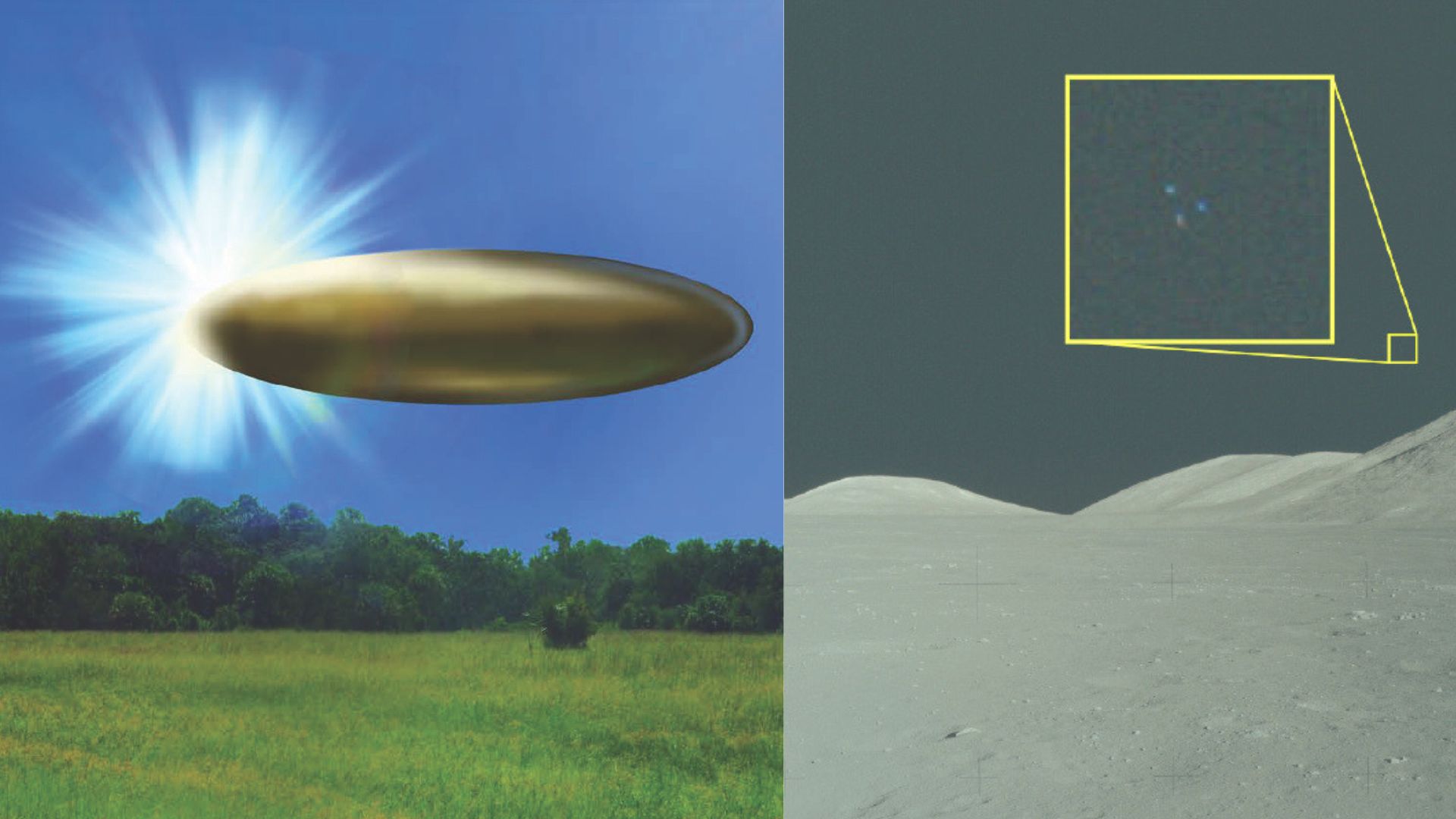
New Pentagon UFO archives detail Apollo 17 moon anomalies and strange drone lights
In recent months, a surge of interest in unidentified flying objects (UFOs) has emerged, fueled by a combination of conspiracy theorists, YouTubers, and enthusiasts who have long championed the topic. This renewed focus has coincided with a series of government disclosures and reports regarding aerial phenomena, prompting both skepticism and intrigue among the public. As various online platforms amplify these discussions, individuals are increasingly drawn to the idea that there may be more to the UFO narrative than previously acknowledged. The ongoing dialogue is not only about the existence of extraterrestrial life but also raises questions about government transparency and the implications of such phenomena on national security. This resurgence in UFO discourse is particularly notable as it aligns with significant events, including congressional hearings and the release of classified documents, which have reignited curiosity and debate. The combination of social media influence and official acknowledgment has created an environment ripe for speculation and exploration of the unknown, with many seeking answers to long-standing questions about what lies beyond our planet. As the conversation evolves, it reflects a broader societal fascination with the mysteries of the universe and humanity's place within it, encouraging both amateur and professional investigators to delve deeper into the enigma of UFOs.
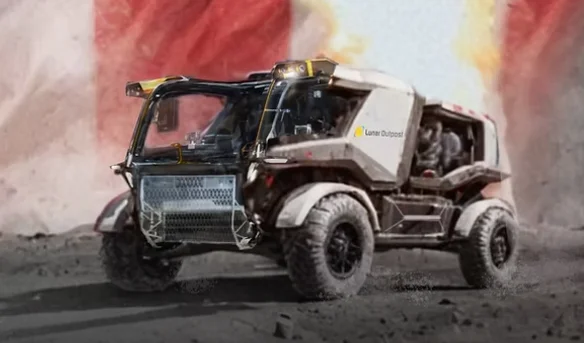
Lunar Outpost Raises $30M in Series B Funding for Moon Robotics Development
Lunar Outpost, a Colorado-based company specializing in lunar robotics and mobility systems, has successfully raised $30 million in a Series B funding round. The investment was spearheaded by Industrious Ventures, with additional contributions from Type One Ventures, Eniac Ventures, Promus Ventures, and Reliable Equity. This funding will be utilized to enhance the production capabilities of the company's robotic vehicles and infrastructure technologies, positioning Lunar Outpost to play a pivotal role in the future of lunar exploration.

Making Sense of the Early Universe
On Spring Astronomy Day, astronomers are leveraging artificial intelligence (AI) and graphics processing units (GPUs) to manage and analyze the vast amounts of cosmic data generated by modern telescopes. This innovative approach is essential as the field of astronomy faces an unprecedented influx of information, making traditional methods of data analysis increasingly inadequate. By employing advanced AI algorithms and powerful GPU technology, researchers can efficiently process and interpret complex datasets, enabling them to uncover new insights about the universe. The event highlights the growing intersection of technology and science, showcasing how these tools are revolutionizing the way astronomers conduct their research and expand our understanding of cosmic phenomena.

CMU Teams Recognized in Moonshots AI Competition
Researchers at Carnegie Mellon University have been recognized for their innovative tools aimed at improving various aspects of daily life, education, and work. Their work received top honors in the Laude Institute's Moonshots competition, which focuses on leveraging artificial intelligence to tackle significant societal challenges, including workforce reskilling and enhancing educational access. This recognition underscores the university's commitment to developing practical solutions that address pressing issues in today's world.
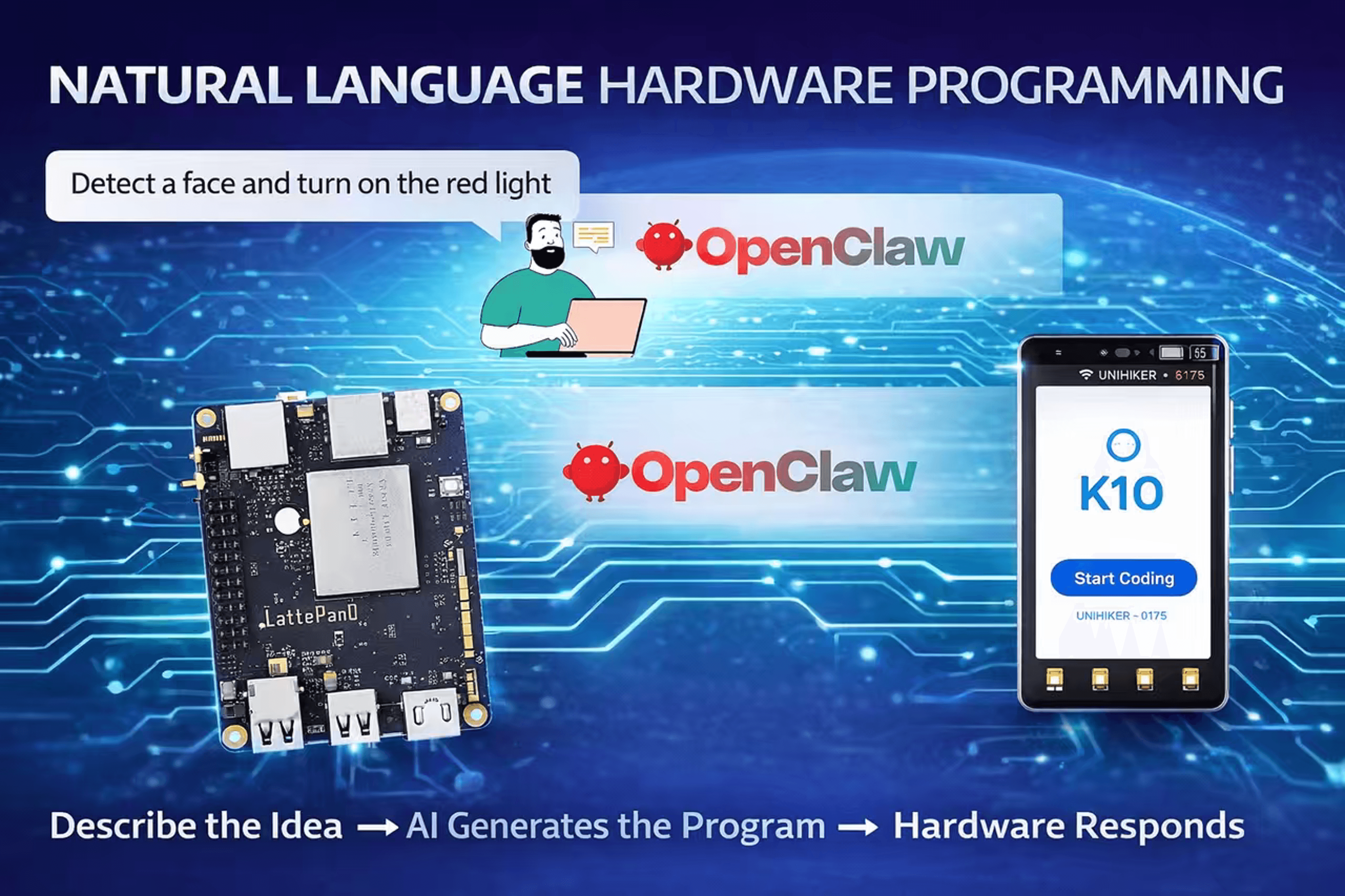
OpenClaw + UNIHIKER K10: Natural Language Hardware Programming in Minutes
Learn how OpenClaw enables natural language hardware programming on UNIHIKER K10, automating code generation, debugging, and deployment in minutes.
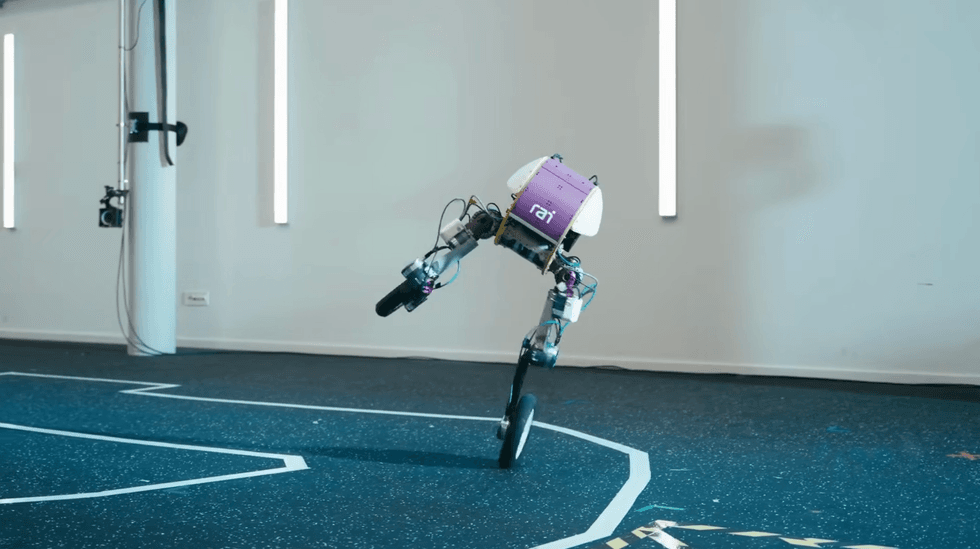
Video Friday: Beep! Beep! Roadrunner Bipedal Bot Breaks the Mold
IEEE Spectrum robotics has released its weekly roundup of notable robotics videos and events. Among the highlights is the introduction of "Roadrunner," a new bipedal wheeled robot prototype that can switch between various locomotion modes, designed for enhanced navigation. Weighing approximately 15 kg, it features symmetric legs that can adapt for obstacle avoidance and movement management. NASA has announced two ambitious missions: SkyFall, which will deploy next-generation helicopters on Mars to scout landing sites and map subsurface water ice, and MoonFall, aimed at preparing for future Artemis missions by sending drones to explore the lunar South Pole. These drones will operate independently for 14 Earth days, surveying challenging terrains. In research advancements, a team from MIT has developed Electrofluidic Fiber Muscles, a new class of soft and flexible artificial muscles for robots and wearables, promising improved agility and integration into textiles. Additionally, the open-source quadruped robot MEVIUS2 has been unveiled, capable of climbing stairs and steep slopes. Other innovations include a wristband from MIT that allows users to control a robotic hand through their own movements, and a cooking robot from Zhejiang Lab that autonomously processes ingredients and performs cooking tasks with high precision. The CMU Robotics Institute is set to host a seminar by Hadas Kress-Gazit from Cornell, focusing on the role of formal methods in robotics amidst the rise of big data.
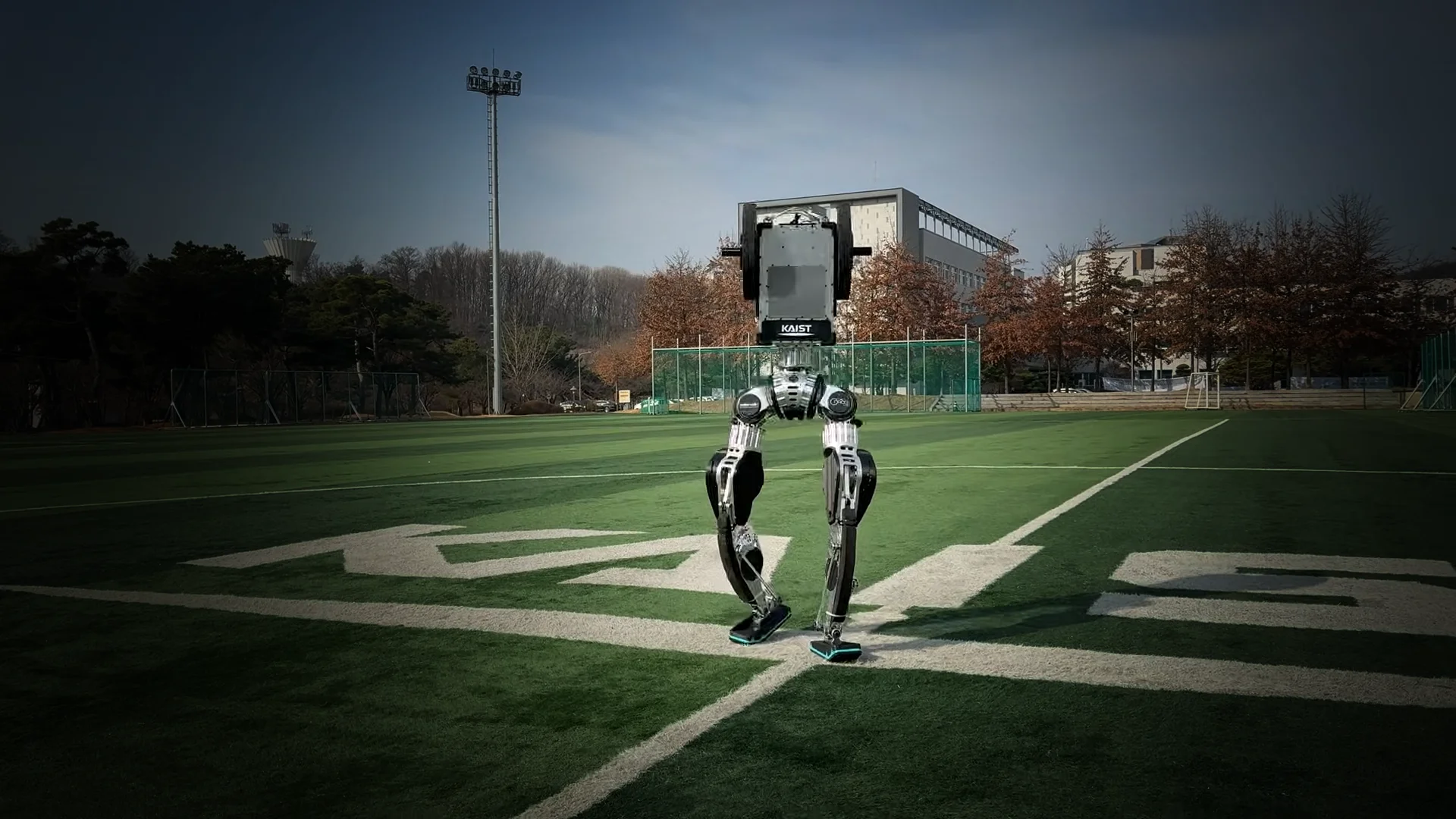
KAIST Humanoid v0.7: High-Speed Locomotion and the "Moonwalk" of Technical Independence
KAIST’s DRCD Lab has introduced an advanced bipedal robot platform that can run at speeds of up to 12 km/h while exhibiting human-like agility. This innovative technology, revealed recently, utilizes proprietary 3K planetary gearboxes combined with hybrid reinforcement learning techniques. The development aims to enhance robotic mobility and adaptability, potentially paving the way for more sophisticated applications in various fields, including robotics research and human-robot interaction. The lab's efforts reflect a growing trend in robotics to create machines that can navigate environments with the same fluidity and responsiveness as humans.
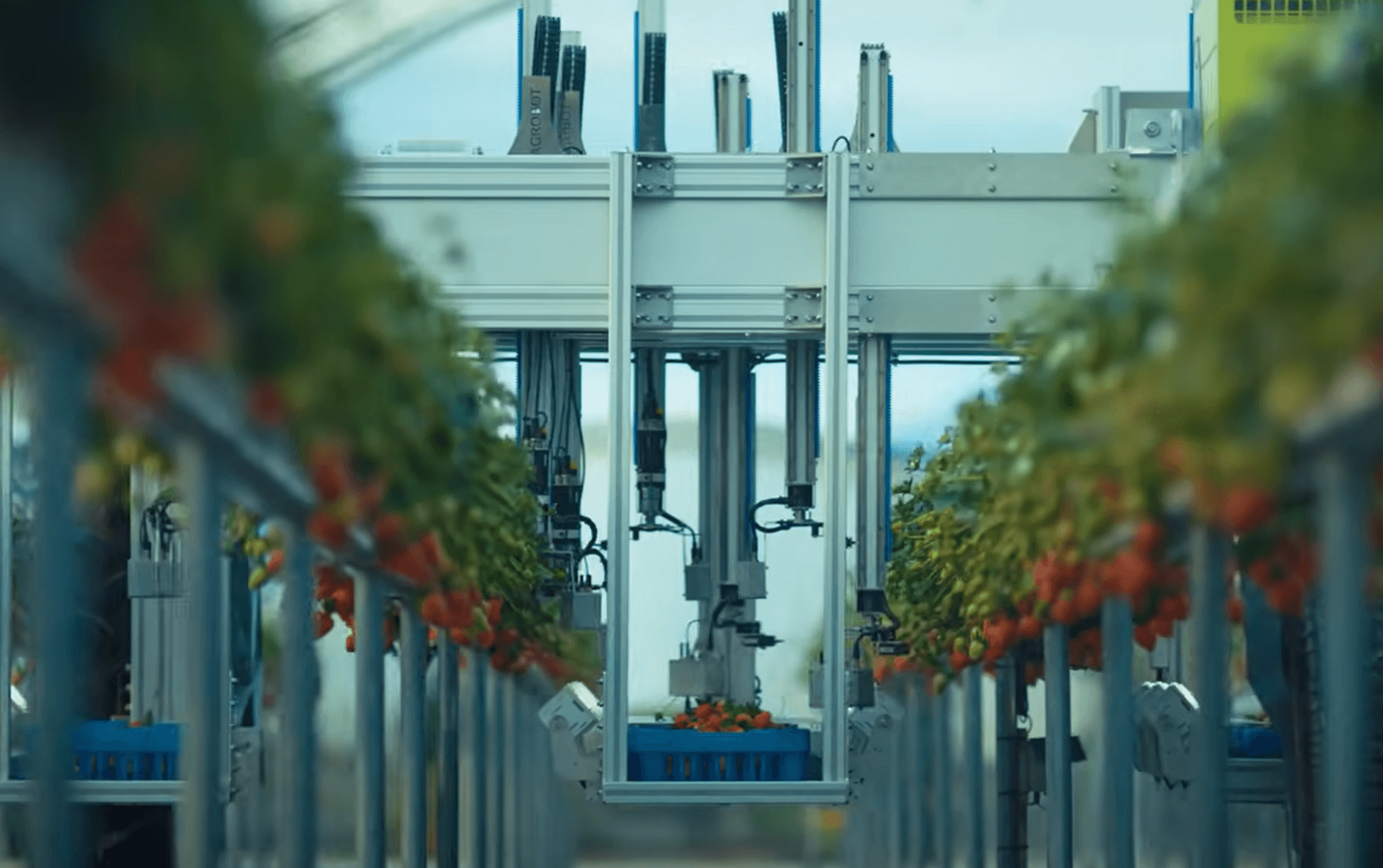
AGRICULTURAL ROBOTICS | Harvesting Robots: $6.9B Market
Harvesting robots hit $2.24B in 2024 and are targeting a $50B labor market at less than 5% penetration. Deep-dive: market data, 14 companies, economics, and 2030 outlook.
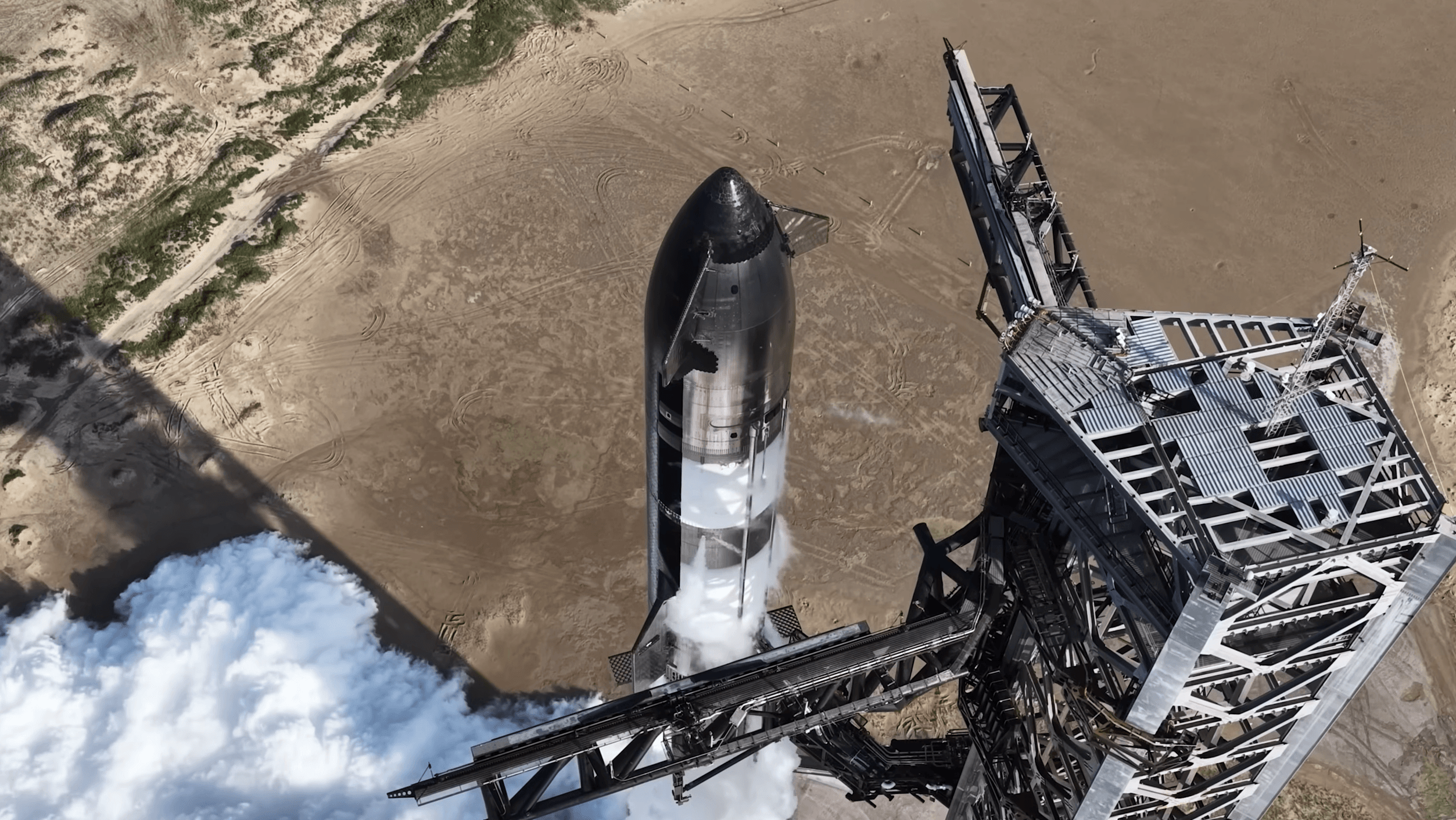
EXECUTIVE BRIEFING: The 2026 Space Robotics Landscape
Explore the definitive 2026 directory of 95+ space robotics leaders, covering orbital servicing, lunar rovers, and in-space manufacturing. Download the complete RobotToday reference guide to track the companies, funding, and technologies driving the $24B orbital economy.
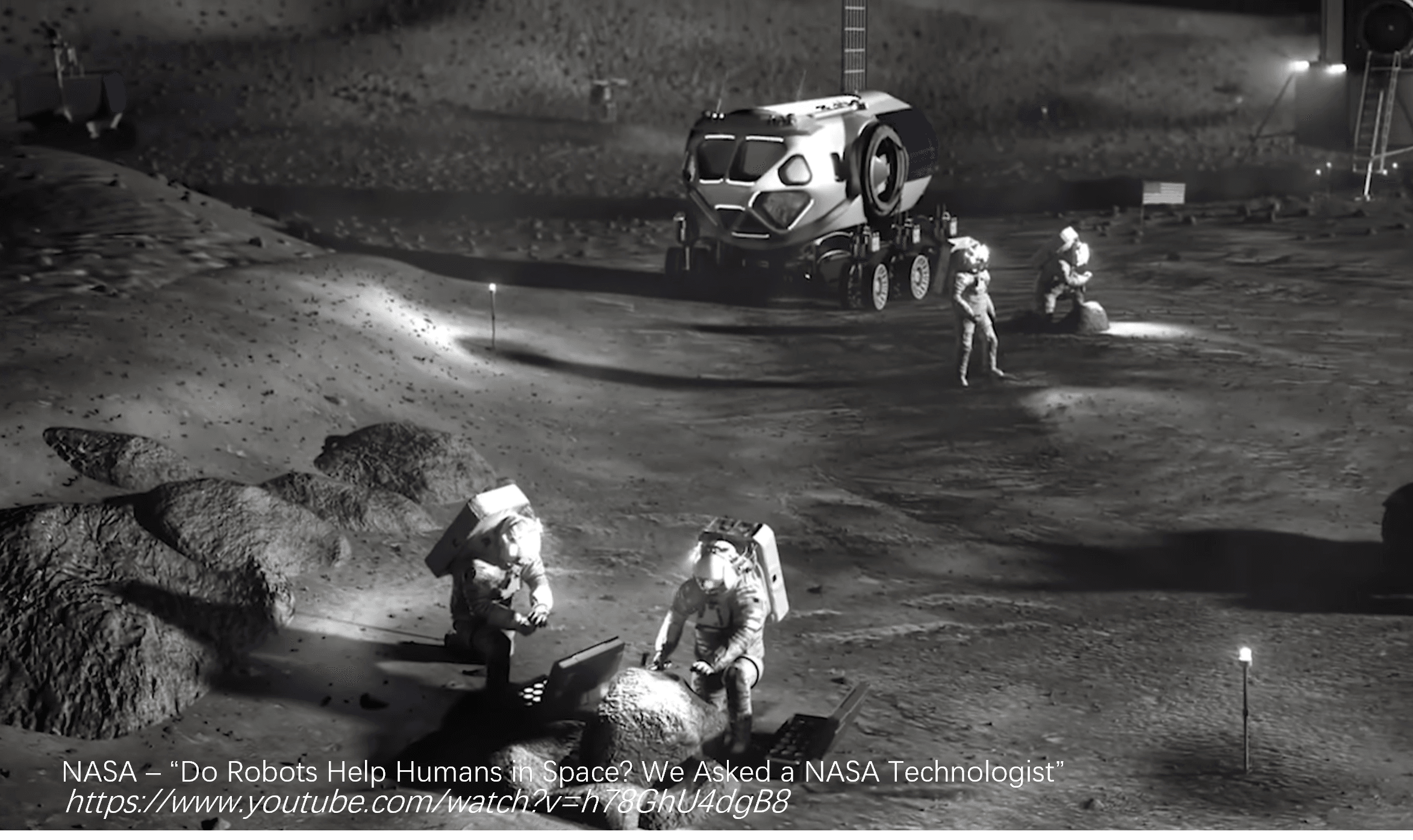
Space Robot- Building Skyscrapers in Space: ISMA's Industrial Revolution
ISAM technology breaks rocket fairing limits through robotic space manufacturing. Market grows from $3.5B to $14.5B by 2032. See how 3D printing, autonomous assembly, and orbital fabrication are creating off-Earth factories.
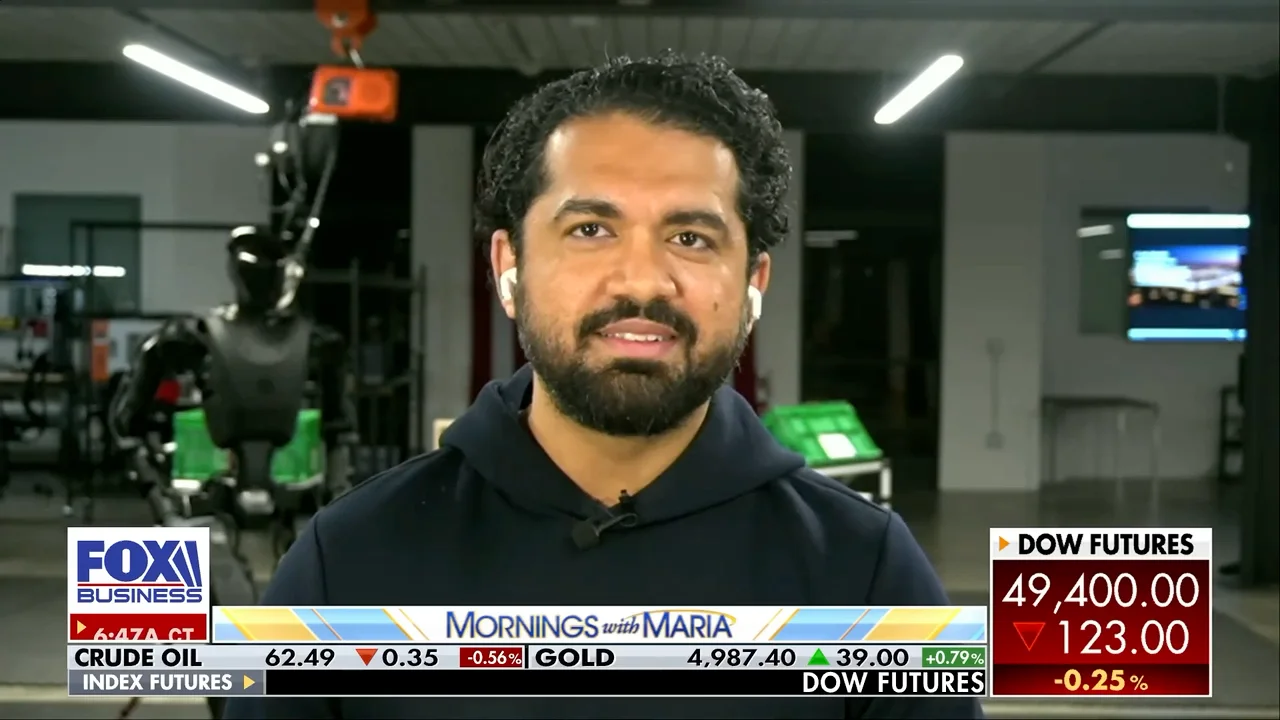
"Peace Through Strength": Foundation CEO Showcases Phantom Robot on Fox Business
Sankaet Pathak appeared on "Mornings with Maria" to share insights on the increasing integration of humanoid robots in Ukraine, emphasizing their potential impact on the workforce. He highlighted the "inevitable" trend of automation affecting white-collar jobs, suggesting that this shift is not only a possibility but a forthcoming reality. Pathak also unveiled an ambitious master plan that envisions the application of these technologies extending to remote locations such as Antarctica and the Moon. His discussion underscored the transformative potential of robotics and automation in various sectors, reflecting on the broader implications for the future of work and exploration.
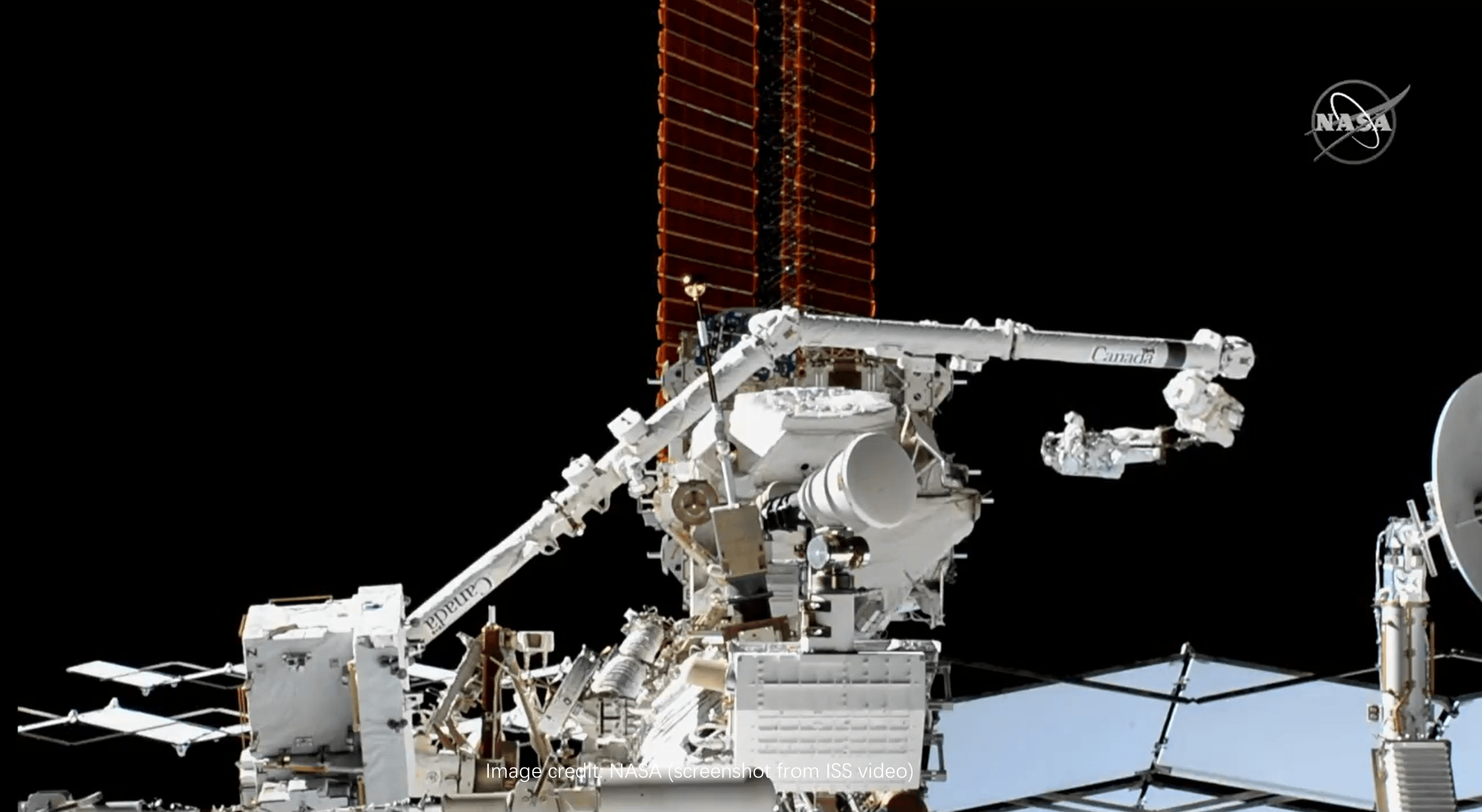
Space Robot - Space Station's AI Assistants: From Robotic Arms to Autonomous Partners
Space station robots evolve from remote tools to autonomous AI partners. How embodied intelligence reshapes human-robot collaboration in orbit.
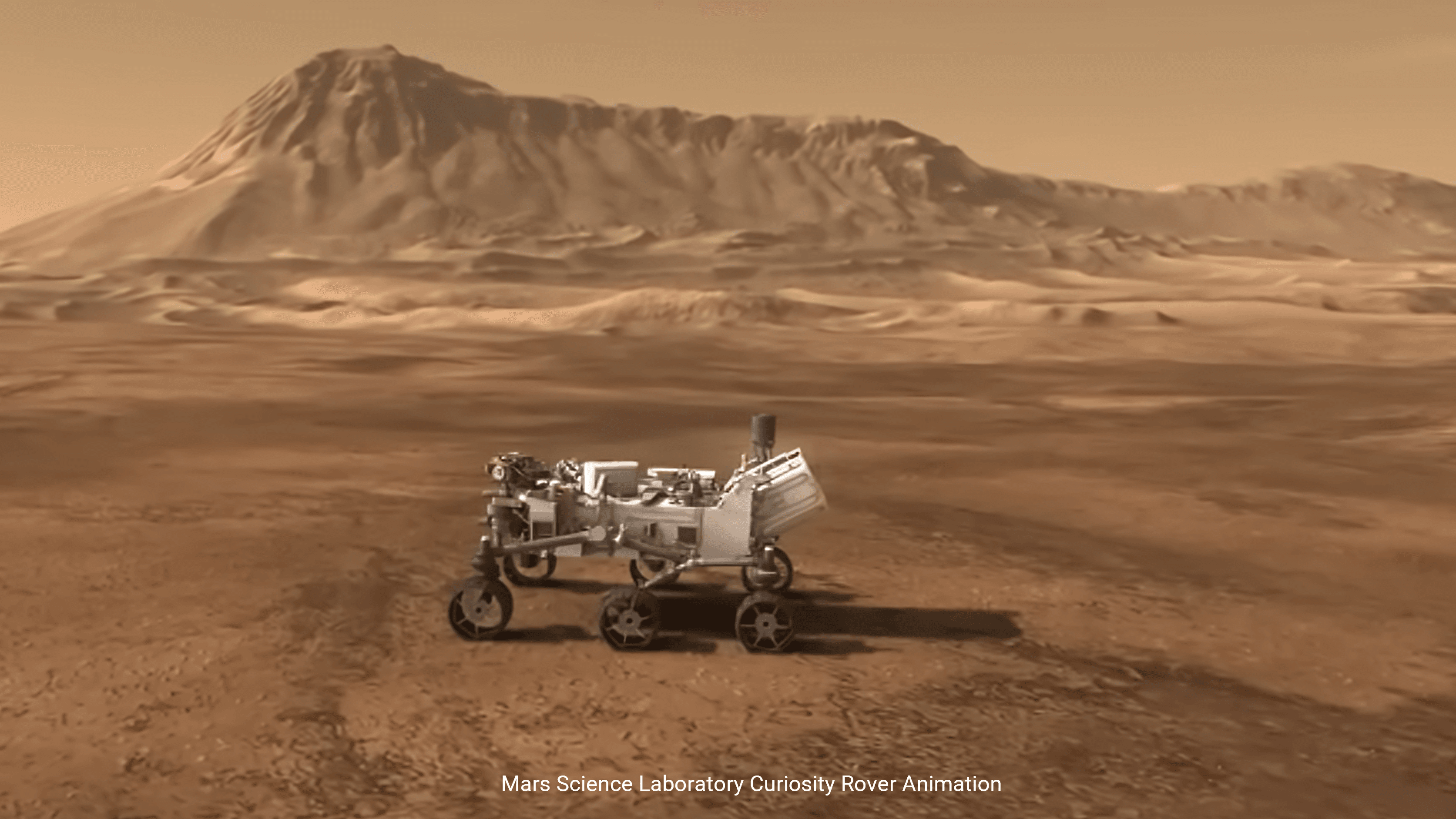
Space Robot- Lunar Rovers: Building Infrastructure on the Moon
Lunar rovers face -180°C nights and glass-sharp dust while building moon infrastructure. Inside the engineering challenges, commercial strategies, and international competition shaping planetary robotics.

Global Robotics Market 2026: Forecast Analysis & Key Trends
Comprehensive 2026 global robotics market forecast compilation from IFR, Markets and Markets & more. Market size, growth rates & regional analysis by segment.

RobotToday Weekly Industry Briefing: Feb 2 – 6, 2026
Robotics shifted from demos to deployment post-CES 2026, led by China’s humanoid scale, AI robot brains, and accelerating industrial adoption.
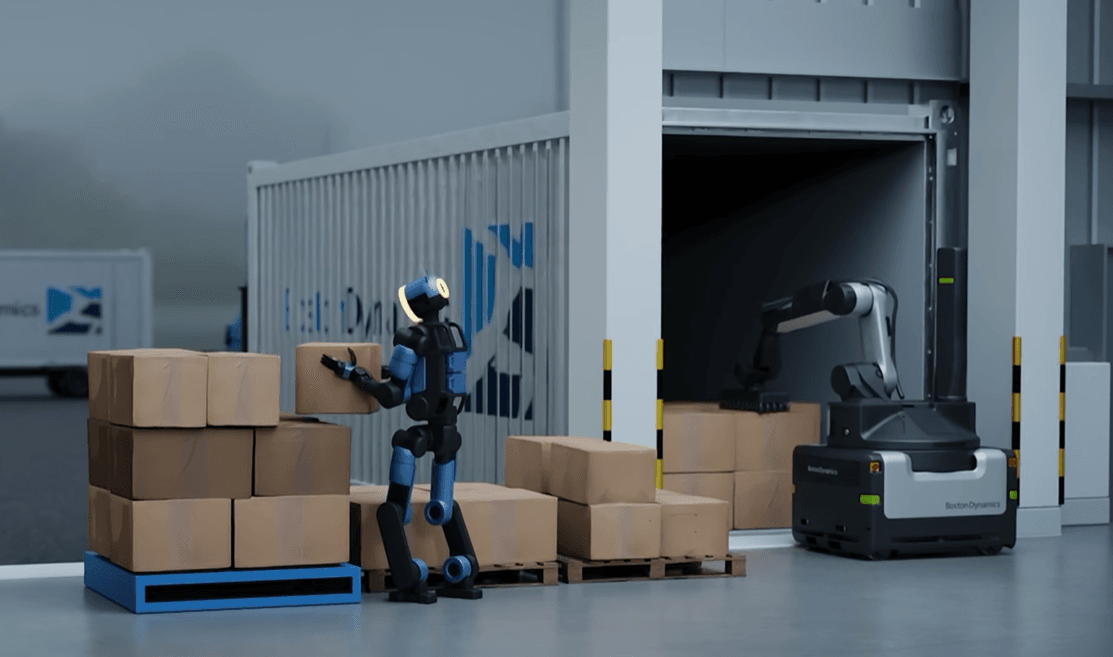
When the Machine Knows Better: The Quiet Revolution Inside Manufacturing
The machine can already see what human inspectors miss. But inside manufacturing, the real fight isn't about technology — it's about who gets to decide. The union battle over Manufacturing Intelligence begins here.
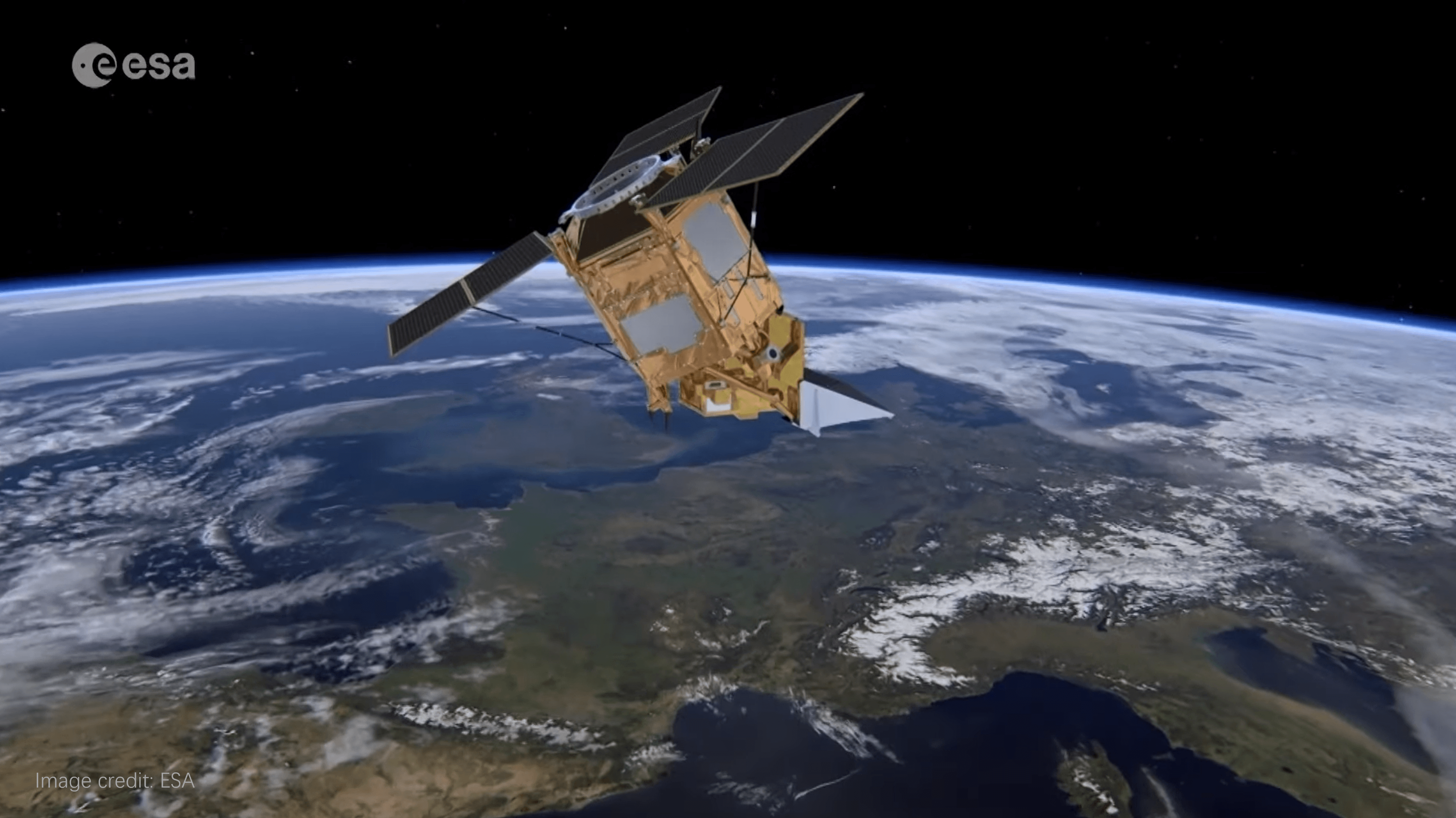
Space Robot - Killer App: The $30B Satellite Servicing Market
Orbital servicing is transforming space economics: $2B wasted annually on premature satellite deaths. Market growing from $500M to $20-30B by 2040. Deep dive into Astroscale, Northrop Grumman MEV, and the business of satellite refueling and debris removal.
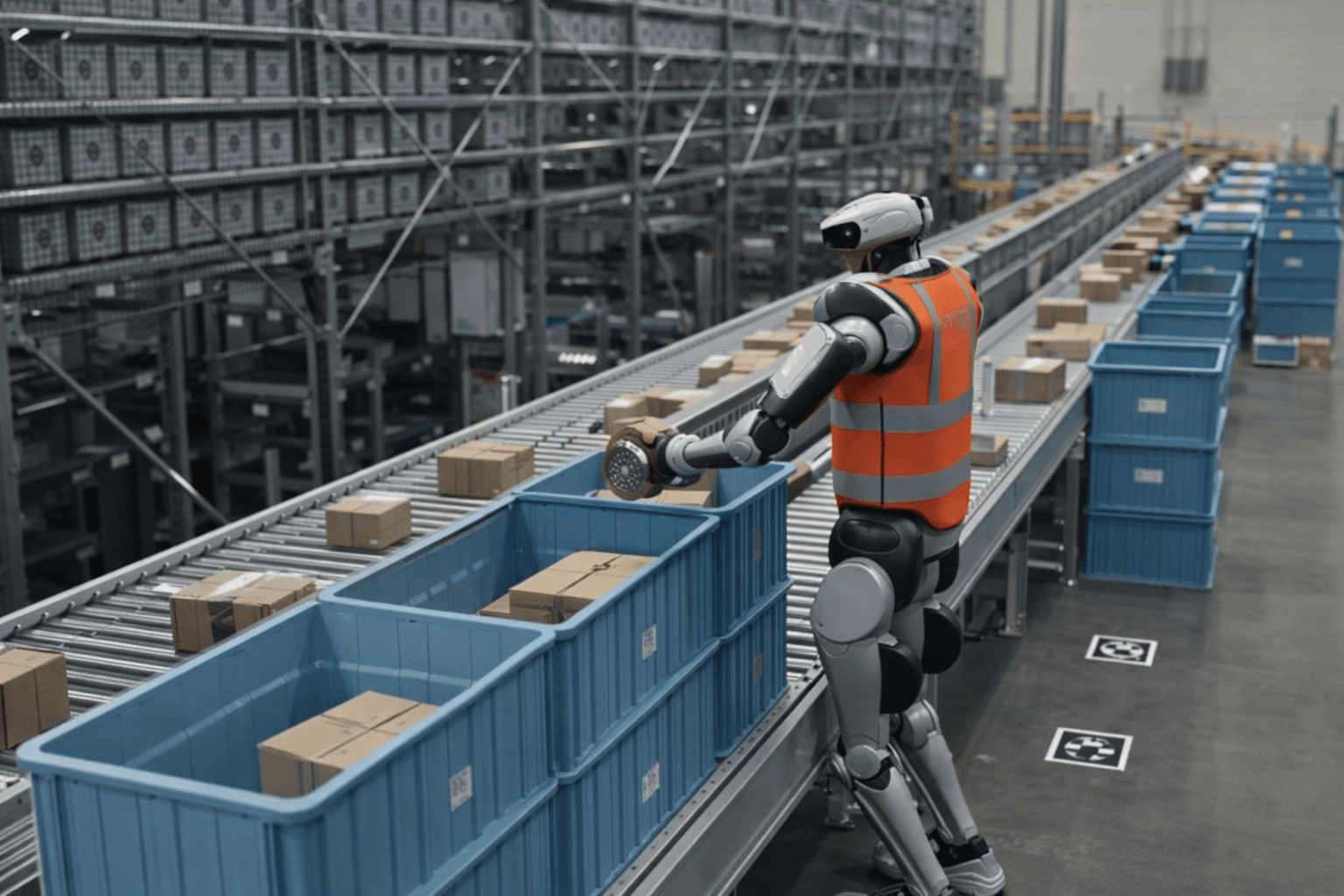
Humanoid Robots Are Entering Warehouses — and Unions Are Pushing Back
Humanoid robots are entering warehouses now — and unions like the Teamsters and UAW are drawing battle lines. Inside the 2026 labor showdown that could reshape logistics forever.

RobotToday Weekly Industry Briefing: January 26 – 30, 2026
Robotics industry briefing Jan 26-30, 2026: Serve-Diligent $29M acquisition, Richtech-Microsoft controversy, Waabi $1B funding, cloud robotics market to $43B by 2031, Fauna Robotics Sprout, Gartner humanoid forecast, NY Robotics launch.

Oracle AI world
Oracle AI World: premier enterprise AI conference with expert keynotes, hands-on sessions, and networking in Las Vegas, Oct 26-29, 2026.

Microsoft Ignite 2026
Microsoft Ignite: premier tech conference on cloud, AI, security, and Microsoft innovation. Join developers, IT pros, leaders; San Francisco & online.
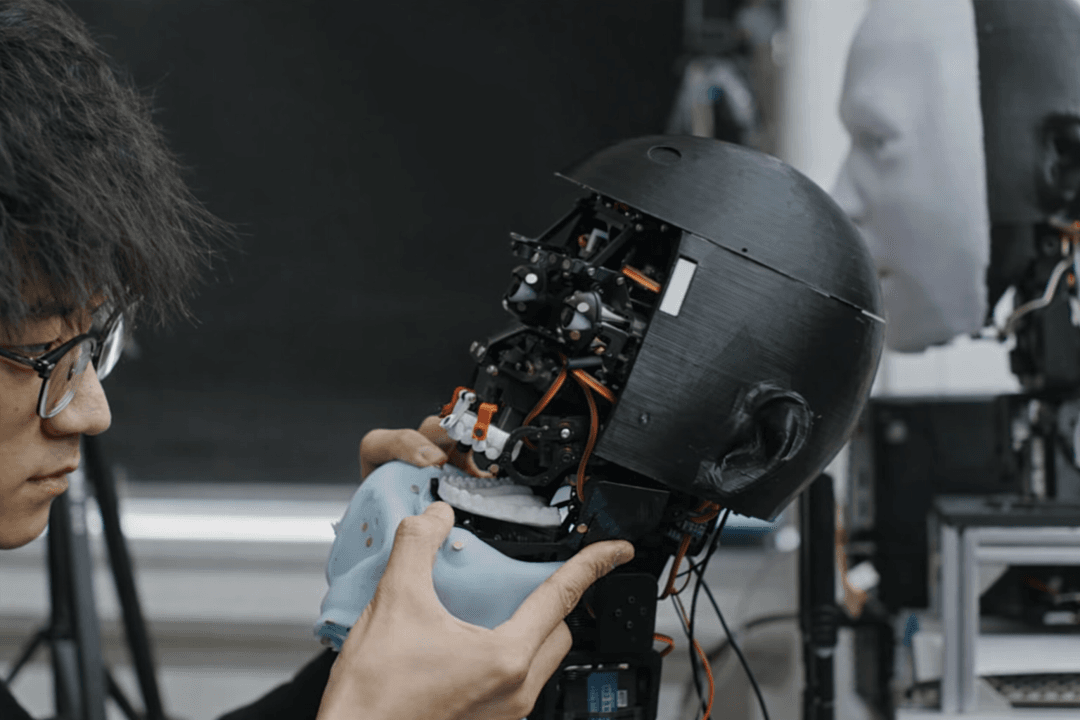
Columbia's Emo: Solving Robot Face Problem
Columbia's Emo robot breakthrough reveals why facial biomimicry is robotics' second hardest challenge. Analysis of tech barriers and 2028-2030 timeline.

RobotToday Weekly Industry Briefing: January 19 – January 23, 2026
iRobot emerges from Chapter 11, Tesla sets a 2027 Optimus release, and Hyundai faces labor pushback. Explore the top robotics industry news for Jan 18-23, 2026.

The 3rd International Conference on AI Sensors and Transducers (AIS 2026)
The 3rd International Conference on AI Sensors and Transducers (AIS 2026), 2–7 Aug 2026 in Jeju, South Korea — a global forum for researchers and industry experts on AI-enhanced sensing systems, transducers, and cutting-edge sensor technologies.
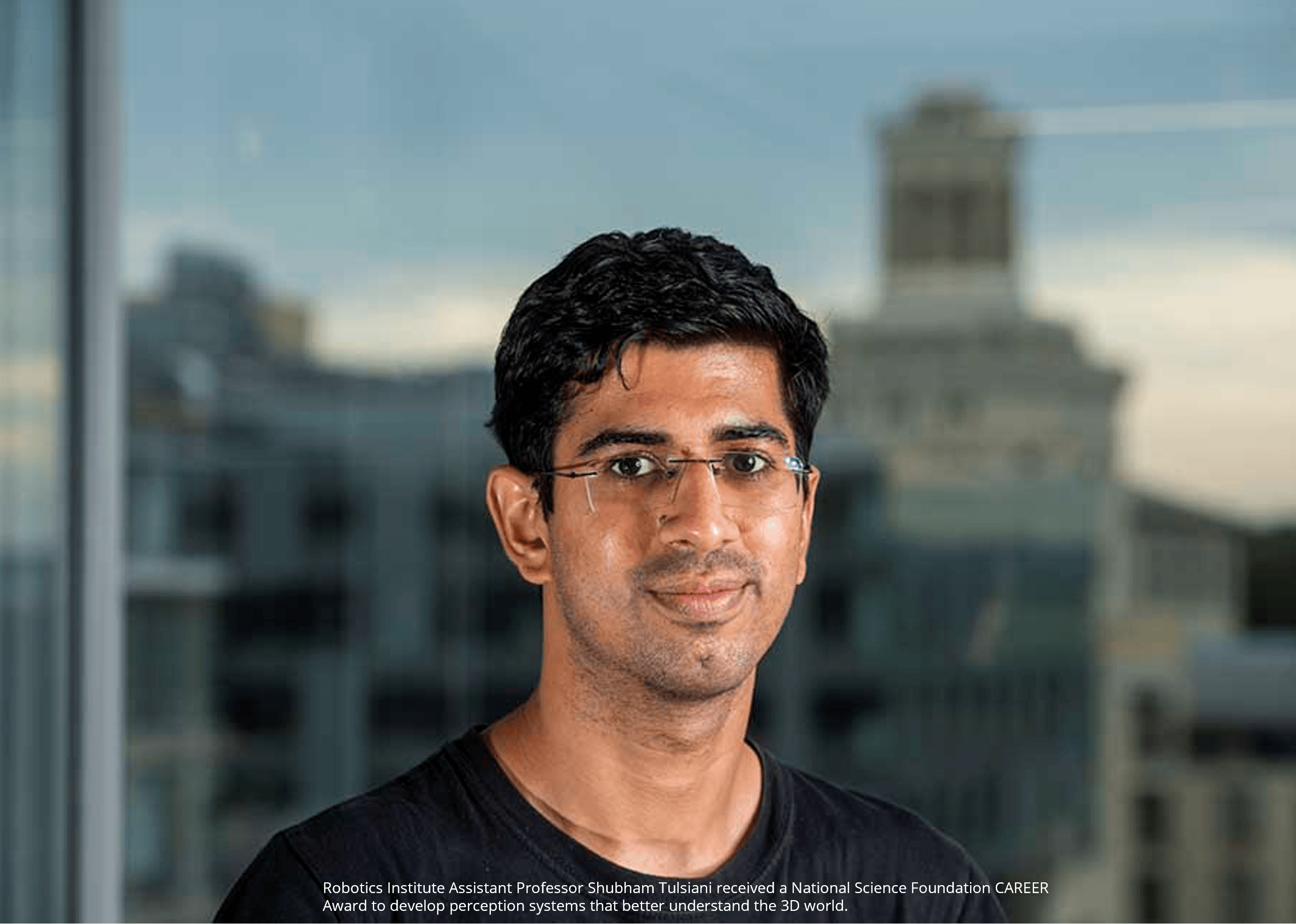
Shubham Tulsiani Receives NSF CAREER Award: Teaching Robots to Learn from Videos
CMU's Shubham Tulsiani receives NSF CAREER Award for pioneering work teaching robots to learn manipulation skills from internet videos. Zero-shot learning breakthrough.

ICRA 2026
IEEE ICRA 2026, the flagship robotics and automation conference, brings top researchers and industry leaders to Vienna, Austria, 1–5 June 2026 to advance robotics research.

IFA 2026
IFA Berlin 2026 — the world’s largest consumer electronics and home technology trade show held in Berlin from September 4–8, showcasing cutting-edge innovations, global brand launches, startups, and future tech trends.

2026 Robotics Events Briefing: Tailored Recommendations for Robotics Readers
A curated briefing of major global robotics events in 2026, offering tailored recommendations for researchers, industry professionals, startups, and the broader robotics ecosystem.

RobotToday Weekly Industry Briefing: January 12 – January 16, 2026
NVIDIA advances physical AI with Cosmos and GR00T, humanoid robots move into real factories, China leads global deployments, and robotics stocks gain momentum.

GEIA Europe 2026
Discover GEIA Europe 2026 — the premier summit on embodied intelligence and humanoid robotics in Europe, bringing together top experts, live tech showcases, and strategic discussions on AI and robotics innovation.

ACIRS 2026
ACIRS 2026 is an international robotics conference in Hong Kong, bringing together research on intelligent robotic systems, AI, control, and real-world applications.

World Robot Olympiad (WRO) 2026
World Robot Olympiad (WRO) 2026 Season: Global student robotics competition exploring “Robots Meet Culture,” culminating in the International Final, Dec 8–10 2026 in San Juan, Puerto Rico. Develop creativity, design, engineering and problem-solving skills through hands-on robotics

Hannover Messe 2026
HANNOVER MESSE 2026 brings global industry leaders together for automation, industrial AI, robotics and energy innovation, 20–24 April in Hannover, Germany.

The A3 Business Forum
Annual networking forum for robotics, AI, vision & imaging, motion control professionals in automation. Join expert keynotes, panels, and industry insights in Orlando, Florida, Jan 19-21, 2026. Register now for the A3 Business Forum.
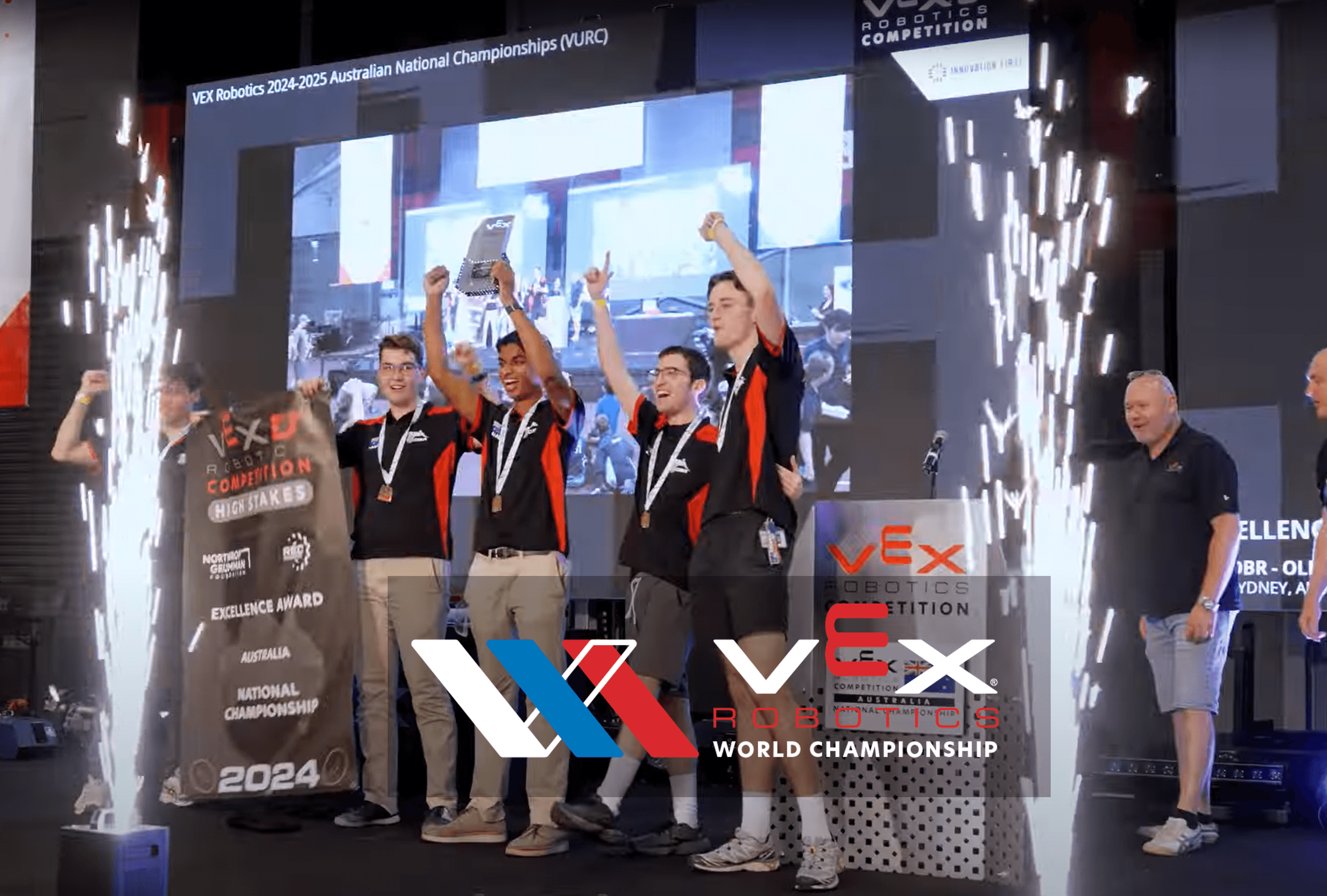
VEX 2026
VEX Worlds is the culminating global robotics championship that unites student teams from around the world in high-level competition, collaboration, and STEM inspiration.