Industry Briefing
A single destination for timely, editor-curated robotics news from around the world.

Digua Robotics and Giga Vision Collaborate to Integrate World Models into Edge AI Chips
On September 14, Digua Robotics and Giga Vision announced a strategic collaboration focused on integrating their respective technologies. Giga Vision will provide world models, embodied foundational models, and real-world application experience, while Digua Robotics will contribute an edge AI computing platform, algorithm toolchain, and robotics ecosystem. The initial integrated model chosen is GigaBrain-0.7, utilizing the Xuri S600 hardware base and GigaWorld's capabilities. This partnership aims to create an affordable, integrated solution for embodied intelligence at the edge. GigaWorld will handle scene generation, action consequence prediction, strategy evaluation, and retraining of failure samples, providing a virtual training environment for robots. GigaBrain will serve as the edge intelligence core, managing natural language tasks, spatial perception, task decomposition, skill routing, and decision-making, while the Xuri S600 will support multimodal reasoning and task scheduling. Looking ahead, both companies plan to accelerate the practical application of GigaBrain-0.7 across various robotic platforms, including industrial manufacturing and home services. The success of this collaboration will depend on the performance of GigaBrain-0.7 in real-world robotic applications, particularly in terms of task success rates and system stability.
Robotics AI Edge Computing Embodied Intelligence
KoiReader Technologies Introduces KoiVision Platform for Supply Chain Yard Automation
KoiReader Technologies, Inc. has announced the general availability of its KoiVision™ Platform Yard Intelligence Suite. This full-stack Physical AI system aims to enhance global supply chain yard operations by providing automated gate processing, continuous yard visibility, and dock-level execution intelligence. The introduction of the KoiVision Platform is significant as it targets one of the least digitized areas in the supply chain, potentially transforming yard operations. By integrating advanced technologies, KoiReader seeks to improve efficiency and visibility, which are critical for modern supply chain management. Looking ahead, industry stakeholders should monitor the adoption and impact of the KoiVision Platform in various supply chain environments. No further timeline was disclosed at the time of publication.
ViAct's viBOT Enhances Safety with Vision AI on Construction Job Sites
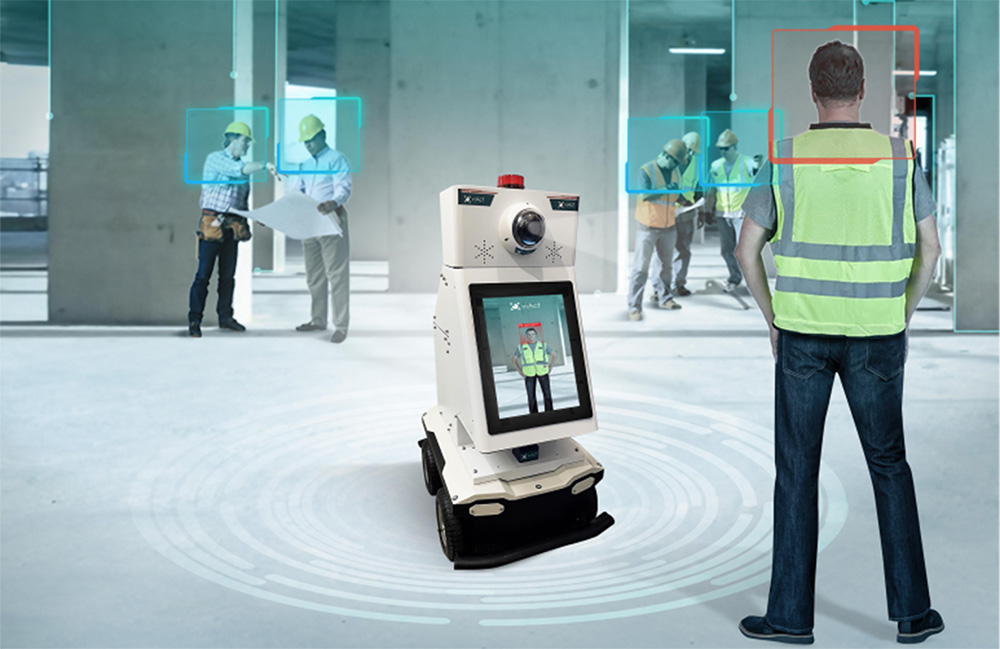
ViAct has introduced viBOT, an autonomous robotic monitor designed for construction sites. As automation transforms the construction industry, the integration of vision AI is crucial for ensuring the safety of both workers and autonomous systems. The construction robotics market is projected to reach $3.66 billion by 2030, highlighting the growing importance of these technologies. The success of construction robots hinges not only on their capabilities but also on their ability to operate safely alongside human workers. For instance, an autonomous compactor may follow its programmed route, but it lacks the intuition to recognize sudden changes in the environment, such as a worker retrieving a tool. This underscores the necessity for advanced safety measures provided by vision AI to prevent accidents on job sites. As the industry adapts to these challenges, evolving safety standards like ANSI/RIA R15.08 are being developed to address the complexities of autonomous mobile robots in dynamic environments. This shift emphasizes the need for robotics teams to prioritize safety considerations before deploying autonomous systems in construction settings. No further timeline was disclosed at the time of publication.
Artificial Intelligence Artificial Intelligence / Cognition Cameras / Imaging / Vision Construction Design / Development Mobility / Navigation
YYForce Establishes Facadevision AI to Enhance Drone and AI-Driven Facade Inspection Services
YYForce Inc. has launched Facadevision AI Pte. Ltd., a joint venture aimed at improving integrated facility management (IFM) services in Singapore. This new entity will focus on drone-enabled facade inspection and maintenance, enhancing safety and operational efficiency in the commercial real estate sector. The establishment of Facadevision AI is significant as it marks YYForce's commitment to integrating advanced technologies like drones and AI into its service offerings. This move is expected to streamline facade maintenance processes, reduce risks associated with manual inspections, and ultimately improve service delivery for clients in the region. Looking ahead, YYForce's focus on expanding its IFM capabilities through this joint venture will be crucial in a competitive market. The effectiveness of drone technology in facade inspections will be a key area to monitor, as it could set new standards for safety and efficiency in building maintenance. No further timeline was disclosed at the time of publication.

Dyson Introduces Nurovi Robot Cleaners and First Oral-Care Device with AI Vision
Dyson has unveiled a new family of robot cleaners named Nurovi and its first oral-care device, CameraJet, at the Dyson Unveiled event in Berlin. This marks a significant shift towards appliances that utilize artificial intelligence, vision systems, and sensor-based automation to interpret and respond to their environments. The introduction of the Nurovi robot cleaners, which includes three models with advanced cleaning mechanisms, highlights Dyson's commitment to moving beyond traditional mechanical performance. The r2 Nurovi Wash+Dry features a triangular rotating mop and real-time dust particle measurement, while the r3 Nurovi Spot+Scrub UV employs AI for stain detection and enhanced suction capabilities. Looking ahead, Dyson aims to integrate AI and machine learning across its product lines, including oral care and home appliances. No further timeline was disclosed at the time of publication.
All News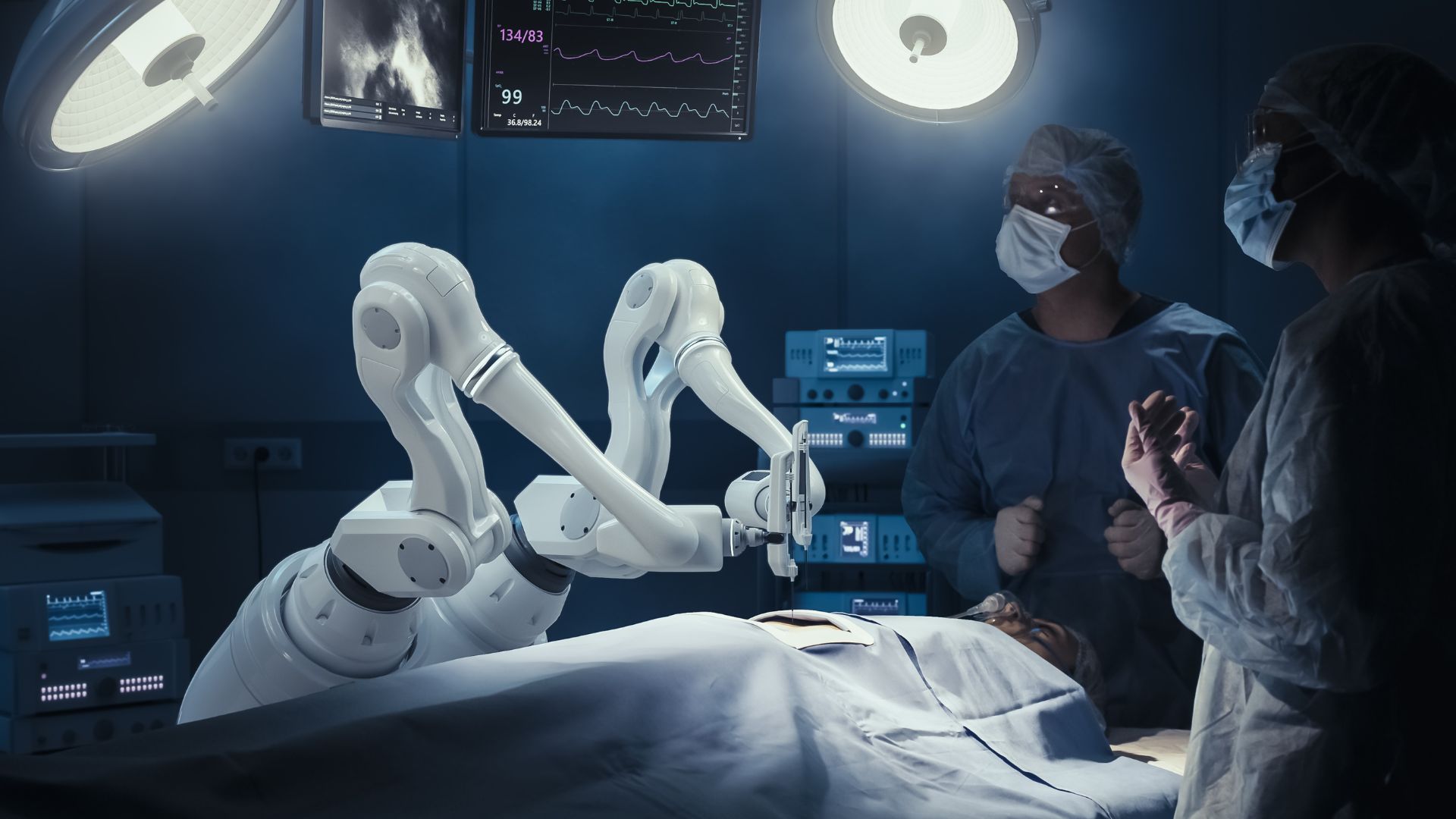
First Computer Vision-Guided Surgery Successfully Removes Brain Tumor While Preserving Vision
A neurosurgeon at the National Hospital for Neurology and Neurosurgery in London successfully performed the world's first computer vision-guided brain surgery, aided by a real-time machine intelligence system. This innovative technology helped remove a pituitary tumor from 48-year-old Rhys Hibbert without compromising his eyesight, a significant achievement in neurosurgery. The procedure highlights the importance of integrating advanced technologies in delicate surgical environments, particularly in pituitary surgeries where proximity to critical structures like optic nerves poses high risks. The software, developed at University College London, processed live video feeds to identify critical anatomy, providing surgeons with real-time visual references during the operation. Looking ahead, the technology, which runs on NVIDIA’s Clara IGX platform, aims to evolve beyond anatomy recognition to potentially track surgical instruments and their interactions with tissue. This advancement could enhance surgical precision and safety in future procedures. No further timeline was disclosed at the time of publication.
AI and Robotics Health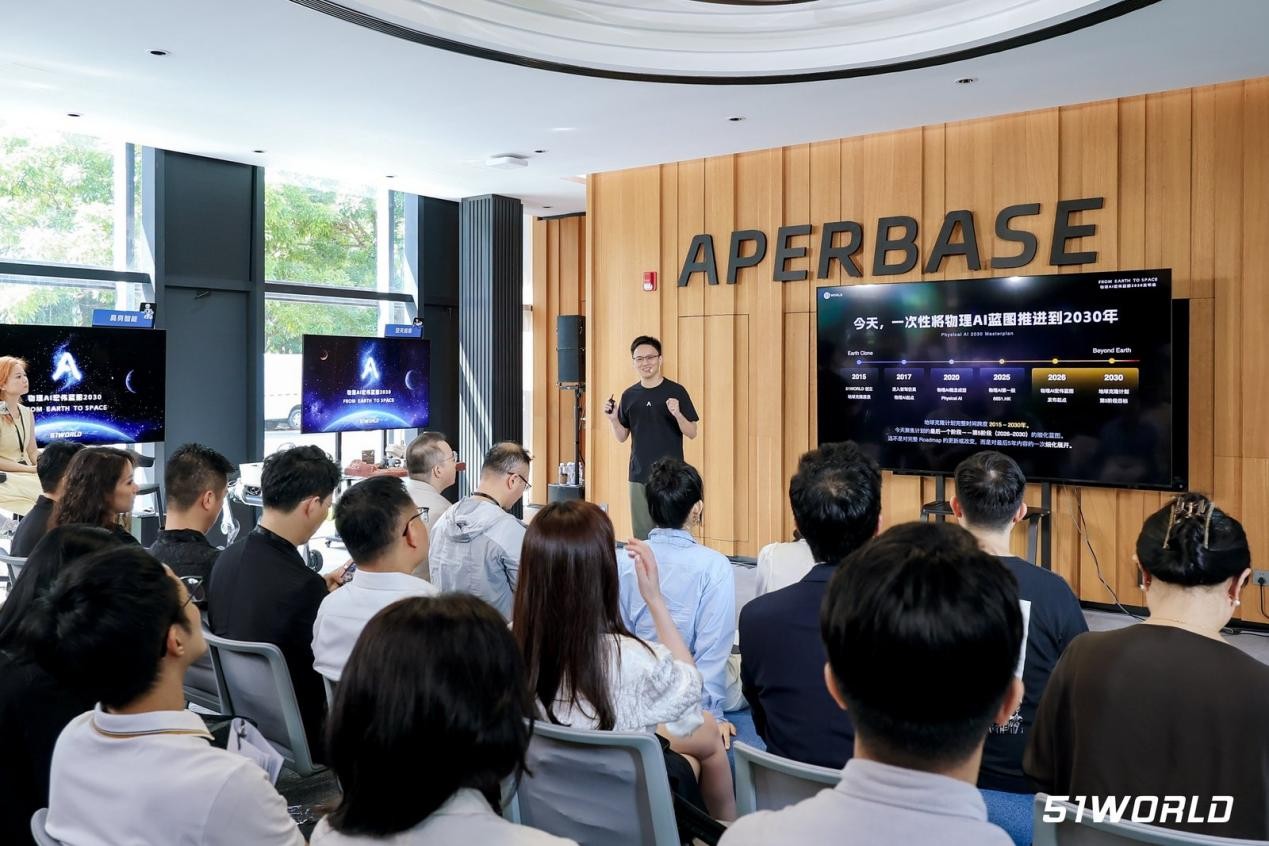
Wuyi Vision Reveals 2030 Physical AI Strategy, Targeting Industry Fundamentals
Wuyi Vision has unveiled its 2030 blueprint for physical AI, highlighting the significant funding of 93.5 billion yuan in the first half of 2026 for China's embodied intelligence sector. This figure marks a fivefold increase compared to the same period last year, indicating a booming investment landscape. The importance of this development lies in the challenges faced by the industry, particularly the critical need for high-quality data. With leading companies requiring approximately 1 million hours of quality data annually but only producing about 130,000 hours, a significant gap persists. This data scarcity hampers the training of models and the successful deployment of robots in real-world scenarios. Looking ahead, the industry must address these challenges to bridge the gap between investment enthusiasm and practical application. The ability to collect and utilize data effectively will determine which companies can capitalize on the growing market for physical AI. No further timeline was disclosed at the time of publication.
Physical AI Data Collection Investment Trends Simulation Technology
KAIST's New President Bae Choong-sik Envisions an AI-Native University
Bae Choong-sik was inaugurated as the 18th president of the Korea Advanced Institute of Science and Technology (KAIST) and outlined a vision to transform the university into an 'AI-native' institution. His plans include integrating artificial intelligence across all disciplines, enhancing education, and fostering innovation in AI technologies. This initiative is significant as it aims to redefine how students learn and researchers work, positioning KAIST as a leader in AI innovation rather than just a user of the technology. Bae emphasized the importance of a curriculum that incorporates AI as a common tool, alongside a focus on basic sciences and humanities. Looking ahead, KAIST plans to expand its research in physical AI and develop an AI-native campus with interactive learning and autonomous laboratories. No further timeline was disclosed at the time of publication.
All News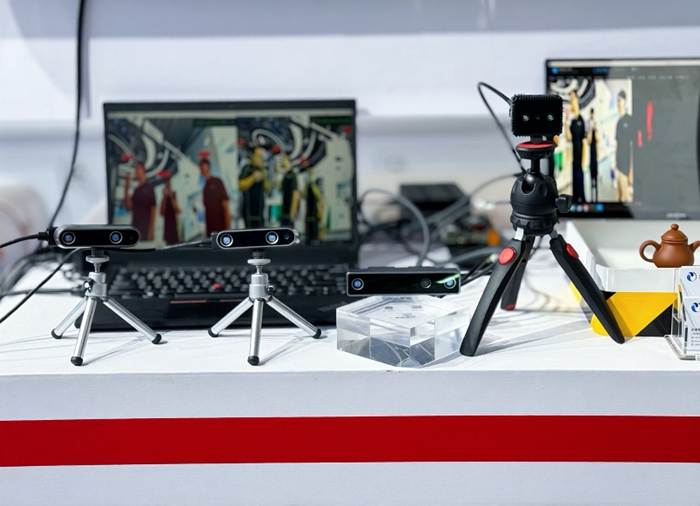
ChipMing Launches Advanced 3D Vision AI Modules at WAIC 2026 in Shanghai
On July 17, 2026, the World Artificial Intelligence Conference (WAIC) commenced in Shanghai, where ChipMing unveiled its series of 3D vision AI modules designed for embodied intelligence and physical AI scenarios. The modules demonstrated core functionalities such as pose estimation and instance segmentation using the self-developed spatial intelligent chip running YOLO26, alongside a 3D virtual safety zone application that integrates depth perception and AI recognition technologies. The significance of these modules lies in their ability to operate reliably in industrial environments, with a temperature range of -10℃ to 50℃. They support USB 3.0 and GMSL 2.0 protocols, ensuring high bandwidth and long-distance transmission capabilities. The built-in spatial intelligent chip allows for local processing of data, enhancing privacy and reliability by keeping sensitive information on-device, which is crucial for applications in security, healthcare, and industrial quality inspection. Looking ahead, the 3D virtual safety zone demo showcased at WAIC attracted considerable attention, highlighting the modules' capabilities in object classification and selective alarm systems. Users can choose from various module models based on specific use cases, ensuring ease of installation and strong feasibility for engineering applications. No further timeline was disclosed at the time of publication.
3D Vision AI Embodied Intelligence Industrial Automation AI Technology
OpenAI Establishes Internal Robotics Division to Compete in Hardware Development
On May 31, 2026, OpenAI CEO Sam Altman announced the establishment of an internal robotics division, marking a significant shift in the company's strategy. This new initiative aims to program and manufacture physical machines, moving away from OpenAI's previous reliance on external hardware partnerships. The division is rooted in the evolution of OpenAI's world simulation research program, which is now focused on achieving Artificial General Intelligence (AGI) through physical embodiment. The importance of this pivot lies in OpenAI's intent to compete directly with robotics startups it has previously supported. The short-term roadmap includes developing robots to assist skilled workers in constructing future infrastructure, while the long-term vision envisions personal robots for general-purpose tasks accessible to everyone. This strategic move indicates OpenAI's commitment to integrating hardware and machine learning research more closely. As OpenAI ramps up its robotics efforts, it is actively recruiting for various technical roles in San Francisco, emphasizing custom mechanical engineering and advanced simulation. This shift in focus also sheds light on recent partnership dissolutions, including the split with Figure, highlighting the competitive landscape in the robotics sector and OpenAI's determination to establish itself as a hardware player.
OpenAI US Sam Altman
Microsoft Introduces Provisional Code of Conduct for Future AI Models Amid Industry Concerns
Microsoft has unveiled a provisional code of conduct that establishes restrictions for its future artificial intelligence models. This decision follows a growing consensus among AI leaders, including those from Anthropic and OpenAI, advocating for a deceleration in AI development due to rising safety concerns. Mustafa Suleyman, CEO of Microsoft AI, emphasized the importance of AI serving humanity and promoting human autonomy. The initiative is significant as it reflects a broader industry shift towards responsible AI development, addressing public apprehensions about the rapid advancement of AI technologies. Recent events, including a resignation from an Anthropic researcher who criticized the race towards self-improving superintelligence, have intensified calls for more stringent AI safeguards. Microsoft aims to position itself as a responsible player in the AI landscape, particularly as it integrates models from leading AI labs into its products. Looking ahead, Microsoft plans to refine its guidelines further, with an update expected to influence AI model development starting in 2027. The company has engaged with experts across various fields to shape its code of conduct, indicating a commitment to ethical AI practices. No further timeline was disclosed at the time of publication.
SpaceX Acquires xAI in Historic $250 Billion Merger, Launching SpaceXAI Division
On February 2, 2026, SpaceX completed the acquisition of xAI in an all-stock transaction valued at $250 billion, marking the largest merger in history. Following this merger, xAI ceased to exist as a standalone entity and is now part of SpaceXAI, which includes Grok, Colossus, and X. This merger is significant as it combines SpaceX's profitable segments with xAI's AI capabilities, creating a powerful entity valued at $1.25 trillion. The integration aims to leverage SpaceX's resources to enhance xAI's profitability and provide a public liquidity path for former xAI investors through SpaceX's IPO. Looking ahead, the focus will be on how the combined entity will develop its AI infrastructure capabilities, particularly through the Starmind orbital compute project. No further timeline was disclosed at the time of publication.

JD Cloud Pursues 'Physical AI' Vision from Airport Advertising to JDD Conference
JD Cloud is advancing its 'physical AI' initiative, which spans from advertising in airports to its annual JDD conference. This strategy focuses on integrating robots, embodied data, and home devices, marking a shift as AI technology transitions from digital screens into tangible real-world applications. This development is significant as it highlights JD Cloud's commitment to leveraging AI in everyday environments, enhancing user interaction and experience. By investing in physical AI, the company aims to redefine how consumers engage with technology, making it more accessible and integrated into daily life. Looking ahead, industry observers should monitor JD Cloud's progress in this area, particularly how its initiatives at the JDD conference will showcase advancements in physical AI. No further timeline was disclosed at the time of publication.

Yushun and Variable Vision Suppliers Raise Hundreds of Millions in New Financing Round
Recently, Yushun and Variable Vision suppliers completed a new financing round, securing hundreds of millions in funding from industry capital, state-owned enterprises, and market institutions. Investors include Dunhong Asset, Hangzhou Embodied Intelligence Industry Fund, Fuyang Industrial Investment, and Zhi Ping Fang. This funding will be allocated towards the development of depth camera product lines, upgrades to edge AI visual understanding capabilities, data collection, model evaluation improvements, and the construction of an intelligent vision industry base in Hangzhou. Yushun, initially a supplier for mobile camera modules, has transformed into a leading visual solution provider for consumer robots, including vacuum cleaners and lawn mowers. Looking ahead, Yushun's robot-related business now accounts for nearly one-third of its overall revenue, with major clients including Yushu Technology and Zhi Ping Fang. The company has also standardized its prototype development services to meet the growing demand from innovative enterprises. No further timeline was disclosed at the time of publication.
Robot Vision AI Technology Depth Cameras Industrial Automation
AI and Computer Vision Propel the Third Wave of Warehouse Automation
The movement and tracking of goods in warehouses have seen significant automation, yet the accuracy of inventory data remains a challenge. This gap is being addressed through advancements in AI and computer vision, marking the third wave of warehouse automation. The importance of this development lies in its potential to enhance operational efficiency and accuracy in inventory management. By leveraging AI and computer vision, warehouses can achieve a more truthful representation of their inventory, which is crucial for effective supply chain management. Looking ahead, the focus will be on how these technologies can further transform warehouse operations. The integration of AI and computer vision into inventory processes promises to redefine standards in accuracy and efficiency. No further timeline was disclosed at the time of publication.

SFPathFormer Enhances Robot Navigation Using AI Framework and Advanced Techniques
SFPathFormer has significantly improved robot navigation capabilities by integrating frequency-aware perception, dynamic feature selection, and global environmental modeling across four benchmark datasets. This advancement is crucial as it enhances the efficiency and accuracy of vision-based navigation systems in robotics. The importance of this development lies in its potential to optimize how robots perceive and interact with their environments, which is essential for various applications in automation and intelligent manufacturing. By leveraging these advanced techniques, SFPathFormer sets a new standard for performance in robot navigation. Looking ahead, industry professionals should monitor the implementation of SFPathFormer in real-world scenarios and its impact on the robotics landscape. No further timeline was disclosed at the time of publication.
Comprehensive Survey on Vision-Language-Action Models for Embodied AI
A comprehensive survey on vision-language-action models for embodied artificial intelligence has been published in the Journal of Field Robotics. This survey explores the integration of visual perception, language understanding, and action execution in AI systems, highlighting the advancements and challenges in this interdisciplinary field. The significance of this survey lies in its potential to enhance the development of more capable and intelligent robotic systems. By examining the interplay between vision, language, and action, researchers can better understand how to create AI that can interact with the world in a more human-like manner, which is crucial for applications in various sectors. Looking ahead, the survey may pave the way for future research initiatives aimed at improving embodied AI systems. No further timeline was disclosed at the time of publication.
SURVEY ARTICLE
RFID and Machine Vision Technologies Gain Traction in Automation Solutions
RFID and machine vision technologies are increasingly being adopted as effective solutions for automation. These technologies provide a more practical and cost-efficient alternative to traditional large-scale robotics projects, which often necessitate extensive facility redesigns and substantial capital investments. The significance of RFID and machine vision lies in their ability to seamlessly integrate into existing warehouse and manufacturing operations. This integration allows businesses to enhance their operational efficiency without the need for disruptive changes, making automation more accessible to a wider range of industries. Looking ahead, the continued growth of RFID and machine vision technologies is expected as companies seek to optimize their processes. No further timeline was disclosed at the time of publication.

Trossen Robotics Collaborates with Stereolabs to Enhance Physical AI Data Collection
Trossen Robotics has announced a partnership with Stereolabs to integrate high-fidelity stereo vision into its Physical AI platforms. The collaboration features the Stereolabs ZED X Mini scene camera and dual ZED X Nano wrist cameras, providing synchronized, training-grade visual data for robot-learning teams. This integration is significant as it enhances Trossen's offerings in the Physical AI sector, allowing for improved data collection and analysis. The inclusion of advanced stereo cameras is expected to elevate the capabilities of Trossen's hardware suite, which includes the Trossen Workbench and Rivet platforms designed for bimanual manipulation. Looking ahead, the collaboration aims to streamline the development of robot learning applications by providing robust visual data. No further timeline was disclosed at the time of publication.

WAIC 2026 Competition to Advance Embodied Intelligence in Real-World Applications
The World Artificial Intelligence Conference (WAIC) in Shanghai has launched a global initiative for the 2026 International Embodied Intelligence Skills Competition. This initiative, in collaboration with the Ministry of Industry and Information Technology and the State-owned Assets Supervision and Administration Commission, aims to address nine key scenarios including manufacturing, logistics, and emergency response. This competition seeks to bridge the gap between advanced AI technologies and practical applications in various industries. By inviting global teams to propose solutions for real-world challenges, the initiative emphasizes measurable and replicable tasks that can be tested in actual business environments. The focus is on identifying high-repetition tasks suitable for automation and enhancing service experiences in critical scenarios. Participants will engage in a competitive format where they can present solutions to real problems, effectively streamlining the traditional bidding process. The competition aims to foster innovation and collaboration, with the potential for significant advancements in embodied intelligence applications across multiple sectors. No further timeline was disclosed at the time of publication.
Embodied Intelligence AI Competitions Robotics Industrial Automation
Domestic Surgical Robots Achieve Enhanced Vision with New 8mm Endoscope Technology
On August 6, Tuge Medical, a subsidiary of Jian Shi Medical, received EU CE certification for its 8mm 3D+4K+fluorescence endoscope. This follows its approval from the National Medical Products Administration for domestic market entry two months prior. The new 8mm endoscope enables surgical robots to operate through standard 8mm instrument ports, reducing the need for larger incisions and improving surgical efficiency. The 8mm endoscope represents a significant advancement in the surgical robot industry, allowing for full compatibility with all instrument channels. Surgeons can switch viewing angles without repositioning patients, minimizing trauma and risk while enhancing operational efficiency. According to Jian Shi Medical's CTO, Wang Yanggang, integrating dual-camera systems into the compact 8mm design posed substantial engineering challenges, but domestic suppliers have now stabilized the supply of high-precision optical components. Looking ahead, by 2025, domestic surgical robot bids are expected to surpass those of imported brands. The evolution of the endoscope not only enhances visibility during procedures but also captures valuable clinical data that will be crucial for AI in healthcare. This leap from 10mm to 8mm signifies a transformative step for China's high-end medical equipment towards self-innovation.
Surgical Robots Endoscopy Medical Technology AI in Healthcare
UK Civil Aviation Authority's New Vision for BVLOS Drone Operations in Airspace
The UK Civil Aviation Authority has unveiled its Airspace Architecture Concept of Operations, aiming to transition Beyond Visual Line of Sight (BVLOS) drone operations from isolated trials to widespread commercial use across UK airspace. Published on July 30, 2026, the document outlines how drones and other airspace users can operate routinely at scale, emphasizing the need for integrated commercial operations rather than bespoke approvals. This initiative is part of the CAA’s Airspace Modernisation Strategy and Future of Flight programme, which recognizes the current limitations of BVLOS flights that rely on dedicated airspace arrangements. The Concept of Operations builds on the UK BVLOS Roadmap and introduces five key technology and process pillars, including electronic detection systems, conflict-avoidance systems, reliable communication links, digital traffic management services, and information sharing among operators and air traffic services. The CAA envisions a future where drone technology can deliver significant economic and societal benefits, with target use cases including faster inspections of critical infrastructure and support for emergency services. As technology evolves, the CAA expects the document to adapt, paving the way for a more integrated airspace system that maintains safety standards while fostering innovation. No further timeline was disclosed at the time of publication.
Drone News Drone News Feeds News aerial infrastructure inspection Airspace Architecture Concept of Operations Airspace Modernisation Strategy
EPFL, Duke University, and Instituto Superior Técnico Develop Simulated Zebrafish and Robotic Fish to Study Brain Circuits
A collaborative research team from EPFL, Duke University, and Instituto Superior Técnico has created a realistic simulation of larval zebrafish and a robotic fish to investigate how the body influences brain circuits. This study, published in Science Robotics, reveals the essential neural components required for the optomotor response (OMR), enabling autonomous navigation even in low visibility conditions. The significance of this research lies in its ability to provide insights into the neural mechanisms underlying fish behavior without the limitations of live animal experimentation. By utilizing a physics-based simulation called simZFish, researchers can manipulate various aspects of the fish's body and neural connections, allowing for a deeper understanding of the neural computations involved in swimming and navigation. Looking ahead, the findings from this study could pave the way for advancements in neuroscience and brain-inspired robotics. The ability to dissect and analyze the neural circuits in a simulated environment opens new avenues for research, potentially leading to innovative applications in robotics and artificial intelligence. No further timeline was disclosed at the time of publication.

DoorDash Launches DoorDash Air for Drone Delivery Service Expansion
DoorDash has announced the launch of DoorDash Air, a new drone delivery program, following its receipt of Part 135 air carrier certification from the FAA. This certification allows DoorDash to deliver small packages via drone, positioning the company alongside other industry players like Alphabet’s Wing and Amazon. The significance of this development lies in DoorDash's commitment to enhancing local commerce through drone technology. The company plans to design and assemble its drones in-house at DoorDash Labs, aiming to address the challenges of midrange deliveries that often take longer due to courier availability. By utilizing drones, DoorDash seeks to streamline operations and improve delivery efficiency. Looking ahead, DoorDash has not disclosed specific markets for the initial launch of its drone delivery service but promises to provide further details in the coming months. The company emphasizes the importance of building the necessary ground-level infrastructure to support drone operations, which will be crucial for successful implementation.
Drones Food News Science Tech Transportation
ChapsVision Secures Contract with French Spy Agency, Aims for European Leadership
ChapsVision has successfully secured a contract with a French intelligence agency, positioning itself as a competitor to Palantir. This move is part of ChapsVision's strategy to establish itself as a leading player in the European market for intelligence solutions. The significance of this contract lies in ChapsVision's ambition to become a 'European champion' in the field of data analytics and intelligence. By winning this contract, the company not only enhances its credibility but also strengthens its foothold in a market dominated by established players like Palantir. Looking ahead, industry observers will be keen to see how ChapsVision leverages this contract to expand its influence in Europe. No further timeline was disclosed at the time of publication.

Xpeng Transforms into 'Physical AI Company' at Munich Event with New Innovations
On July 16, Xpeng Motors held its 'XPENG LIVE: PHYSICAL AI FOR ALL' brand day in Munich, showcasing its evolution from an automotive manufacturer to a 'physical AI company.' The highlight was the global debut of the MONA series L03, designed by former Ferrari chief designer JuanMa Lopez, featuring a low drag coefficient of 0.228Cd and offering both pure electric and super extended range options across nine configurations, priced between 123,800 to 156,800 RMB. The L03 is equipped with Xpeng's self-developed Turing AI chip, providing up to 750 TOPS for the Max version and 1500 TOPS for the Ultra SE version, alongside the second-generation VLA large model. The pure electric version boasts a CLTC range of 525km or 625km and supports 3C fast charging, achieving 10%-80% charge in just 19.1 minutes, while the extended range version offers a maximum comprehensive range of 1330km. Additionally, Xpeng introduced its split-type flying car, the 'land aircraft carrier,' which has completed its first flight in Dubai and has over 7,000 global orders. The humanoid robot IRON is set to launch globally in 2027, with a production target of over 1,000 units per month by late 2026. Chairman He Xiaopeng emphasized the company's mission to leverage technology to transform mobility and lifestyle, marking a significant shift in Xpeng's identity and vision for the future of movement.
Electric Vehicles Flying Cars Humanoid Robots AI Technology
Insta360 Introduces AI Cameraman Concept with Luna Ultra Gimbal on 11th Anniversary
Insta360 celebrated its 11th anniversary by presenting a vision for an AI-powered Cameraman robot. This concept is not limited to a single hardware product but represents an AI agent capable of autonomous filming, with panoramic drones as one of its initial prototypes. The company has developed essential technologies for various components of the robot, including its brain and sensory systems. The significance of this development lies in Insta360's ambition to innovate beyond traditional photography solutions. The Luna Ultra dual-camera gimbal is highlighted as a crucial step towards realizing the Cameraman's full potential. Founder Liu Jingkang emphasized the company's commitment to addressing challenges that others may avoid, focusing on creativity and aesthetics in their technological pursuits. Looking ahead, Insta360 aims to further refine its AI Cameraman concept and explore additional prototypes. No further timeline was disclosed at the time of publication, but the company's focus on commercialization and efficiency suggests a strategic roadmap for future developments in autonomous filming technology.
News Feed
Tesla's Optimus Robots to Support Starmind Satellite Production, Not Maintenance
Tesla's Optimus robots will not be used to repair Starmind satellites in orbit, as confirmed by recent statements from Elon Musk. Instead, these robots are intended to assist in the construction and operation of the Terafab chip manufacturing facility in Texas. The AI1 satellites, designed to disintegrate upon reentry, highlight the company's swap-and-replace strategy rather than traditional maintenance practices. This approach is significant as it reflects a broader trend in satellite management, where mass-produced satellites are replaced rather than repaired. The economics of servicing missions are prohibitive, with the cost of launching a replacement satellite being significantly lower than conducting a repair mission. This model aligns with SpaceX's operational history, where rapid replacement of satellites is more efficient than attempting to maintain them in orbit. Looking ahead, the focus will remain on the production capabilities of the Gigasat factory, which is expected to support the continuous replacement of satellites. No further timeline was disclosed at the time of publication, but the demand for rapid satellite turnover suggests a robust future for Optimus robots in terrestrial manufacturing rather than in-space servicing.

Denso Wave to Showcase Factory Robots and 3D Vision AI at ROBOT TECHNOLOGY JAPAN 2026
Denso Wave will participate in the upcoming "ROBOT TECHNOLOGY JAPAN 2026," scheduled to take place from June 11 to June 13, 2026, at the Aichi Sky Expo in Aichi Prefecture. This event aims to showcase advancements in robotics technology, reflecting the growing interest and innovation in the field. Denso Wave's involvement highlights its commitment to contributing to the development and promotion of robotics solutions.

Elon Musk's Vision for 10 Million Robots: Supply Chain Implications and Profitability
Tesla's Fremont factory has shifted its focus from producing 40,000 luxury electric vehicles annually to a target of 1 million Optimus humanoid robots. This significant increase in production capacity raises questions about the supply chain and who will benefit financially from Musk's ambitious plan to produce 10 million robots. Analysts suggest that the real profit opportunities may lie with Chinese suppliers who are scaling up to meet Tesla's demands. The supply chain for humanoid robots involves complex components such as actuators, reducers, and screws, which have high technical barriers and long validation periods. Major suppliers like Sanyuan and Top Group are positioned as core players in the Optimus supply chain, making it difficult for new entrants to compete. Tesla's procurement strategy involves framework orders based on production capacity, incentivizing suppliers to expand their operations. While substantial revenue from the robot production is not expected until 2027, the current market dynamics are already influencing stock prices. The robot industry is at a critical juncture, and established suppliers in Tesla's automotive business are leveraging their relationships to transition into the robotics sector. Musk's assertion that the global humanoid robot count could reach 1 billion in the next decade underscores the potential for significant market disruption.
Humanoid Robots Supply Chain Automation Tesla Robotics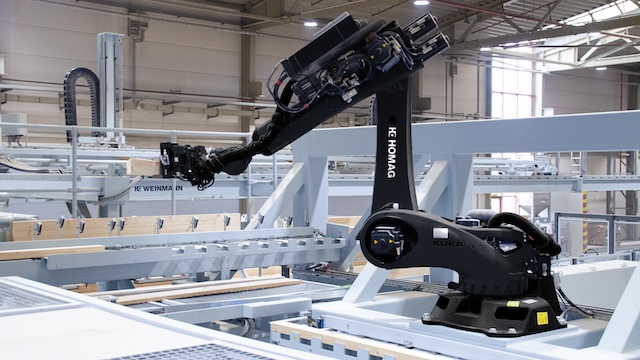
Tsinghua-Founded Startup Raises Nearly $500 Million for Brain-like Vision Chip Production
A startup founded by Tsinghua University has secured nearly $500 million in funding from various investors, including government industrial funds and leading financial institutions. The funds will primarily be used for the mass production of second-generation brain-like vision chips, next-generation technology iterations, customer adaptation, and team building, accelerating the transformation of original research achievements into industry applications. This funding is significant as it supports the commercialization of the 'TianMou Chip,' which has already been featured in prestigious journals such as Nature. The team behind this technology has made notable advancements in both hardware and software, contributing to the development of a unified platform for brain-like vision. The startup is the only industrialization platform for the 'TianMou Chip,' which has achieved a system-level breakthrough in visual processing. Looking ahead, the startup aims to enhance its technology, which reduces transmission bandwidth by 90% and power consumption to one-tenth of traditional systems. No further timeline was disclosed at the time of publication.
Vision Chips AI Technology Startup Funding Neuro-Inspired Computing
XPeng's Robotics Division Secures $900 Million in Record Funding Round
XPeng's robotics unit has successfully completed a first funding round, raising over $900 million at a valuation of $6.3 billion. This significant investment round has attracted notable strategic investors, including Tencent and Alibaba, highlighting the growing interest in robotics within the automotive sector. The successful funding round is particularly important as it underscores the increasing focus on robotics technology, which is becoming a critical area for automakers like XPeng. The substantial valuation reflects investor confidence in the potential of XPeng's robotics initiatives, which may enhance the company's competitive edge in the evolving automotive landscape. Looking ahead, industry observers will be keen to see how XPeng leverages this funding to advance its robotics technology and what impact it may have on its overall business strategy. No further timeline was disclosed at the time of publication.

XPeng's Robotics Division Secures Over $900 Million at $6.3 Billion Valuation
XPeng announced that its robotics division has successfully entered into share purchase agreements with various investors, raising over $900 million. This funding round, led by IDG Capital, includes participation from Gaorong Ventures and strategic investments from Tencent and Alibaba, achieving a post-money valuation exceeding $6.3 billion. This significant investment is aimed at bolstering the production of humanoid robots and advancing research in Physical AI. The funding will facilitate the development of XPeng's Iron humanoid robot, which is anticipated to commence mass production by the end of 2026. Commercial deployments are projected for 2027, marking a critical step in XPeng's expansion into robotics. Looking ahead, stakeholders should monitor the progress of XPeng's Iron humanoid robot as it approaches mass production and the subsequent commercial rollout. The involvement of major investors like Tencent and Alibaba underscores the growing interest in humanoid robotics and AI technologies, which could reshape various sectors in the coming years. No further timeline was disclosed at the time of publication.
News Feed
Xpeng's Robotics Division Secures Over $900 Million in Series A Funding
Xpeng's robotics arm has successfully raised over $900 million in a Series A funding round. The company announced that these funds will be allocated towards research and development in hardware and software, physical AI training, smart manufacturing infrastructure, and efforts for global expansion. This significant investment highlights the growing interest and commitment to advancing robotics technology within the automotive sector. By focusing on R&D and smart manufacturing, Xpeng aims to enhance its capabilities in robotics and AI, which are crucial for maintaining competitiveness in the rapidly evolving market. Looking ahead, industry observers will be keen to see how Xpeng utilizes this funding to innovate and expand its robotics offerings. No further timeline was disclosed at the time of publication.
Artificial Intelligence Investments News Robotics Transportation Alibaba
U.S. Army to Evaluate BLADE's Hunter WOLF Robotic Vehicle with 82nd Airborne Division
The U.S. Army is set to conduct field evaluations of BLADE's Hunter WOLF robotic vehicle with the 82nd Airborne Division on August 20 at Fort Polk, Louisiana. This unmanned ground vehicle is designed to assist in support tasks during military operations, boasting a payload capacity of 2,800 pounds to facilitate the movement of equipment and supplies. The significance of this evaluation lies in its potential to enhance operational efficiency for soldiers by reducing their physical burden during demanding missions. Hunter WOLF's capabilities, including casualty evacuation and mobile power support, allow troops to focus more on combat tasks rather than logistics, addressing the needs of light infantry units. Looking ahead, the evaluation will provide 82nd Airborne soldiers with hands-on experience, assessing the vehicle's adaptability in various mission scenarios. BLADE plans to configure Hunter WOLF for roles such as tactical communications and equipment transport, with the aim of validating its flexibility and effectiveness in real-world operations. No further timeline was disclosed at the time of publication.
AI and Robotics Military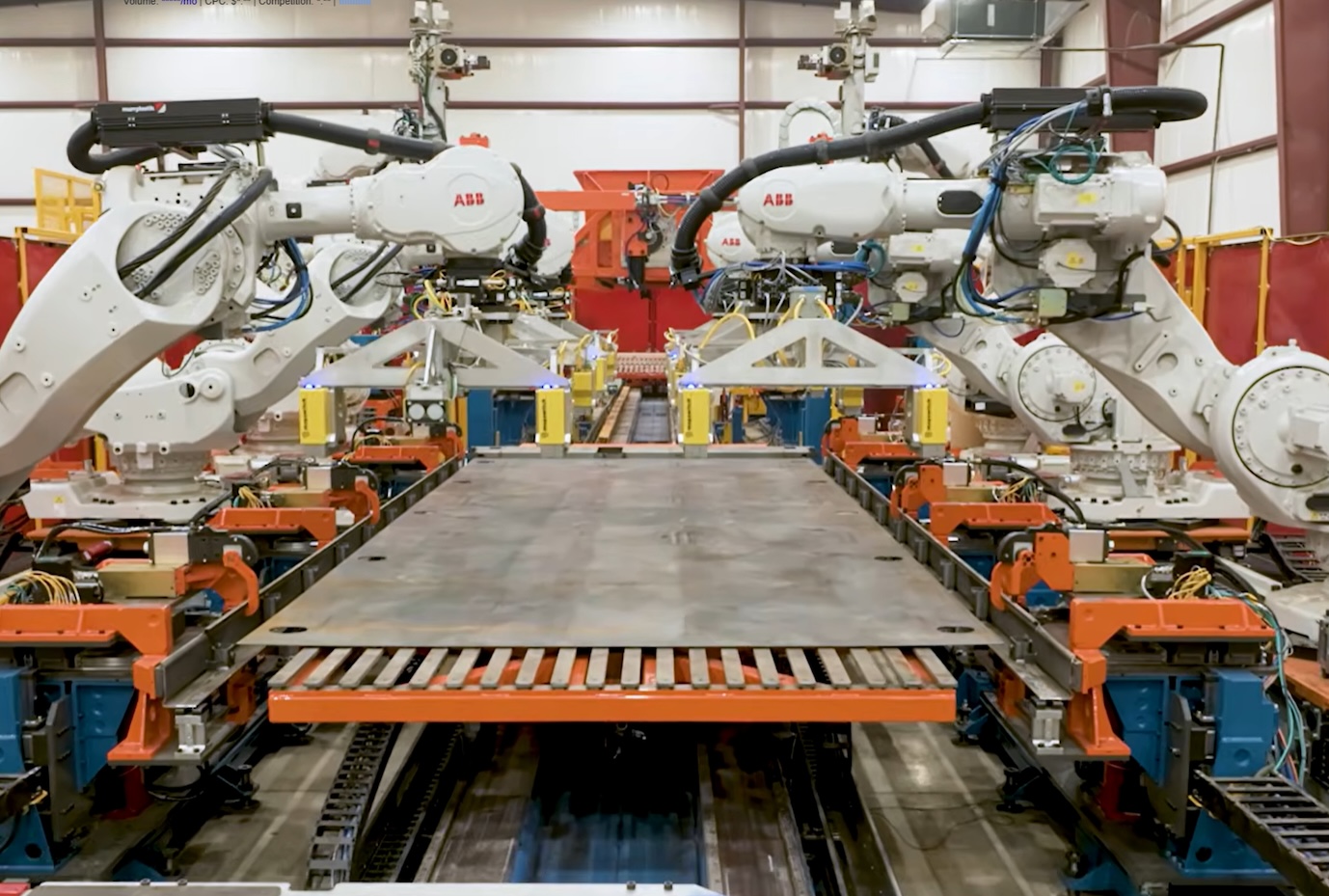
Samsung Electronics Appoints Former Hyundai Executive to Lead New Robotics Division
Samsung Electronics Co. has appointed a prominent robotics executive from Hyundai Motor Group to lead its newly established robotics division. This strategic move highlights Samsung's commitment to enhancing its presence in the robotics sector, which is increasingly viewed as a critical area for competition among global technology firms. The establishment of this new division signifies Samsung's recognition of the growing importance of robotics in technology and manufacturing. By bringing in experienced leadership, Samsung aims to strengthen its capabilities and innovate within this rapidly evolving field, positioning itself against other major players in the industry. Looking ahead, the focus will be on how Samsung's new robotics division develops and what innovations it will bring to the market. No further timeline was disclosed at the time of publication.
Olympus Aims for Robot-Assisted Endoscopy to Transform Surgical Procedures
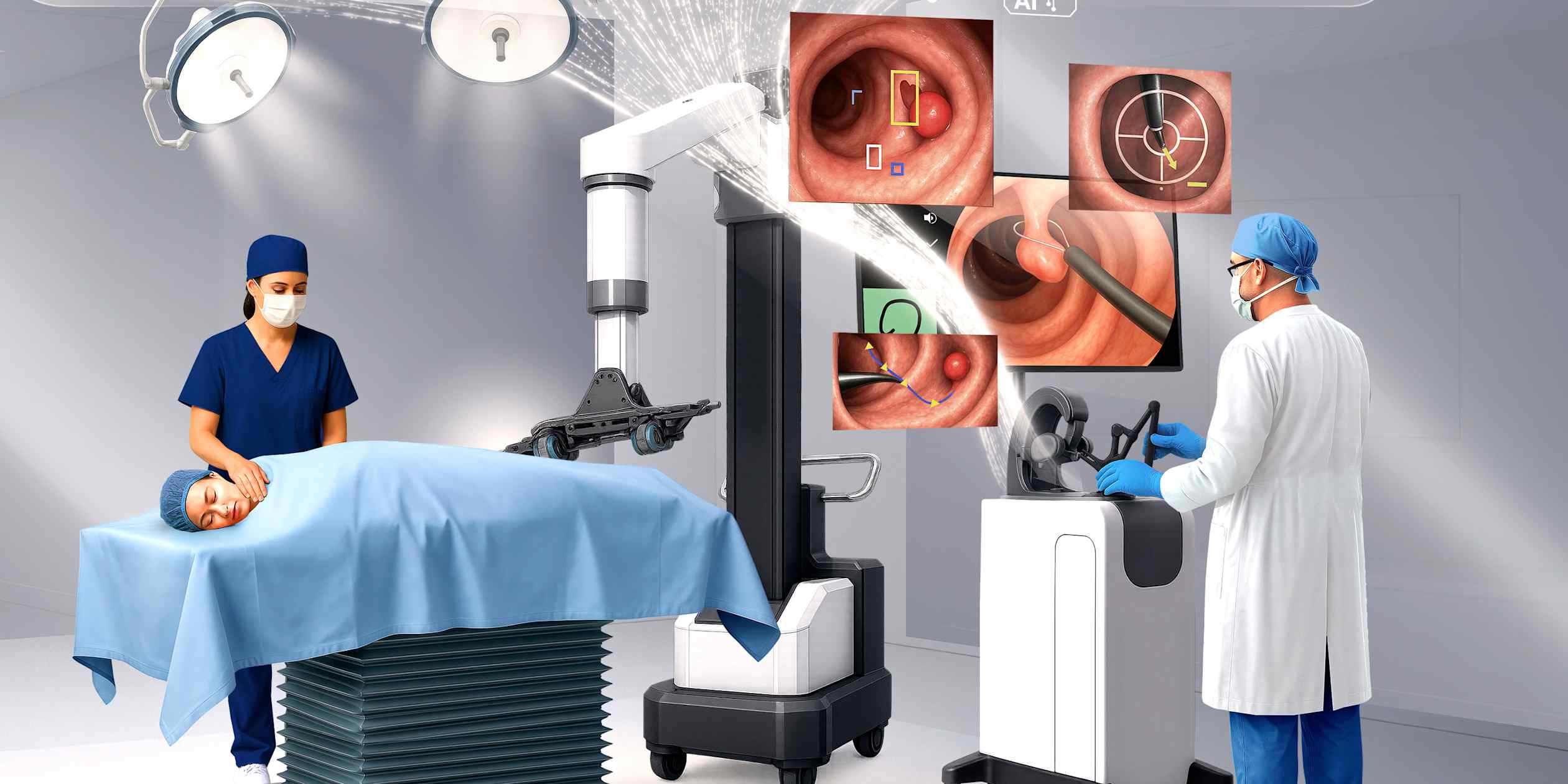
Japan's Olympus is pioneering a shift in endoscopic surgery by envisioning a future where procedures are conducted from a robotic console rather than at the bedside. This transition aims to integrate robots and artificial intelligence into the surgical process, thereby reducing the manual workload for physicians. The significance of this development lies in its potential to enhance the efficiency and precision of endoscopic procedures. As Olympus anticipates a growing role for robotics in healthcare, this innovation could lead to improved patient outcomes and a redefined approach to surgical practices. Looking ahead, the industry will be watching how Olympus implements this vision and the subsequent impact on the medical device market. No further timeline was disclosed at the time of publication.

Ant Group Launches LingBot-VA 2.0 with Advanced Spatial Awareness and Vision Models
On July 10, Ant Group introduced LingBot-VA 2.0, the first embodied native action model in the industry. This release marks the culmination of their full-stack 2.0 model series, featuring advancements in spatial perception and real-time interaction. The launch has generated significant buzz across international platforms like Reddit and Hugging Face, indicating a strong interest in their technology. The significance of LingBot-VA 2.0 lies in its comprehensive technology stack, which includes LingBot-Depth 2.0 and LingBot-Vision. LingBot-Depth 2.0 enhances depth perception with a training dataset expanded from 3 million to 150 million, achieving top scores in 12 out of 16 benchmarks. Meanwhile, LingBot-Vision introduces a novel pre-training target, improving depth estimation accuracy despite using a smaller dataset compared to competitors. Looking ahead, the next steps for Ant Group involve further collaboration with industry partners, as LingBot-Depth 2.0 has already received professional certification from Orbbec. The company is also focusing on integrating their models into the industry, with no further timeline disclosed at the time of publication for upcoming releases or partnerships.
Robotics AI Machine Learning Computer Vision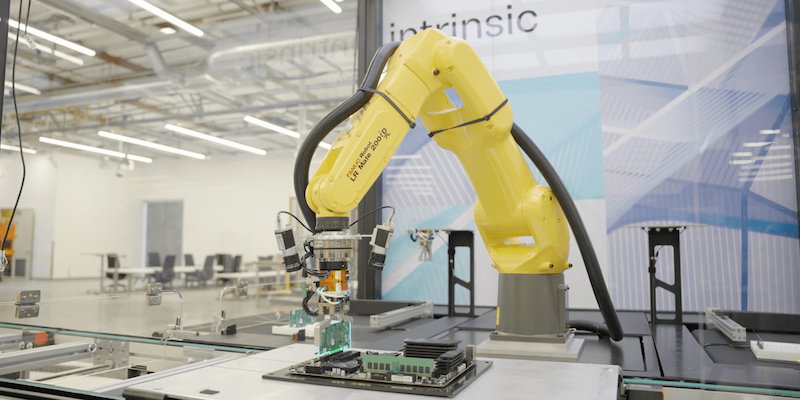
Intrinsic’s vision for physical AI: Building the software-defined factory
For decades, the industrial automation sector has adhered to a consistent model, where production lines have accelerated, robots have gained enhanced capabilities, and software has evolved, yet the fundamental approach has remained unchanged. Automation systems have traditionally been designed for specific tasks, resulting in high costs and lengthy processes for achieving flexibility. However, this conventional model is now facing significant challenges as manufacturers strive to adapt to rapidly changing market demands and consumer preferences. The push for more versatile and efficient automation solutions is prompting a reevaluation of existing practices, signaling a potential shift in the industry towards more adaptable and cost-effective systems. As companies seek to enhance their competitiveness, the evolution of automation technology is becoming increasingly critical in meeting the dynamic needs of the manufacturing landscape.
Artificial Intelligence Factories News ai robotics Automate 2026 electronics assembly
Embodied AI's Spatial Vision Achilles' Heel Finally Solved: CMG Lab's IROS 2026 Breakthrough
China Merchants Group's LionRock AI Lab identifies and solves VLA shortcut learning with Hybrid Dynamic Data Collection, accepted at IROS 2026.
News
Into the Omniverse: Three Workflows for Improving Vision AI Agent Accuracy With Synthetic Data and Fine-Tuning
In a recent installment of the "Into the Omniverse" series, developers, 3D practitioners, and enterprises are exploring innovative ways to enhance their workflows through the latest advancements in OpenUSD and NVIDIA Omniverse. This initiative highlights the growing significance of Vision AI agents, which are increasingly being integrated into various industries to streamline processes and improve efficiency. The series aims to educate participants on how these technologies can be leveraged to transform traditional practices, ultimately fostering a more collaborative and productive environment. As organizations seek to adapt to the rapidly evolving digital landscape, the insights shared in this series are crucial for staying competitive and maximizing the potential of emerging technologies.
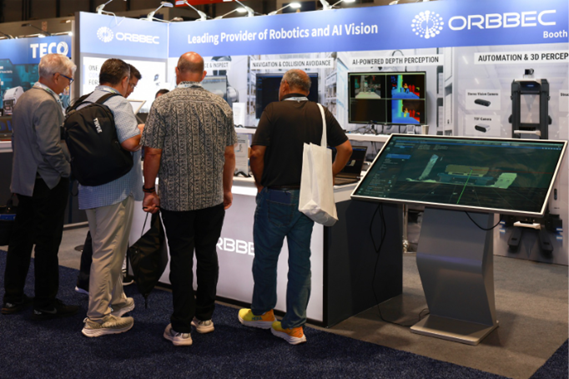
Orbbec shows AI-powered vision systems at Automate 2026
Orbbec showcased its latest industrial-grade 3D cameras designed for demanding automation environments during the Automate 2026 event. The company emphasized the integration of artificial intelligence to improve robotic perception, highlighting advancements that enable more sophisticated automation solutions. This presentation reflects Orbbec's commitment to addressing the complexities of modern industrial applications, aiming to enhance efficiency and accuracy in robotic systems. The event, which gathered industry leaders and innovators, provided a platform for Orbbec to demonstrate how its technology can meet the evolving needs of automation in various sectors.
Artificial Intelligence Artificial Intelligence / Cognition Automation Autonomous Mobile Robots (AMRs) Cameras / Imaging / Vision Collaborative Robots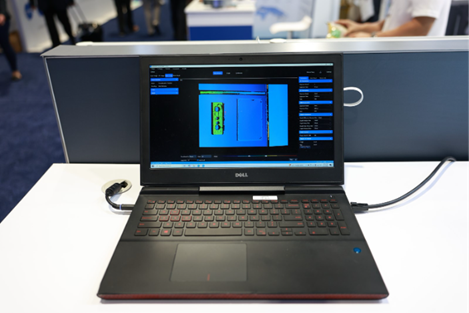
Automate 2026: Orbbec Brings AI-Powered Vision Solutions to Address Industrial Automation Challenges
Orbbec, a prominent player in robotics and 3D vision technology, is presenting its innovative 3D vision products and solutions aimed at enhancing industrial automation during the Automate 2026 event. The exhibition is taking place at Booth 14045 in the North Building. This showcase highlights Orbbec's commitment to advancing automation processes in various industries, reflecting the growing demand for efficient and intelligent manufacturing solutions. By leveraging cutting-edge technology, Orbbec aims to demonstrate how its products can streamline operations and improve productivity in the industrial sector.

AI brings object-level vision prosthetics closer to reality
Researchers at the NeuroAI Lab, led by Martin Schrimpf at the École Polytechnique Fédérale de Lausanne (EPFL), have developed advanced AI models capable of predicting precise stimulation sites in the brain. This groundbreaking research, which aims to enhance our understanding of brain functions and improve therapeutic interventions, was recently published. By utilizing sophisticated algorithms, the team analyzed neural data to identify optimal stimulation points, potentially revolutionizing treatments for neurological disorders. The findings underscore the intersection of artificial intelligence and neuroscience, highlighting the potential for AI to inform and refine medical practices.

Upsampling method sharpens AI vision with up to 16 times less GPU memory
A collaborative research team from KAIST and various international institutions has made significant advancements in computer vision technology, enhancing artificial intelligence's ability to perceive its surroundings. This new technology improves GPU memory efficiency by up to 16 times, allowing AI systems to operate with minimal memory usage. The breakthrough, announced recently, is expected to play a crucial role in advancing the development of humanoid robots and on-device AI, potentially transforming how these technologies are integrated into everyday life. The innovation underscores the growing importance of efficient AI systems in various applications, from smartphones to robotics.
Robotics
XINMING Unveils R216g 3D Vision AI Module at Shanghai Conference
At the 2026 Zhangjiang Embodied Intelligence Developer Conference, XINMING unveiled its latest innovation, the R216g 3D Vision AI module. This cutting-edge technology is specifically designed for humanoid robots and collaborative arms, boasting advanced spatial perception capabilities that ensure high precision in complex environments. The introduction of the R216g aims to significantly improve the efficiency and reliability of physical AI applications across a range of industries, reflecting XINMING's commitment to advancing robotics and artificial intelligence.
3D Vision AI Humanoid Robots Collaborative Robotics Spatial Intelligence Industrial Automation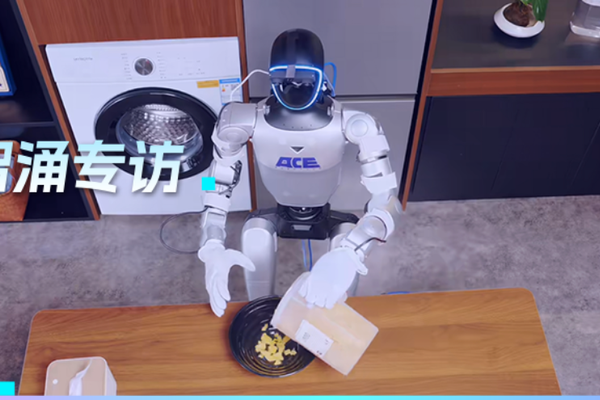
Founder of "Daxiao Robotics," which raised hundreds of millions, reveals divisions in the embodied AI industry.
In a recent interview, Wang Xiaogang, chairman of ACE Robotics and co-founder of SenseTime, discussed the rapid advancements of his company since its establishment in July 2025. Within just a year, ACE Robotics has emerged as a significant player in the field of embodied intelligence, recently launching its Kairos 3.0 model, which achieved state-of-the-art results in four global benchmarks. The company has also developed an innovative data collection strategy that expands its training dataset to over one million hours, significantly enhancing its capabilities compared to traditional methods. On June 15, 2026, ACE Robotics announced the successful completion of its angel+ funding round, raising substantial capital from various investors, including Da Chen Capital and Shanghai Science and Technology Innovation Fund. This brings the total funding raised in 2026 to several hundred million dollars, positioning ACE Robotics as one of the fastest unicorns in the industry. Wang emphasized the importance of collaboration within the long and complex supply chain of embodied intelligence, noting that many companies are hesitant to enter practical applications due to technical maturity and resource constraints. He outlined ACE's strategy of focusing on scalable business-to-business (B2B) scenarios, such as road inspections and logistics, before expanding into more complex consumer-facing applications. Despite the competitive landscape, Wang believes that ACE Robotics can leverage its unique approach to data collection and model training to establish a strong foothold in the market, ultimately aiming to enhance the efficiency and effectiveness of embodied intelligence solutions across various sectors.

XPeng Is Getting Serious About Physical AI as Its CEO Takes Over the Robotics Division
XPeng, a leading Chinese electric vehicle manufacturer, is intensifying its focus on physical AI as competition in the EV sector escalates. CEO He Xiaopeng will assume control of the company's robotics division, coinciding with the anticipated mass production and commercialization of its humanoid IRON robots. This strategic move aims to diversify XPeng's offerings beyond electric vehicles, with plans to launch commercial sales in China and internationally next year. The announcement comes amid challenges for XPeng, including a significant decline in vehicle deliveries and stock performance, with a 24.34% drop over the past year. In the first quarter of 2026, the company reported a 33.3% decrease in vehicle deliveries compared to the same period in 2025, alongside a 295.9% increase in net losses. Despite these setbacks, XPeng's gross margin improved, and analysts have mixed but generally favorable views on the company's stock, with several upgrades following its recent earnings report. XPeng aims to deliver between 100,000 and 106,000 vehicles in the second quarter of 2026, projecting revenue growth of approximately 7.3% to 13.8% year-over-year. As XPeng ventures into robotics, it seeks to position itself as a leader in intelligent mobility solutions, leveraging advanced technology to enhance customer experiences.

AI in warehousing: Akash Gupta’s vision for the future
GreyOrange is leading a transformation in warehouse automation through its innovative software that leverages artificial intelligence to create dynamic and predictive logistics ecosystems. This advancement, championed by CEO Akash Gupta, aims to enhance efficiency and adaptability in supply chain operations. By integrating AI into warehousing processes, GreyOrange is addressing the growing demand for smarter logistics solutions, particularly in an era where rapid delivery and operational flexibility are paramount. The company's approach not only streamlines warehouse management but also positions it at the forefront of the evolving landscape of logistics technology. As businesses increasingly seek to optimize their operations, GreyOrange's vision for the future of warehousing highlights the critical role of AI in shaping more responsive and intelligent supply chains.
Artificial Intelligence Business Resources Logistics News Opinion Podcast
DoD cyber strategy will set a ‘clear and specific vision’ for AI to enable the force: Official
Katie Sutton, the Assistant Secretary of Defense for Cyber Policy and Principal Cyber Advisor, is spearheading an initiative to streamline the adoption of artificial intelligence across various departments within the Pentagon. This effort comes as the Department of Defense seeks to enhance its technological capabilities and maintain a competitive edge in national security. By fostering collaboration among different entities, Sutton aims to ensure a cohesive approach to AI implementation, addressing both operational efficiency and cybersecurity concerns. The initiative reflects a growing recognition of the importance of advanced technologies in modern defense strategies.
Networks & Digital Warfare AI cyber security Katie Sutton networks TechNet Cyber 2026Robotics needs a service framework.
RSF defines a common language for robot service capability, lifecycle operations, certification pathways, and service-provider networks.
Join the RobotToday community on LinkedIn
Daily robotics news, in-depth analysis, conference highlights, and discussions with professionals worldwide.