

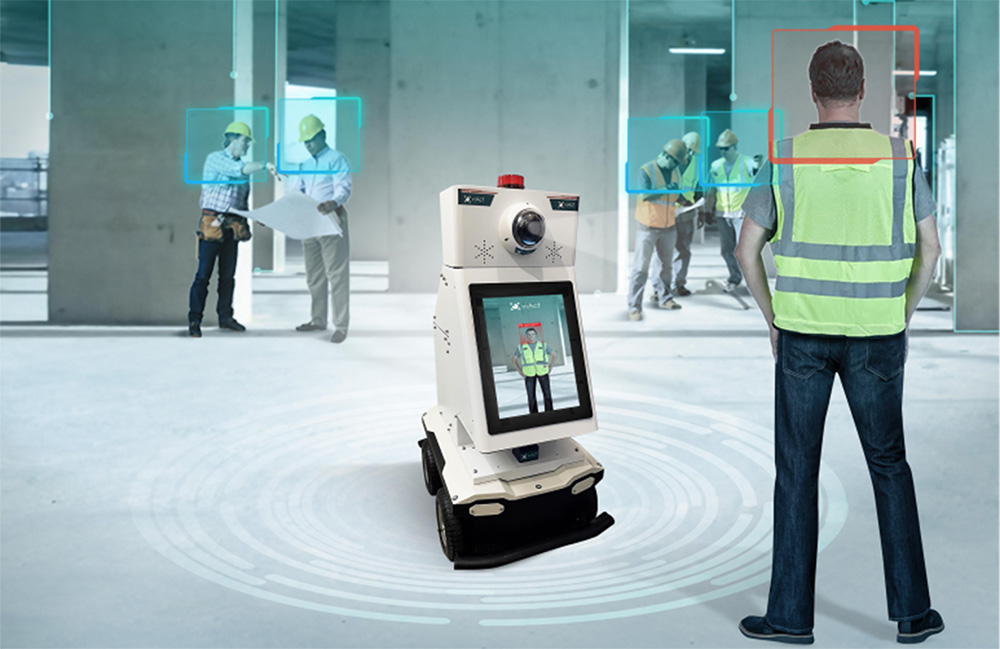
ViAct has introduced viBOT, an autonomous robotic monitor designed for construction sites. As automation transforms the construction industry, the integration of vision AI is crucial for ensuring the safety of both workers and autonomous systems. The construction robotics market is projected to reach $3.66 billion by 2030, highlighting the growing importance of these technologies.
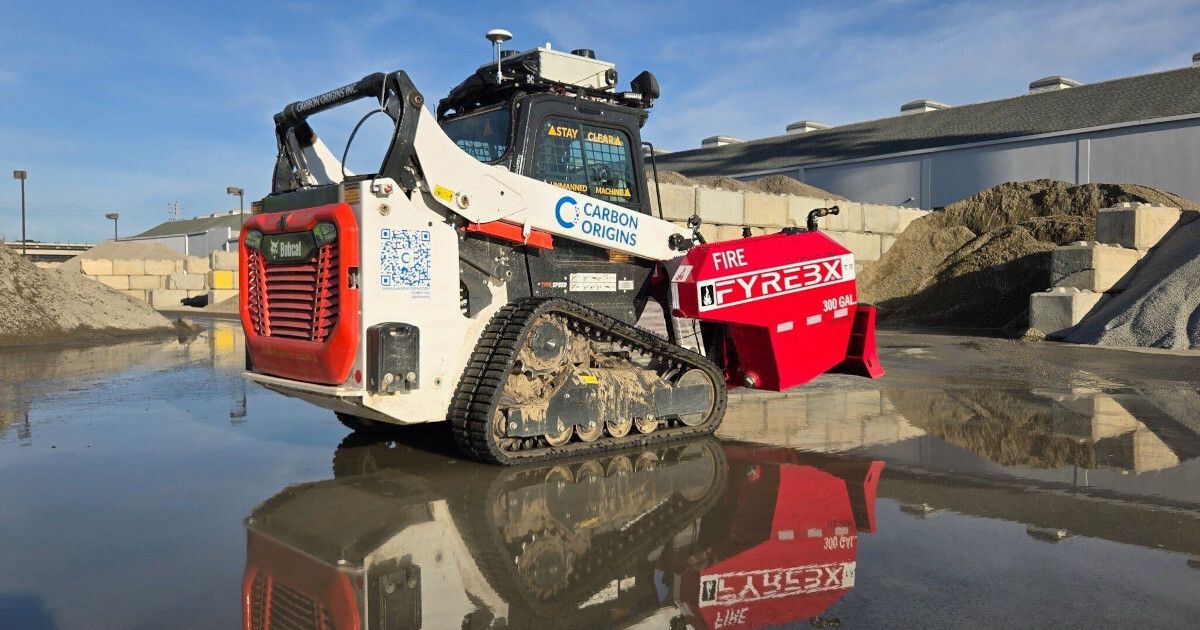
The success of construction robots hinges not only on their capabilities but also on their ability to operate safely alongside human workers. For instance, an autonomous compactor may follow its programmed route, but it lacks the intuition to recognize sudden changes in the environment, such as a worker retrieving a tool. This underscores the necessity for advanced safety measures provided by vision AI to prevent accidents on job sites.
As the industry adapts to these challenges, evolving safety standards like ANSI/RIA R15.08 are being developed to address the complexities of autonomous mobile robots in dynamic environments. This shift emphasizes the need for robotics teams to prioritize safety considerations before deploying autonomous systems in construction settings. No further timeline was disclosed at the time of publication.
Editor's Note
The integration of vision AI in construction robotics is pivotal for enhancing safety protocols on job sites. As automation becomes more prevalent, ensuring that autonomous systems can effectively coexist with human workers is essential. This focus on safety will likely influence future investments and regulatory developments in the sector.























Leave a comment