

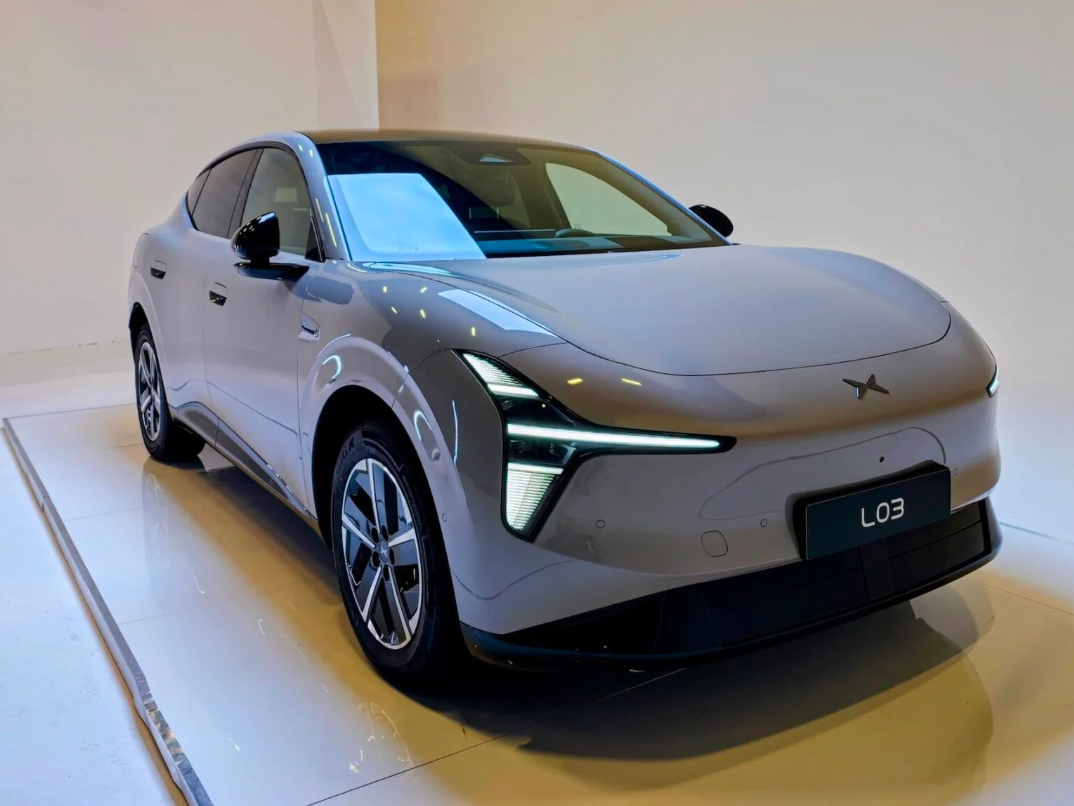
On July 16, Xpeng Motors held its 'XPENG LIVE: PHYSICAL AI FOR ALL' brand day in Munich, showcasing its evolution from an automotive manufacturer to a 'physical AI company.' The highlight was the global debut of the MONA series L03, designed by former Ferrari chief designer JuanMa Lopez, featuring a low drag coefficient of 0.228Cd and offering both pure electric and super extended range options across nine configurations, priced between 123,800 to 156,800 RMB.
The L03 is equipped with Xpeng's self-developed Turing AI chip, providing up to 750 TOPS for the Max version and 1500 TOPS for the Ultra SE version, alongside the second-generation VLA large model. The pure electric version boasts a CLTC range of 525km or 625km and supports 3C fast charging, achieving 10%-80% charge in just 19.1 minutes, while the extended range version offers a maximum comprehensive range of 1330km.
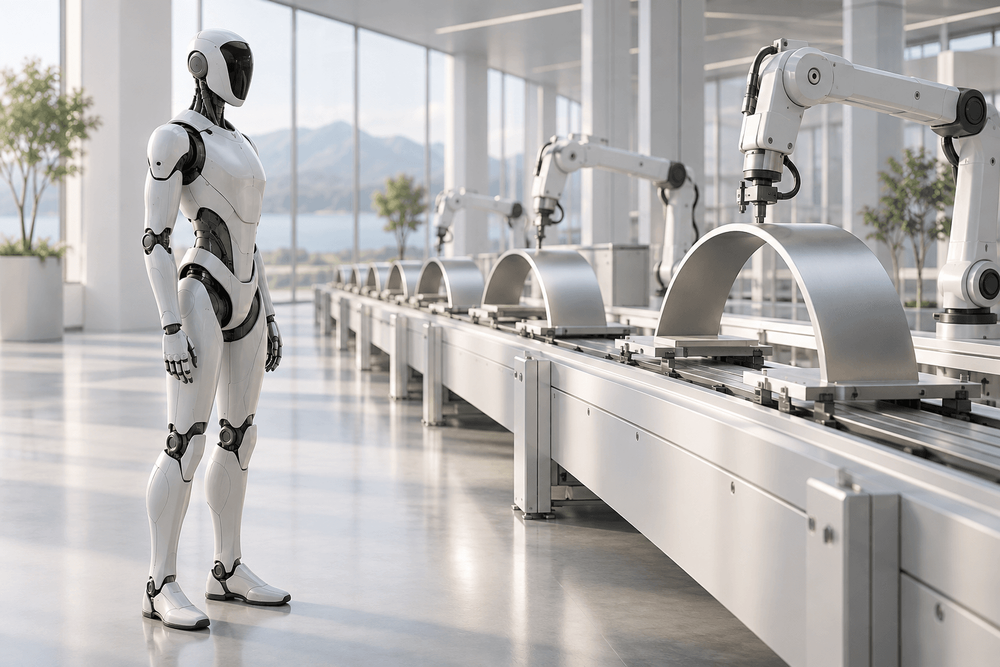
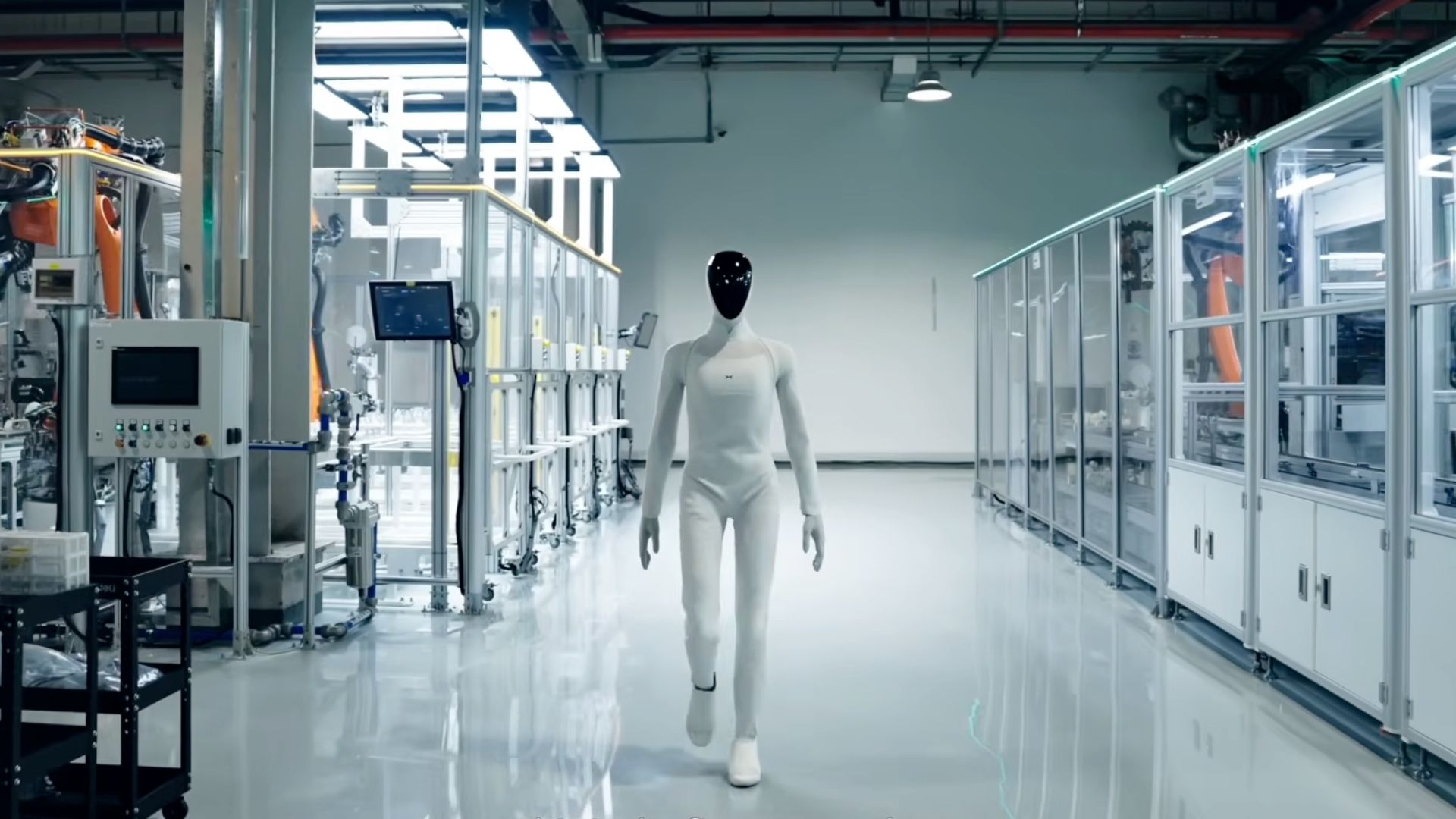
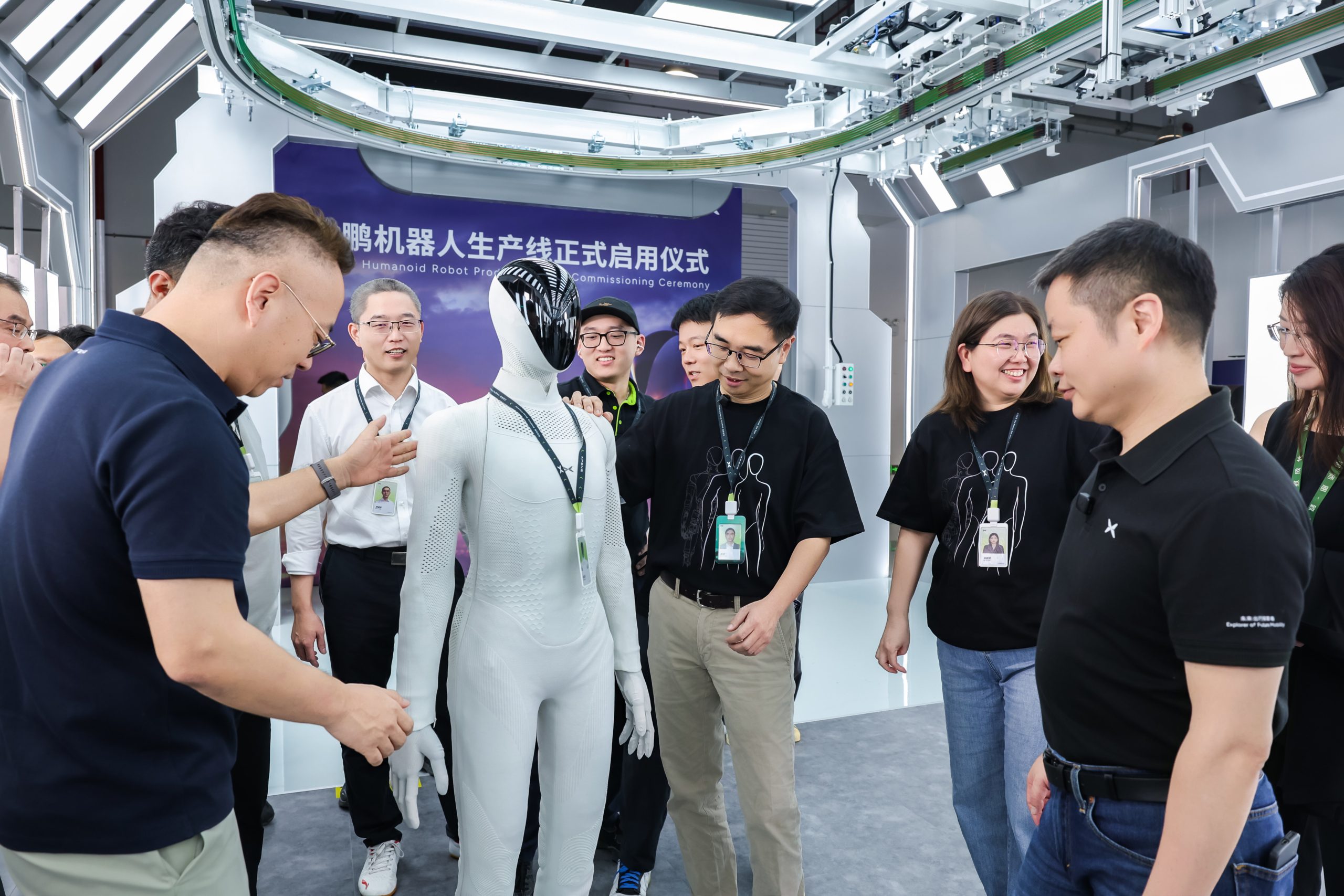
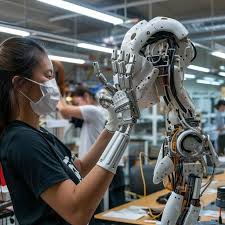
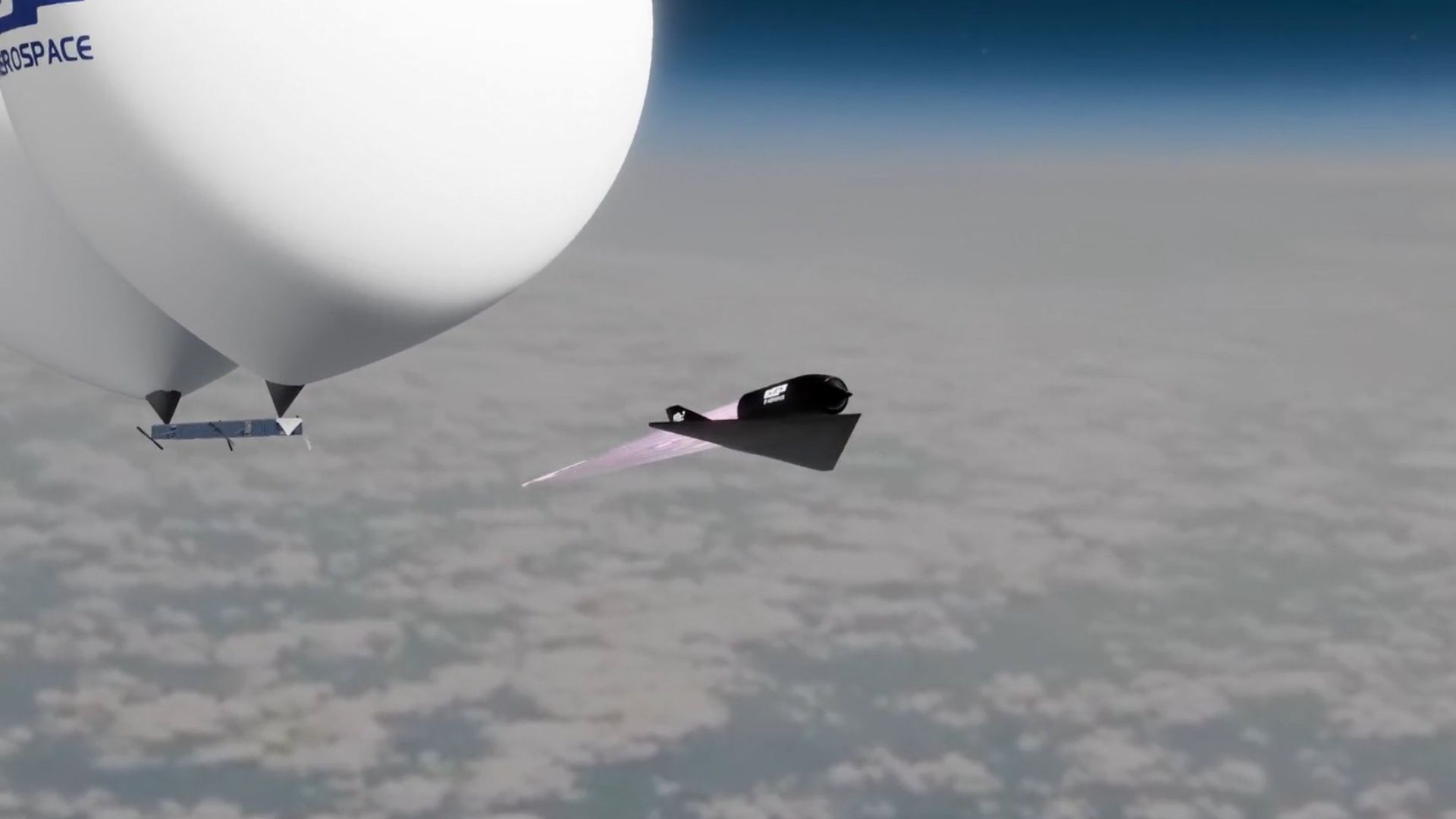
Additionally, Xpeng introduced its split-type flying car, the 'land aircraft carrier,' which has completed its first flight in Dubai and has over 7,000 global orders. The humanoid robot IRON is set to launch globally in 2027, with a production target of over 1,000 units per month by late 2026. Chairman He Xiaopeng emphasized the company's mission to leverage technology to transform mobility and lifestyle, marking a significant shift in Xpeng's identity and vision for the future of movement.
Editor's Note
Xpeng's pivot towards becoming a 'physical AI company' reflects a broader trend in the automotive industry, where companies are increasingly integrating advanced technologies into their product offerings. This shift not only enhances their competitive edge but also aligns with evolving consumer expectations for multifunctional mobility solutions. As Xpeng expands its portfolio to include flying cars and humanoid robots, it will be crucial to monitor how these innovations impact market dynamics and consumer adoption.




















Leave a comment