

Industry Briefing
A single destination for timely, editor-curated robotics news from around the world.
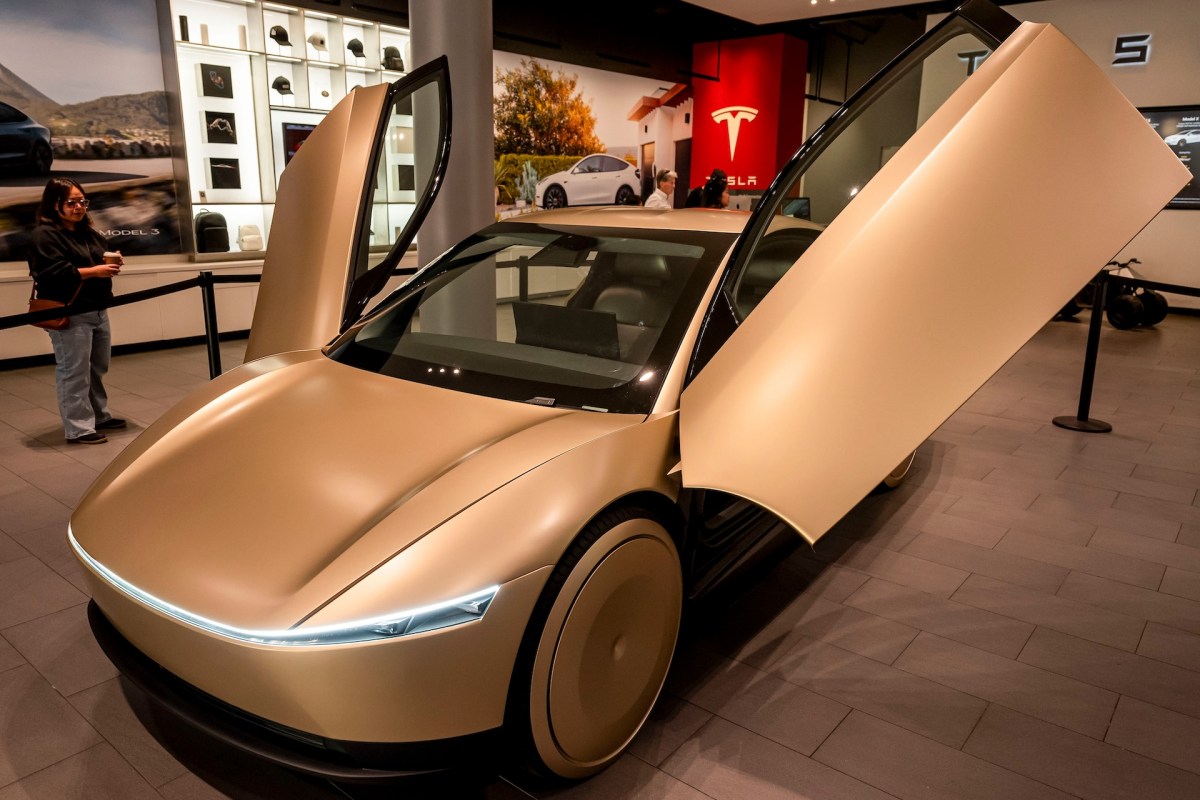
Tesla Secures $30 Billion in Credit Lines to Scale Cybercab, Optimus, and Semi
Tesla has secured $30 billion in new credit lines to support the scaling of its Cybercab robotaxi, Optimus robot, and Tesla Semi. The funding includes a $20 billion three-year delayed-draw term loan facility from Citibank, alongside an $8 billion five-year revolving credit facility and a $2 billion revolving credit facility from Wells Fargo. This financial move is significant as Tesla plans to invest at least $25 billion in capital expenditures by 2026, indicating a strong commitment to expanding its manufacturing capabilities for these new products. The company has already established new dedicated factories for the Semi and Optimus robot, which are essential for meeting production demands. Looking ahead, Tesla has stated that it does not intend to draw on these loan facilities within the current year. As the company continues to innovate and expand its product lineup, industry observers will be keen to see how these financial resources will facilitate the development and deployment of its upcoming technologies.
Transportation cybercab Elon Musk Optimus robotaxi Tesla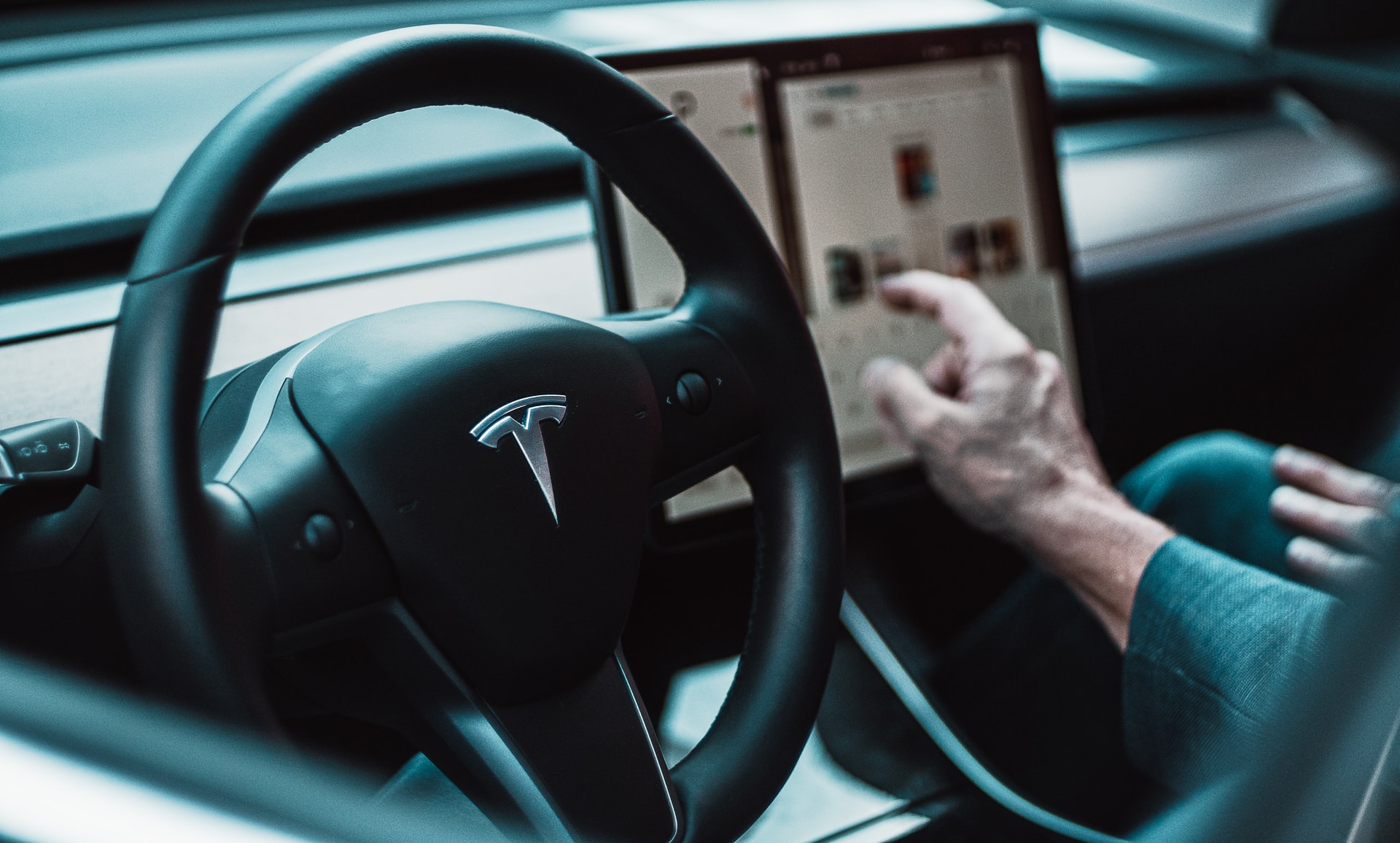
Tesla's Cybercab Launch Underwhelms, Leaving Waymo Dominant in Robotaxi Market
Tesla, Inc. (NASDAQ:TSLA) launched its Cybercab on September 3 in Austin, Texas, but the event fell short of expectations, leading to a quick decline in stock value. The company showcased a brief video of the two-seat, steering-wheel-free vehicle, but investors were left wanting more details on deployment and regulatory compliance. The lack of substantial updates has raised concerns about Tesla's competitiveness in the robotaxi sector, where Alphabet's Waymo currently leads with over 4,000 autonomous vehicles and 500,000 rides per week. Analysts expressed disappointment in the Cybercab launch, with some predicting a slow rollout in Austin, while others noted the potential for Tesla's manufacturing capabilities to eventually catch up. Looking ahead, the NHTSA's ongoing audit of Tesla's self-certification for the Cybercab could impact the company's expansion plans. Investors are advised to monitor this regulatory review closely, as the profitability challenges faced by all players in the robotaxi market, including Waymo, remain unresolved. No further timeline was disclosed at the time of publication.

Tesla's Cybercab Launch Signals Potential Growth in Autonomous Driving Market
Tesla, Inc. (NASDAQ:TSLA) has entered the autonomous-driving sector by offering robotaxi rides with its newly launched Cybercab. The launch event took place in Austin on September 3, and Goldman Sachs has maintained a Neutral rating on Tesla, projecting a 12-month price target of $360. The firm suggests that the Cybercab could provide Tesla with a competitive cost advantage in the autonomous vehicle market, although scaling the robotaxi business will largely depend on software performance rather than manufacturing costs. The significance of this development lies in Tesla's completion of 1 million miles of unsupervised robotaxi operations, indicating progress in its autonomous driving capabilities. Goldman Sachs estimates that if Tesla can achieve a Cybercab production cost of $20,000 to $30,000, it could realize a per-mile cost advantage over competitors. Additionally, recent safety data supports Tesla's autonomous-driving strategy, showing a reduction in emergency braking events and collisions for vehicles using its Full Self-Driving system. Looking ahead, the critical factor for Tesla will be the scalability of its AI-driven software across various geographic areas, which could enhance revenue potential. Goldman Sachs has identified risks such as slower EV demand and increased competition, while also noting that faster EV adoption and strong contributions from AI-related products could yield positive outcomes. No further timeline was disclosed at the time of publication.

Tesla Invites Entrepreneurs to Support Cybercab Robotaxi Network Expansion
Tesla is exploring partnerships with entrepreneurs to support its nationwide robotaxi ambitions, particularly for its recently launched driverless Cybercab. The company is seeking independent partners to help with financing, parking, charging, cleaning, and maintaining a fleet of self-driving taxis, indicating a shift from its traditional do-it-yourself approach. This initiative is significant as it mirrors successful models like Amazon's Delivery Service Partner program, which utilizes independent businesses to manage logistics and delivery. By inviting entrepreneurs to invest in Cybercab fleets and infrastructure, Tesla aims to expand its robotaxi network without bearing all operational costs and risks. Looking ahead, Tesla's strategy could reshape the landscape of autonomous vehicle deployment, leveraging local entrepreneurs to enhance service availability and efficiency. No further timeline was disclosed at the time of publication.
Uber Technologies Stock Declines Amid Wall Street's Focus on Tesla's Cybercab Launch
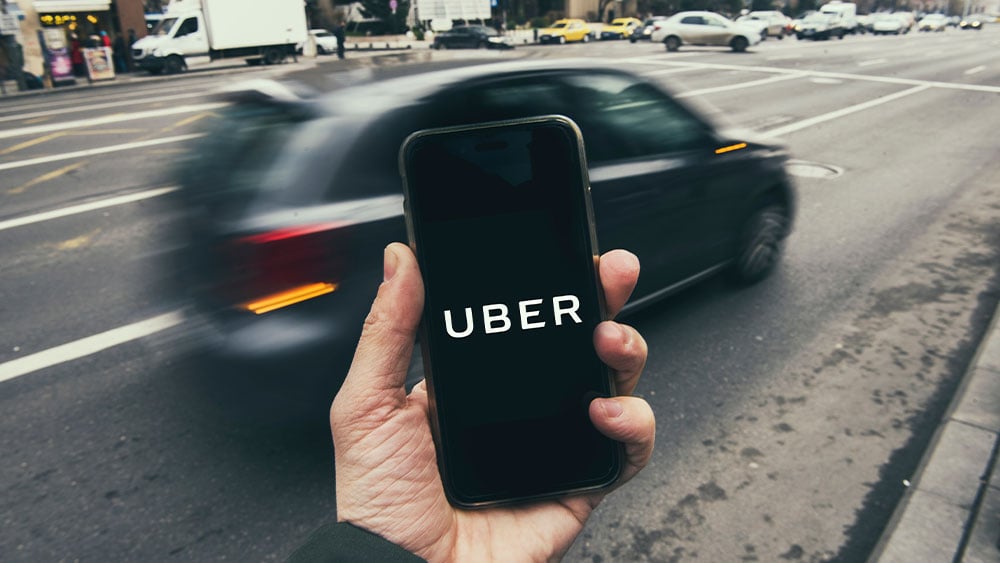
Uber Technologies (UBER) experienced a decline in stock value on Tuesday, as Wall Street analysts provided optimistic views on the company's strategies to counter competition from Waymo and Tesla (TSLA). The drop occurred following Tesla's official launch of its 'Cybercab' in Austin, Texas, which is designed specifically for autonomous ride-hailing. The introduction of Tesla's Cybercab represents a significant competitive challenge for Uber, as it aims to establish a foothold in the autonomous ride-hailing market. Analysts noted that while Uber is making strides to enhance its offerings, the emergence of Tesla's robotaxis could reshape the landscape of ride-hailing services, intensifying the competition. Looking ahead, industry observers will be monitoring how Uber responds to the competitive pressures posed by Tesla's Cybercab and other autonomous vehicle initiatives. No further timeline was disclosed at the time of publication.
Tesla Launches Exclusive Cybercab in Austin, Advancing Robotaxi Network Vision
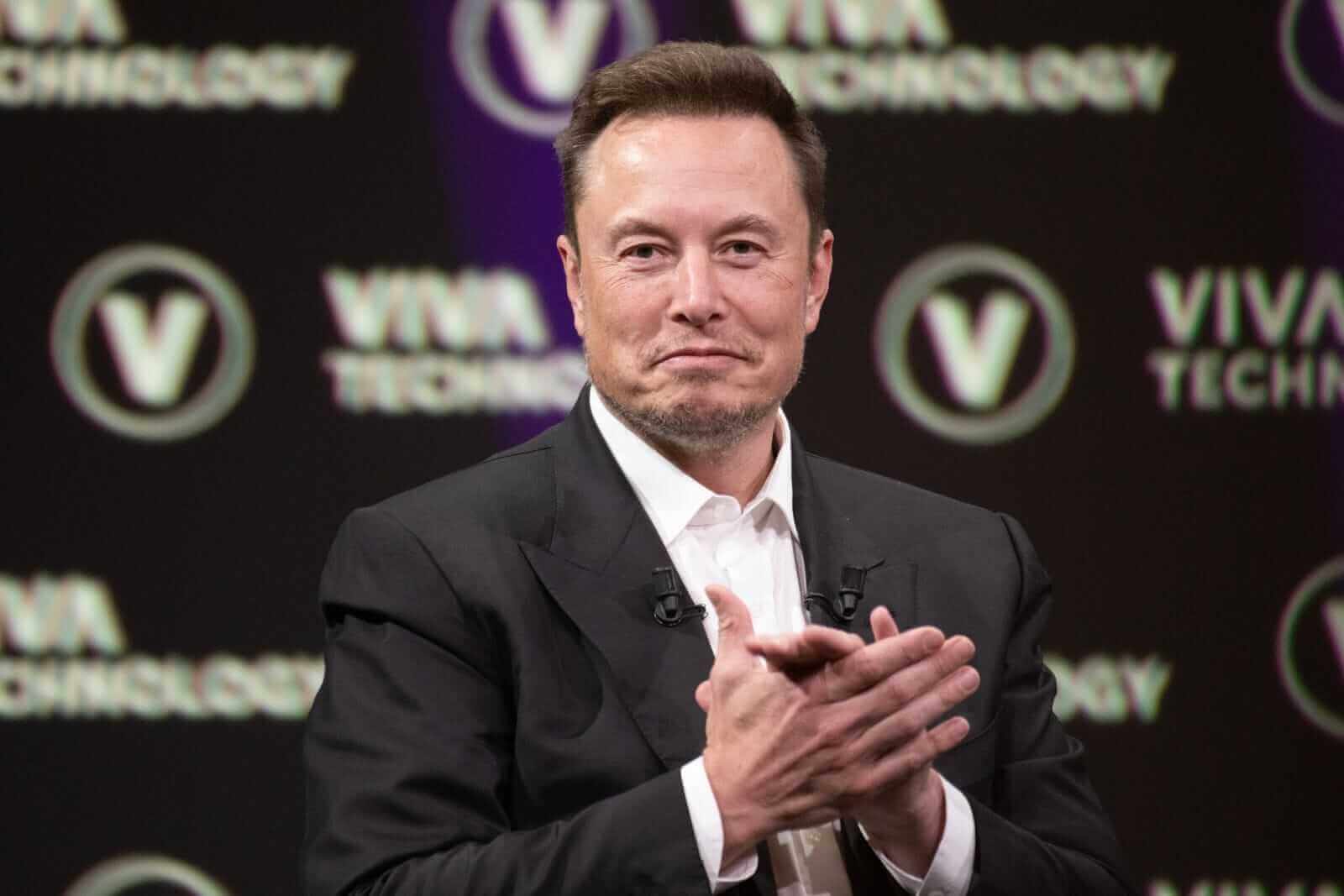
Tesla (TSLA) held an exclusive launch event for its Cybercab in Austin on September 3, marking a pivotal move towards scalable robotaxi networks. The two-seat Cybercab, which lacks a steering wheel and pedals, is now part of Tesla's Robotaxi app, allowing limited rides in select areas of Austin, Texas, and Florida. This launch is significant as it represents Tesla's shift from electric vehicle manufacturing to autonomous mobility solutions. The Cybercab's introduction has attracted regulatory attention, with the National Highway Traffic Safety Administration (NHTSA) evaluating its deployment due to the absence of a steering wheel. Investors reacted positively, with Tesla's stock rising 5.4% on the launch day, although gains were reduced the following day. Looking ahead, the financial impact of the Cybercab initiative may take time to materialize, and investors should be prepared for volatility. The launch underscores Tesla's broader ambitions beyond traditional automotive markets, as it continues to innovate in clean energy and technology sectors. No further timeline was disclosed at the time of publication.
Tesla Cybercab Launch Faces Challenges Amid NHTSA Investigation and Market Skepticism
Tesla's Cybercab event in Austin has sparked mixed reactions, with some viewing it as a pivotal moment for robotaxi innovation while others criticize its lack of substance. CEO Elon Musk's absence raised eyebrows, especially given the company's focus on robotics and AI as key to its future. Currently, Tesla has registered 45 Cybercabs in Texas, but the event did not significantly enhance investor confidence. The importance of this launch lies in its potential to reshape urban transportation. However, the National Highway Traffic Safety Administration (NHTSA) has initiated an investigation into Tesla's Cybercabs, which operate without traditional manual controls. This scrutiny highlights the regulatory challenges Tesla faces as it attempts to self-certify its vehicles, a move that could impact its ability to scale the robotaxi service. Looking ahead, the outcome of the NHTSA investigation will be crucial for Tesla's plans. The company may continue operations during the inquiry, but the real test will be whether it can successfully launch a safe and scalable robotaxi service. No further timeline was disclosed at the time of publication.
Transportation Tesla robotaxi techcrunch mobility cybercab
Tesla Reveals New Details About Cybercab, Including Age Restrictions for Passengers
Tesla's recent private event for the Cybercab showcased a stark departure from its typical large-scale launches, with CEO Elon Musk notably absent. The Cybercab promises to be a fully autonomous vehicle utilizing cameras and AI, but details were sparse, primarily shared through PDFs and updates to the 'Robotaxi' app. A significant point of contention is the restriction on minors under 13 from riding in the Cybercab, while those aged 8 to 17 can use the Model Y SUVs, albeit with adult supervision. The implications of these restrictions highlight Tesla's cautious approach to safety amid ongoing investigations by the National Highway Traffic Safety Administration into the Cybercab's rollout. The absence of standard child seat anchors in the Cybercab raises concerns, especially as Tesla aims to ensure the safety of all passengers. The vehicle's safety features, including automatic crash responses, are designed to mitigate risks, but the decision to limit child passengers reflects the company's hesitance to fully embrace its autonomous technology in all scenarios. Looking ahead, Tesla must navigate regulatory scrutiny and public perception as it seeks to validate the safety of the Cybercab. The company's commitment to innovation in autonomous driving will be closely monitored, particularly in light of recent recalls related to electronic door latches. No further timeline was disclosed at the time of publication.
Transportation autonomous vehicles avs cybercab robotaxis Tesla
Tesla Launches Autonomous Cybercab for Robotaxi Service in Austin
On September 3, Tesla held the 'Cybercab Launch Event' in Austin, Texas, introducing the autonomous vehicle 'Cybercab' into its Robotaxi service. The two-seater Cybercab, which lacks a steering wheel and pedals, is now available for rides in select areas of Austin. This development is significant as it marks a shift from Tesla's previous Robotaxi offerings, which utilized modified Model Y vehicles equipped with traditional controls. The Cybercab, powered by Tesla's Full Self-Driving software, features a touchscreen interface for all operations, emphasizing a fully autonomous experience. Looking ahead, the Robotaxi service is set to officially launch in Austin by June 2025, with existing operations already in Dallas, Houston, and several cities in Florida. No further timeline was disclosed at the time of publication.

NHTSA Investigates Tesla's Cybercab Launch Without Steering Wheel or Pedals
The National Highway Traffic Safety Administration (NHTSA) has initiated an investigation into Tesla's deployment of its new Cybercab, which lacks traditional steering wheels and pedals. This announcement came shortly after Tesla began operating the first Cybercabs in Austin, Texas. This investigation is significant as it raises questions about compliance with federal vehicle safety regulations, which typically mandate manual controls such as brake pedals. Tesla has claimed that it self-certified the Cybercab as compliant with all Federal Motor Vehicle Safety Standards (FMVSS), a common practice among automakers. Looking ahead, the outcome of this investigation could influence the regulatory landscape for autonomous vehicles, especially as the Department of Transportation has proposed easing requirements for vehicles designed for autonomous operation. No further timeline was disclosed at the time of publication.
Transportation cybercab Elon Musk robotaxis Tesla
Tesla Cybercab Under Federal Investigation for Missing Safety Features
The Tesla Cybercab is facing a federal investigation due to its lack of required safety features, including sideview mirrors and pedals. The National Highway Traffic Safety Administration (NHTSA) has opened an audit query to examine Tesla's certification process for the vehicle, which reportedly does not comply with Federal Motor Vehicle Safety Standards (FMVSS). This investigation is significant as it highlights the regulatory challenges faced by automakers in the rapidly evolving autonomous vehicle market. NHTSA's scrutiny of the Cybercab, which is part of Tesla's planned Robotaxi service, raises questions about the vehicle's compliance with safety regulations and the implications for its future deployment. Looking ahead, NHTSA is considering rule changes that could facilitate the sale of driverless vehicles without traditional controls. However, the agency is also focused on ensuring that safety standards are met, particularly as the robotaxi market expands. No further timeline was disclosed at the time of publication.
Autonomous Cars Electric Cars News Tesla Transportation
Tesla Launches Steering-Wheel-Free Cybercabs in Austin for Autonomous Ride-Hailing
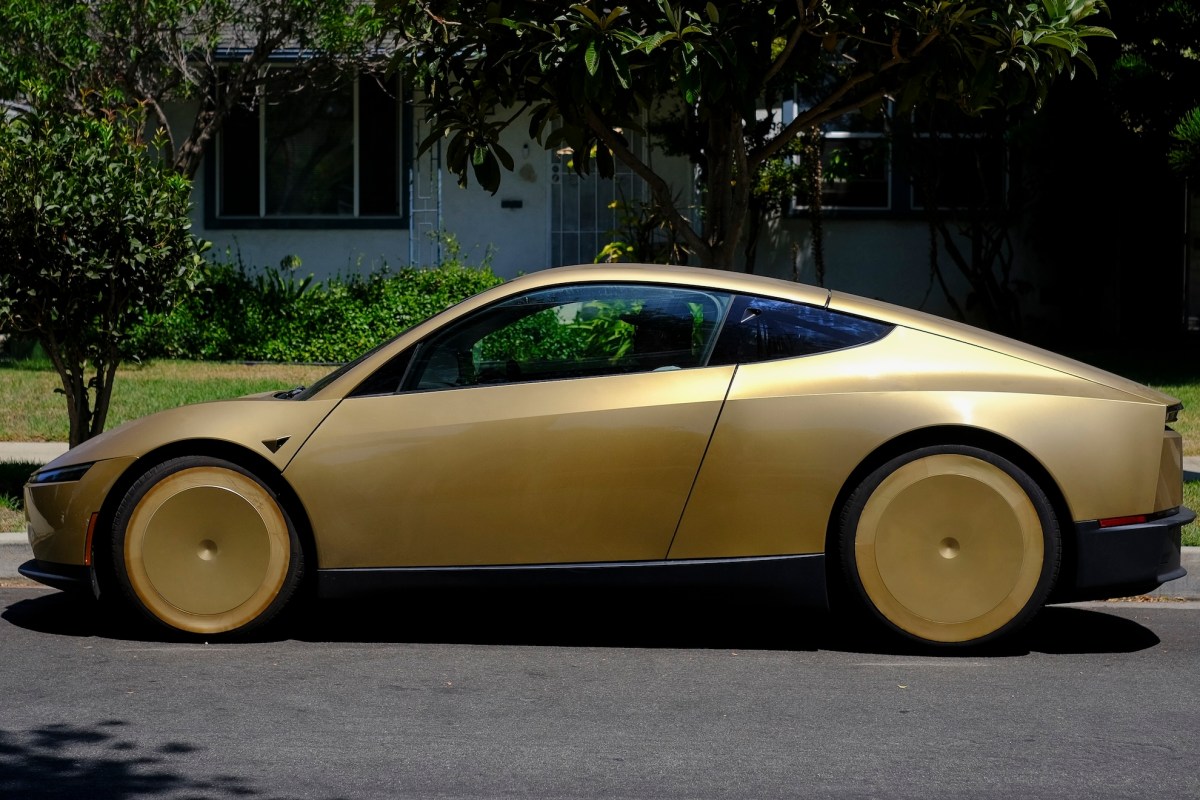
Tesla has rolled out dozens of its Cybercabs on public roads in Austin, Texas, advancing its autonomous ride-hailing initiative. These gold-colored vehicles are designed without steering wheels or brake pedals, eliminating manual control for passengers. This deployment aims to test both the technology and rider trust in fully autonomous vehicles. The significance of this rollout lies in Tesla's commitment to fully autonomous transportation, as it has operated a self-driving robotaxi service in Austin since June 2025. The new Cybercabs represent a significant evolution, being purpose-built for autonomy without conventional controls. This move also highlights Tesla's innovation, as the Cybercab motor is designed without rare earth metals while maintaining the same range. Looking ahead, Tesla plans to expand its robotaxi service to additional cities, with over 200 unsupervised robotaxis already in operation across Texas and Florida. However, Tesla faces competition from Waymo, which has a larger fleet of driverless vehicles. The key challenge for Tesla will be demonstrating the safety and reliability of its autonomous driving technology without human intervention.
Transportation
Tesla Invites Businesses to Explore Cybercab Fleet Purchases and Infrastructure Support
Tesla has released a form for businesses interested in purchasing Cybercab fleets or providing infrastructure for its autonomous vehicle network. This move indicates the company's ambition to expand its operations beyond being a mere robotaxi operator. CEO Elon Musk has long envisioned a large-scale fleet of low-cost robotaxis, initially focusing on personal vehicle ownership but now considering third-party involvement. The interest form suggests that Tesla is exploring partnerships with external companies to enhance its robotaxi network, which could lead to increased market saturation. While the specifics of this collaboration remain undefined, Tesla's shift in strategy may open doors for various businesses to engage in the autonomous vehicle sector. This could potentially accelerate the deployment of robotaxi services in multiple regions. As Tesla continues to test and operate its Cybercab fleet, industry watchers should keep an eye on how this initiative unfolds. The company's willingness to collaborate with third-party operators may reshape the competitive landscape of the robotaxi market, inviting more players to participate and innovate in fleet management solutions.
Transportation autonomous vehicles cybercab Elon Musk robotaxis Tesla
Tesla Launches Cybercab with 45 Registered in Texas Amid Mixed Reactions
Tesla has officially launched its Cybercab at a private event in Austin, Texas, with 45 vehicles registered in the state. However, the event was notably low-key, lacking a livestream and featuring a limited guest list, primarily consisting of pro-Tesla influencers. Critics voiced their concerns about the muted launch, with some expressing disappointment over the company's handling of the event. The Cybercab represents a significant step for Tesla as it ventures deeper into the autonomous vehicle market, with the company now operating 256 unsupervised autonomous vehicles across six cities. Despite the excitement surrounding the launch, many questions remain, particularly regarding the commercial availability of the Cybercab and its pricing, which Musk previously suggested could be as low as $30,000. Looking ahead, Tesla's introduction of the Cybercab marks a pivotal moment in its strategy to compete with established players like Waymo. The company is also exploring future opportunities for Robotaxi services, including fleet purchases and infrastructure development. No further timeline was disclosed at the time of publication.
Autonomous Cars Electric Cars News Tesla Transportation
Tesla's Cybercab Launch Marks a Pivotal Moment for Urban Transportation
Tesla is set to launch the Cybercab, a two-seater autonomous vehicle, in Austin, Texas. This event could signify a major shift for the company as it aims to establish itself as a leader in AI and robotics, moving beyond traditional automotive manufacturing. The significance of the Cybercab launch lies in its potential to transform urban transportation. With 420 autonomous vehicles already registered in Texas, Tesla's success in building a robotaxi network could validate its transition from an automaker to a technology-driven enterprise. Looking ahead, the outcome of this launch will be crucial. It will determine whether Tesla can effectively integrate the Cybercab into urban environments or if it will remain primarily an automotive manufacturer. No further timeline was disclosed at the time of publication.
Transportation autonomous vehicles avs robotaxis Tesla
Waymo Challenges Tesla's Cybercab Approach Ahead of Launch Event
Waymo recently asserted that fully autonomous vehicles require a combination of sensors, criticizing Tesla's reliance on end-to-end AI systems. This statement came just before Tesla's anticipated launch of its Cybercab on September 3, which is part of its expanding robotaxi fleet. Waymo's claims sparked a social media debate, highlighting the competitive landscape between the two companies. The significance of this rivalry lies in the potential market for autonomous vehicles, estimated to be worth hundreds of billions of dollars. Waymo's VP, Srikanth Thirumalai, emphasized that their approach, which integrates cameras, lidar, and radar, is essential for safe autonomous driving. In contrast, Tesla's strategy focuses solely on cameras and AI, which has drawn criticism from Waymo and industry analysts. As Tesla prepares to showcase its Cybercab, the outcome of this competition could reshape the future of autonomous driving. Waymo's experience, with a fleet of around 4,000 robotaxis providing 500,000 paid trips weekly, positions it as a formidable player. No further timeline was disclosed at the time of publication.
Transportation Tesla Waymo robotaxis cybercab
Tesla Stock Surges Over 5% to Lead S&P 500 Amid FSD Updates and Cybercab Speculation
Tesla's stock price increased by over 5% on Monday, propelling it to the top of the S&P 500. This surge occurred without a clear catalyst, but speculation surrounding CEO Elon Musk's remarks on future updates to the company's self-driving technology may have influenced investor sentiment. The rise in Tesla's stock is significant as it reflects growing investor confidence in the company's advancements in autonomous driving. Musk's comments about upcoming features for Tesla's Full Self-Driving (FSD) system have sparked interest, suggesting potential enhancements that could impact the company's market position. Looking ahead, market watchers will be keen to see how Tesla's stock performs in the coming days, especially in light of any new announcements regarding FSD updates or developments related to the anticipated Cybercab. No further timeline was disclosed at the time of publication.

NHTSA Investigates Tesla's Cybercab Launch Amid Safety Regulation Concerns
The National Highway Traffic Safety Administration (NHTSA) has initiated an investigation into Tesla's launch of its Cybercab, which lacks traditional manual controls such as a steering wheel and pedals. This announcement came shortly after the Cybercabs were deployed on public roads in Austin, Texas. This investigation is significant as it raises questions about Tesla's compliance with Federal Motor Vehicle Safety Standards (FMVSS). The NHTSA's probe will focus on the self-certification process Tesla used to assert that the Cybercab meets safety regulations, particularly in light of recent proposals to relax these requirements for autonomous vehicles. Moving forward, industry stakeholders will be watching closely how the NHTSA's investigation unfolds and its implications for Tesla's future operations. The outcome could influence regulatory approaches to autonomous vehicle safety and the broader acceptance of such technologies on public roads. No further timeline was disclosed at the time of publication.
Tesla Faces 17% Chance of Selling $30,000 Cybercab in 2023 Amid Market Doubts
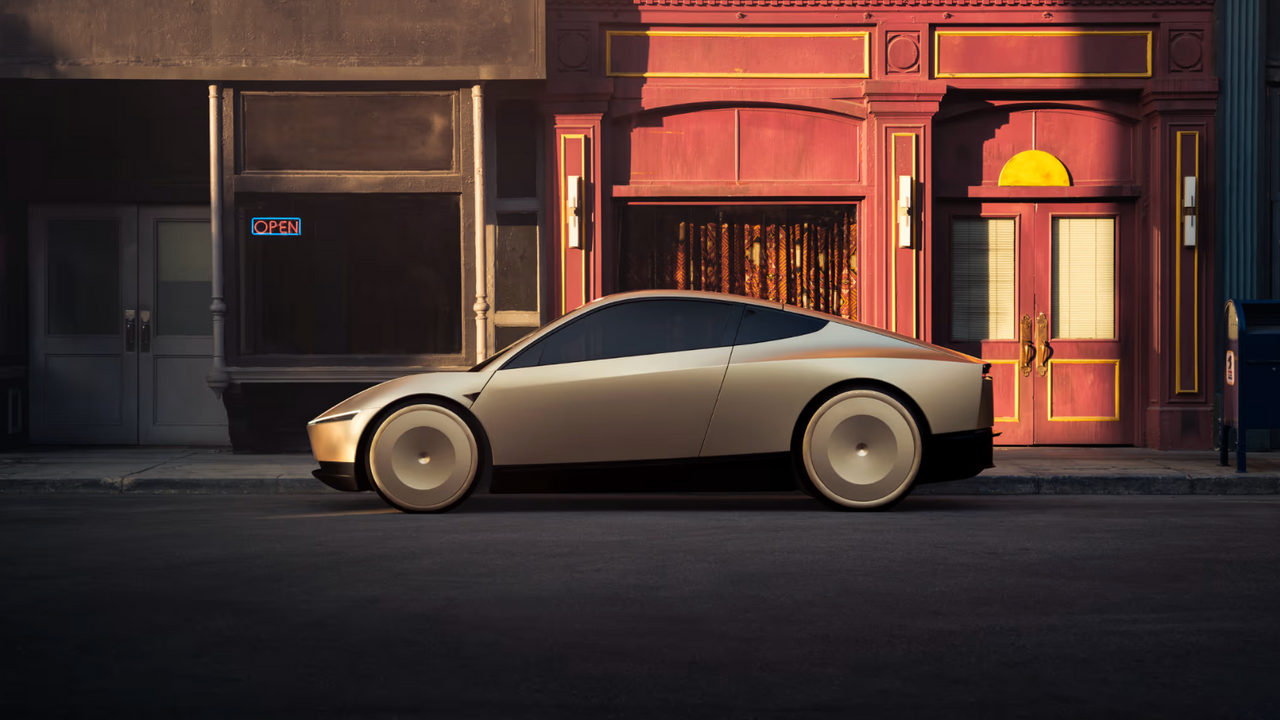
Prediction markets indicate that Tesla Inc (NASDAQ:TSLA) has only a 17% chance of achieving a retail sale of its Cybercab this year. This figure has dropped from 33% in late April, despite an exclusive launch event scheduled for September 3 in Austin, Texas. The prediction market stipulates that only direct sales to the public at a price of $30,000 or less count as completed retail sales. The significance of this prediction lies in the implications for Tesla's market strategy and consumer confidence. The Cybercab, a two-seat robotaxi manufactured at Giga Texas, is expected to begin its rollout with employee rides before entering the Austin Robotaxi service. Elon Musk had previously assured investors that the vehicle would be available for retail purchase at the promised price, but the company has since removed its target for volume production in 2026. Looking ahead, the focus will be on the upcoming launch event and whether Tesla can meet its retail sales goal by the end of the year. No further timeline was disclosed at the time of publication.
JPMorgan Reports Tesla's Confidence in Scaling Cybercab Operations and Future Model Development
Investment bank JPMorgan Chase & Co. has indicated that Tesla Inc. is focusing on the Cybercab rather than expanding its Model Y robotaxi fleet. Following a meeting at Tesla's Fremont, California facility, JPMorgan noted that Tesla expressed confidence in scaling Cybercab operations in the near term. This emphasis on the Cybercab is significant as it suggests a strategic shift in Tesla's approach to its autonomous vehicle offerings. The report also highlighted that Tesla plans to develop additional vehicle types based on the Cybercab platform, indicating a long-term vision for diversification in its product lineup. Looking ahead, Tesla's Full Self-Driving (FSD) V15 is expected to be a major advancement in performance, incorporating seven core technologies. The company also plans to begin commercial sales of the Optimus Gen 3 robot by the second half of 2027, with insights from this model informing future developments.
Tesla Robotaxis Achieve Fully Unsupervised Operation in Austin Ahead of Cybercab Launch
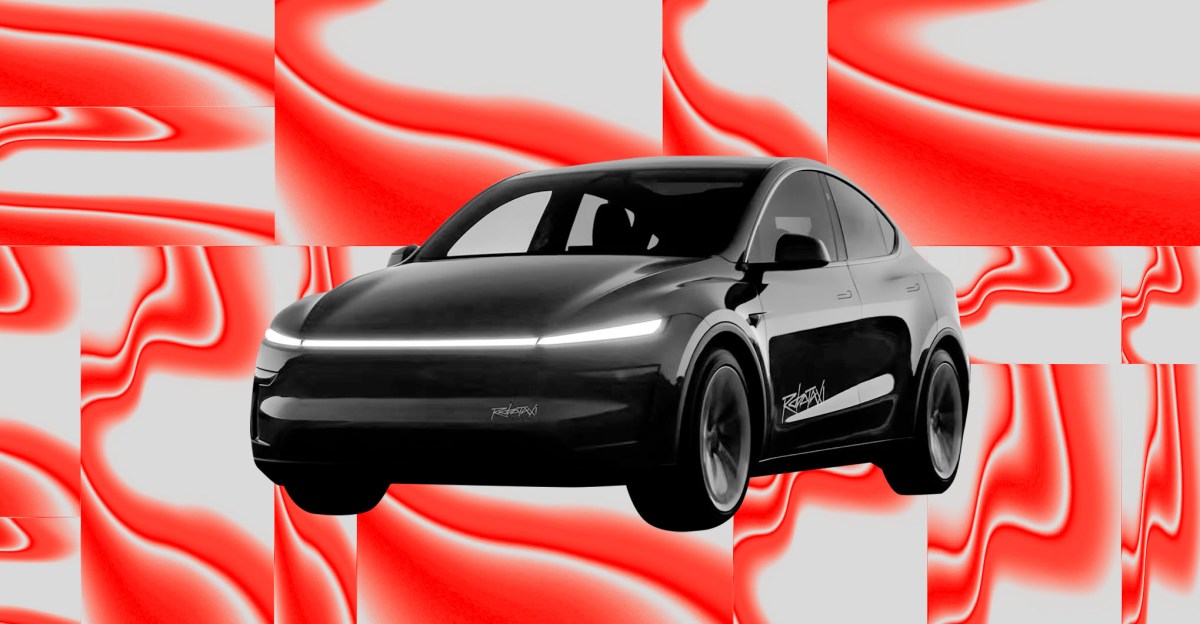
In a significant development, all 170 Tesla Robotaxi rides in Austin have been reported as unsupervised over the past two weeks, according to Robotaxi Tracker. This marks a pivotal moment seven months after Elon Musk announced the transition to driverless operations in the city. The data indicates a notable increase in unsupervised rides, with 54 different vehicles participating. The implications of this shift are substantial as Tesla prepares to launch its Cybercab, a purpose-built robotaxi designed without traditional controls. The ability to operate vehicles without human safety monitors is crucial for the successful rollout of the Cybercab, which is expected to debut in Austin soon. This transition reflects a broader trend, with similar increases in unsupervised Robotaxis observed in Dallas and Houston. Looking ahead, the rapid scaling of Tesla's Robotaxi program, as mentioned by Musk during the latest earnings call, raises questions about future vehicle deployment and city expansions. No further timeline was disclosed at the time of publication.
Autonomous Cars Electric Cars News Tesla Transportation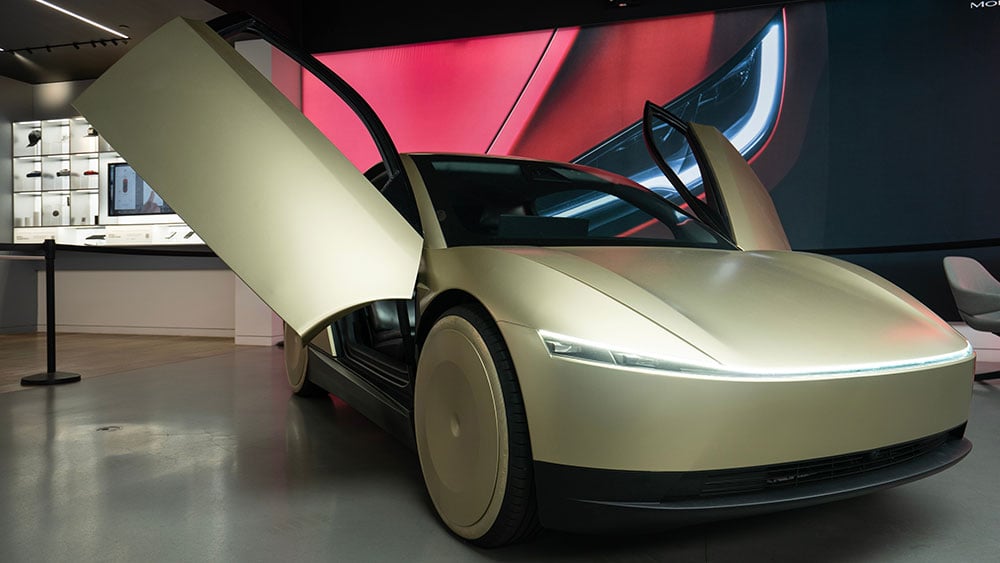
Tesla's Cybercab Expected to Launch for Employees This Month in Austin
Tesla is preparing to launch its Cybercab, a robotaxi-specific model, potentially as early as this month. The company plans to begin offering rides to employees in Austin, Texas, in the coming weeks, followed by a public rollout shortly thereafter, as reported by The Information. The introduction of the Cybercab is significant as it represents Tesla's entry into the robotaxi market, leveraging its electric vehicle technology to provide autonomous ride-hailing services. This move could enhance Tesla's position in the competitive landscape of autonomous transportation and address growing demand for sustainable mobility solutions. Looking ahead, the timeline for the public launch of the Cybercab remains closely watched by industry stakeholders. No further timeline was disclosed at the time of publication, but the initial employee rides could provide valuable insights into the vehicle's performance and user experience before broader deployment.
Tesla Faces Regulatory Inquiry on Cybercab Ahead of September 30 Deadline
Tesla (TSLA) investors should note September 30 as the date for the company's response to the National Highway Traffic Safety Administration (NHTSA) regarding its Cybercab's compliance with federal safety standards. This inquiry follows the Cybercab's commercial deployment in Austin, Texas, on September 3, and focuses on Tesla's self-certification process and the vehicle's operational capabilities. The significance of this regulatory scrutiny lies in the Cybercab's unique design, which lacks traditional controls like a steering wheel and pedals. As robotaxis become integral to Tesla's growth strategy, the outcome of this inquiry could clarify the regulatory landscape for scaling the Cybercab in the U.S., impacting investor confidence and stock performance. Looking ahead, Tesla's response to the NHTSA may influence the company's trajectory in the autonomous vehicle market. With the Cybercab now operational and ongoing advancements in Tesla's Full Self-Driving (FSD) technology, stakeholders will be keen to see if this momentum translates into a sustained recovery for TSLA stock, which has faced challenges despite the company's innovative developments.
Elon Musk Declares Cybercab Launch Marks 'Golden Era' of Mobility with Starlink Integration
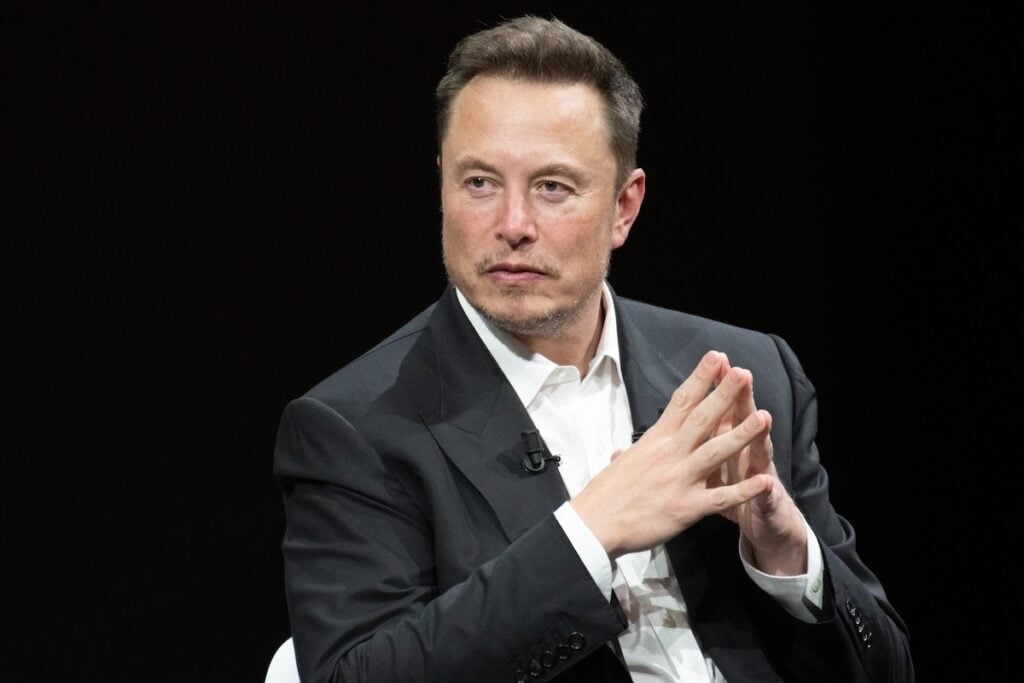
Tesla Inc. CEO Elon Musk announced the launch of the Cybercab, heralding a new era in mobility. He emphasized the vehicle's integration with Space Exploration Technologies Corp.'s Starlink internet, which will enable passengers to enjoy 4K live video during rides. Musk's comments highlight the significance of the Cybercab as a transformative product in the transportation sector, reflecting Tesla's commitment to innovation and connectivity. The introduction of Starlink connectivity is expected to enhance the user experience, making rides more enjoyable and engaging. Looking ahead, Musk mentioned a workforce expansion at Tesla, projecting over 30,000 employees at the company's headquarters and manufacturing facilities in Austin by 2028. This growth underscores Tesla's ambition to lead in the evolving mobility landscape. No further timeline was disclosed at the time of publication.

Tesla Launches Cybercab as Uber and Waymo Expand Autonomous Vehicle Efforts
Tesla has officially launched its fully autonomous Cybercab in Austin, Texas, with a fleet of approximately 50 operational vehicles. This marks a significant step towards the company's goal of revolutionizing urban transportation with robotaxis. Morgan Stanley analyst Andrew Percoco noted that Wall Street will require more than a few Cybercabs on the road to gain confidence in the market. The competition is intensifying as Waymo raises over $3 billion in debt to expand its services into new cities, including San Diego, Denver, and Tampa Bay. With 14 cities currently serviced, Waymo is also rolling out its new 'Ojai' minivan model. Meanwhile, Uber is restructuring by cutting 10% of its workforce to focus on innovation and has committed over $10 billion to robotaxi partnerships, including a deal for 35,000 autonomous vehicles from Lucid. Looking ahead, the race for robotaxi dominance is heating up, with estimates suggesting the number of robotaxis could grow from 7,000 last year to 1 million by 2030. The economic impact could reach $440 billion, driven by changes in car ownership and rideshare dynamics. No further timeline was disclosed at the time of publication.

Tesla Faces Near-Term Risks with Cybercab and Optimus Development Spending
Tesla's primary near-term risk stems from significant investments in its Cybercab and Optimus projects, which CEO Elon Musk identifies as key value drivers. The company's aggressive spending could lead to cash flow challenges if these initiatives do not generate expected earnings. Analysts predict cash outflows from 2026 to 2028, with a return to free cash flow anticipated in 2029 as revenues from these projects materialize. This situation is critical as Tesla transitions from a cash-generating entity to a net cash user due to rising capital expenditures. The company's ability to maintain cash flow from its electric vehicle (EV) business is under scrutiny, especially if delays occur in the rollout of Cybercabs and robotaxis. Such delays could result in a surplus of inactive vehicles, further straining liquidity and investor confidence. Despite these risks, Tesla's strong balance sheet and projected net cash of $23 billion by the end of 2026 provide a buffer for its growth plans. Investors are advised to adopt a long-term perspective, as the company continues to make progress in its robotaxi initiatives, although short-term volatility may arise from any setbacks in these projects.

Elon Musk's Tesla Cybercab Launches Robotaxi Service in Austin, Texas
Tesla is set to launch its Cybercab as part of its robotaxi service in Austin, Texas, nearly two years after Elon Musk first introduced the concept. This stripped-down, camera-only vehicle aims to revolutionize Tesla's approach to autonomy, relying solely on cameras instead of multiple sensors used by competitors. The significance of this launch lies in Musk's bold bet on a simplified autonomous driving system, which he believes will lead to robotaxi success. However, the Cybercab's lack of traditional controls raises safety concerns, as it will operate without human fallback in case of system failures, placing full legal responsibility on Tesla. As the Cybercab begins public rides, industry observers will closely monitor its performance and safety. Musk's unconventional philosophy challenges the prevailing belief that more sensors equate to greater safety, and the outcome of this venture could reshape the future of autonomous vehicles.
Autonomous Cars Electric Cars Elon Musk Tech Tesla Transportation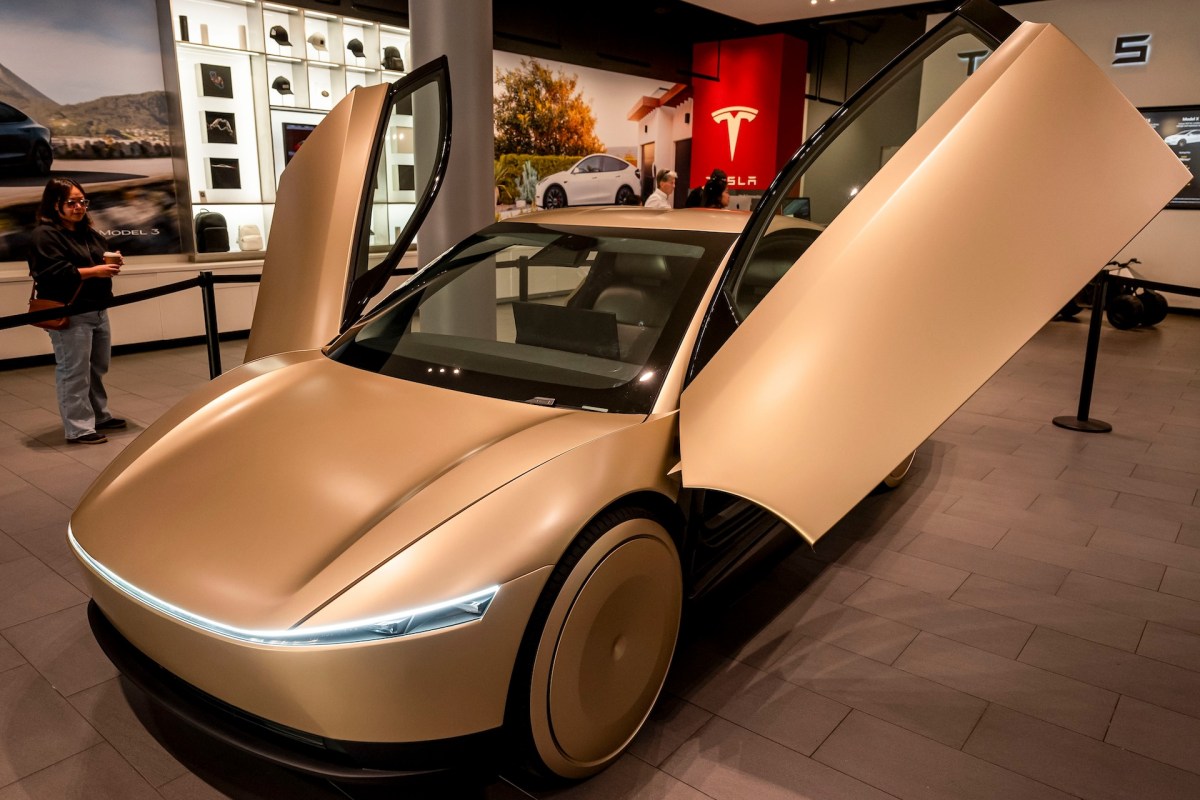
Tesla starts testing Cybercab without pedals or a steering wheel in Austin
Tesla is poised to take significant steps towards fulfilling Elon Musk's long-standing vision of establishing a robotaxi network. The company has been working on this ambitious project for several years, and recent developments suggest that it may soon be ready to launch the service. This initiative aims to revolutionize urban transportation by providing a fleet of autonomous vehicles that can operate without human drivers. As Tesla prepares for this next phase, the rollout of the robotaxi network could reshape the landscape of mobility, offering a new, efficient alternative to traditional ride-sharing services. The timeline for the launch remains uncertain, but the company’s advancements in autonomous driving technology indicate that the long-awaited service may soon become a reality.
Transportation autonomous vehicles avs cybercab robotaxis Tesla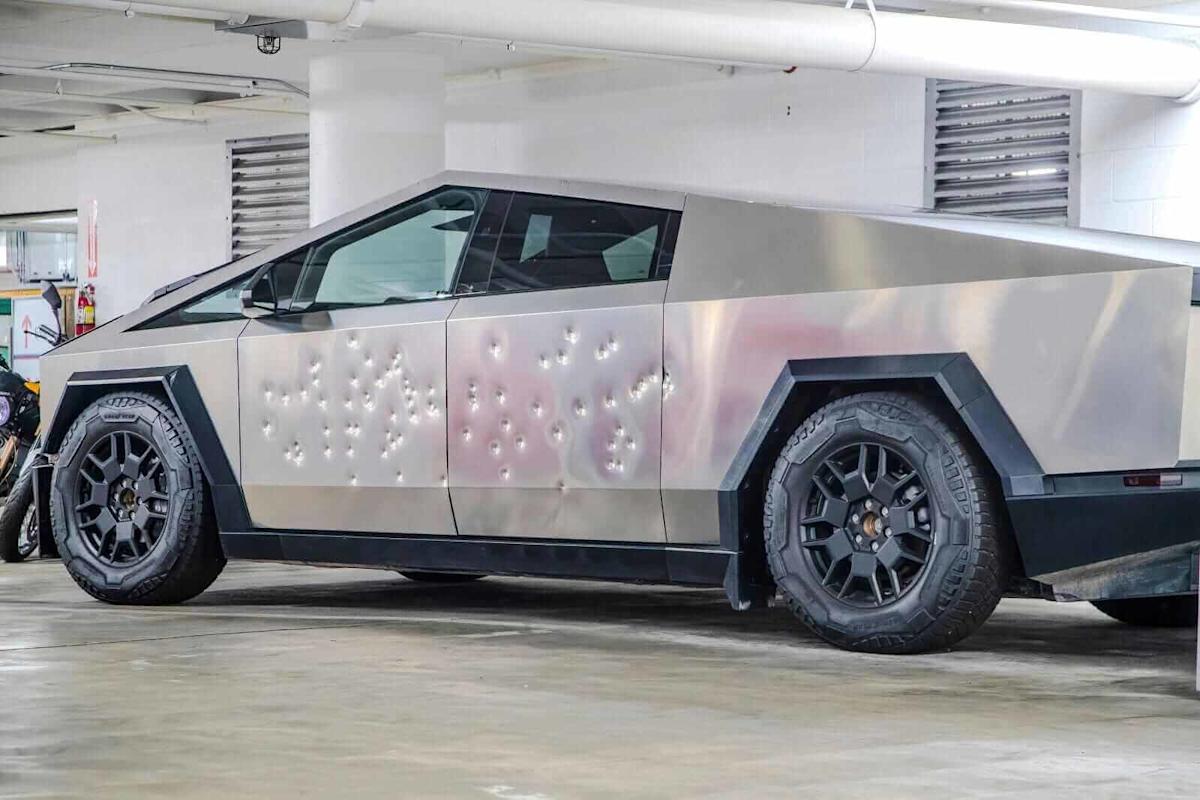
With the Cybercab in Production, Should You Buy, Sell, or Hold Tesla Stock Now?
A recent study conducted by researchers at the University of California, Berkeley, has revealed significant findings regarding the impact of social media on mental health. Published on October 15, 2023, the research highlights a correlation between increased social media usage and rising levels of anxiety and depression among teenagers. The study surveyed over 2,000 adolescents across various demographics in California. Researchers aimed to understand how the pervasive nature of social media platforms contributes to mental health issues. They found that excessive screen time, particularly on platforms that promote comparison and validation, exacerbates feelings of inadequacy and loneliness among young users. The study utilized a combination of surveys and psychological assessments to gather data on participants' social media habits and mental well-being. The findings underscore the urgent need for parents, educators, and policymakers to address the mental health implications of social media usage. Experts recommend implementing strategies to promote healthier online habits and encourage face-to-face interactions among teenagers. As social media continues to evolve, the research serves as a critical reminder of the potential risks associated with its use, particularly for vulnerable populations.
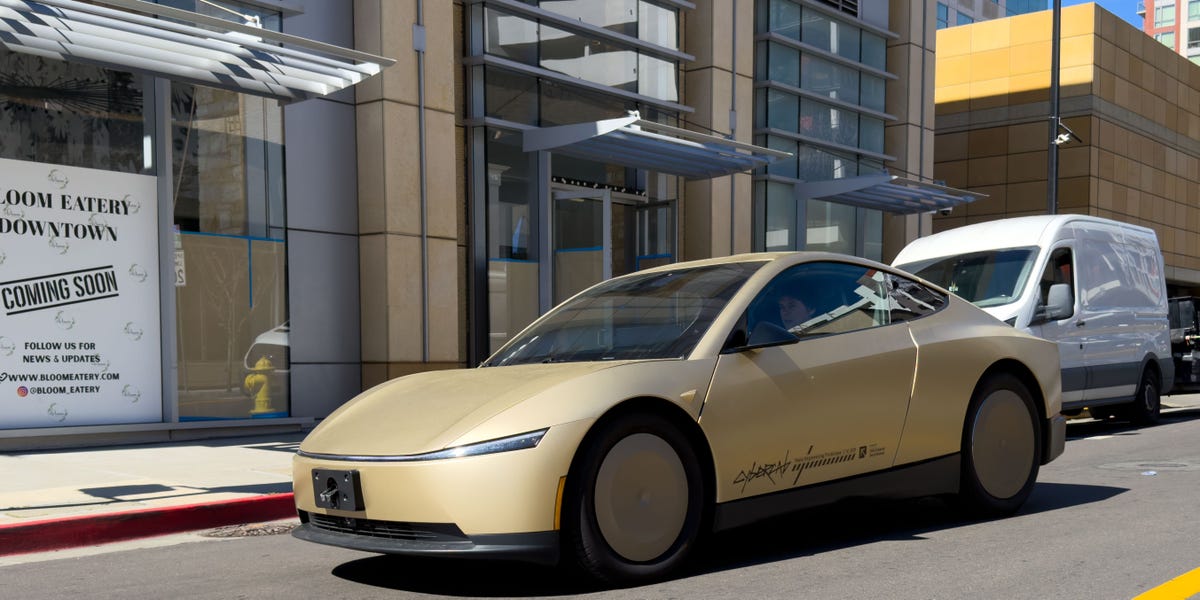
Watch the Cybercab robotaxi roll off Tesla's production line
Elon Musk announced that Tesla has commenced production of its Cybercab robotaxi, marking a significant step towards the company's vision of an AI-driven future. This development highlights Tesla's commitment to advancing autonomous vehicle technology. The announcement comes as part of Musk's broader strategy to integrate artificial intelligence into everyday transportation solutions, aiming to revolutionize the way people commute. With the Cybercab, Tesla seeks to enhance urban mobility and reduce reliance on traditional car ownership. The production phase is expected to accelerate the rollout of this innovative service, which could reshape the landscape of ride-hailing and public transport.
Transportation Tech AI elon-musk tesla tesla-cybercab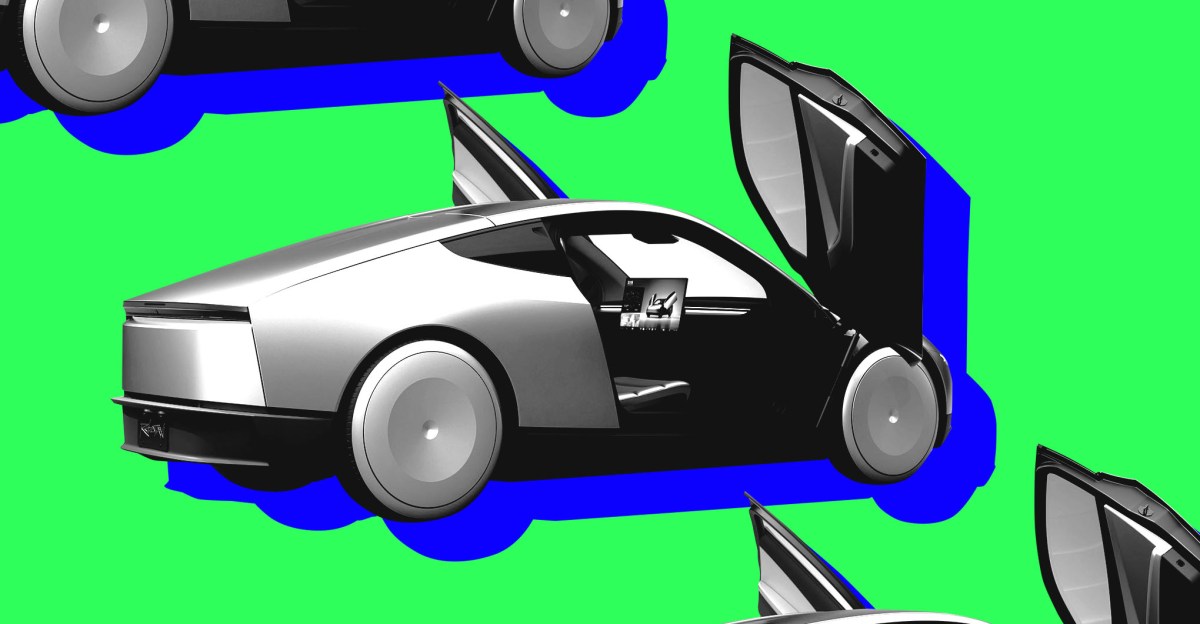
Tesla’s Cybercab goes into production — so why is Musk tapping the brakes?
Tesla has officially begun production of its highly anticipated Cybercab at the Gigafactory in Austin, Texas. The announcement was made on Thursday via a post on X, accompanied by a video showcasing the steering wheel-less robotaxi as it exited the factory. Despite this significant milestone, CEO Elon Musk has expressed a cautious outlook regarding the vehicle's rollout. The Cybercab is designed to revolutionize urban transportation, aiming to provide a fully autonomous ride-hailing service. As Tesla moves forward with this innovative project, the company is navigating the complexities of regulatory approvals and public acceptance, which may influence the pace of deployment.
Autonomous Cars Electric Cars Elon Musk News Tech TeslaRobotics needs a service framework.
RSF defines a common language for robot service capability, lifecycle operations, certification pathways, and service-provider networks.
Join the RobotToday community on LinkedIn
Daily robotics news, in-depth analysis, conference highlights, and discussions with professionals worldwide.







