Tesla Plans Expansion of Cybercab Service Beyond Austin to Dominate Transportation Market
- Published
- Source
- TechCrunch
Tesla is set to launch its Cybercab service in new markets beyond Austin, Texas, starting with Dallas next month. The company aims to dominate terrestrial transportation, as stated by CFO Vaibhav Taneja during the third-quarter earnings call. Tesla's expansion includes selling Cybercabs to fleet operators by year-end, competing directly with Waymo's established robotaxi service.
The significance of this expansion lies in Tesla's ambition to become a leader in the transportation sector. With over 4,000 robotaxis deployed, Waymo currently leads the market. Tesla claims its Cybercab is cheaper and easier to manufacture, which could allow it to undercut competitors on pricing. However, achieving substantial scale outside Austin is crucial for Tesla to validate its claims.
Looking ahead, Tesla's success will depend on obtaining necessary regulatory approvals for rapid deployment of Cybercabs. While the company has reported increased mileage for its self-driving cars, details on the financial performance of its robotaxi initiative remain vague. No further timeline was disclosed at the time of publication.
Original report
Tesla is prepping a Cybercab onslaught
TechCrunch · Sean O'KaneThis briefing is an independently written summary based on publicly available reporting and is provided for industry information and news discovery. The original report and source publication are credited and linked where applicable. RobotToday does not claim ownership of third-party source material.
Rights concerns? Contact [email protected] with the relevant URL and details. We will review the matter and take appropriate action where warranted.
More related news
- 1
- 2
- 3
- 4
- 5
- 6
- 7
- 8
- 9
-
10
RobotToday Weekly October 12 – 16, 2026 RobotToday · 5 days ago
- 11
- 12
Related Suppliers

Tesla
United States
US EV and energy company developing the Optimus humanoid robot and Full Self-Driving autopilot; targeting 50,000 Optimus units in 2026.

Waymo
United States
Alphabet's autonomous driving subsidiary operating Waymo One robotaxi service across 10 US cities with 500,000+ weekly rides.
Neolix 新石器无人车
China
Beijing-based developer of L4 autonomous low-speed RoboVan delivery vehicles; reports 13,000-plus units deployed across 300-plus cities in 15 countries.

PIX Moving PIX移动
China
Guizhou city robotics company (2014); RoboBus, RoboShop, RoboVan on 3D-printed skateboard chassis, deployed in 29+ countries via RaaS.
Terafab
United States
Tesla/SpaceX/xAI semiconductor fab announced March 2026 in Austin TX; produces AI chips for Optimus robots, FSD, and SpaceX satellites.

WeRide Inc.
China
WeRide is a Guangzhou-based Level-4 autonomous driving company, the first publicly listed robotaxi firm (NASDAQ: WRD, 2024), operating in 12 countries.
Stellantis N.V.
Netherlands
Dutch multinational automaker (14 brands, ~272k employees) pursuing SAE Level 4 robotaxi deployment via a 2025 Pony.ai partnership.
Lyft
United States
US rideshare platform deploying robotaxis via asset-light partnerships with Waymo, Mobileye, May Mobility and Baidu.
QCraft 轻舟智航
China
Chinese autonomous-driving company founded by ex-Waymo engineers, building L4 self-driving software and the Driven-by-QCraft sensor-and-compute suite.

Momenta AI 初速度
China
Suzhou-based autonomous driving technology company specialising in data-driven ADAS and self-driving software.
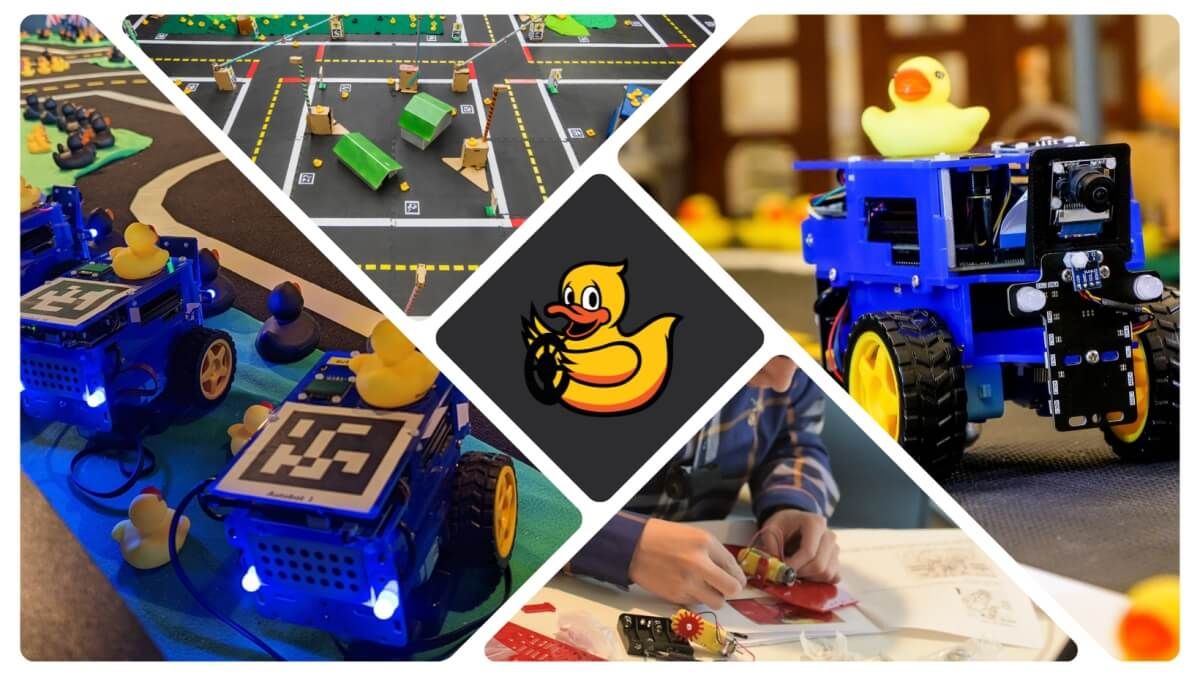
Duckietown Robotics
United States
Educational robotics platform provider offering autonomous vehicle kits and AI curricula used by 250+ universities worldwide.

Ottopia
Israel
Ottopia is an Israeli AI & machine learning platform company that provides a Hybrid AI teleoperation platform enabling humans and AI to co-pilot autonomous.
Robotics needs a service framework.
RSF defines a common language for robot service capability, lifecycle operations, certification pathways, and service-provider networks.
Join the RobotToday community on LinkedIn
Daily robotics news, in-depth analysis, conference highlights, and discussions with professionals worldwide.