Industry Briefing
A single destination for timely, editor-curated robotics news from around the world.
Birdstop Leverages Detroit's Auto Supply Chain to Enhance U.S. Drone Manufacturing
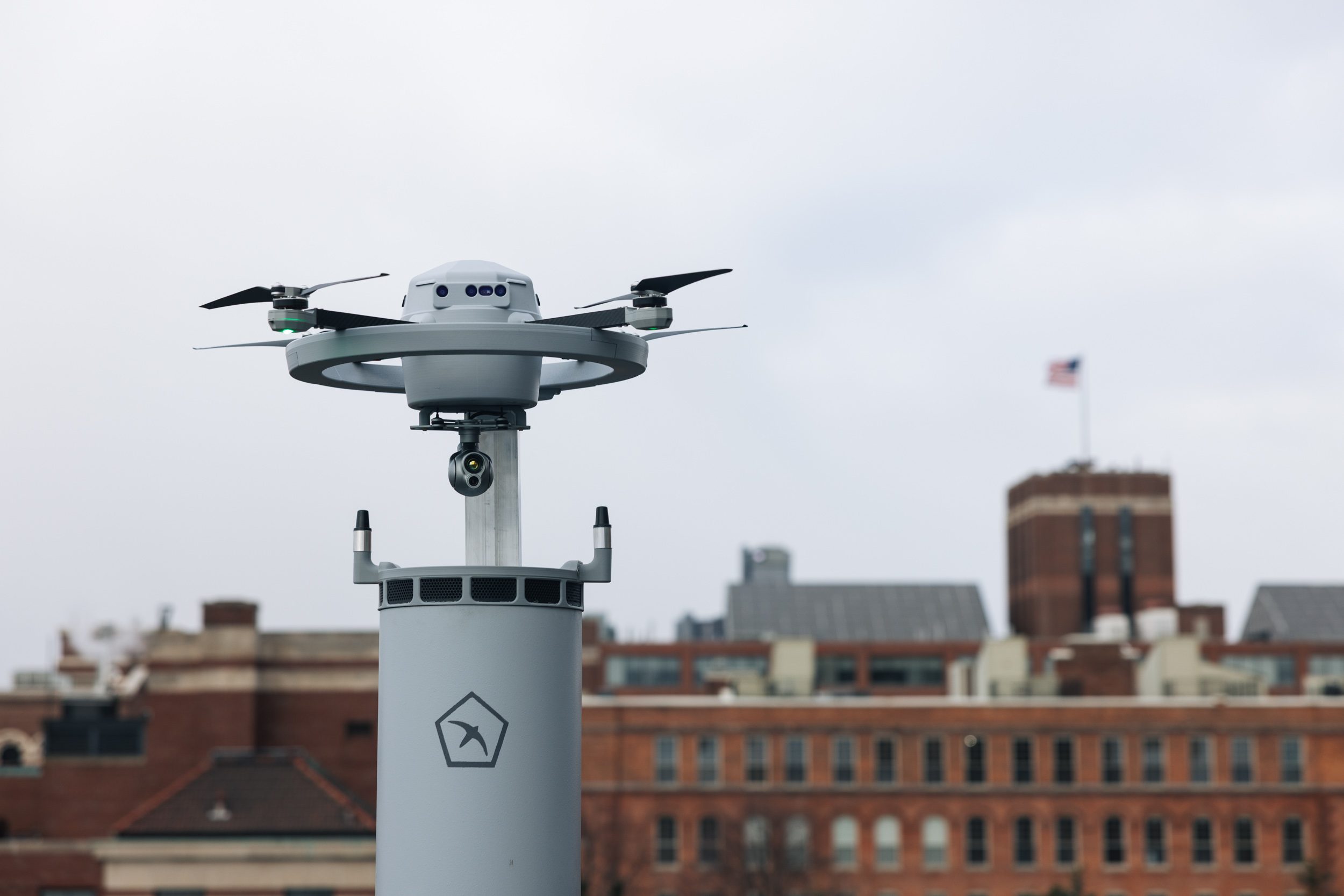
Birdstop, an autonomous security drone manufacturer, has relocated from Silicon Valley to Detroit to capitalize on the city's automotive supply chain. CEO Keith Miao emphasized that Detroit offers significant opportunities for scaling drone production, particularly due to the region's robust electronics manufacturing capabilities tied to the auto industry. The move is significant as it highlights the potential for cross-industry collaboration, where components used in automotive manufacturing can also be applied to drone technology. Miao noted that the overlap in specifications and testing requirements between automotive parts and drone components allows Birdstop to leverage existing resources effectively. Looking ahead, Birdstop has introduced its new flagship product, the Fealty system, which began deployment in May for monitoring truck parking sites in Detroit. This innovative drone system is designed for persistent coverage and features advanced AI capabilities, setting a new standard in the drone industry. No further timeline was disclosed at the time of publication.
DL Exclusive Drone Manufacturing Drone News Drone News Feeds Drones in the News Feature 1
UK Businesses Face Cyber Threats in Supply Chains, RSM UK Reports
Recent research by RSM UK reveals that UK businesses are inadequately monitoring cyber risks within their supply chains. Only 55% of companies actively track these threats, and just 39% feel confident in their ability to withstand a cyber-attack. Alarmingly, 22% of respondents reported experiencing a cyber-attack or data breach in the past year. The findings underscore the growing urgency for businesses to enhance their cyber resilience, especially in light of recent AI-related breaches involving companies like OpenAI. Sheila Pancholi from RSM UK emphasized that organizations must extend their risk assessments beyond their own systems to include third-party suppliers, as vulnerabilities in any part of the supply chain can jeopardize the entire operation. Looking ahead, businesses are encouraged to adopt a proactive approach to cyber threats, as the landscape continues to evolve. RSM UK recommends maintaining a comprehensive inventory of key suppliers and regularly stress-testing cyber resilience measures to mitigate potential risks. No further timeline was disclosed at the time of publication.
Industry News
KoiReader Technologies Introduces KoiVision Platform for Supply Chain Yard Automation
KoiReader Technologies, Inc. has announced the general availability of its KoiVision™ Platform Yard Intelligence Suite. This full-stack Physical AI system aims to enhance global supply chain yard operations by providing automated gate processing, continuous yard visibility, and dock-level execution intelligence. The introduction of the KoiVision Platform is significant as it targets one of the least digitized areas in the supply chain, potentially transforming yard operations. By integrating advanced technologies, KoiReader seeks to improve efficiency and visibility, which are critical for modern supply chain management. Looking ahead, industry stakeholders should monitor the adoption and impact of the KoiVision Platform in various supply chain environments. No further timeline was disclosed at the time of publication.

Supply Chain Challenges Hinder Humanoid Robot Development Despite AI Advances
The primary bottleneck for humanoid robots is not just AI model limitations but also supply chain constraints. A recent McKinsey report highlights that critical hardware components such as precision motor systems and tactile sensing are high-risk areas that won't automatically improve with algorithm upgrades. Renesas Vice President Ivo Marocco emphasizes that the complexity of ecosystem and system integration poses a greater challenge than solving AI issues. Despite expectations for humanoid robots to become mainstream, Omdia data forecasts only 13,000 units shipped globally by 2025, a figure that pales in comparison to automotive and industrial automation markets. Renesas aims to cover 30% of the bill of materials (BOM) costs for humanoid robots, with a long-term goal of reaching 70%. However, this target is often misunderstood as immediate market share, when in fact it represents a future product mix goal. The transition from 30% to 70% BOM coverage faces significant hurdles, particularly in high-risk hardware components. While automotive and industrial components can be repurposed, they do not address the unique challenges of humanoid robots. Renesas is focusing on system-level solutions and has established a physical AI and robotics lab in Beijing to support customers through the entire engineering validation process. The company anticipates a compound annual growth rate of 40% in the physical AI market by 2030-2035, although consumer humanoid robots are expected to take over five years to achieve significant market presence.
Humanoid Robots Supply Chain AI Hardware Components
Palantir and NVIDIA Collaborate to Enhance Sovereign AI in Supply Chains
Palantir Technologies Inc. and NVIDIA have announced a partnership aimed at integrating sovereign AI into critical supply chains, beginning with NVIDIA's operations. This collaboration will utilize NVIDIA's Nemotron™ open models within Palantir's Foundry and Artificial Intelligence Platform (AIP), enhancing supply chain visibility and operational efficiency while ensuring data control. The significance of this initiative lies in its potential to transform supply chain management across various industries, including agriculture, manufacturing, and technology. By leveraging advanced AI capabilities, organizations can optimize their operations, identify constraints, and make informed decisions at unprecedented speeds, thereby improving the reliability of their supply chains. Looking ahead, the AI stack's applications will be showcased at Palantir’s AIPCon 11 conference, indicating a broader rollout of these technologies. As demand for AI infrastructure grows, the partnership aims to provide enterprises with the tools needed to build resilient and intelligent supply chains while maintaining control over proprietary data.
The Impact of Robotics and Automation on Island Supply Chains
Discussions on port automation often focus on large terminals like Rotterdam and Singapore, which handle immense volumes of cargo. However, the true challenge for logistics technology lies in island supply chains, where delays can have immediate and significant consequences. A single late shipment can lead to empty grocery shelves or stop construction projects, highlighting the critical need for efficient logistics solutions. The importance of optimizing island supply chains cannot be overstated, as these regions face unique logistical challenges. The reliance on timely deliveries makes them particularly vulnerable to disruptions. As robotics and automation technologies are integrated into these supply chains, they promise to enhance efficiency and reliability, ensuring that essential goods reach their destinations without delay. Looking ahead, stakeholders in island supply chains should monitor advancements in robotics and automation technologies. These innovations could provide the necessary tools to mitigate risks associated with supply chain disruptions. No further timeline was disclosed at the time of publication.
Logistics Robotics Supply chain agvs automated guided vehicles cargo tracking
AIR AI Security Startup Secures $50M to Enhance AI Agent Supply Chain Security
AI security startup AIR has officially launched from stealth mode, raising $50 million through two seed funding rounds. The funding includes a $10 million round led by Sequoia and a subsequent $40 million round led by Greenoaks. Founded by Yair Saban and Niv Hoffman, AIR aims to create a platform that monitors the ecosystem of skills, plug-ins, and servers utilized by AI agents in corporate environments. The significance of AIR's platform lies in its ability to discover active AI agents, flag unauthorized tool usage, and enforce real-time security checks. With a current whitelist filtering out approximately 27% of evaluated add-ons, the platform addresses the growing need for verification in AI tools, akin to traditional software security measures. AIR has already attracted over 20 customers, particularly from regulated sectors such as financial services and pharmaceuticals. Looking ahead, AIR plans to leverage its funding to expand research and market efforts in the U.S. and Europe. The company faces competition from other well-funded startups in the AI security space, highlighting the increasing importance of securing AI infrastructures as they become integral to business operations. No further timeline was disclosed at the time of publication.
AI Funding & Investment AI AI-driven platform AIR capital markets funding
Microsoft Implements AI Agents to Optimize Supply Chain Cost Reductions
Microsoft has deployed AI agents designed to simulate demand, predict shortages, and suggest shipping routes. These systems evaluate factors such as cost, speed, and carbon impact to enhance supply chain efficiency. This initiative is significant as it aims to reduce supply chain costs while also addressing environmental concerns. By leveraging AI technology, Microsoft is positioning itself to improve logistics and operational efficiency in a competitive market. Looking ahead, it will be important to monitor the effectiveness of these AI agents in real-world applications and their impact on overall supply chain performance. No further timeline was disclosed at the time of publication.

Japan Accelerates Production of 3D-Printed Interceptor Drones to Mitigate Supply Chain Risks
Japan is fast-tracking the production of 3D-printed interceptor drones to enhance its defense capabilities against potential supply chain attacks. This initiative underscores the importance of advanced manufacturing technologies in military applications, particularly in ensuring rapid availability of critical components. The move is significant as it reflects Japan's commitment to strengthening its defense infrastructure amid rising global tensions. By leveraging 3D printing, Japan aims to create a more resilient supply chain for military hardware, which is crucial for maintaining operational readiness in the face of evolving threats. Looking ahead, the focus will be on the successful implementation of these 3D-printed drones within Japan's defense strategy. No further timeline was disclosed at the time of publication.
Military
Canada Initiates Alliance to Address Supply Chain Workforce Challenges
Canada has launched a new alliance aimed at identifying labor and skills shortages affecting its transportation networks. This initiative will focus on mapping the areas where these shortages are most pronounced, helping to alleviate pressure points within the supply chain. The formation of this alliance is significant as it seeks to enhance the efficiency of Canada's transportation systems, which are critical for the movement of goods. By pinpointing specific labor gaps, the alliance aims to develop targeted strategies to address these challenges, ultimately improving supply chain resilience. Looking ahead, stakeholders will be watching how effectively the alliance can implement its mapping efforts and what solutions it proposes to mitigate the identified workforce issues. No further timeline was disclosed at the time of publication.
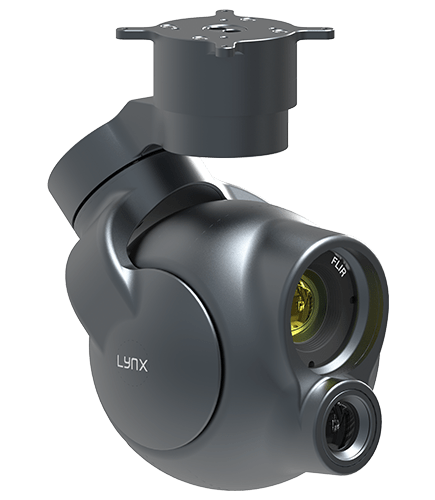
Gremsy USA Unveils Blue UAS-Cleared Payloads Amid Drone Supply Chain Changes
Gremsy USA has launched three drone payloads compliant with NDAA and Blue UAS standards for the U.S. market. This introduction responds to increasing federal pressure on drone manufacturers to establish domestic and reliable supply chains. The new products include the VIO F1, ORUS L NDAA, and LYNX NDAA, with pre-orders now being accepted. This development is significant as it aligns with the broader shift in U.S. drone policy, particularly following the Federal Communications Commission's December 2025 decision to include foreign-produced UAS and critical components on its Covered List. The White House has also emphasized the importance of domestic production, citing national security concerns regarding reliance on foreign drone components. Gremsy USA's strategy aims to meet these stringent sourcing requirements while leveraging its established international expertise. Looking ahead, Gremsy USA's U.S. operations focus on engineering and manufacturing compliant payloads domestically, integrating its gimbal technology with NDAA-compliant thermal imaging from Teledyne FLIR OEM. The VIO F1 is designed for industrial inspections and situational awareness, while the ORUS L NDAA targets long-range operations for surveillance and reconnaissance. No further timeline was disclosed at the time of publication.
defense Drone News Drone News Feeds NDAA Compliant News Products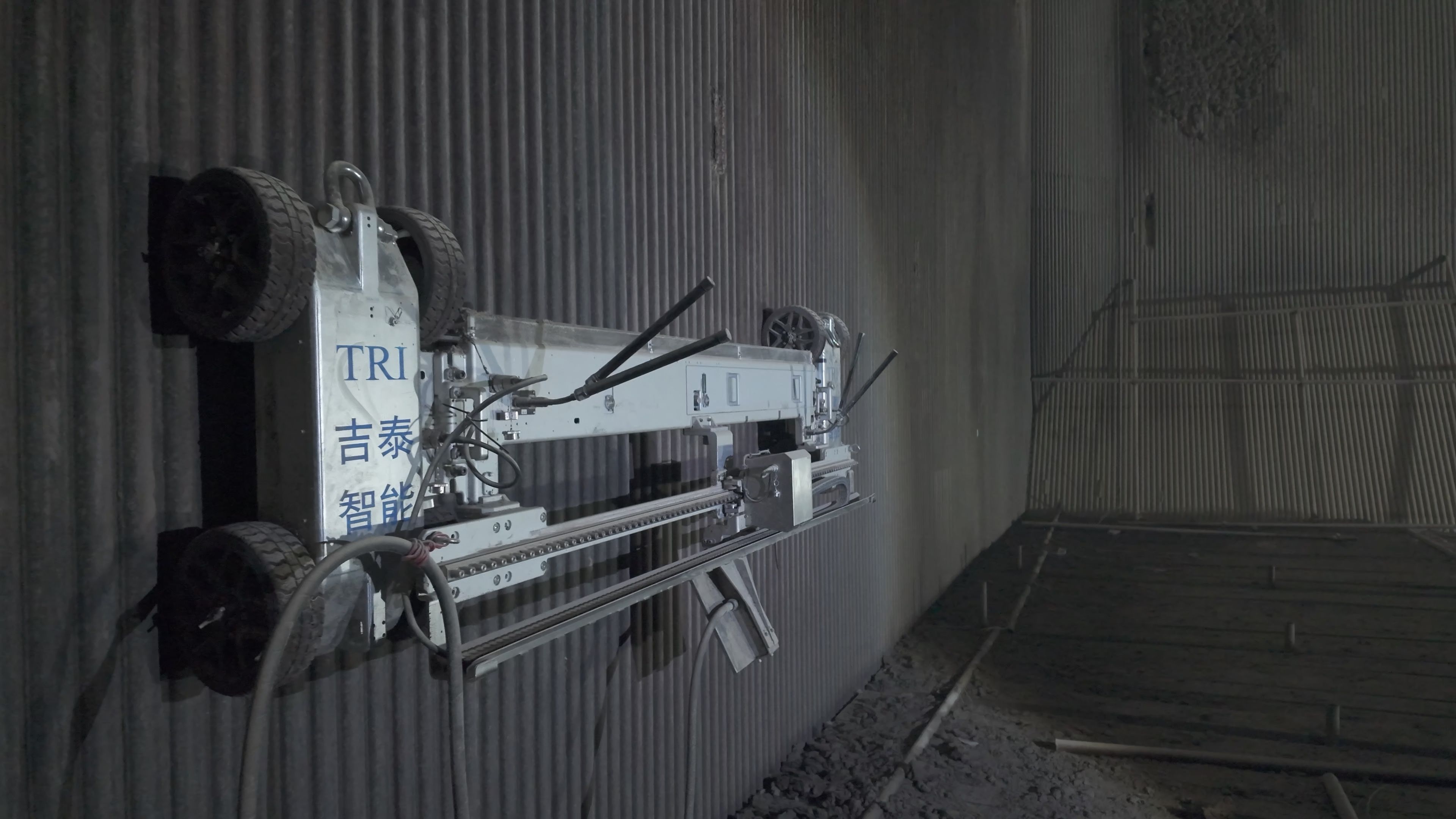
Jitai Intelligent Introduces Specialized Robots for High-Risk Energy Supply Chain Operations
At the World Robot Conference in Beijing, Jitai Intelligent showcased two specialized wall-climbing robots designed for high-risk energy operations. One robot is tailored for inspecting water-cooled walls in thermal power plants, while the other is for external inspections of wind turbine blades. These innovations address significant safety concerns and operational inefficiencies in energy supply chains. The importance of these robots lies in their ability to enhance safety and efficiency in hazardous environments. Traditional inspection methods in thermal power plants require scaffolding and expose workers to extreme risks, while wind turbine inspections often suffer from high error rates and limited operational windows. Jitai's robots utilize advanced technologies such as permanent magnetic adhesion and vacuum suction, significantly improving inspection accuracy and reducing the risk of accidents. Looking ahead, Jitai Intelligent aims to further develop its technology to meet the evolving needs of the energy sector. The company has established a comprehensive technology framework and is working on a national standard for boiler inspection robots, expected to be released by the end of 2026. As the demand for predictive maintenance grows, Jitai's focus on integrating robotics into existing safety management frameworks will be crucial for future deployments.
Wall-Climbing Robots Energy Sector Automation Safety Technology Predictive Maintenance
White House Hosts Drone Industry Event to Discuss Supply Chain Dominance
The White House convened drone manufacturers, component suppliers, and government officials for its inaugural Drone Dominance industry event, highlighting the administration's commitment to enhancing U.S. drone production. Nearly 100 representatives attended, with about 40 companies participating, including those that supply critical components like batteries and sensors. This initiative underscores the necessity of developing a comprehensive domestic drone ecosystem that encompasses not only aircraft assembly but also the supply of essential technologies and materials. A recent Executive Order mandates that contractors trace their supply chains from raw materials to end products, revealing the complexities involved in establishing a self-sufficient drone industry. Looking ahead, the administration has identified significant dependencies on foreign sources for various drone components, indicating a pressing need for domestic capacity expansion. The overlap between military and commercial drone production suggests that efforts to strengthen the supply chain will benefit both sectors, although no further timeline was disclosed at the time of publication.
Drone News Drone News Feeds Dual Use News Policy US Government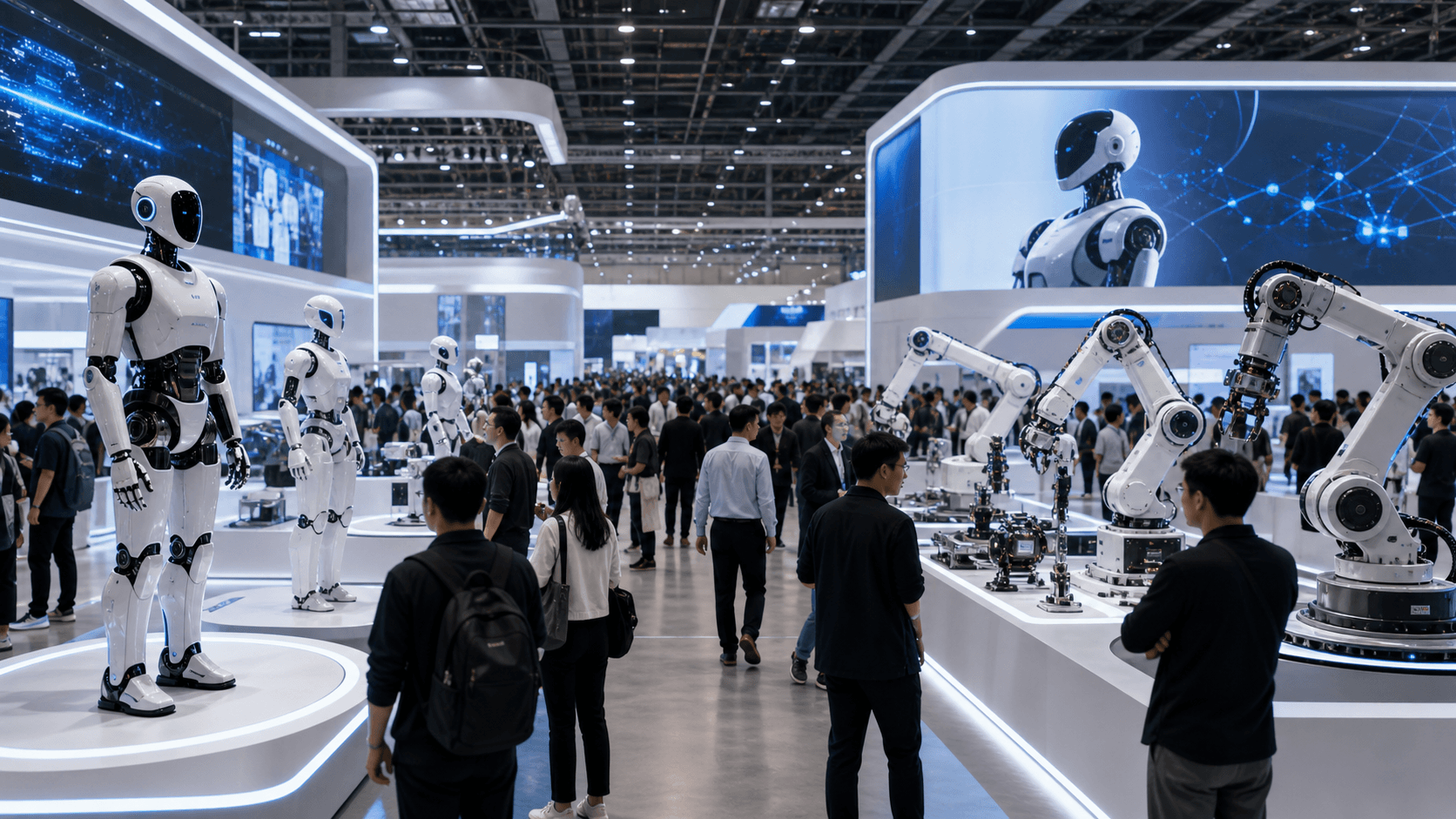
WRC 2026 Launches with 34 Guangdong Companies Showcasing Complete Robot Supply Chain
The 11th World Robot Conference commenced on August 19 at Beijing E-Town, featuring over 300 exhibitors and more than 150 new product releases. This year marked the introduction of a procurement day, highlighting the event's focus on business opportunities. Guangdong province was represented by 34 companies that showcased a comprehensive robot supply chain, including EVE Energy batteries, ORBBEC 3D vision systems, and full machines from UBTECH and LimX Dynamics. Additionally, 49 central state-owned enterprises participated for the first time, presenting 12 application scenarios. As the conference progresses, industry stakeholders will be keen to observe the impact of these new technologies and partnerships on the robotics landscape. No further timeline was disclosed at the time of publication.
SES.AI Highlights Challenges in Building America's Drone Supply Chain Ecosystem
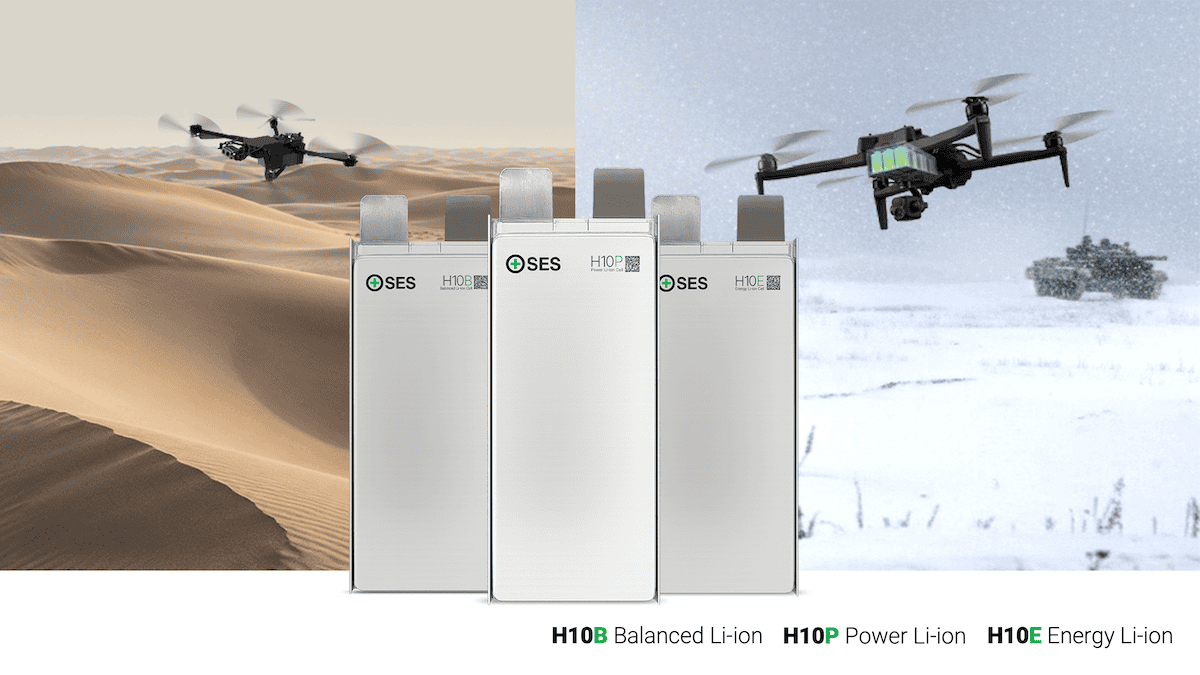
SES.AI, based in Massachusetts, is addressing the complexities of establishing a secure U.S. drone supply chain. The company focuses on developing advanced battery technologies crucial for drone performance, while also leveraging its 'Molecular Universe' database to explore new materials for battery innovation. The significance of this initiative lies in the U.S. drone policy's push for secure supply chains and reduced reliance on foreign components, particularly from China. As U.S. manufacturers shift towards domestic production, they face the challenge of not just assembling drones but also rebuilding the entire ecosystem of batteries, motors, and electronics that support them. Looking ahead, the urgency for alternatives in the U.S. drone industry is growing. SES.AI's operations in Chungju, South Korea, highlight the importance of a skilled workforce and supplier network, which are essential for scaling production. No further timeline was disclosed at the time of publication.
battery technology Blue UAS defense DL Exclusive Drone Manufacturing Drone News
Heatwaves Challenge Supply Chains: Adapting to Extreme Weather Conditions
This summer's heatwaves have significantly impacted supply chains across Europe, as noted by Tim Moylan, Chief Growth Officer at Infios. The soaring temperatures have disrupted travel and public infrastructure, revealing the strain extreme weather places on supply chains. Businesses must now prepare for unpredictable weather patterns, including the potential weakening of the Atlantic Meridional Overturning Circulation, which could lead to more volatile climate conditions. The immediate effects of these heatwaves are evident in retail, where products like bottled water and ice cream are flying off shelves, while delivery delays become commonplace. Warehouse managers are adjusting shifts and transport operators are rerouting deliveries to cope with the challenges posed by extreme heat. The ability to adapt quickly to these disruptions is becoming crucial for maintaining operational efficiency and meeting customer expectations. As heatwaves reshape consumer demand and create operational challenges, businesses must focus on translating accurate weather forecasts into timely decisions across various supply chain functions. The need for flexibility in warehouse operations and transport networks is paramount, as high temperatures can lead to decreased productivity and increased risks for equipment and personnel. No further timeline was disclosed at the time of publication.
Air Cargo Cold Chain Logistics Couriers and Express Electrification and Decarbonisation Magazine Features Ports & Maritime
Cybersecurity Risks in Supply Chains Demand Greater Attention from Logistics Companies
A recent survey reveals that only 55% of businesses actively monitor cyber and technology risks within their supply chains. This statistic raises concerns, especially following significant cyber attacks on companies like Marks & Spencer and the Co-op, which disrupted operations and highlighted vulnerabilities in interconnected digital systems. The implications of these cyber incidents are profound, as they not only affect operational efficiency but also pose reputational risks. Marks & Spencer's cyber attack in April 2025 led to the suspension of online orders and compromised some customer personal data, while the Co-op had to shut down parts of its IT infrastructure, demonstrating the rapid escalation of cyber issues into operational challenges. As logistics companies increasingly rely on digital integration, the need for robust cybersecurity measures becomes critical. Organizations must recognize that the security of their supply chain partners is equally important to their own resilience. No further timeline was disclosed at the time of publication.
IT in Logistics Transport and Distribution cyber attack IT logistics supply chain
U.S. Humanoid Robot Manufacturing Faces Challenges Due to China's Supply Chain Dominance
For the past four years, Hagerty has been the primary distributor for Utree Technology in North America, witnessing the dominance of Chinese companies in the robotics industry. He acknowledges that manufacturing a humanoid robot without Chinese components is unrealistic, as U.S. companies attempting to exclude China end up with more expensive products. The stark reality is highlighted by the fact that 63% of the global humanoid robot component supply chain is controlled by China. Utree Technology's flagship humanoid robot retails for under $14,000, while Agility Robotics' Digit is priced at $250,000, showcasing the significant cost disparity driven by supply chain efficiencies. As the U.S. humanoid robot sector remains in its infancy, analysts estimate that leading American companies produced only a few hundred units last year, compared to approximately 10,000 units from Utree Technology and ZhiYuan Robotics in China. Despite a recent U.S. FCC ban on importing foreign-made humanoid robots, U.S. companies continue to seek Chinese components, with demand from firms like Amazon and OpenAI exceeding import capabilities.
Humanoid Robots Supply Chain Robotics Manufacturing AI Technology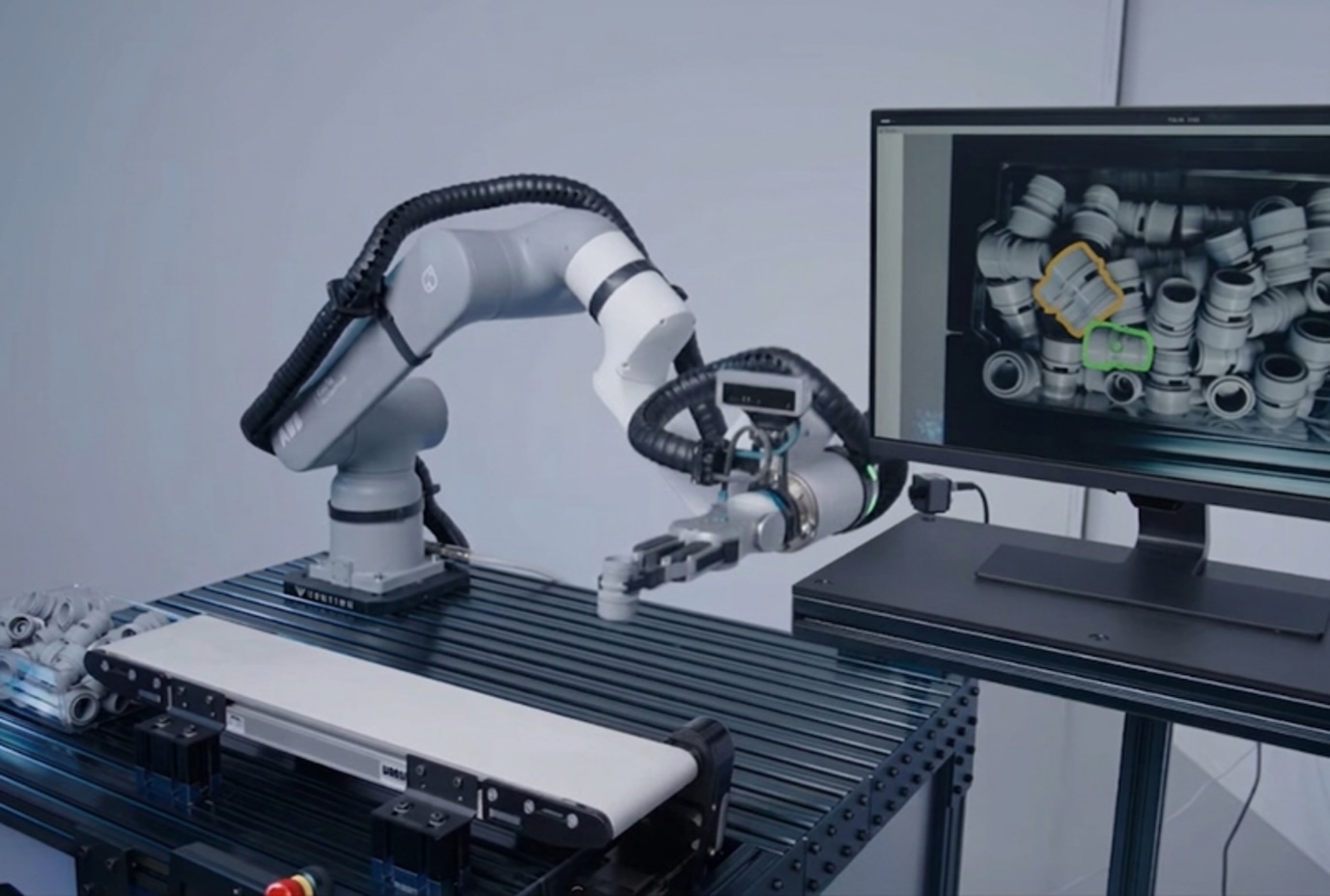
The Boring Company's Supply Chain Dynamics and Challenges in 2026
The Boring Company has developed its own tunnel boring machines, specifically the Prufrock line, and operates its tunnels using vehicles from other manufacturers. However, as of 2026, the primary constraint on expanding its 68-mile network is not the technology or machinery, but rather the permitting process. The company has successfully engineered a fast, reusable electric TBM, yet the bureaucratic hurdles have slowed progress. This unique supply chain structure contrasts sharply with traditional tunneling operations, where custom machines are typically the most significant procurement item. The Boring Company's approach allows for reusing machines across multiple projects, which streamlines operations and reduces costs. Despite ambitious targets, such as boring one mile per week, independent analysts caution that these figures have not been consistently demonstrated across various geological conditions. As of March 2026, the Prufrock-2 machine achieved a record of 2.28 miles in a single drive, but only 3.5 miles of the total 11 miles bored are operational due to delays in station readiness and regulatory approvals. The reliance on precast concrete segments for tunnel construction presents ongoing logistical challenges that could impact future progress.
Neuralink's Supply Chain Evolution: Transition to Samsung for N1 Implant Production
Neuralink has transitioned its N1 implant chip production to Samsung Foundry, marking a significant change in its supply chain strategy. This shift comes as Samsung Electronics begins developing the fourth-generation brain implant chip on a 4nm process, with pilot fabrication starting in May 2026 and initial test samples expected in early 2027. This change is crucial as it highlights Neuralink's challenges in scaling production, which are not solely dependent on manufacturing capabilities but also on operating-room hours and biological factors. The fourth-generation chip is designed to be bidirectional, enabling it to write signals back into the nervous system, a significant advancement for applications like vision restoration. Looking ahead, the successful validation of the N1 implant's biocompatibility and laboratory tests will be pivotal for mass production, potentially commencing in late 2027. Neuralink's ongoing expansion in Austin, Texas, reflects its commitment to enhancing internal manufacturing capabilities, particularly in cleanroom processes essential for the implant's production.

SpaceXAI Emerges from xAI Merger, Redefining Supply Chain Dynamics in 2026
In May 2026, xAI was absorbed into SpaceX and rebranded as SpaceXAI, consolidating its procurement under SpaceX. The supply chain's critical constraint is electricity, not GPUs, emphasizing that Colossus is primarily a power project with a chip budget. The merger, valued at $1.25 trillion, allows SpaceX to leverage orbital data centers and AI compute nodes in low Earth orbit to overcome terrestrial energy limitations. The merger's implications are significant, as xAI's financials are now integrated into SpaceX's reports, revealing $2.56 billion in AI revenue for Q2 2026, a 247% increase. This shift provides visibility into xAI's procurement, which is now part of SpaceX's overall financial disclosures. The supply chain's structure highlights competitive markets for initial layers, while the latter layers face local and political challenges, impacting Colossus's development. Looking ahead, the focus will be on the performance and expansion of Colossus, particularly with Colossus 2 at the Tulane Road site, which aims for gigawatt scale. The hardware partnerships with Dell Technologies and Super Micro Computer are crucial for the infrastructure's success. No further timeline was disclosed at the time of publication.

Starlink's Manufacturing Operations: Key Figures and Supply Chain Insights for 2026
Starlink operates two of the highest-volume manufacturing facilities in the space sector, producing approximately 70 satellites weekly in Redmond, Washington, and around 15,000 user terminals daily in Bastrop, Texas. These figures were disclosed in SpaceX's IPO filing, highlighting the scale of Starlink's operations. This information is significant as it positions Starlink not merely as a space venture but as a consumer electronics manufacturer with a unique supply chain. The Redmond facility is among the highest-volume spacecraft factories historically, with production figures vastly exceeding competitors like Amazon's satellite constellation. Looking ahead, Starlink plans to double its terminal production capacity in 2026, supported by a substantial state grant. The focus on in-house printed circuit board manufacturing has also allowed for cost reductions and increased resilience against tariffs, marking a pivotal shift in the supply chain dynamics for consumer electronics in the space industry.
SpaceX's Supply Chain Structure and Vendor Opportunities Ahead of 2026 IPO
SpaceX operates a hybrid supply chain, with approximately 85% of core components manufactured in-house and over 3,000 external suppliers fulfilling the remainder. The company's IPO in June 2026 marked a significant shift, making its supply chain more transparent and investable. This structure includes three distinct supply chains for rockets, satellites, and AI infrastructure, each with unique supplier profiles and operational cadences. The importance of these developments lies in the substantial capital expenditure (capex) run rate of $73.5 billion, which is the largest procurement pipeline in the private space industry. Notably, $15.8 billion of the capex is allocated to AI infrastructure, highlighting a shift towards data-center hardware over traditional aerospace components. This shift indicates that suppliers must adapt to the evolving landscape of SpaceX's supply chain to remain competitive. Looking ahead, potential vendors should focus on qualifying for Tier 1 or Tier 2 status, as SpaceX's procurement strategy emphasizes the importance of vendor replaceability. The company's innovative supply chain model presents both challenges and opportunities for suppliers, particularly in raw materials and semiconductor categories where substitution is complex. No further timeline was disclosed at the time of publication.
Tesla's Solar Panel Assembly in Buffalo: Supply Chain Insights for 2026
Tesla assembles its TSP-415 and TSP-420 solar panels at Gigafactory New York in Buffalo, but the source of the solar cells remains undisclosed. This gap in the supply chain has significant financial implications for buyers utilizing lease financing, as compliance with Foreign Entity of Concern (FEOC) regulations is uncertain. The assembly process in Buffalo represents only the final 10-15% of the solar panel value chain, with the majority of costs and geopolitical concerns stemming from the production of ingots, wafers, and cells. Tesla's proprietary TSP series features advanced technology, but the lack of transparency regarding cell sourcing raises questions about compliance with domestic-content bonuses for lease arrangements. Looking ahead, Tesla's history shows a consistent pattern of owning the brand and installation while not producing the solar cells. As Tesla aims to build 100 GW of solar manufacturing capacity by 2028, the focus will be on integrating the entire supply chain, from raw materials to finished panels. No further timeline was disclosed at the time of publication.

Tesla Energy Faces $240 Million Warranty Charge Amid Supply Chain Challenges in 2026
In Q2 2026, Tesla Energy experienced a significant $240 million warranty charge due to vendor cell issues, highlighting its dependency on external cell suppliers. Despite achieving 13.5 GWh in deployments, the energy gross margin plummeted from 39.5% to 20.4%, attributed to warranty costs, the absence of prior tariff benefits, and competitive pricing pressures. This situation underscores the financial risks associated with cell quality in Tesla Energy's supply chain, which is primarily an assembly business reliant on third-party cells. The company aims to stabilize energy margins in the mid-to-low 20% range long-term, moving away from the inflated margins seen in Q1 2026. Looking ahead, Tesla is set to begin production of Megapack 3 and Megablock at its Megafactory Texas, with a combined annual grid storage capacity of approximately 133 GWh. The introduction of Megablock, which integrates multiple units into a single system, signifies a strategic shift in Tesla's approach to energy storage solutions.
Tesla's Evolving Supply Chain Strategy for 2026: Insights on Vendors and Battery Sourcing
Tesla has transitioned from a single supply chain to four distinct ones, focusing on vehicles, energy storage, semiconductors, and a nascent humanoid robot chain. In its Q2 2026 update, Tesla identified battery pack capacity expansion as the primary bottleneck affecting vehicle production, emphasizing the importance of cell and pack sourcing. This shift highlights Tesla's strategy of managing suppliers through a 'ratchet' system, where components are gradually brought in-house. The company is prioritizing investments in cell throughput technologies, indicating where future procurement opportunities lie for vendors. Notably, Tesla's arrangement with Sunwoda focuses on cell procurement while retaining assembly capabilities, showcasing a trend towards commoditizing suppliers. Looking ahead, vendors must assess their positions within Tesla's supply chain hierarchy. The most stable supplier roles will be in areas where Tesla cannot easily replicate processes, particularly in equipment and materials chemistry. The ongoing reliance on China for rare-earth materials presents a significant vulnerability that vendors should monitor closely.

UK Businesses Vulnerable to Cyber Threats in Supply Chains, RSM UK Reports
Recent research by RSM UK reveals that only 55% of UK businesses actively monitor cyber risks in their supply chains. Alarmingly, just 39% feel very confident in their ability to withstand a cyber-attack, despite 22% having experienced such incidents in the past year. The findings highlight a significant gap in awareness and preparedness, particularly among operations staff compared to senior leaders. The implications of these findings are critical, especially in light of recent AI-related cyber breaches involving companies like Open AI. With only 37% of businesses considering the impact of a major cyber-attack on critical suppliers, the potential for widespread disruption is evident. RSM UK's Sheila Pancholi emphasizes the necessity for businesses to adopt a proactive approach to cyber resilience across their entire supply chain. Looking ahead, companies must prioritize building robust cyber resilience strategies to mitigate risks. RSM UK recommends documenting key third-party suppliers, identifying potential cyber threats, and ensuring comprehensive incident response plans are in place. No further timeline was disclosed at the time of publication.
Computing and Scanners IT in Logistics Cyber threat physhing research risk
Honeywell Aerospace Adjusts Earnings Forecast Due to Supply Chain Challenges
Honeywell Aerospace has revised its earnings forecast downward, attributing the change to ongoing supply chain issues. CEO James Currier indicated that the company had anticipated improvements in supply chain operations would enhance production rates more rapidly this year. This adjustment is significant as it highlights the persistent challenges faced by manufacturers in the aerospace sector, particularly in managing supply chain disruptions. The inability to resolve these issues as expected may impact Honeywell's overall performance and investor confidence. Looking ahead, stakeholders should monitor Honeywell's strategies for addressing these supply chain hurdles and any potential timelines for recovery. No further timeline was disclosed at the time of publication.

China Implements Stricter Export Controls on Drones, Impacting U.S. Supply Chains
China has introduced new export control measures affecting specific drones and related technologies bound for the United States, as announced by the Ministry of Commerce on August 5, 2026. These measures require stricter case-by-case reviews for exports already listed on China's dual-use export control list, which could complicate supply chains for U.S. manufacturers reliant on Chinese components. The significance of these controls lies in their potential impact on U.S. drone manufacturers, many of whom still depend on Chinese suppliers for essential components like motors, batteries, and sensors. While the announcement does not ban all drone exports, it imposes tighter licensing requirements that could lead to longer lead times and increased compliance burdens, particularly for smaller manufacturers with limited sourcing options. Looking ahead, the new licensing requirements may slow product introductions and extend delivery schedules, affecting manufacturing more than field operations. The evolving regulatory landscape on both sides of the supply chain underscores the growing importance of navigating export controls and national security policies in the global drone market. No further timeline was disclosed at the time of publication.
Drone Manufacturing Drone News Drone News Feeds Drones in the News Dual Use Feature 1
TIANZHIHANG Aims to Acquire MicroPort Orthopedics to Reshape Global Supply Chain
TIANZHIHANG is set to acquire MicroPort Orthopedics, a move that consolidates years of overseas regulatory and clinical trust-building into one transaction. This acquisition signifies a strategic shift as Chinese robotics companies expand their reach beyond mere product exports. The importance of this acquisition lies in its potential to streamline the entry of TIANZHIHANG into international markets, particularly in the orthopedic sector. By integrating MicroPort Orthopedics, TIANZHIHANG aims to enhance its distribution network and regulatory compliance, which are critical for success in overseas markets. Looking ahead, industry observers will be keen to see how this acquisition unfolds and its impact on the global supply chain dynamics. No further timeline was disclosed at the time of publication.
Industry
Chinese Robotics Leader Tianzhihang Aims to Enter Global Orthopedic Supply Chain
On July 16, Tianzhihang, a leading Chinese orthopedic surgical robot company, announced a suspension of trading as it plans to acquire a controlling stake in Shanghai MicroPort Orthopedics through a share issuance. This transaction is expected to constitute a significant asset restructuring. This move marks a pivotal shift for a Chinese robotics firm attempting to penetrate the global orthopedic industry, which has been dominated by international giants for decades. The acquisition signifies a strategic transition from merely producing robots to integrating into the global supply chain, focusing on the entire ecosystem of implants, consumables, and services. As the domestic orthopedic robot market grows, competition intensifies, leading to price pressures. By 2025, 40 domestic companies are expected to have their orthopedic surgical robots approved for market entry. However, with increasing competition, the focus is shifting from merely selling equipment to establishing a comprehensive business model that includes ongoing revenue from consumables and services.
Orthopedic Robotics Medical Devices Global Supply Chain Healthcare Technology
Unitree R1 Humanoid Price Drops Below 30K Yuan, Forecasts Rise Amid Supply Chain Changes
Unitree has reduced the price of its R1 humanoid robot to below 30,000 yuan, prompting significant shifts in the robotics supply chain. Morgan Stanley has updated its forecast for 2026, predicting sales of 50,000 units, reflecting increased market demand and competition. This price reduction is crucial as it pressures suppliers like Harmonic Drive to adapt to a more competitive landscape. The entry of companies like Leaderdrive and Shuanghuan Drivetrain into overlapping markets indicates a diversification strategy among competitors, which could reshape their operational focus and product offerings. Looking ahead, the industry will likely see continued evolution as companies adjust to the new pricing dynamics and consumer expectations. No further timeline was disclosed at the time of publication.
Industry
Samsung and SK Group Strengthen Korea's Role in Global AI Supply Chain
Samsung Electronics and SK Group have announced significant AI infrastructure partnerships with major US tech firms, aiming to solidify South Korea's position in the global AI supply chain. This initiative, revealed during the San Francisco AI Summit, is part of a broader strategy under President Lee Jae Myung's 'San Francisco AI Declaration', involving nearly $950 billion in investments across various sectors including semiconductors and robotics. The partnerships include the establishment of AI data centers supported by approximately 5 gigawatts of power capacity and computing infrastructure equivalent to 2 million GPUs. Key figures at the summit included leaders from Samsung, SK Group, Hyundai Motor Group, and top executives from Nvidia and Broadcom, highlighting the collaborative effort to enhance AI capabilities and infrastructure. Looking ahead, Samsung has signed a strategic agreement with Broadcom to expand cooperation in semiconductor manufacturing, targeting over $200 billion in collaboration by 2030. Meanwhile, SK Group plans to invest more than $500 billion in AI infrastructure with Nvidia, focusing on developing Korea's next-generation AI computing ecosystem. No further timeline was disclosed at the time of publication.
All News
USA Drone Motors Launches to Address Domestic Drone Supply Chain Needs
USA Drone Motors has officially launched to manufacture large electric motors, actuators, and electronic speed controllers for agricultural and heavy-lift drones in southern California. Founder Jon Facer identified a significant market opportunity as U.S. drone manufacturers seek to lessen their reliance on Chinese suppliers due to recent FCC restrictions on foreign-made drones and components. This development is crucial as it comes at a time when U.S. drone manufacturers are scrambling to reshore production amid the inability of companies like DJI to introduce new models in the U.S. market. Facer's insights from an agricultural drone conference highlighted the industry's urgent need for domestic solutions, particularly for components that are currently dominated by a few Chinese suppliers. Looking ahead, USA Drone Motors aims to enhance U.S. assembly and engineering capabilities while gradually localizing its supply chain. Although initial production will not fully utilize U.S. materials due to sourcing challenges for key components, the company is focused on developing initial designs and gathering feedback from drone manufacturers and users to refine its offerings. No further timeline was disclosed at the time of publication.
Agtech Precision agriculture Startups & funding US & Canada drones
Army Hosts Hackathon to Address Abrams Engine Supply Chain Challenges
The Army recently organized a hackathon aimed at identifying new vendors to assist with the supply of 166 essential components for the Abrams tank engine. This initiative is a response to ongoing readiness issues that have been impacting the tank's operational capabilities. Addressing the supply chain challenges is crucial for maintaining the Army's readiness and ensuring that the Abrams tanks can perform effectively in various operational scenarios. The identification of new vendors could potentially streamline the procurement process and enhance the overall supply chain resilience. Looking ahead, it will be important to monitor the outcomes of this hackathon and the subsequent partnerships formed with new vendors. No further timeline was disclosed at the time of publication.
Land Warfare advanced manufacturing Army Army Material Command Honeywell Aerospace M1 Abrams
Real-Time Supply Chains Transform Industrial Real Estate and Inventory Management
Recent advancements in predictive analytics, robotics, and data-driven logistics are reshaping industrial real estate by reducing reliance on large inventories. Traditionally, warehouses were designed to manage uncertainty through storage, but the shift towards real-time coordination is changing this paradigm. As supply chains become more connected and visibility improves, the need for extensive inventory diminishes, leading to a redesign of facilities focused on efficient operations. This transformation is significant as it alters the fundamental structure of industrial real estate, moving away from storage-heavy models to those optimized for continuous movement. Just as the introduction of standardized shipping containers revolutionized logistics, the new design principles for automation and throughput will set long-lasting standards for future infrastructure. The choice of facilities that prioritize flow over storage will influence the development of buildings, vehicles, and logistics networks for years to come. Looking ahead, the role of intermediate facilities is evolving from inventory storage to dynamic transfer points, facilitating the movement of goods between transportation modes. As data accessibility increases and transportation systems become more coordinated, the industry must adapt to these changes. No further timeline was disclosed at the time of publication.
Features Logistics Supply chain automation autonomous logistics digital twins
The Evolution of Intelligent and Adaptive Automation in Supply Chains
Supply chain automation is set to become increasingly intelligent, connected, and adaptive. AI-driven software is transitioning from merely reactive monitoring to more advanced predictive and prescriptive capabilities. This evolution will enable operations to rebalance workloads and optimize performance automatically. The significance of this shift lies in its potential to enhance operational efficiency and responsiveness within supply chains. By leveraging AI technologies, organizations can better anticipate disruptions and adjust their processes proactively, leading to improved productivity and reduced costs. Looking ahead, stakeholders should monitor the ongoing advancements in AI-driven automation technologies. The focus will likely be on how these innovations can further transform supply chain dynamics, making them more resilient and capable of adapting to changing market demands. No further timeline was disclosed at the time of publication.

LG Electronics Expands Humanoid Robot Actuator Supply Chain Ahead of 2027 Goals
LG Electronics is enhancing its robot-actuator division by hiring for six mid-career positions, aiming to supply motorized joints for humanoid robots by 2027. Actuators, which can account for up to 60% of a humanoid's cost, are critical components in the robotics industry. This strategic move is significant as LG seeks to establish itself as a key player in the actuator supply market, which is expected to generate substantial revenue in the near term. The roles span R&D, quality management, and global sales, indicating a comprehensive approach to bringing these components to market. Looking ahead, LG plans to leverage its manufacturing capabilities, producing approximately 45 million motors annually. The company aims to first utilize its actuators in its home robot CLOiD before expanding to global partners by 2027 and entering industrial applications by 2030. No further timeline was disclosed at the time of publication.
All News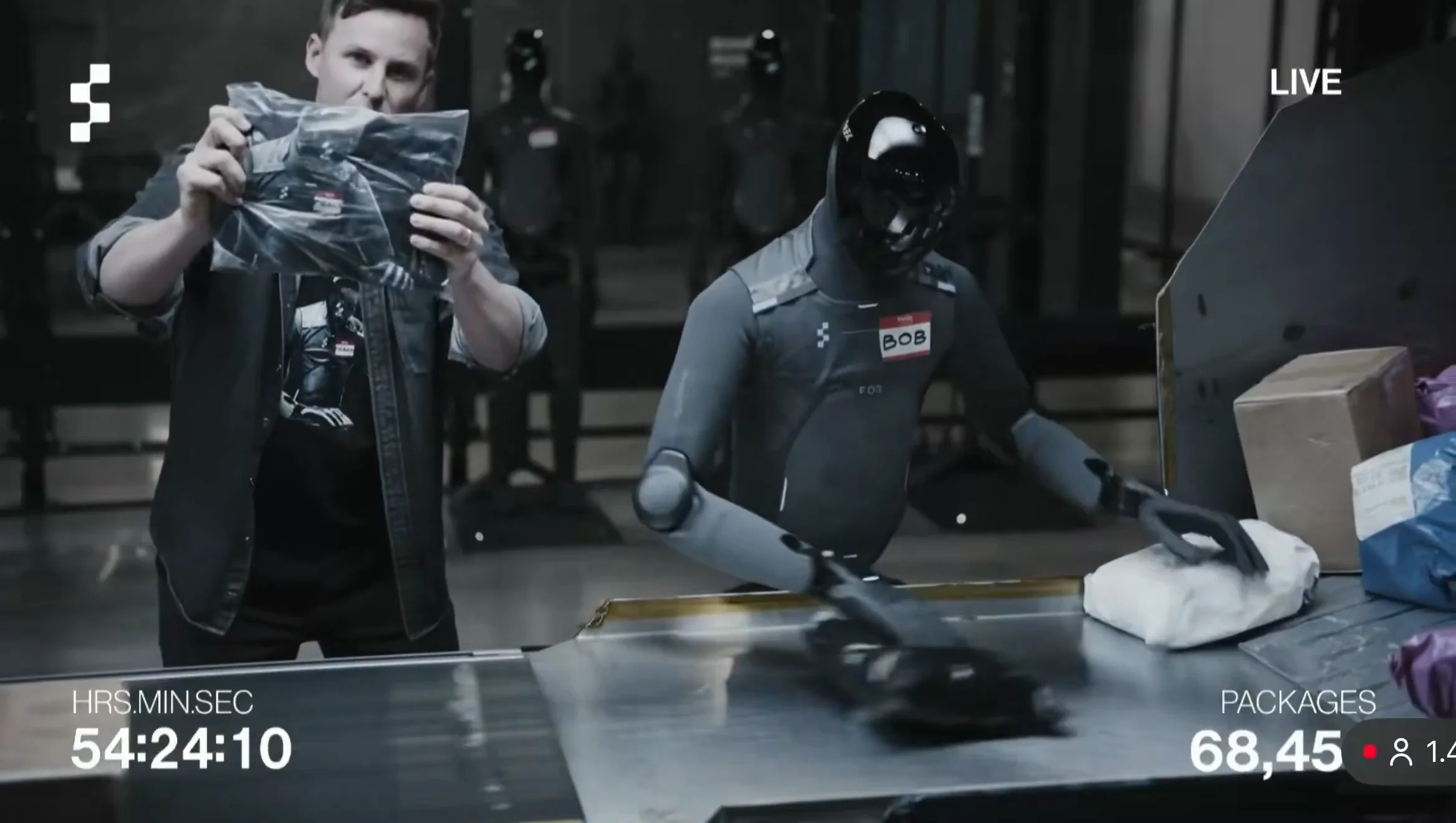
Figure AI Surpasses 64-Hour Autonomous Operation with Humanoids and Supply Chain Independence
Figure AI has achieved over 64 hours of continuous autonomous operation with its humanoid robots, surpassing its initial 8-hour goal. This endurance marathon has seen the Figure 03 humanoids sort over 80,000 packages at a remarkable pace of 2.9 seconds per item, showcasing the effectiveness of its Helix-02 neural network. The significance of this achievement lies in Figure AI's commitment to supply chain independence, as it aims to eliminate reliance on foreign components. With over $1 billion in cash reserves, the company is on track to manufacture 60 to 70 humanoid robots weekly while diversifying its production away from China. Looking ahead, Figure AI plans to achieve zero supply chain exposure to China by next quarter, having successfully relocated the production of critical components. This strategic move positions the company to scale its operations while maintaining robust logistical capabilities, ensuring minimal downtime during its autonomous sorting processes.
Helix 02 Brett Adcock US Figure Figure-03 BotQ
Locus Robotics Receives 2026 AI Excellence Award for Supply Chain Innovations
Locus Robotics has been awarded the 2026 Artificial Intelligence Excellence Award in Supply Chain & Logistics, recognizing its innovative use of AI in warehouse automation. The award, presented by the Business Intelligence Group, highlights organizations that deliver measurable results through AI applications. This recognition is significant as it underscores Locus Robotics' commitment to practical AI solutions that enhance operational efficiency in complex warehouse environments. The company's LocusONE™ platform and Locus Array technology enable real-time coordination of robots and human labor, improving fulfillment speed and accuracy while adapting to changing operational demands. Looking ahead, Locus Robotics aims to continue its leadership in AI-driven warehouse automation. The company emphasizes the importance of innovation paired with responsibility, ensuring that its solutions not only meet current challenges but also prepare organizations for future uncertainties. No further timeline was disclosed at the time of publication.

DHL Supply Chain Achieves 1 Billion Picks with Locus Robotics' AMRs
Locus Robotics Corp. announced that DHL Supply Chain has successfully completed 1 billion picks using its autonomous mobile robots (AMRs). This achievement highlights the sustained performance of warehouse operations, as emphasized by Mary Hart, senior content marketing manager at Locus. She noted that modern consumers expect reliability, which requires efficient warehouse orchestration to meet their demands. The significance of this milestone lies in the measurable improvements DHL has experienced since partnering with Locus Robotics in 2017. The deployment of thousands of AMRs across over 40 sites has resulted in substantial increases in units picked per hour, ranging from 30% to 180%, and an 80% reduction in training time. Brian Gaunt, vice president of digitalization at DHL Supply Chain, stressed the importance of software and data readiness in optimizing robotic deployments. Looking ahead, DHL Supply Chain plans to deploy an additional 5,000 AMRs in 2023, building on the success of its existing fleet. The billionth pick, a pink beanie, signifies not just a numerical achievement but also the potential for consistent fulfillment operations at scale. No further timeline was disclosed at the time of publication.
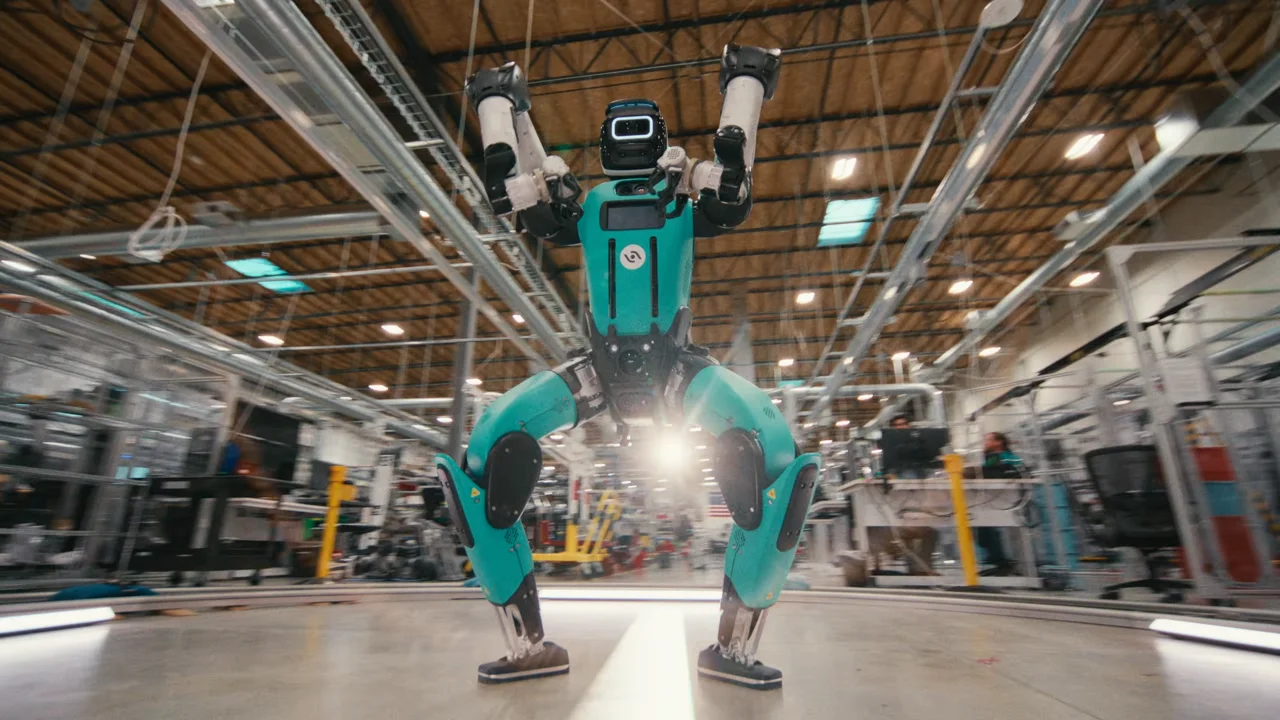
Agility Robotics Reveals Digit 5 Architecture and AI Stack for Enhanced Safety in Factories
Agility Robotics executives, including CEO Peggy Johnson and co-founder Jonathan Hurst, detailed the operational and algorithmic advancements of Digit 5. This humanoid robot aims to eliminate traditional safety barriers in factories, allowing for safer interactions with human workers. Digit 5's design includes 360-degree vision and a controlled descent mechanism to ensure safety when humans enter its operational space. The significance of Digit 5 lies in its potential to transform factory workflows by removing the need for physical barriers that isolate robots from human coworkers. Johnson highlighted that the robot autonomously lowers itself when a human approaches, ensuring a seamless operational flow. This capability is supported by low-latency edge inference technology, which allows for immediate responses to human movements. Looking ahead, Agility's focus on cooperative safety marks a shift in how humanoid robots are integrated into industrial environments. The company is also working on establishing safety standards for mobile robots, as outlined by Kevin Ree, emphasizing the importance of scalable operational safety. No further timeline was disclosed at the time of publication.
US Digit Agility Robotics
SWIFT Initiates Blockchain Ledger Trials with Citi and MUFG for 24-Hour Payments
SWIFT has commenced trials of a blockchain digital ledger designed for continuous cross-border transfers between banks. This initiative aims to enhance transaction speed and reduce fees, potentially facilitating the broader adoption of tokenization in the financial sector. The significance of this development lies in SWIFT's goal to enable real-time transfers, even during bank branch closures. By leveraging blockchain technology, the financial messaging network seeks to address the growing demand for faster and more cost-effective payment solutions in an increasingly digital economy. Looking ahead, the success of these trials could pave the way for more widespread implementation of blockchain in cross-border payments. No further timeline was disclosed at the time of publication.

Citigroup Launches Instant Cross-Border Payments for Japanese Firms Using Blockchain Technology
Citigroup is set to provide instant overseas remittance services for Japanese companies utilizing blockchain-based tokenized deposits. This service, expected to launch within the year, will facilitate immediate foreign-currency transfers, even during nights and holidays, marking a significant advancement in financial services for Japan's corporate sector. This initiative is noteworthy as it represents the first time a foreign financial institution will offer such services specifically tailored for Japanese clients. With Citigroup managing approximately $6 trillion in daily transactions and tokenized deposits reaching around $1 billion, this move could enhance the efficiency of cross-border payments for Japanese businesses. Looking ahead, industry observers will be keen to see how this service impacts the competitive landscape of financial services in Japan. No further timeline was disclosed at the time of publication.

WRC 2026 Highlights: Robot Industry Shifts Towards Full Chain Coordination
The 2026 World Robot Conference is currently underway in Beijing, showcasing over 300 companies and more than 3,000 exhibits, marking a record scale for the event. Attendees have experienced a variety of innovations, from humanoid robots to advanced sensors, highlighting a shift from isolated breakthroughs to integrated commercial connections within the industry. This transition is significant as it indicates a move from point-based advancements to networked collaboration, essential for the robotics sector to evolve from laboratory settings to real-world applications. The development of embodied intelligence is crucial for enhancing robots' operational capabilities, with a focus on adapting algorithms to complex environments, bridging the gap between theoretical performance and industrial requirements. Looking ahead, companies like Qingyan Precision are pioneering practical applications by replicating real production environments for data collection, while Mok Robotics, a new entrant, aims to develop a universal intelligent base for robots. No further timeline was disclosed at the time of publication.
Robotics Industry Integration AI Automation Exhibitions
igus Introduces Twisterchain Energy Chain for 600-Degree Rotation in Industrial Robots
igus GmbH has launched a new self-supporting twisterchain energy chain designed for industrial applications, particularly in palletizing. This innovative product enables reliable cable management through rotation angles exceeding 600° on compact industrial robots, addressing challenges related to energy supply and cable collisions during operation. The introduction of the twisterchain is significant as it resolves two critical issues faced by robotics in industrial settings. Compact robots, which perform tasks like screwing and assembly, have struggled with energy supply along their fast-rotating first axis. Additionally, palletizing robots often encounter problems with uncontrolled hoses colliding with tools. The new energy chain allows power and data cables to follow full rotations safely, even under dynamic motion profiles. Looking ahead, igus's twisterchain could enhance the efficiency and reliability of industrial robots, particularly in applications requiring high mobility and precision. No further timeline was disclosed at the time of publication.
Assembly Batteries / Power Supplies Industrial Robots Manufacturing Materials News
How Blockchain and APIs Are Transforming Digital Infrastructure for Businesses
Blockchain technology is increasingly being integrated into the digital economy, moving from theoretical applications to practical solutions. Companies are now focused on how distributed infrastructure can effectively address operational challenges, particularly in scenarios requiring trusted data sharing and transaction verification among multiple parties. The financial sector led the initial adoption, but now manufacturers, logistics firms, and government agencies are leveraging blockchain for enhanced transparency and efficiency. The maturation of blockchain technology is evident through improved interoperability, stronger cryptographic security, and integration with AI and IoT, expanding its use cases. While not every blockchain initiative will succeed commercially, the technology is proving its value beyond pilot projects. The main challenges often stem from the surrounding infrastructure, which requires significant engineering resources to manage nodes, data indexing, and transaction monitoring across networks. APIs play a crucial role in easing these challenges by allowing teams to integrate blockchain capabilities without building from the ground up. This shift enables businesses to explore new revenue streams through asset tokenization and automated settlements. As blockchain adoption becomes more streamlined, attention will increasingly focus on the tangible business outcomes and innovative applications emerging from this technology.
Computing Infrastructure Technology apis application programming interfaces artificial intelligence
FCC Proposes Ban on Sales of Certain Military-Grade Foreign Drones to Reshape U.S. Market
The Federal Communications Commission (FCC) is advancing its initiative to reform the U.S. drone market by seeking public input on a proposed ban on the import, marketing, or sale of specific categories of foreign-produced military-grade drones listed on its Covered List. This move follows a previous decision to restrict certain foreign uncrewed aircraft systems due to national security concerns. This proposal is significant as it reflects the FCC's evolving strategy, which now includes establishing regulatory pathways for domestic manufacturers that comply with U.S. security standards. The FCC aims to provide greater certainty for companies investing in U.S.-based production while addressing potential national security risks associated with foreign drones. Comments on the proposed restrictions are due 30 days after the notice is published in the Federal Register. The FCC is also extending exemptions for trusted manufacturers until January 1, 2028, and has permanently removed expiration dates for certain approved drones and components, ensuring stability in the supply chain for compliant products.
Applications defense Defense Drone News Drone News Feeds Drone Swarms
Reviewing Intelligent Operation and Maintenance Robots for Urban Water Supply Networks
The Journal of Field Robotics published a review focusing on intelligent operation and maintenance robots designed for urban water supply networks. This review highlights the current advancements in robotic technologies that enhance the efficiency and reliability of water supply systems. The significance of this review lies in its potential to improve urban infrastructure management. By integrating intelligent robotic solutions, cities can address challenges such as aging infrastructure, maintenance costs, and service interruptions, ultimately leading to more sustainable water supply systems. Looking ahead, stakeholders should monitor the ongoing development of these robotic technologies and their implementation in urban settings. No further timeline was disclosed at the time of publication.
SURVEY ARTICLE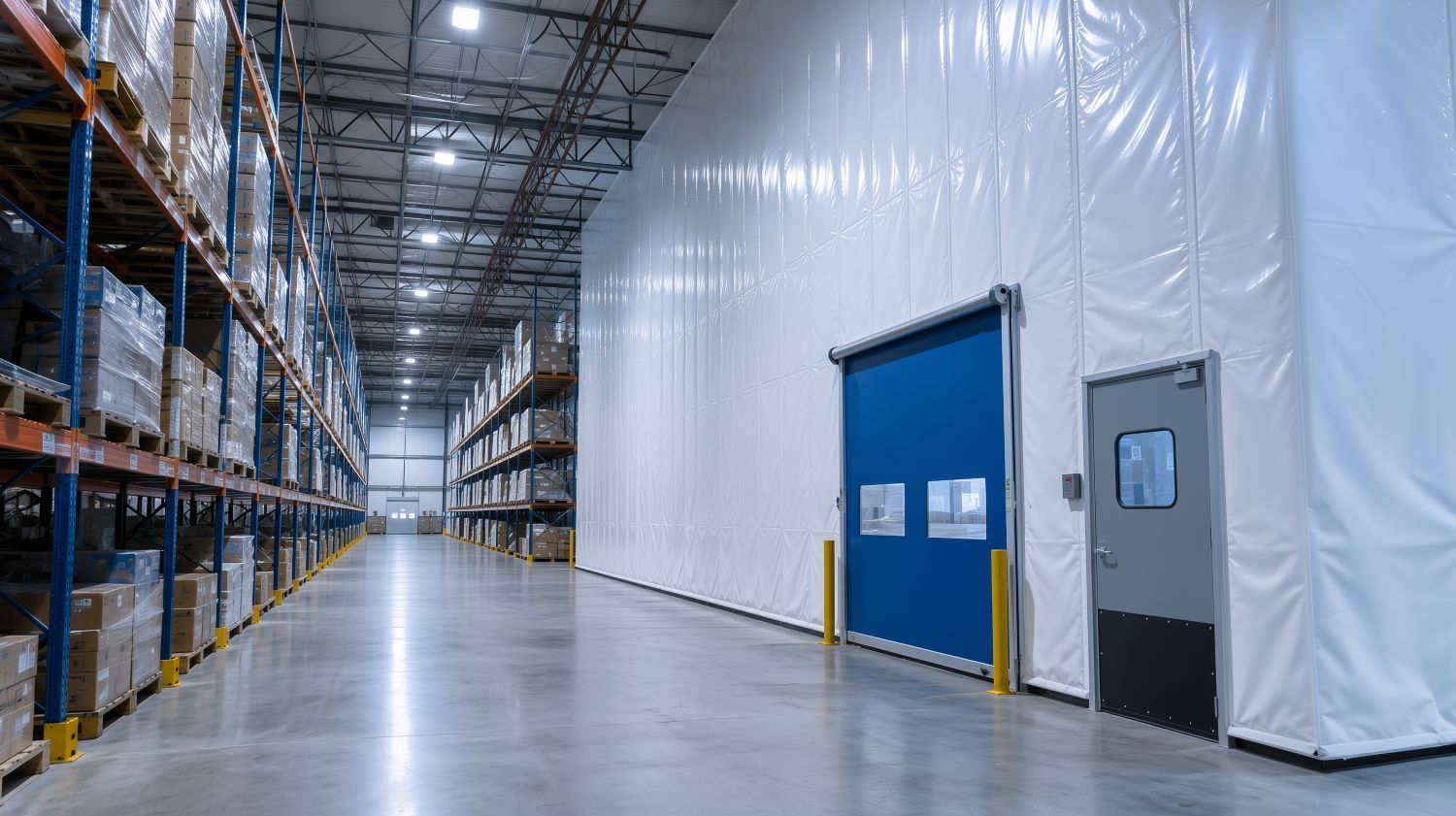
Zone Separation Innovations Could Enhance Cold Chain Efficiency in the UK
The UK, holding the largest cold storage market in Europe, faces significant challenges as cold-chain energy costs surged by 46% in 2023. The Cold Chain Federation highlights that the temperature-controlled sector contributes £14 billion to the economy, making energy management a critical operational factor for logistics operators. A major energy drain in distribution centers arises from the movement of goods between temperature zones, with air infiltration accounting for over half of the refrigeration load in high-traffic facilities. Implementing physical zone separation, such as temperature-separating curtain walls and PVC strip curtains, can significantly reduce energy loss by minimizing uncontrolled air exchange. As the cold chain sector moves towards energy efficiency, particularly in light of the UK's 2050 Net Zero target, the adaptability of curtain systems offers a practical solution. These systems allow for flexible reconfiguration of temperature zones without extensive construction, aligning with the industry's evolving needs while promoting energy savings without major facility overhauls. No further timeline was disclosed at the time of publication.
Cold Chain Logistics Storage & Racking Transport and Distribution Warehouse Property Warehousing cold chainRobotics needs a service framework.
RSF defines a common language for robot service capability, lifecycle operations, certification pathways, and service-provider networks.
Join the RobotToday community on LinkedIn
Daily robotics news, in-depth analysis, conference highlights, and discussions with professionals worldwide.