

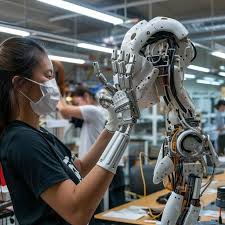
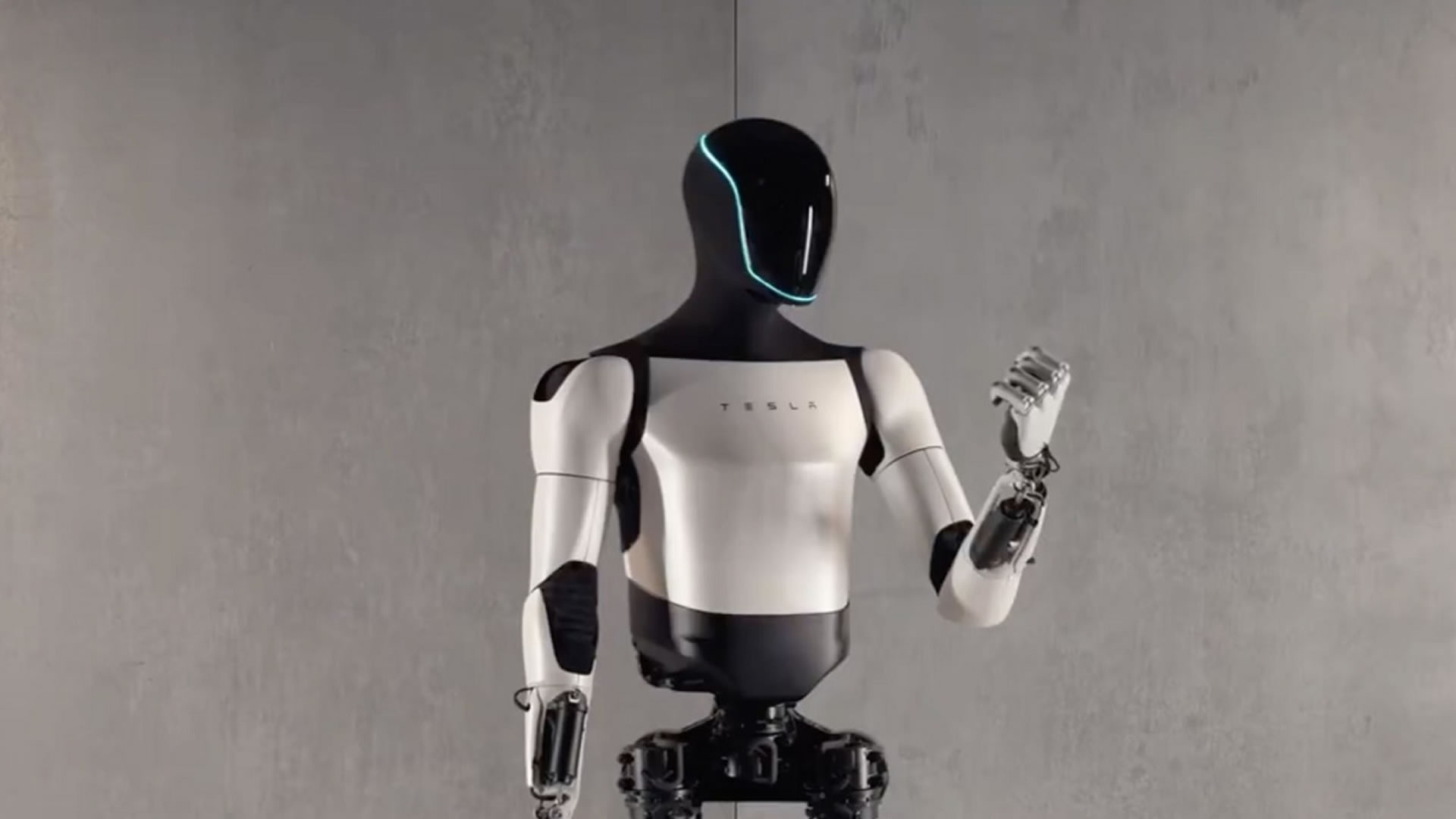
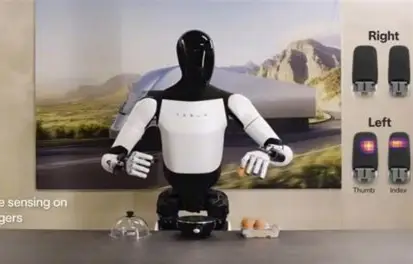
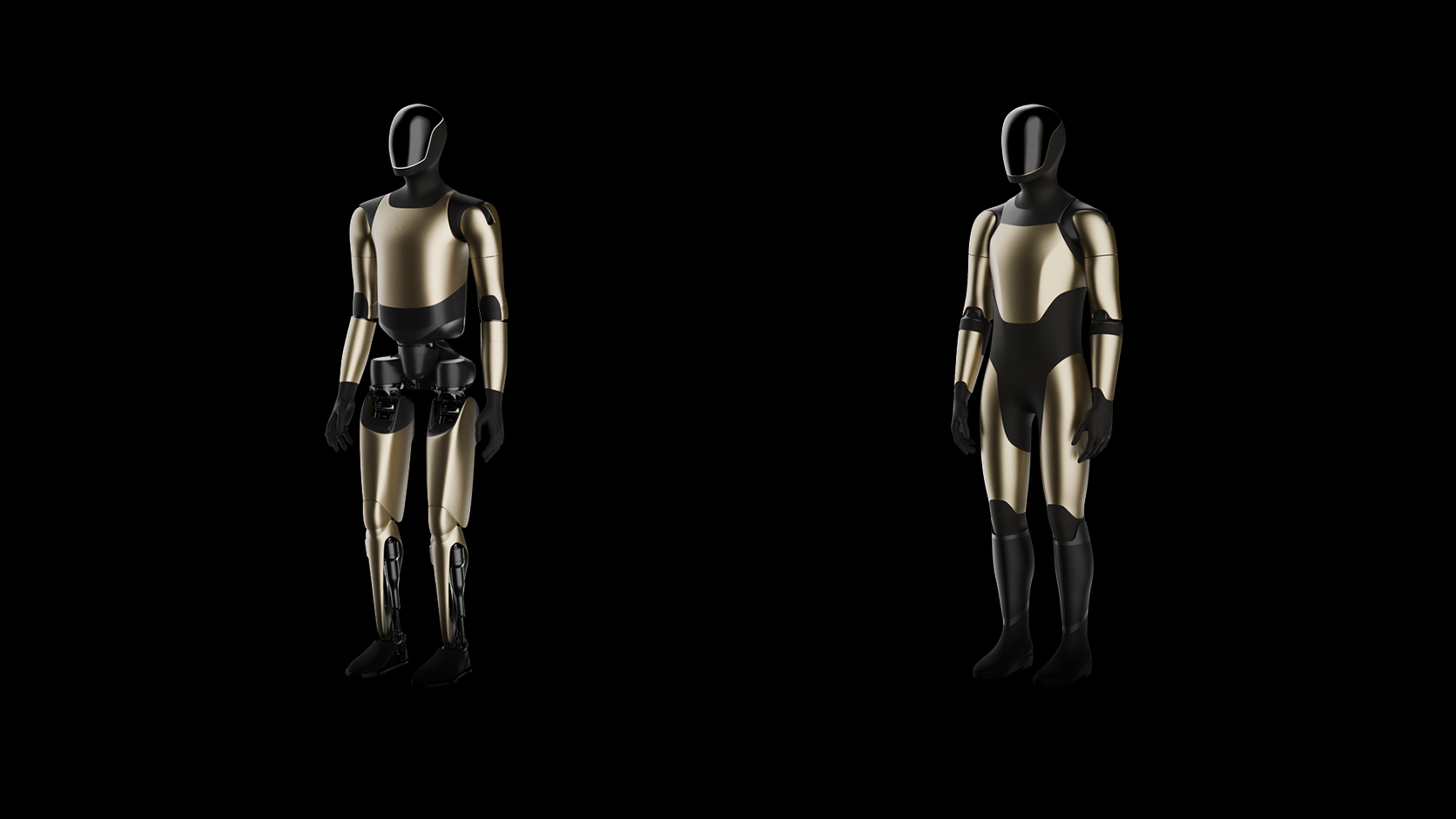
Tesla has transitioned from a single supply chain to four distinct ones, focusing on vehicles, energy storage, semiconductors, and a nascent humanoid robot chain. In its Q2 2026 update, Tesla identified battery pack capacity expansion as the primary bottleneck affecting vehicle production, emphasizing the importance of cell and pack sourcing.
This shift highlights Tesla's strategy of managing suppliers through a 'ratchet' system, where components are gradually brought in-house. The company is prioritizing investments in cell throughput technologies, indicating where future procurement opportunities lie for vendors. Notably, Tesla's arrangement with Sunwoda focuses on cell procurement while retaining assembly capabilities, showcasing a trend towards commoditizing suppliers.
Looking ahead, vendors must assess their positions within Tesla's supply chain hierarchy. The most stable supplier roles will be in areas where Tesla cannot easily replicate processes, particularly in equipment and materials chemistry. The ongoing reliance on China for rare-earth materials presents a significant vulnerability that vendors should monitor closely.
Editor's Note
Tesla's evolving supply chain strategy reflects a broader trend in the automotive and energy sectors towards vertical integration and strategic sourcing. As companies seek to mitigate risks associated with global supply chains, understanding the dynamics of vendor relationships and procurement signals becomes crucial for stakeholders in the industry.




















Leave a comment