


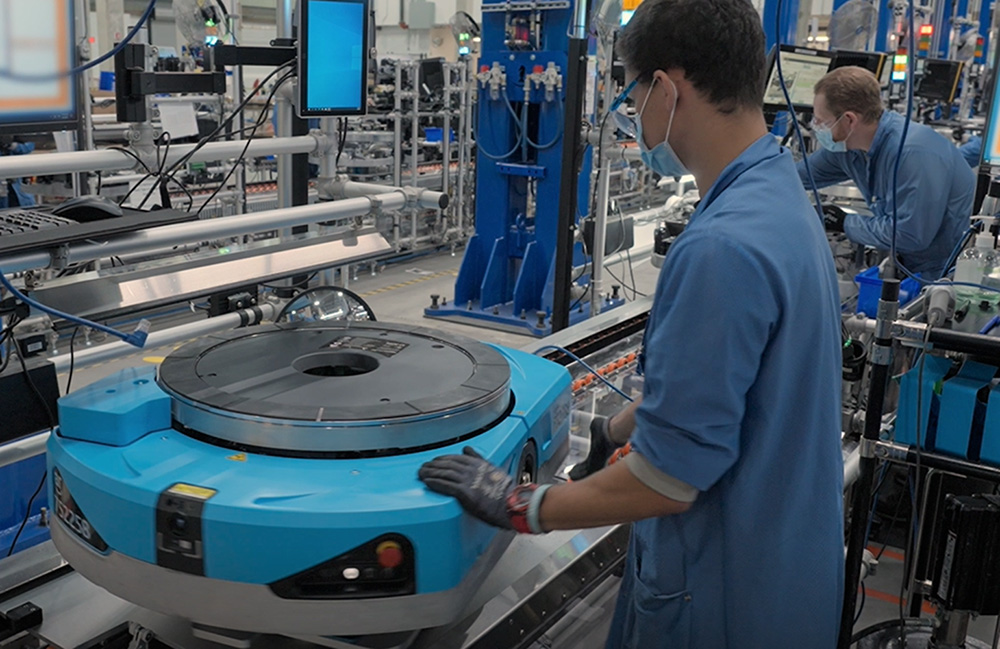
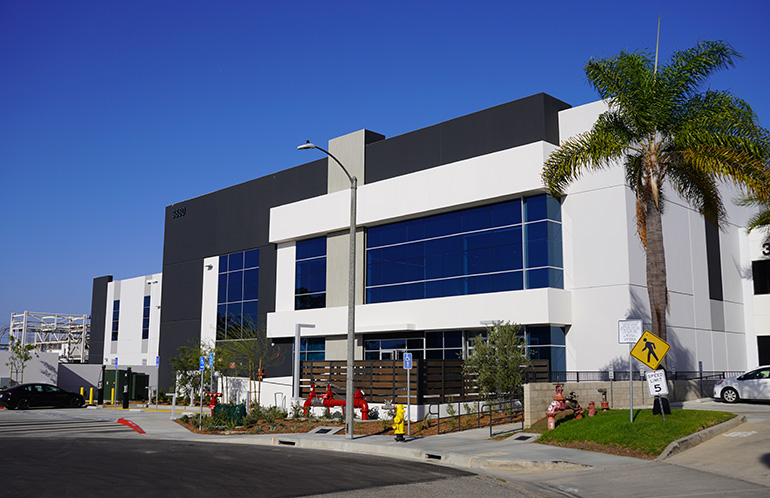
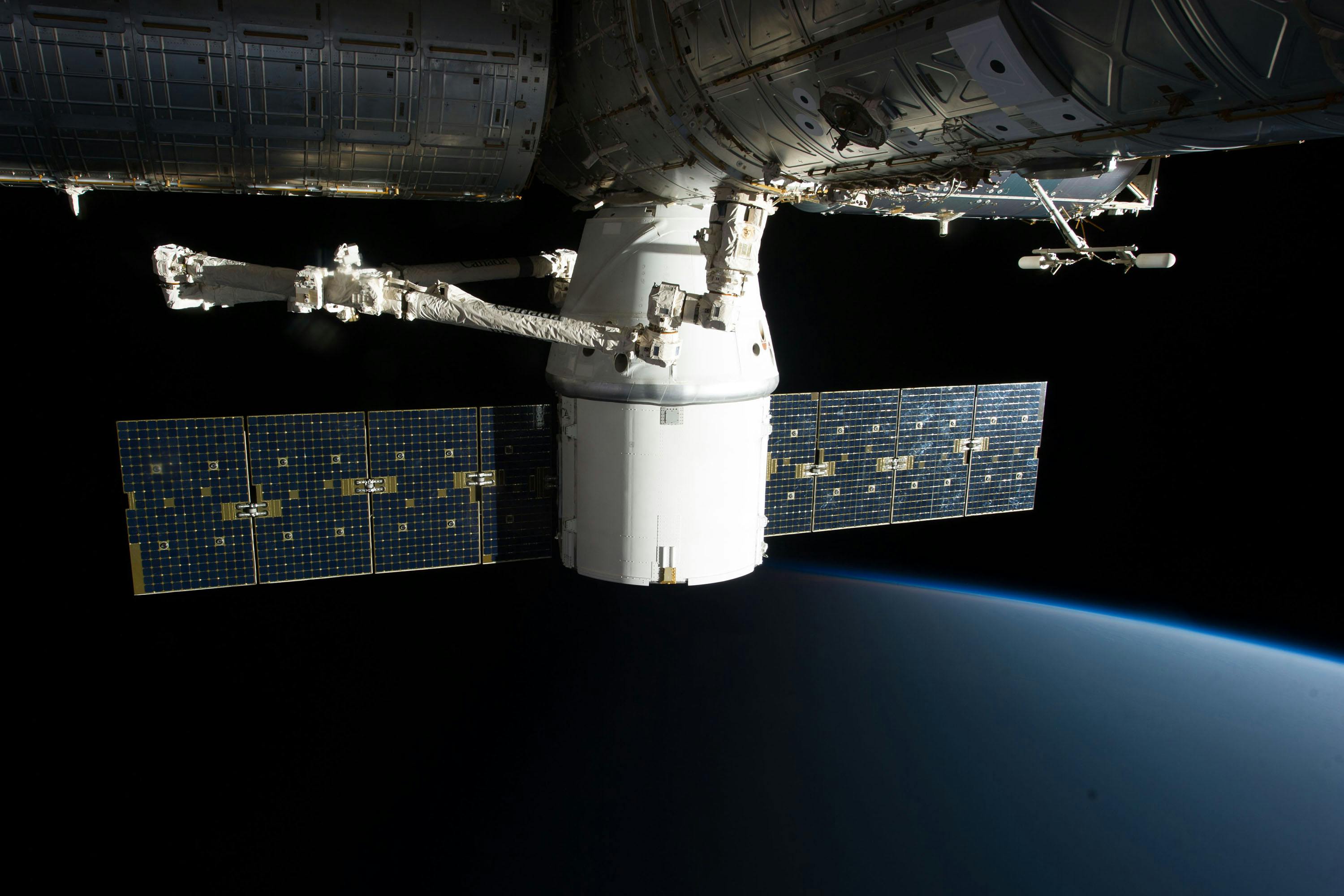
Starlink operates two of the highest-volume manufacturing facilities in the space sector, producing approximately 70 satellites weekly in Redmond, Washington, and around 15,000 user terminals daily in Bastrop, Texas. These figures were disclosed in SpaceX's IPO filing, highlighting the scale of Starlink's operations.
This information is significant as it positions Starlink not merely as a space venture but as a consumer electronics manufacturer with a unique supply chain. The Redmond facility is among the highest-volume spacecraft factories historically, with production figures vastly exceeding competitors like Amazon's satellite constellation.
Looking ahead, Starlink plans to double its terminal production capacity in 2026, supported by a substantial state grant. The focus on in-house printed circuit board manufacturing has also allowed for cost reductions and increased resilience against tariffs, marking a pivotal shift in the supply chain dynamics for consumer electronics in the space industry.
Editor's Note
Starlink's approach to manufacturing and supply chain management reflects a significant shift in the aerospace and consumer electronics sectors. By prioritizing in-house production capabilities, particularly in printed circuit boards, SpaceX is not only enhancing efficiency but also reducing dependency on international supply chains. This strategy may influence how other companies in the industry approach their manufacturing processes and supply chain resilience.


































Leave a comment