

Industry Briefing
A single destination for timely, editor-curated robotics news from around the world.
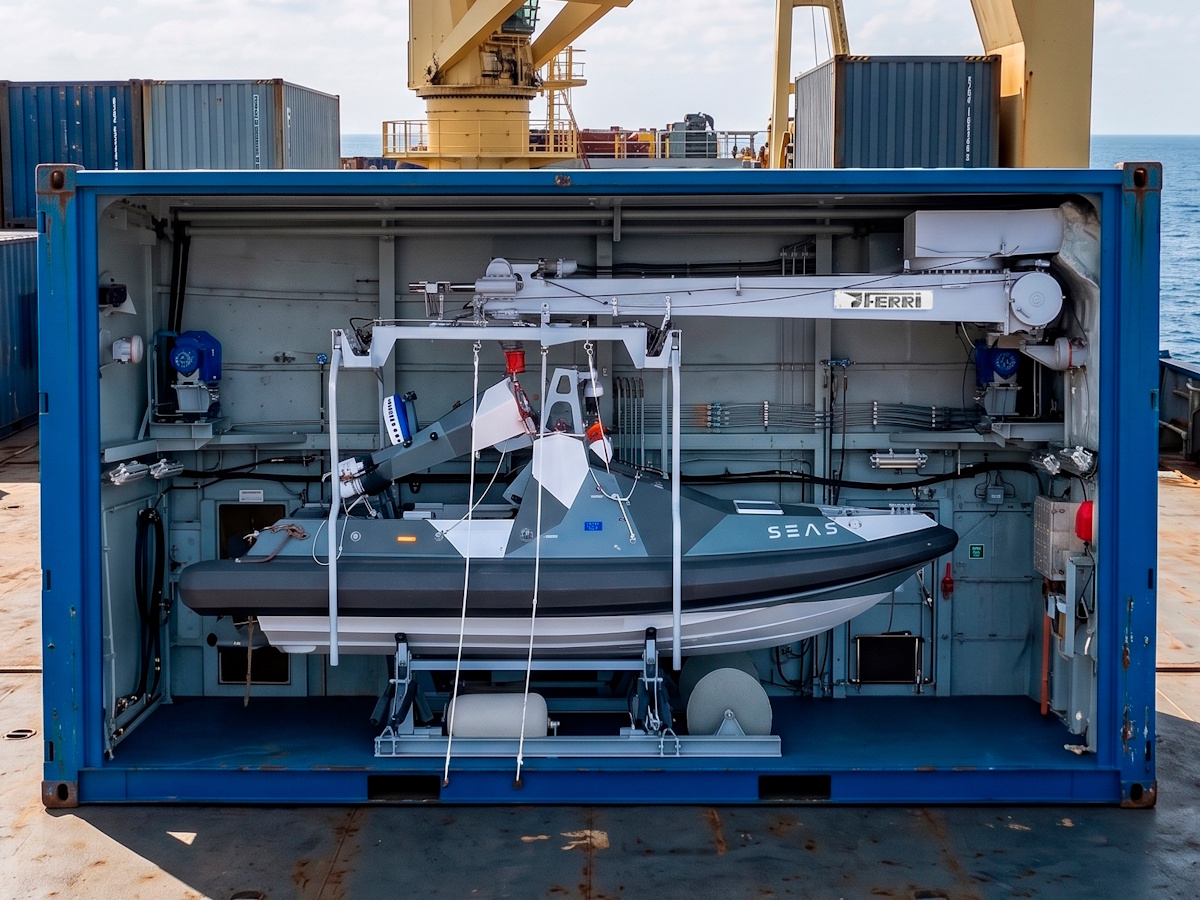
Cellula Robotics and FERRI Establish Nautical Reach Systems for Autonomous Marine Handling
Cellula Robotics Ltd. and Industrias FERRI S.A. have launched Nautical Reach Systems Ltd., a joint venture based in East Coast Canada. This new entity will focus on designing and manufacturing marine motion, lift, and handling systems tailored for autonomous maritime operations, including smart launch and recovery solutions for uncrewed vehicles. The collaboration aims to enhance the safety and reliability of autonomous platforms operating in challenging maritime environments, such as remote and Arctic conditions. Neil Manning, CEO of Cellula Robotics, emphasized the importance of integrating vehicle design with handling equipment to optimize performance at sea, highlighting the joint venture's potential to revolutionize marine operations. Looking ahead, Nautical Reach Systems plans to leverage the combined expertise of both companies to create innovative solutions for naval and coast guard operators. FERRI's significant investment in the venture will foster job creation and intellectual property development in Canada, while Cellula contributes its autonomous handling technology. No further timeline was disclosed at the time of publication.
cellula robotics ferri nautical reach systems autonomous marine handling
Pudu Robotics Introduces PUDU ET1, an AI-Driven Compact Scrubber-Dryer for Small Businesses
Pudu Robotics has launched the PUDU ET1, a compact scrubber-dryer robot designed for small commercial spaces. This innovative robot features a commercial-grade cleaning performance and full-process automation, making it suitable for high-frequency cleaning tasks in environments where space is limited. The introduction of the ET1 signifies a significant advancement in AI-native cleaning technology, specifically tailored for small businesses that require efficient and effective cleaning solutions. Its compact design allows it to navigate tight spaces while delivering superior cleaning results, addressing the needs of modern commercial environments. Looking ahead, the impact of the PUDU ET1 on the market will be noteworthy as businesses increasingly seek automation solutions to enhance operational efficiency. No further timeline was disclosed at the time of publication.

HEBI Robotics Secures NASA Contract to Create Compact Actuators for Small Satellites
HEBI Robotics has received a Phase I contract from NASA’s Small Business Innovation Research program to develop compact robotic actuators for small satellites. This initiative aims to design miniature actuators capable of generating significant force while fitting within the constraints of spacecraft, particularly CubeSats, where space and weight are critical factors. The significance of this project lies in its potential to address the limitations of existing robotic hardware, which is often too large or lacks the necessary flexibility for advanced operations. As the commercial space industry grows, there is an increasing demand for affordable and reliable robotic systems that can perform effectively in harsh environments, as highlighted by HEBI Robotics’ director of hardware, Andrew Willig. Looking ahead, the contract, funded through NASA’s SBIR Ignite program, will extend through December 2026. HEBI Robotics plans to explore various motor and gearbox designs to create a compact actuator suitable for space missions, while also considering applications in industrial and field robotics, leveraging technology that can withstand extreme conditions.
Components News Space actuators aerospace commercial space
Impossible Metals Announces New Advanced Marine Robotics Hub in Pittsburgh for Mineral Robotics Development
Impossible Metals has unveiled plans to establish an Advanced Marine Robotics Hub in Pittsburgh, aimed at developing dual-use autonomy for ocean science and naval systems. This initiative is part of a broader effort to create a China-free critical-mineral supply chain, leveraging the region's expertise in robotics. The new hub will not only foster innovation in mineral robotics technology but also generate over a dozen high-paying engineering and science jobs in Pennsylvania. This move underscores the importance of local talent in advancing the United States' capabilities in marine robotics and autonomy. Looking ahead, stakeholders should monitor the hub's progress and its potential impact on the critical-mineral supply chain. No further timeline was disclosed at the time of publication.

Sonardyne Revolutionises Small Marine Robotics Navigation with Launch of SPRINT-Nav U
Sonardyne International Ltd has unveiled the SPRINT-Nav U, a groundbreaking hybrid acoustic-inertial navigator tailored for compact marine robotic platforms. This innovative device, recognized as the world's smallest of its kind, aims to enhance navigation capabilities in various underwater applications. The launch took place in October 2023, showcasing Sonardyne's commitment to advancing marine technology. By integrating both acoustic and inertial navigation systems, the SPRINT-Nav U offers improved precision and reliability, addressing the growing demand for efficient navigation solutions in the field of marine robotics.
sonardyne small marine robotics navigation launch sprint-nav u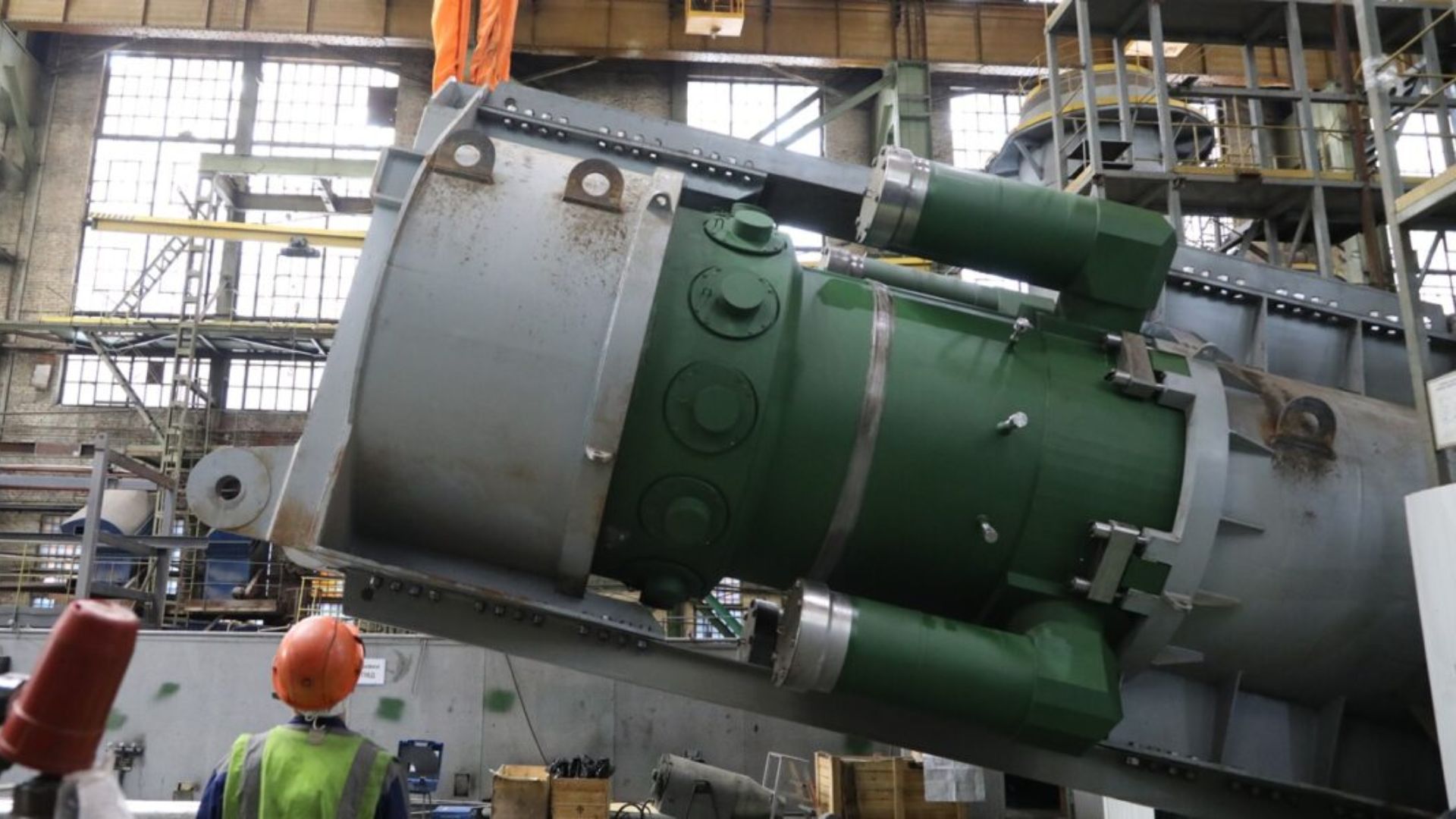
Russia's Rosatom Develops 15 RITM-200 Marine Nuclear Reactors for Icebreakers
Russia has successfully constructed 15 RITM-200 reactor units, with plans for 13 more, as reported by Rosatom chief Alexey Likhachev. These small-scale reactors, each with a thermal power output of 175 megawatts and a lifespan of at least 40 years, are designed for use in hard-to-reach areas, particularly for icebreakers operating in icy waters. The RITM-200's innovative design integrates the core and steam generators within a single pressure vessel, reducing the system's footprint by approximately one-third compared to traditional marine reactors. This compact design allows for enhanced operational capabilities, enabling Project 22220 icebreakers to adapt their buoyancy for navigating both deep ocean and shallow river environments. Looking ahead, Rosatom is adapting the RITM-200 for civilian energy applications, including the RITM-200N for land-based power generation in Yakutia and the RITM-200S for floating power stations. The company is also exploring micro-reactor technologies for remote areas, with projects like the Shelf micro-reactor and the Elena thermoelectric unit. No further timeline was disclosed at the time of publication.
Energy
Deep Robotics' DR02 Humanoid Robot Demonstrates Stair Climbing and Terrain Navigation
Deep Robotics has unveiled new footage of its DR02 humanoid robot successfully climbing outdoor concrete stairs, showcasing its capability to navigate challenging terrains. This demonstration marks a pivotal moment for the Hangzhou-based company as it advances its development and commercialization strategies, positioning the DR02 for complex real-world tasks. The significance of this demonstration lies in the competitive landscape of Chinese robotics, where investors are keen to see humanoid robots perform reliably in practical environments. The DR02's ability to traverse uneven surfaces and carry equipment, such as a fire extinguisher, highlights its potential for industrial applications and hazardous environments. Looking ahead, Deep Robotics is preparing for a significant financial milestone with its application to raise approximately $367.4 million through an initial public offering on Shanghai’s STAR Market. As the company aims to build on its first-ever net profit of about $4.2 million reported in 2025, the ongoing development of the DR02 will be crucial in attracting investor confidence and demonstrating the robot's capabilities in real-world scenarios.
AI and Robotics
Innovative Dual-Core GaN Drive Solution Addresses Robotics Joint Challenges
In 2026, humanoid, quadruped, and logistics robots are expected to achieve mass production, yet manufacturers face significant challenges. Heavy joints compromise battery life, while high costs of joint actuators threaten profitability, with 70% of a robot's cost attributed to these components. The industry struggles with traditional silicon-based drive control boards that are bulky and limit torque output. A new solution, the CT-Unite dual-core GaN drive system from domestic semiconductor firm ZK Wireless, aims to resolve these issues by offering lightweight, cost-effective, and high-torque outputs. Leading robotics manufacturers have already validated this solution. The CT-Unite system utilizes only four core chips to manage all motion control and power drive functions, significantly reducing the size of the control board and the overall weight of the robot. This innovation promises to lower hardware costs by at least 40%, making mass production more feasible. No further timeline was disclosed at the time of publication.
Robotics GaN Technology Drive Solutions Cost Reduction Lightweight Design
Teledyne Marine Reveals the Compact Navigator: The World's Smallest and Highest-Performing, Fully Integrated Autonomous Navigation Solution
Teledyne Marine has introduced the Teledyne Compact Navigator, an innovative and ultra-compact autonomous integrated navigation solution, during the Ocean Business 2025 event. This cutting-edge technology aims to enhance navigation performance while maintaining a small form factor, catering to the growing demand for efficient and effective navigation systems in marine applications. The unveiling of this advanced solution underscores Teledyne Marine's commitment to pushing the boundaries of marine technology and addressing the evolving needs of the industry.
teledyne marine compact navigator fully integrated autonomous navigation solution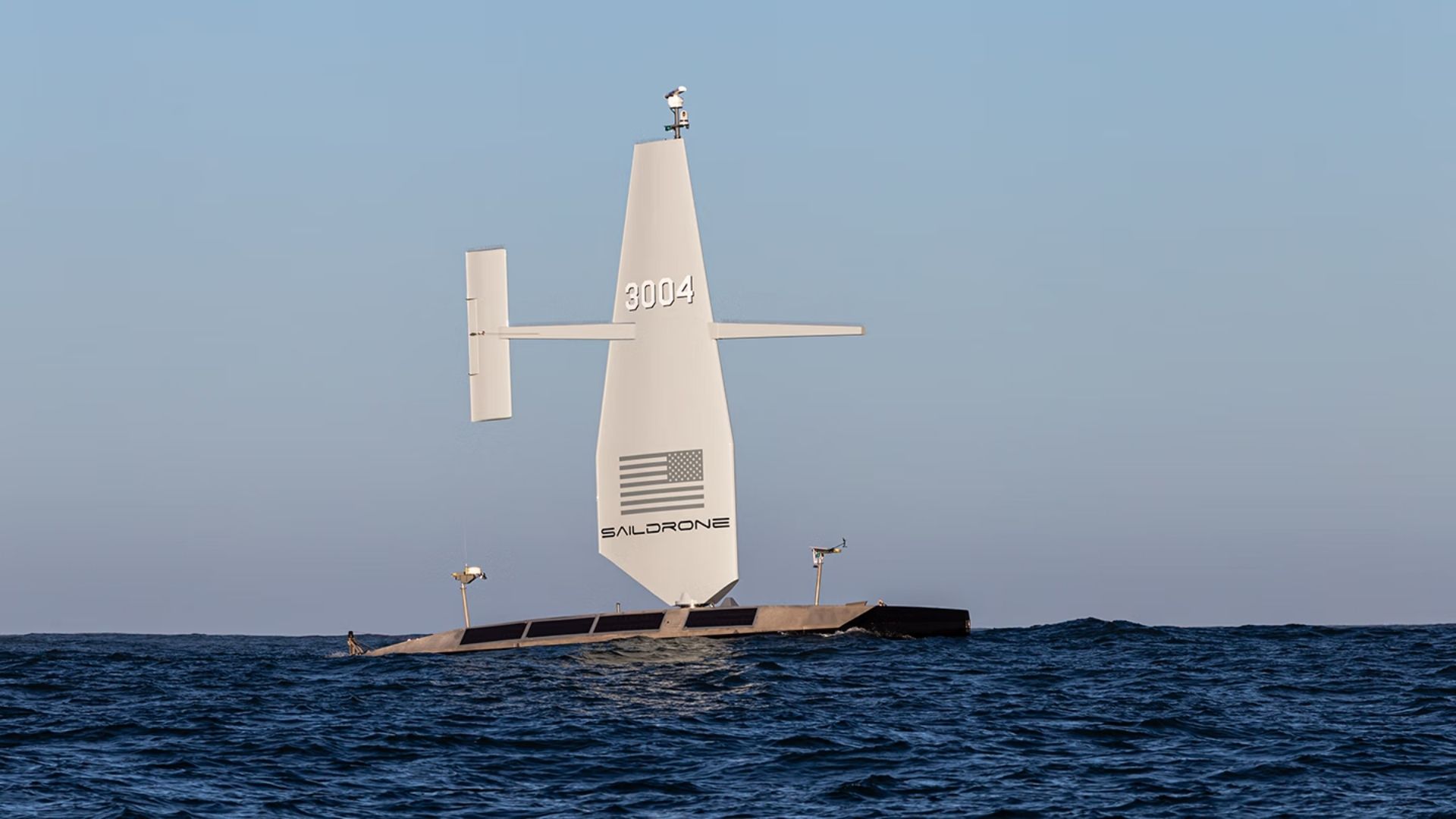
US Navy Awards $10 Million to Saildrone for Atlantic Seabed Mapping with USVs
The US Navy has awarded a $10 million contract to Saildrone to utilize autonomous vessels for mapping the Atlantic Ocean floor. This initiative, assigned by the Naval Oceanographic Office, is set to commence in 2026 and will continue through most of 2027, enhancing military knowledge of critical underwater terrain. This project is significant as it aims to improve safe navigation and support submarine missions, anti-submarine warfare, and critical infrastructure protection. Currently, only 28.7 percent of the world's oceans have been mapped to modern standards, leaving substantial knowledge gaps that can pose operational risks for naval operations. Looking ahead, the deployment of Saildrone's Surveyor unmanned surface vessels will not only provide high-resolution bathymetric data but also measure ocean currents, aiding search-and-recovery operations. No further timeline was disclosed at the time of publication.
Military
KAIST's Urban Robotics Lab Achieves Top Honors in International Navigation Challenges
KAIST's Urban Robotics Lab secured first and second place in two prestigious international robot navigation challenges. The team developed an AI system that enables robots to self-verify their decisions, ensuring they reach the correct destination. This innovative self-checking technology was instrumental in their success at the competitions held in Malmo, Sweden, and Sydney. The significance of this achievement lies in the advancement of embodied artificial intelligence, which allows robots to better understand human instructions and navigate complex environments. By addressing common navigation errors, such as misidentifying destinations, KAIST's technology enhances the reliability of robotic systems in real-world applications. The competitions were part of the European Conference on Computer Vision 2026 and Robotics: Science and Systems 2026, highlighting the importance of AI in robotics. Looking ahead, the focus will be on further refining the CoRe-VLN system, which utilizes AI to analyze visual and textual data for improved navigation accuracy. No further timeline was disclosed at the time of publication.
All News
Q1 and T1 Robots from Qiyuan Robotics Set to Transform Home Interaction
Qiyuan Robotics is preparing to deliver its Q1 robot, which stands 88 cm tall and weighs 15 kg, designed for companionship and entertainment. The company, part of the Upwind New Materials group, is also launching the T1, a transformable robot. CEO Tian Hua emphasizes that personal robots should not merely replicate industrial robots but instead create a new form of human-robot interaction. The significance of these developments lies in the potential for personal robots to become a primary interface in homes, connecting AI, digital services, and everyday life. Unlike structured factory environments, homes present unpredictable challenges, which is why Qiyuan has opted for a smaller, safer design for the Q1. The T1, standing about one meter tall, can switch between wheeled and quadrupedal forms, indicating a shift in the industry towards robots that better fit human lifestyles. Looking ahead, Qiyuan Robotics faces the challenge of moving from prototypes to mass production, with plans for a production line capable of handling thousands of units. The company has secured 210 million yuan in prepayments for its consumer-grade robots and is investing significantly in R&D. Analysts remain cautious, noting that while the home market is promising, it may take longer to reach commercialization compared to industrial applications. The real test will be whether users will keep these robots in their homes after initial trials.
Personal Robots Home Automation AI Consumer Robotics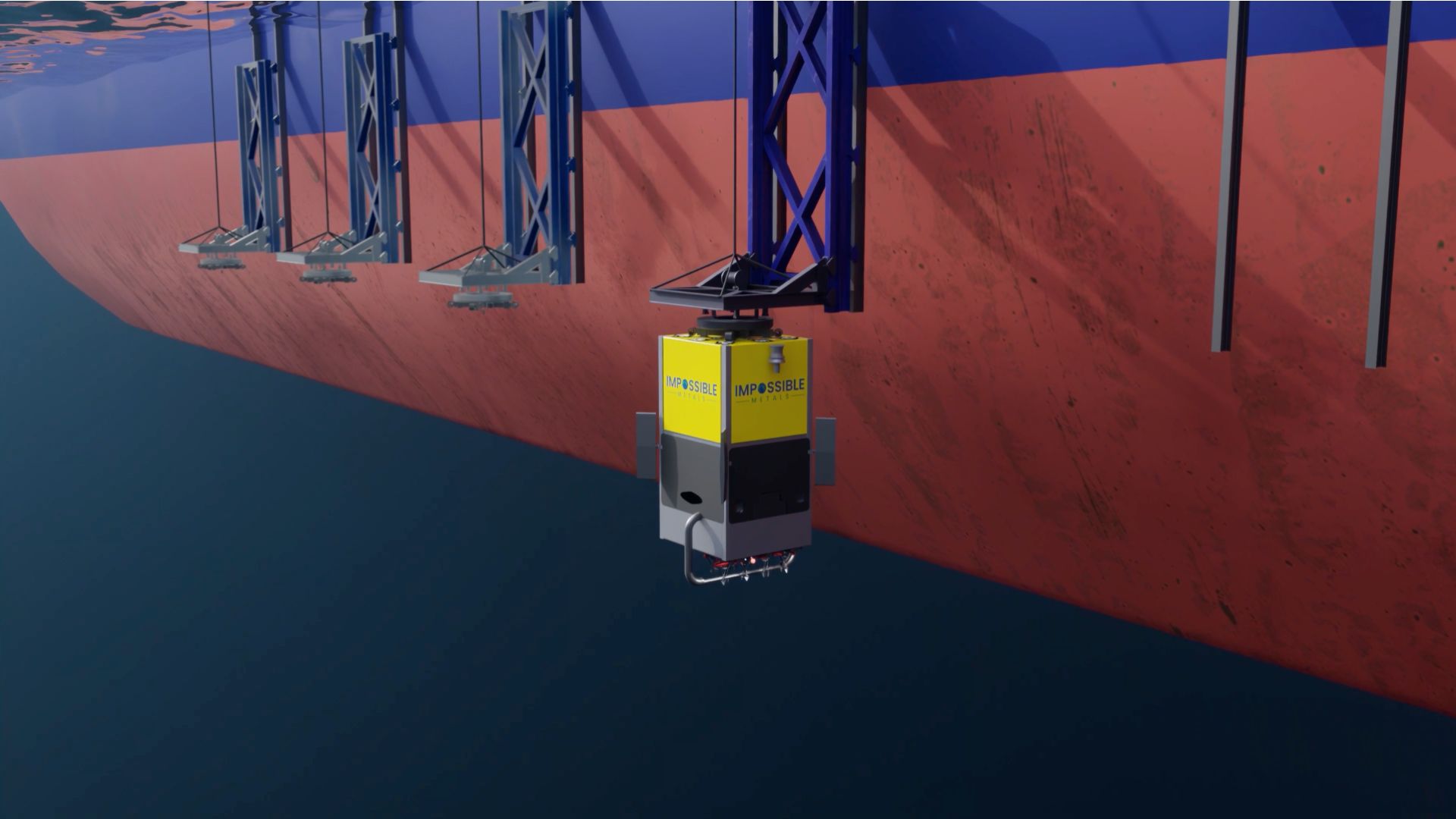
Impossible Metals to Launch Advanced Marine Robotics Hub for Deep-Sea Mineral Harvesting
Impossible Metals, a US mining technology company, has announced plans to establish an Advanced Marine Robotics Hub in Pittsburgh, Pennsylvania. This facility will focus on developing autonomous marine systems for the deep-sea collection of critical minerals, creating over a dozen high-paying engineering and science jobs. The hub aims to enhance US capabilities in marine robotics and critical mineral technologies through collaboration with local universities and researchers. The significance of this initiative lies in its potential to redefine deep-sea mining practices. According to Mike Regan, Chief Growth Officer at Impossible Metals, the hub will enable swarms of autonomous robots to harvest critical minerals like nickel, cobalt, copper, and manganese with minimal environmental impact. This approach not only promises to produce the lowest-cost critical metals on Earth but also aims to strengthen the US supply chain and reduce reliance on foreign sources of essential materials. Looking ahead, the Advanced Marine Robotics Hub will serve as the primary research center for advancing the Eureka autonomous underwater platform and Smart Launch and Recovery Systems. The company plans to continue developing dual-use technologies that cater to both commercial and naval applications. No further timeline was disclosed at the time of publication.
AI and Robotics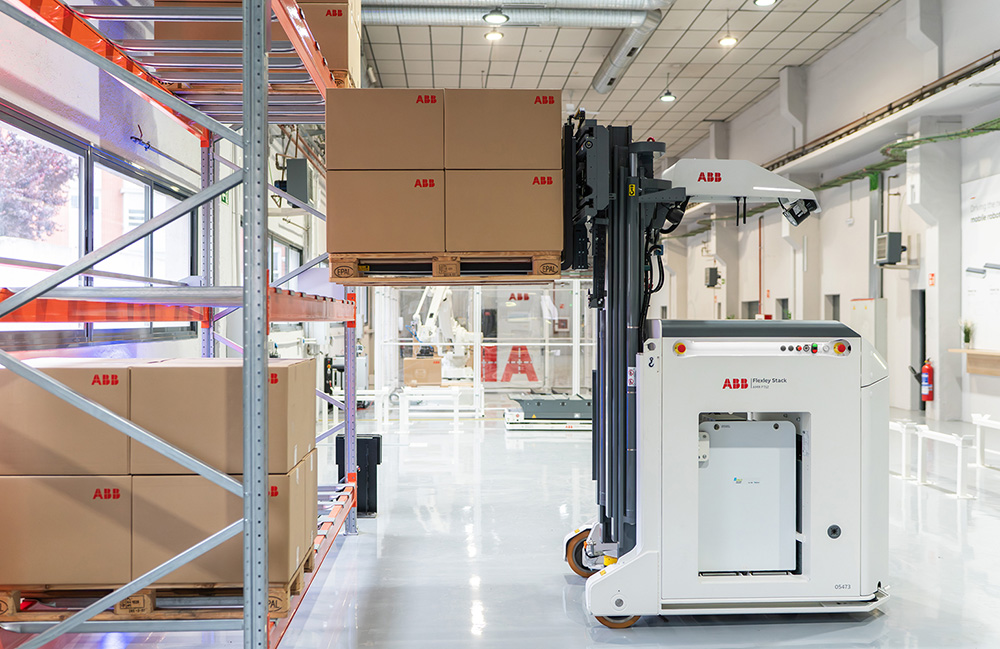
ABB Robotics includes vSLAM navigation in F712 autonomous forklift
The Flexley Stacy F712 forklift uses vision to navigate, works with other robots, and complies with safety standards, says ABB Robotics. The post ABB Robotics includes vSLAM navigation in F712 autonomous forklift appeared first on The Robot Report.
Automotive Autonomous Mobile Robots (AMRs) Cameras / Imaging / Vision Logistics Manufacturing Mobility / Navigation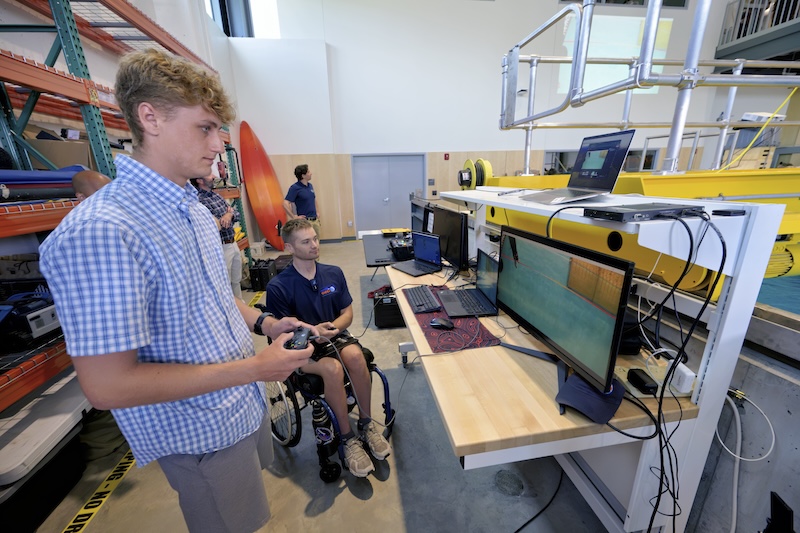
University of Rhode Island opens advanced Ocean Robotics Laboratory for autonomous marine research
Event marked milestone for Narragansett Bay Campus The University of Rhode Island celebrated a major milestone in the $300 million, multi-phase revitalization of the Narragansett Bay Campus with an underwater ribbon cutting ceremony for the new Ocean Robotics Laboratory on June 25. Students Elliot Roman and Jake Bonney piloted URI’s remotely operated vehicle Rhody to […]
Features Robotics Science autonomous systems autonomous underwater vehicles blue economy
Harbin Engineering University Alumnus Secures Record Global Funding for Marine Robotics
On June 15, SEAHI ROBOTICS, a company founded by experienced researcher Chen Xiaobo, announced the successful completion of over 1 billion yuan in Series A funding, marking a significant milestone in the marine robotics industry. This funding achievement underscores the company's innovative advancements and its potential for commercial viability in challenging marine environments. With 19 years of expertise in the field, Chen has led SEAHI ROBOTICS to make notable technological breakthroughs, positioning the company as a leader in the sector. The substantial investment reflects growing confidence in the future of marine robotics and the demand for advanced solutions in high-risk aquatic settings.
Marine Robotics Funding Technology Innovation AI Commercialization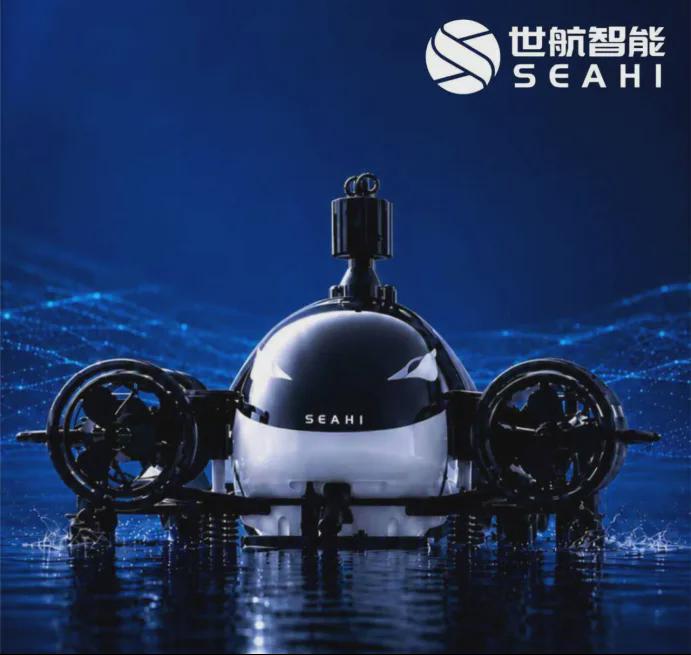
1 Billion RMB Series A Funding for Global Marine Robotics Leader
Shihang Intelligent, a prominent player in the marine robotics industry, has successfully raised over 1 billion RMB in a Series A funding round, setting a record as the largest single investment in the global marine robotics sector. This significant financial boost will be directed towards advancing the company's core technologies and facilitating its expansion into international markets. With this funding, Shihang Intelligent aims to commercialize its innovative underwater robotics solutions, which are designed for diverse applications such as maritime cleaning and deep-sea exploration.
Marine Robotics Underwater Technology AI Funding Automation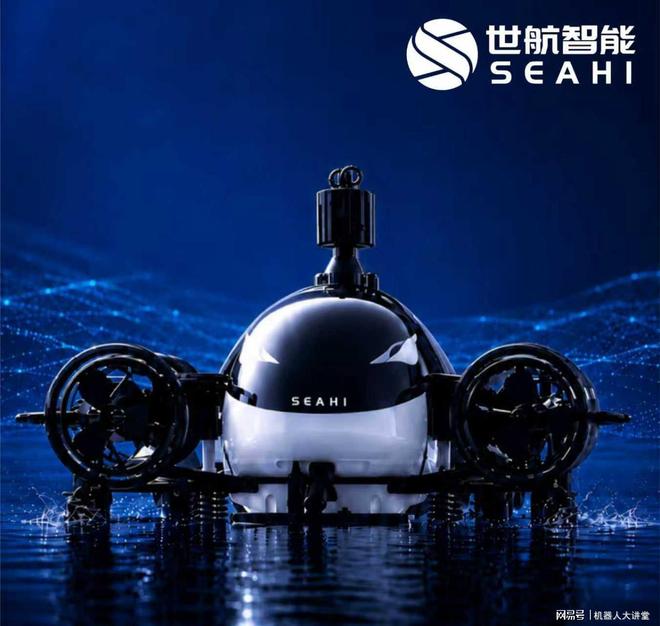
Shihang Intelligent Secures Over 1 Billion Yuan in Series A Funding, Setting Record in Marine Robotics
On June 15, Shihang Intelligent announced the successful completion of its Series A funding round, securing over 1 billion yuan. This achievement represents the largest single funding event in the global marine robotics sector to date. The company plans to allocate the funds towards advancing its core technology and expanding its presence in international markets, with a particular emphasis on deploying marine robots in challenging underwater environments.
Marine Robotics AI Underwater Technology Automation Funding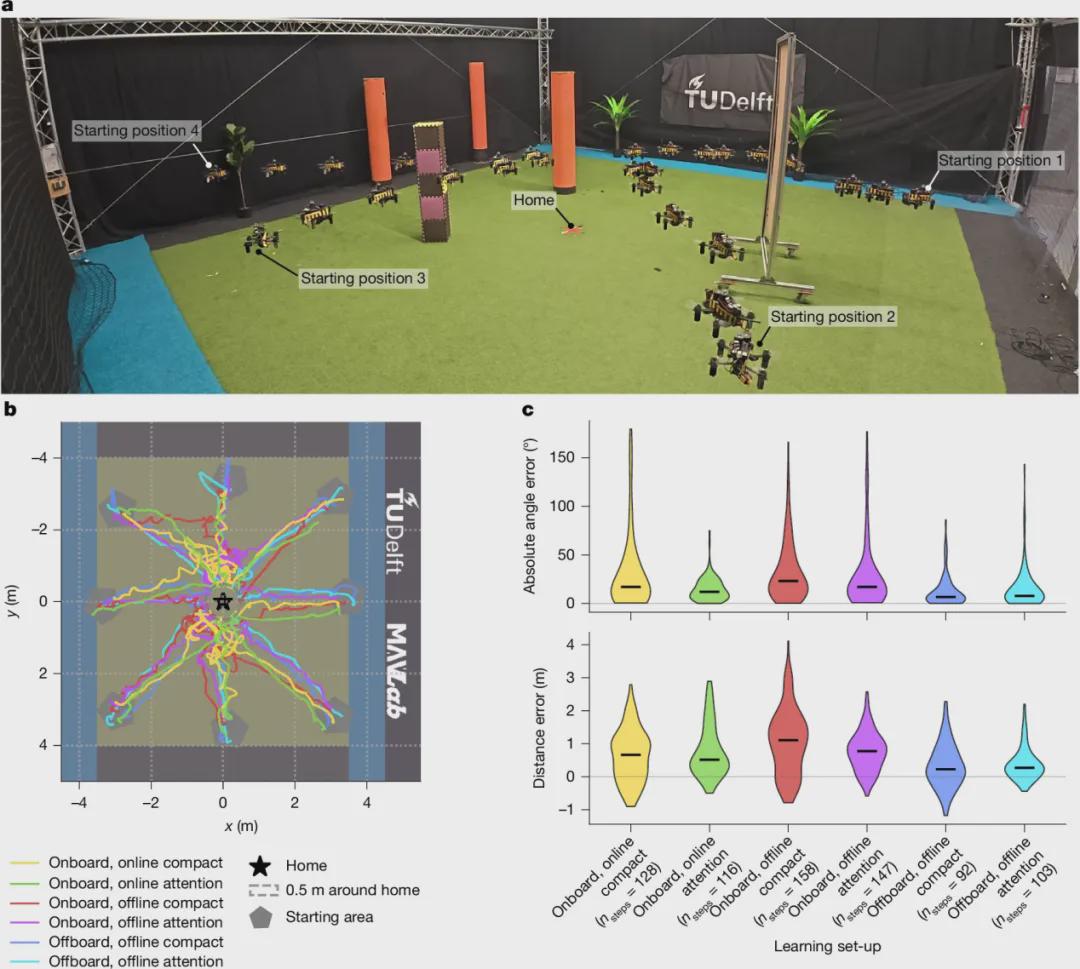
Bees Inspire Navigation! This Small Flying Robot Uses a 42KB 'Brain' to Fly 600 Meters Home
Researchers at Delft University of Technology have unveiled Bee-Nav, an innovative navigation strategy for flying robots, drawing inspiration from the natural navigation abilities of bees. This lightweight system enables the robot to successfully return home after traveling a distance of 600 meters, utilizing a compact 42.3KB neural network. The breakthrough combines path integration with visual memory, enhancing the robot's capability for long-distance navigation. This development marks a significant advancement in robotics and artificial intelligence, potentially paving the way for more efficient autonomous navigation systems in various applications.
Flying Robots Navigation Technology AI Robotics Machine Learning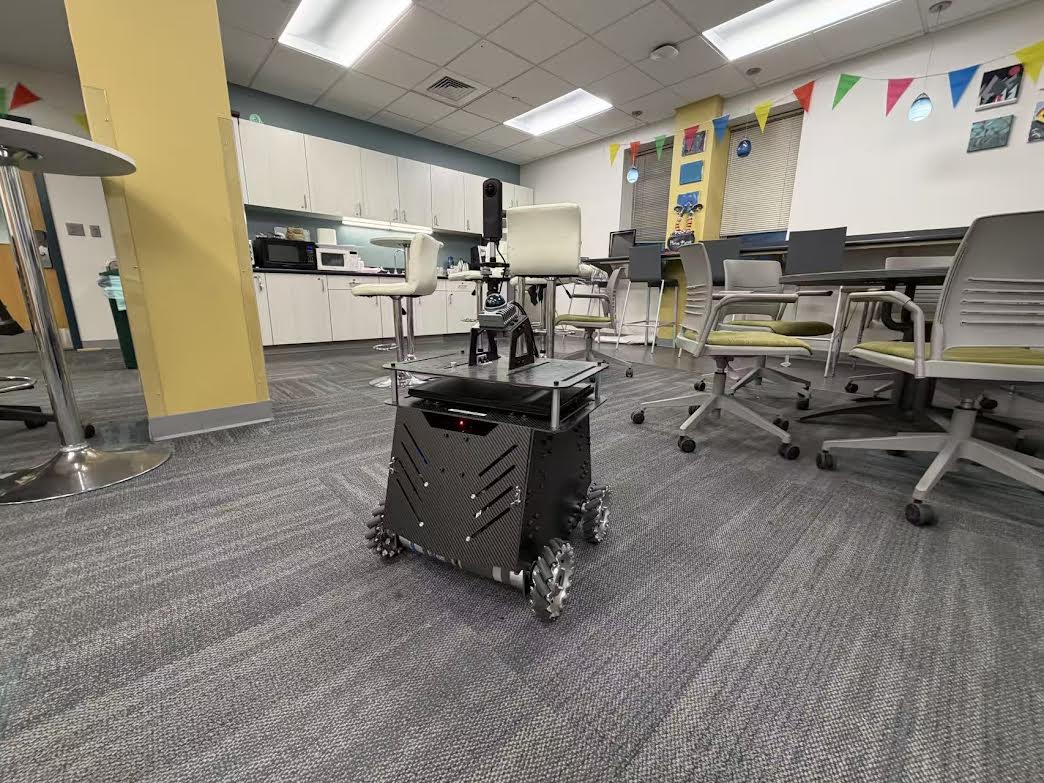
Robotics Institute Launches Next Phase of Vision-Language-Navigation Challenge
Carnegie Mellon University’s Robotics Institute is set to host the latest phase of the Vision-Language-Navigation (VLN) Challenge, aimed at advancing the ability of robots to comprehend and execute human instructions in real-world environments. This new iteration of the challenge, which takes place this year, marks a significant evolution from previous versions by eliminating certain constraints, thereby enhancing the complexity and applicability of the tasks involved. The initiative seeks to unite researchers in tackling one of the most challenging aspects of robotics, ultimately striving to improve the interaction between humans and machines.
Research
Automation and Industrial Robotics for Small Workshops: Overcoming Budget Barriers
Small workshops are increasingly recognizing the potential of automation and industrial robotics, despite initial investment concerns. A company specializing in these technologies is addressing the challenges faced by smaller operations by promoting the integration of collaborative robots, or cobots, such as the JAKA Pro5. This solution allows workshops to enhance productivity and efficiency without the burden of significant upfront costs. The JAKA Pro5 is designed for easy deployment in limited spaces, featuring a maintenance-free integrated joint system that ensures high precision with minimal upkeep. Its robust environmental adaptability makes it suitable for various industrial conditions, allowing small teams to automate multiple processes effectively. To alleviate budget constraints, the company collaborates with clients to identify key areas for automation, enabling a gradual implementation of robotic capabilities. This approach allows workshops to spread costs over time while achieving measurable improvements in productivity and maintaining safety standards. By strategically adopting JAKA technology, small workshops can unlock their industrial potential, optimize workflows, and remain competitive in the market, even with limited financial resources. The company emphasizes that advanced industrial automation is accessible to businesses of all sizes, empowering smaller operations to innovate and grow.
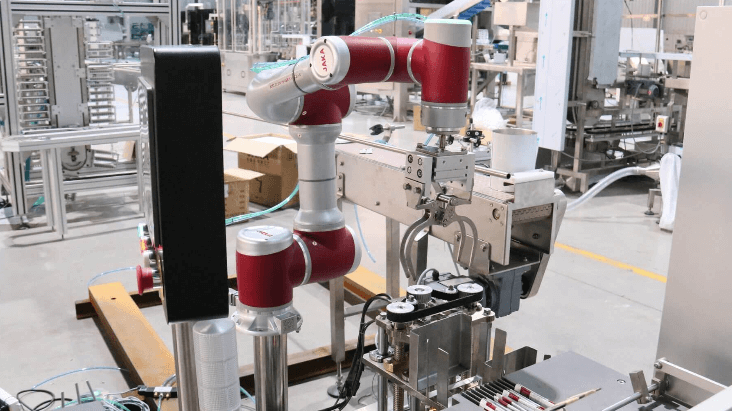
The Impact of Automation and Industrial Robotics on Small and Midsize Enterprises
The landscape of automation and industrial robotics is evolving, enabling small and midsize enterprises to access advanced manufacturing tools previously deemed unattainable. JAKA, a key player in this transformation, focuses on creating industrial collaborative robots (cobots) designed for flexibility and ease of use. These modern cobots lower traditional barriers to entry by allowing existing shop floor personnel to manage automation without requiring extensive technical expertise. With intuitive programming and plug-and-play connectivity, JAKA's cobots can be quickly integrated into production processes, enhancing operational efficiency. Their compact design allows for easy redeployment across various tasks, making them ideal for businesses facing space constraints and fluctuating order demands. Moreover, the economic impact of these cobots extends beyond productivity. They improve operational consistency, reduce material waste, and enhance product quality, ultimately protecting brand reputation. By taking over repetitive and ergonomically challenging tasks, JAKA's cobots also help mitigate workplace fatigue and injuries, contributing to a safer work environment. As accessible automation reshapes the capabilities of smaller manufacturers, JAKA aims to empower these businesses with practical robotic solutions that deliver immediate benefits while fostering long-term growth and resilience.
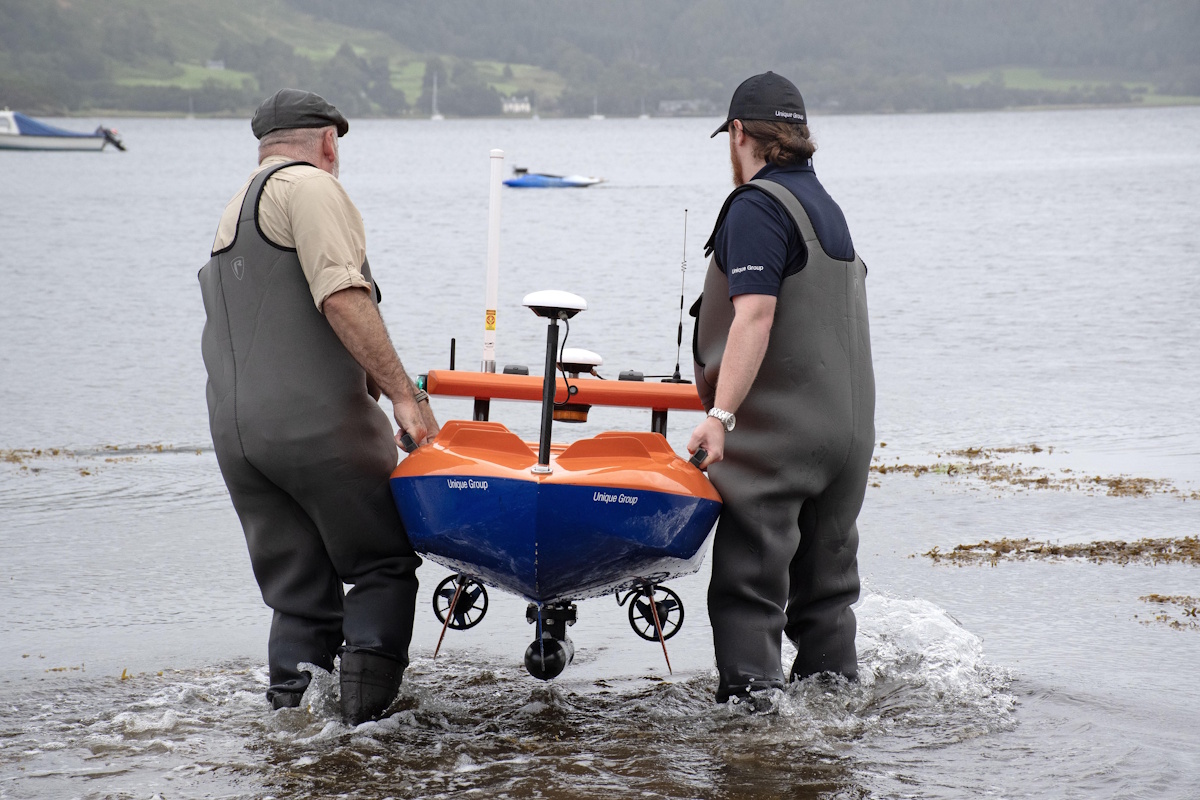
Marine Robotics will Aid Restoration Efforts on Scottish Loch
Restoration efforts at Loch Melfort, located on the Kilchoan Estate south of Oban in Argyll, have received a significant boost through the use of innovative sea-going robotics. These experimental techniques are designed to identify optimal sites for the reintroduction of marine species, particularly in the ongoing oyster restoration project. This initiative is crucial for the local ecosystem, as Loch Melfort also serves as a sanctuary for the critically endangered flapper skate. The integration of advanced technology into conservation efforts highlights a proactive approach to preserving marine biodiversity in the region.
scottish association for marine science (sams)
Klein Marine Systems Selects Exail Navigation Technology to Equip their 5900 Sonar
Klein Marine Systems, a prominent player in sonar technology, has announced the integration of the Exail Octans Nano OEM Attitude and Heading Reference System (AHRS) as the standard navigation solution for its 5900 Side Scan Sonar (SSS). This strategic collaboration, revealed recently, is designed to improve the precision and reliability of the sonar system, which is essential for high-resolution seabed mapping. The enhanced capabilities will support various applications across defense, security, and commercial sectors, reflecting the growing demand for advanced maritime technology.
klein marine systems exail navigation technology 5900 sonar
Boxfish Robotics Introduces Reliable and Easy-to-Use Hovering AUV for Marine Research
Boxfish Robotics has unveiled its first generation of fully autonomous tetherless hovering Boxfish AUV (Autonomous Underwater Vehicle), marking a significant advancement in underwater exploration technology. This innovative vehicle, which boasts state-of-the-art autonomy features, aims to redefine standards in the field. The launch took place in October 2023, showcasing the company's commitment to pushing the boundaries of underwater robotics. By eliminating the need for tethering, the Boxfish AUV enhances operational flexibility and efficiency, making it an invaluable tool for researchers and marine explorers. The development of this technology reflects Boxfish Robotics' dedication to advancing marine exploration capabilities and addressing the growing demand for sophisticated underwater vehicles.
boxfish robotics hovering auv marine research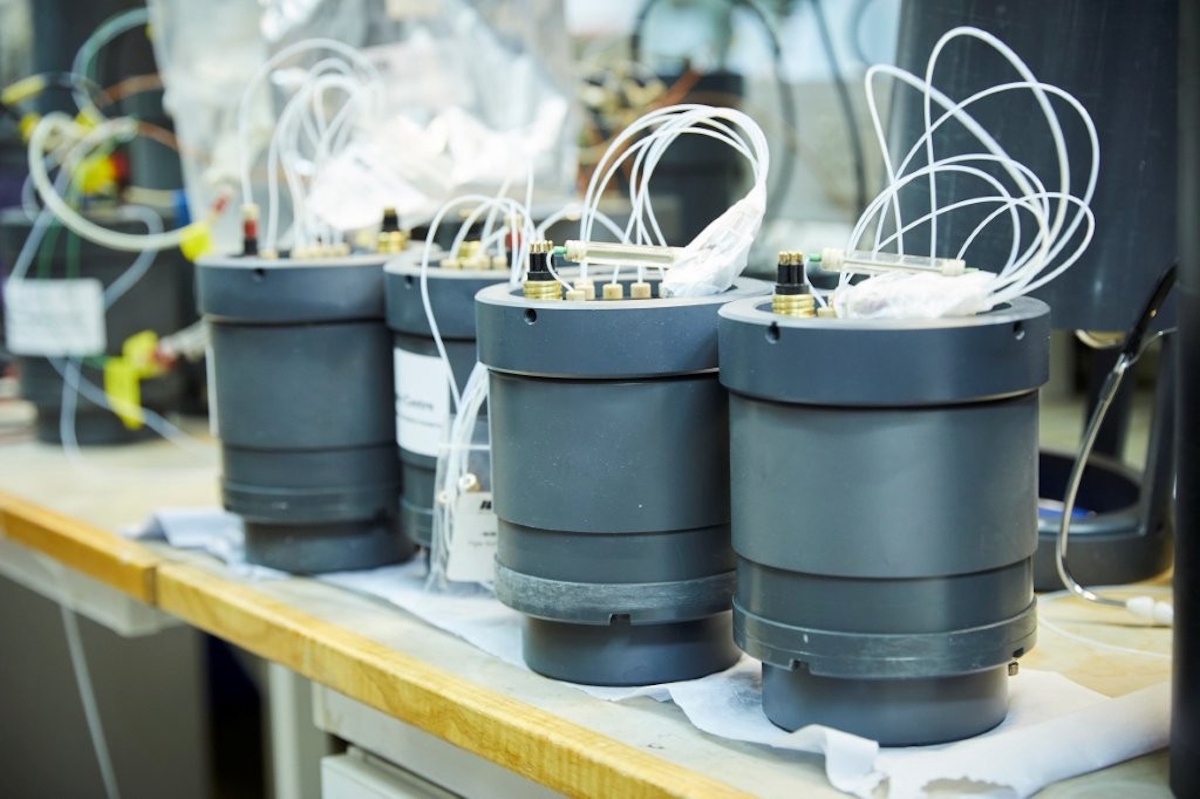
£4 m to Boost Marine Robotics Research Capabilities
The UK’s National Oceanography Centre (NOC) has secured a funding boost of £4 million aimed at enhancing its fleet of marine autonomous systems with next-generation sensing technologies. This investment, announced recently, is designed to support the advancement of sustainable ocean science, enabling researchers to gather more accurate and comprehensive data about marine environments. By integrating these advanced sensing capabilities, the NOC aims to improve its understanding of ocean dynamics and contribute to the global efforts in addressing climate change and preserving marine ecosystems. The initiative reflects a growing commitment to innovative research methods in the field of oceanography, positioning the NOC at the forefront of marine science advancements.
marine robotics research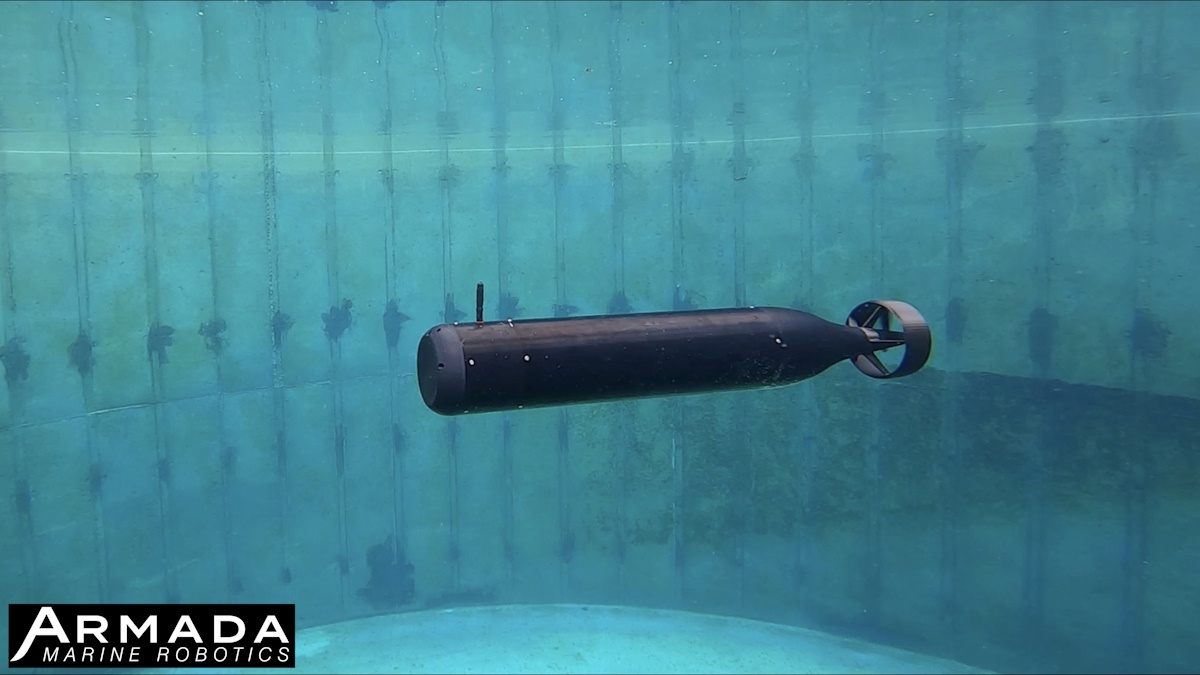
Woods Hole Oceanographic Institution Licenses Ocean Technology to ARMADA Marine Robotics
The Woods Hole Oceanographic Institution (WHOI) has signed two exclusive license agreements with ARMADA Marine Robotics, a spin-off company co-founded by WHOI engineers Robin Littlefield and Jeff Kaeli. This development, announced recently, represents a significant step in WHOI's commitment to promoting innovation and entrepreneurship in the field of ocean technology. The agreements aim to facilitate the commercialization of groundbreaking technologies that could enhance marine exploration and research. By collaborating with ARMADA Marine Robotics, WHOI seeks to leverage its expertise and resources to drive advancements in oceanographic tools and solutions.
woods hole oceanographic institution (whoi) armada marine roboticsRobotics needs a service framework.
RSF defines a common language for robot service capability, lifecycle operations, certification pathways, and service-provider networks.
Join the RobotToday community on LinkedIn
Daily robotics news, in-depth analysis, conference highlights, and discussions with professionals worldwide.







