

Industry Briefing
A single destination for timely, editor-curated robotics news from around the world.
Arm Introduces Robotics Capability Framework for Intelligent Robot Descriptions
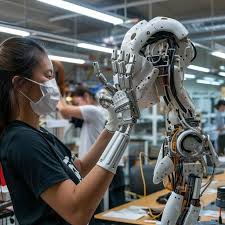
Arm, a semiconductor and software design company, has launched a Robotics Capability Framework aimed at providing a standardized language for the robotics industry. This initiative seeks to clarify ambiguous terms like 'autonomous' and 'intelligent' as AI becomes more integrated into robotic systems. The framework is designed to address the challenges posed by inconsistent terminology, which complicates the comparison and integration of robotic systems. As robots expand their roles beyond industrial settings into areas such as healthcare and agriculture, a common language is essential for developers, regulators, and users to assess capabilities and risks effectively. Arm's proposed framework outlines levels of robotic intelligence and the contexts in which these capabilities are applied. This dual approach allows for a more nuanced understanding of a robot's abilities, facilitating better differentiation between various types of robots, such as fixed industrial units and mobile manipulators that require advanced contextual awareness.
Computing Design Engineering Features arm arm total design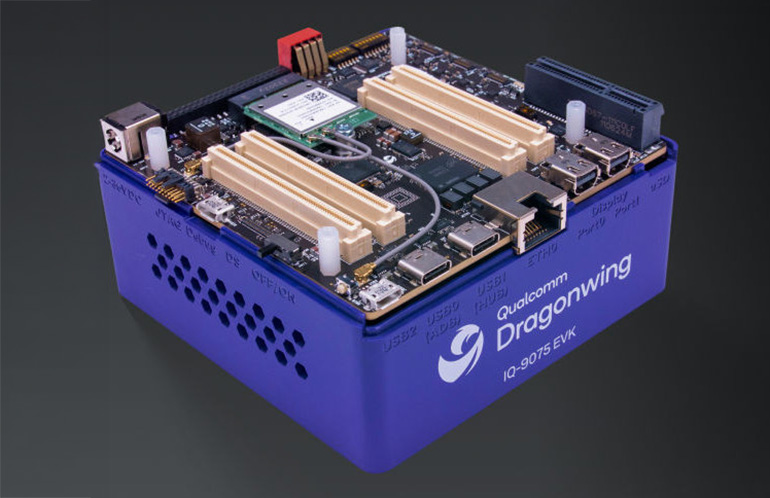
Qualcomm to Acquire PickNik Robotics, Enhancing MoveIt Open-Source Framework
Qualcomm Technologies Inc. has announced its agreement to acquire PickNik Inc., known for its MoveIt open-source manipulation framework. This acquisition aims to integrate PickNik’s MoveIt with Qualcomm's Dragonwing platform, facilitating a smoother transition for developers from AI models to real-time control and manipulation. The significance of this acquisition lies in Qualcomm's commitment to advancing robotics innovation. By enhancing MoveIt, Qualcomm intends to provide developers with robust tools and frameworks, fostering an open robotics ecosystem that supports collaboration and community-driven development. Looking ahead, Qualcomm plans to maintain the open-source nature of MoveIt 1 and 2, ensuring continued support for developers and researchers. No further timeline was disclosed at the time of publication.
6-Axis Artificial Intelligence / Cognition Controllers Development Tools / SDKs / Libraries Grippers Mergers & Acquisitions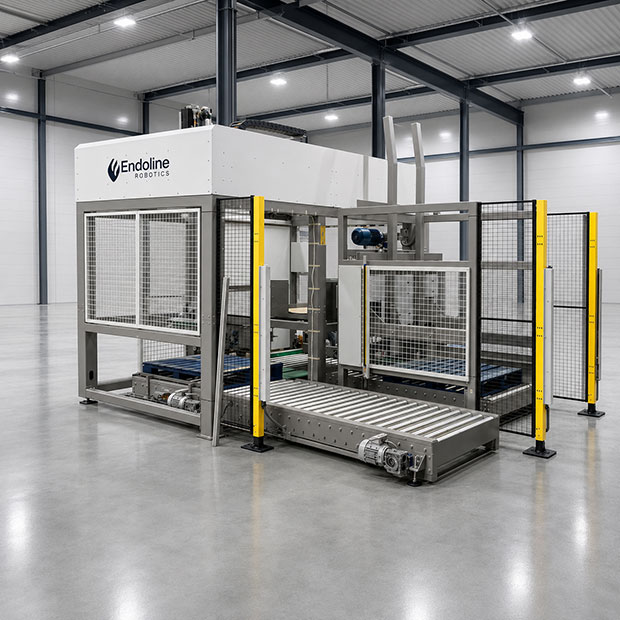
Endoline Automation Expands Robotics Capabilities for Tailored Solutions
Endoline Automation is enhancing its robotics capabilities to provide manufacturers with a wider array of end-of-line automation solutions tailored to specific production needs. This expanded offering will debut at the PPMA show in September, showcasing a fully integrated production line that combines case erecting, sealing, and palletizing. The significance of this development lies in Endoline's commitment to delivering customized, connected end-of-line solutions that adapt to each customer's operational requirements. By collaborating with Montech, Endoline has broadened its robotics portfolio to include both gantry and articulated robotic solutions, allowing for greater flexibility in automation project specifications. At the PPMA event, attendees will witness the integration of an Endoline Case Erector and case sealer with Montech’s palletizing system, demonstrating a scalable approach to automation. As the demand for automation increases, Endoline aims to support diverse applications while maintaining its reputation for bespoke engineering and reliable technical support.
Pallets & Containers
NVIDIA Launches Open Source GPU-Accelerated Medical Physics Simulation Framework for Healthcare Robotics
NVIDIA has introduced the Medical Physics Simulation framework, an open-source, GPU-accelerated tool designed to aid healthcare robotics developers. This framework allows for the modeling of anatomy-device interactions and the generation of complex scenarios that are difficult to capture in real-world settings. By facilitating in silico testing and training, it aims to streamline the development process and enhance robot behavior. The significance of this framework lies in its ability to provide healthcare robotics developers with a reusable simulation environment, reducing the time needed for custom scene creation. With the integration of anatomy and medical device behavior, along with sensor simulation, developers can more efficiently train and evaluate robot policies. The open-source nature of the framework ensures transparency, enabling teams to adapt it to their specific needs and contribute to its evolution. Looking ahead, the Medical Physics Simulation framework is expected to extend its capabilities to various devices and healthcare robotics domains. The framework's ability to run hundreds of parallel simulations significantly accelerates training times, allowing developers to explore a wider range of scenarios and identify potential failure modes earlier in the development cycle. No further timeline was disclosed at the time of publication.
Launch of Robo-ValueRL: The First Open-Source VLA Reinforcement Learning Framework for Robotics
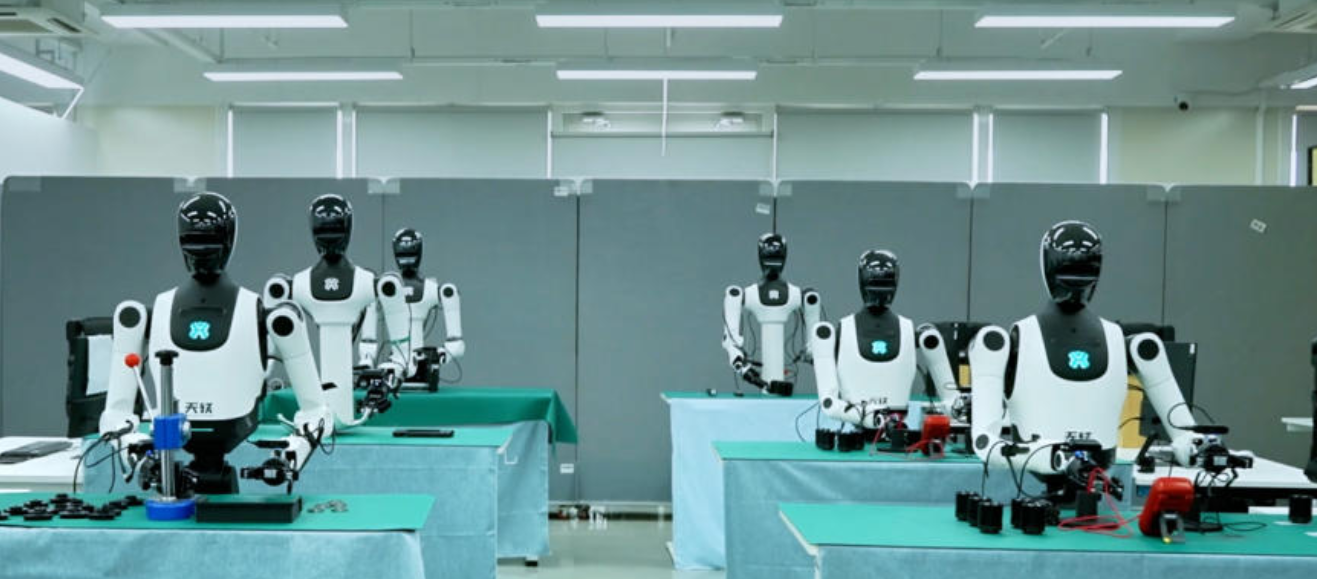
The Beijing Humanoid Robot Innovation Center and Renmin University of China's Gaoling Artificial Intelligence Institute have launched the Robo-ValueRL open-source framework. This initiative aims to enhance humanoid robots' decision-making capabilities in precision tasks, such as semiconductor assembly, by addressing challenges in data quality, control precision, and adaptability in dynamic environments. Robo-ValueRL introduces a value estimation mechanism based on historical observations, enabling robots to autonomously assess their actions. This closed-loop learning process—observation, value estimation, correction, and iteration—allows for improved accuracy and reduced instability in operations. The framework is fully open-source, providing access to core algorithms, evaluation tools, and standardized protocols for universities, research institutions, and manufacturers. The open-source nature of Robo-ValueRL significantly lowers the barriers for small and medium-sized manufacturers to implement reinforcement learning in specialized fields like semiconductor production and medical device manufacturing. This development marks a shift in humanoid robotics from laboratory experiments to practical industrial applications, paving the way for robots to evolve their decision-making capabilities independently.
Humanoid Robots Reinforcement Learning Precision Manufacturing Open Source Technology
Carnegie Mellon University Develops Open-Source Framework for AI Deployment in Robotics
Researchers at Carnegie Mellon University have created an open-source software framework aimed at streamlining the deployment of AI systems across various robots. This framework significantly reduces the time spent on setup, which can often take weeks or months, allowing researchers to focus on testing new behaviors more efficiently. The significance of this development lies in its potential to enhance collaboration and innovation in robotics. By eliminating the need to rebuild software for each robot, the framework facilitates easier integration of AI technologies, potentially accelerating advancements in robotic capabilities and applications. Looking ahead, the framework's adoption could lead to broader implications for the robotics field, including increased interoperability among different robotic systems. No further timeline was disclosed at the time of publication regarding additional features or updates to the framework.
Robotics
NVIDIA and Hugging Face Bring New Models and Frameworks to LeRobot for the Open Robotics Community
New LeRobot integrations give developers open access to NVIDIA Isaac GR00T 1.7, Isaac Teleop, datasets and robotics workflows, with NVIDIA Cosmos 3 integration planned to bring frontier world models to open robotics development.
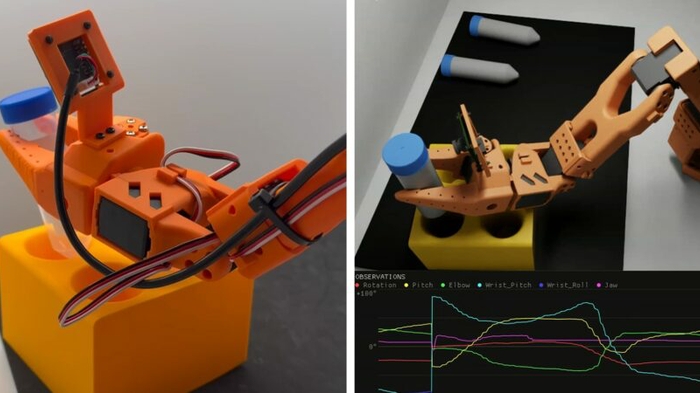
NVIDIA and Hugging Face Bring New Models and Frameworks to LeRobot for the Open Robotics Community
Open source AI has shown how quickly developers can innovate when models, data and tools are shared. Robotics has the same opportunity, but advancements in physical AI development can still be gated by costly and fragmented resources, from large ...
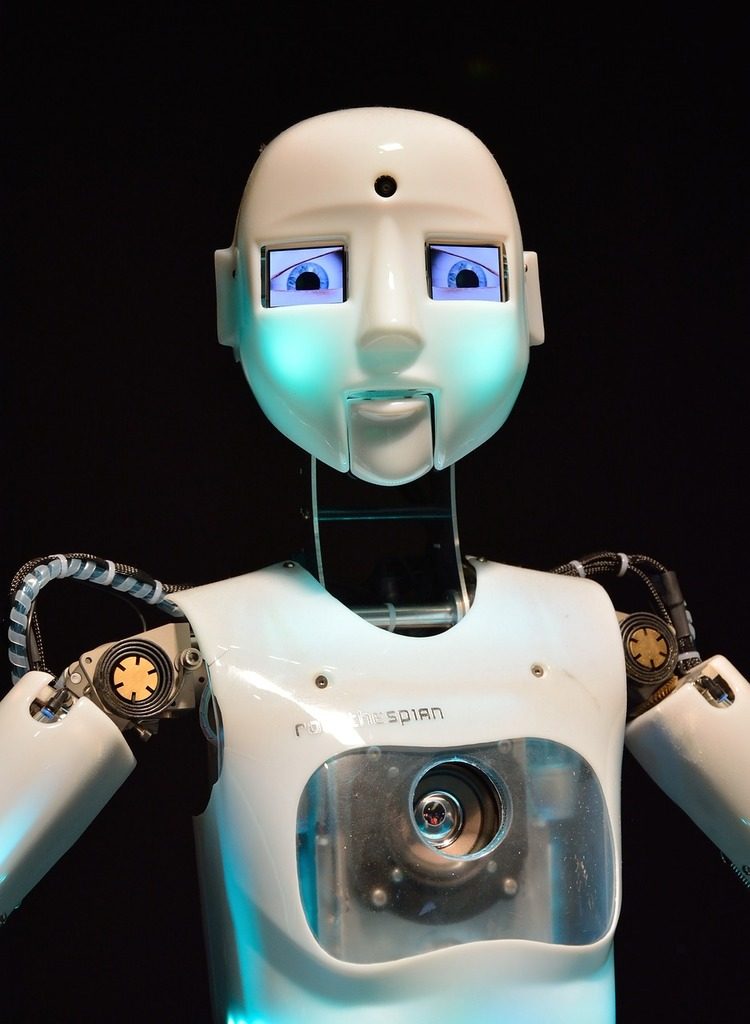
Congress Introduces GUARD Act, Extending FCC Covered List Framework to Robotics
A bipartisan coalition of U.S. lawmakers has introduced the Guarding the U.S. against Adversarial Robotics Dominance (GUARD) Act, aimed at implementing national security reviews for certain foreign-made humanoid and quadruped robots. This legislation reflects a growing concern over the implications of connected autonomous systems on national security. By extending the existing Federal Communications Commission (FCC) covered list framework to include robotics, the bill seeks to ensure that these technologies do not pose risks to U.S. safety and security. The introduction of the GUARD Act marks a significant step in the U.S. government's approach to regulating advanced robotic systems, highlighting the increasing recognition of their potential impact on national defense.
Applications Drone News Drone News Feeds drone security Dual Use News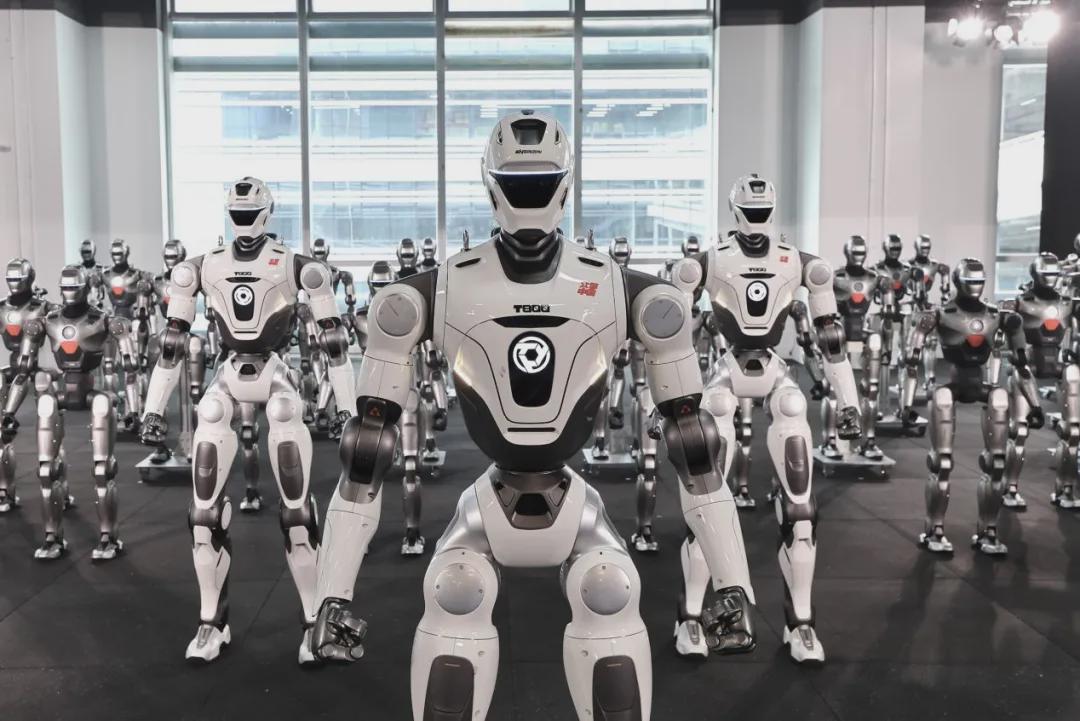
Zhongqing Robotics Achieves Mass Production Capability for Humanoid Robots
Zhongqing Robotics has inaugurated its new manufacturing base in Shenzhen, a pivotal development that signifies the commencement of mass production for its T800 humanoid robots. This state-of-the-art facility combines research and manufacturing capabilities, allowing the company to produce thousands of units efficiently while adhering to stringent quality standards. The launch not only enhances Zhongqing's production capacity but also solidifies its position as a frontrunner in the humanoid robotics sector, effectively tackling prevalent challenges associated with scaling production.
Humanoid Robots Mass Production Smart Manufacturing Robotics Technology
Cellula Robotics and Metron Sign 10-Year Agreement to Deliver Next-Generation Undersea Capability for the US Defense Market
Cellula Robotics US Inc. and Metron, Inc. have entered into a decade-long partnership aimed at enhancing the United States defense sector. This collaboration will integrate Cellula's advanced commercial off-the-shelf long-endurance autonomous underwater vehicle platforms with Metron's expertise in adaptive mission autonomy and extensive experience in undersea warfare and maritime operations. The agreement, which underscores a commitment to innovation in defense technology, is expected to bolster the capabilities of the U.S. military in underwater missions, ensuring improved operational efficiency and effectiveness.
cellula robotics metron agreement defense
Can Heterogeneous Robots Share Skills? Collaborative Breakthrough by Peking University, Tsinghua University, and Others in IAIL Framework Published in Science Robotics
A collaborative research team from leading universities has introduced the IAIL framework, a groundbreaking system that allows diverse robots to autonomously comprehend and perform tasks without the need for prior programming or human input. This innovative framework emphasizes intention alignment over mere action replication, which markedly improves coordination among multiple robots. The development, announced in October 2023, aims to revolutionize the way robots interact and collaborate in various environments, paving the way for more efficient and effective robotic applications across multiple sectors.
Heterogeneous Robots Robot Collaboration AI Frameworks Robotics Research
REQDGAN‐TUA: A Reflection Equivariant Quantum Graph Attention Framework With Tactical Unit Optimization for Intelligent Fault Diagnosis in Industrial Robotics
A recent study published in the Journal of Field Robotics highlights advancements in robotic technology, focusing on the development of autonomous systems capable of navigating complex environments. Conducted by a team of researchers from various institutions, the study was released in May 2026 and aims to enhance the efficiency and safety of robotic operations in fields such as agriculture, search and rescue, and environmental monitoring. The researchers utilized cutting-edge algorithms and machine learning techniques to enable robots to interpret and respond to dynamic surroundings. This innovation is particularly significant as it addresses the growing demand for automation in sectors where human intervention can be hazardous or inefficient. By testing these autonomous systems in real-world scenarios, the team demonstrated their potential to operate effectively in unpredictable conditions, which could revolutionize how tasks are performed in challenging environments. The findings underscore the importance of continued investment in robotics research to improve safety, productivity, and operational capabilities across various industries. This study not only contributes to the academic field but also has practical implications for industries looking to integrate advanced robotics into their operations, paving the way for a future where robots can work alongside humans more seamlessly.
RESEARCH ARTICLE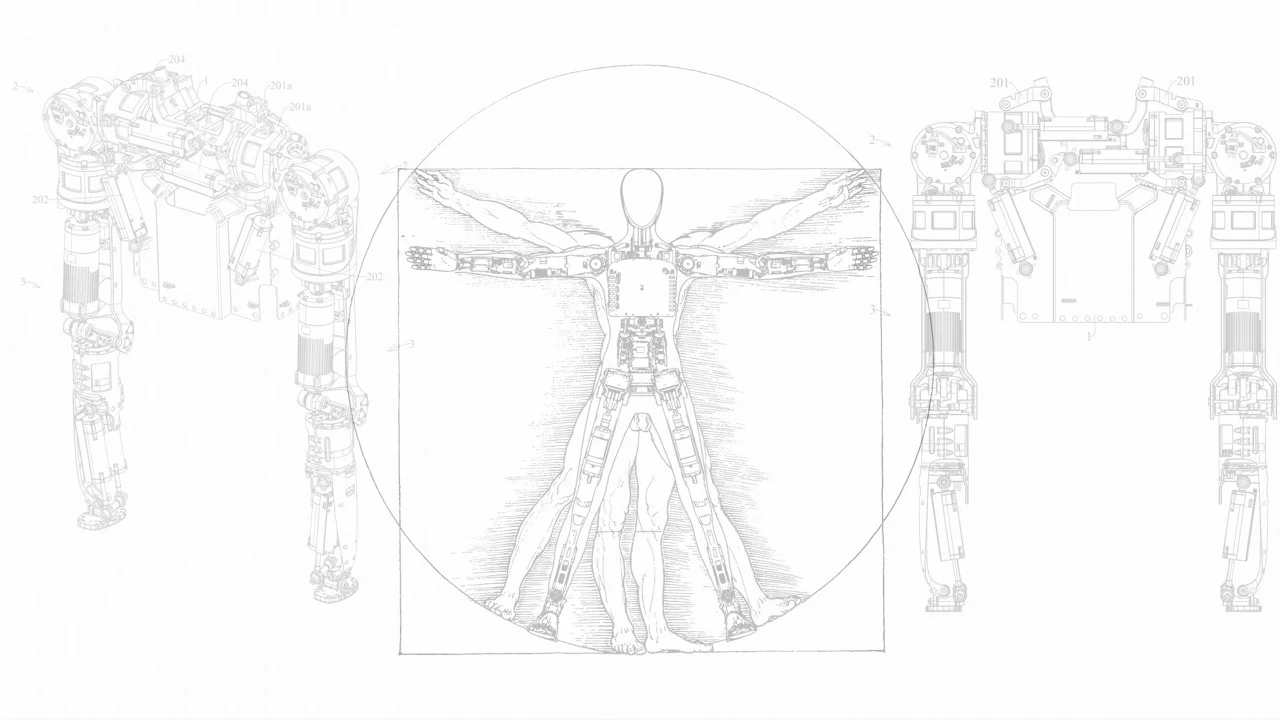
Simulating the 'Masterpiece': XPENG Robotics Unveils Design Framework and Lattice Musculature for IRON
XPENG Robotics has unveiled a comprehensive technical analysis detailing the innovative 'body logic' of its IRON humanoid robot. This deep-dive, released recently, highlights significant advancements in the robot's design, including a revamped reinforcement learning framework and proprietary algorithms that enable the simulation of intricate 3D-printed lattice muscles. The development aims to enhance the robot's functionality and adaptability, showcasing XPENG's commitment to pushing the boundaries of robotics technology. This initiative reflects the company's broader strategy to integrate advanced machine learning techniques with cutting-edge manufacturing processes, positioning the IRON humanoid as a leader in the evolving robotics landscape.
China XPeng IRONRobotics needs a service framework.
RSF defines a common language for robot service capability, lifecycle operations, certification pathways, and service-provider networks.
Join the RobotToday community on LinkedIn
Daily robotics news, in-depth analysis, conference highlights, and discussions with professionals worldwide.







