

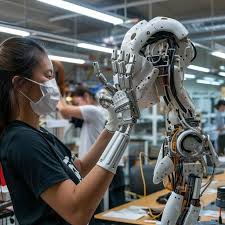
Arm, a semiconductor and software design company, has launched a Robotics Capability Framework aimed at providing a standardized language for the robotics industry. This initiative seeks to clarify ambiguous terms like 'autonomous' and 'intelligent' as AI becomes more integrated into robotic systems.
The framework is designed to address the challenges posed by inconsistent terminology, which complicates the comparison and integration of robotic systems. As robots expand their roles beyond industrial settings into areas such as healthcare and agriculture, a common language is essential for developers, regulators, and users to assess capabilities and risks effectively.
Arm's proposed framework outlines levels of robotic intelligence and the contexts in which these capabilities are applied. This dual approach allows for a more nuanced understanding of a robot's abilities, facilitating better differentiation between various types of robots, such as fixed industrial units and mobile manipulators that require advanced contextual awareness.
Editor's Note
The introduction of Arm's Robotics Capability Framework reflects a growing need for standardization in the rapidly evolving robotics sector. As intelligent machines become more prevalent across diverse applications, a common language will enhance interoperability and facilitate regulatory compliance, ultimately driving innovation and adoption in the market.
Copyright Notice
This briefing is an independently written summary based on publicly available reporting and is provided for industry information and news discovery. The original report and source publication are credited and linked where applicable. RobotToday does not claim ownership of third-party source material.
Rights concerns? If you believe any material in this briefing infringes your copyright or other rights, please contact [email protected] with the relevant URL and details. We will review the matter and take appropriate action where warranted.






























Leave a comment