Industry Briefing
A single destination for timely, editor-curated robotics news from around the world.

Astribot Launches SmoothRL: A New Era in Online Reinforcement Learning for Robots
Astribot has introduced SmoothRL, an online reinforcement learning framework validated through real robot tasks. This technology addresses a critical challenge in embodied intelligence: how robots can learn and improve while executing tasks in real-time. Traditional models struggle with precision in real-world applications, often failing in details like positioning and force control despite extensive training. The significance of SmoothRL lies in its ability to allow robots to receive feedback through real interactions, adjusting their strategies based on success or failure. Unlike conventional offline training, which pauses for data collection and model updates, SmoothRL enables continuous operation, thus enhancing the robot's learning process without disrupting its tasks. This shift marks a pivotal change in how robots are trained, moving from reliance on pre-collected data to ongoing adaptation based on real-world experiences. Initial tests with the Astribot S1 robot show promising results, with task success rates significantly improving across various activities. However, challenges remain for widespread adoption, including high data collection costs and the need for reliable reward mechanisms. The future of robotic learning may evolve into a continuous optimization process, moving away from fixed capabilities post-deployment.
Reinforcement Learning Embodied Intelligence Robot Development Real-Time Learning
Former ByteDance and Tencent AI Researcher Sun Peng Joins Stardust Intelligence for Robot Learning
Sun Peng, a former core researcher in AI at ByteDance and Tencent, has joined Stardust Intelligence to improve post-training processes in robot reinforcement learning. This move is expected to enhance the capabilities of robots in learning from their environments more effectively. The significance of this development lies in the growing importance of reinforcement learning in robotics, particularly in the context of embodied intelligence. With Sun Peng's expertise, Stardust Intelligence aims to advance its technology and potentially lead the market in intelligent robotics solutions. Looking ahead, industry observers will be keen to see how Sun Peng's contributions will shape the future of robot reinforcement learning at Stardust Intelligence. No further timeline was disclosed at the time of publication.
Robotics Automation AI
Path-Planning Method for Orchard Robots Enhanced by Reinforcement Learning
A new path-planning method for orchard robots has been developed, utilizing reinforcement learning techniques. This innovative approach aims to improve the efficiency and effectiveness of robotic navigation in agricultural settings. The significance of this development lies in its potential to enhance the operational capabilities of orchard robots, allowing for better navigation and task execution in complex environments. By leveraging reinforcement learning, the method can adapt to various conditions, which is crucial for optimizing agricultural processes. Looking ahead, the adoption of this path-planning method could lead to advancements in robotic applications within agriculture. As the technology matures, it will be important to monitor its implementation and the impact it has on productivity and operational costs in orchard management. No further timeline was disclosed at the time of publication.
RESEARCH ARTICLE
Exploring Sensorimotor Contingency Learning Through a Playful Robot in a Crib
A recent study published in Science Robotics highlights the role of a playful robot in a crib designed to enhance our understanding of sensorimotor contingency learning. This innovative approach aims to investigate how infants learn to associate their actions with sensory outcomes through interaction with the robot. The significance of this research lies in its potential to inform developmental psychology and robotics. By analyzing the interactions between infants and the robot, researchers hope to uncover insights into the fundamental processes of learning and development, which could influence future educational tools and robotic designs. Looking ahead, the study sets the stage for further exploration into the implications of sensorimotor learning in both human and robotic contexts. No further timeline was disclosed at the time of publication.
Research Article
Tashan Technology Unveils Tactile Perception Loop for Enhanced Robotic Interaction Learning at WRC 2026
At the World Robotics Conference (WRC) 2026, tactile perception emerged as a focal point, highlighting its importance in robotic interaction. Tashan Technology showcased its tactile perception loop, addressing the limitations of visual imitation learning in complex industrial environments. The company aims to enhance robots' physical interaction capabilities by developing scalable tactile sensors that enable autonomous learning through real-time feedback. The significance of this development lies in its potential to overcome the challenges faced by robots in understanding physical interactions. Current reliance on visual data fails to capture the nuances of tactile feedback, leading to high failure rates in tasks involving unknown objects. Tashan Technology's approach seeks to fill this gap by providing robots with a tactile sensory system that allows them to independently comprehend and adapt to their physical surroundings. Looking ahead, Tashan Technology's advancements in tactile perception could revolutionize the robotics industry by enabling robots to perform tasks with greater accuracy and reliability. The company’s TS-F series sensors, capable of detecting various materials and providing high-resolution force feedback, represent a significant step towards achieving human-like tactile perception in robots. No further timeline was disclosed at the time of publication.
Tactile Perception Robotic Interaction Sensor Technology AI Robotics
Generalist Leverages Human Demonstration Data for Enhanced Robot Learning
Generalist, a robotics startup valued at $2 billion, utilizes human demonstration data to train robots on real-world tasks. Developed through collaboration among Toyota Research Institute, Columbia University, and Stanford University, the Universal Manipulation Interface (UMI) enables the collection of training data via puppet-like end effectors and GoPro cameras. This innovative approach allows collaborative robots to learn tasks such as washing dishes and picking up objects more efficiently. The significance of Generalist's work lies in its ability to create adaptable robots that can recover from errors in real-time, a feature demonstrated at the Automate event. The company showcased its models performing various tasks with Universal Robots and Flexiv arms, highlighting the intelligence of these systems in handling unexpected challenges. This capability has the potential to reshape perceptions of automation in industrial settings. Looking ahead, Generalist aims to further refine its models to maintain a competitive edge in a rapidly evolving market that has seen over $4 billion in investments. The company’s commitment to developing versatile robotic solutions across diverse applications will be crucial for its growth and adoption in the industry. No further timeline was disclosed at the time of publication.
Academia / Research Arms / Manipulators Artificial Intelligence Artificial Intelligence / Cognition Assembly Cobot Arms
Berlin Research Reveals Insights on Language Learning with Robot Mentors
A study by the Berlin Smart Science Institute tracked 90 adults learning a new language from a humanoid robot, recording over 2,000 mistakes. Surprisingly, the research found that providing excessive information immediately after errors can hinder learning. Three feedback modes were tested, with personalized feedback seemingly the most effective, yet it was revealed to weaken task performance right after mistakes. The findings highlight a complex relationship between cognitive load and learning outcomes. While personalized feedback initially distracts learners, it ultimately leads to better performance by the end of the course. This aligns with the educational concept of 'ideal difficulty,' where moderate challenges enhance memory retention. Additionally, learners who felt bored benefited most from task-oriented prompts, suggesting that well-timed hints can refocus attention. The study emphasizes that effective AI tutors must balance personalization with situational awareness, providing the right support at the right time to truly enhance the learning experience.
Language Learning AI Education Cognitive Science Robotics
Okinawa Research Team Discovers Language Learning Insights Through AI Robot Curiosity
A research team from Okinawa Institute of Science and Technology found that an AI robot, during training, began to exhibit playful behavior, leading to faster learning. This study, published in 'Science Advances,' reveals that a rich language environment combined with inherent curiosity is crucial for rapid language acquisition, mirroring human learning mechanisms. The research utilized a PV-RNN model based on human brain information processing theories, aiming to balance prediction accuracy and belief system stability. By incorporating reinforcement learning, the robot received external rewards for task completion and internal rewards for satisfying its curiosity, resulting in competing motivations that enhanced its understanding of language. Notably, the robot demonstrated surprising behaviors, such as intentionally interacting with unrelated objects, which accelerated its language comprehension. The findings suggest that the diversity of language exposure is key to unlocking understanding, and the robot's performance mirrored the U-shaped learning curve seen in children, indicating its ability to handle exceptions similarly to human learners. No further timeline was disclosed at the time of publication.
AI Language Learning Reinforcement Learning Child Language Acquisition Neural Networks
Advancements in Robotic Manipulation Through Real-World Reinforcement Learning
A recent study published in Science Robotics highlights significant advancements in robotic manipulation using real-world reinforcement learning techniques. This research demonstrates how robots can learn to perform complex tasks more efficiently by interacting with their environment, leading to improved performance in various applications. The implications of this research are profound, as enhanced robotic manipulation capabilities can transform industries such as manufacturing, logistics, and healthcare. By leveraging real-world reinforcement learning, robots can adapt to dynamic environments, making them more versatile and effective in executing tasks that require precision and adaptability. Looking ahead, the focus will be on further refining these techniques and exploring their applications in real-world scenarios. Continued research in this area may lead to breakthroughs in how robots are integrated into everyday operations, enhancing productivity and efficiency across multiple sectors. No further timeline was disclosed at the time of publication.
Research Article
China's Robots Learning Human Skills Through Real-World Simulations
In a discreet industrial park in suburban Beijing, a humanoid robot is meticulously stacking bags of chips on a shelf. Nearby, workers are filming their actions of folding sheets and handling cushions, which will serve as 'textbooks' for the robots. China is undertaking a significant initiative to transition robots from laboratories to simulated environments like supermarkets, factories, and homes to learn human skills, and the scale of this 'internship' is rapidly expanding. This initiative is crucial as robots need to understand the physical world's rules, such as how to hold an egg without breaking it or catch a cup of water before it slips off a tray. Unlike the U.S., which relies on data purchasing and low-cost data collection in countries like India and Vietnam, China has established at least 64 data collection and training centers nationwide, with over 20 more under construction. At the Beijing Humanoid Robot Innovation Center, more than 120 robots are being trained across 30 scenarios in six major sectors, forming a comprehensive 'robot training network' across the country. As hardware advancements continue, Chinese robotics companies are focusing on enhancing their AI capabilities. Yushu Technology is preparing for an IPO, pledging nearly half of its $610 million fundraising to AI model development. By mid-2026, funding in China's embodied intelligence sector has already exceeded 90 billion yuan, five times that of the previous year. With plans to deploy over 1,000 humanoid robots in factories this year and more than 10,000 by 2027, China is leveraging its organizational capabilities to collect data at scale, positioning itself advantageously in the race towards general intelligence.
Humanoid Robots AI Robotics Training Data Collection Automation
Correction Notice for Research Article on Robot Peer Failures and Student Learning
An erratum has been issued for the research article titled 'Observing a robot peer’s failures facilitates students’ classroom learning' published in Science Robotics. This correction addresses inaccuracies found in the original publication, ensuring the integrity of the research findings. The importance of this erratum lies in its impact on the understanding of how robot interactions can enhance educational outcomes. The original study highlighted the role of robot peer failures in facilitating learning among students, a significant aspect of integrating robotics into educational settings. Moving forward, it will be essential to monitor any further updates or corrections related to this research. No further timeline was disclosed at the time of publication.
Errata
Advancements in Embodied Intelligence: Robots Learning Through Experience
A robot in a warehouse near Austin has fallen for the 4,000th time without assistance, showcasing the progress of embodied intelligence. This technology allows machines to physically interact with the world, fundamentally changing how they learn. Instead of merely processing information, these robots learn through experience, such as understanding gravity by knocking over objects. Embodied intelligence is gradually integrating into daily life, with humanoid robots working on assembly lines and assisting police in Hangzhou. In Malaysia, the Prime Minister introduced an AI digital twin to handle citizen inquiries autonomously. However, in Europe, there is growing concern about job displacement, with unions negotiating wage structures in anticipation of humanoid robot deployment. The societal divide is evident: while Asian countries view robots as helpful assistants, Europeans express fears of job loss. The future of embodied intelligence will depend on societal acceptance, highlighting a complex relationship between technology and human values. No further timeline was disclosed at the time of publication.
Embodied Intelligence Robotics AI Technology Human-Robot Interaction
Skild AI Introduces S1 Robot Foundation Model for Learning from Video Demonstrations
Skild AI has launched the S1, a groundbreaking robotics foundation model that allows robots to learn manipulation tasks from just one video demonstration. This innovative model eliminates the need for task-specific fine-tuning or post-training, streamlining the learning process for robotic systems. The significance of the S1 model lies in its use of in-context learning, which parallels the prompting techniques utilized in large language models. This capability enables operators to simply demonstrate a task via video, making it easier for robots to acquire new skills efficiently and effectively. Looking ahead, the implications of the S1 model could reshape how robots are trained and deployed across various industries. As Skild AI continues to develop this technology, industry professionals should monitor advancements and potential applications of the S1 model in real-world scenarios. No further timeline was disclosed at the time of publication.
Computing Design News Software artificial intelligence Autonomous robots
Turing Award Winner Richard Sutton Launches Interactive Robot Kindergarten in Beijing
In September, a unique robot kindergarten opened in Beijing's Shijingshan Shougang Park, featuring robots from various companies like Yushu Technology and Accelerated Evolution. This initiative, co-developed by He Mountain Technology and Richard Sutton's Openmind team, aims to teach robots through interaction rather than traditional training methods. The facility includes testing, learning, and interaction zones where robots learn by engaging with their environment, mimicking the learning process of children. The significance of this robot kindergarten lies in its innovative approach to robot learning. Unlike conventional methods that rely on human demonstration data, Sutton emphasizes the importance of allowing robots to learn through trial and error in real-world settings. This initiative seeks to develop a learning mechanism that enables robots to adapt and evolve their intelligence autonomously, ultimately fostering their ability to interact with complex environments. Looking ahead, the research team plans to introduce more advanced algorithms and experimental designs to enhance the robots' capabilities. The goal is to enable robots to distinguish between themselves and their surroundings, master motion control, and understand object interactions. No further timeline was disclosed at the time of publication.
Robotics Education Autonomous Learning Artificial Intelligence Human-Robot Interaction
Impact of Task Complexity on Skill Retention in Surgical Robot Teleoperation Training
A recent study has revealed the influence of task complexity on skill retention in the teleoperation of surgical robots. This research provides a framework aimed at enhancing training methodologies for surgeons operating robotic systems. Understanding how different levels of task complexity affect surgeons' ability to retain skills is crucial for developing effective training programs. Improved training methods can lead to better surgical outcomes and increased efficiency in robotic surgeries, which is vital in the evolving landscape of medical technology. Looking ahead, the focus will be on implementing the proposed framework in surgical training programs to assess its effectiveness. No further timeline was disclosed at the time of publication.

Advancements in Tactile Data Enhance Robot Dexterity for Everyday Tasks
Recent developments in tactile data collection are addressing the challenges of robot dexterity in everyday tasks. Researchers are leveraging vision-language-action models, which have shown promise in guiding robots through complex actions, but still struggle with tasks requiring fine motor skills. By integrating tactile feedback, robots can improve their manipulation capabilities, as demonstrated by recent studies. The significance of this research lies in its potential to overcome barriers in robotic manipulation. Traditional vision sensors fail to provide the tactile feedback necessary for tasks like handling deformable materials or small objects. By utilizing high-quality tactile datasets, researchers are enabling robots to adjust their grip in real-time, significantly enhancing their performance in tasks such as screwing in light bulbs or transferring delicate items. Looking ahead, collaborations among institutions are underway to expand tactile datasets and improve robot training methodologies. Notably, Fudan University and its spin-out NeoteAI have made strides in creating extensive tactile datasets, which have shown to enhance robot performance. Continued efforts in this area could lead to more capable robots that can effectively perform a wider range of tasks in everyday environments.
Robotics Manipulation Tactile-sensing
Skild AI Introduces S1 Robot Model Utilizing NVIDIA Physical AI for Task Learning
Skild AI has launched its S1 robot foundation model, designed to learn new tasks from a single video demonstration. This innovative approach utilizes in-context learning, allowing the robot to understand and execute tasks without the need for extensive reprogramming. The model was developed using NVIDIA AI infrastructure, highlighting a collaboration aimed at enhancing adaptable robot intelligence in dynamic environments. The significance of the S1 model lies in its ability to perform unfamiliar tasks, such as plant potting and pancake making, by interpreting video prompts. This method drastically reduces the time and resources typically required for retraining robots, achieving a success rate of 66% in executing new multistep tasks. Skild AI's approach marks a pivotal shift in robotics, moving away from fixed programming to a more flexible, experience-based learning model. Looking ahead, Skild AI is actively deploying the S1 model in various applications, including manufacturing and logistics, with over 60 partnerships established. The collaboration with NVIDIA and Foxconn aims to enhance precision in assembly tasks, showcasing the potential for robots to adapt in real-time to changing conditions on the factory floor. No further timeline was disclosed at the time of publication.
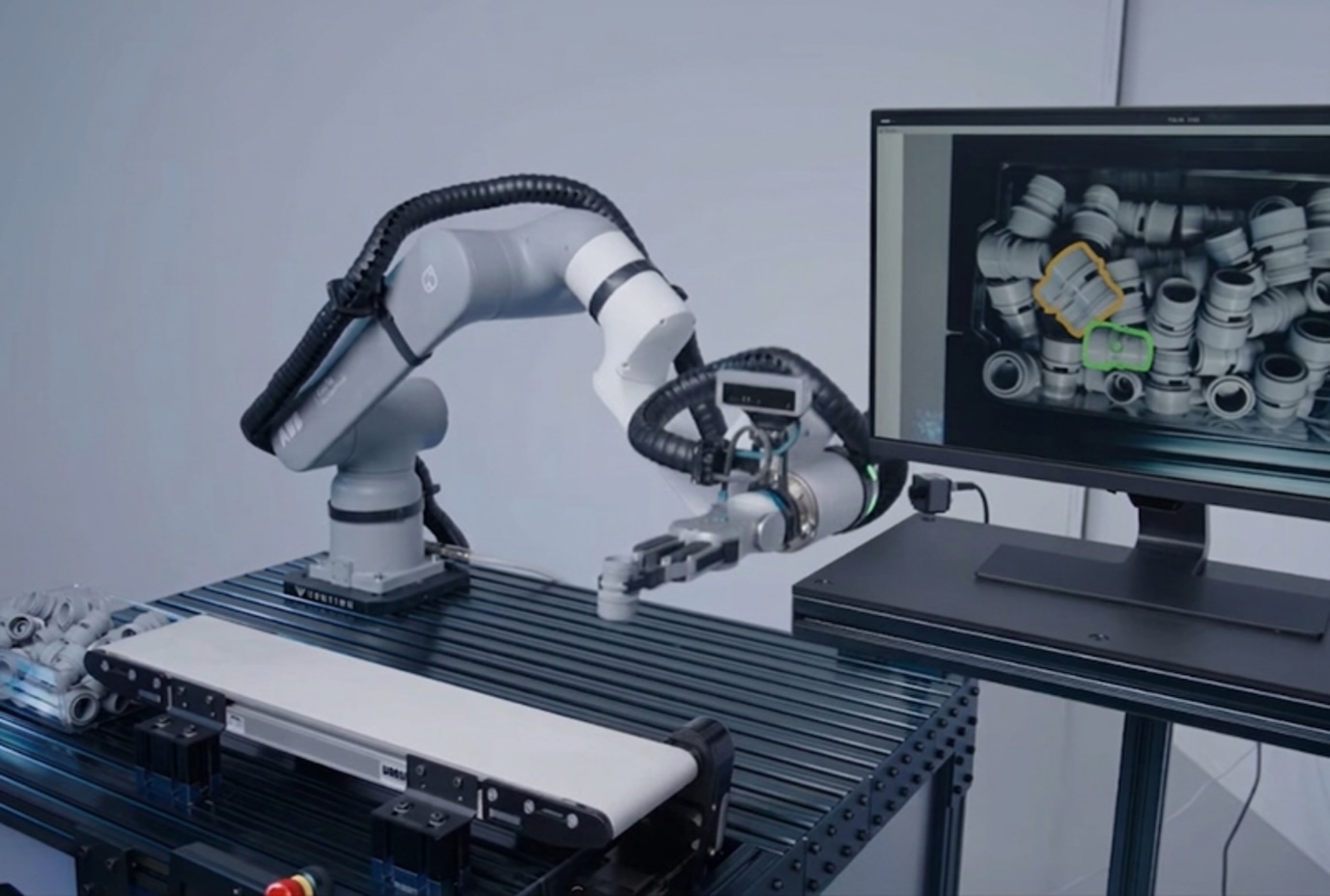
International Team Develops Robots Learning to Navigate Terrain from Stick Insects
An international team from Tohoku University and VISTEC is studying stick insects to enhance robot navigation in challenging terrains. The research focuses on the insect's six legs, which allow for agile movement across various surfaces, surpassing current multi-legged robots in coordination. By employing adversarial inverse reinforcement learning, the team enabled a six-legged robot to autonomously learn to navigate diverse terrains within an hour by observing stick insect locomotion. This research is significant as it proposes a shift from traditional biomimetic approaches that require specific programming for each robot and terrain. Instead, the team aims to extract fundamental movement control principles, allowing robots to adapt to changing environments without extensive reprogramming. This adaptability is crucial for disaster scenarios where uneven surfaces and obstacles are prevalent, particularly in earthquake-prone Japan, where the demand for effective rescue robots is high. Looking ahead, the team plans to validate the learning system's robustness in realistic rubble environments and explore the potential for robots to compensate for lost limbs through continuous learning. The implications of this research could redefine how robots navigate complex terrains, making them more effective in emergency situations.
Robotics Disaster Response Machine Learning Bio-inspired Robotics
AGIBOT Open-Sources 11,430 Robot Trajectories to Enhance Reinforcement Learning Research
AGIBOT, a Chinese robotics company, has released its WORLD 2026 dataset, featuring 11,430 robot trajectories aimed at advancing research in reinforcement learning for embodied AI. This dataset emphasizes learning from real-world interactions, capturing a range of experiences including successes, failures, and human interventions. The significance of this release lies in its shift from traditional reliance on expert demonstrations to a more comprehensive approach that includes various robot experiences. By documenting both successful and failed attempts, AGIBOT provides researchers with valuable insights into robot performance and the factors influencing their capabilities. Looking ahead, AGIBOT plans to expand the WORLD 2026 initiative with additional datasets and benchmarks. This ongoing development aims to support researchers in creating robots that can learn continuously from their experiences, ultimately enhancing their reliability in everyday environments. No further timeline was disclosed at the time of publication.
AI and Robotics
Skild AI Launches S1, Its Flagship Robot Foundation Model for In-Context Learning
Skild AI has introduced S1, its flagship robot foundation model designed to enable in-context learning for robotics. The model allows robots to learn complex tasks by observing a single video, a significant advancement since the company's founding in 2023, during which it raised nearly $1.7 billion in funding. The importance of S1 lies in its ability to streamline the learning process for robots, which traditionally require extensive post-training for new tasks. Skild AI co-founder and CEO Deepak Pathak emphasized that S1 can handle long-duration tasks, such as repotting plants or cooking, by utilizing diverse training data sources, including human videos and teleoperation data. Looking ahead, Skild AI aims to enhance the model's performance, particularly for humanoid robots, although current efforts are generalized across various tasks. Pathak noted that the model's adaptability is crucial, as demonstrated by its ability to learn new actions, like flipping pancakes, from observing human behavior. No further timeline was disclosed at the time of publication.
Artificial Intelligence Artificial Intelligence / Cognition Design / Development News Fetch skild ai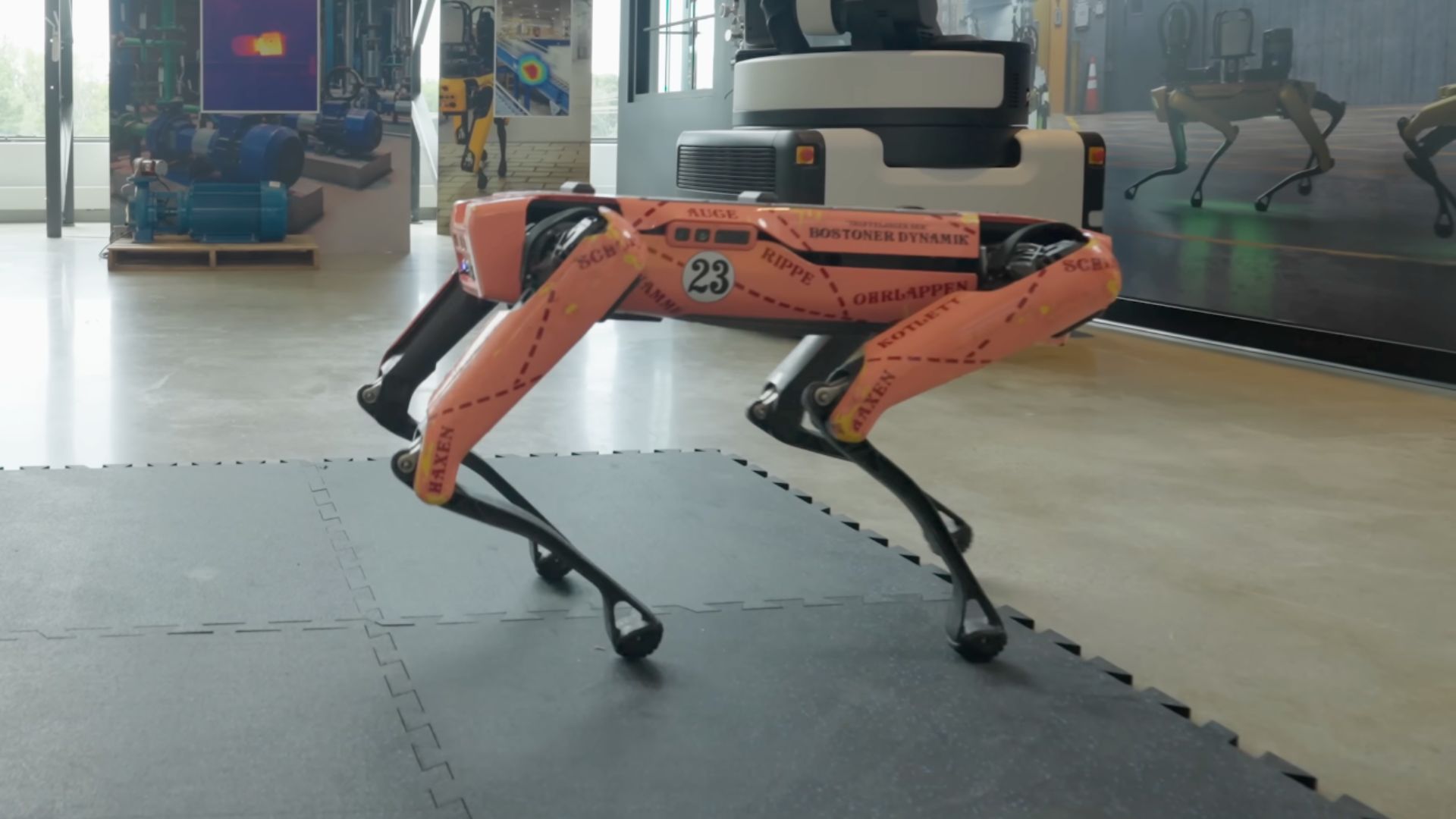
NVIDIA Introduces COMPASS Framework to Enhance Robot Navigation Learning
Researchers have developed NVIDIA's new framework, COMPASS, aimed at simplifying the training of robot navigation systems across various machines and environments. This innovative approach combines AI agents, simulation, reinforcement learning, and automated testing to significantly reduce the time and effort required to adapt navigation policies when changes occur in robots, scenes, or operating conditions. The importance of COMPASS lies in its ability to streamline the development process for robot navigation, which is inherently complex. Traditional methods often require extensive data collection and retraining when robots or environments change. By leveraging a pretrained navigation model and reinforcement learning, COMPASS allows developers to adapt existing policies rather than starting from scratch, thus minimizing workload and improving efficiency. Looking ahead, developers can utilize COMPASS with robots like the Boston Dynamics Spot quadruped, testing in both built-in and complex environments. The framework's integration with NVIDIA’s SAGE-10K dataset and Omniverse NuRec for realistic simulations will be crucial for fine-tuning navigation policies. No further timeline was disclosed at the time of publication.
AI and Robotics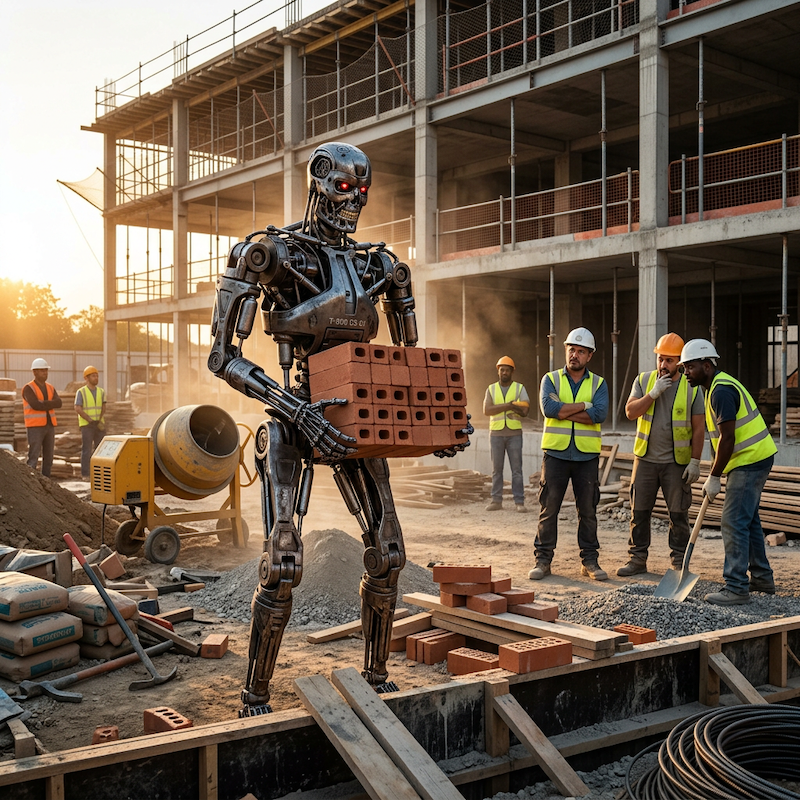
Exploring How Robots Utilize SLAM Technology to Navigate Construction Sites
Autonomous robots are increasingly being deployed on construction sites, where GPS signals are unreliable due to environmental factors. Instead of relying on external positioning, these robots utilize Simultaneous Localization and Mapping (SLAM) technology to create real-time maps using cameras and LiDAR. This capability allows them to navigate effectively around moving crews and changing site conditions. The importance of SLAM technology in construction cannot be overstated, as it enables robots to adapt to the dynamic nature of building sites. Unlike warehouse environments, where layouts remain relatively stable, construction sites frequently undergo changes, making it essential for robots to operate with updated maps. SLAM allows robots to determine their location and understand the current layout of the site, ensuring they can perform tasks accurately. Looking ahead, the integration of SLAM technology in robotics will continue to evolve, enhancing the capabilities of autonomous machines in construction. As construction sites become more complex, the need for real-time mapping and localization will grow, driving advancements in SLAM and related technologies. No further timeline was disclosed at the time of publication.
Features Robotics autonomous navigation Autonomous robots BIM boston dynamics
Developing Vision-Driven Reactive Soccer Skills for Humanoid Robots
A recent study published in Science Robotics explores the development of vision-driven reactive soccer skills for humanoid robots. The research focuses on enhancing the robots' ability to perceive and respond to dynamic environments, which is crucial for effective participation in soccer games. This advancement is significant as it addresses the challenges faced by humanoid robots in real-time decision-making and adaptability during sports activities. By improving these skills, researchers aim to enhance the robots' performance in competitive scenarios, potentially paving the way for more sophisticated applications in robotics and AI. Looking ahead, the implications of this research could extend beyond soccer, influencing various fields where real-time interaction and adaptability are essential. No further timeline was disclosed at the time of publication.
Research Article
Electromate Advocates for Hands-On Robotics Learning Using Dobot's Educational Platform
Electromate Inc. is emphasizing the importance of hands-on robotics education by showcasing Dobot's educational robotics platform. This initiative aims to assist schools, colleges, and universities in overcoming hardware access challenges as they expand their robotics and automation programs. The deployment of Dobot robots in educational settings is significant as it enables educators to create interactive learning environments. By providing practical access to multiple robots, Electromate is facilitating the integration of programming, automation, and advanced robotics coursework into the curriculum. Looking ahead, educators and institutions should monitor how the adoption of Dobot's platform influences student engagement and learning outcomes in robotics education. No further timeline was disclosed at the time of publication.

Feagine Robotics Unveils Fi0: A Learning Model for Diverse Robot Bodies
Feagine Robotics has launched Fi0, a cross-embodiment foundation model that retains task knowledge across various robot structures. This innovation addresses the challenge of adapting AI systems to different physical forms, enhancing their ability to generalize across unfamiliar machines. The introduction of three tendon-driven soft manipulators—A01, A02, and A03—supports this concept by providing varying lengths and degrees of freedom. This approach is crucial as robotics evolves beyond standardized industrial arms, allowing for improved adaptability and efficiency in diverse operational environments. Looking ahead, Feagine aims for Fi0 to minimize retraining when robots face new tasks, enabling them to learn from single human demonstrations. This could revolutionize how robots interact with their environments, suggesting a future where multiple robot embodiments can share intelligence seamlessly, catering to specific applications without being limited by their physical designs. No further timeline was disclosed at the time of publication.
AI and Robotics
X Square Robot Introduces HOST, Enabling 29-Second Learning for Humanoid Robots
X Square Robot has unveiled HOST, an open-sourced inference-time learning framework that allows humanoid robots to learn from a brief 29-second human demonstration. This innovative approach enables the robot to replicate the demonstrated skill with a success rate of 62 percent, marking a significant shift in how embodied AI systems are designed. The introduction of HOST is crucial as it transitions the learning process from traditional offline fine-tuning methods to real-time imitation. This advancement not only enhances the efficiency of skill acquisition for humanoid robots but also opens new avenues for their application in various tasks, making them more adaptable in dynamic environments. Looking ahead, the implications of HOST could reshape the landscape of humanoid robotics and AI learning. As the technology evolves, it will be important to monitor further developments and potential enhancements in the success rate and application scope of humanoid robots utilizing this framework. No further timeline was disclosed at the time of publication.

RL-100 Framework Enhances Robot Task Learning in Dynamic Environments
Robots are increasingly being integrated into diverse environments such as homes, offices, factories, and healthcare facilities. However, many of these robots struggle to maintain performance in unpredictable real-world situations compared to their effectiveness in controlled lab settings. The RL-100 framework addresses this challenge by enabling robots to refine their learned tasks amidst real-world disruptions. This advancement is crucial as it enhances the adaptability and reliability of robots in various applications, ensuring they can operate effectively in dynamic conditions. Looking ahead, the implementation of the RL-100 framework could significantly improve the performance of robots across multiple sectors. Continued developments in this area will be essential for maximizing the utility of robotic systems in everyday environments. No further timeline was disclosed at the time of publication.
Robotics
Reimagine Robotics Launches Innovative Learning Robots for On-the-Job Training
Reimagine Robotics Ltd has emerged from stealth mode, introducing robots capable of learning tasks on the job through direct human interaction. CEO Jonathan Scholz emphasized that these robots can be trained by workers who demonstrate tasks and provide corrections in real-time, a process he describes as 'monkey-see, monkey-do.' This approach aims to integrate robots into workflows without the need for specialized programming. The significance of this technology lies in its potential to enhance productivity by allowing workers to teach robots how to perform tasks, thereby reducing the need for repetitive manual labor. Scholz highlighted that the robots are designed to assist rather than replace human workers, with the goal of optimizing processes and addressing bottlenecks in various industries. Reimagine Robotics has already deployed its robots in advanced manufacturing and electronics disassembly facilities, showcasing their ability to automate tasks such as tending to 3D printers and disassembling hard drives. No further timeline was disclosed at the time of publication.
Artificial Intelligence Artificial Intelligence / Cognition Assembly Collaborative Robots Human Robot Interaction / Haptics Manufacturing
Mimic Robotics and Black Forest Labs Launch FLUX-mimic for Audi's Flexible Manufacturing
Mimic Robotics, in collaboration with Black Forest Labs, has introduced the FLUX-mimic video action model, which allows robots to fine-tune specific tasks with just 30 minutes of demonstration data, a significant reduction from the traditional 30 hours. This advancement leverages a generative video model trained on vast amounts of video data, enabling robots to understand dynamic behaviors and translate visual predictions into action commands more efficiently. This technology is particularly significant for Audi, which has relied on manual labor for intricate operations involving flexible components like rubber seals and wiring harnesses. The FLUX-mimic model enables robots to reliably handle these complex soft materials, addressing challenges that traditional robots could not solve. Christoph Schneider from Audi's production lab noted the robots' ability to tackle these intricate tasks, enhancing efficiency and promoting flexible automation in production and logistics. As FLUX-mimic undergoes testing and deployment at Audi's facilities, it marks a pivotal shift for physical AI from laboratory settings to real industrial applications. Mimic Robotics is committed to a comprehensive approach, developing not only AI models but also hardware for capturing human training data, paving the way for smarter and more efficient solutions to complex manufacturing challenges.
Robotics Manufacturing Automation AI Technology Flexible Production Video Learning
A Year-Long Study on Learning from Demonstration Amidst Rising Robotics Publications
A recent study by the IEEE Robotics and Automation Society examined the overwhelming challenge of keeping up with the surge in robotics research publications, particularly in Learning from Demonstration (LfD). In 2024, IEEE alone published 46,968 papers in robotics and automation, highlighting the difficulty researchers face in staying current. The study revealed that only about 20% of the analyzed 300 papers offered significant contributions, while the majority presented incremental improvements. This finding underscores the importance of identifying valuable research to avoid duplication of efforts. The authors also explored the role of AI and large language models (LLMs) in literature review, noting their limitations in recognizing the true significance of research. Looking ahead, the authors recommend developing a research engine to prioritize peer-reviewed work, establishing a blind publication model, and leveraging LLMs for summarization and quantitative assessment. The growth in robotics publications is expected to continue, driven by increased interest and AI tools that facilitate research and writing.
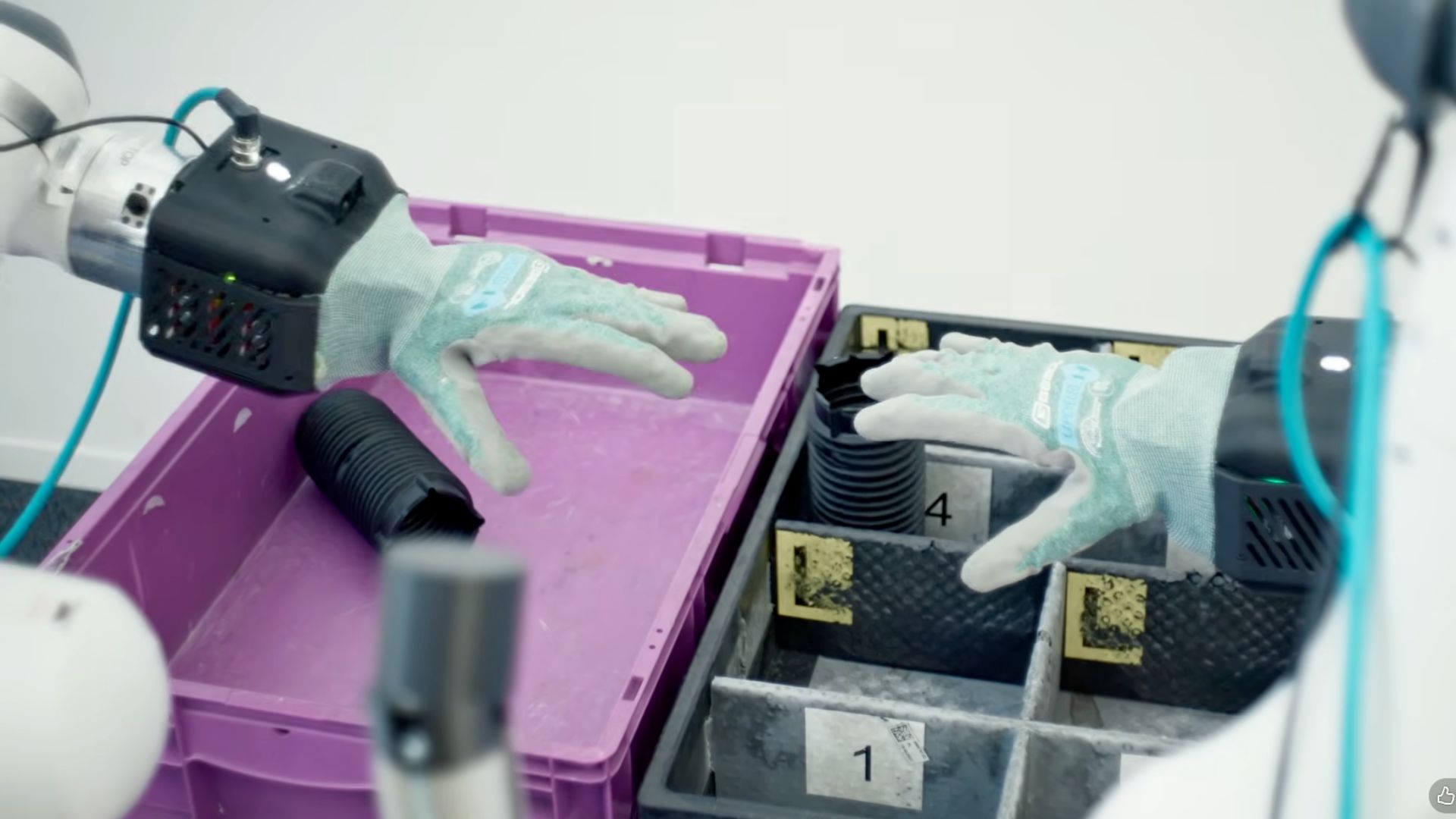
Mimic Robotics Introduces FLUX-mimic for Efficient Robot Learning from Video Demonstrations
Mimic Robotics has launched FLUX-mimic, a cutting-edge Video-Action Model developed with Black Forest Labs, enabling robots to learn intricate industrial tasks from video demonstrations. This innovative system significantly reduces the amount of training data required, allowing for faster and more efficient robot training in factory settings, including deployments at Audi. The importance of FLUX-mimic lies in its ability to streamline robot training processes, which traditionally demand extensive demonstration data. By utilizing a generative video foundation model, FLUX-mimic can fine-tune manipulation tasks with as little as 30 minutes of data, compared to the 30 hours often needed by conventional systems. This advancement is expected to shorten deployment cycles from months to weeks, enhancing operational efficiency. Looking ahead, the collaboration with Audi will test FLUX-mimic's performance in real-world factory environments, particularly for high-dexterity tasks. The focus on automating complex manipulations could lead to broader applications in manufacturing and logistics, making robotic automation more adaptable to evolving production needs. No further timeline was disclosed at the time of publication.
AI and Robotics
Okinawa Institute Develops Curiosity-Driven AI Robots for Faster Language Learning
Researchers at the Okinawa Institute of Science and Technology (OIST) have created AI-powered virtual robots that learn language more effectively by rewarding curiosity instead of traditional instruction. These robots completed language-based tasks in approximately half the time compared to those trained conventionally, showcasing a brain-inspired system that mimics human-like adaptability and playfulness. The significance of this development lies in its implications for both artificial intelligence and our understanding of human language acquisition. The curiosity-driven approach not only accelerated language learning but also led to spontaneous play-like behaviors, suggesting that such exploration is crucial for knowledge acquisition, similar to how children learn. Looking ahead, the study raises important questions about the balance between curiosity and a rich linguistic environment for effective learning. While curiosity alone was insufficient, exposure to diverse language combinations significantly enhanced the robots' understanding. Future research may further explore these dynamics and their applications in AI systems, particularly in language processing.
AI and Robotics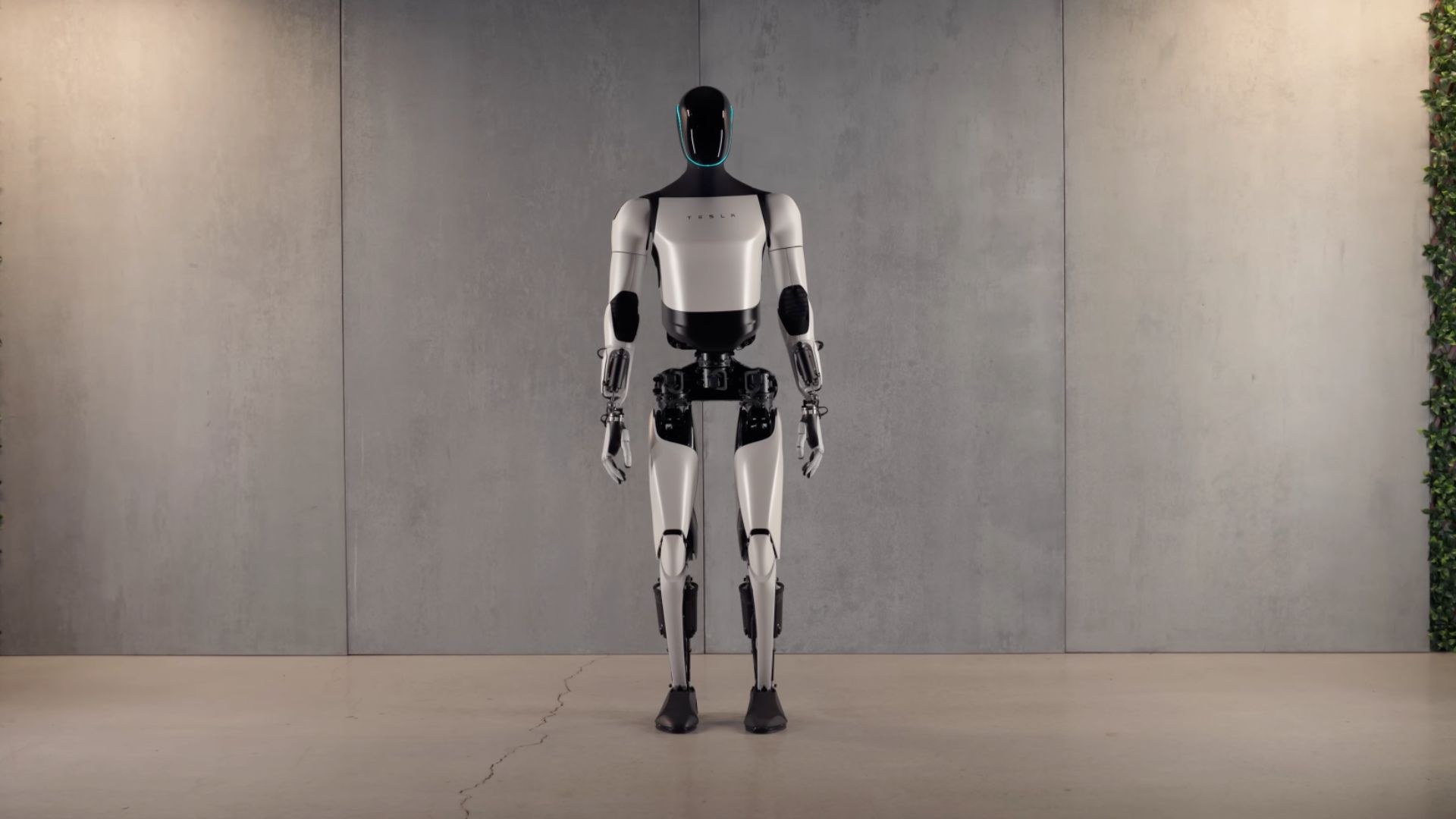
Tesla to Train Optimus Humanoid Robot Using Employee Movements at Gigafactory
Tesla plans to utilize its employees at the Gigafactory in Grünheide, Germany, to train the Optimus humanoid robot by capturing their movements during vehicle assembly. Selected workers will wear backpack-mounted cameras to record their actions, which will help teach Optimus to replicate these tasks autonomously. This initiative is significant as it mirrors Tesla's existing training program in the United States and aims to accelerate the development and production of the humanoid robot. However, the specific role of Optimus at the Grünheide factory and the management of employee participation in data collection remain unclear, especially considering German labor laws regarding monitoring employee behavior. Looking ahead, Tesla is also expanding its robotics operations in Reutlingen, Germany, where it is developing components for Optimus manufacturing. CEO Elon Musk has indicated that scaling production of the humanoid robot will be a major challenge, as it requires building nearly every component from scratch, unlike electric vehicles that benefit from established supply chains. No further timeline was disclosed at the time of publication.
AI and Robotics
Advancements in Robots Learning to Operate in Real-World Environments
The article discusses the latest developments in robotics, focusing on robots that are capable of learning to function effectively in real-world settings. These advancements mark a significant shift from traditional imitation-based learning to more adaptive and intelligent systems. This evolution in robotic technology is crucial as it enhances the ability of robots to perform complex tasks in dynamic environments, which is essential for various applications in industries such as manufacturing and logistics. The ability to learn and adapt in real-time can lead to increased efficiency and productivity. Looking ahead, the ongoing research and development in this area will be pivotal. Stakeholders should monitor the progress of these learning robots, as their deployment could revolutionize operational processes across multiple sectors. No further timeline was disclosed at the time of publication.
Focus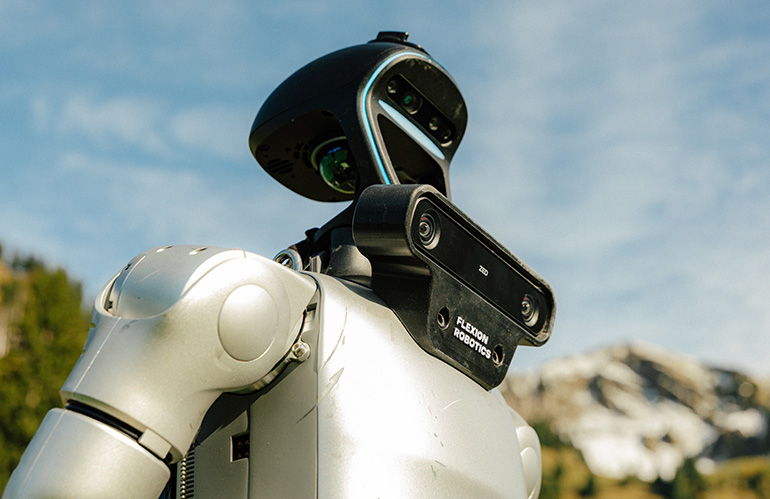
Flexion Develops Reinforcement Learning Platform to Address Teleoperation Issues in Robotics
Flexion is developing a reinforcement learning and sim-to-real platform specifically for humanoid robots. Over the past 18 months, humanoid robotics companies have raised billions, primarily funding human operators to manage robots, which has led to a teleoperation and data challenge within the industry. This reliance on teleoperation as a labor solution raises concerns about the long-term viability of training physical AI systems. The assumption that enough human demonstrations will enable robots to generalize across environments is questionable, especially given that teleoperation datasets are significantly smaller than those used for training language models, creating a growing data gap. Looking ahead, the industry must address the limitations of teleoperation and the dependency on human input for robot training. If humanoid robots require continuous human demonstrations, the original vision of automation may be compromised. No further timeline was disclosed at the time of publication.
Artificial Intelligence Artificial Intelligence / Cognition Controllers Development Tools / SDKs / Libraries Humanoids News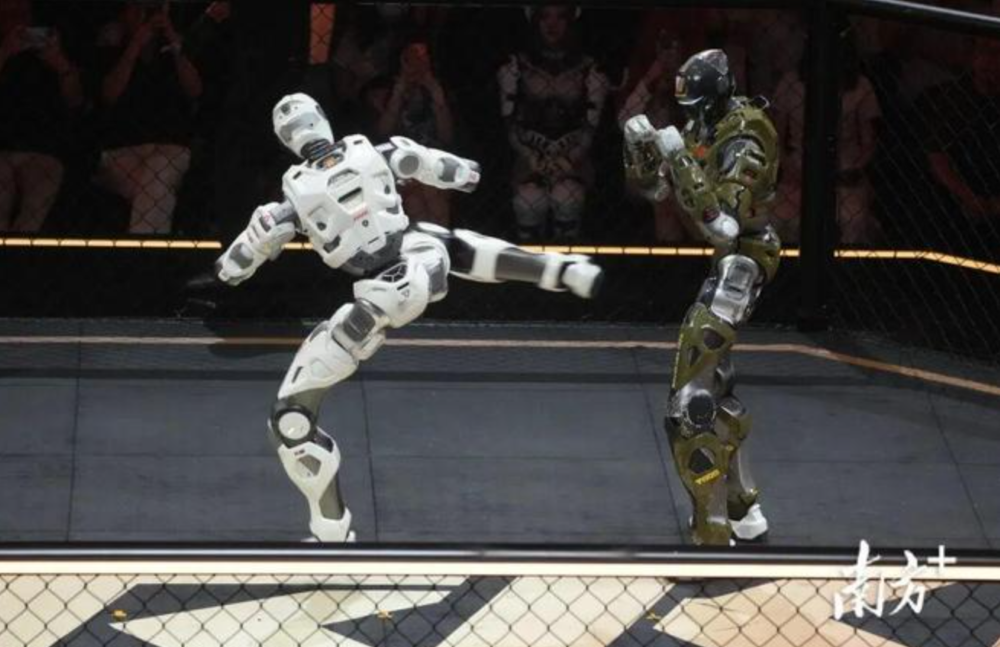
Humanoid Robots Compete for Championship Belt in Global Fighting League
On July 16, the inaugural match of the Universal Robot Combat League (URKL) took place at the Nanshan Sports Center in Shenzhen, featuring 32 teams from around the world competing with the T800 humanoid robot. The championship belt, weighing 10 kilograms and valued at approximately 10 million yuan, is awarded to the winning team. This event is significant as it showcases the advanced capabilities of humanoid robots in dynamic combat scenarios, where they must accurately perceive, predict, and respond to opponents in real-time. The competition serves as a testing ground for the robots' structural integrity and algorithm efficiency, allowing developers to refine their designs and reduce potential failure rates in commercial applications. Looking ahead, the data collected from these matches will enhance AI decision-making capabilities, pushing humanoid robots beyond static demonstrations to dynamic autonomous responses. As the competition concludes, it will contribute to the evolution of foundational technologies and commercial frameworks, positioning Guangdong as a leading hub in the global robotics industry.
Humanoid Robots Robotics Competitions AI Technology Robotics Development
China Deploys Humanoid Robots to Enhance Learning in Human Tasks
In an industrial park near Beijing, humanoid robots are being utilized to learn human tasks, such as organizing snacks and folding sheets. These robots, equipped with advanced capabilities, aim to improve their functionality in everyday activities. This initiative is significant as it represents China's commitment to advancing robotics technology and enhancing the interaction between robots and humans. By focusing on practical tasks, the project seeks to bridge the gap between robotic capabilities and human-like performance. Looking ahead, the development of these humanoid robots will be closely monitored to assess their progress in learning and executing human tasks. No further timeline was disclosed at the time of publication.
Launch of Robo-ValueRL: The First Open-Source VLA Reinforcement Learning Framework for Robotics
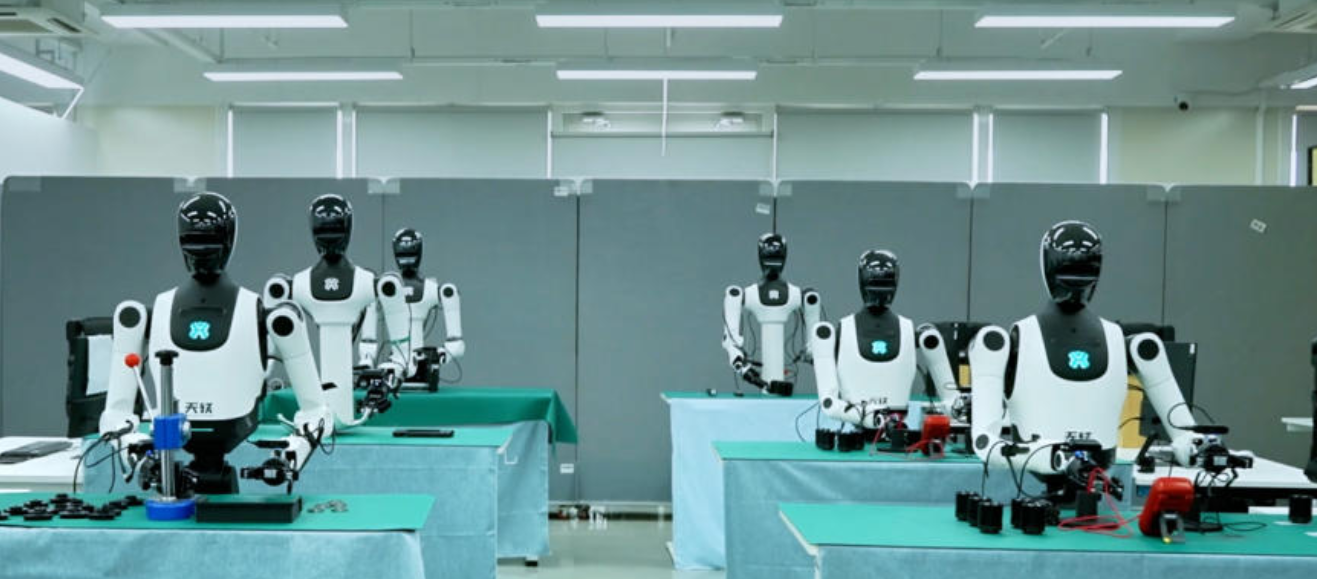
The Beijing Humanoid Robot Innovation Center and Renmin University of China's Gaoling Artificial Intelligence Institute have launched the Robo-ValueRL open-source framework. This initiative aims to enhance humanoid robots' decision-making capabilities in precision tasks, such as semiconductor assembly, by addressing challenges in data quality, control precision, and adaptability in dynamic environments. Robo-ValueRL introduces a value estimation mechanism based on historical observations, enabling robots to autonomously assess their actions. This closed-loop learning process—observation, value estimation, correction, and iteration—allows for improved accuracy and reduced instability in operations. The framework is fully open-source, providing access to core algorithms, evaluation tools, and standardized protocols for universities, research institutions, and manufacturers. The open-source nature of Robo-ValueRL significantly lowers the barriers for small and medium-sized manufacturers to implement reinforcement learning in specialized fields like semiconductor production and medical device manufacturing. This development marks a shift in humanoid robotics from laboratory experiments to practical industrial applications, paving the way for robots to evolve their decision-making capabilities independently.
Humanoid Robots Reinforcement Learning Precision Manufacturing Open Source Technology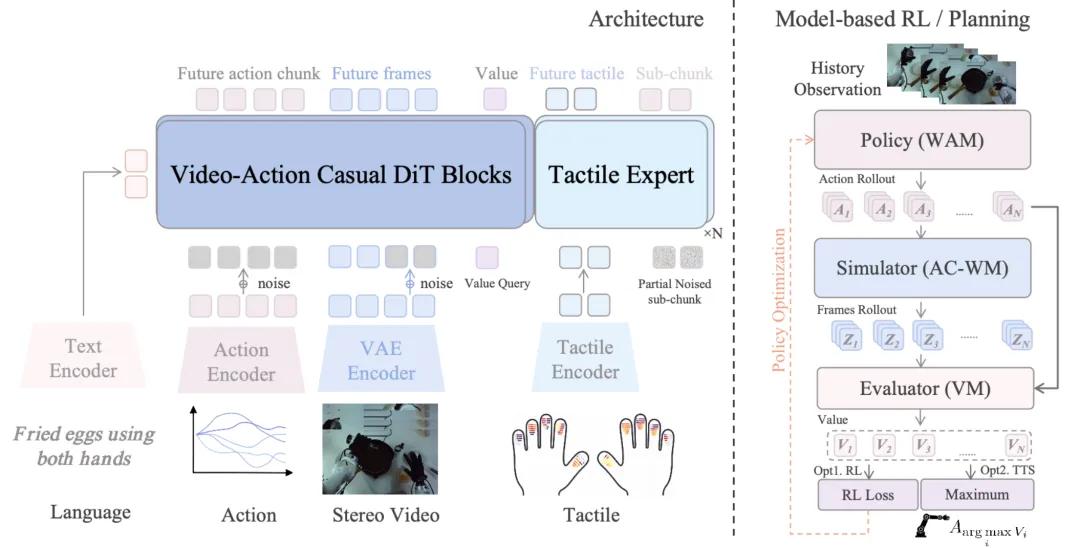
Lifelong Learning in Robotics: Launch of Motus2 Self-Evolving World Model
On September 10, at the Bund Conference, Luo Yihang, co-founder and CEO of Shengshu Technology, unveiled Motus2, a self-evolving general world model aimed at robotic dexterous manipulation. Unlike traditional robots that rely on explicit instructions, Motus2 enables robots to learn autonomously from their actions and outcomes, marking a significant advancement in embodied intelligence. The importance of this development lies in the growing interest in world models, with over 55 companies in China publicly claiming to work on them, 12 of which have reached unicorn status. In the first half of the year alone, funding in the embodied intelligence sector exceeded 46 billion yuan, with 70% directed towards the top 20 companies. However, despite the surge in interest, many existing world models struggle with physical adherence and controllability, raising concerns about their practical applications. Looking ahead, the 2026 CVPR WorldArena Track1 will evaluate world models based on various criteria, including visual quality and physical adherence. Motus2 aims to bridge the gap between action, prediction, and evaluation, allowing robots to not only predict outcomes but also assess their desirability, thereby enhancing their decision-making capabilities. No further timeline was disclosed at the time of publication.
Robotics Artificial Intelligence World Models Machine Learning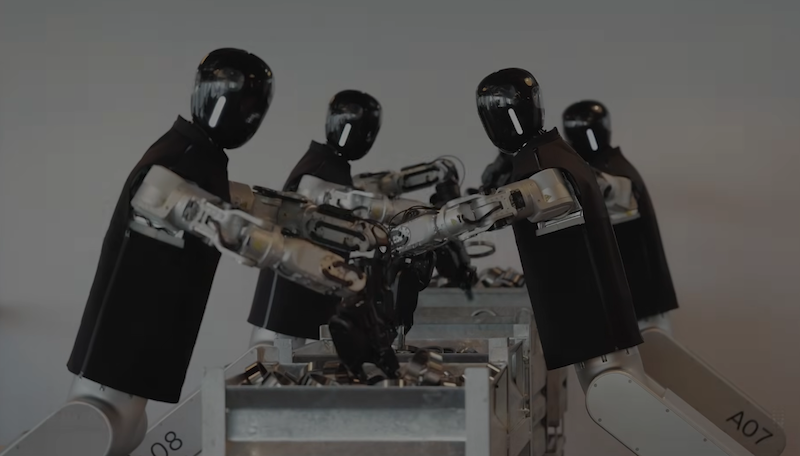
UK startup Humanoid launches reinforcement learning system to improve robot manipulation
UK-based robotics and AI company Humanoid has introduced KinetIQ Ascend, the company’s reinforcement learning approach designed to reach 99.9 percent manipulation reliability at human speed and beyond. KinetIQ Ascend builds on the previously announced KinetIQ platform with trial-and-error learning, helping the company’s robots improve directly on industrial tasks. The new system was tested on several […]
Computing Humanoids News artificial intelligence automation embodied ai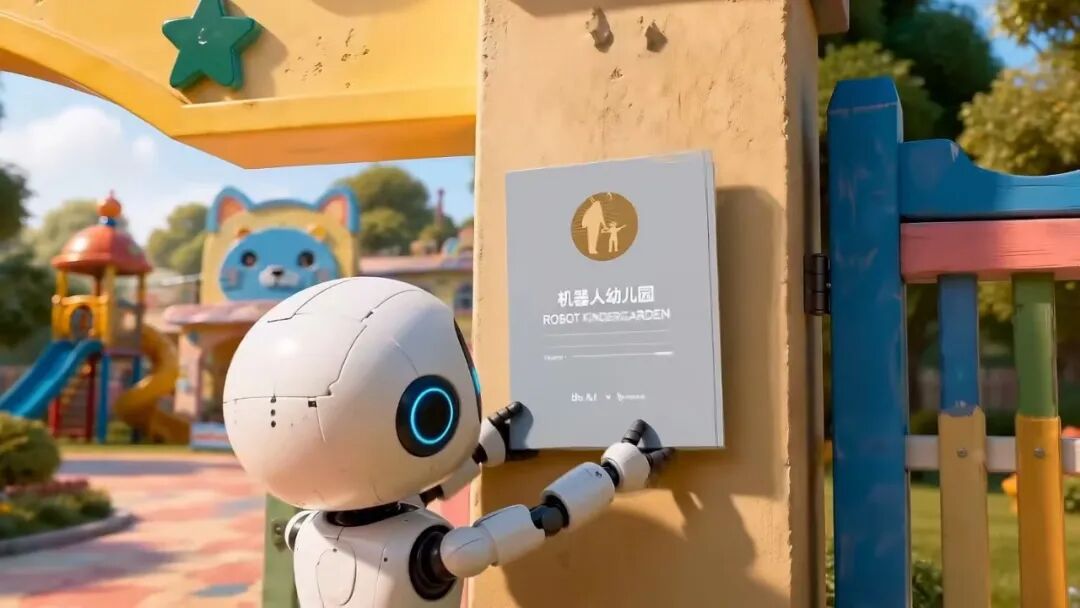
Sutton partners with Tianshan Technology to launch "Robot Kindergarten," using tactile perception to enable robots' self-learning abilities in the real world.
Sutton has announced a collaboration with Tianshan Technology to introduce "Robot Kindergarten," an innovative initiative aimed at enhancing robots' self-learning capabilities through tactile perception. This partnership seeks to bridge the gap between artificial intelligence and real-world applications by allowing robots to learn from their interactions with the environment. The launch of Robot Kindergarten is set to take place in the coming months, with the aim of revolutionizing how robots adapt and respond to various stimuli. By leveraging advanced sensory technology, the project aspires to create more autonomous and intelligent robotic systems, ultimately paving the way for broader applications in industries such as education, healthcare, and manufacturing.
Robotics Automation AI
Tactile learning loop: How human touch data teaches robots to handle eggs
Engineers have observed significant advancements in industrial robotics, particularly in the areas of automated welding and pallet stacking. Over the years, these machines have demonstrated remarkable precision and efficiency, transforming manufacturing processes. The ongoing development in robotics technology has been driven by the need for increased productivity and cost-effectiveness in various industries. As companies seek to enhance their operational capabilities, the integration of sophisticated robotic systems has become essential. This evolution in automation is not only streamlining production lines but also addressing labor shortages and improving workplace safety. The continuous innovation in this field suggests a promising future for industrial robots, as they become increasingly capable of handling complex tasks with minimal human intervention.
AI and Robotics
Prox Industries accelerates physical AI research with dual-arm UR3e collaborative robots using VLA and reinforcement learning.
Prox Industries has announced its collaboration with Universal Robots (UR) to enhance the development of physical AI through the utilization of UR's "Physical AI Development Support Program." The initiative will focus on accelerating research and development of physical AI by employing a dual-arm robotic configuration using two UR3e collaborative robots. This partnership aims to leverage advanced robotics technology to innovate in the field of AI, reflecting Prox Industries' commitment to advancing automation solutions.
Deep Learning Based Dirt Detection and Cleanliness Evaluation in Autonomous Indian Domestic Concrete Water Tank Cleaning Robot
A recent study published in the Journal of Field Robotics highlights advancements in autonomous robotic navigation. Researchers from a leading robotics institute conducted experiments to enhance the efficiency of robots in complex environments. The study, released in early October 2023, focuses on the integration of advanced algorithms that allow robots to better interpret their surroundings and make real-time decisions. The research was carried out in various challenging terrains, including urban settings and natural landscapes, to test the robots' adaptability. The motivation behind this work stems from the growing demand for autonomous systems in sectors such as agriculture, search and rescue, and urban planning. By improving navigation capabilities, the researchers aim to facilitate the deployment of robots in scenarios where human intervention is limited or dangerous. Through a series of simulations and field tests, the team demonstrated that the new algorithms significantly reduced the time taken for robots to complete tasks while increasing their accuracy in obstacle avoidance. This breakthrough could lead to more reliable and efficient robotic systems, paving the way for wider applications in everyday life. The findings underscore the potential of robotics to transform various industries by enhancing operational efficiency and safety.
RESEARCH ARTICLE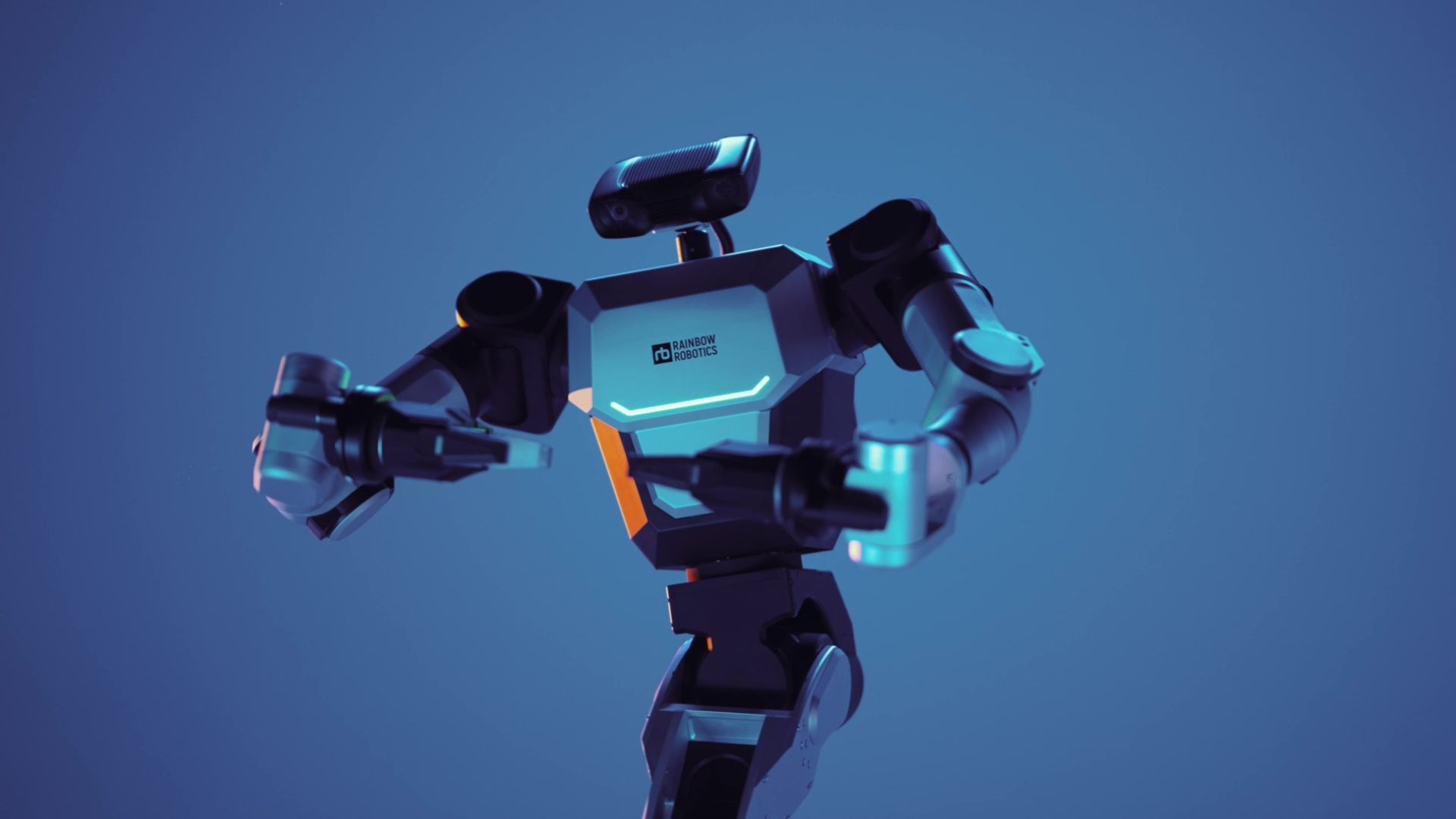
Samsung-backed 7 DOF robot is learning to work inside a giant e-commerce warehouse
A mobile robot created by Rainbow Robotics, a company under Samsung's control, has commenced testing operations within Coupang's facilities. This initiative, which began recently, aims to enhance the efficiency of logistics and delivery processes in the rapidly growing e-commerce sector. The collaboration between Rainbow Robotics and Coupang reflects a broader trend of integrating advanced robotics into supply chain management, driven by the increasing demand for faster and more reliable delivery services. The testing phase will assess the robot's capabilities in navigating the complex environments of Coupang's warehouses, potentially paving the way for wider adoption of robotic solutions in the industry.
AI and Robotics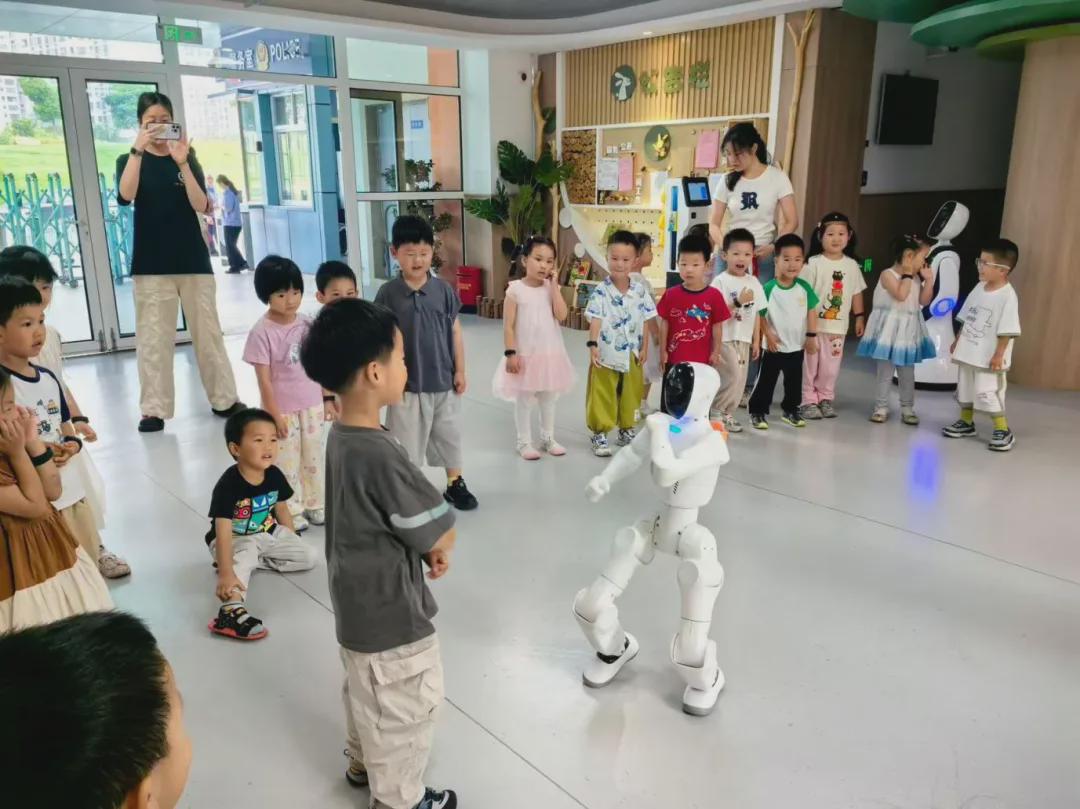
Integrating Education and Family: Songyan Power's Humanoid Robots Enhance K12 Learning
Songyan Power is making significant strides in the K12 education sector by integrating humanoid robots into learning environments. The company is partnering with educational institutions and family-oriented brands to develop a comprehensive ecosystem designed to foster children's growth through innovative educational experiences. This initiative, which emphasizes the emotional connection and interactive capabilities of humanoid robots, aims to enhance student engagement and promote a more dynamic learning atmosphere. By leveraging technology in this way, Songyan Power seeks to redefine traditional educational methods and support the evolving needs of young learners.
Humanoid Robots K12 Education AI in Education Robotics EdTech
X Square Robot Open-Sources XRZero-G0 to Scale Robot Learning with Interfaces, Data Quality and Ratios
A new framework named XRZero-G0 has been introduced to enhance the quality of data collection and training for embodied artificial intelligence, eliminating the need for robotic assistance. This innovative approach aims to streamline the process of gathering high-quality data, which is crucial for developing advanced AI systems. The framework was unveiled in October 2023, reflecting ongoing advancements in AI technology and data collection methodologies. By focusing on robot-free data collection, XRZero-G0 seeks to address challenges related to the dependency on physical robots, thereby making the training of AI more efficient and accessible. The initiative is expected to significantly impact the field of AI research and development, potentially leading to more robust and versatile AI applications across various industries.
Scientists show predictable training can outperform complex robot learning data
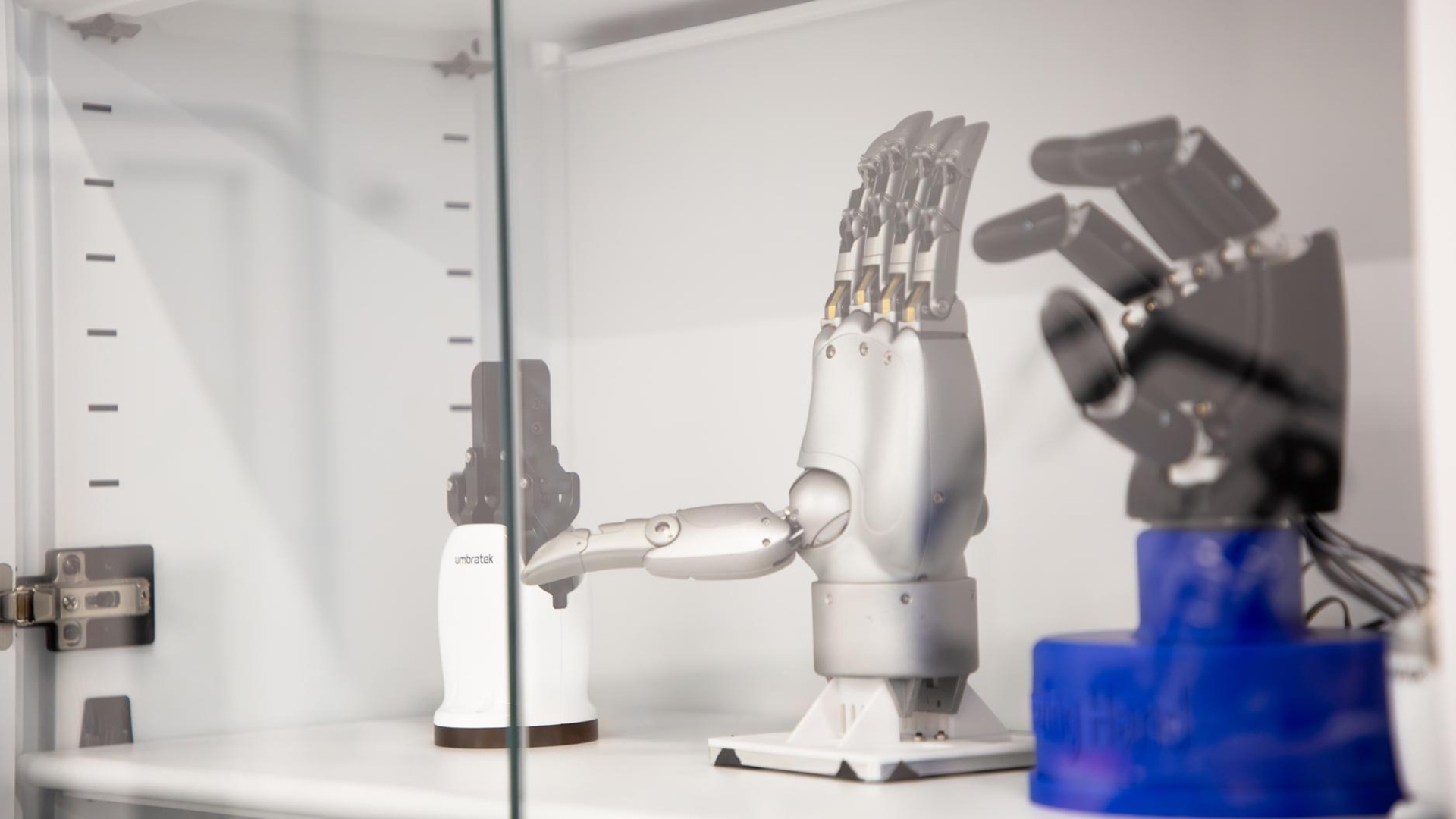
Researchers are making significant strides in developing robots capable of manipulating objects with human-like dexterity, a challenge that has long posed difficulties in the field of robotics. This advancement is crucial as it could enhance the ability of robots to perform complex tasks in various settings, including homes, hospitals, and manufacturing plants. The ongoing work, which has gained momentum in recent months, is taking place in laboratories across the globe, where teams are experimenting with advanced algorithms and machine learning techniques. The motivation behind this research stems from the increasing demand for robots that can assist in everyday tasks, improve efficiency in industrial processes, and provide support in healthcare environments. By mimicking the intricate movements of the human hand, researchers aim to create robots that can handle delicate objects and perform tasks that require precision and adaptability. To achieve this, scientists are employing a combination of innovative hardware designs and sophisticated software programming. They are utilizing sensors and artificial intelligence to enable robots to learn from their interactions with various objects, refining their skills over time. This iterative learning process is essential for developing robots that can operate effectively in unpredictable environments. As the field progresses, the implications of these advancements could revolutionize how robots are integrated into daily life, making them more versatile and capable of performing a wider range of functions. The ongoing research highlights the potential for robots to not only assist but also enhance human capabilities in numerous domains.

China: Pudu unveils semi-humanoid learning robot built to transform factory automation
Chinese robotics company Pudu has introduced a next-generation industrial semi-humanoid robot aimed at enhancing manufacturing processes. The unveiling took place at a technology expo in Shanghai on October 15, 2023. This innovative robot is designed to improve efficiency and productivity in factories, addressing the growing demand for automation in the manufacturing sector. Pudu's latest development incorporates advanced AI and machine learning capabilities, allowing the robot to adapt to various tasks and environments seamlessly. By leveraging cutting-edge technology, the company aims to support manufacturers in overcoming labor shortages and increasing operational efficiency. The introduction of this semi-humanoid robot marks a significant step forward in the integration of robotics within industrial settings, reflecting Pudu's commitment to leading the way in automation solutions.
LimX Dynamics unveils Luna humanoid robot with AI dance learning
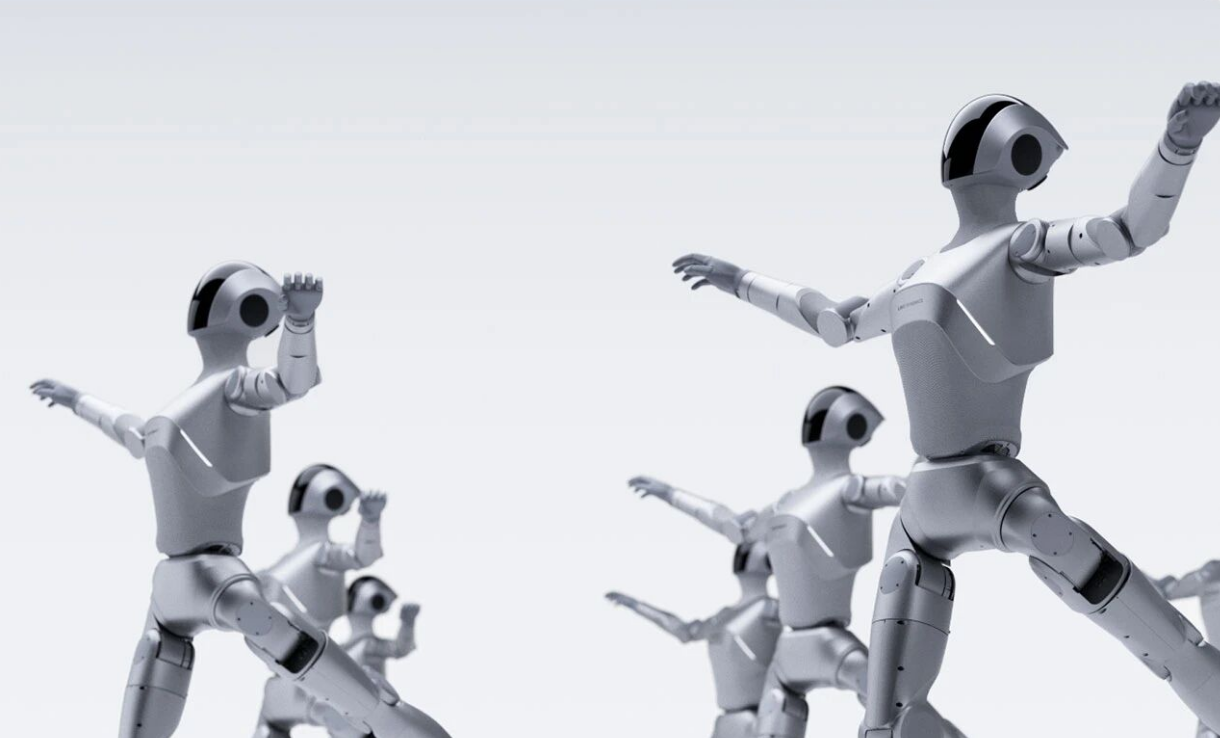
On Monday, LimX Dynamics introduced the LimX Luna humanoid robot, which is priced at RMB 298,000 (approximately $41,000). The robot, measuring 160 centimeters in height, boasts 27 degrees of freedom, allowing for a wide range of movements. It is equipped with the company’s second-generation SYS 0 motion control engine, enhancing its performance. Additionally, the LimX Luna features improved cooling systems and extended battery life, enabling it to support multimodal interactions. This launch marks a significant advancement in humanoid robotics, reflecting LimX Dynamics' commitment to innovation in the field.
News FeedRobotics needs a service framework.
RSF defines a common language for robot service capability, lifecycle operations, certification pathways, and service-provider networks.
Join the RobotToday community on LinkedIn
Daily robotics news, in-depth analysis, conference highlights, and discussions with professionals worldwide.