

Industry Briefing
A single destination for timely, editor-curated robotics news from around the world.
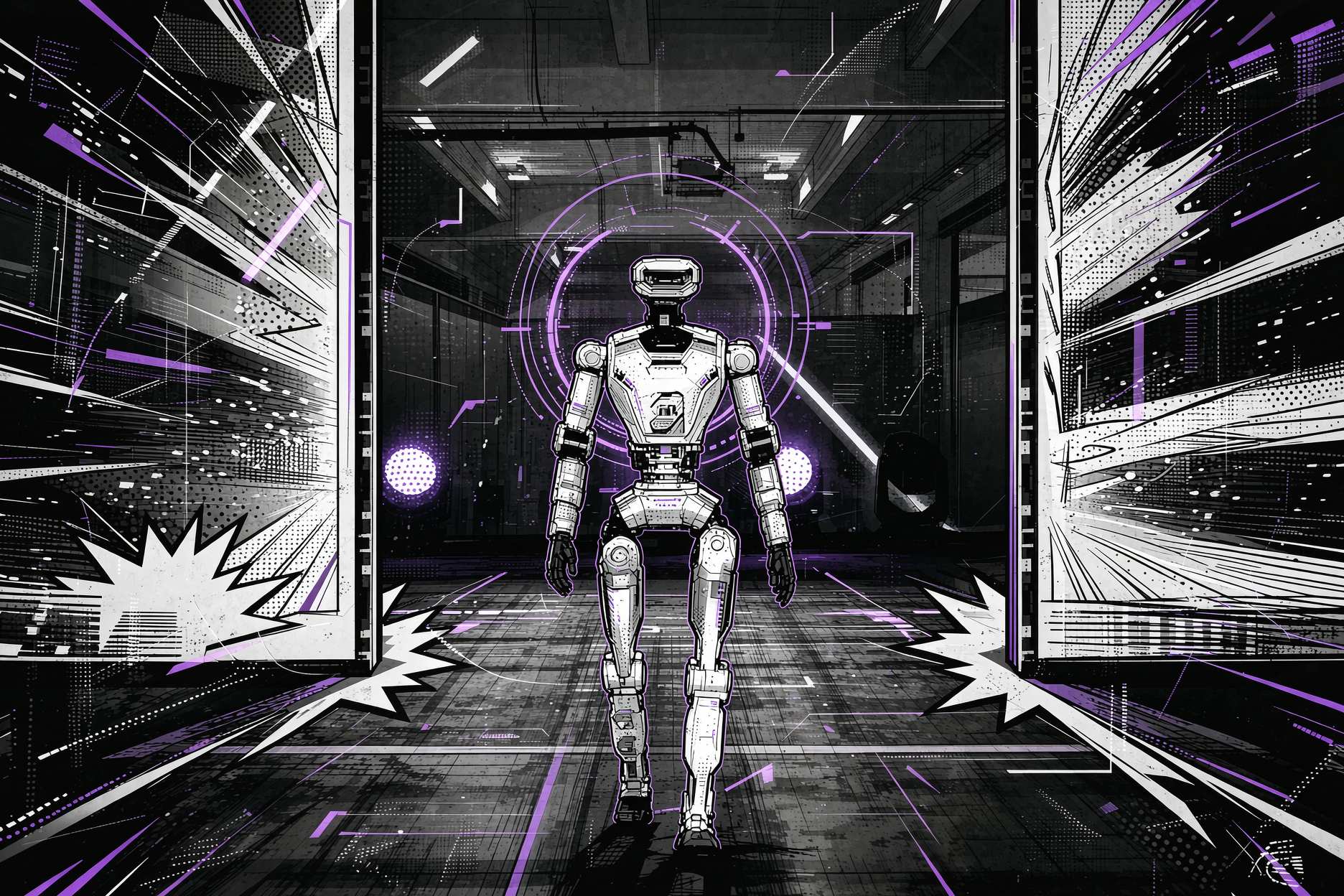
Zhuji Power and Dongtu Technology Unveil China's First Humanoid Robot with Domestic Electronics
On September 28, 2026, Zhuji Power and Dongtu Technology launched China's first humanoid robot equipped with domestic electronic architecture in Yichang, Hubei. This robot marks a significant advancement in integrating domestic industrial-grade real-time communication capabilities within complex humanoid robotic systems. The importance of this development lies in its potential to enhance the robot's ability to operate autonomously in complex real-world scenarios. Effective communication within the robot's system is crucial for processing the vast amounts of information generated by perception, decision-making, and motion control, directly impacting control precision and task safety. Looking ahead, the focus will be on whether this domestic electronic architecture can be effectively implemented across more robotic platforms, and whether its performance, power consumption, and development toolchain can meet commercial requirements. No further timeline was disclosed at the time of publication.
Humanoid Robots Domestic Electronic Architecture Industrial Automation AI Technology
Zhang Di of Benmo Technology Unveils Direct Drive Power Revolution
Zhang Di, founder of Benmo Technology, announced a significant shift towards direct drive power solutions, predicting that over 10 billion robots will be integrated into various industries within the next decade. This transition marks a departure from traditional gearbox systems, emphasizing the advantages of direct drive technology, including efficiency, precision, and reduced wear. The importance of this revolution lies in its potential to redefine robotics and automation. As direct drive systems replace millions of gearbox power modules, the industry is witnessing a paradigm shift that promises enhanced performance and reliability. Despite current limitations in peak torque compared to gearbox solutions, direct drive technology is rapidly evolving, with annual performance improvements exceeding 30%. Looking ahead, the development of rare earth materials is expected to play a crucial role in advancing electromagnetic systems, which are projected to undergo rapid iterations in the next three to five years. No further timeline was disclosed at the time of publication.
Direct Drive Technology Robotics AI Rare Earth Materials Automation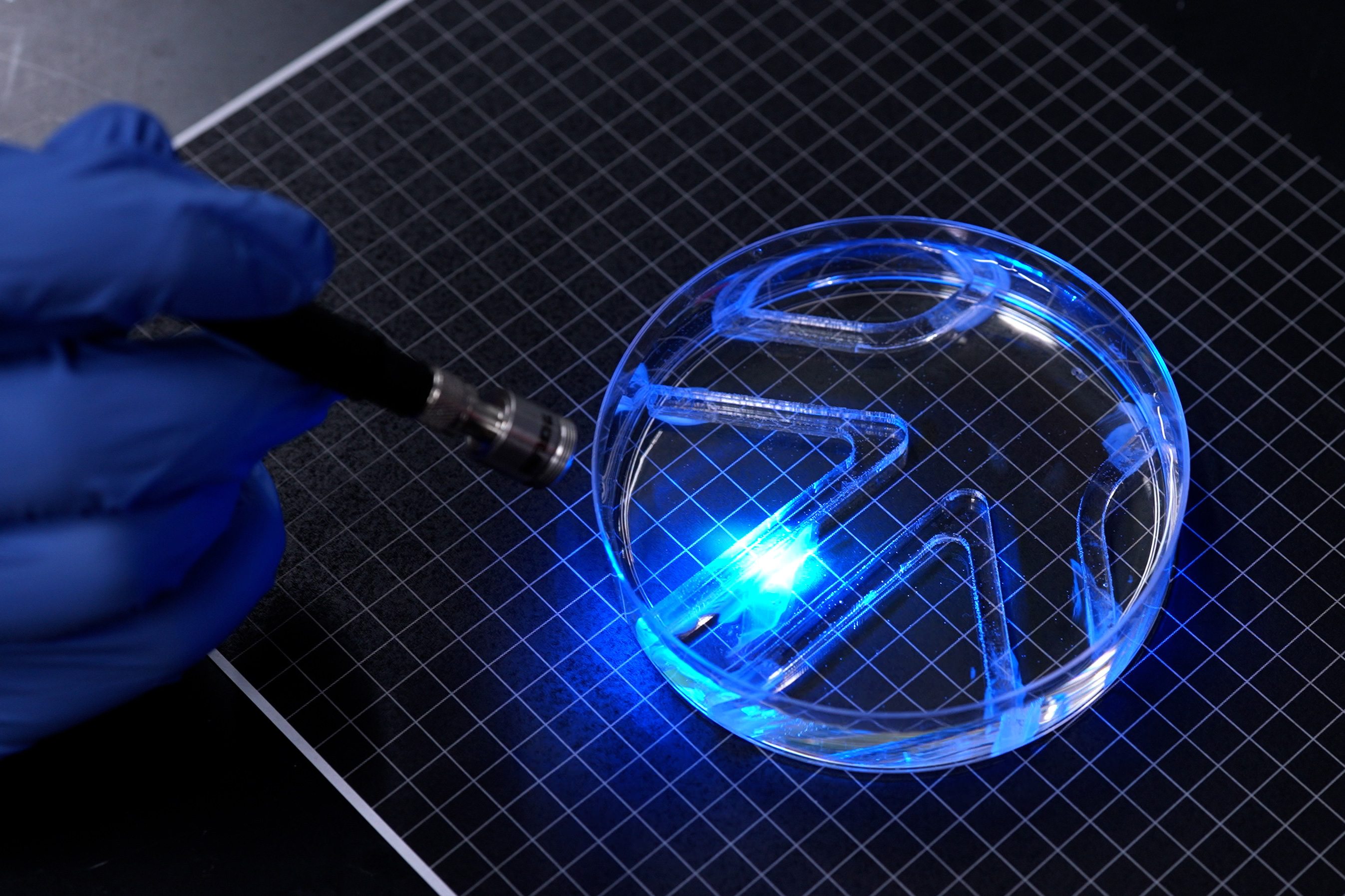
MIT Engineers Develop Paper-Thin Muscle-Powered Robot for Swimming Through Water
MIT engineers have unveiled a groundbreaking design for a paper-thin, muscle-powered swimming robot, as detailed in the journal Advanced Functional Materials. This innovative aquabot features a gel film skeleton and live muscle cells that respond to light, enabling it to swim through water by flapping its fins. The robot can swim a distance of about four times its body length in one minute, showcasing its potential for efficient movement. The significance of this development lies in its potential applications for biohybrid robots, which could perform delicate tasks in environments unsuitable for traditional hardware. The design is less bulky than previous models, making it cheaper to produce and more efficient in movement. The research highlights the advantages of using living muscle tissue, which is soft, responsive, and capable of self-healing, in robotic applications. Looking ahead, the team aims to further optimize the muscle movements and skeleton design to enhance the robot's capabilities. The study's findings could pave the way for future advancements in biohybrid robotics, expanding their use in various fields where conventional robots may struggle.
Bioinspiration Biological engineering Cells Mechanical engineering Research School of Engineering
PrismML Unveils 1-Bit Bonsai LLM for Qualcomm-Powered AI Smart Glasses
PrismML, an AI lab founded by Caltech researchers, has introduced its 1-bit Bonsai language model tailored for smart glasses utilizing Qualcomm's Snapdragon chips. This model, showcased at Qualcomm's Snapdragon Summit, is designed to operate locally on AI glasses built on the Snapdragon AR1 Gen 1 platform, featuring a 2-billion-parameter model optimized for vision and language interaction. The significance of this development lies in PrismML's ability to reduce the size of larger models by four times while maintaining performance on standard benchmarks. This approach aims to promote open-weight AI that leverages existing device computing power, positioning itself as a viable alternative to proprietary AI solutions that depend on external computing resources. Looking ahead, while the Qualcomm announcement marks progress towards this vision, no specific smart glasses equipped with PrismML's model have been disclosed yet. The industry will be watching for future product launches that could integrate this innovative technology into consumer devices.
Models & LLMs Physical AI Technology & Infrastructure Wearables 1-Bit Bonsai LLM AI
Visual Components Introduces FactoryLens Powered by Nvidia for Enhanced Digital Twins
Visual Components has launched FactoryLens, a new viewport integrated into its simulation platform, utilizing Nvidia Omniverse libraries. This innovation allows manufacturers to transition their existing factory layouts into a realistic digital twin environment, enhancing real-time rendering capabilities within the familiar software. The introduction of FactoryLens represents a significant advancement in the collaboration between Visual Components and Nvidia, enabling users to visualize large-scale layouts, control materials, and export configurations seamlessly. The importance of FactoryLens lies in its ability to improve the accuracy of simulations, which are critical in modern manufacturing processes. As manufacturers increasingly rely on simulations to design and test equipment and facilities, the realism provided by FactoryLens ensures that these validations closely reflect real-world conditions. This tool not only enhances existing workflows but also sets the stage for future applications in digital twin technology and physical AI. Looking ahead, Visual Components envisions FactoryLens as a foundational element for various digital twin and AI use cases, including vision-based virtual commissioning and synthetic data generation. No further timeline was disclosed at the time of publication, but the integration of Nvidia technologies is expected to enhance collaboration and interoperability within the Visual Components ecosystem.
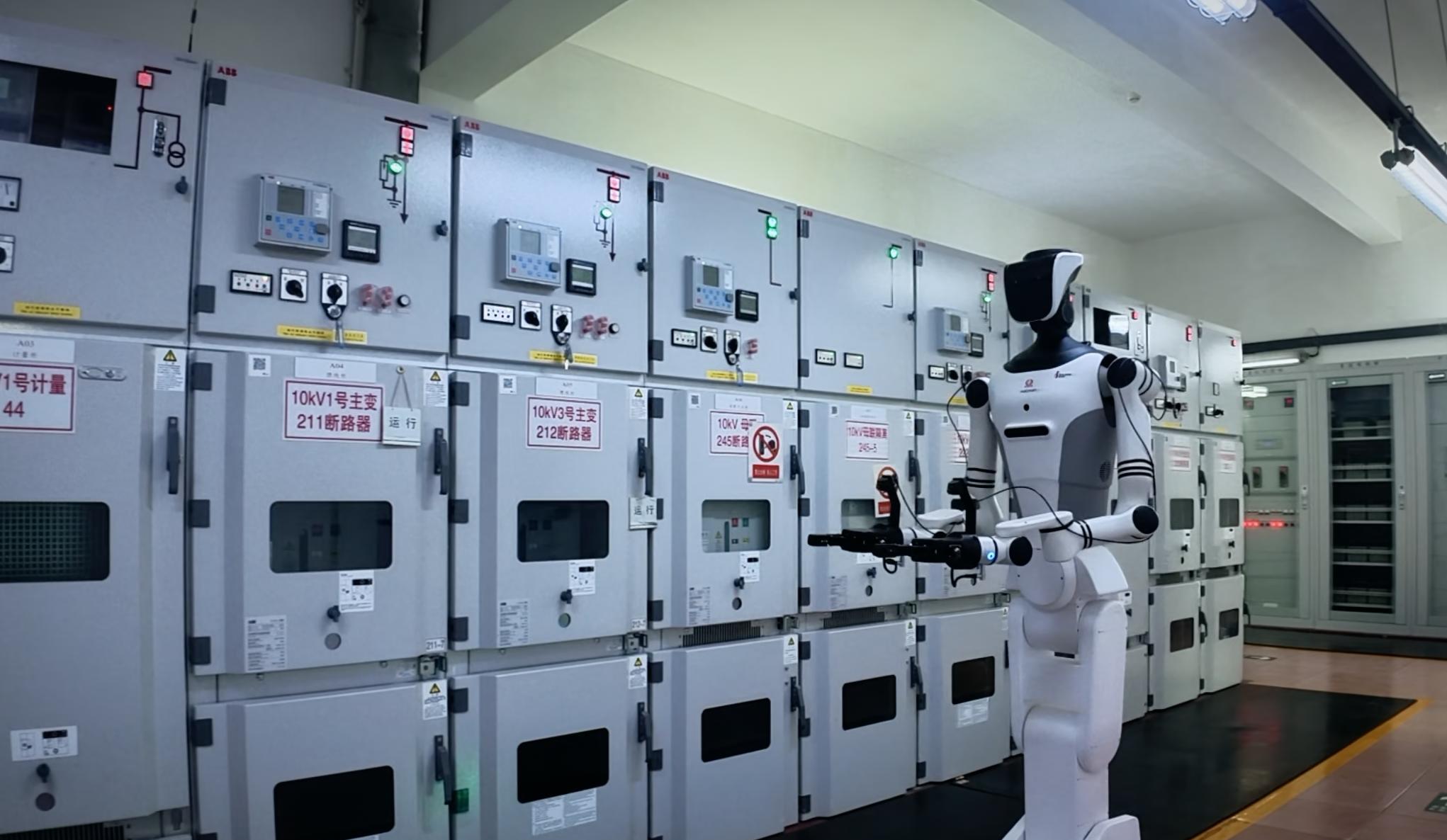
Robots Revolutionize Safety and Efficiency in Power Distribution Operations
Recent advancements in power distribution operations have been marked by the introduction of the 'Silicon-based Guard' maintenance solution by Ruiman Intelligent and Zhuxin IoT. This innovative approach integrates embodied robots into the entire maintenance process, transitioning from traditional human oversight to a more autonomous model. This shift is crucial for enhancing the reliability and safety of urban power supply systems. The significance of this development lies in its potential to improve operational efficiency and safety in power distribution rooms, which are critical nodes in urban electrical systems. The traditional reliance on human operators has been challenged by the introduction of AIoT technologies, which have enabled remote monitoring and automated alerts. However, the new embodied robot solution goes further by allowing robots to perform essential tasks autonomously, thereby closing the operational loop and reducing the need for human intervention. Looking ahead, the successful implementation of the 'Silicon-based Guard' solution in over 170 power distribution projects demonstrates its viability in real-world applications. As the robotics industry evolves from demonstration phases to practical deployment, the collaboration between robotics companies and operational environments will be key to achieving scalable and effective solutions in various sectors, including commercial buildings and industrial parks.
Power Distribution Embodied Robotics AIoT Automation Safety Solutions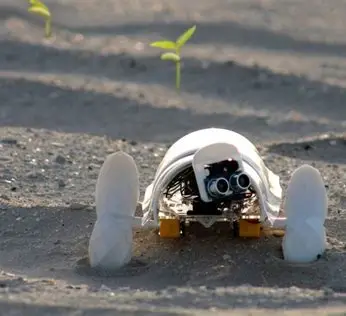
Solar-Powered Seeding Robot Achieves 98.8% Accuracy in Seed Placement
A solar-powered seeding robot has demonstrated a seed placement accuracy of 98.8%, addressing the challenges of traditional farming methods that rely on fossil fuels. This innovation is crucial as the global agricultural system faces pressure to feed approximately 10 billion people by 2050 while minimizing environmental impact. The robot's design integrates several specialized subsystems, including a brushless DC motor-driven steering mechanism and a dual 250-watt DC motor propulsion system powered by solar-charged batteries. The closed-loop control strategy ensures precise seed placement, with performance metrics showing low rates of missed and double-seeding, making it a viable solution for small to medium-sized farms. Future developments should focus on integrating autonomous navigation technologies and validating the robot's performance under real field conditions. The current tests indicate optimal seed placement occurs at speeds between 0.82 to 1.2 kilometers per hour, with a spacing of 20 to 25 centimeters, ensuring consistent distribution and minimal energy consumption.
Agricultural Robotics Precision Agriculture Solar Energy Automation Technology
Solar-Powered Precision Planting Robot Reaches 98.8% Accuracy in Seed Placement
A new solar-powered precision planting robot has achieved an impressive seed-placement accuracy of up to 98.8%. This innovative technology integrates remote control, electric seed metering, and adjustable planting depth, making it a significant advancement in energy-efficient maize seeding. The development of this robot is crucial as it addresses the growing need for sustainable agricultural practices. By utilizing solar power, the robot not only reduces reliance on fossil fuels but also enhances the efficiency of maize planting, which is vital for food production. Looking ahead, the agricultural sector will likely observe increased adoption of such technologies that promote precision farming. No further timeline was disclosed at the time of publication.
European Airpower's Future May Lean Towards Unmanned Systems Over Manned Fighters
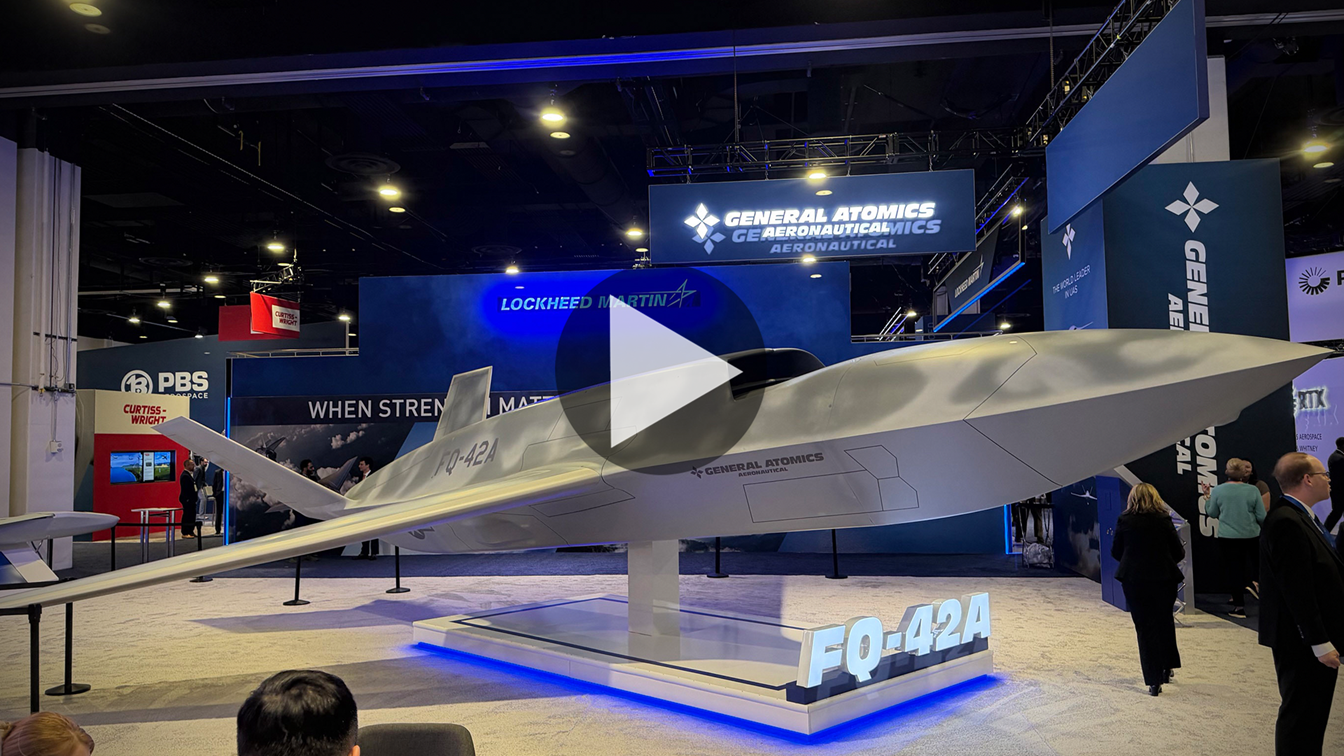
European air programs have traditionally emphasized sixth-generation manned fighters, but there is a growing shift towards unmanned systems. This includes larger Collaborative Combat Aircraft (CCA) and smaller quadcopters, particularly highlighted by their use in the ongoing conflict in Ukraine. The decline of one sixth-generation fighter program raises questions about the viability of manned aircraft in future European airpower strategies. Experts, including Douglas Barrie from the International Institute for Strategic Studies, suggest that the trend may increasingly favor drones as a more effective solution for modern aerial warfare. As discussions continue in the European Airpower roundtable, stakeholders are encouraged to monitor developments in unmanned systems. Future episodes of this series will provide insights into how these technologies may reshape air combat strategies in Europe.
Air Warfare Air Force collaborative combat aircraft Drones Europe European Airpower Roundtable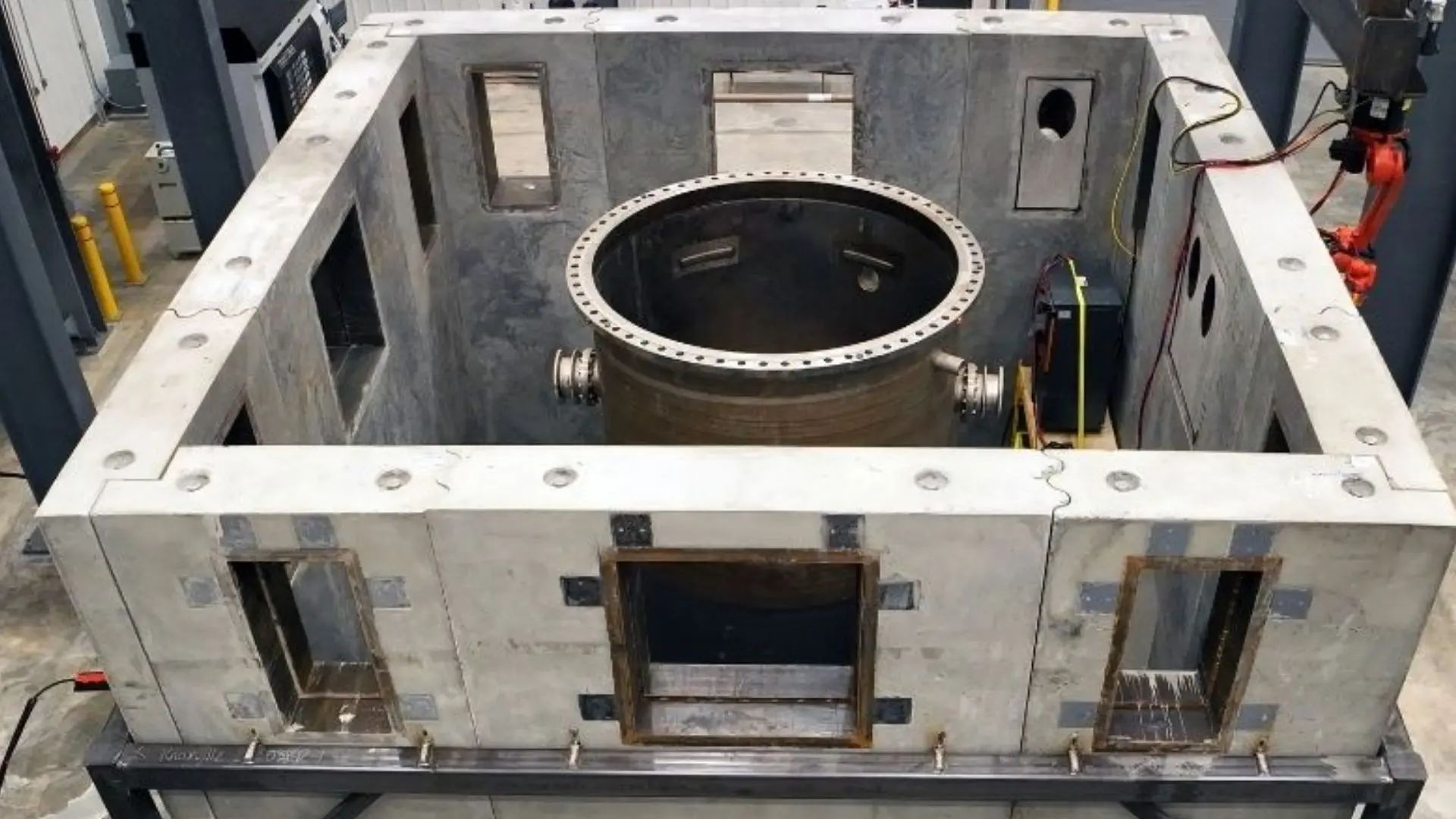
Kairos Power Partners with Samsung to Develop 50-Megawatt Nuclear Reactor for Google
Kairos Power has selected Samsung Construction and Trading to assist in constructing its 50-megawatt nuclear demonstration plant in Oak Ridge, Tennessee. This collaboration, announced on Monday, involves an investment of up to $100 million and aims to launch the Hermes 2 reactor by 2030, supporting Kairos Power's initiative to develop advanced nuclear technology for Google. The partnership is significant as it addresses the increasing electricity demand from AI data centers, with Google previously agreeing to purchase around 500 megawatts of nuclear power from Kairos by 2035. Samsung's investment and engineering services will enhance Kairos Power's capabilities, as the firm has extensive experience in major construction projects, including the development of numerous nuclear reactors globally. Looking ahead, Kairos Power began construction of Hermes 2 in April 2026, following a construction permit from the U.S. Nuclear Regulatory Commission in December 2024. The project will utilize fluoride salt-cooled, high-temperature reactor technology, which is designed to operate at lower pressures, enhancing safety compared to traditional nuclear systems. No further timeline was disclosed at the time of publication.
Energy
Kairos Power Secures Up to $100M from Samsung C&T for Google Nuclear Reactor Project
Kairos Power has partnered with Samsung C&T to develop a 50-megawatt demonstration reactor for Google, with completion targeted by 2030. The collaboration includes an equity investment of $70 million and additional engineering services, totaling up to $100 million, aimed at enhancing nuclear power capabilities. This partnership is significant as it aligns with the increasing demand for power from AI data centers, positioning Kairos Power among a new generation of nuclear startups. The deal builds on a previous agreement with Google, which seeks to generate approximately half a gigawatt of electricity by 2035, highlighting the urgency for innovative nuclear solutions in the energy sector. Looking ahead, Kairos Power is currently constructing two reactors in Oak Ridge, Tennessee, with Hermes 2 expected to begin operations in 2030. The company is utilizing advanced technologies, including fluoride salt cooling and TRISO fuel, to ensure safety and efficiency. The success of this project could pave the way for further developments in nuclear energy, particularly in meeting the growing energy needs of tech giants like Google.
Climate Kairos Power nuclear power
NVIDIA Introduces DSX Ready Program for Power and Cooling Solutions in AI Factories
NVIDIA has launched the DSX Ready qualification program to assist builders in selecting power and cooling products that align with AI factory designs. This initiative addresses the growing need for compatible infrastructure as AI factories expand, ensuring that builders can effectively convert computing capacity into valuable AI output. The DSX Ready program initially focuses on two categories: battery energy storage systems (BESS) and cooling distribution units (CDUs). By providing category-specific requirements and a structured review process, NVIDIA aims to reduce integration risks and enhance confidence in product selection. This program is crucial as optimizing one aspect of an AI factory can inadvertently create bottlenecks in other areas. Looking ahead, NVIDIA plans to expand the DSX Ready program to include additional categories related to infrastructure and software. As builders seek to optimize their AI factories, the ability to connect reference designs with qualified products will be essential for informed engineering decisions and effective deployment.
Xuanji Power Unveils Hypertron-SW01 Quadruped Robot at CAEXPO, Enhancing Inspection Solutions for ASEAN
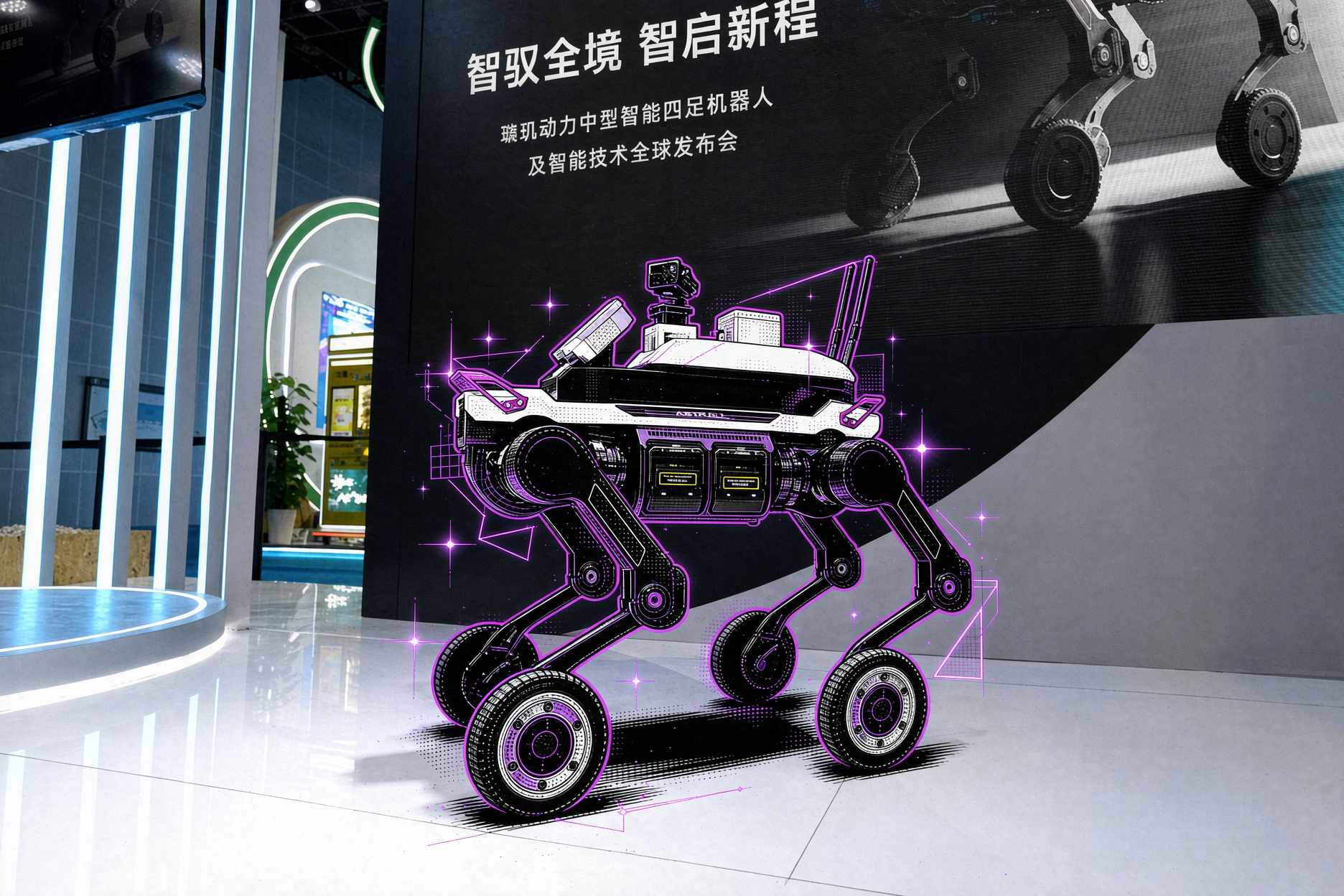
From September 17 to 21, the 23rd China-ASEAN Expo took place in Nanning, featuring over 3,400 companies from more than 70 countries. At this event, Shenzhen-based Xuanji Power launched its new medium-sized quadruped robot, the Hypertron-SW01, alongside upgraded AI inspection management and terrain perception systems. The company claims that its robot can be deployed immediately without extensive localization, addressing a common challenge in international markets. This development is significant as it highlights Xuanji Power's capability to deliver a ready-to-use quadruped robot solution, which can operate in various industries without the need for lengthy adaptations. The Hypertron series has already proven its reliability in domestic power grid substations, showcasing its autonomous navigation and endurance in complex environments. Xuanji Power focuses on sectors such as energy, emergency response, and smart parks, where defined tasks and clear customer payment willingness are prevalent. Looking ahead, it will be crucial to observe how the ASEAN market's power, firefighting, and park scenarios differ from domestic conditions and whether the local service network can keep pace with the product delivery. No further timeline was disclosed at the time of publication.
Quadruped Robots AI Inspection Solutions Smart Robotics Industrial Automation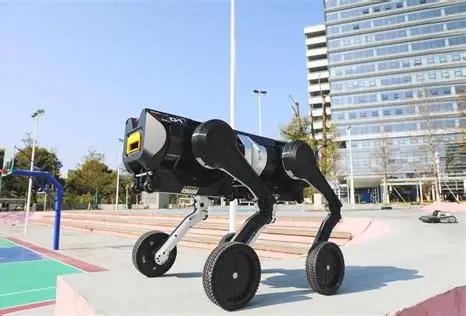
Benmo Power Successfully Passes HK Listing Hearing as Student of Li Zexiang Launches IPO
On September 17, Benmo Power (Beijing) Technology Co., Ltd. successfully passed its listing hearing with the Hong Kong Stock Exchange. Founded by Zhang Di, a graduate of Beijing Institute of Technology and a master's student under Li Zexiang at Hong Kong University of Science and Technology, the company focuses on robot technology with direct drive technology as its core capability. Benmo Power primarily engages in the sales of robot power modules in China, with projections indicating that by 2025, the company will achieve a total revenue of 282 million yuan, with approximately 97.4% of this revenue coming from direct drive modules for consumer products like robotic vacuum cleaners. According to Frost & Sullivan, the company ranks eighth in China's consumer robot power module industry with a 2.4% market share and holds the top position in the direct drive module sector with a 61.1% market share. Looking ahead, Benmo Power's product line is set to expand, with the upcoming release of the P0610 series embodied joint modules in 2026. The company's ability to transition from component sales to complete robot systems will be crucial in capturing the humanoid robot market, which represents a significant growth opportunity in the robotics sector.
Robotics Direct Drive Technology Consumer Robotics IPO Automation
A Quantum Computer-Powered Microscope is Being Developed by Austrian Researchers
Researchers from TU Wien, the University of Vienna, JKU Linz, and the University of Innsbruck are collaborating to create a groundbreaking microscope powered by quantum computing. This innovative device aims to utilize quantum entanglement to enhance the information extracted from samples, surpassing the capabilities of traditional electron microscopes. The significance of this development lies in its potential to improve imaging of biological samples, such as individual proteins, without damaging them. Current electron microscopes require a substantial number of electrons, which can harm sensitive samples. By leveraging quantum entanglement, the team hopes to reduce the number of electrons needed while maximizing the information obtained from each electron. Looking ahead, the researchers are focused on integrating an electron microscope with a trapped-ion quantum computer to validate their theoretical findings. No further timeline was disclosed at the time of publication.
Innovation
Battery-Powered Drone Sets New Endurance Record with Army-assembled Propulsion System
A battery-powered drone has set a new world endurance record by flying for over eight hours in desert conditions. This achievement was made possible by propulsion components assembled at the Army’s organic industrial base, specifically two brushless direct current motors from Tobyhanna Army Depot. The drone, which flew for 300 miles, surpassed the previous record by 50 minutes during the Game of Drones 26-2 demonstration at Edwards Air Force Base, California. This milestone is significant as it showcases the Army's commitment to innovation in uncrewed systems and highlights the importance of domestic production capabilities. Army Capt. Lee Washburn emphasized the role of the Army in providing material solutions to support drone dominance and refining components for operational use. The rapid on-site manufacturing process involved designing the drone in under 10 minutes and fabricating it within 24 hours using commercial 3D printers. Looking ahead, the Army aims to continue enhancing its organic industrial base to reduce foreign dependencies on critical parts. The success of this event illustrates the potential for collaboration between industry and government to achieve remarkable results in defense technology. No further timeline was disclosed at the time of publication.
Military
AI Enhancements in Robotics: Balancing Power and Risks 25 Years After 9/11
The integration of AI in robotics has significantly enhanced surveillance capabilities, raising concerns about potential risks. Experts warn that the rapid development of AI technologies, particularly in industrial robots and drones, could lead to misuse in sensitive applications, such as monitoring and security. As companies race to innovate, the implications for privacy and ethical considerations become increasingly critical. The advancements in robotics, including the MOFU's adjustable height and AEON's task validation, demonstrate the potential for improved efficiency and precision in industrial settings. However, the unchecked corporate competition in AI development poses unprecedented risks to society, as highlighted by researchers. The ability of systems like UnifoLM-X2-1.0 to predict and adapt in real-time further emphasizes the need for responsible deployment of these technologies. Looking ahead, the industry must address the ethical implications of AI in robotics, particularly in surveillance applications. With over 80 percent of production processes automated, the focus will be on ensuring that these technologies are used responsibly. No further timeline was disclosed at the time of publication.
AI and Robotics
Powerus Secures $22.3 Million Counter-UAS Contract with Private Middle East Oil Company
Powerus, a U.S.-based autonomous systems firm, has signed a $22.3 million contract to provide counter-UAS technology to a private oil company in the Middle East. This deal marks a significant shift in the defense sector, as it is one of the first instances where a private entity has opted to procure military-grade counter-drone systems for its own infrastructure protection. The contract involves the delivery of networked systems designed for detection, tracking, classification, and early-warning capabilities to safeguard critical oil and gas infrastructure. Powerus CEO Brett Velicovich emphasized that this transaction could redefine how UAS defense contractors approach the market, as private companies increasingly seek to protect themselves from aerial threats without relying solely on government intervention. Looking ahead, the initial deployment will focus on threat detection and identification, with plans for future integration of Powerus' Guardian interceptor technology. Velicovich noted that the rise in drone usage in conflicts worldwide has prompted private infrastructure owners to consider developing their own counter-drone capabilities, as traditional security measures may no longer suffice against aerial threats.
Anti-drone technology C-UAS defense DL Exclusive Drone News Drone News Feeds
Fendt e107 Vario Electric Tractor Demonstrates Battery Power for Autonomous Field Robots
A recent test compared the Fendt e107 Vario electric tractor with the diesel-powered Fendt 207 Vario in both summer conditions in the Netherlands and winter conditions in Norway. The results indicate that while the electric tractor is advanced, its battery capacity remains a key limitation for heavy-duty tasks. This development is significant for the future of autonomous field robots, as electric drive systems could offer inherent advantages in efficiency and sustainability. The Fendt e107 Vario's performance suggests that battery-electric technology is becoming increasingly viable for agricultural applications. Looking ahead, the evolution of battery technology and electric drivetrains will be crucial for enhancing the capabilities of autonomous field robots. No further timeline was disclosed at the time of publication.
Tech in focus electric fendt
Retrofitting Non-Powered Dams Could Generate 15.2 TWh of Electricity Annually
Recent research indicates that retrofitting selected non-powered dams in the United States could yield up to 15.2 terawatt-hours of electricity each year, enough to power over 1.4 million homes. This finding stems from a study by Oak Ridge National Laboratory and Idaho National Laboratory, utilizing the HydroGenerate software to model power production based on turbine performance and hydraulic head. The significance of this research lies in its potential to enhance the U.S. energy portfolio, as only 3 percent of domestic dams currently generate power. The study identified a total potential capacity of 4 gigawatts across more than 2,600 non-powered dams, with federal facilities accounting for 86 percent of this capacity. This innovative approach addresses previous limitations in hydropower assessments by incorporating actual site conditions and operational constraints. Looking ahead, the research team is preparing for the next phase of the project, which aims to further explore the feasibility of retrofitting these dams. The HydroGenerate software and related resources are available for project developers to conduct independent analyses, potentially leading to significant advancements in renewable energy generation from existing infrastructure.
Energy
European Parliament Hosts AI-Powered Robots to Showcase Robotics Innovation
This week, AI-powered robots made a brief appearance at the European Parliament, highlighting Europe's ambition to compete in the robotics sector. The demonstration aimed to position Europe as a significant player in a field currently led by the United States and China. The event underscores the urgency for Europe to enhance its technological capabilities and innovation in robotics. As global competition intensifies, showcasing advancements in AI and robotics is crucial for attracting investment and talent to the region. Looking ahead, it will be important to monitor how Europe develops its robotics strategy and whether it can effectively challenge the dominance of the US and China in this rapidly evolving industry. No further timeline was disclosed at the time of publication.
Robotics
The Evolution of Europe's Airpower: Key Insights and Future Directions
European military aircraft fleets are facing obsolescence as defense budgets and threats increase. This situation has prompted a critical reassessment of airpower modernization strategies across the continent. Key questions arise regarding the future of airpower: will it be manned or unmanned, and will it adopt a pan-European approach or remain fragmented among nations? The urgency of this modernization is underscored by rising defense budgets and the growing threats posed by adversarial forces. As European nations grapple with these challenges, discussions are intensifying about the best path forward for airpower capabilities. The recent roundtable series filmed in London by Breaking Defense aims to address these complex issues and provide insights into the evolving landscape of European airpower. Future episodes of the roundtable series will delve deeper into the implications of these modernization efforts and the strategic choices facing European militaries. As the situation develops, stakeholders in defense and aviation should monitor these discussions closely to understand the trajectory of airpower in Europe.
Air Warfare Air Force collaborative combat aircraft Drones Europe European Airpower Roundtable
Lucid Bots Introduces Power Tether for Continuous Flight in Cleaning Drones
Lucid Bots has unveiled the Power Tether, a groundbreaking ground-powered continuous flight system for commercial cleaning and spraying drones. This innovation allows the Sherpa drone to receive external power, minimizing the need for battery changes during extended operations. The introduction of the Power Tether is significant as it enhances operational efficiency in the cleaning drone industry, allowing for uninterrupted service during longer tasks. This development comes at a time when Lucid Bots' fleet has achieved over 8,760 cumulative flight hours, demonstrating the practical application and reliability of their technology. Looking ahead, the impact of the Power Tether on operational workflows in commercial cleaning and spraying applications will be closely monitored. No further timeline was disclosed at the time of publication.

Hugging Face's Microduck Robot Achieves Over 10,000 Sales in Days with Rockchip Power
Hugging Face's French subsidiary, Pollen Robotics, launched the Microduck, a programmable robot, last week, selling over 10,000 units and generating more than $4 million in revenue. The robot features sensors, motors, and computing power from Rockchip's RK3566, which utilizes ARM technology, highlighting the interconnectedness of global tech supply chains. The rapid sales of the Microduck, priced at $399, have led to delayed delivery times beyond the initial Christmas 2026 promise. This reflects a growing consumer interest in programmable personal robots, with Rockchip identified as a key vendor for AI applications that operate on devices rather than in the cloud, according to Omdia's chief analyst Lian Jye Su. Looking ahead, the Microduck's success may influence the market for personal robots, as competitors like Zeroth and Mondo Robotics introduce similar products. No further timeline was disclosed at the time of publication.

North Carolina State University Develops Infrared-Powered Soft Robots for Continuous Jumping
Researchers at North Carolina State University have created innovative soft robots capable of continuous jumping when exposed to infrared light. These teardrop-shaped robots autonomously leap upward or forward without needing external mechanisms to reset after each jump, thanks to a unique design that harnesses energy from infrared illumination. This advancement is significant as it allows soft robots to perform repetitive movements without motors or complex controls, making them suitable for various challenging terrains. The robots utilize a photothermally responsive liquid crystal elastomer ring and a rigid V-shaped tail, enabling them to store and release energy efficiently during jumps. Looking ahead, the researchers have demonstrated that these soft robots can navigate diverse surfaces, including slopes and obstacles, and even operate across water-land interfaces. Future developments may focus on optimizing the robots' design for enhanced performance and exploring their applications in environments where traditional robots struggle.
AI and Robotics
Tesla's Energy Business May Gain from Trump's Emergency Order on Power Equipment
Tesla, led by Elon Musk, is investing heavily in various technologies, including robotaxis and humanoid robots, which has impacted its profits and cash flow. However, a recent emergency order signed by President Donald Trump could provide a boost to Tesla's energy business by restricting foreign-made power equipment, particularly from China, which dominates battery and solar inverter manufacturing. This policy shift may create opportunities for U.S. companies, including Tesla, as utilities seek alternatives to foreign products. The executive order aims to mitigate cybersecurity risks associated with foreign-made bulk-power system equipment, potentially leading to tighter restrictions on existing installations. Analysts suggest that domestic manufacturers in the energy sector could benefit from this shift, positioning Tesla favorably due to its expanding role in energy storage and the power market. Despite current challenges, including rising costs and negative cash flow, this development could serve as a catalyst for Tesla's stock performance. As Tesla continues to diversify beyond electric vehicles into energy storage and AI technologies, the company's market capitalization remains significant at approximately $1.40 trillion. However, TSLA has struggled in 2026, underperforming compared to the S&P 500 Index. Investors are closely watching how Tesla navigates these challenges and capitalizes on potential opportunities arising from the new regulations.

Exploring Centralized and Decentralized Power Models in Swarm Robotics
Swarm robotics systems are influenced by their power architecture, which affects coordination efficiency and fault tolerance in multi-agent environments. Centralized models rely on unified infrastructure for energy management, while decentralized approaches distribute control among individual robotic units. These differences lead to operational trade-offs in communication latency and adaptive responsiveness. Understanding power topology is crucial for robotics engineers and AI researchers, as it impacts autonomous decision-making and task execution. In dynamic environments, such as UAV swarms, maintaining operational continuity requires adaptive routing awareness to prevent disruptions caused by changing positions or communication ranges. The challenges of power architecture underscore its importance in evaluating swarm models. Centralized power models excel in structured environments like warehouses, optimizing synchronization and workload efficiency. However, they face scalability and vulnerability issues. Conversely, decentralized models enhance fault tolerance and scalability but can suffer from communication congestion as swarm size increases. The balance between these architectures is vital for effective swarm robotics deployment.
Artificial Intelligence Autonomous Mobile Robots (AMRs) Batteries / Power Supplies Drones Industrial Robots Networking / Connectivity
The Rise of 'Power' in China's Robotics Sector: Distinct Paths Emerging
In recent years, the term 'power' has emerged as a new identity label for robotics companies in China, reflecting a significant trend in the industry. Companies such as Super Dimension Power, Qingzhuo Power, and Future Power are rapidly carving out their niches within the embodied intelligence sector, which emphasizes the necessity of physical action in intelligent systems. This naming trend highlights the essence of embodied intelligence, which requires a physical body to operate in the real world, distinguishing it from traditional AI. The concept of 'power' encompasses narrative, growth, and technological innovation, which are crucial for companies to attract capital and customers while enhancing their technical capabilities. As several robotics startups adopt the 'XX Power' naming convention, it may signal a tribute to established leaders like Boston Dynamics, known for their pioneering work in robotics. The six mentioned 'power' companies, founded between 2022 and 2024, exhibit diverse funding scales and product paths, contributing to a competitive landscape expected to evolve significantly by 2026.
Robotics Embodied Intelligence Technology Innovation Automation
North Carolina State University Develops Infrared Light-Powered Soft Robots with Endless Jumping Ability
Researchers at North Carolina State University have developed innovative teardrop-shaped soft robots that can continuously leap upward or forward when exposed to infrared light. This breakthrough showcases a novel mechanism for self-resetting jumping behavior in soft robotics, allowing the robots to maintain their jumping motion as long as the light source is available. The significance of this advancement lies in its potential applications in various fields, including search and rescue operations, environmental monitoring, and soft robotics research. The ability to create robots that can autonomously jump indefinitely under specific conditions opens new avenues for exploration in robotics and automation, enhancing the versatility and functionality of soft robotic systems. Looking ahead, the ongoing research may lead to further enhancements in the design and capabilities of soft robots. No further timeline was disclosed at the time of publication, but the implications of this technology could pave the way for more sophisticated robotic applications in the near future.
Robotics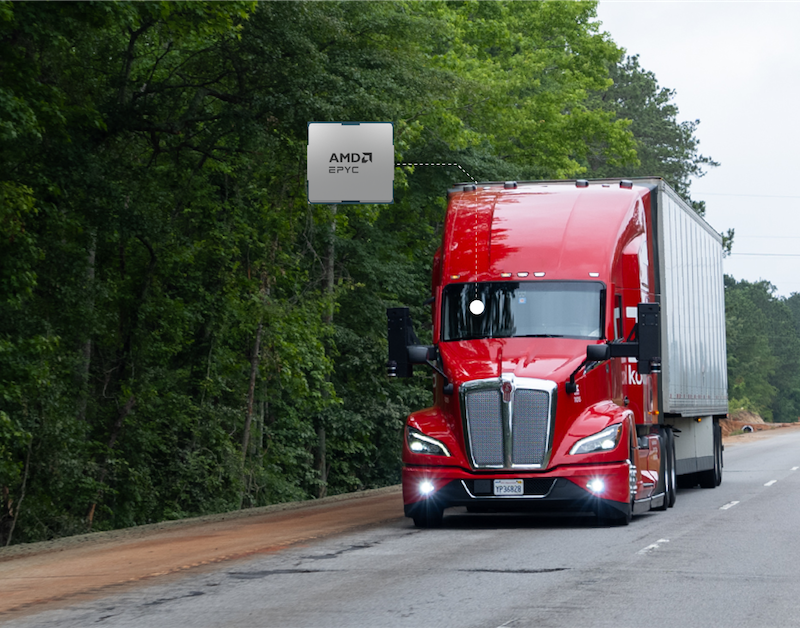
Kodiak AI Partners with AMD to Enhance Computing Power for Autonomous Trucking
Kodiak AI has announced a collaboration with AMD to integrate AMD EPYC Series processors into its seventh-generation autonomous truck platform. This partnership marks Kodiak as the first company to utilize these advanced processors in driverless trucking, enabling the efficient processing of vast sensor data essential for safe operation. The collaboration is significant as it combines Kodiak's autonomous driving technology with AMD's high-performance computing capabilities. According to Wayne Lyons from AMD, this partnership demonstrates the potential of advanced autonomous driving software when paired with powerful computing resources, facilitating the transition of driverless trucking from innovation to large-scale implementation. Looking ahead, the integration of AMD EPYC CPUs is expected to enhance the Kodiak Driver's ability to handle complex environments through improved sensor data aggregation and preprocessing. No further timeline was disclosed at the time of publication.
Autonomous Vehicles Computing News amd amd epyc autonomous driving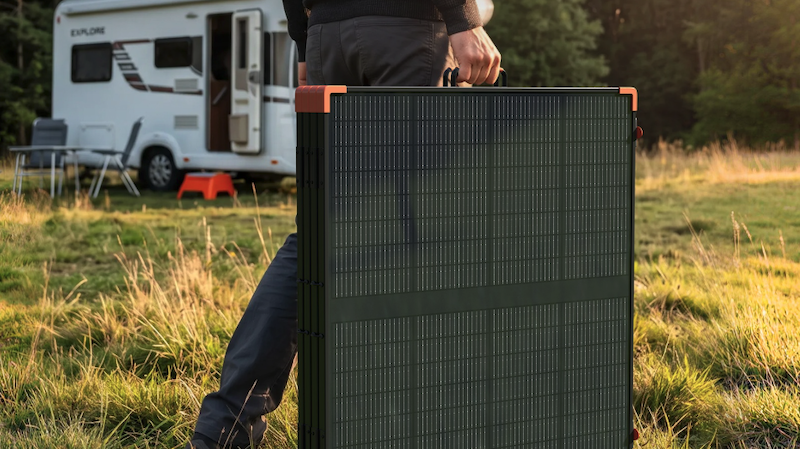
Advancements in Smart Solar Technology Enhance Off-Grid Power Efficiency
Recent developments in solar technology focus on optimizing the use of photovoltaic (PV) surfaces rather than merely increasing the number of solar panels. This is particularly vital for off-grid systems, where every watt is crucial for remote locations such as agricultural facilities and telecommunications sites. Innovations like bifacial photovoltaics (PVs) allow for greater energy capture by utilizing both the front and back surfaces of the panels, leading to increased electricity production. The significance of these advancements lies in their potential to improve energy management and efficiency in off-grid applications. Bifacial modules can enhance energy generation by 9% to 15% based on ground conditions, with optimal performance observed with reflective surfaces like white gravel. This shift in focus from traditional monofacial panels to bifacial technology represents a critical evolution in solar energy systems, particularly for users without grid access. Looking ahead, the integration of high-efficiency cell architectures, such as TOPCon and heterojunction technologies, alongside bifacial configurations, promises even greater energy capture. The International Energy Agency indicates that efficiencies exceeding 60% on the rear side of bifacial cells are achievable, highlighting the importance of design and installation in maximizing solar energy potential. No further timeline was disclosed at the time of publication.
Energy Infrastructure Technology battery storage bifacial solar panels energy storage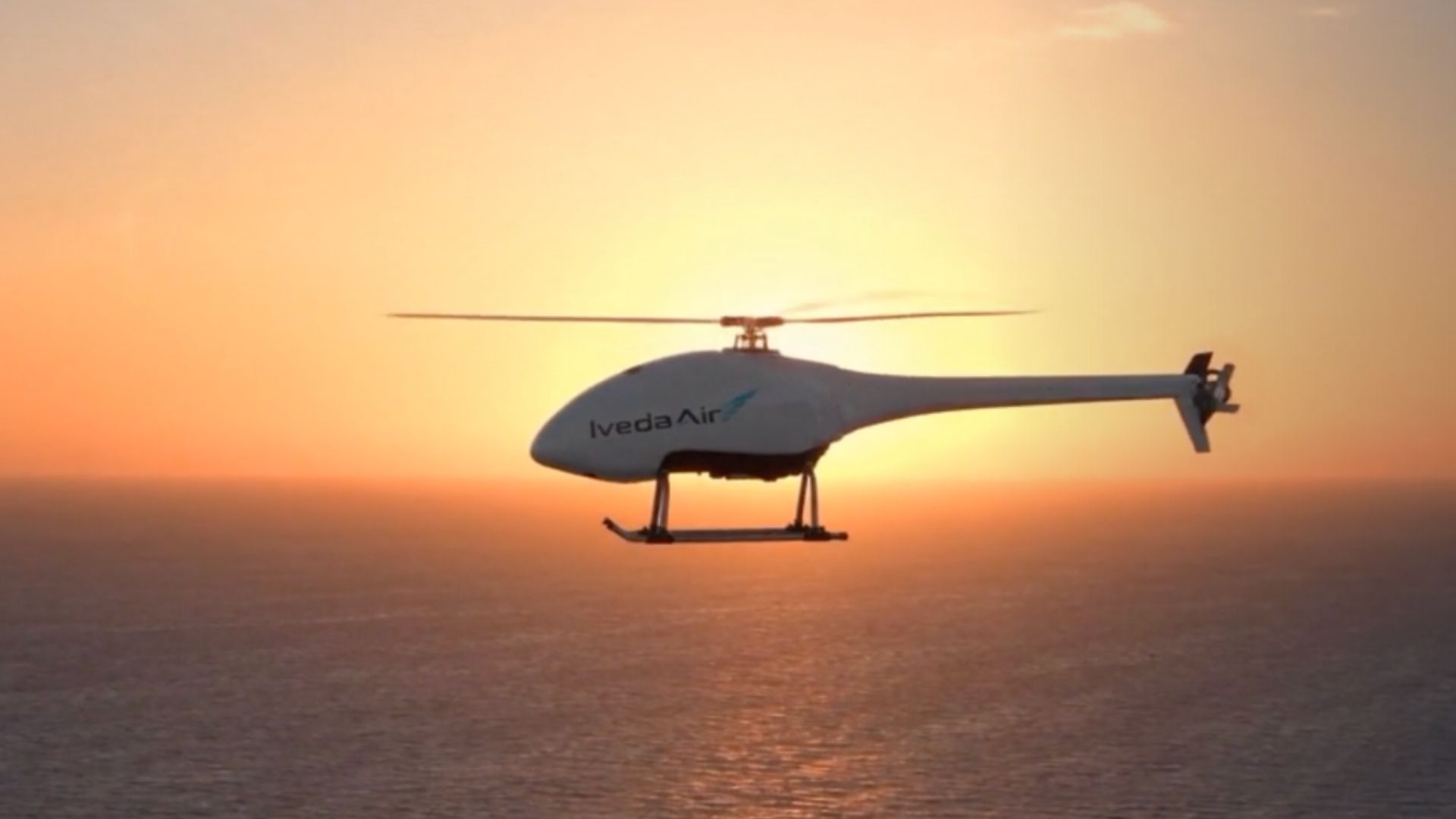
Iveda Launches Gas-Powered GX10-F100 Autonomous Helicopter Drone with 150-Minute Flight Time
Arizona-based Iveda has unveiled the IvedaAir line, featuring the GX10-F100, a gas-powered autonomous helicopter drone. This unmanned aircraft boasts an impressive flight endurance of over 150 minutes, significantly surpassing traditional battery-powered quadcopters. With a cargo capacity of 19 pounds and a maximum speed of 68 mph, the GX10-F100 is designed for military and emergency operations. The introduction of the GX10-F100 is significant as it addresses the limitations faced by conventional drones in challenging environments such as coastlines and isolated terrains. Its extended endurance and cargo capabilities make it suitable for logistics, reconnaissance, and aerial communications in difficult or dangerous areas. Iveda aims to enhance operational efficiency for military users and expand the drone's applications to maritime security, public safety, and emergency response. Looking ahead, Iveda's focus on developing the GX10-F100 for demanding operational environments indicates a shift in drone capabilities. The integration of IvedaAI autonomy software enhances navigation and intelligence missions, allowing for waypoint navigation and real-time video transmission. No further timeline was disclosed at the time of publication.
Military
Chao Wei Power Advances Embodied Intelligence with New System and Demonstrations
Chao Wei Power has made significant strides in embodied intelligence, showcasing robots capable of walking, grasping, and interacting at the WRC. As the industry sees a rise in capable robots, the focus shifts from individual robot capabilities to the ability to continuously enhance these robots with new skills. The company's Helix system integrates visual, language understanding, and robotic control, with the latest Helix 02 further connecting sensory inputs for complex tasks. Their KAI World Model aims to teach robots about physical relationships in the real world, utilizing extensive video data for pre-training. At the WRC, Chao Wei Power demonstrated their technology with a humanoid robot, SMASH 2.0, engaging in real-time table tennis matches, showcasing its ability to autonomously recognize, predict, and respond to various playing styles. No further timeline was disclosed at the time of publication.
Embodied Intelligence Humanoid Robots Robotics Technology AI Models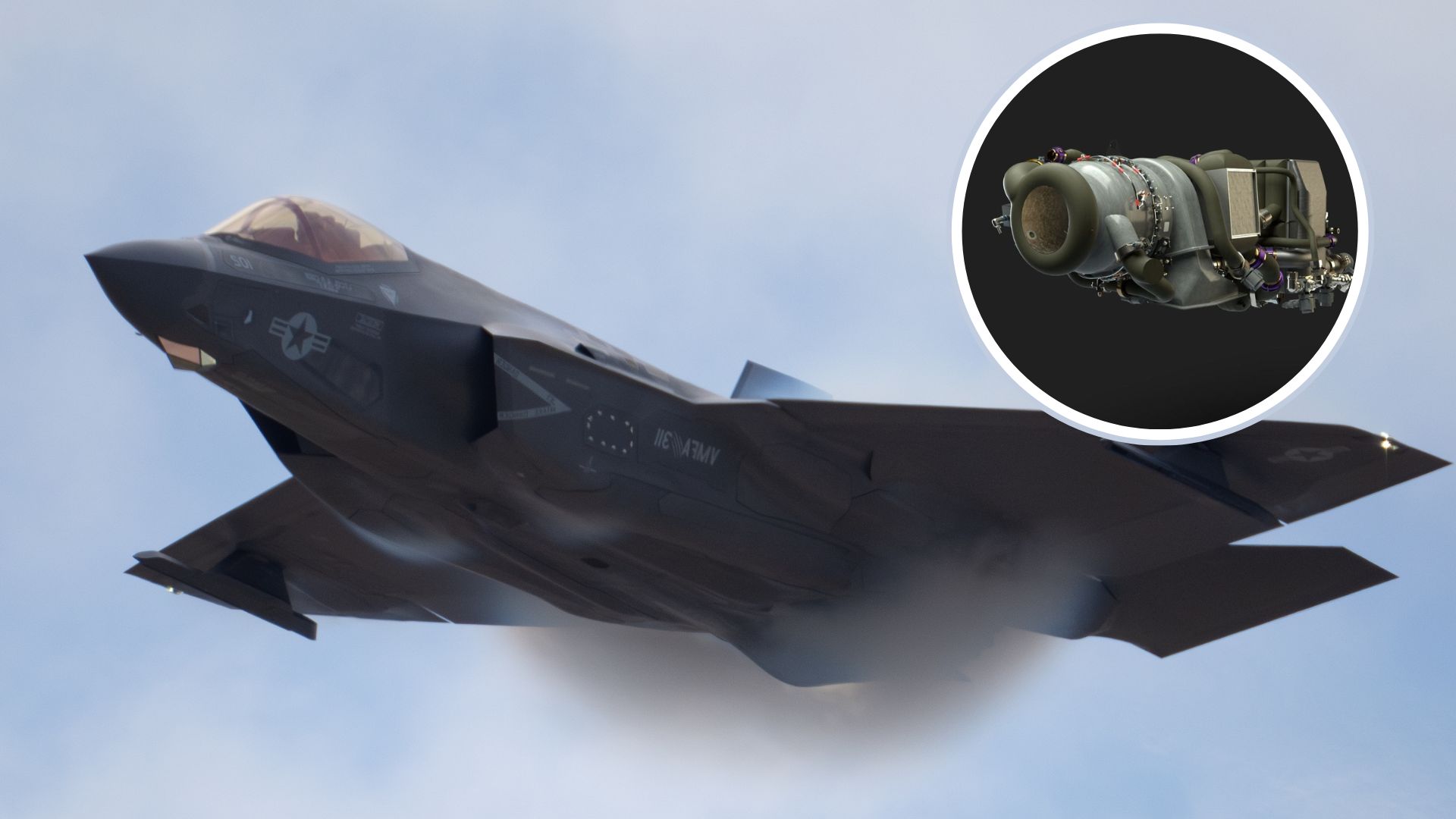
Collins Aerospace Completes Altitude Testing of Enhanced Power and Cooling System for F-35
Collins Aerospace has successfully completed altitude testing of its Enhanced Power and Cooling System (EPACS) for the F-35 jet. This new system is designed to enhance the thermal capacity of the aircraft, enabling it to support future technology upgrades. The testing involved simulating various mission demands and altitude conditions to evaluate the system's performance. The significance of EPACS lies in its ability to meet the increasing thermal and power demands of modern aircraft electronics. As new sensors and mission systems are integrated into the F-35, they generate more heat and require additional electrical power. EPACS aims to provide the necessary thermal margin to accommodate these upgrades without exceeding the aircraft's thermal limits. Looking ahead, the successful altitude testing marks a critical milestone in the development of EPACS, increasing confidence in its performance under real-world conditions. No further timeline was disclosed at the time of publication.
Military
Star Catcher Industries and Aethero Partner to Enhance Space-Based Computing Power
Star Catcher Industries and Aethero have formed a partnership to enhance high-performance computing and AI capabilities in orbit by addressing power limitations. Aethero will utilize Star Catcher's upcoming orbital energy grid to access additional power on demand, enabling spacecraft to manage increased computing loads without extensive onboard energy systems. This collaboration is significant as it aims to support the growing demand for space-based data centers and content distribution networks, driven by the increasing volume of satellite-generated data. By processing data in orbit, the need for extensive ground communications is reduced, alleviating potential bottlenecks. Looking ahead, Aethero plans to deploy its NxA-ECM compute module during its Titan mission in October, which will facilitate advanced computing in low Earth orbit. Star Catcher's innovative power-beaming technology is expected to allow spacecraft to generate up to 10 times more power on demand, enhancing operational efficiency and expanding the capabilities of satellite missions. No further timeline was disclosed at the time of publication.
AI and Robotics Space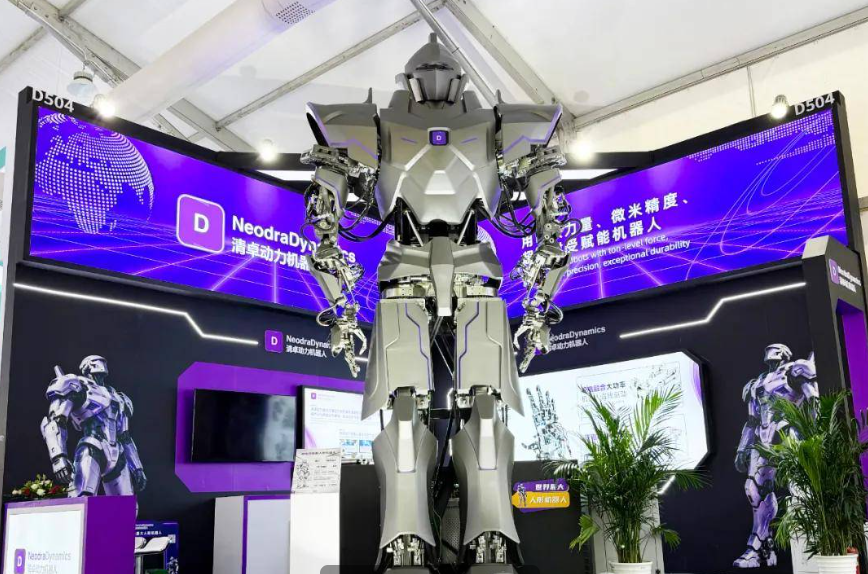
Qingzhuo Power Introduces 4-Meter Heavy-Duty Humanoid Robot with Hybrid Drive Technology
On August 19, 2026, Qingzhuo Power Robotics Technology (Beijing) Co., Ltd. unveiled its 4-meter humanoid robot at the 11th World Robot Conference in Beijing. This robot features a hybrid drive system, with 39 of its 41 active degrees of freedom powered by digital hydraulic actuators, while the remaining two joints utilize electric drives. This innovative approach aims to address the limitations of traditional hydraulic systems, such as maintenance costs and leakage issues. The significance of Qingzhuo Power's hybrid drive robot lies in its potential to meet industrial demands that electric-driven robots cannot fulfill. Applications in challenging environments, such as nuclear island maintenance and deep-sea equipment servicing, highlight the need for robots capable of handling heavy loads and high-impact tasks. By integrating digital hydraulics, Qingzhuo Power seeks to redefine the capabilities of humanoid robots in these demanding scenarios. Looking ahead, Qingzhuo Power plans to open its core components, including micro actuators and heavy-duty joint modules, to the industry. This move could lead to the emergence of a new market for heavy-load actuator suppliers, as companies may focus on module output and control protocols rather than manufacturing entire robots. No further timeline was disclosed at the time of publication.
Humanoid Robots Hybrid Drive Technology Industrial Automation Robotics Innovation
EPFL Researchers Develop Sound-Powered Miniature Drones Using Helmholtz Resonance
Researchers at the École polytechnique fédérale de Lausanne (EPFL) have developed miniature drones powered by sound, utilizing Helmholtz resonance. This innovative approach allows the drones to convert sound waves into propulsive force, enabling controlled motion and navigation. The significance of this development lies in its potential to revolutionize small-scale robotics. By employing hollow structures that act as acoustic resonators, the EPFL team has created devices that can be made extremely small and lightweight, paving the way for advanced designs in robotics and aeronautics. Looking ahead, the researchers envision integrating multiple sound-responsive structures into a single device, allowing for dynamic shape changes in response to sound frequencies. This could lead to the creation of sophisticated aerodynamic robotic devices capable of versatile movements. No further timeline was disclosed at the time of publication.
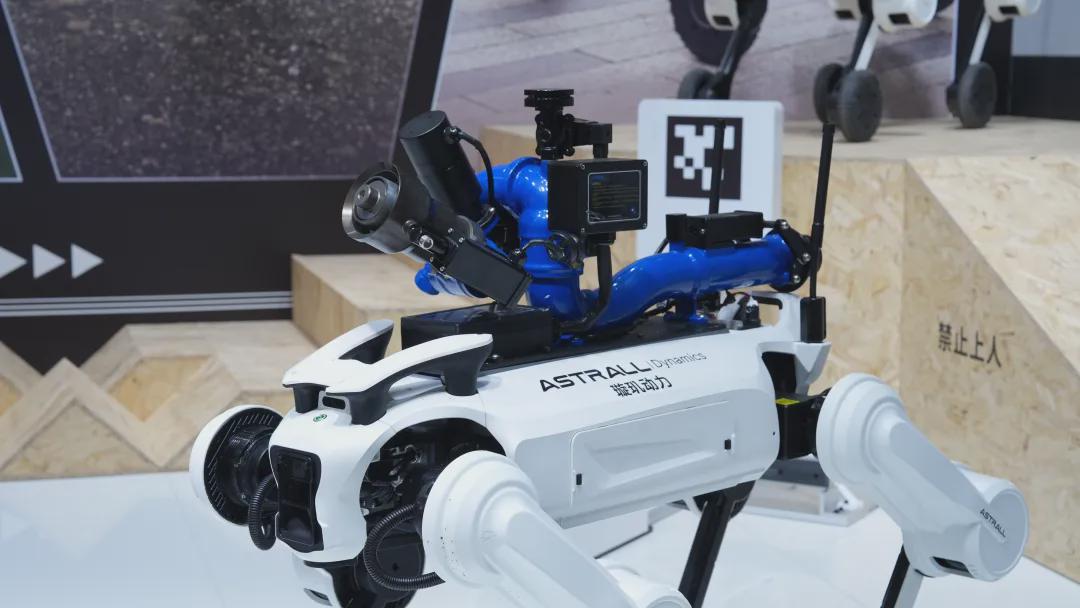
Insights from WRC 2026: Quadruped Robots Transition to Practical Applications with Xuanji Power
The 2026 World Robot Conference (WRC) commenced on August 19 in Beijing, showcasing over 300 exhibitors and more than 2,000 products. A notable shift in the robotics industry was observed, moving from mere demonstrations to practical applications, particularly in quadruped robots. Attendees showed increased interest in the specialized equipment on these robots rather than just their performance. In the past five years, China's quadruped robot sector has transitioned from technology validation to commercial exploration. While there has been significant investment and rapid advancements in gait algorithms and motion control, many companies have struggled with practical deployment in industrial settings. The demand for robots capable of operating in hazardous environments has grown, highlighting the need for reliable and adaptable solutions. At WRC 2026, a clear divide emerged between consumer-grade products and those targeting industrial markets. Xuanji Power has distinguished itself by mastering the design and production of axial flux motors, which offer higher torque and power density. This innovation allows for the development of robust quadruped robots that can meet the rigorous demands of various applications, ensuring product consistency and stability through in-house production of core components.
Quadruped Robots Industrial Automation Robotics Technology AI Energy Sector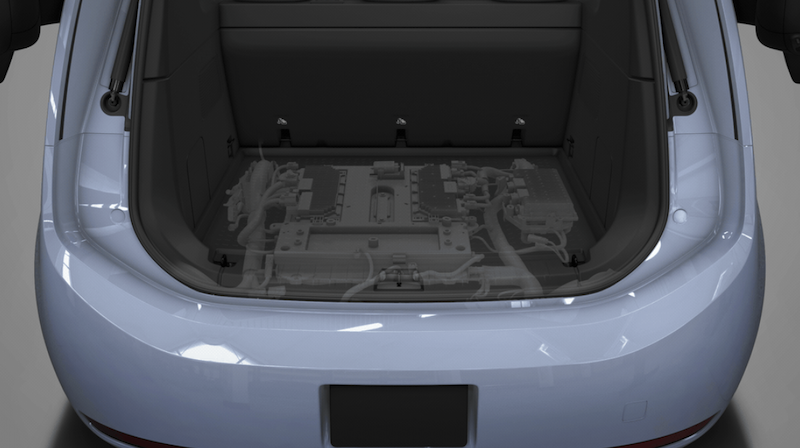
Waymo Unveils Nvidia-Powered Computing System for Enhanced Robotaxi Performance
Waymo has disclosed new technical specifications of its onboard computing system that powers its autonomous driving technology. This system features a custom-built 5 nm ASIC that delivers over 1,000 TOPS of machine learning performance, designed to operate under challenging conditions encountered by its autonomous vehicles. The significance of this development lies in its ability to provide millisecond-level response times, which are crucial for the Waymo Driver's complete driving task. Unlike traditional driver-assistance systems, the Waymo Driver operates independently, necessitating a robust computing architecture that ensures low latency, reliability, and redundancy based on insights from over 200 million miles of autonomous driving. Looking ahead, Waymo has scaled its computing power by 20 times in the last eight years, focusing on ultra-low latency to enhance responsiveness in complex environments. The company emphasizes the importance of reducing “pixels-to-actuation” latency to achieve fast decision-making capabilities, which will be critical as it expands its commercial robotaxi operations.
Autonomous Vehicles Computing Features accelerated computing amd artificial intelligence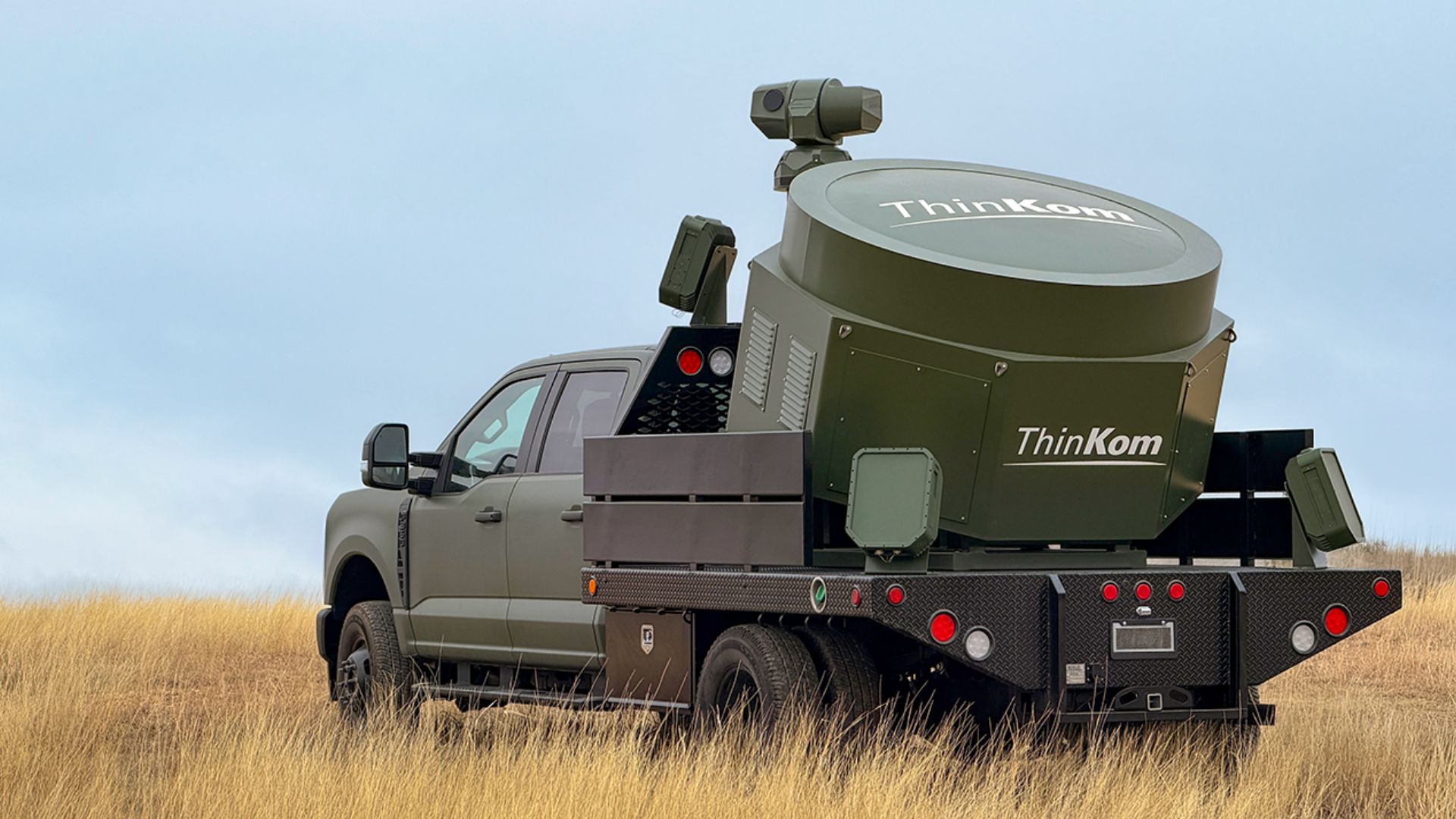
U.S. Army Awards ThinKom $49 Million for Mobile High-Power Microwave Drone Defense System
The U.S. Army has awarded ThinKom Solutions a prototype contract valued at up to $49 million to develop a mobile high-power microwave system aimed at countering drones. Announced on August 19, 2026, this contract will fund the testing of ThinKom’s Alecto system, which is designed to target unmanned aircraft from a moving vehicle. This initiative is significant as it addresses the increasing demand for mobile counter-unmanned aircraft systems (C-UAS) due to the rapid proliferation of drones. The Alecto system utilizes ThinKom’s patented VICTS antenna technology to deliver high-power electromagnetic energy to neutralize Group 1 and Group 2 unmanned aircraft, enabling Army units to respond to threats without halting their operations. Field testing of the Alecto system is scheduled for 2027, allowing the Army to evaluate its performance against emerging drone threats. The results will inform future requirements and potential production decisions, although the current agreement does not guarantee procurement of additional systems beyond the prototype phase.
Military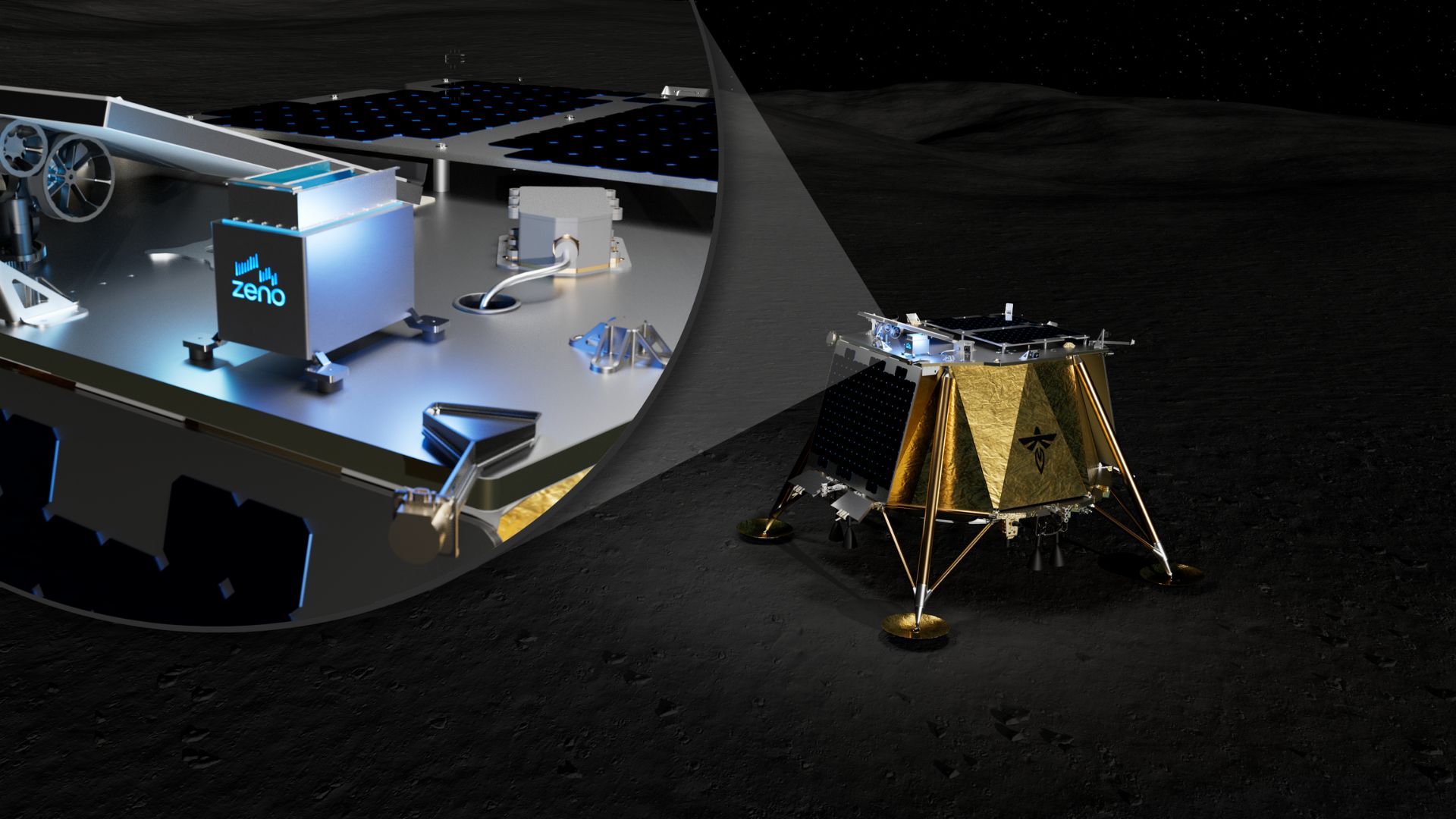
Firefly Aerospace to Test Nuclear-Powered Heating Technology on Moon by 2028
Firefly Aerospace plans to send a nuclear-powered heating technology to the Moon in 2028, aiming to test spacecraft survival during the lunar night’s extreme cold. This initiative involves Zeno Power Systems' Survive-the-Night Package, which will be launched aboard the Blue Ghost mission, addressing a significant challenge for lunar exploration. The importance of this experiment lies in its potential to ensure spacecraft can operate beyond the lunar day, where temperatures can plummet below minus 275°F. As solar-powered systems face limitations after sunset, the nuclear heating solution could be crucial for sustaining operations during the two-week lunar night, especially in permanently shadowed regions that never receive sunlight. Looking ahead, the demonstration will provide valuable data on the performance of nuclear heating technology in harsh lunar conditions. This information is vital as NASA and commercial entities aim to establish long-term lunar infrastructure and conduct missions in areas with extreme thermal environments. No further timeline was disclosed at the time of publication.
Space
Light-Powered Nanorobots Developed to Collect and Transport Bacteria in Microbial Environments
Researchers at Julius-Maximilians-Universität Würzburg have developed tiny light-powered nanorobots capable of hunting down and collecting bacteria. These microdrones, measuring less than one micrometer, utilize photon recoil for propulsion and can maneuver effectively in microscopic environments. This advancement represents a significant step towards direct manipulation of biological materials in water, addressing longstanding challenges in the field. The ability to control and transport bacteria with these nanorobots could revolutionize microbiology and biomedical research. By simplifying their design and steering system, the researchers have created devices that can efficiently scan and clean microscopic environments. This innovation not only enhances our understanding of the microbial world but also opens up new possibilities for applications in various scientific fields. Looking ahead, the continued development of these nanorobots may lead to their use in precise material manipulation and environmental cleaning at the microscopic level. As researchers refine their capabilities, the potential for these tiny machines to impact scientific research and practical applications will become increasingly significant. No further timeline was disclosed at the time of publication.
Jiangsu Leili Motor Transforms Appliance Engineering into Core Power for Humanoid Robots
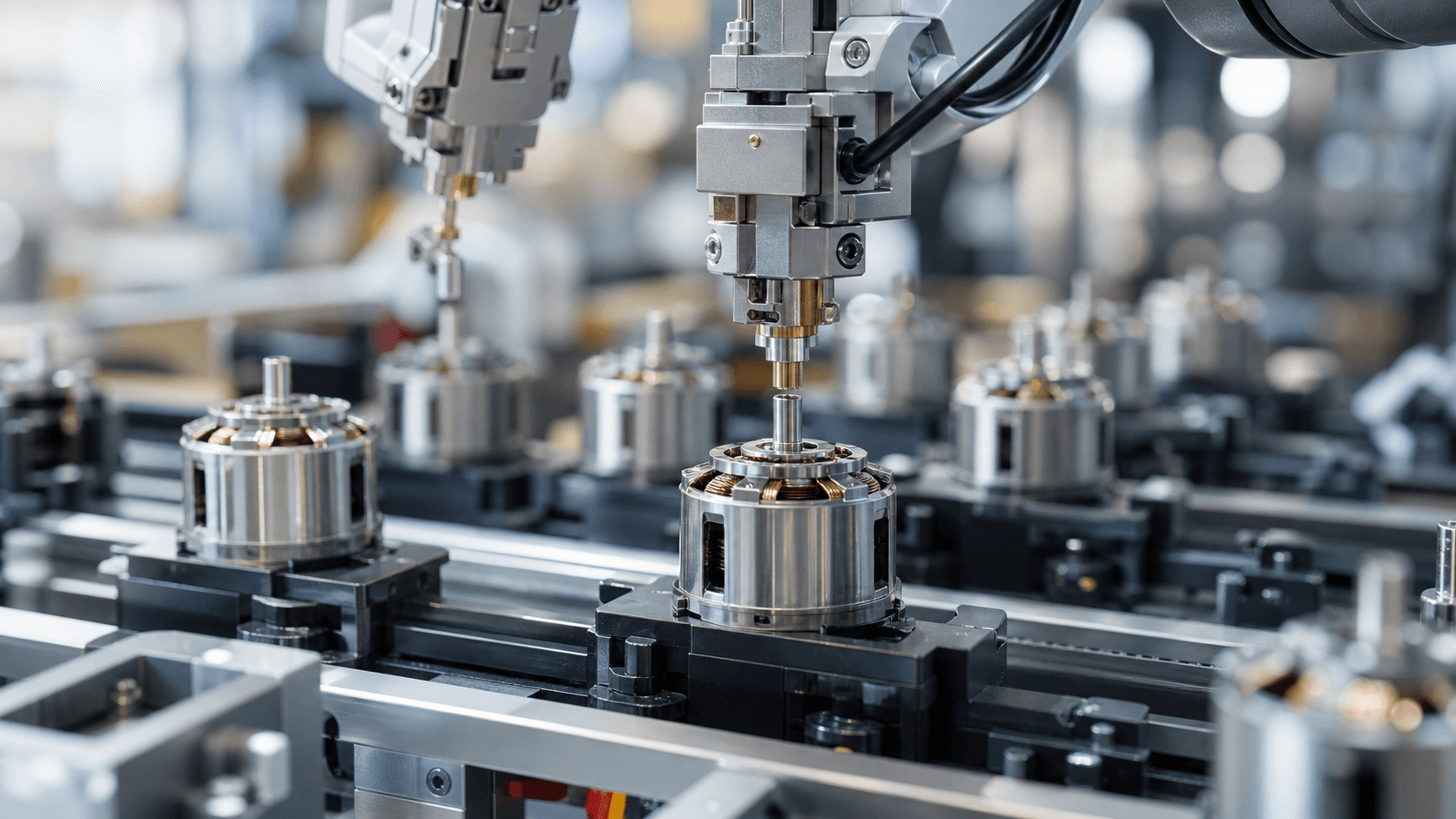
Jiangsu Leili Motor, originally a workshop in Changzhou established in 1993, is projected to achieve a revenue of 4 billion yuan by 2025. The company has diversified its business, with the share of home appliances decreasing to 55%, while automotive, industrial control, and medical sectors have surpassed 40%. This shift in focus is significant as Jiangsu Leili Motor's hollow-cup motors and dexterous hands are now integral to the functionality of humanoid robots. By 2025, the company anticipates that nearly 50% of its sales will come from international markets, highlighting its growing global presence. Looking ahead, Jiangsu Leili Motor's continued innovation in motor technology and its expansion into new sectors will be crucial. No further timeline was disclosed at the time of publication.

NASA's SPARK Project Aims to Deploy Ion-Powered Aerobots in Titan's Caves
NASA is funding the SPARK project, which aims to deploy swarms of silent, spherical aerobots to explore the underground caves of Titan, Saturn's largest moon. Led by Daniel Drew from the University of Hawaii at Mānoa, the project utilizes electrohydrodynamic (EHD) propulsion, allowing for maneuverability without disturbing the delicate surface layers. This initiative is significant as it seeks to navigate Titan's unique karst terrain, characterized by liquid methane lakes and intricate underground channels. The EHD thrusters are expected to be over 100 times more power-efficient on Titan than on Earth, making them suitable for long-duration missions in harsh environments. Looking ahead, while the timeline for the SPARK aerobots' deployment remains uncertain, the project holds promise for revolutionizing cave exploration on Titan, similar to how the Ingenuity helicopter has advanced Mars exploration. The development of these aerobots could open new avenues for understanding extraterrestrial environments.
Space
EPFL Engineers Develop Sound-Powered Micro-Robots Without Motors or Batteries
Engineers at Switzerland’s École Polytechnique Fédérale de Lausanne (EPFL) have developed a method to convert sound waves into directional thrust, enabling the creation of micro-machines that operate without motors, batteries, or electronics. This innovative technique utilizes Helmholtz resonance, where sound excites air within a cavity, generating propulsion through airflow imbalance. This advancement is significant as it allows for the design of small boats and ultralight aerial vehicles powered solely by sound, eliminating the need for traditional power sources. The EPFL team’s approach, which involves 3D-printed hollow cavities, represents a shift from previous acoustic levitation methods, offering a new way to achieve self-generating thrust through concentrated air jets. Looking ahead, the potential for further miniaturization of these sound-powered devices could revolutionize robotics and aeronautics. Researchers have already demonstrated prototypes at both centimeter and microscopic scales, showcasing capabilities such as controlled navigation and impressive lift, indicating a promising future for passive materials in robotic applications. No further timeline was disclosed at the time of publication.
Innovation
Penn State Researchers Develop Low-Power DNA-Based Memory Device Using Perovskite Technology
Researchers at Penn State have developed a new memory device that utilizes synthetic DNA and perovskite semiconductors, achieving a significant reduction in power consumption. This bio-hybrid system, which operates with 100 times less energy than traditional storage devices, could revolutionize data processing by combining the storage capabilities of DNA with the electronic properties of perovskite. The innovation is particularly relevant as the demand for artificial intelligence (AI) and neuromorphic computing grows, necessitating efficient low-power devices that can handle complex data. The memristor created by the team can retain information even when power is removed, mimicking the functionality of neurons in the brain and enabling more sophisticated data processing. Looking ahead, the integration of DNA into electronic systems presents opportunities for advancements in memory technology. However, practical applications will require further development to ensure sufficient storage capacity and efficiency. No further timeline was disclosed at the time of publication.

NASA to Host 'Max Power' Aerospace Expo at Kennedy Space Center This November
NASA has announced a two-day aerospace exposition named 'Max Power' scheduled for November 7 and 8 at Kennedy Space Center in Florida. The event is expected to attract fans of the show 'The Simpsons,' as the title references a famous pseudonym used by Homer Simpson. The expo will feature immersive experiences, including air shows, skydiving stunts, and technology demonstrations. The significance of the 'Max Power' expo lies in its aim to engage the public with aerospace technology and space exploration. Attendees will have the opportunity to meet astronauts and participate in talks led by NASA experts. NASA Administrator Jared Isaacman, who is also a private astronaut, plans to take part in the air show, highlighting the event's focus on interactive and educational experiences. Looking ahead, Isaacman indicated that 'Max Power' is intended to be the first of many similar events, suggesting a commitment to ongoing public engagement in aerospace activities. No further timeline was disclosed at the time of publication.
Space Exploration
Army Urges Industry for Innovative Power Solutions Beyond Batteries and Generators
The U.S. Army has identified a critical shortage of exportable power in its ground vehicles, which hampers the operation of drones and communication systems. Brig. Gen. Troy Denomy emphasized the urgency for industry to develop solutions, as the Army faces increasing power demands from new energy-intensive weaponry. Current vehicles like the M1A2 Abrams and Bradley Fighting Vehicles lack the capacity to support these systems, leading to operational limitations for brigade commanders. This power deficiency is significant as it affects the Army's ability to deploy unmanned aerial systems (UAS) effectively. Denomy highlighted that commanders are forced to limit UAS operations not based on mission needs but rather on available power. The reliance on noisy generators and additional battery packs is not a viable long-term solution, as these options compromise stealth and increase the burden on soldiers. Looking ahead, the Army is exploring advanced technologies, including fuel cells, to enhance power generation in legacy vehicles. Newer models like the XM30 and M1E3 Abrams are designed to provide greater exportable power. The Army is also investigating next-generation power management solutions and alternatives to traditional liquid fuels to address these challenges.
Land Warfare armored brigade combat team Army Bradley Fighting Vehicle Drones GVSETS 2026
LG to Launch Next-Generation Nvidia-Powered Humanoid Robot in Early 2027
South Korean electronics leader LG is set to unveil a new bipedal humanoid robot powered by Nvidia's Isaac GR00T in the first quarter of 2027. This development follows a memorandum of understanding signed on August 13 between LG and Nvidia, marking a significant step towards the execution of their collaborative efforts in robotics and AI technologies. The partnership aims to enhance LG's capabilities in AI factories and mobility solutions, leveraging Nvidia's advanced technologies. LG's chairman, Kwang Mo Koo, emphasized the clarity of their goals in AI Factory and Physical AI, while Nvidia's CEO, Jensen Huang, highlighted the transformative potential of physical AI in everyday life. This collaboration is expected to accelerate the integration of AI in various sectors. Looking ahead, LG plans to validate its LG CLOiD wheel-based robots at its washing machine manufacturing line in Tennessee this year. The results will inform further refinements and potential expansions of robot deployments across global production facilities and commercial spaces. No further timeline was disclosed at the time of publication.
Autonomous Vehicles Factories Humanoids News Robotics ai factories
Addressing Humanoid Robot Production Challenges Amidst Surplus Computing Power
The computing capabilities of humanoid robots, such as Nvidia's Thor at 2070 TFLOPS and the S600 from Digua Robotics at 560 TOPS, appear abundant. However, in real production scenarios, merely comparing TOPS is insufficient. Effective computing power, which considers memory bandwidth and software stack efficiency, is crucial for optimal robot performance. The year 2026 is anticipated to be pivotal for commercial deployment, as robots transition from labs to production lines. To achieve mass production, computing platforms must overcome four key hurdles: model deployment, converting peak computing power to effective power, synchronizing decision-making and control, and ensuring a favorable ROI in production. The competition in computing power for humanoid robots will shift towards overcoming Nvidia's CUDA ecosystem barriers. For instance, Digua Robotics aims to integrate various processing units within a single SoC for enhanced efficiency. In the next few years, as advanced models are integrated into robots, competition will focus on memory bandwidth, heterogeneous computing, and real-time control, marking the beginning of a new phase in mass production.
Humanoid Robots AI Robotics Production Computing Power Ecosystem DevelopmentRobotics needs a service framework.
RSF defines a common language for robot service capability, lifecycle operations, certification pathways, and service-provider networks.
Join the RobotToday community on LinkedIn
Daily robotics news, in-depth analysis, conference highlights, and discussions with professionals worldwide.







