Industry Briefing
A single destination for timely, editor-curated robotics news from around the world.
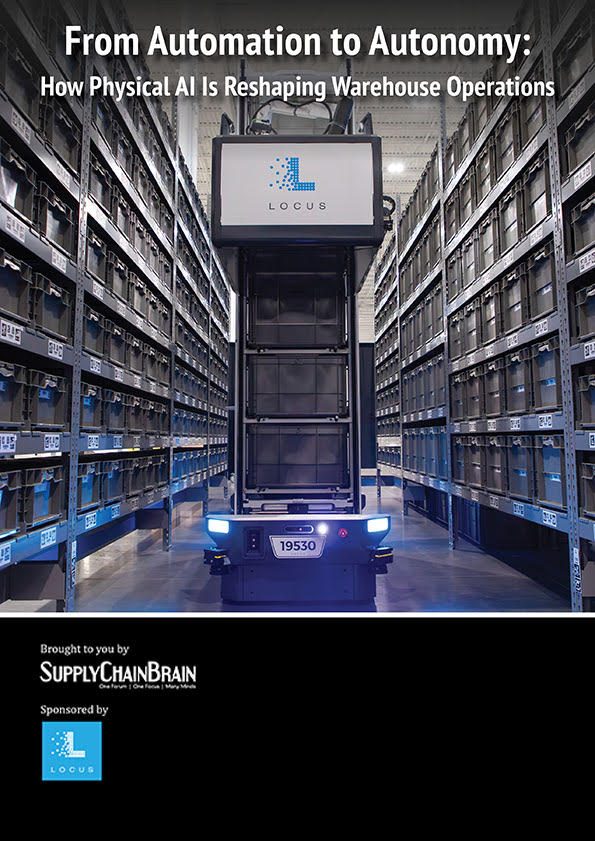
How Physical AI is Transforming Warehouse Operations Amid Unforeseen Disruptions
Warehouse managers are increasingly utilizing Physical AI to enhance their operations. This technology allows for better forecasting of seasonal demand, optimization of inventory levels, and redesigning of workflows to improve overall efficiency. The significance of Physical AI lies in its ability to adapt to unexpected disruptions that can occur during a typical workday. By integrating this technology, warehouse managers can better respond to unforeseen challenges, ensuring smoother operations and improved productivity. Looking ahead, the continued adoption of Physical AI in warehouse settings will be crucial. As businesses face increasing complexities in logistics and supply chain management, the ability to leverage AI for real-time decision-making will become more important. No further timeline was disclosed at the time of publication.

Drones and Robots Transform Renewable Energy Operations with Inspection and Maintenance Solutions
Skysys Intelligent Technology is pioneering the integration of drones and robots for renewable energy operations, particularly in inspection and maintenance tasks. Traditional methods of inspecting photovoltaic panels are labor-intensive and hazardous, but Skysys' systems have been deployed at over 1,400 renewable-energy sites, covering more than 40 GW of installed capacity. The collaboration between drones and robots is significant as it enhances efficiency and safety in the renewable energy sector. By automating inspections and maintenance, Skysys addresses the challenges of manual inspections, which can be time-consuming and risky. The company has raised over RMB 100 million in funding to further develop its renewable-energy robots and expand their applications in urban environments. Looking ahead, Skysys is focusing on evolving its product line from inspection to maintenance, recognizing that identifying issues is only part of the solution. The introduction of maintenance robots aims to improve operational efficiency in solar and wind energy sectors, marking a shift towards more comprehensive solutions in renewable energy infrastructure. No further timeline was disclosed at the time of publication.
Heavy Hitters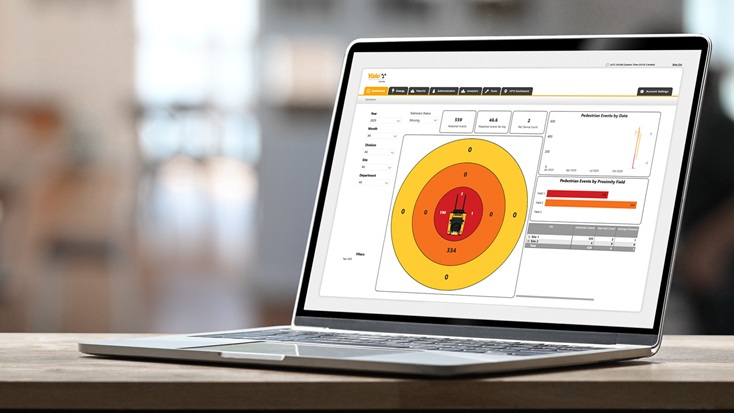
Integrated Technology Enhances Warehouse Equipment Operations and Decision-Making
Recent advancements in integrated technology are transforming warehouse operations by providing comprehensive visibility into equipment performance and workflows. As supply chains evolve and customer demands increase, warehouse leaders are prioritizing the integration of various technologies, such as the Yale Reliant™ Pedestrian Awareness Camera and the Yale Vision Pedestrian Detection Events Dashboard, to enhance operational intelligence. This shift towards connected solutions allows managers to move beyond isolated data points and gain a holistic understanding of how equipment, personnel, and processes interact throughout the day. By leveraging integrated systems, warehouses can identify patterns, streamline workflows, and make informed decisions that improve efficiency and responsiveness. Looking ahead, the trend of embracing integrated technologies is expected to continue, as organizations recognize the importance of connected ecosystems over standalone solutions. No further timeline was disclosed at the time of publication.
Materials Handling
XTEND AI Robotics, Inc. Receives U.S. Patent for NEST Autonomous Base Station Supporting Robotic Operations
XTEND AI Robotics, Inc. has been granted U.S. Design Patent No. D1,147,179 for its NEST autonomous base station. This patent, issued on September 8, 2026, recognizes the innovative design that allows robotic systems to autonomously deploy, recover, and recharge, thereby enhancing operational efficiency. The significance of this patent lies in its potential to support persistent robotic operations with minimal human intervention. By automating the deployment and recharging processes, XTEND's NEST aims to improve the reliability and effectiveness of robotic systems across various applications, reducing the need for constant human oversight. Looking ahead, industry stakeholders should monitor how XTEND leverages this patent to advance its technology and expand its market presence. The successful implementation of the NEST system could set new standards for autonomous operations in robotics, influencing future developments in the field. No further timeline was disclosed at the time of publication.
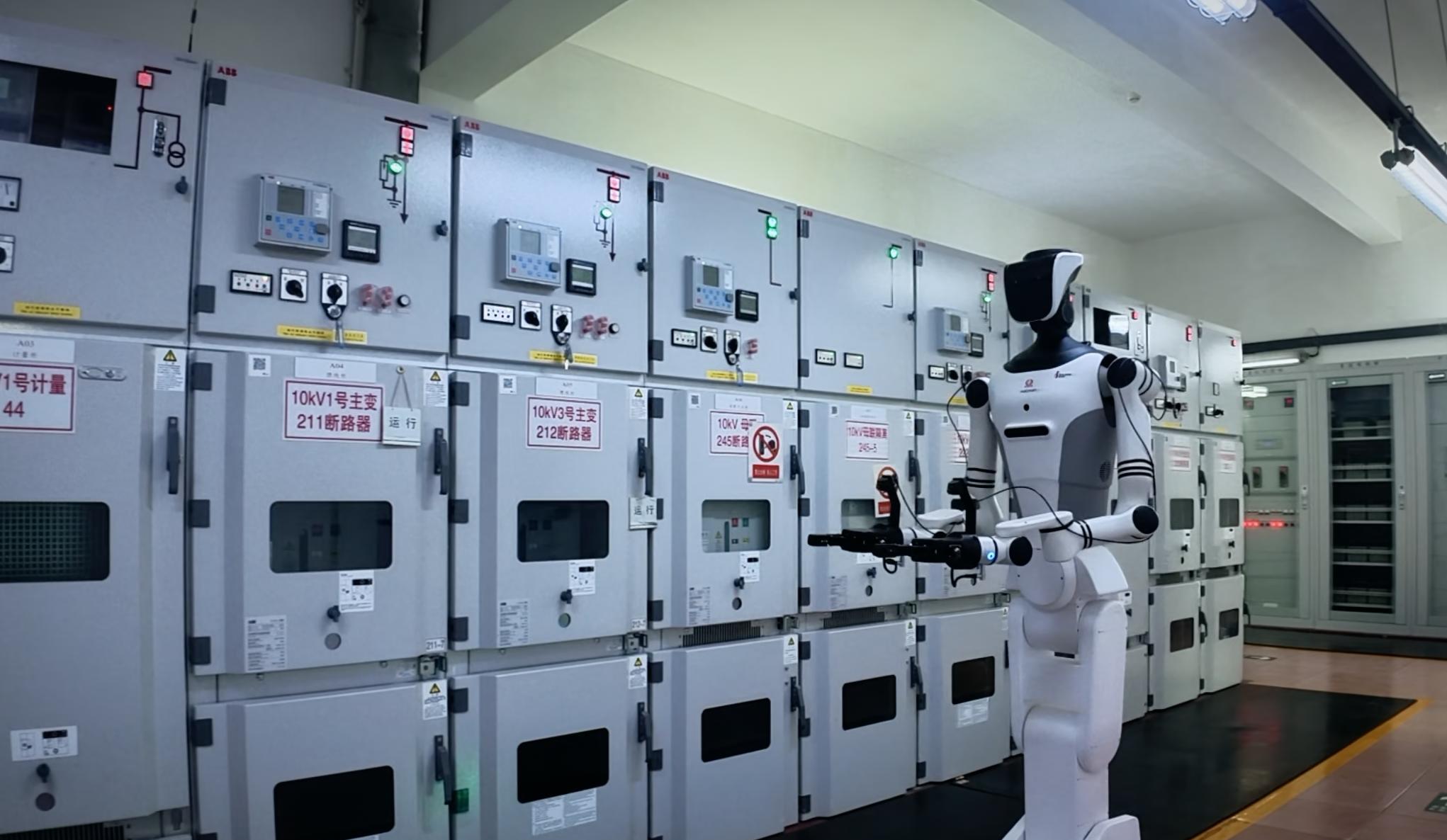
Robots Revolutionize Safety and Efficiency in Power Distribution Operations
Recent advancements in power distribution operations have been marked by the introduction of the 'Silicon-based Guard' maintenance solution by Ruiman Intelligent and Zhuxin IoT. This innovative approach integrates embodied robots into the entire maintenance process, transitioning from traditional human oversight to a more autonomous model. This shift is crucial for enhancing the reliability and safety of urban power supply systems. The significance of this development lies in its potential to improve operational efficiency and safety in power distribution rooms, which are critical nodes in urban electrical systems. The traditional reliance on human operators has been challenged by the introduction of AIoT technologies, which have enabled remote monitoring and automated alerts. However, the new embodied robot solution goes further by allowing robots to perform essential tasks autonomously, thereby closing the operational loop and reducing the need for human intervention. Looking ahead, the successful implementation of the 'Silicon-based Guard' solution in over 170 power distribution projects demonstrates its viability in real-world applications. As the robotics industry evolves from demonstration phases to practical deployment, the collaboration between robotics companies and operational environments will be key to achieving scalable and effective solutions in various sectors, including commercial buildings and industrial parks.
Power Distribution Embodied Robotics AIoT Automation Safety Solutions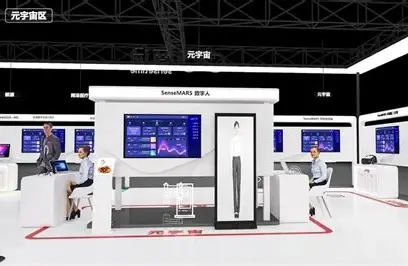
SenseTime's Shanhui Achieves 0.3 Staff Per Store in Retail Operations with Six-Month ROI
SenseTime's Shanhui has optimized retail operations, achieving a staffing level of 0.3 employees per store. This innovative approach allows for significant operational efficiency, which is crucial in today's competitive retail landscape. The ability to maintain such a low staff-to-store ratio highlights the effectiveness of automation in retail, enabling businesses to reduce labor costs while enhancing service delivery. This advancement is particularly relevant as companies seek to improve their return on investment (ROI) in a challenging economic environment. Looking ahead, stakeholders should monitor how this model influences retail strategies and whether other companies will adopt similar technologies. No further timeline was disclosed at the time of publication.
Robotics Automation AI
SkyfireAI and DBOX Collaborate to Enhance Autonomous Drone Operations in the U.S.
SkyfireAI and Lithuania-based DBOX have entered a collaboration to advance integrated autonomous drone operations in the United States. The Memorandum of Understanding (MOU) was signed at the Lithuania–U.S. Business Forum in Miami, attended by Lithuanian President Gitanas Nausėda. The partnership aims to combine expertise in autonomous drone infrastructure, mission-control software, and operational capabilities. This collaboration is significant as it reflects a growing need for comprehensive solutions in autonomous drone operations, which require more than just aircraft and docking stations. The integration of various technologies, including safety systems and airspace management, is crucial for successful deployment. SkyfireAI's experience in Drone as First Responder (DFR) and Beyond Visual Line of Sight (BVLOS) operations complements DBOX's autonomous docking infrastructure. Looking ahead, the companies plan to demonstrate their integrated solution by the fourth quarter of 2026. Initial efforts will focus on integration, testing, safety systems, and regulatory approvals, with operator training and commercialization also being key components of the project. No further timeline was disclosed at the time of publication.
Drone News Drone News Feeds News autonomous drone operations autonomous drones BVLOS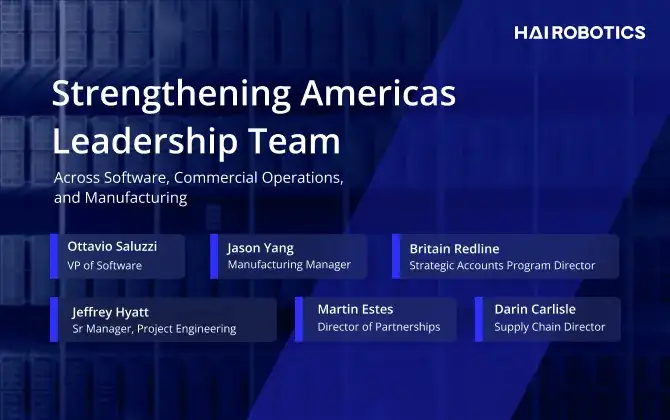
Hai Robotics Expands Leadership Team in Americas for Enhanced Operations and Manufacturing
Hai Robotics has enhanced its leadership team in the Americas with key appointments across various sectors including software, supply chain, and manufacturing. This strategic move aims to bolster the company's capabilities in supporting the entire customer journey, from solution development to U.S.-based manufacturing. The expansion is significant as it aligns with Hai Robotics' commitment to improving local service and operational responsiveness in the Americas, particularly in Alpharetta, Georgia. The new leadership will enable the company to better meet evolving customer needs and sustain regional growth, reinforcing its position in the competitive warehouse automation market. Looking ahead, Hai Robotics plans to continue investing in infrastructure and operational expertise to adapt to the changing demands of its customers. No further timeline was disclosed at the time of publication.
Warehouse Automation Supply Chain Management Logistics Manufacturing Customer Support
Hai Robotics Expands Leadership Team in Americas for Enhanced Operations and Manufacturing
Hai Robotics has bolstered its leadership team in the Americas with key appointments across various sectors, including software and manufacturing. This strategic move aims to enhance the customer journey by improving solution development, software integration, and supply chain execution. The expansion is significant as it aligns with Hai Robotics' commitment to providing responsive, locally supported services in the Americas, particularly with its growing presence in Alpharetta, Georgia. The new leadership will enable the company to better meet evolving customer needs and sustain regional growth. Looking ahead, Hai Robotics is focused on building an organization that anticipates future customer requirements. CEO Adrian Stoch emphasized the importance of having the right capabilities and infrastructure in place to adapt to the complexities of customer operations as they evolve. No further timeline was disclosed at the time of publication.
Warehouse Automation Supply Chain Management Logistics Manufacturing Customer Support
The Rise of Embodied Intelligence: Transforming Industry Operations and Daily Life
Embodied intelligence is increasingly integrating into everyday life, enhancing various sectors from cooking robots to rehabilitation services. This shift signifies a profound transformation in industry operations, moving beyond mere human replacement to fundamentally altering operational logic. As the technology matures, it promises deeper connections between digital and physical economies, paving the way for significant growth opportunities. The importance of embodied intelligence lies in its potential to redefine industry dynamics. By replacing traditional human roles, it enables a seamless integration of digital elements into physical industries, fostering a new era of operational efficiency. This evolution is not just about enhancing productivity but also about creating a new framework for industry collaboration and innovation. Looking ahead, the ongoing development of embodied intelligence will be crucial in bridging the gap between digital and physical sectors. As it becomes more prevalent, stakeholders should monitor its applications across various industries, as these innovations could lead to substantial economic shifts and new growth avenues. No further timeline was disclosed at the time of publication.
Embodied Intelligence Industrial Automation Digital Economy Robotics Industry Transformation
Flexxbotics Unveils Advanced Platform to Enhance Manufacturing Operations at IMTS 2026
At IMTS 2026 in Chicago, Flexxbotics showcased its latest autonomous manufacturing platform aimed at improving connectivity and addressing operational silos. The platform offers a real-time control plane that orchestrates autonomous operations, enabling manufacturers to respond to changing conditions and enhance production efficiency. This development is crucial as manufacturers face challenges such as supply chain uncertainties and workforce shortages. Flexxbotics' platform allows for the integration of siloed information, facilitating better decision-making and process control, which is essential for scaling automation in modern manufacturing environments. Looking ahead, the platform's ability to create real-time feedback loops and coordinate closed-loop operations positions it as a significant tool for manufacturers aiming to optimize their production processes. No further timeline was disclosed at the time of publication.
Factory / Analytics
DHL Supply Chain Acquires Open Market to Enhance Colombian Logistics Operations
DHL Supply Chain has announced the acquisition of Open Market, a logistics and transport operator in Colombia, significantly enhancing its warehousing and transport capabilities. This deal includes 21 warehouses totaling 120,000m², 13 cross-docking platforms, and an owned transport fleet, along with the integration of approximately 4,100 Open Market employees into DHL's operations. The acquisition aligns with DHL Group's Strategy 2030, aimed at strengthening its presence in Latin America, particularly in life sciences and healthcare sectors. CEO Hendrik Venter emphasized that this move reflects DHL's commitment to enhancing capabilities in regions with sustained growth, particularly in managing complex supply chains for pharmaceuticals and medical products. Looking ahead, DHL's integration of Open Market is expected to bolster its logistics network across Colombia and Latin America. The transaction is subject to customary closing conditions, and Open Market's chairman noted that the company will focus on maintaining service quality during the transition. No further timeline was disclosed at the time of publication.
Cold Chain Logistics IT in Logistics Transport and Distribution Warehousing Colombia logistics contract logistics
TLD Robotics Established Following Alvest's Acquisition of EasyMile to Enhance Autonomous Operations
TLD Robotics has officially launched as a subsidiary of Alvest, integrating EasyMile, TractEasy, and TLD’s driverless operations. This move follows Alvest's acquisition of EasyMile, a leader in autonomous technology, and signifies a strategic consolidation in the autonomous vehicle sector. The formation of TLD Robotics is significant as it combines autonomous software capabilities with industrial vehicle expertise, aiming to streamline deployment and enhance customer support. This integrated approach is expected to strengthen Alvest's position in the growing market for autonomous ground operations. Looking ahead, TLD Robotics is poised to leverage its combined resources to advance its offerings in autonomous vehicle technology. No further timeline was disclosed at the time of publication.
Infrastructure News Transportation airport automation alvest autonomous ground vehicles
SkyDrive and Verty Collaborate for eVTOL Commercial Operations in South Korea by 2028
Japanese eVTOL developer SkyDrive has entered into a partnership with South Korea’s Verty to facilitate commercial Advanced Air Mobility (AAM) operations in South Korea. The collaboration includes a memorandum of understanding focused on the introduction of SkyDrive’s three-seat SD-05 aircraft, with a target for commercial deployment by 2028. This partnership is significant as it marks SkyDrive's expansion into international markets, particularly in South Korea, where Verty aims to become the first operator to secure an Air Operator Certificate for eVTOL operations. The companies will explore flight safety, infrastructure requirements, and potential routes, with initial concepts including tourism and regional transportation. Looking ahead, the feasibility study will assess how the SD-05 can enhance tourism and regional transport in South Korea’s evolving AAM market. No further timeline was disclosed at the time of publication.
Drone News Drone News Feeds Drones in the News eVTOL News VTOL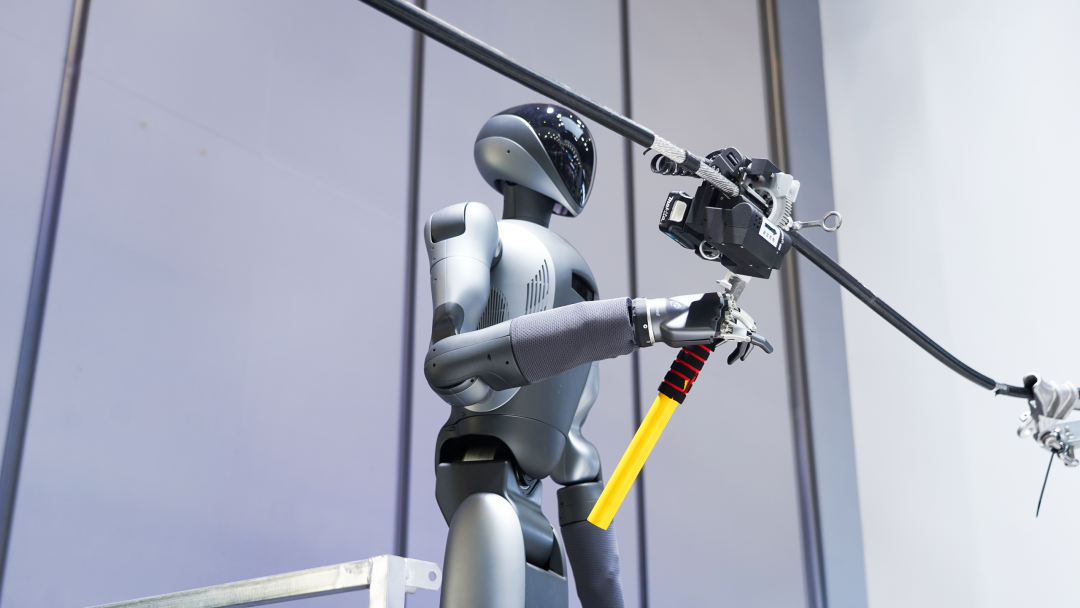
Moon Spring's W-Bot 2.0 Advances from Demonstration to Live Electrical Operations
The humanoid robotics industry is at a pivotal transition from performance-based demonstrations to practical applications. For too long, humanoid robots have been criticized for being visually impressive yet impractical, with a focus on showmanship rather than real-world utility. The recent World Robot Conference showcased Moon Spring's W-Bot 2.0, which successfully performed live electrical operations, indicating a shift towards addressing industry needs. This transition is significant as it highlights the core value of humanoid robots in real-world scenarios, particularly in high-risk environments like urban power grid maintenance. The W-Bot 2.0, designed to operate in hazardous conditions, demonstrates the potential to reduce risks associated with manual labor in dangerous settings, addressing the urgent need for intelligent equipment in the industry. Looking ahead, the successful deployment of the W-Bot 2.0 at the Hefei State Grid marks a crucial step in integrating humanoid robots into operational roles. The robot's ability to navigate confined spaces, withstand environmental challenges, and perform precise tasks positions it as a vital asset in enhancing safety and efficiency in electrical maintenance operations. No further timeline was disclosed at the time of publication.
Humanoid Robots Electrical Maintenance Robotics Technology Automation
Healthcare Bureau Urges Caution in Surgical Robot Operations to Prevent Misuse
The installation of surgical robots in China is projected to rise significantly, with 97 units expected in 2025 and 136 in 2026, marking a 40% increase. The market size is anticipated to grow from 3.9 billion to 4.4 billion. Notably, domestic systems have surpassed 41% of new installations, with prices 30-40% lower than imported models. The Healthcare Bureau convened seven manufacturers and five hospitals, emphasizing the need to avoid using surgical robots merely for show and to prevent unnecessary surgeries that could inflate costs. The core issues surrounding surgical robots are not related to pricing or insurance reimbursements, which have been addressed through new payment structures and classifications for robotic-assisted surgeries. Looking ahead, the focus should be on establishing a regular cross-brand training mechanism for surgeons, as current training is heavily influenced by the brand of the robot used. The industry must also consider the implications of the BMJ article highlighting the need for structured training paths to ensure safety and effectiveness in robotic surgeries, as the performance of these expensive tools heavily relies on the skill of the operating physician.
Surgical Robots Medical Training Healthcare Innovation Robotic Surgery Medical Devices
Chalmers University Develops Method to Speed Up Quantum Computer Operations by Over 1,000 Times
Researchers at Chalmers University of Technology in Sweden have developed a method that significantly accelerates quantum operations, achieving speeds over 1,000 times faster. This breakthrough addresses a critical challenge in quantum computing, where errors can accumulate during lengthy operations, hindering the reliability of quantum systems. The advancement is crucial as it moves quantum computing closer to fault tolerance, a necessary step for the technology to be viable in practical applications such as drug discovery, energy technology, and cryptography. The sensitivity of qubits to environmental disturbances has made error correction in quantum systems particularly difficult, unlike traditional computers that have established methods for managing errors. Looking ahead, the research team is focused on refining the use of bosonic quantum codes, which offer a new way to protect quantum information. This method encodes information in microwave fields within superconducting circuits, providing enhanced error protection. No further timeline was disclosed at the time of publication.
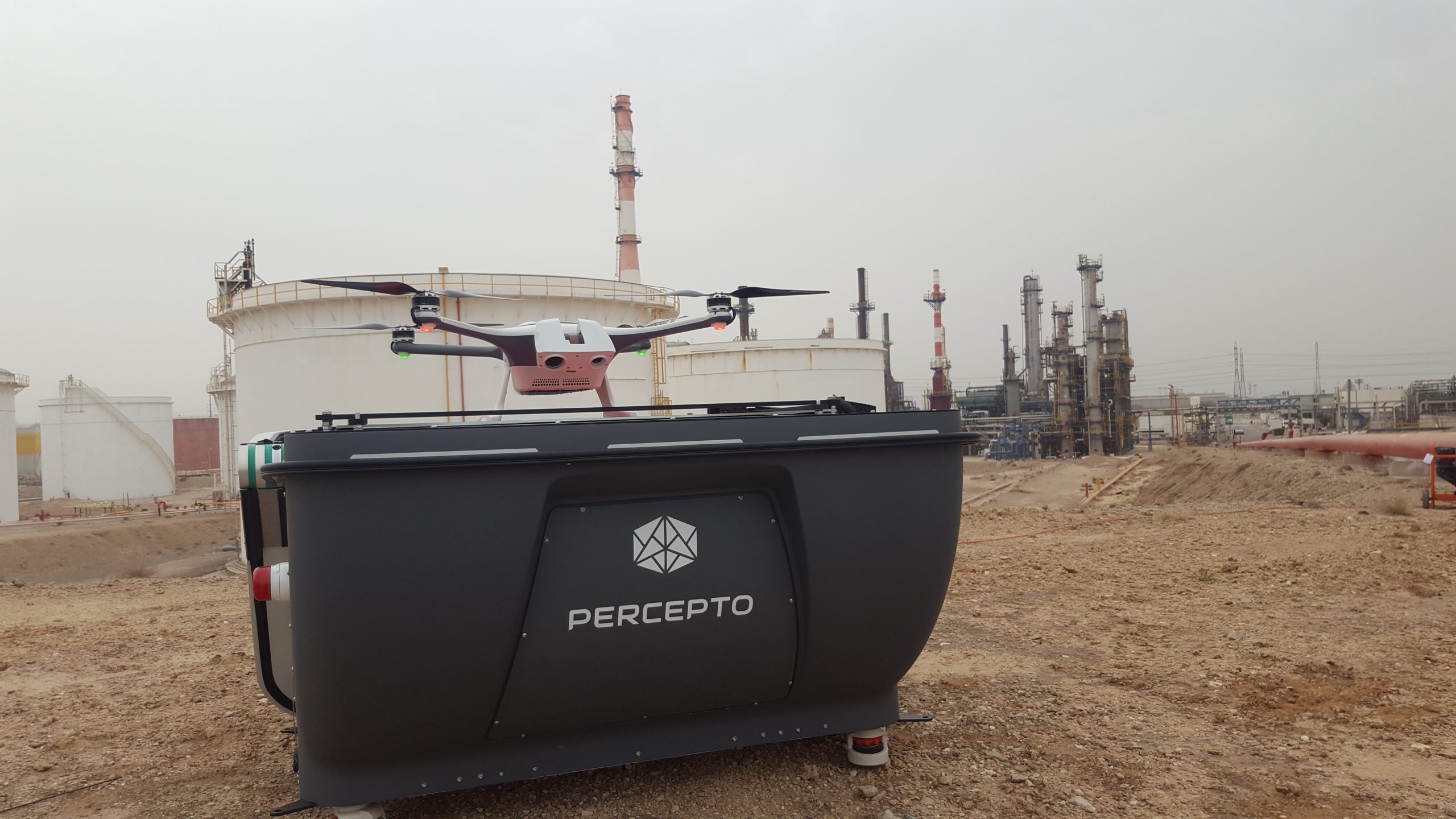
AI's Role in Managing Data Overload from Commercial Drone Operations
As commercial drone programs expand, artificial intelligence is addressing the challenge of data overload created by drones. This was highlighted during a session at the Commercial UAV Expo in Las Vegas, where industry experts discussed AI's practical applications in analyzing vast amounts of data generated by drones. Ismar Avdic from Stratus Autonomous noted that AI can efficiently process thousands of images, a task that would overwhelm human operators. The significance of AI in drone operations is underscored by the shift towards more autonomous systems, which generate exponentially more data. Vikhyat Chaudhry of Buzz Solutions explained that utility customers utilizing drone-in-a-dock systems can produce 10 to 20 times more data through frequent inspections. This increase necessitates efficient data analysis to derive actionable insights, making AI's role critical in identifying patterns and standardizing processes in infrastructure inspections. Looking ahead, the integration of AI in commercial drone operations will continue to evolve. While AI can enhance data processing and contextual understanding, experts emphasize the importance of human oversight. Chaudhry pointed out that organizations must justify AI conclusions, ensuring that results are not merely derived from opaque algorithms. The ongoing need for subject matter experts to validate AI outputs remains crucial for mission-critical applications.
Digital Twins DL Exclusive Drone News Drone News Feeds Inspection News
TSA Invites Drone Industry to Discuss Security Standards for Part 108 BVLOS Operations
The Transportation Security Administration (TSA) is engaging the drone industry to gather input on security requirements for beyond visual line of sight (BVLOS) operations. This initiative follows the FAA's proposed Part 108 framework, which aims to streamline BVLOS operations without the need for individual waivers. The TSA's notice, published on September 4, emphasizes the importance of establishing security protocols as routine BVLOS operations become more common. As the drone industry transitions to routine BVLOS operations, compliance with security requirements will be crucial. TSA is particularly interested in feedback from companies already conducting BVLOS operations under FAA waivers, as well as those planning to operate under the final rule. The deadline for participation requests in the upcoming technical roundtables is October 19, 2026, highlighting the urgency for industry input on these critical security measures. Looking ahead, the TSA aims to finalize security requirements in collaboration with the FAA, focusing on vetting personnel and the establishment of TSA-approved security programs. Participants in the roundtables will discuss existing measures for securing BVLOS operations, which will help shape the future of UAS security standards in the industry.
BVLOS Drone News Drone News Feeds Featured - FAA and Regulations News US Government
Restaurant Robots Enter Real Operations: Efficiency and Cost Challenges Ahead
Restaurant robots are transitioning from exhibitions to real operations, with significant implications for efficiency and cost. In late August, a dual-arm robot developed by Sharpa began working at a DQ store in Shanghai, completing 55 steps to make ice cream using existing equipment and ingredients. While the robot's production time is currently longer than that of skilled staff, the focus is on ensuring process stability before improving speed. The introduction of cooking robots in Chinese kitchens is gaining traction, with brands like Xiaocaiyuan deploying them across nearly 300 locations. Industry estimates suggest that cooking robots can enhance service efficiency by 30% to 50%. The market for cooking robots in China is projected to grow from 3.7 billion yuan in 2025 to 4.59 billion yuan in 2026, indicating a strong demand for automation in food preparation. Despite the potential benefits, challenges remain, particularly in customizing dishes and maintaining quality. High-end restaurants are hesitant to adopt cooking robots, emphasizing the irreplaceable skills of chefs. The future of restaurant robots will likely focus on human-robot collaboration, where robots handle repetitive tasks while humans manage personalized service and quality control.
Restaurant Automation Robotics AI Food Technology
FAA Discusses Challenges of Scaling BVLOS Drone Operations Beyond Part 108
The FAA is advancing towards a regulatory framework for routine beyond visual line of sight (BVLOS) drone operations, emphasizing the need for comprehensive systems to manage advanced aviation. At the Commercial UAV Expo in Las Vegas, FAA officials, including Jessica Jones and Ben Supko, highlighted the importance of modernizing airspace systems to support scalable operations and enhance security measures. This shift in the FAA's approach signifies a move away from individual approvals towards a more structured regulatory environment, with the proposed Part 108 rule playing a crucial role. Jones noted that this change would allow companies to develop their businesses more effectively, while also addressing the integration of counter-UAS capabilities to distinguish legitimate operators from unauthorized ones. Looking ahead, the FAA aims to modernize the National Airspace System (NAS) to facilitate BVLOS operations at scale. The discussion underscored that increased routine operations could enhance security by providing more data on normal drone activity, enabling authorities to better identify anomalies. No further timeline was disclosed at the time of publication.
Advanced Air Mobility Drone News Drone News Feeds Drones in the News News Policy
Identifying the True Bottleneck in Scaling Operations: The Importance of Accurate Capture
The primary bottleneck in scaling operations is not automation, but rather the accuracy of data capture. As enterprise software evolves from systems of record to systems of action, the ability of AI agents to make decisions hinges on the quality of the captured data. In environments such as warehouses and field operations, the assumption that operations are accurately recorded often fails, leading to significant operational challenges. Discovery interviews conducted with operators from 30 organizations across eight industries revealed consistent limitations in data capture. Issues such as equipment being taken before checkout, unconfirmed returns of calibrated devices, and physical work not being accurately represented in systems highlight a critical capture gap. This gap can exacerbate problems when AI agents are tasked with managing operations based on incomplete or inaccurate records. To address these challenges, the focus must shift to capturing work as it occurs, utilizing methods like scanning tools, documenting damage with photos, and employing voice commands. The principle of capturing first, verifying second, and automating afterward is essential. Future discussions should prioritize whether operations are accurately captured before considering the capabilities of AI agents.
Leaders / Operations Software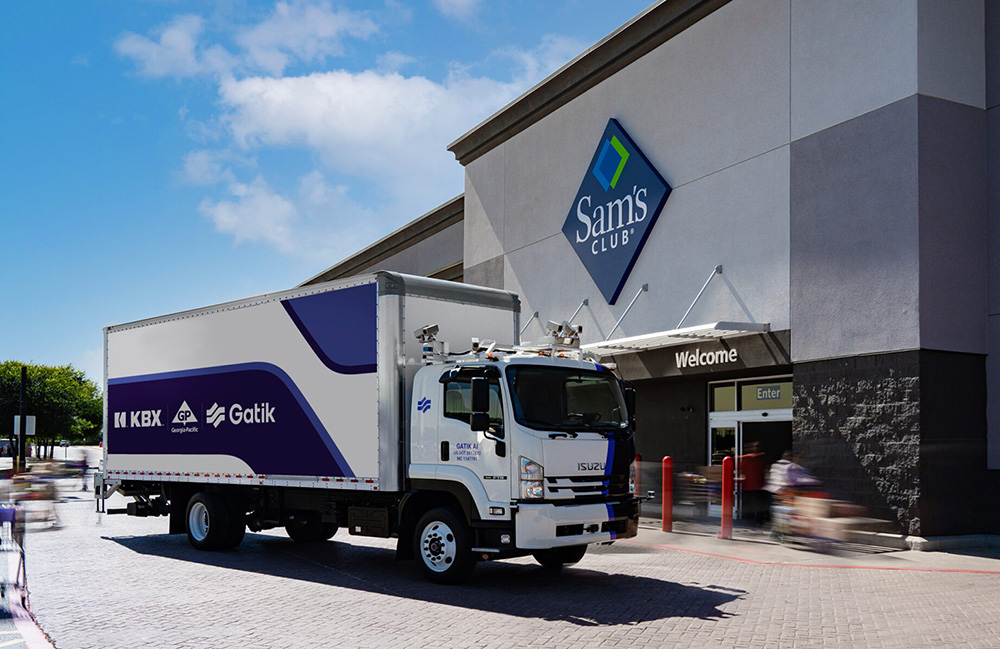
Gatik Secures $200 Million to Expand Autonomous Trucking Operations Nationwide
Gatik AI Inc. announced the successful completion of a $200 million Series D funding round aimed at enhancing its driverless commercial freight services. The investment will facilitate the expansion of Gatik's autonomous trucking operations across Fortune 50 retail and grocery supply chains, utilizing its AI-first vehicle technology designed for highways and surface streets. This funding round, led by prominent financial institutions, underscores Gatik's position as a leader in autonomous freight solutions. With over $600 million in contracted revenue and a track record of 85,000 fully driverless orders, Gatik is poised to scale its operations significantly. The company’s autonomous trucks are already operational across North America, providing reliable transportation solutions for major clients like PepsiCo, Kroger, and Tyson Foods. Looking ahead, Gatik plans to increase its fleet of driverless trucks to meet the growing demand for efficient supply chain solutions. The recent expansion of its partnership with PepsiCo highlights the company's commitment to enhancing regional transportation networks. No further timeline was disclosed at the time of publication.
Automotive Financial Investments Logistics Markets / Industries News
Flying Lion Introduces Remote Staffing Service for Continuous DFR Operations
Flying Lion has unveiled a Remote Staffing Service aimed at assisting public safety and security organizations in operating Drone as First Responder (DFR) programs continuously. This service, announced at the National Real Time Crime Center Association conference in Phoenix, integrates remote pilots with Flying Lion’s proprietary pilot management software, enabling agencies to fill staffing gaps or launch new programs without altering existing technology. The significance of this service lies in its ability to provide agencies with flexible staffing solutions, allowing them to maintain 24/7 DFR operations. Barry Brennan, Founder and President of Flying Lion, emphasized that the service is not restricted to any specific drone or software platform, which enhances operational flexibility. The remote pilots can operate from an agency’s Real-Time Crime Center or Security Operations Center, ensuring critical aerial support is available promptly when needed. Looking ahead, the Remote Staffing Service can facilitate cross-jurisdictional and multi-agency operations, which is crucial as agencies expand their DFR programs. The service can be utilized for scheduled or on-demand staffing, thereby helping organizations manage their resources effectively. No further timeline was disclosed at the time of publication.
Applications DFR dispatch Drone News Drone News Feeds Featured – Safety and Security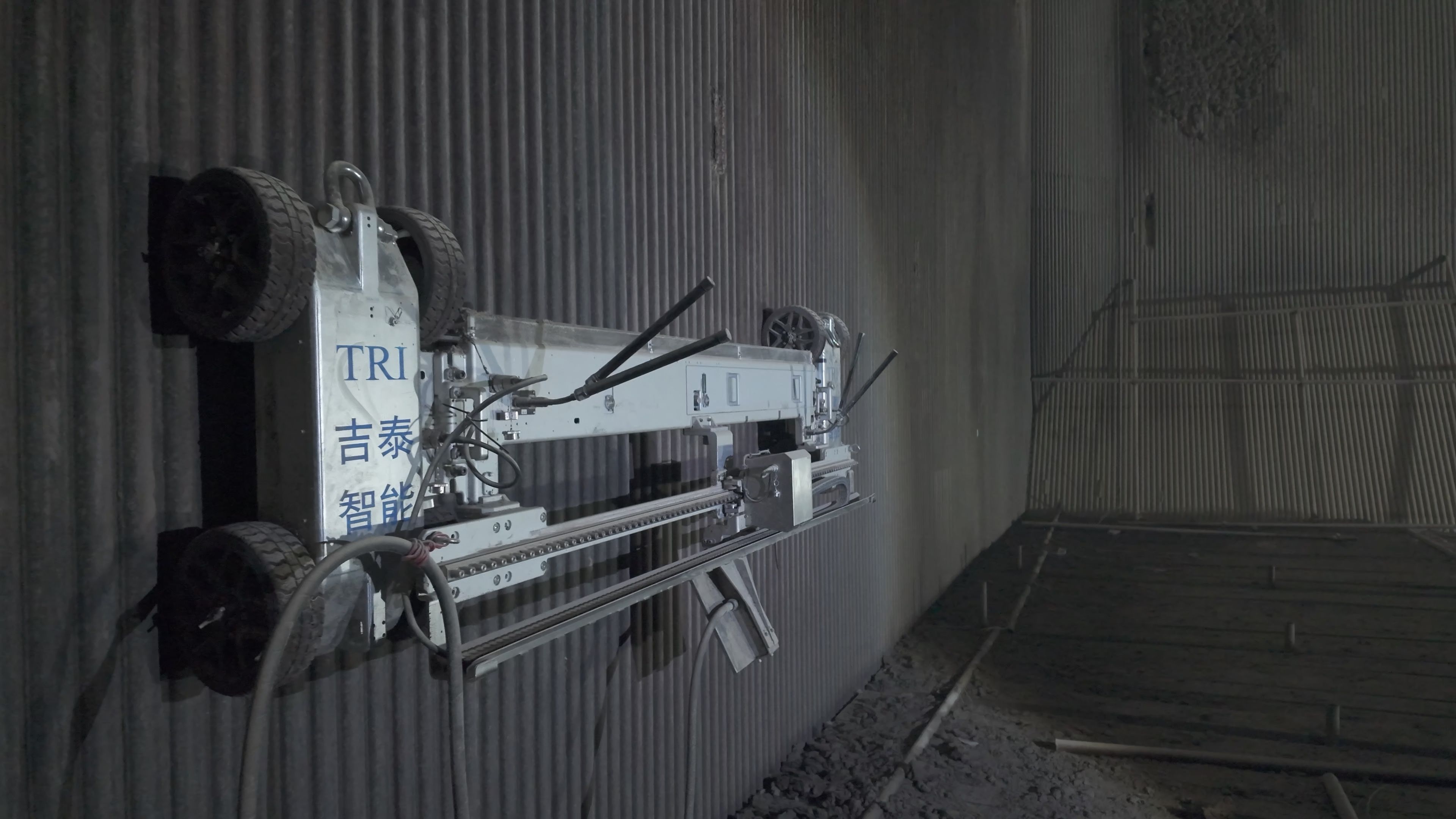
Jitai Intelligent Introduces Specialized Robots for High-Risk Energy Supply Chain Operations
At the World Robot Conference in Beijing, Jitai Intelligent showcased two specialized wall-climbing robots designed for high-risk energy operations. One robot is tailored for inspecting water-cooled walls in thermal power plants, while the other is for external inspections of wind turbine blades. These innovations address significant safety concerns and operational inefficiencies in energy supply chains. The importance of these robots lies in their ability to enhance safety and efficiency in hazardous environments. Traditional inspection methods in thermal power plants require scaffolding and expose workers to extreme risks, while wind turbine inspections often suffer from high error rates and limited operational windows. Jitai's robots utilize advanced technologies such as permanent magnetic adhesion and vacuum suction, significantly improving inspection accuracy and reducing the risk of accidents. Looking ahead, Jitai Intelligent aims to further develop its technology to meet the evolving needs of the energy sector. The company has established a comprehensive technology framework and is working on a national standard for boiler inspection robots, expected to be released by the end of 2026. As the demand for predictive maintenance grows, Jitai's focus on integrating robotics into existing safety management frameworks will be crucial for future deployments.
Wall-Climbing Robots Energy Sector Automation Safety Technology Predictive Maintenance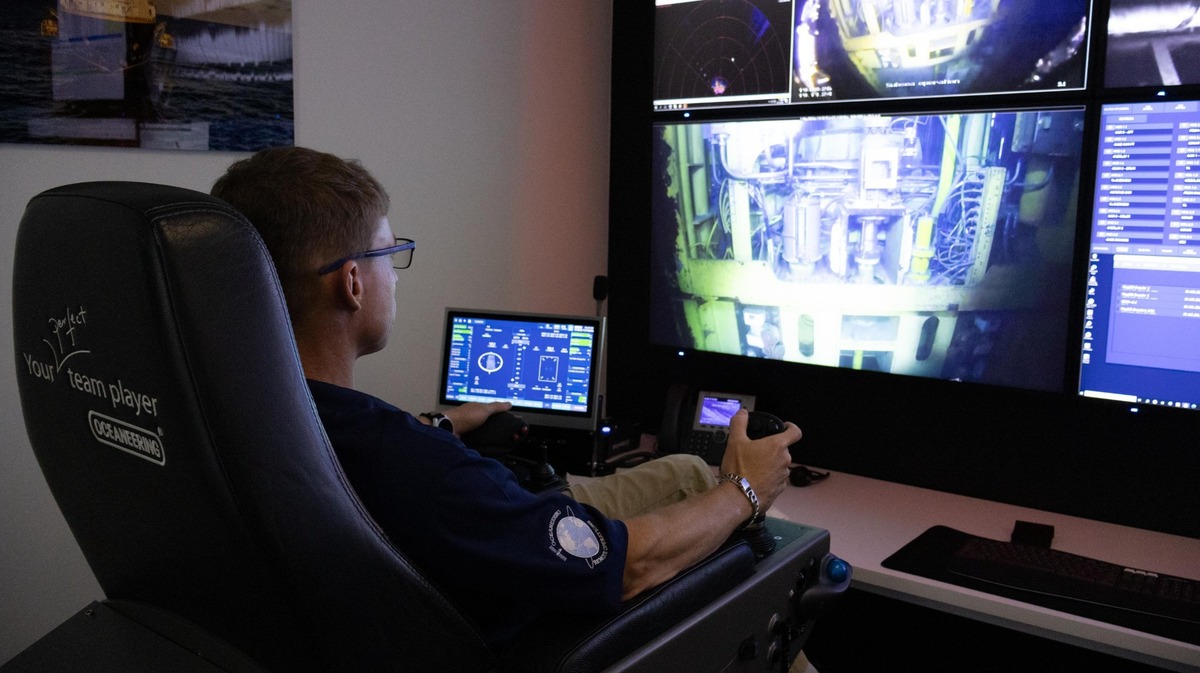
Oceaneering Becomes Authorized Starlink Reseller to Enhance Digital Operations
Oceaneering International, Inc. has announced its status as an authorized Starlink reseller, broadening its digital solutions for offshore and industrial clients. This move allows Oceaneering to integrate Starlink's connectivity into its offerings, enhancing operational continuity in remote environments. The significance of this development lies in the critical role reliable connectivity plays in modern offshore operations. By offering Starlink as part of its digital solutions, Oceaneering aims to improve data access, remote collaboration, and operational visibility for its customers, thereby supporting informed decision-making. Looking ahead, Oceaneering's expanded connectivity options will cater to various applications, including remote monitoring and technical support. No further timeline was disclosed at the time of publication.
oceaneering digital operations starlink
JPMorgan Reports Tesla's Confidence in Scaling Cybercab Operations and Future Model Development
Investment bank JPMorgan Chase & Co. has indicated that Tesla Inc. is focusing on the Cybercab rather than expanding its Model Y robotaxi fleet. Following a meeting at Tesla's Fremont, California facility, JPMorgan noted that Tesla expressed confidence in scaling Cybercab operations in the near term. This emphasis on the Cybercab is significant as it suggests a strategic shift in Tesla's approach to its autonomous vehicle offerings. The report also highlighted that Tesla plans to develop additional vehicle types based on the Cybercab platform, indicating a long-term vision for diversification in its product lineup. Looking ahead, Tesla's Full Self-Driving (FSD) V15 is expected to be a major advancement in performance, incorporating seven core technologies. The company also plans to begin commercial sales of the Optimus Gen 3 robot by the second half of 2027, with insights from this model informing future developments.
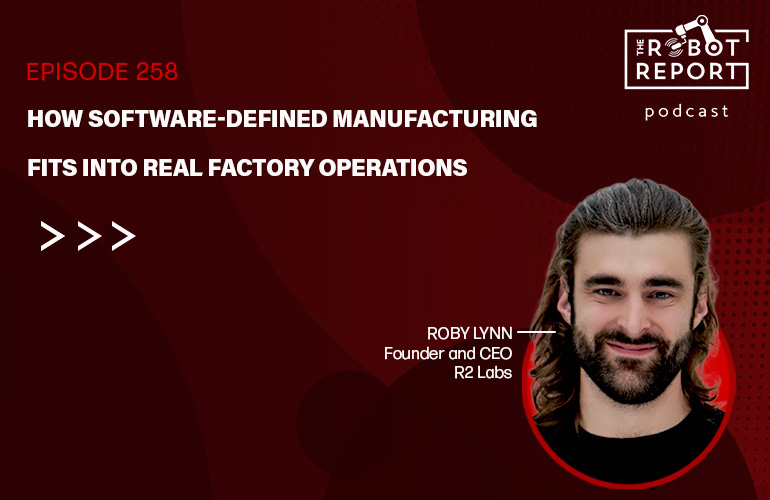
Exploring Software-Defined Manufacturing and Its Impact on Factory Operations
In Episode 258 of The Robot Report Podcast, Dr. Roby Lynn, founder and CEO of R2 Labs, discusses the concept of software-defined manufacturing. This approach leverages automation to enhance production flexibility, allowing companies to adapt more readily to changing demands. R2 Labs, based in Peachtree Corners, Georgia, offers the RAC (R2 Autonomy Controller), a product designed to modernize legacy equipment. By integrating advanced technologies such as AI vision and robotics, the RAC enables manufacturers to access cutting-edge industrial capabilities, which is crucial for maintaining competitiveness in the evolving market. Listeners should keep an eye on the developments in software-defined manufacturing as it continues to reshape factory operations. The integration of smart technologies like the RAC could lead to significant improvements in efficiency and productivity. No further timeline was disclosed at the time of publication.
Artificial Intelligence Controllers Design / Development Manufacturing News Opinion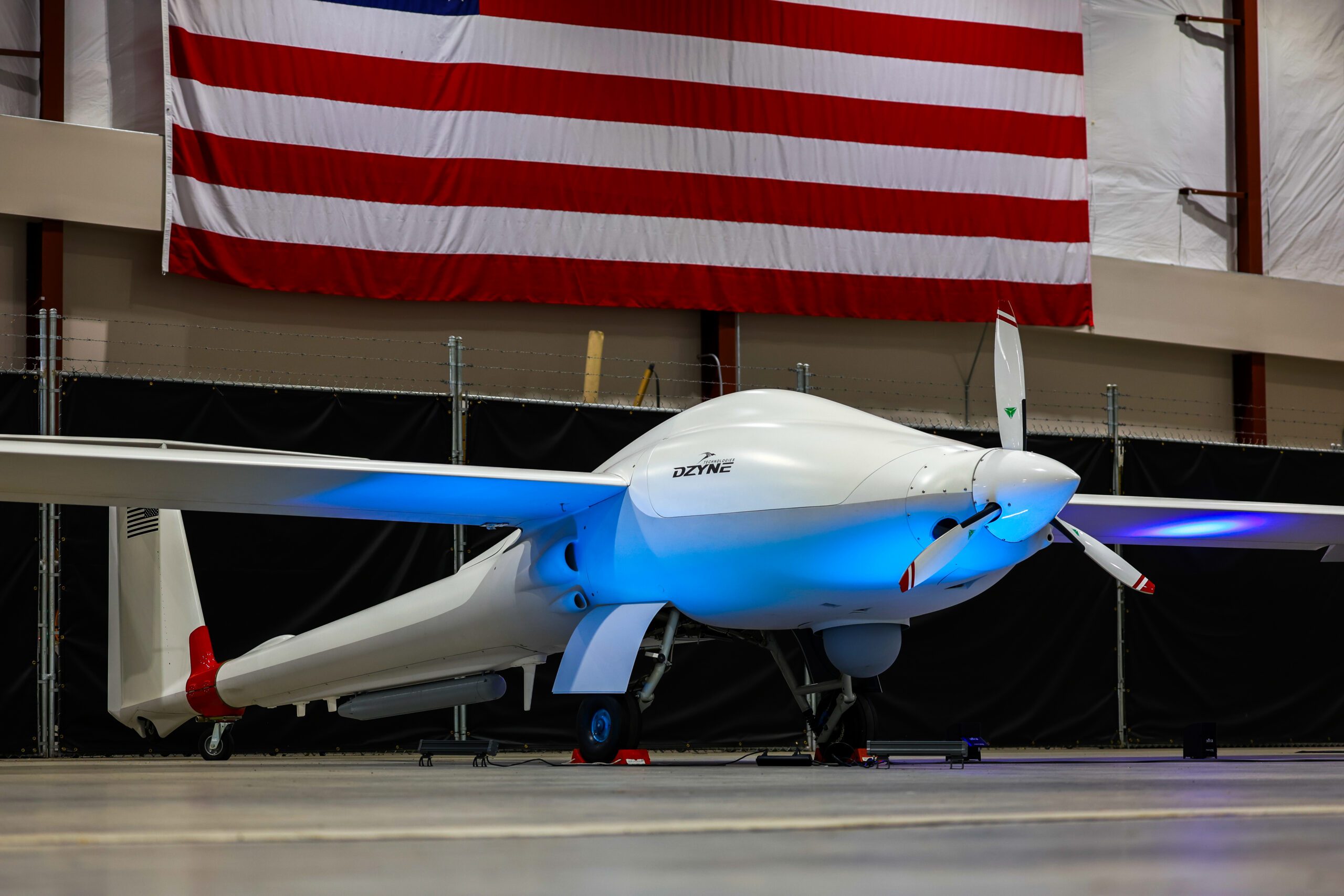
Ondas Inc. Launches UAS Training and Operations Facility at NAAMCE in Ohio
Ondas Inc. has inaugurated a new unmanned aircraft training and operations facility at the National Advanced Air Mobility Center of Excellence (NAAMCE) in Springfield, Ohio. This facility will act as the Midwest hub for Ondas Sentinel, the company’s autonomous defense division, which was established after acquiring DZYNE Technologies in July. The new site integrates ground school, simulation, mission planning, and live flight operations, enhancing operator training and mission execution for DZYNE’s ULTRA long-endurance UAS and the Stratollite platform. Matt McCue, Chief Technology Officer of Ondas Sentinel, emphasized that this integrated environment accelerates training and strengthens operational readiness, providing partners with a firsthand experience of the capabilities of low-cost, long-endurance unmanned aircraft. Strategically located near Wright-Patterson Air Force Base and the Air Force Research Laboratory, the Springfield facility supports advanced flight testing, including BVLOS operations. The connection to these military organizations is crucial for the ULTRA aircraft, which has a strong operational history and is positioned for various missions, including intelligence and surveillance. No further timeline was disclosed at the time of publication.
Applications Defense defense Drone News Drone News Feeds Education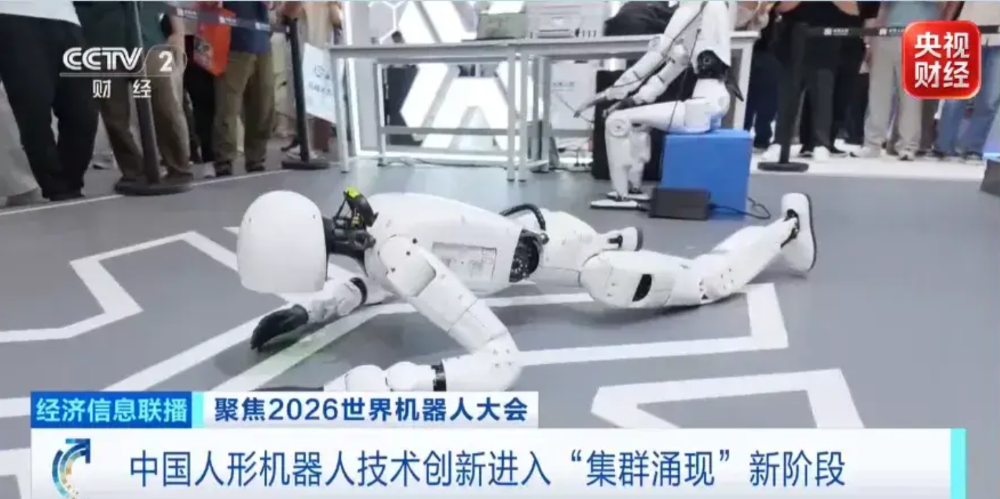
Humanoid Robot Industry Shifts from Solo Operations to Fleet Collaboration
On August 20, the 2026 World Robot Conference revealed that China's humanoid robot shipments exceeded 40,000 units in the first half of the year, capturing 97% of the global market share. The industry is transitioning from small-scale trials to regular deployment and large-scale applications. The conference showcased over 300 companies and more than 3,000 exhibits, with 300 new products launched. A significant trend noted was the shift from 'solo operations' to 'fleet collaboration.' Feiba Technology introduced a mobile logistics base capable of supporting various robotic platforms, including humanoid robots and drones, set to enter mass production by the end of this year. Additionally, the OneHub multi-robot collaboration system from Siasun aims to unify different robotic types under a single operational framework. The advancements in technology and collaboration strategies indicate a pivotal shift in the humanoid robot industry, moving towards collective efficiency rather than individual capabilities. No further timeline was disclosed at the time of publication.
Humanoid Robots Robot Collaboration Robotics Technology Logistics Robotics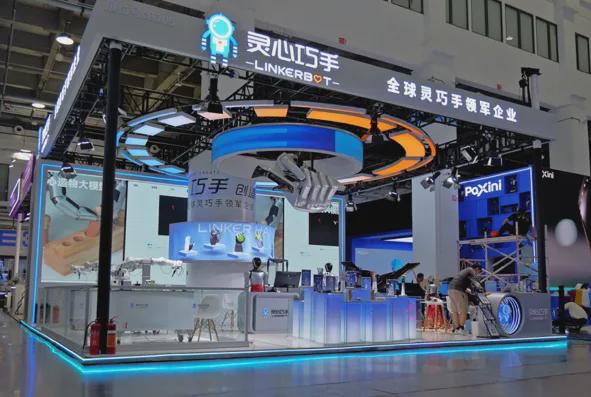
WRC 2026: Showcasing Advanced Dexterous Operations and Flexible Skills in Robotics
The 2026 World Robot Conference (WRC 2026) will take place in Beijing from August 19 to 23, focusing on the theme of 'Human-Machine Symbiosis and Integrated Production and Demand.' The event will feature over 300 intelligent enterprises showcasing innovations that drive global robotics industry trends and technological collaboration. Leading company Lingxin Qiaoshou will present its fully automated robotic arm production line, Linker Hand series dexterous hands, and the Lingxin Robot Band, emphasizing practical applications over mere demonstrations. This year's conference shifts the spotlight from flashy demonstrations to real-world applications, highlighting the importance of dexterous operations in modern industrial settings. Lingxin Qiaoshou's exhibition aims to demonstrate the transition of dexterous operations from laboratory settings to real industrial scenarios, showcasing the company's commitment to advancing flexible production capabilities. The exhibition has already attracted significant attention from industry professionals and media outlets, underscoring its relevance in the robotics landscape. Looking ahead, the advancements presented at WRC 2026, particularly in the areas of visual recognition and dexterous manipulation, are expected to enhance the adaptability of automated production lines in various industrial environments. Lingxin Qiaoshou's innovations could lead to more efficient manufacturing processes, reducing costs and increasing versatility in production. No further timeline was disclosed at the time of publication.
Robotic Arms Dexterous Manipulation Industrial Automation AI in Robotics
NORINCO Launches Fuxi Humanoid Robot for Remote Operations in Dangerous Environments
On August 19, NORINCO unveiled its full-size humanoid robot, Fuxi, at the 2026 World Robot Conference in Beijing. This robot is designed for remote human control in hazardous areas, utilizing a system that allows operators to replicate their movements in real-time. Fuxi aims to operate in environments where humans cannot or should not go, such as nuclear disaster sites or areas under enemy fire. The significance of Fuxi lies in its advanced capabilities for reconnaissance, intelligent patrolling, and operations in dangerous zones. It can identify personnel and issue alerts, and multiple Fuxi robots can work collaboratively. During the conference, Fuxi demonstrated its ability to perform urban patrols at night, showcasing its practical capabilities in multi-robot management and response. Fuxi is built using entirely domestically developed technology, focusing on human-robot perception and coordination. This development marks a significant step for China in military and special operations robotics, distinguishing itself from consumer and industrial robots. No further timeline was disclosed at the time of publication.
Humanoid Robots Remote Operation Technology Military Robotics Hazardous Environment Robotics
Saildrone Expands European Operations with New Manufacturing and Headquarters in Copenhagen
Saildrone has announced a significant expansion in Europe, establishing multiple manufacturing sites and its EU headquarters in Copenhagen. This expansion includes contracts for building the 52-meter Saildrone Spectre in the Netherlands, the next-generation Saildrone Surveyor in Norway, and Surveyor wings in Poland. This move is crucial as it enhances Saildrone's capacity to support European customers with unmanned surface vehicles (USVs) that address maritime challenges such as illegal fishing and drug trafficking. The establishment of local operations will enable Saildrone to provide direct support and maintenance for its USVs in the region. Looking ahead, Saildrone's new headquarters will facilitate business development and operational activities across Europe. The company aims to strengthen its presence and capabilities in the European market, responding to the growing demand for advanced maritime technology solutions. No further timeline was disclosed at the time of publication.
saildrone major european expansion production operations usv
ESTUN Launches E-Care APP with AI Solutions for Enhanced Industrial Operations
ESTUN has launched the E-Care APP, an AI-driven platform designed to enhance the lifecycle service chain of industrial robots. This app focuses on after-sales service and utilizes the Xiaoi AI assistant to provide a comprehensive intelligent operation and maintenance solution, addressing operational challenges in manufacturing with efficiency and cost-effectiveness. The E-Care APP integrates a proprietary large model, transforming the Xiaoi AI assistant into an intelligent expert capable of providing real-time answers and solutions for hardware and software issues. Users can input questions directly, and the AI will deliver standardized graphical responses, significantly reducing technical barriers and downtime losses. With features like remote connectivity, cloud backup, and a built-in manual library, the E-Care APP streamlines maintenance processes. It allows users to monitor robot statuses, manage programs, and facilitate efficient communication with official service channels, ultimately enhancing production capacity management and operational efficiency. No further timeline was disclosed at the time of publication.
Industrial Robots AI Solutions Remote Operations Maintenance Management
Federal Lawsuit Filed by Michigan Journalist Challenges Drone Flight Restrictions Near Police Operations
A federal lawsuit has been filed by Michigan photojournalist Ray Rocha against Bay County Sheriff Troy Cunningham and Deputy Chris Berg, challenging restrictions on drone flights near police operations. The suit, initiated on August 9, 2024, stems from an incident in November 2024 where Rocha was operating his drone during a police search. Despite following federal regulations, Rocha was charged with a misdemeanor for allegedly interfering with police duties. The lawsuit argues that the state’s drone law, as enforced by local authorities, violates Rocha’s First Amendment rights to gather information on newsworthy events. It also claims the law is unconstitutionally vague under the 14th Amendment, lacking clear guidelines and allowing arbitrary enforcement by officers. Rocha seeks to prevent future charges unless his drone operations materially disrupt law enforcement activities. The outcome of this case could have significant implications for drone operation regulations in Michigan. Attorney Philip Ellison noted that if the court finds the law unconstitutional, it may prompt legislative changes. As Rocha is known for using drone footage to report on local law enforcement, the case highlights the ongoing tension between public information gathering and law enforcement operations.
Applications DL Exclusive Drone News Drone News Feeds Journalism Legal
FlybyOps Introduces New Platform for Scaling BVLOS and Autonomous Drone Operations
FlybyOps has unveiled an enterprise drone operations platform tailored for large-scale Beyond Visual Line of Sight (BVLOS) and autonomous drone initiatives. This Finland-based company aims to tackle the complexities faced by commercial drone operators as they expand their fleets, requiring effective management of flights, locations, aircraft, and personnel while ensuring regulatory compliance. The significance of this platform lies in its ability to centralize management of flight operations, personnel qualifications, and compliance requirements, thereby enhancing operational control. With features such as role-based access, configurable workflows, and structured compliance processes, FlybyOps is designed to support organizations transitioning to more frequent and autonomous BVLOS flights, creating an auditable record of operations. As the drone industry gears up for larger fleets and increased autonomy, FlybyOps is positioned to facilitate this evolution. The platform is already being utilized globally for BVLOS operations, with potential applications in logistics and infrastructure. No further timeline was disclosed at the time of publication.
Applications Drone News Drone News Feeds News autonomous drones BVLOS
Digitalization Enhances Semiconductor Design, Manufacturing, and Operations Integration
Digitalization is transforming semiconductor chip production by extending the digital twin concept beyond design into manufacturing and operations. This shift addresses the increasing complexity of chip designs and the pressures of performance and power consumption, enabling semiconductor manufacturers to manage engineering efforts more efficiently. The integration of artificial intelligence and machine learning is accelerating innovation in the semiconductor industry, but siloed approaches hinder progress. A comprehensive digital twin strategy that encompasses the entire semiconductor value chain can optimize development processes, ensuring that design decisions positively impact manufacturing outcomes and align with software demands. Looking ahead, the implementation of digital twins in semiconductor fab construction can streamline operations and enhance productivity. As cybersecurity remains a critical concern, robust strategies must be integrated into digital transformation efforts. The future will likely see increased collaboration and data sharing among ecosystem partners to meet evolving customer requirements.
Factory / Control
Enhancing Safety in Drone Operations by Addressing Fatigue and Workload Management
Commercial drone operations are increasingly complex, necessitating improved safety measures that support human performance. Experts Aloha Ley and Giovanni Carnaroli highlight the importance of addressing operator fatigue and workload through better practices and emerging technologies. Their insights reveal that even short shifts can lead to significant fatigue, impacting safety in high-demand sectors like package delivery and public safety. The findings from a 2025 Clemson University dissertation emphasize that passive monitoring can introduce fatigue pathways, challenging the notion that drone oversight is less demanding than piloting. A case study in utility aviation demonstrated the effectiveness of structured fatigue risk management, achieving a 25% reduction in scheduling exceedances and a 20% decrease in fatigue-related incidents. Looking ahead, the integration of advanced technologies is crucial for managing human factors in drone operations. New tools are being developed to dynamically manage workload and monitor operator performance in real-time. This adaptive approach signifies a shift from traditional control paradigms, aiming to enhance safety and operational efficiency in commercial drone fleets. No further timeline was disclosed at the time of publication.
DL Exclusive Drone News Drone News Feeds education News AI for drones
The Shift from Automation to Autonomy in Warehouse Operations with Physical AI
The integration of Physical AI is transforming warehouse operations by enhancing the coordination of people, robots, and workflows. This shift emphasizes that effective management of these elements is becoming as crucial as the intelligence embedded in individual machines. As warehouses increasingly adopt Physical AI, the focus is shifting from merely automating tasks to creating autonomous systems that can adapt and optimize workflows in real-time. This evolution is significant for improving efficiency and productivity in logistics and supply chain management. Looking ahead, stakeholders should monitor advancements in Physical AI technologies and their impact on warehouse operations. The ability to seamlessly coordinate human and robotic efforts will likely define the future of logistics, making it essential for companies to stay informed about these developments.

UK Civil Aviation Authority's New Vision for BVLOS Drone Operations in Airspace
The UK Civil Aviation Authority has unveiled its Airspace Architecture Concept of Operations, aiming to transition Beyond Visual Line of Sight (BVLOS) drone operations from isolated trials to widespread commercial use across UK airspace. Published on July 30, 2026, the document outlines how drones and other airspace users can operate routinely at scale, emphasizing the need for integrated commercial operations rather than bespoke approvals. This initiative is part of the CAA’s Airspace Modernisation Strategy and Future of Flight programme, which recognizes the current limitations of BVLOS flights that rely on dedicated airspace arrangements. The Concept of Operations builds on the UK BVLOS Roadmap and introduces five key technology and process pillars, including electronic detection systems, conflict-avoidance systems, reliable communication links, digital traffic management services, and information sharing among operators and air traffic services. The CAA envisions a future where drone technology can deliver significant economic and societal benefits, with target use cases including faster inspections of critical infrastructure and support for emergency services. As technology evolves, the CAA expects the document to adapt, paving the way for a more integrated airspace system that maintains safety standards while fostering innovation. No further timeline was disclosed at the time of publication.
Drone News Drone News Feeds News aerial infrastructure inspection Airspace Architecture Concept of Operations Airspace Modernisation Strategy
Global Efforts to Address Human Factors in Drone Operations and Safety Standards
As commercial drone operations evolve, regulators worldwide are increasingly focusing on human factors affecting safety. Experts Aloha Ley and Giovanni Carnaroli highlight how aviation authorities in the U.S., Europe, the U.K., Australia, Japan, and ICAO are addressing these challenges. The FAA's approach remains tied to general airman fitness standards, while EASA is integrating human factors into risk frameworks. The UK promotes the IMSAFE checklist for operator self-assessment, and Australia and New Zealand provide fatigue guidelines for drone operators. The emphasis on human factors is crucial as the regulatory landscape for UAS continues to develop. The FAA's research programs aim to enhance understanding of operator behavior and workload impacts on safety, particularly in BVLOS operations. EASA's SORA methodology requires structured risk assessments that consider operator competency, while the UK’s IMSAFE checklist serves as a practical tool for promoting safety culture among drone operators. Looking ahead, the challenge remains in standardizing and enforcing human factors requirements across jurisdictions. As the Asia-Pacific region expands its drone ecosystem, the lack of uniform guidelines poses a safety risk. Future developments in human factors regulations will be essential for ensuring safe and efficient drone operations globally. No further timeline was disclosed at the time of publication.
DL Exclusive Drone News Drone News Feeds Drones in the News FAA Feature 1
U.S. Navy Seeks Multi-Mission Vessel for Southern Command Maritime Operations
The U.S. Navy is actively pursuing a multi-mission maritime security vessel to support operations for the U.S. Southern Command (SOUTHCOM). This vessel is intended to launch, recover, and support both manned and unmanned air and surface platforms, enhancing maritime domain awareness and response capabilities. The need for such a vessel arises as U.S. forces combat drug trafficking in the Eastern Pacific and Southern Caribbean, with ongoing operations generating controversy regarding compliance with armed conflict rules. The Navy's request for information (RFI) highlights the urgency of acquiring a new ship as the current contract expires in 2028. The Navy's requirements specify a steel monohull or catamaran between 300 and 400 feet long, capable of a minimum sustained speed of 10 knots and a range of 9,600 nautical miles. Interested parties are encouraged to utilize existing platforms to meet these specifications. No further timeline was disclosed at the time of publication.
Sea Americas Around The Globe Navies News & Features South America
Fourier Introduces 'Embodied Home' Solution for Intelligent Robot Operations in 2026
In 2026, the embodied intelligence industry is transitioning from technology validation to large-scale commercialization. With support from capital and policy, the focus is shifting from rigid, high ROI scenarios like industrial manufacturing to commercial services and home environments. A key challenge remains: can robots effectively operate in the complex and unstructured home settings? The complexity of home environments poses significant challenges for humanoid robots, which must navigate unclear instructions and varied layouts. Current mainstream navigation AI struggles with personalized understanding, a critical shortcoming for practical applications in home services. At the World Artificial Intelligence Conference 2026, Fourier showcased the 'Embodied Home' solution, aiming to enable robots to understand their environment and intentions, thereby completing long sequences of tasks autonomously. The 'Embodied Home' solution integrates a semantic task execution hub for humanoid robots, combining large language models, 3D spatial semantic memory, navigation planning, and control execution. This allows robots to autonomously interpret and execute tasks based on natural language commands, enhancing user interaction and ensuring task reliability through a complex task scheduling mechanism. No further timeline was disclosed at the time of publication.
Robotics AI Home Automation Semantic Understanding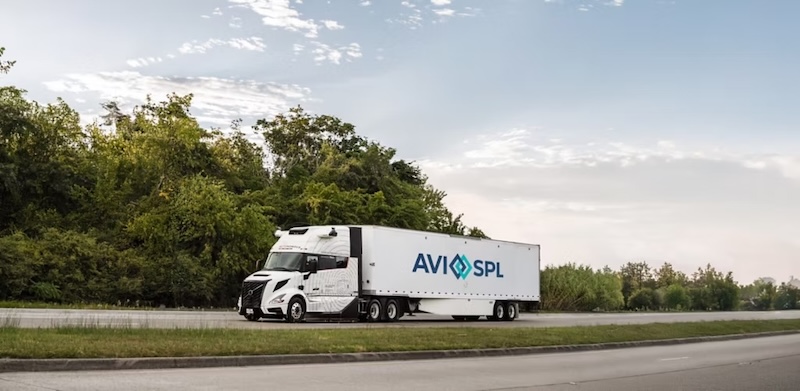
AVI-SPL and Volvo Autonomous Solutions Launch Freight Operations Between Dallas and Houston
AVI-SPL, in partnership with Volvo Autonomous Solutions, has initiated commercial autonomous freight operations between Dallas and Houston using the Volvo VNL Autonomous vehicle powered by the Aurora Driver. This operation will facilitate the transport of audio-visual electronics, including new products and end-of-life equipment for recycling, enhancing AVI-SPL's Electronic Recycling Program. This collaboration is significant as it addresses the increasing freight demand in the U.S. amid a shortage of qualified drivers and delivery capacity constraints. By leveraging autonomous transport technologies, AVI-SPL aims to improve logistics operations, enhance service delivery, and meet the needs of time-sensitive freight, thereby reinforcing its position as a leader in the industry. Looking ahead, this partnership represents a pivotal advancement in the application of autonomous trucking in logistics. As freight capacity demand escalates, the focus will be on how these technologies can enhance supply chain efficiency, improve asset utilization, and ensure cargo security. No further timeline was disclosed at the time of publication.
Autonomous Vehicles News Technology aurora driver autonomous freight autonomous trucking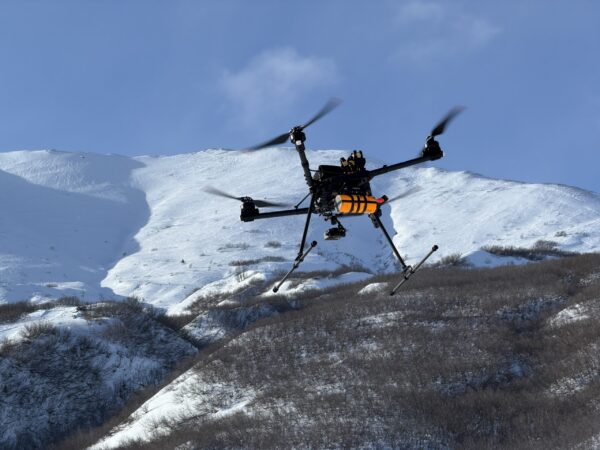
Drone Amplified Receives FAA Approval for MONTIS Avalanche Control Drone Operations
Drone Amplified, a Nebraska-based company, announced on July 8, 2026, that it has received regulatory approval from the Federal Aviation Administration (FAA) for its MONTIS drone, designed for avalanche control operations. This approval establishes a legal framework for the commercial deployment of the remote avalanche mitigation system across the United States, enhancing safety measures in avalanche-prone areas. The FAA's endorsement is significant as it allows Drone Amplified to offer its innovative technology to U.S. customers, potentially transforming avalanche management practices. The MONTIS drone is expected to improve response times and operational efficiency in avalanche control, addressing a critical need in mountainous regions where avalanches pose serious risks to safety and infrastructure. Looking ahead, the company aims to expand its market presence and operational capabilities following this regulatory milestone. No further timeline was disclosed at the time of publication, but stakeholders will be keen to see how quickly Drone Amplified can roll out its services and establish partnerships in the avalanche control sector.
Disaster Response dispatch Drone News Drone News Feeds Drones in the News Environmental Research
Understanding the Confidence Gap in Modern Warehouse Operations Amid Changing Consumer Behavior
Warehouse leaders continue to plan effectively, yet shifting consumer behaviors are creating a confidence gap in operations. A recent survey by Locus Robotics highlights that online purchasing patterns have become faster and less predictable, impacting fulfillment processes significantly. The importance of this shift cannot be overstated, as 72% of consumers now make online purchases multiple times a month, with 41% shopping weekly. This change means that demand is no longer concentrated in predictable cycles, leading to continuous fluctuations in warehouse operations, which struggle to adapt to this new reality. Looking ahead, the pressure on fulfillment operations is expected to increase, as 68% of consumers indicate that delivery speed influences their shopping choices. As expectations for accurate inventory visibility and fast shipping rise, warehouses must adapt to meet these demands or risk losing customers in a highly competitive market. No further timeline was disclosed at the time of publication.

CMA Finalizes $1.4 Billion Acquisition of FedEx Supply Chain Operations
CMA has successfully completed a $1.4 billion acquisition of FedEx Supply Chain. This strategic move will result in a combined operation of 150 warehouses, significantly enhancing CMA's logistics capabilities. The acquisition is significant as it will expand CEVA's North American workforce to 20,000 employees across 240 locations, thereby strengthening its market position in the logistics sector. This growth is expected to improve service delivery and operational efficiency. Looking ahead, industry observers will be keen to see how this acquisition impacts CMA's logistics operations and its integration with FedEx Supply Chain. No further timeline was disclosed at the time of publication.

The Impact of Small Parcels on Logistics Operations and Sorting Technology
The logistics landscape is evolving due to the increasing prevalence of small, lightweight, and irregularly shaped parcels driven by e-commerce. This shift presents significant operational challenges for logistics operators, as traditional sorting systems were designed for more predictable formats. In a recent discussion at the Parcel and Post Expo in London, Ghetjan Willenthof of Eurosort highlighted the need for sorting technology to adapt to this changing parcel mix. As e-commerce continues to reshape parcel flows, logistics businesses face constraints such as expensive warehouse space and a challenging labor market. Automation is not solely about reducing workforce numbers; it is essential for enabling existing operations to manage higher volumes without requiring additional floor space. The conversation emphasized the importance of optimizing throughput while addressing the limitations of current sorting systems. Looking ahead, the discussion touched on advancements in robotic induction and automated sorter exits, raising questions about the readiness of today’s sorting systems for future parcel volumes. No further timeline was disclosed at the time of publication.
Automation Systems and Shuttles eFulfilment Materials Handling Packaging and Ecommerce automation Eurosort
Humanoid Robots' Emerging Role in Military Operations and Logistics
Humanoid robots are being integrated into military operations, not as replacements for soldiers, but as specialized tools for hazardous tasks in human-designed environments. Their potential lies in performing dangerous physical work that traditional unmanned systems cannot safely or economically accomplish, such as urban breaching and explosive ordnance disposal. The ongoing war in Ukraine has highlighted the increasing reliance on unmanned ground systems, with Ukrainian forces conducting approximately 24,500 missions in early 2026. As the military explores humanoid robots, the focus is on their ability to enhance operational capabilities rather than replace existing systems. The Ukrainian Ministry of Defense plans to contract 25,000 ground robots, indicating a significant shift towards robotic logistics. Future developments to watch include the evaluation of humanoid robots like the Phantom MK-1 in Ukraine and China's teleoperated humanoid demonstrations. The key question remains whether humanoids can perform essential tasks that other robotic systems cannot, particularly in complex environments where human-like dexterity is required.
Land Warfare Opinion Army Brave1 Drones humanoid robots
Surge in Drone Incursions Disrupts Aerial Firefighting Operations Amid Wildfire Season
The ongoing severe wildfire season in the western U.S. has led to a significant increase in drone incursions, with 74 incidents reported by the U.S. Wildland Fire Service as of September 1. This marks a rise from 53 incursions in 2025 and 32 in 2024, highlighting a troubling trend in aerial firefighting disruptions. Drone incursions, defined as unauthorized UAS operations interfering with firefighting efforts, have resulted in firefighting aircraft being diverted 78% of the time. Washington state has experienced the majority of these incidents, with 45 incursions reported, particularly affecting urban areas like Spokane, where wildfires have destroyed approximately 650 homes. Looking ahead, federal and state agencies are collaborating to address the rising issue of drone interference. Efforts include public education campaigns and partnerships with law enforcement agencies to enforce regulations. As more individuals gain access to drones, the potential for further incursions remains a concern for firefighting operations across the country.
Disaster Response Drone News Drone News Feeds Fire Fire and Police FirefighterRobotics needs a service framework.
RSF defines a common language for robot service capability, lifecycle operations, certification pathways, and service-provider networks.
Join the RobotToday community on LinkedIn
Daily robotics news, in-depth analysis, conference highlights, and discussions with professionals worldwide.