

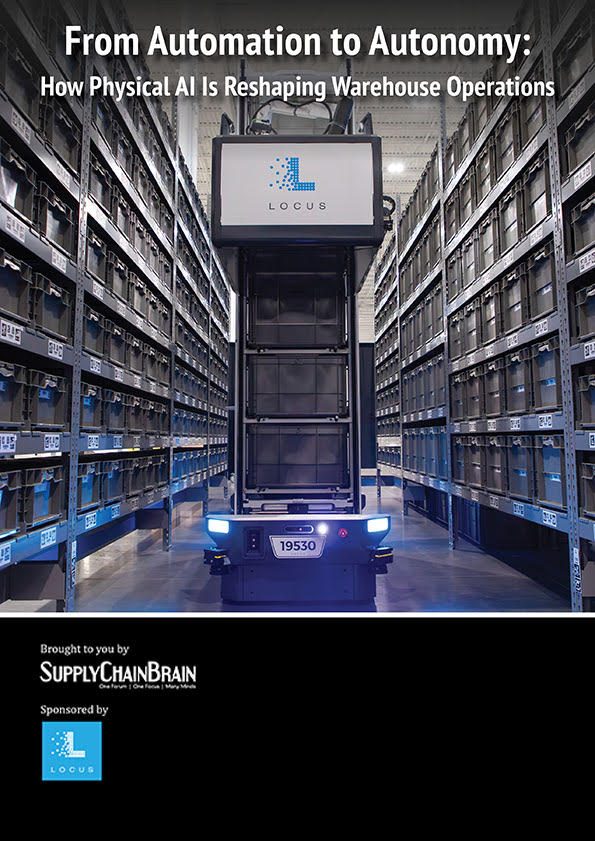
Warehouse managers are increasingly utilizing Physical AI to enhance their operations. This technology allows for better forecasting of seasonal demand, optimization of inventory levels, and redesigning of workflows to improve overall efficiency.
The significance of Physical AI lies in its ability to adapt to unexpected disruptions that can occur during a typical workday. By integrating this technology, warehouse managers can better respond to unforeseen challenges, ensuring smoother operations and improved productivity.
Looking ahead, the continued adoption of Physical AI in warehouse settings will be crucial. As businesses face increasing complexities in logistics and supply chain management, the ability to leverage AI for real-time decision-making will become more important. No further timeline was disclosed at the time of publication.
Editor's Note
The integration of Physical AI into warehouse operations represents a significant shift in how logistics and supply chain challenges are addressed. As companies seek to enhance efficiency and adaptability, the role of AI in managing unexpected disruptions will be critical. This trend may influence procurement strategies and investment in technology solutions.
Copyright Notice
This briefing is an independently written summary based on publicly available reporting and is provided for industry information and news discovery. The original report and source publication are credited and linked where applicable. RobotToday does not claim ownership of third-party source material.
Rights concerns? If you believe any material in this briefing infringes your copyright or other rights, please contact [email protected] with the relevant URL and details. We will review the matter and take appropriate action where warranted.































Leave a comment