Industry Briefing
A single destination for timely, editor-curated robotics news from around the world.
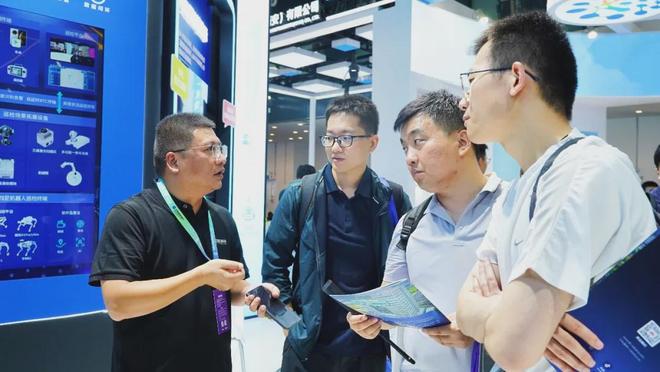
Multi-Robot Collaboration Demonstrated by Daheng Technology at 2026 World Robot Conference
At the 2026 World Robot Conference, Daheng Technology showcased a multi-robot collaboration platform, where a quadruped robot autonomously inspected an area and alerted a cleaning robot to respond to an unidentified object. This demonstration highlighted Daheng's transition from single capabilities to a systematic approach in robotic solutions over the past year. The significance of this advancement lies in the industry's shift from merely activating robots to integrating them into diverse sectors for scalable applications. Daheng's multi-robot collaboration not only identifies issues but also facilitates coordinated responses, emphasizing the need for robots to possess enhanced sensory capabilities to navigate complex environments. Daheng Technology introduced its BlackEye Vision intelligent fusion terminal, which supports multi-modal perception and integrates various sensors for real-time data processing. This innovation allows robots to detect anomalies such as temperature fluctuations and gas leaks, providing critical information for AI-driven decision-making. No further timeline was disclosed at the time of publication.
Multi-Robot Collaboration AI Integration Industrial Robotics Automation Technology
ACE Robotics and NTU S-Lab Release Open-Source Puffin-World Multimodal Model
ACE Robotics and NTU S-Lab have announced the open-source release of Puffin-World, a multimodal world model that integrates physics, geometry, and appearance. This model utilizes the Puffin-16M dataset and achieves state-of-the-art camera absolute pose errors, reporting sub-degree accuracy across four public benchmarks. The significance of this release lies in its potential to enhance various applications in robotics and computer vision by providing a unified framework for understanding complex environments. By achieving such high accuracy in pose estimation, Puffin-World could facilitate advancements in autonomous navigation and scene understanding. Looking ahead, the impact of Puffin-World on the robotics community will be closely monitored, particularly in how it influences future research and development in multimodal models. No further timeline was disclosed at the time of publication.

Challenges in Training Robots for Effective Human Collaboration
Humans present a unique challenge for robot training due to their quick and complex thinking processes, making exact actions unpredictable. This unpredictability raises questions about the methods and techniques required to effectively train robots for collaboration with humans. Understanding how to train robots to work alongside humans is crucial as industries increasingly adopt automation. The ability to predict and respond to human actions can enhance productivity and safety in various sectors, emphasizing the importance of developing advanced training methodologies for robots. Looking ahead, the focus will be on exploring innovative training approaches that can bridge the gap between human unpredictability and robotic capabilities. No further timeline was disclosed at the time of publication.
Robotics
Scalabot Unveils HERON-World Model with Enhanced Multiplayer Mode for Robotics
Scalabot has introduced the HERON-World Model, a new action-conditioned world model aimed at enhancing robotic understanding and future prediction capabilities. This model utilizes a three-tier data pyramid, incorporating real robot teleoperation data, simulation data, and first-person human operation videos to improve the robot's interaction with the environment. The significance of this development lies in its ability to extend the boundaries of world models from physical to social reasoning. By employing a diverse range of data sources, HERON-World Model aims to create a robust learning loop that allows robots to adapt and respond to dynamic environments, thereby advancing embodied intelligence from single-task capabilities to more general, transferable skills. Looking ahead, Scalabot's focus on integrating real-world data with simulation and human interaction videos will be crucial for the ongoing evolution of robotics. The HERON-World Model's current evaluation score stands at 75.80, indicating its potential impact on the industry. No further timeline was disclosed at the time of publication.
World Models Robotics AI Machine Learning Data Strategy
Multiway Robotics Enhances Malaysian Manufacturer's Smart Warehouse with Over 5,000 Storage Locations
Multiway Robotics has implemented a solution for a Malaysian manufacturer that features over 5,000 storage locations and multi-model autonomous forklift collaboration. This transformation has led to a more efficient and scalable warehouse operation, achieving a storage density improvement of over 30%. The significance of this development lies in its support for the customer's ongoing supply chain transformation, showcasing how advanced robotics can optimize warehouse logistics. By enhancing storage capabilities and operational efficiency, Multiway Robotics is setting a new standard in smart warehouse solutions. Looking ahead, it will be important to monitor how this implementation impacts the manufacturer's overall supply chain performance and whether similar solutions will be adopted by other manufacturers in the region. No further timeline was disclosed at the time of publication.
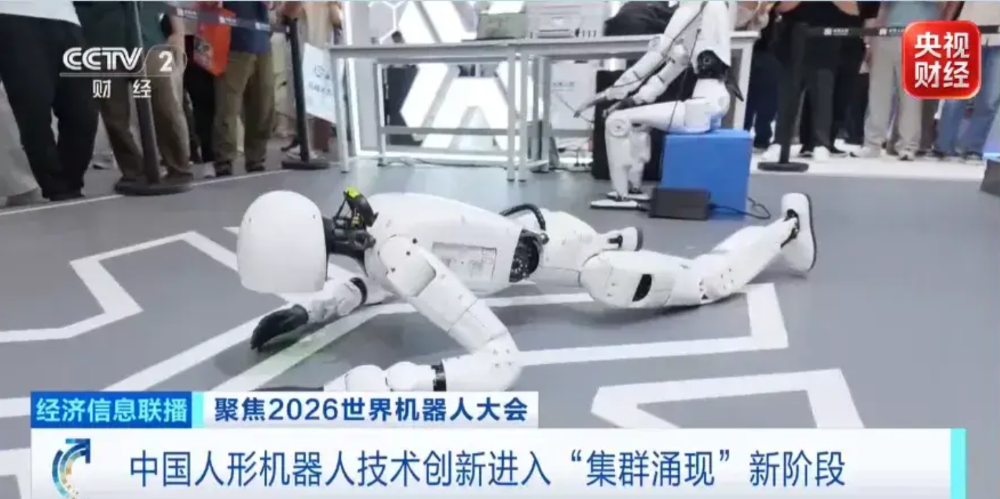
Humanoid Robot Industry Shifts from Solo Operations to Fleet Collaboration
On August 20, the 2026 World Robot Conference revealed that China's humanoid robot shipments exceeded 40,000 units in the first half of the year, capturing 97% of the global market share. The industry is transitioning from small-scale trials to regular deployment and large-scale applications. The conference showcased over 300 companies and more than 3,000 exhibits, with 300 new products launched. A significant trend noted was the shift from 'solo operations' to 'fleet collaboration.' Feiba Technology introduced a mobile logistics base capable of supporting various robotic platforms, including humanoid robots and drones, set to enter mass production by the end of this year. Additionally, the OneHub multi-robot collaboration system from Siasun aims to unify different robotic types under a single operational framework. The advancements in technology and collaboration strategies indicate a pivotal shift in the humanoid robot industry, moving towards collective efficiency rather than individual capabilities. No further timeline was disclosed at the time of publication.
Humanoid Robots Robot Collaboration Robotics Technology Logistics Robotics
Two-Stage Planning Method Enhances Continuous Multi-Robot Inspection in Mines
A two-stage robot planning method has been developed to enhance continuous underground mine inspections. This method integrates predictive charging, obstacle avoidance, and road condition assessments to optimize the performance of multiple robots in simulated environments. The significance of this advancement lies in its potential to improve safety and efficiency in mine inspections. By effectively managing the robots' charging needs and navigating obstacles, the method ensures that inspections can be conducted without interruptions, thereby increasing operational productivity. Looking ahead, the implications of this technology could lead to broader applications in various sectors requiring autonomous inspections. No further timeline was disclosed at the time of publication.
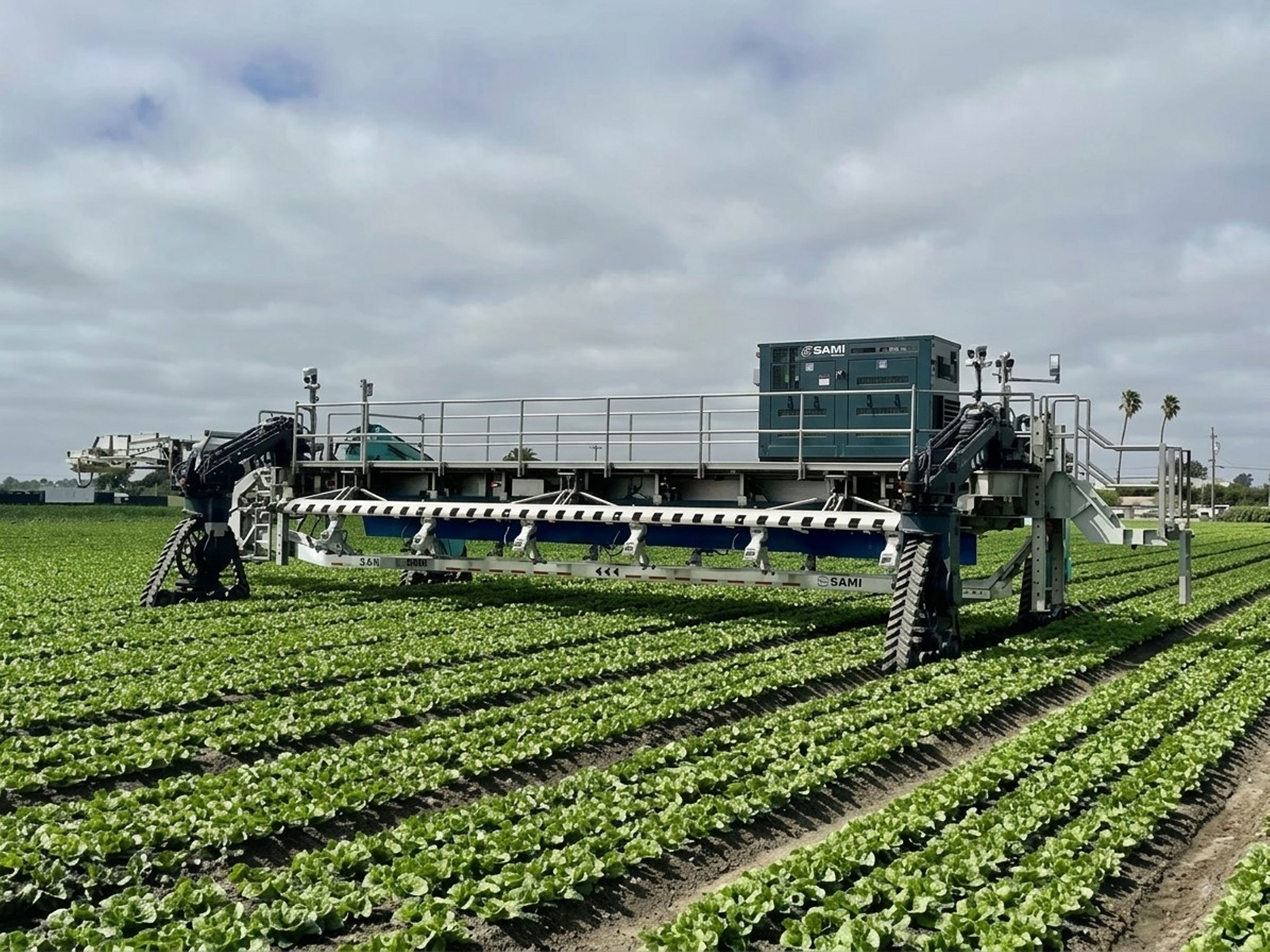
Sami Robotics Advances Broccoli Harvesting with Multi-Crop Platform Development
Sami Robotics, located in Varennes, Québec, has successfully transitioned its broccoli harvesting application from prototype to operational status, utilizing a scalable, multi-arm design. The platform employs 12 to 18 robotic arms that work in parallel to identify and harvest mature vegetables, although specific throughput figures are not disclosed due to varying field conditions. The significance of this advancement lies in Sami Robotics' commitment to automating labor-intensive agricultural tasks through advanced robotics, AI, and data analytics. CEO Pascal Labrecque emphasizes the platform's adaptability for multiple crops and agricultural operations, aiming to enhance efficiency and reduce labor dependency for growers. Looking ahead, Sami Robotics plans to scale commercial deployments while refining its technology. Romaine lettuce is next in line for development, with iceberg lettuce and cauliflower also generating interest. The company envisions a multifunctional platform that could eventually support various agricultural tasks beyond harvesting, although no additional capabilities are currently in development.
Crop solutions Harvest & storage harvest Harvest robot
RoboScience Unveils REX G1: A Multifunctional Wheeled Humanoid Robot for Diverse Applications
On August 17, RoboScience officially launched the REX G1, a versatile wheeled humanoid robot designed for various operational scenarios. This robot, equipped with RoboScience's proprietary VLOA architecture and Visics model, aims to enhance productivity in logistics, factories, retail, and home environments by executing complete tasks in dynamic, unstructured settings. The significance of REX G1 lies in its ability to integrate mobility and operational capabilities, addressing the limitations of traditional robots that often operate in isolation. With 22 degrees of freedom, REX G1 can perform tasks with high precision, including object handling and positioning, while adapting to existing spatial layouts without requiring modifications. Looking ahead, REX G1's advanced perception and control systems allow it to function effectively in complex environments, reducing reliance on external infrastructure. No further timeline was disclosed at the time of publication.
Humanoid Robots Logistics Automation AI Robotics Warehouse Automation
Human Pose Estimation Approach for Multi-Modal Perception in Dynamic Occlusion Scenarios
A recent study published in the Journal of Field Robotics explores a human pose estimation approach aimed at enhancing multi-modal perception in dynamic occlusion scenarios. This research is particularly relevant for improving human-robot collaboration, as it addresses the challenges posed by occlusions in real-time environments. The significance of this study lies in its potential to advance the capabilities of robots in collaborative settings, enabling them to better understand and interact with human counterparts. By focusing on dynamic occlusion scenarios, the research highlights the importance of robust perception systems that can adapt to changing environments, which is crucial for effective human-robot teamwork. Looking ahead, the implications of this research could lead to more sophisticated robotic systems capable of navigating complex environments while maintaining high levels of interaction with humans. No further timeline was disclosed at the time of publication.
RESEARCH ARTICLE
Multiway Robotics Completes Intelligent Warehouse Automation for Malaysian Manufacturer
Multiway Robotics has successfully deployed an intelligent warehouse automation system for a manufacturing company in Malaysia, integrating autonomous forklifts with warehouse management software to enhance storage capacity and material handling. This project supports over 5,000 storage locations, including raw material warehouses and finished goods storage, and has reportedly increased storage density by more than 30 percent. The significance of this deployment lies in its contribution to the ongoing trend of warehouse automation and digital transformation among manufacturers in Southeast Asia. By addressing the customer's growing storage needs and complex material flows, Multiway Robotics has implemented a fleet of autonomous forklifts alongside its proprietary Warehouse Management System (WMS) and Robot Control System (RCS), facilitating end-to-end automation of warehouse operations. Looking ahead, the system's capabilities include managing raw material receiving, finished goods storage, and internal material transportation. The deployment features three autonomous forklift models, each designed for specific tasks, and operates 24/7 with automatic charging. No further timeline was disclosed at the time of publication.
News Warehouse robots amrs automated warehouse autonomous forklifts autonomous mobile robots
PaXini Unveils PX-FOOTRIX, the First Multi-Dimensional Tactile Sensor for Bipedal Robots
PaXini has officially launched the PX-FOOTRIX, the world's first multi-dimensional tactile sensor designed for bipedal robots. This innovative product utilizes a pioneering 6D Hall array tactile sensing technology to provide comprehensive three-dimensional force perception and six-dimensional force/moment sensing, enabling robots to accurately understand ground features and adapt their gait in real-time. The introduction of PX-FOOTRIX is significant as it enhances the ability of bipedal robots to navigate complex real-world terrains, moving beyond simple walking capabilities to a deeper understanding of how to walk. This advancement is crucial for applications in industrial manufacturing, logistics, and public services, where robots must adjust their movements based on varying ground conditions. Looking ahead, the PX-FOOTRIX is set to redefine robotic gait perception and control. With its ability to deliver rich tactile feedback and support dynamic gait optimization, it promises to improve the stability and safety of robotic movements in diverse environments. No further timeline was disclosed at the time of publication.
Bipedal Robots Tactile Sensors Robotics Technology AI Sensor Technology
Yusen Logistics Collaborates with Destro to Implement AI-Driven Human-Robot Collaboration in Transload Operations
Yusen Logistics (Americas) Inc. has formed a strategic partnership with Destro AI to deploy an AI-powered human-robot collaboration platform aimed at enhancing transload operations. This initiative is part of Yusen's commitment to investing in intelligent warehouse technologies that boost operational efficiency and execution consistency. The collaboration with Destro is significant as it represents a step forward in integrating advanced AI solutions within logistics operations. By leveraging Destro's Physical AI platform, Yusen aims to streamline processes and provide increased value to its customers, reflecting a broader trend in the logistics industry towards automation and technological innovation. Looking ahead, the focus will be on the effectiveness of this deployment and its impact on Yusen's operational metrics. No further timeline was disclosed at the time of publication.

Exploring Multilevel Dynamics of Brain, Hormones, Mind, and Behavior in Human-Robot Interaction
A recent study published in Science Robotics investigates the complex interactions between the brain, hormones, mind, and behavior in social human-robot interactions. This research highlights how these multilevel dynamics influence the way humans engage with robots, potentially reshaping our understanding of robotics in social contexts. Understanding these interactions is crucial as it can lead to improved design and functionality of robots, enhancing their effectiveness in various applications. The findings may also inform the development of robots that can better respond to human emotional and psychological states, thereby fostering more natural interactions. As the field of robotics continues to evolve, it will be important to monitor advancements in understanding human-robot dynamics. Future research may explore specific applications of these findings in sectors such as healthcare, education, and entertainment, where social interaction with robots is increasingly prevalent. No further timeline was disclosed at the time of publication.
Research Article
Innovative Puppet Master Approach Enables Control of Multiple Robots Simultaneously
A team from the Technical University of Munich demonstrated a novel method for controlling three distinct robots to collaboratively transport a whiteboard through a doorway. This approach, published in Science Robotics, utilizes an allocentric perspective, allowing operators to oversee multiple robots from a 'God's eye' view, akin to puppeteering. The results showed an 84% increase in speed for parallel tasks compared to traditional first-person control. This new paradigm is significant as it addresses the cognitive load associated with egocentric control, where operators switch perspectives between robots, hindering efficiency. The allocentric method allows for simultaneous control, enhancing usability scores when operators can switch between modes. Cognitive science supports this approach, indicating that the brain processes spatial information more effectively in an allocentric manner, particularly in complex scenarios. Looking ahead, the research indicates potential for further exploration in robot control systems. While the allocentric mode excels in speed, it shows limitations in precision tasks, suggesting a need for hybrid approaches that leverage the strengths of both allocentric and egocentric perspectives. No further timeline was disclosed at the time of publication.
Multi-Robot Control Remote Operation Robotics Research Human-Robot Interaction
Multimodal Robotics Inspired by Biological Systems Explored in Science Robotics
The latest issue of Science Robotics, Volume 11, Issue 116, published in July 2026, delves into the advancements in bioinspired multimodal robotics. This research highlights how biological systems can inform the design and functionality of robotic systems, leading to more versatile and adaptive technologies. The significance of this research lies in its potential to enhance robotic capabilities by mimicking the diverse modalities found in nature. By studying biological organisms, engineers can develop robots that are not only more efficient but also capable of performing complex tasks across various environments, which is crucial for applications in fields such as search and rescue, agriculture, and environmental monitoring. Looking ahead, the ongoing exploration of bioinspired designs in robotics will likely lead to innovative solutions that address current limitations in robotic performance. No further timeline was disclosed at the time of publication.
Review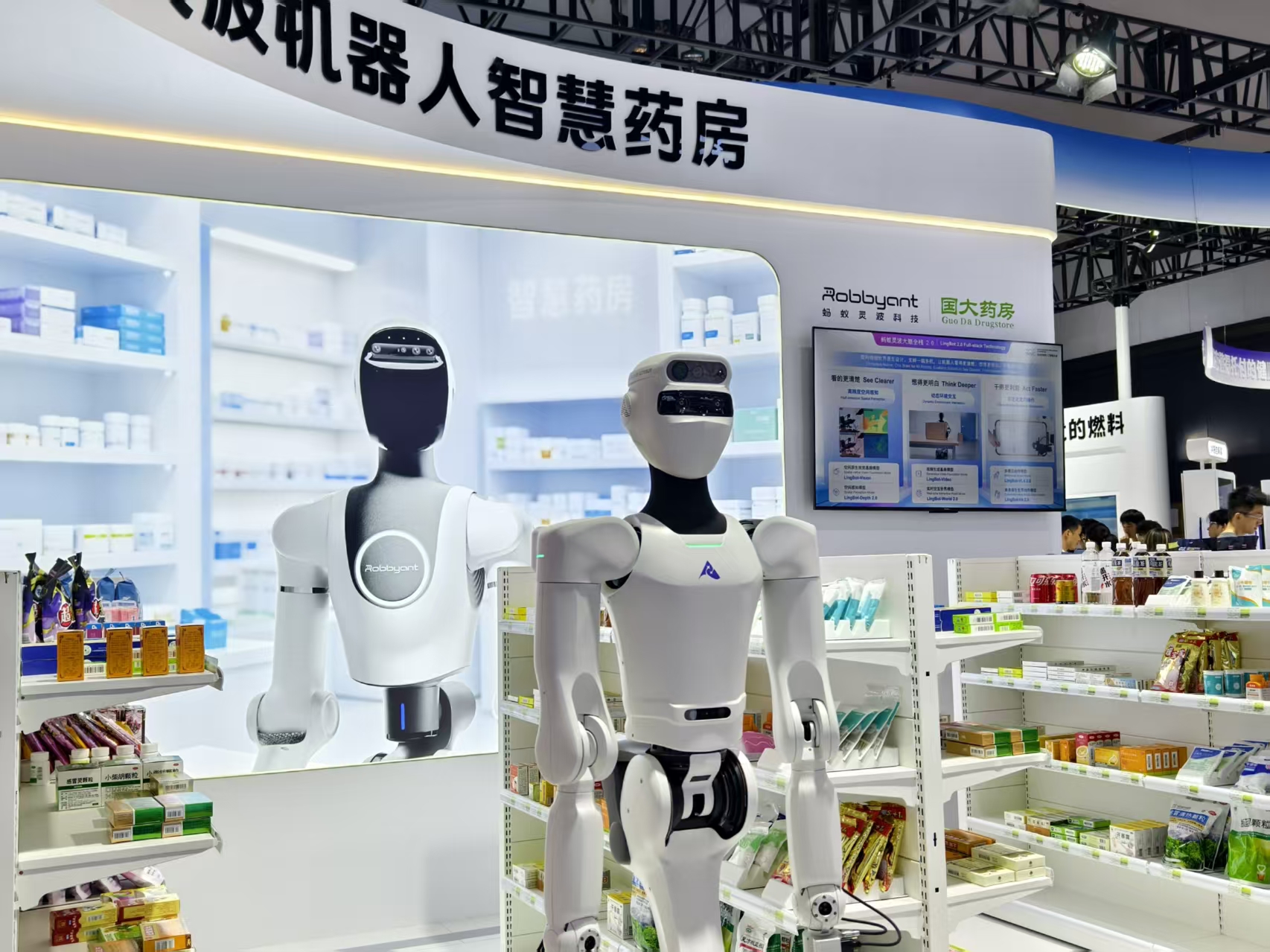
Multiple Exhibitors Showcase the Same Robot at WAIC, Highlighting Industry Trends
At the WAIC, the focus shifted from individual robot models to practical applications, with over 60 out of 200 exhibiting companies emphasizing 'scenarios' for deployment. A notable example was the AI robot S1 from Astribot, showcased at various booths, performing tasks from sorting medications to assisting in retail environments. The significance of this trend lies in the growing recognition that operational capabilities and versatile applications are crucial for commercial success in robotics. Companies like Ant Group, JD.com, and Xian Gong Intelligent are leveraging the same humanoid robot for diverse tasks, indicating a shift in the industry towards physical operational intelligence. Looking ahead, the emphasis on the S1 robot's adaptability and safety features suggests a promising future for humanoid robots in various sectors. However, challenges remain in transitioning from product development to commercial deployment, as many manufacturers still face uncertainties in scaling production and fulfilling orders.
Humanoid Robots Robotics Applications AI Technology Physical Intelligence
Cooperative Climbing Control for Bridge Pier Defect Detection Using Multi-Wheel Robots
A new multi-wheel cooperative climbing control system has been developed for detecting defects in bridge piers. This innovative circular frame robot system enhances the efficiency and accuracy of inspections, addressing a critical need in infrastructure maintenance. The significance of this technology lies in its potential to improve safety and reduce costs associated with bridge maintenance. By utilizing a cooperative approach, the system can navigate complex structures more effectively, ensuring that defects are identified promptly and accurately. Looking ahead, the adoption of this multi-wheel cooperative climbing control system could revolutionize the way infrastructure inspections are conducted. No further timeline was disclosed at the time of publication.
RESEARCH ARTICLE
Noetra Initiates Development of Japan's Multimodal AI Foundation Model for Robotics
Noetra, in collaboration with key partners including Sony, SoftBank, NEC, and Honda Motor, has launched extensive R&D for a multimodal foundation model aimed at enhancing AI-enabled robotics in Japan. This initiative is part of a broader effort to develop sovereign AI technologies within the country, supported by investments from 44 companies across various sectors, primarily manufacturing. The significance of this development lies in its potential to position Japan as a leader in physical AI. By creating a robust multimodal foundation model, Noetra aims to improve industrial competitiveness and address societal challenges through advanced AI capabilities, including natural language processing and multimodal data understanding. Looking ahead, Noetra plans to construct AI computing infrastructure with Nvidia's advanced GPUs, with operations expected to commence in June 2028. The phased development will culminate in a comprehensive omni-modal foundation model by fiscal 2028, ultimately striving for a “Real-world Native AI” by fiscal 2030, which will be capable of understanding physical properties in real-world applications.
Artificial Intelligence News Robot simulation ai agents AI infrastructure artificial intelligence
Pudu Robotics Showcases 'One Brain, Multiple Embodiments' Technology and PUDU D7 at WAIC 2026
Pudu Robotics presented its advancements in the 'One Brain, Multiple Embodiments' technology architecture at WAIC 2026. The event featured an in-depth exploration of its Physical Agent architecture, highlighting the innovative capabilities of this system. The company also unveiled the PUDU D7, an industrial-grade semi-humanoid robot, during its first offline public showcase. This demonstration marks a significant step in Pudu Robotics' efforts to enhance automation solutions across various sectors. Looking ahead, industry observers will be keen to see how Pudu Robotics continues to develop its technology and the potential applications of the PUDU D7 in real-world scenarios. No further timeline was disclosed at the time of publication.
Allocentric Teleoperation Enhances Multirobot Coordination from Variable Perspectives
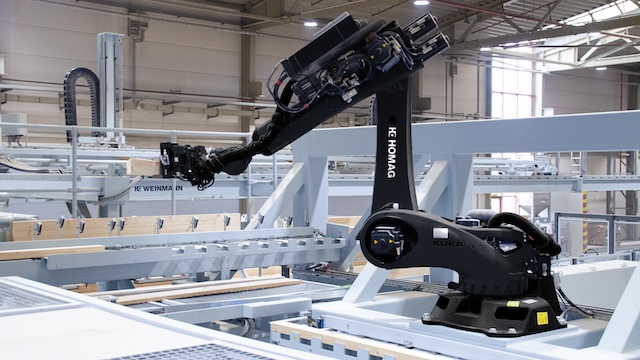
In the July 2026 issue of Science Robotics, researchers introduced allocentric teleoperation as a novel approach to enhance multirobot coordination. This method allows operators to control multiple robots from various perspectives, improving situational awareness and operational efficiency. The significance of this development lies in its potential to transform how operators interact with robotic systems. By enabling a variable perspective, allocentric teleoperation can facilitate more intuitive control and better decision-making in complex environments, which is crucial for applications in fields such as search and rescue, exploration, and industrial automation. Looking ahead, the implications of allocentric teleoperation could lead to advancements in robotic teamwork and autonomy. Future research may focus on refining this technology and exploring its integration into existing robotic systems. No further timeline was disclosed at the time of publication.
Research Article
Agile Multiskill Locomotion Techniques for Quadrupedal Robots in Natural Environments
A recent study published in Science Robotics explores advanced locomotion techniques for quadrupedal robots designed for outdoor environments. The research focuses on developing agile and perceptive multiskill locomotion capabilities that enable these robots to navigate complex terrains effectively. This advancement is significant as it enhances the operational versatility of quadrupedal robots, making them more suitable for various applications in challenging environments. By improving their ability to adapt to different terrains, these robots can be utilized in fields such as search and rescue, environmental monitoring, and exploration. Looking ahead, the implications of this research could lead to further innovations in robotic mobility and autonomy. No further timeline was disclosed at the time of publication.
Research Article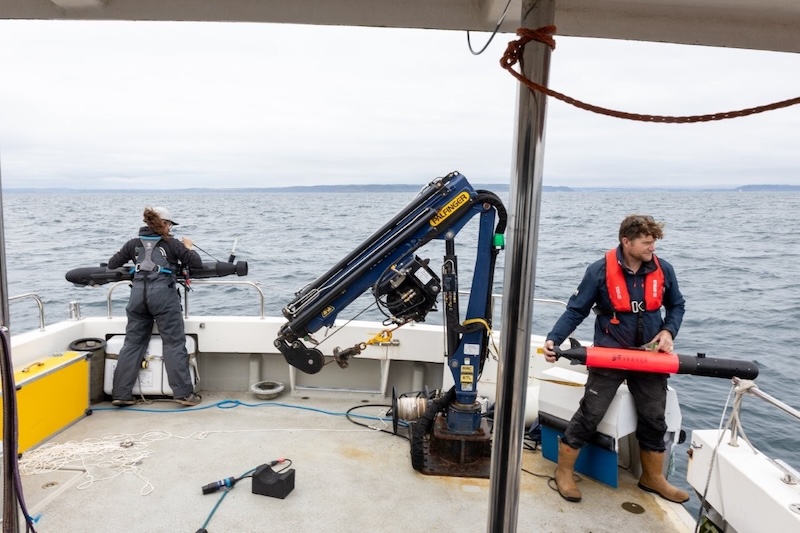
University of Plymouth Launches £1.2 Million Multi-Robot Demonstration at Smart Sound Connect
The University of Plymouth has successfully completed a significant underwater trials demonstration at the Smart Sound Connect Subsurface (SSCS) project, showcasing multi-marine robotic platforms. This event featured collaboration among ACUA Ocean, ecoSUB Robotics, Seaber, and Sonardyne, highlighting the capabilities of the £1.2 million initiative aimed at enhancing marine autonomy and ocean sensing in the UK. The demonstration attracted stakeholders from various sectors, emphasizing the project's role in advancing technology in marine environments. The SSCS project enhances the existing Smart Sound Plymouth testbed by integrating a seabed node array for precise positioning and communication, alongside intelligent sensors. This infrastructure supports advanced testing capabilities for autonomous vehicles, reinforcing Plymouth's status as a leading hub for marine autonomy. The successful demonstration underscores the importance of collaborative efforts in developing ocean observing technologies that can provide actionable intelligence for climate resilience and preparedness. Looking ahead, the SSCS project aims to further develop ocean observing technologies that can transform prototypes into reliable data streams. No further timeline was disclosed at the time of publication, but the ongoing collaboration is expected to drive innovation and strengthen industry partnerships in marine autonomy and sensing technologies.
Marine Research ACUA Ocean automation autonomous underwater vehicles auv
Digua Robotics and Giga Vision Collaborate to Integrate World Models into Edge AI Chips
On September 14, Digua Robotics and Giga Vision announced a strategic collaboration focused on integrating their respective technologies. Giga Vision will provide world models, embodied foundational models, and real-world application experience, while Digua Robotics will contribute an edge AI computing platform, algorithm toolchain, and robotics ecosystem. The initial integrated model chosen is GigaBrain-0.7, utilizing the Xuri S600 hardware base and GigaWorld's capabilities. This partnership aims to create an affordable, integrated solution for embodied intelligence at the edge. GigaWorld will handle scene generation, action consequence prediction, strategy evaluation, and retraining of failure samples, providing a virtual training environment for robots. GigaBrain will serve as the edge intelligence core, managing natural language tasks, spatial perception, task decomposition, skill routing, and decision-making, while the Xuri S600 will support multimodal reasoning and task scheduling. Looking ahead, both companies plan to accelerate the practical application of GigaBrain-0.7 across various robotic platforms, including industrial manufacturing and home services. The success of this collaboration will depend on the performance of GigaBrain-0.7 in real-world robotic applications, particularly in terms of task success rates and system stability.
Robotics AI Edge Computing Embodied Intelligence
Hai Robotics and Ferag Solutions Enhance Partnership for Warehouse Automation in EMEA
Hai Robotics and Ferag Solutions are expanding their collaboration across Europe, the Middle East, and Africa after five years of successful warehouse automation projects. This partnership aims to leverage Hai Robotics' Automated Case-handling Mobile Robot systems and Ferag Solutions' integration expertise to meet the growing demand for flexible warehouse automation. The collaboration is significant as it combines Hai Robotics' innovative automation technology with Ferag Solutions' regional knowledge and systems integration capabilities. This synergy is expected to provide businesses with immediate operational improvements while allowing them to adapt to changing demands in the logistics sector. Looking ahead, both companies plan to host regional webinars to share insights on warehouse automation challenges and opportunities. Several projects have already been signed, indicating a strong foundation for future growth and collaboration in developing scalable warehouse operations across the EMEA region.
Warehouse Automation Intralogistics Automated Mobile Robots Systems Integration
Hai Robotics and Ferag Solutions Enhance Partnership for Warehouse Automation in EMEA
Hai Robotics and Ferag Solutions are expanding their collaboration across Europe, the Middle East, and Africa after five years of successful partnership. This expansion follows several warehouse automation projects in the UK, where both companies combined their strengths to deliver innovative solutions. Hai Robotics will provide its Automated Case-handling Mobile Robot (ACR) systems, while Ferag Solutions will contribute its systems integration expertise. The significance of this partnership lies in its ability to meet the increasing demand for integrated warehouse automation solutions that enhance operational efficiency. The collaboration aims to offer businesses the flexibility to adapt to changing volumes and requirements, ensuring they remain competitive in a rapidly evolving market. Nicholas Hughes, Managing Director of Ferag Solutions, emphasized the trust and commitment that have developed between the two organizations, which are crucial for recommending solutions to customers. Looking ahead, Hai Robotics and Ferag Solutions plan to host regional webinars to share insights on warehouse automation challenges and opportunities. With several projects already signed, the companies are well-positioned to support more businesses in developing scalable and future-ready warehouse operations. No further timeline was disclosed at the time of publication.
Warehouse Automation Intralogistics Automated Robotics Supply Chain Solutions
Palladyne AI and FANUC America Form Strategic Partnership to Enhance Robotic Automation
Palladyne AI and FANUC America have announced a strategic collaboration aimed at advancing intelligent robotic automation. This partnership will integrate FANUC America's extensive industrial robot portfolio with Palladyne AI's innovative physical AI software platform. The collaboration is significant as it seeks to simplify the deployment of robotic systems, enhance their adaptability, and broaden the scope of automation across various sectors, including manufacturing, warehousing, and logistics. By leveraging both companies' strengths, the partnership aims to address the growing demand for efficient automation solutions. Looking ahead, industry stakeholders should monitor the developments from this collaboration, particularly how the integration of AI with robotics will impact operational efficiencies in the targeted sectors. No further timeline was disclosed at the time of publication.

Renesas Launches Robotics Lab in Beijing for AI Development and Collaboration
Renesas has inaugurated a new robotics lab in Beijing aimed at enabling customers to demonstrate and validate next-generation robotic systems. This facility is part of Renesas' broader initiative to enhance its physical AI capabilities. The establishment of this lab is significant as it allows for collaborative development between Renesas and its clients, fostering innovation in robotic technologies. By providing a space for hands-on experimentation, Renesas aims to accelerate the deployment of advanced robotics solutions in various applications. Looking ahead, stakeholders should monitor how this lab influences the development of robotic systems and the potential partnerships that may arise. No further timeline was disclosed at the time of publication.
Artificial Intelligence News Robotics China Physical AI Renesas Electronics
Anthropic Introduces Software Standard for Claude to Enhance Collaboration with Robots and Lab Tools
Anthropic PBC has unveiled a new software standard designed to improve the interaction between AI assistants, such as Claude, and various robotic and scientific lab tools. This development aims to streamline operations in both manufacturing and scientific environments, enhancing the efficiency of AI in these sectors. The introduction of this software standard is significant as it represents a step forward in integrating AI technologies with physical systems. By enabling Claude to better collaborate with robots and lab equipment, Anthropic is addressing a critical need for improved automation and precision in scientific and manufacturing processes. Looking ahead, industry stakeholders will be keen to observe how this new standard impacts the deployment of AI in robotics and lab settings. No further timeline was disclosed at the time of publication.

Tesla's Robotaxi Faces Delays and Glitches, Leaving Riders Stranded
Tesla's Robotaxi experienced significant delays, running an hour late and missing scheduled pickups, which resulted in riders being stranded. This incident highlights the challenges faced by autonomous vehicle technology in real-world applications, particularly in ensuring reliability and timely service. The implications of these glitches are substantial for Tesla and the broader autonomous vehicle industry. As companies strive to develop reliable self-driving technology, incidents like this can impact consumer trust and regulatory scrutiny. The ability to deliver consistent service is crucial for the adoption of autonomous vehicles in urban environments. Looking ahead, it will be important to monitor Tesla's response to these issues and any improvements made to their Robotaxi service. The company's approach to addressing reliability and performance challenges will be critical in shaping the future of autonomous transportation. No further timeline was disclosed at the time of publication.
AI and Robotics
Enhancing Urban Traffic Management Efficiency with IoT-Aided Robotics and Graph Neural Networks
Recent advancements in IoT-aided robotics have shown significant potential for improving urban traffic management. By utilizing a multi-component attention graph convolutional neural network, these systems can enhance real-time traffic monitoring capabilities, leading to more efficient traffic flow and reduced congestion. This development is crucial as urban areas continue to face increasing traffic challenges. The integration of advanced robotics and IoT technologies can provide city planners and traffic management authorities with the tools needed to optimize traffic patterns and improve overall urban mobility. Looking ahead, the focus will be on the implementation of these technologies in real-world scenarios. Continued research and development in this area will be essential to fully realize the benefits of IoT-aided robotics in urban traffic systems. No further timeline was disclosed at the time of publication.
RESEARCH ARTICLE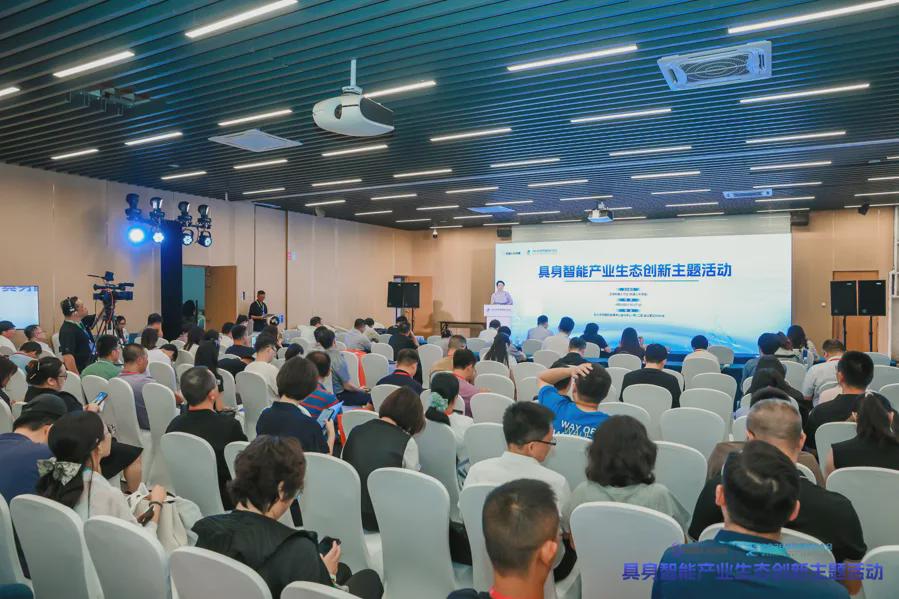
Highlights from the 2026 World Robot Conference on Embodied Intelligence Collaboration
The 2026 World Robot Conference (WRC) held a thematic event on embodied intelligence on August 20 at the Beijing Yichuang International Conference Center. Organized by the Lide Robot Platform, the event brought together experts, entrepreneurs, and investors to discuss various topics including model evaluation, humanoid robot paradigms, and safety boundaries in the industry. This conference is significant as it addresses the urgent need for a unified evaluation standard in embodied intelligence, highlighted by the introduction of the ET Benchmark, a systematic evaluation standard developed by leading Chinese universities. The event also showcased the successful international expansion of Shanghai Sotai Wujie Technology Co., which signed a contract with a major European supermarket chain, demonstrating the practical application of embodied intelligence in real-world scenarios. Looking ahead, the focus will be on overcoming data bottlenecks and enhancing the safety of embodied robots. Companies like Suzhou Tangyuan Technology and Lingdi Technology are working on innovative solutions to improve data collection and simulation capabilities. No further timeline was disclosed at the time of publication.
Embodied Intelligence Humanoid Robots Data Solutions Cloud Computing Industry Collaboration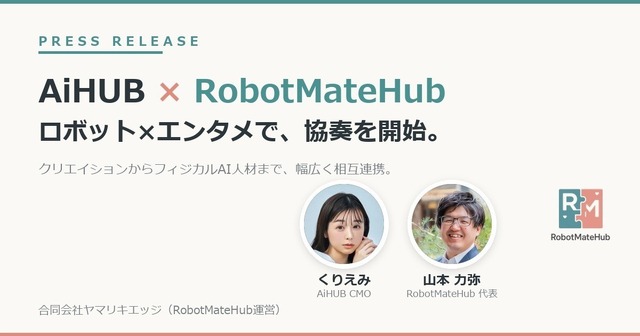
AiHUB and RobotMateHub Begin Collaboration in Entertainment Robotics and AI Talent Development
AiHUB, focused on advancing robotics and AI in entertainment, has announced a partnership with RobotMateHub, a platform for workforce development in the robotics industry, effective August 17, 2026. This collaboration aims to enhance the intersection of entertainment and robotics, fostering talent in physical AI and expanding public engagement through various initiatives. The partnership is significant as it seeks to bridge the gap between creators and the robotics workforce, promoting a broader understanding and application of robotics in entertainment. Both organizations recognize the necessity of developing a skilled workforce capable of creating, operating, and utilizing robots effectively, which is essential for the industry's growth. Looking ahead, the collaboration will not be limited to specific events but will encompass multiple areas, including participation in AiHUB's events like the Robot Carnival and joint efforts in skill certification and community engagement. No further timeline was disclosed at the time of publication.
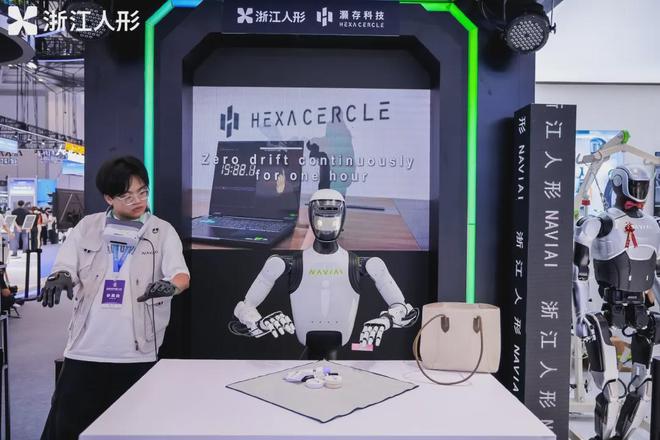
Haocun Technology and Zhejiang Humanoid Robotics Collaborate to Enhance Practical Applications
From August 19 to 23, the World Robot Conference (WRC) was held at the Beiren Yichuang International Exhibition Center, showcasing cutting-edge technologies in humanoid robotics and industrial intelligence. During the event, Zhejiang Humanoid Robotics Innovation Center's humanoid robot NAVIAI demonstrated its capabilities by synchronizing its arm movements with an operator wearing motion data gloves, achieving precise gestures without pre-programmed instructions. This collaboration between Haocun Technology and Zhejiang Humanoid Robotics marks a significant step in addressing the challenges faced by the humanoid robotics industry, which is transitioning from prototype development to practical applications. The partnership aims to overcome bottlenecks in skill transfer, training time, and operational reliability, which have hindered the deployment of humanoid robots in real-world scenarios. Looking ahead, the integration of Haocun Technology's motion perception and data collection capabilities with Zhejiang Humanoid's hardware platform is expected to accelerate the adoption of embodied intelligence technologies. No further timeline was disclosed at the time of publication.
Humanoid Robots Motion Capture Technology Industrial Automation Robotics Collaboration
LG Electronics Enhances Robotics Partnership with NVIDIA at New Data Factory
LG Electronics has announced an acceleration of its robotics collaboration with NVIDIA. This announcement was made during a visit by senior NVIDIA officials to LG's Data Factory, which is currently under construction at the Yangjae R&D Campus in Seoul. The collaboration is significant as it combines LG's extensive manufacturing expertise with NVIDIA's advanced robotics technology. This partnership aims to explore new synergies that could enhance both companies' capabilities in the robotics sector. Looking ahead, the focus will be on how the collaboration can evolve and what new developments may arise from this partnership. No further timeline was disclosed at the time of publication.
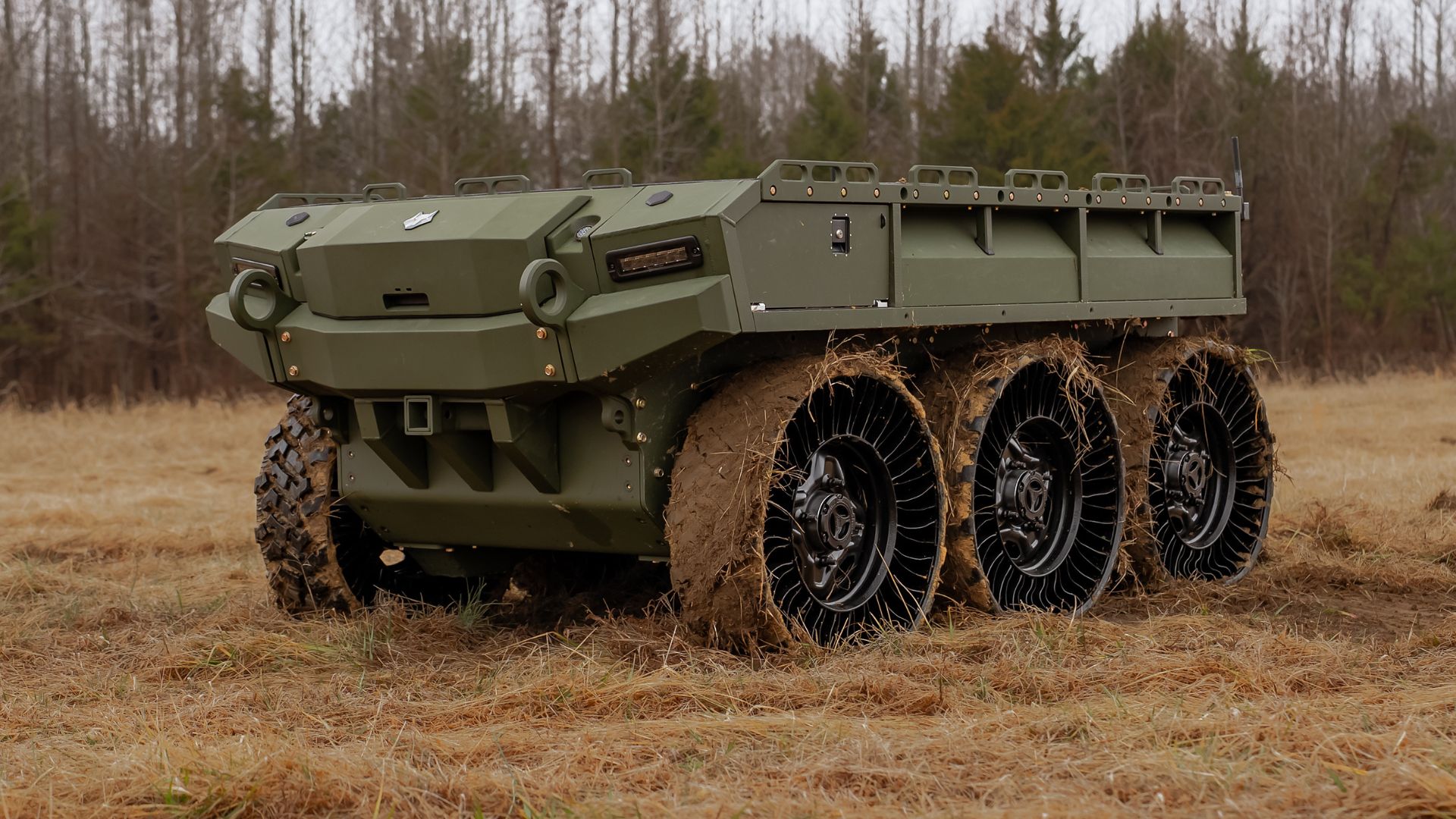
U.S. Army to Evaluate BLADE's Hunter WOLF Robotic Vehicle with 82nd Airborne Division
The U.S. Army is set to conduct field evaluations of BLADE's Hunter WOLF robotic vehicle with the 82nd Airborne Division on August 20 at Fort Polk, Louisiana. This unmanned ground vehicle is designed to assist in support tasks during military operations, boasting a payload capacity of 2,800 pounds to facilitate the movement of equipment and supplies. The significance of this evaluation lies in its potential to enhance operational efficiency for soldiers by reducing their physical burden during demanding missions. Hunter WOLF's capabilities, including casualty evacuation and mobile power support, allow troops to focus more on combat tasks rather than logistics, addressing the needs of light infantry units. Looking ahead, the evaluation will provide 82nd Airborne soldiers with hands-on experience, assessing the vehicle's adaptability in various mission scenarios. BLADE plans to configure Hunter WOLF for roles such as tactical communications and equipment transport, with the aim of validating its flexibility and effectiveness in real-world operations. No further timeline was disclosed at the time of publication.
AI and Robotics Military
Nvidia's Madison Huang to Discuss Robotics Collaboration at LG's Seoul Factory
Madison Huang, daughter of Nvidia CEO Jensen Huang, will visit LG Electronics' humanoid robot data factory in Seoul for discussions on robotics cooperation. The meeting is set to take place at LG's research and development campus, where the company is training humanoid robots in environments that mimic real-world settings. This visit is significant as it follows a recent meeting between Jensen Huang and LG Group Chairman Koo Kwang-mo, where they signed a memorandum of understanding to enhance strategic business cooperation. The collaboration aims to advance physical artificial intelligence and robotics, with LG developing a bipedal humanoid robot utilizing Nvidia's robotics platform, expected to be unveiled in the first quarter of 2027. As the partnership progresses, industry observers will be keen to see how the discussions unfold, particularly regarding the integration of Nvidia's Jetson Thor computing module and Isaac GR00T model into LG's robotics initiatives. No further timeline was disclosed at the time of publication.
All News
Exploring Multi-Party Human-Robot Interaction at Imperial Robotics Summer School
During the Imperial Robotics Summer School held from July 20-24, 2026, participants explored the complexities of enabling robots to engage in conversations with multiple people simultaneously. This initiative aimed to enhance social robots, which typically focus on one-on-one interactions, by developing real-time speaker detection and natural gaze behavior. The significance of this research lies in its potential to advance human-robot interaction, making robots more effective in social settings. By focusing on multi-party interactions, the project addresses a critical gap in current robotics capabilities, which is essential for applications in healthcare and personal assistance. Looking ahead, the insights gained from this summer school could pave the way for future developments in multi-party human-robot interaction technologies. No further timeline was disclosed at the time of publication.

Honda Advances Development of Multi-Fingered Robotic Hands for Assembly Precision
Honda is advancing the development of multi-fingered robotic hands aimed at tackling the most challenging tasks in factory assembly, such as screwing, connecting, and handling parts designed for human hands. These actions, while routine for humans, present significant control challenges for robots. According to researcher Kenichiro Sugiyama, many existing robotic hands are essentially extensions of traditional robotic arms, lacking the necessary strength, responsiveness, and precision for fine manipulation. Honda's approach involves the collaborative development of mechanical hardware, control systems, and artificial intelligence, emphasizing the importance of embodied AI, which learns through physical interactions with objects. Despite advancements, dexterous manipulation remains a significant challenge, particularly with deformable or slippery objects. Sugiyama describes the remaining issues as the 'last millimeter' problem, which, if solved, could enable robots to replace tasks traditionally performed by humans. Honda's exploration of multi-fingered hands aims to push the boundaries of automation in manufacturing.
Robotic Hands Embodied AI Manufacturing Automation Precision Control
LG Group and Nvidia CEOs to Meet for AI Infrastructure and Robotics Collaboration
LG Group Chairman Koo Kwang-mo is set to meet Nvidia CEO Jensen Huang in Silicon Valley next week to enhance their collaboration in artificial intelligence infrastructure and robotics. This meeting follows their previous discussion in Seoul in early June, where they outlined plans for partnerships in humanoid robots and next-generation data centers. The significance of this meeting lies in the potential for substantial investments and advancements in technology development between the two companies. During their June meeting, Huang emphasized the importance of this partnership, which aims to leverage Nvidia's expertise in AI and LG's capabilities in robotics to create innovative solutions for the market. As both companies prepare for this crucial discussion, stakeholders will be watching closely for updates on investment sizes and timelines for technology development. No further timeline was disclosed at the time of publication.
All News
Google Unveils Gemini Robotics 2 for Advanced Humanoid Robot Control and Reasoning
Google has launched Gemini Robotics 2, a sophisticated robotics model that enables humanoid robots to perform full-body movements and complex tasks. This system allows for coordination among multiple robots and adapts to various robot designs with minimal training. The new capabilities extend beyond simple manipulation to include walking, bending, and balancing. The significance of Gemini Robotics 2 lies in its ability to facilitate multi-step reasoning and adaptability in unfamiliar environments, setting it apart from traditional robots. This model can control both humanoid robots and dual-arm systems, enhancing their functionality for household and industrial applications. Demonstrations showcased its ability to manage tasks such as picking up objects and performing intricate actions with dexterous robotic hands. Looking ahead, Google is also releasing Gemini Robotics ER 2 for high-level reasoning and Gemini Robotics On-Device 2 for local operation without cloud reliance. The introduction of multi-robot collaboration capabilities allows different robots to work together efficiently, marking a notable advancement in robotic technology. No further timeline was disclosed at the time of publication.
AI and Robotics
The Identity Challenge: Ensuring Robot Verification in Multi-Vendor Automation
The article discusses the critical issue of identity verification in multi-vendor automation environments. A single misconfigured agent can disrupt production lines without any alarms or warnings, leading to significant operational damage. This highlights the importance of establishing a robust identity layer to prevent such incidents. The significance of this issue lies in the potential for production delays and financial losses caused by unverified agents operating beyond their designated scope. As automation becomes increasingly complex, ensuring that each robot can prove its identity is essential for maintaining efficient and safe operations on the production floor. Looking ahead, companies must prioritize the development of solutions that address the identity verification gap in automation systems. No further timeline was disclosed at the time of publication.
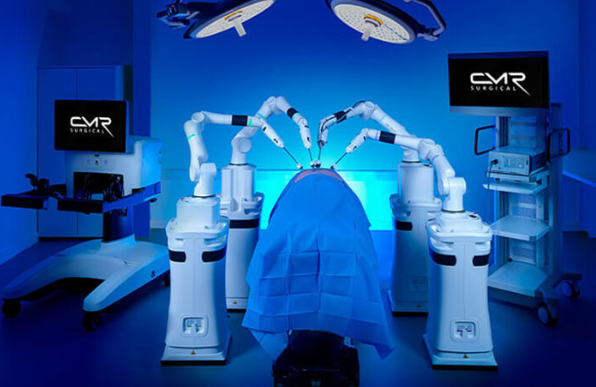
CMR and NVIDIA Enhance Surgical Robots with Predictive Capabilities
CMR Surgical and NVIDIA have unveiled a new capability of the Versius Plus surgical robot at the 2026 SRS conference, allowing it to predict post-action scenarios in surgical environments. This advancement marks a shift from mere execution to predictive intelligence in surgical procedures. The ability to foresee changes in the surgical area enhances decision-making for surgeons, potentially transforming the role of surgical robots from simple tools to intelligent assistants. CMR's CTO, Chris Fryer, emphasized the importance of leveraging global surgical data to provide deeper insights and support informed decisions. No further timeline was disclosed at the time of publication. The collaboration utilizes NVIDIA's Cosmos-H-Dreams platform, which refines the Open-H Embodiment dataset, enabling the prediction of anatomical changes based on current scenarios and proposed actions. This innovation represents a significant step towards the realization of AI-assisted surgery.
Surgical Robots AI in Healthcare Medical Technology Robotic Surgery
Advancements in Bioinspired Multimodal Robotics for Versatile Movement Capabilities
Bioinspired multimodal robots are advancing rapidly, aiming to match the versatility of animal movement by integrating flying, walking, swimming, and climbing capabilities. Researchers from Beihang University, Dalian University of Technology, and EPFL are addressing engineering challenges such as limited onboard space and the need for body transformations to facilitate seamless movement. The significance of this research lies in its potential to enhance robot adaptability in diverse environments, allowing for applications like search-and-rescue operations and environmental monitoring. The study proposes five performance metrics to evaluate these robots, focusing on improving overall performance rather than merely adding movement options. Looking ahead, the development of soft materials, flexible structures, and multirobot architectures may enhance future robots' capabilities. The researchers emphasize the importance of advanced algorithms for planning and control to enable effective transitions between movement modes, which is crucial for autonomous decision-making in complex scenarios. No further timeline was disclosed at the time of publication.
AI and Robotics
Generative Bionics Unveils Gene.01, a Smart-Skin Humanoid Robot for Safe Human Interaction
Generative Bionics has launched Gene.01, a fully functional humanoid robot platform designed for safe human collaboration. Built in just six months, Gene.01 is equipped with advanced sensors that detect touch, proximity, force, and temperature, enhancing its interaction capabilities with humans. The introduction of Gene.01 is significant as it provides a foundation for Physical AI developers to create industrial applications. Its open-sourced robot model allows for collaborative development, potentially accelerating innovation in the field of humanoid robotics. Looking ahead, the focus will be on how Gene.01 can be integrated into various industrial environments and the applications it can support. No further timeline was disclosed at the time of publication.

Innovative Robotic Hand Uses Single Motor for Versatile Gripping Solutions
A new robotic hand has been developed that can switch between multiple grippers using just one motor. This innovation addresses the need for robots to handle a wide variety of objects across different environments, including factories and households. The ability to manage diverse objects with a single motor reduces the complexity associated with traditional robotic hands, which typically rely on multiple motors and intricate control systems. This advancement not only lowers the weight and cost of robotic systems but also minimizes the risk of failures and simplifies control mechanisms. As the demand for adaptable robotic solutions grows, this new technology could significantly impact various sectors. Future developments may focus on enhancing the versatility and efficiency of robotic hands, although no further timeline was disclosed at the time of publication.
Robotics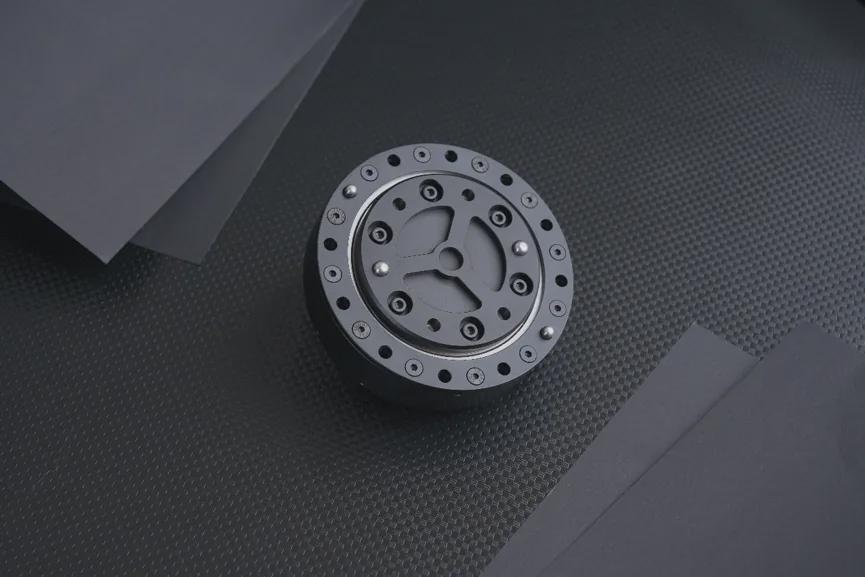
Introduction of the First Robot Joint Selection Platform by Engfu Robotics
Engfu Robotics has launched a comprehensive robot joint selection platform that allows users to customize parameters such as torque, speed, and weight. This platform aims to simplify the selection process for various stakeholders, including engineers and procurement professionals, by providing tailored recommendations based on extensive experience and an intelligent scoring system. The significance of this platform lies in its ability to connect customer needs with component solutions, leveraging Engfu's rich customization experience. The platform's supply chain database supports hundreds of components, enabling thousands of combinations, which enhances collaboration across the robotics industry. Looking ahead, Engfu Robotics continues to innovate in various areas, including gear reducers and motors. The company emphasizes that the development of embodied intelligence and robot joints requires collaboration among different companies, each contributing their strengths to meet customer demands effectively. No further timeline was disclosed at the time of publication.
Robot Joints Customization Supply Chain Robotics Technology
Robot Bank announces AI platform "RobotBank Brain" for coordinating multiple robots like humanoids and AMRs.
Robot Bank Corporation has unveiled its latest initiative, the "RobotBank Brain," which is set to be the cornerstone of its next-generation robotics business. This announcement marks a significant step forward in the company's efforts to innovate and enhance its offerings in the robotics sector. The launch took place recently, highlighting the company's commitment to advancing technology and addressing the growing demand for intelligent robotic solutions. By developing the RobotBank Brain, the company aims to integrate advanced artificial intelligence into its robotics lineup, ultimately improving efficiency and functionality. This initiative reflects Robot Bank's strategic vision to lead in the evolving landscape of robotics and automation.
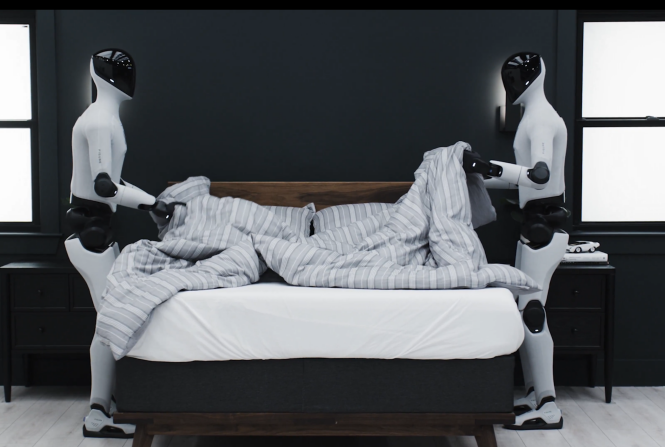
Two Robots Team Up for Life: The World's First Multi-Robot Collaboration Using a Single Neural Network
Figure AI has made a significant advancement in robotics by demonstrating the successful collaboration of two humanoid robots, equipped with the innovative Helix-02 system, to clean a bedroom in under two minutes. This event, which took place recently, represents a milestone in the field of robotics as it is the first instance of multi-robot cooperation utilizing a single neural network. The robots showcased remarkable autonomy and interaction, operating effectively without the need for central control. This breakthrough highlights the potential for enhanced efficiency in robotic tasks and paves the way for future developments in autonomous systems.
Humanoid Robots Robot Collaboration AI Automation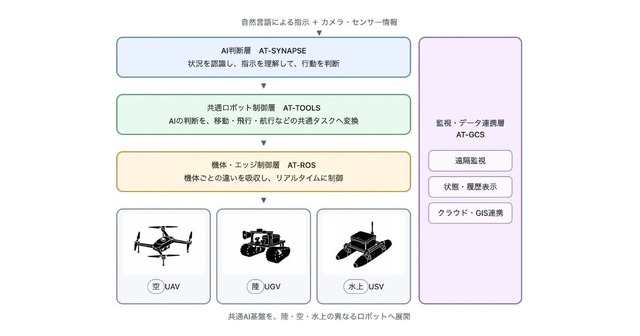
Attract Lab Develops AI Platform for Predicting Multiple Futures Before Robot Actions
Attract Lab has announced the development of an AI platform that enables robots to predict multiple future scenarios before executing actions, allowing them to select the optimal behavior. This platform is designed for various robots, including drones and unmanned ground vehicles (UGVs), aiming to facilitate safe and efficient autonomous actions in uncertain environments. Traditional robot AI primarily relies on reactive control based on current sensor data. In contrast, Attract Lab's platform simulates various potential futures and evaluates outcomes to choose the most favorable action. This predictive decision-making approach helps robots navigate complex situations, avoiding critical failures while achieving their objectives in environments with many uncertainties. The platform is designed to be independent of specific hardware, targeting a wide range of robots that require situational judgment while moving through space. As the use of unmanned systems expands in logistics, infrastructure inspection, security, and disaster response, the ability to respond to unexpected situations becomes crucial for deployment. Attract Lab aims to broaden the application of robots in these fields through this innovative platform.
Robotics needs a service framework.
RSF defines a common language for robot service capability, lifecycle operations, certification pathways, and service-provider networks.
Join the RobotToday community on LinkedIn
Daily robotics news, in-depth analysis, conference highlights, and discussions with professionals worldwide.