Industry Briefing
A single destination for timely, editor-curated robotics news from around the world.

Roboteon Enhances Fleet Management and Orchestration for Manufacturing Robots and AGVs
Roboteon has announced an expansion of its capabilities, providing a powerful software platform designed to orchestrate automated material flows in manufacturing environments. This platform aims to improve visibility, control, productivity, and throughput for manufacturers by acting as a digital nervous system. The significance of this development lies in Roboteon's position as a leading innovator in intelligent warehouse and manufacturing robotics software. By enabling the integration and synchronization of mobile robots and autonomous guided vehicles (AGVs), manufacturers can optimize their operations and enhance overall efficiency on the shop floor. Looking ahead, industry stakeholders should monitor how Roboteon's advancements in fleet management and orchestration will influence manufacturing processes and the adoption of automated solutions. No further timeline was disclosed at the time of publication.
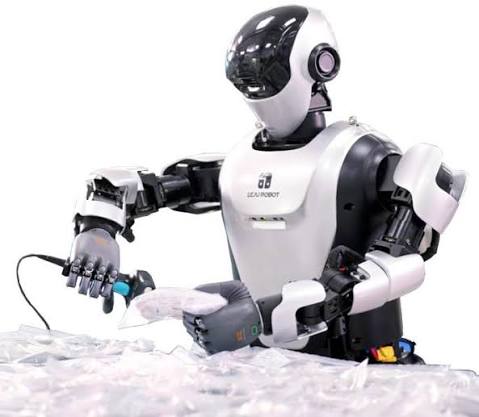
Robot Manufacturing Landscape Shifts as 150 Companies Enter Market Amid Declining Value
As of 2026, funding in the embodied intelligence sector has approached 15 billion yuan, with seven domestic companies now valued over 10 billion yuan, a significant increase from none a year prior. However, over 77% of robotics firms remain in early funding stages, indicating a highly competitive environment where most players lack access to the market. The rapid growth in funding, from 2.8 billion yuan in 2021 to an expected 23.6 billion yuan in 2025, paints a picture of a booming industry. Yet, analysts warn that more than 50% of commercial orders are primarily for public relations rather than productivity. Efficiency remains a critical issue, with leading robots only achieving about 45% of human worker efficiency. Looking ahead, the Ministry of Industry and Information Technology plans to deploy over 10,000 humanoid robots in commercial settings by the end of 2026. This initiative reflects a shift towards practical applications in factories rather than theoretical advancements, as companies like Tesla and XPeng aim for mass production of robots with clear timelines.
Humanoid Robots Robotics Industry AI Technology Manufacturing Automation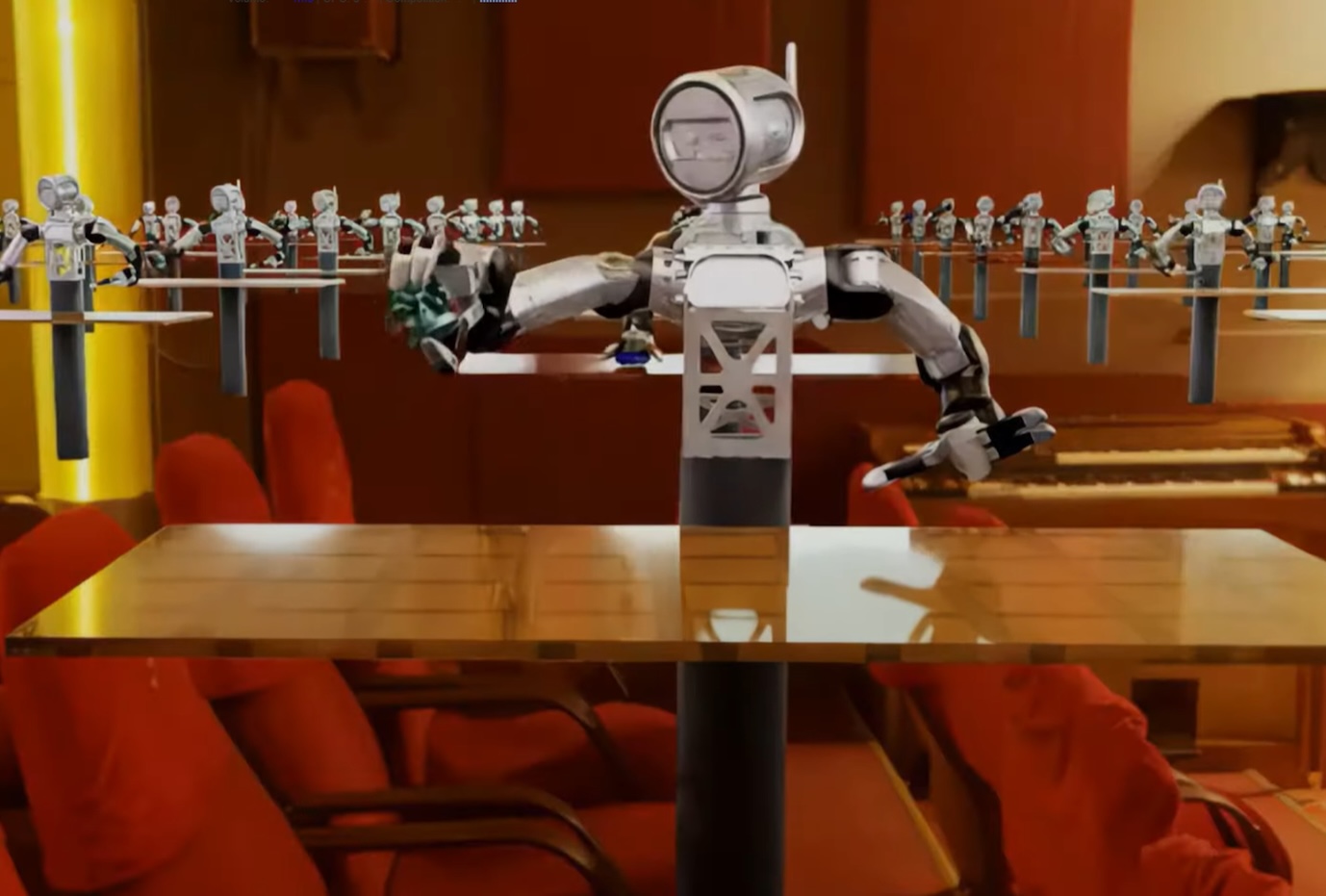
BigWave Robotics Partners with Space Factory to Deploy Humanoid Robots in Construction by 2026
BigWave Robotics, a South Korean AI company, has announced a partnership with modular housing manufacturer Space Factory to deploy humanoid robots in housing production starting in 2026. This initiative marks a significant shift in the construction industry, which has traditionally relied on human expertise, as robots begin to automate complex tasks such as insulation installation. The entry of humanoid robots into the construction sector is crucial as it addresses labor shortages and enhances production efficiency amid rising housing demands. Modular housing, which involves factory prefabrication and on-site assembly, is increasingly seen as a solution to expedite housing construction, and the integration of robotics is expected to further advance this trend towards smart manufacturing. Looking ahead, the success of humanoid robots in various industries will depend on their cost, reliability, and efficiency. While BigWave Robotics is focusing on the construction sector, the broader implications of this technology could lead to its application in logistics, energy maintenance, and public facility management, marking a new era in industrial automation.
Humanoid Robots Construction Automation Smart Manufacturing Modular Housing AI Technology
Japanese Humanoid Robots Expand Applications Beyond Manufacturing to Tree Cutting and Lab Work
Japan is exploring diverse applications for its humanoid robots, moving beyond traditional manufacturing roles. Domestic developers are focusing on leveraging the precision and durability of these robots, which have been enhanced through factory production lines, to compete with Chinese counterparts. This shift in application is significant as it showcases Japan's innovation in robotics, particularly in sectors like tree cutting and laboratory work. By diversifying the use of humanoid robots, Japan aims to maintain its competitive edge in the global robotics market. Looking ahead, it will be important to monitor how these humanoid robots perform in new environments and tasks. No further timeline was disclosed at the time of publication.

U.S. Tightens Restrictions on Drones and Robots Amid China's Manufacturing Dominance
In July and August, the U.S. government implemented stricter regulations on foreign-made advanced robotic systems and imposed significant tariffs on imported drones and their components, citing national security concerns. These tariffs, effective from September, are part of a broader initiative to limit foreign technology in critical industries, following the FCC’s Covered List expansion to include drones and advanced robotic devices. The implications of these restrictions are significant for the global robotics industry, particularly as Chinese manufacturers have established strong positions in both drones and humanoid robots, often offering competitive pricing that U.S. and European companies find challenging to match. While the U.S. aims to protect its market, the measures may inadvertently lead to a more fragmented global market, with Chinese firms expanding their reach while U.S. manufacturers focus on markets with stringent security requirements. As the competition evolves, it is essential to monitor how these restrictions affect the dynamics between U.S. and Chinese robotics industries. China currently dominates humanoid robot manufacturing, with 22,000 units shipped in the first half of this year, primarily from Chinese companies. The disparity in scale and cost advantages suggests that while the U.S. excels in AI and semiconductor innovation, China leads in manufacturing capabilities and supply chain efficiency.
AI Robotics China drones Federal Communications Commission geopolitics
Robots Transforming the Challenges of Automotive Glass Manufacturing
Automotive glass manufacturing has long been plagued by high breakage rates and manual handling challenges. A typical 1.5-meter laminated windshield blank, weighing around 20 kilograms, is difficult to automate due to its unpredictable flexing and fragility. However, advancements in robotics are changing the landscape, with robots now effectively replacing human labor in handling these delicate materials. The shift towards automation in automotive glass production is significant as it addresses the costly inefficiencies associated with manual processes. Historically, factory managers tolerated high breakage rates, but the introduction of articulated robots and vision-guided cobots is enhancing precision in handling glass. These robots utilize custom end-effectors with vacuum cups and real-time pressure monitoring to ensure safe transfer, minimizing the risk of shattering. As the industry continues to evolve, the integration of advanced robotics in glass manufacturing is expected to improve production efficiency and reduce costs. The current generation of robots is closing the gap in handling unsupported sheets, which could lead to further innovations in the automation of other challenging materials. No further timeline was disclosed at the time of publication.
Engineering Manufacturing Materials Robotics automotive glass automotive glass manufacturing
Humanoid Robots Transforming Brownfield Factories for Industrial Automation
Humanoid robots are emerging as a transformative force in manufacturing, particularly in brownfield factories. Their ability to adapt to existing human-centric environments allows for seamless integration into production workflows, minimizing the need for extensive modifications. This adaptability is crucial as manufacturers seek to modernize facilities without incurring significant capital investment or operational disruption. The significance of humanoid robots lies in their unique design and functionality, which enable them to perform a wide range of tasks in dynamic environments. Unlike traditional automated guided vehicles (AGVs) and autonomous mobile robots (AMRs), humanoids can navigate and adjust to changing conditions, making them well-suited for environments built around human dimensions. This capability positions them as a viable solution for manufacturers looking to enhance automation in legacy systems. Looking ahead, organizations must focus on workforce training and process reevaluation to ensure effective human-robot collaboration. The integration of a robust digital thread and the creation of digital twins will be essential for simulating interactions and validating workflows before deploying humanoids in production. No further timeline was disclosed at the time of publication.
Factory / Robotics
Mimic Robotics and Black Forest Labs Launch FLUX-mimic for Audi's Flexible Manufacturing
Mimic Robotics, in collaboration with Black Forest Labs, has introduced the FLUX-mimic video action model, which allows robots to fine-tune specific tasks with just 30 minutes of demonstration data, a significant reduction from the traditional 30 hours. This advancement leverages a generative video model trained on vast amounts of video data, enabling robots to understand dynamic behaviors and translate visual predictions into action commands more efficiently. This technology is particularly significant for Audi, which has relied on manual labor for intricate operations involving flexible components like rubber seals and wiring harnesses. The FLUX-mimic model enables robots to reliably handle these complex soft materials, addressing challenges that traditional robots could not solve. Christoph Schneider from Audi's production lab noted the robots' ability to tackle these intricate tasks, enhancing efficiency and promoting flexible automation in production and logistics. As FLUX-mimic undergoes testing and deployment at Audi's facilities, it marks a pivotal shift for physical AI from laboratory settings to real industrial applications. Mimic Robotics is committed to a comprehensive approach, developing not only AI models but also hardware for capturing human training data, paving the way for smarter and more efficient solutions to complex manufacturing challenges.
Robotics Manufacturing Automation AI Technology Flexible Production Video Learning
FCC Expands Ban to Include Humanoid Robots and Inverters from Chinese Manufacturers
The Federal Communications Commission (FCC) has broadened its ban to encompass humanoid robots and inverters, specifically targeting Chinese manufacturing. This move reflects growing concerns over national security and the integrity of supply chains involving advanced technologies from China. This escalation in scrutiny is significant as it highlights the increasing tension between the U.S. and China regarding technology and manufacturing. The FCC's actions may impact various sectors reliant on these technologies, potentially leading to disruptions in supply chains and innovation in robotics and automation. Looking ahead, stakeholders in the robotics and manufacturing industries should monitor the developments closely, as further regulatory measures may be introduced. No further timeline was disclosed at the time of publication.
Robotics Automation AI
Humanoid Robots Poised to Revolutionize Service Sector, Not Manufacturing Lines
The humanoid robot industry is shifting focus towards service applications by 2026, as evidenced by Robot.com's R-noid robot, which can be deployed in just 8 to 12 weeks. This rapid deployment is particularly suited for commercial kitchens, warehousing logistics, and chain hotels, rather than traditional manufacturing environments. This shift is crucial due to the high turnover rates in the service industry, with the restaurant sector experiencing over 300% annual turnover and hotel housekeeping positions facing similar challenges. Traditional industrial robots cannot address these issues, as they require extensive planning and facility modifications, which are not feasible for service businesses. The R-noid robot's ability to integrate into existing workflows without requiring renovations makes it an attractive solution for service operators. As deployment times decrease, the return on investment for businesses facing high turnover becomes more appealing, making humanoid robots a viable option for addressing the pressing needs of the service industry.
Humanoid Robots Service Automation Restaurant Technology Warehouse Logistics
SpaceX's Starmind Project: Supplier Strategy and Chip Manufacturing Plans for 2026
SpaceX's Starmind project, aimed at deploying up to 1 million AI satellites, was filed with the FCC on January 30, 2026. The initiative is designed to minimize reliance on external suppliers, with CEO Elon Musk stating that current chip production capabilities only meet 2% of the projected needs. The first satellite, AI1, is set for prototype launches in early 2027, featuring a 70-meter wingspan and a modular payload system that allows for interchangeable chips from various suppliers. The significance of Starmind lies in its ambitious supply chain strategy, which seeks to transition from external hardware suppliers to a fully integrated Musk-owned facility by 2028. The Gigasat manufacturing site in Bastrop, Texas, is expected to be operational by the end of 2027, with plans for high-volume production of the D3 chip, specifically designed for space applications. This approach aims to consolidate chip manufacturing processes under the Terafab joint venture, which has an estimated initial investment of $55 billion. Looking ahead, the next milestone for Starmind is the launch of AI1 prototypes in early 2027, while the full-scale chip production at Terafab is projected to ramp up significantly thereafter. However, analysts express skepticism regarding the feasibility of achieving Musk's ambitious compute goals, which may require substantial investment and time to establish the necessary manufacturing capabilities.

AGIRobots unveils new semi-humanoid robot "AGIRobots Worker" to enhance physical AI in manufacturing and logistics.
AGIRobots has unveiled its latest semi-humanoid robot, the "AGIRobots Worker," aimed at enhancing the use of physical AI in the manufacturing and logistics sectors. This announcement was made recently as part of the company's ongoing efforts to innovate and improve operational efficiency in these industries. The AGIRobots Worker is designed to assist in various tasks, streamlining processes and potentially reducing labor costs. By integrating advanced AI technology, the robot is expected to play a crucial role in transforming traditional workflows, making them more efficient and adaptable to modern demands. The launch reflects AGIRobots' commitment to driving technological advancements that support the evolving needs of the manufacturing and logistics landscapes.

Inbolt's Robotics Solutions Address Precision Challenges in Electronics Manufacturing
Inbolt is addressing the growing need for automation in electronics manufacturing, particularly in the assembly of complex data center infrastructure. With their control platform, which includes CAD-based programming and real-time control, Inbolt has installed over 200 robot arms across more than 100 factories, powering over 40 million robot cycles last year. The shift towards AI server racks has created a demand for more precise robotic solutions, as traditional manual assembly methods struggle with the complexities of modern electronics. Inbolt's technology aims to increase automation from 20-30% to 90%, focusing on the precision required for tasks like screw driving and cable routing, which are critical in preventing costly errors. As the electronics industry evolves, Inbolt's advancements in robotics will be crucial for meeting the challenges of high-voltage safety and ergonomic handling. The ability to adapt to frequent design changes and maintain high precision will be key factors to watch in the future of electronics assembly automation.

JD.com Highlights Insights on Robotics Beyond Just Manufacturing at WAIC 2026
At WAIC 2026, JD.com emphasized that the most knowledgeable individuals about robotics may not necessarily be those who manufacture them. This insight reflects a growing recognition of the importance of data and intelligence in the robotics field, as evidenced by the significant interest from data professionals at the event. The event showcased a surge in robotic forms and embodied intelligence, indicating a shift towards understanding the 'body' of robots and how they interact with their environments. JD.com's perspective underscores the evolving landscape of robotics, where data-driven insights are becoming crucial for innovation and development. Looking ahead, industry watchers should pay attention to how companies like JD.com leverage data and intelligence in robotics. No further timeline was disclosed at the time of publication.
Robotics Automation AI
ABEJA and Murata Manufacturing Validate Physical AI Technology Using VLA Model for Dual-Arm Robots
On August 31, 2026, ABEJA announced a collaboration with Murata Manufacturing to validate physical AI technology aimed at automating future research and experimental tasks. Utilizing the Vision-Language-Action (VLA) model, they successfully demonstrated a series of coordinated actions, including part transfer, with dual-arm robots in a controlled environment. This development is significant as industries face severe labor shortages, prompting the need for advanced autonomous robots. The integration of physical AI, which combines robotics and AI, is a growing area of research and development globally, with an increasing demand for implementation in manufacturing processes and logistics. Looking ahead, ABEJA aims to expand the application of physical AI to complex coordinated actions with dual-arm robots, marking a technical step towards future lab automation. No further timeline was disclosed at the time of publication.

Leasing Robotics Equipment: A Cost-Effective Solution for Modern Manufacturing
Leasing robotic equipment has emerged as a viable strategy for companies looking to adopt the latest technology without significant upfront costs. This approach allows businesses to access advanced robotics while avoiding the risk of being stuck with outdated tools in the future. The importance of this leasing model lies in its ability to enhance operational flexibility and reduce financial strain, making it easier for companies to integrate robotics into their workflows. By leveraging leasing options, organizations can stay competitive and agile in a rapidly evolving market. Looking ahead, companies should monitor the growing trend of robotic leasing as it continues to reshape the landscape of industrial automation. The ability to deploy cutting-edge technology without heavy financial commitments will likely drive further adoption and innovation in the robotics sector. No further timeline was disclosed at the time of publication.

NEDO Launches Contest for Automated Surface Defect Inspection Robots in Automotive Manufacturing
NEDO (New Energy and Industrial Technology Development Organization) has announced a new theme under the 'NEDO Challenge' program, focusing on robot solutions for manufacturing. The initiative invites proposals for automating surface defect inspections in the automotive industry through 'Contest A'. This contest aims to address labor shortages in small and medium-sized manufacturing businesses while promoting the adoption of robotic technologies. The significance of this initiative lies in its potential to enhance efficiency in automotive manufacturing, particularly in automating the inspection of surface defects such as scratches and color inconsistencies. By developing and implementing robotic solutions starting from the automotive sector, NEDO aims to create a ripple effect throughout the entire supply chain, encouraging broader adoption across various manufacturing sectors. Looking ahead, Contest A will be conducted in two phases: Contest A1 will focus on identifying challenges in automating inspection processes, while Contest A2 will involve developing functional robots based on the proposals from A1. The application period for A1 is set from June 30, 2026, to October 16, 2026. Future plans may include Contest B, aimed at promoting robot adoption in a wider range of manufacturing industries.
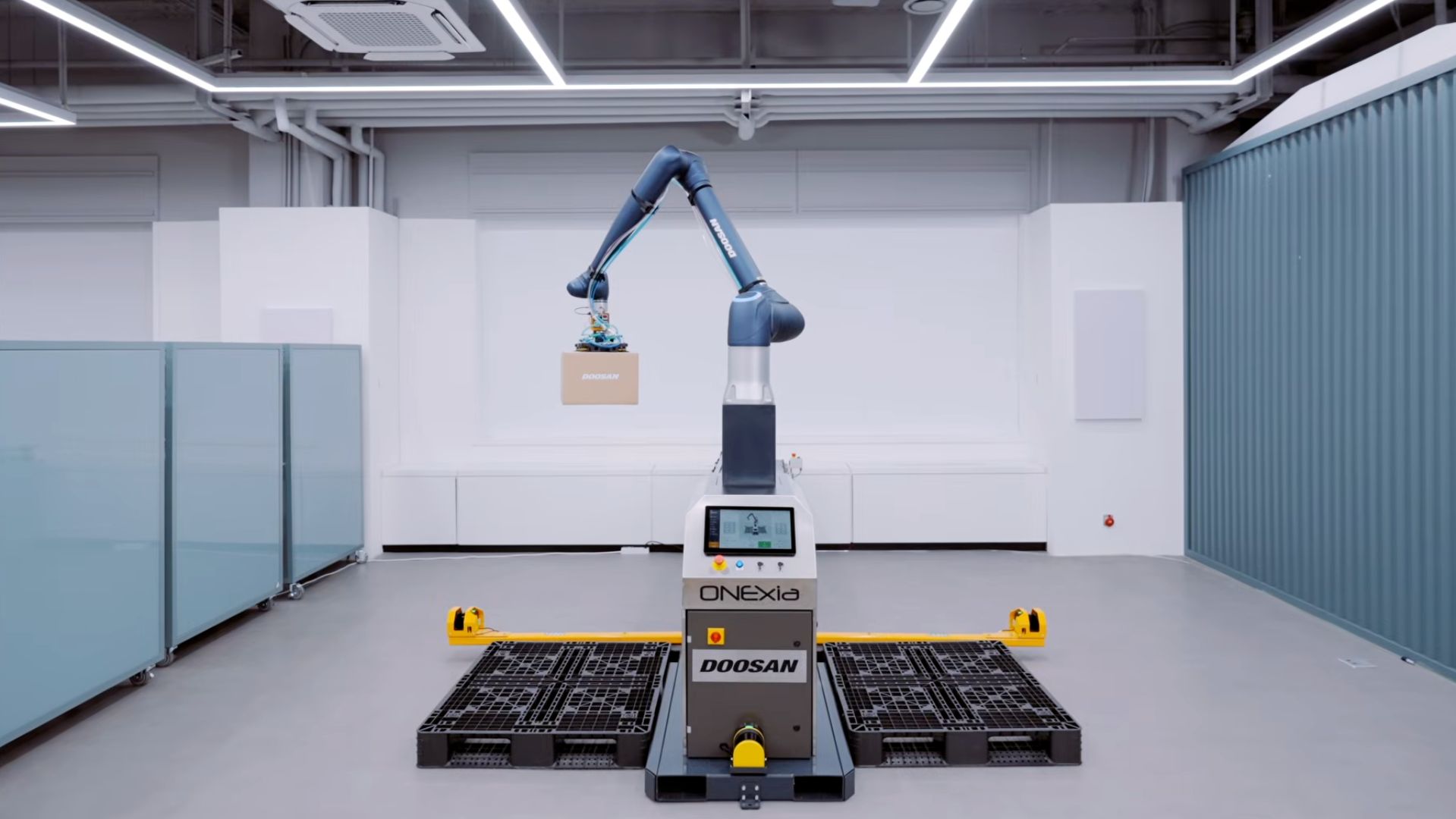
Grid Dynamics Partners with Doosan Robotics to Enhance Physical AI in Manufacturing
A US technology company, Grid Dynamics, has formed a strategic partnership with South Korea's Doosan Robotics to promote the use of Physical AI in manufacturing and logistics. This collaboration will provide Doosan's industrial collaborative robot customers with a comprehensive software stack and integration services, facilitating advanced automation tasks such as complex object inspection and variable component assembly. The significance of this partnership lies in its potential to expedite the deployment of AI-powered robotic systems, thereby broadening the applications of Physical AI within industrial operations. Doosan Robotics, a leading manufacturer of collaborative robots, offers a range of models designed for various tasks, including the lightweight A Series and heavy-duty H Series, which can handle payloads up to 55 pounds. Looking ahead, the integration of Grid Dynamics' GAIN Platform with Doosan's cobots is expected to enhance automation capabilities, particularly for complex tasks that traditional robotics struggle with. No further timeline was disclosed at the time of publication.
AI and Robotics Innovation
Japan Unveils National Robot Strategy: 10 Million Robots by 2040 for Care and Food Manufacturing
The Japanese government has unveiled an ambitious national robot strategy, targeting the deployment of around 10 million robots across 18 sectors, such as healthcare and food manufacturing, by the year 2040. This initiative, announced recently, aims to tackle labor shortages and boost productivity through the integration of advanced AI technology. The strategy also emphasizes the importance of international collaborations to facilitate both the development and deployment of these robotic systems.
Robotics Healthcare Automation Food Manufacturing AI Technology
Mesoware raises $1.5 million funding to build AI-powered robots for manufacturing
Mesoware has secured $1.5 million in funding to advance its development of AI-powered robotics solutions aimed at automating manufacturing processes. The pre-seed funding round was spearheaded by Pillar VC. Joe Mattekatt, co-founder and CEO of Mesoware, emphasized the significance of this investment, stating that as hardware costs decrease and AI technology progresses, the primary challenge in robotics lies in integrating these advancements at scale. This funding will enable Mesoware to address that challenge and further its mission in the robotics industry.
Artificial Intelligence Industrial robots AI-powered robots automation news factory automation industrial robotics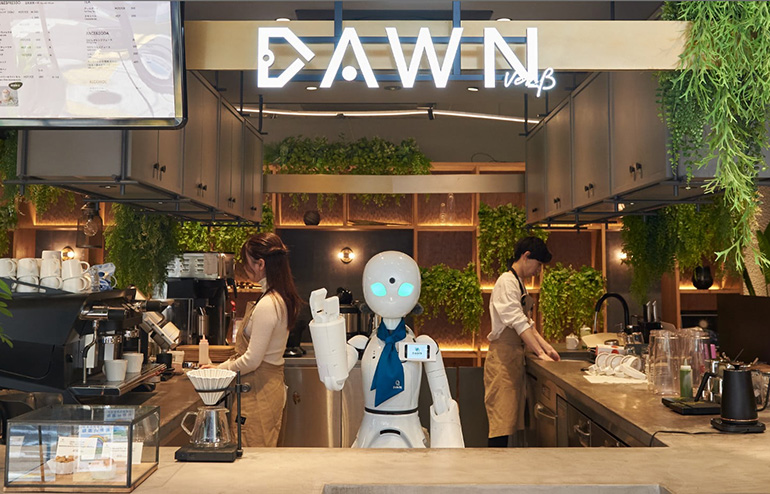
Robots can enhance manufacturing workers rather than replace them
In a recent statement, the president of ONE Holdings emphasized the potential of robotics to enhance manufacturing processes rather than replace human workers. This assertion highlights the importance of integrating advanced artificial intelligence, teleoperation technologies, and robust safety measures in the manufacturing sector. The discussion comes at a time when industries are increasingly exploring automation solutions to improve efficiency and productivity. By leveraging these technologies, companies can create a more collaborative environment where robots assist rather than supplant the workforce, ultimately leading to greater opportunities in manufacturing. The insights shared reflect a growing trend towards embracing innovation while prioritizing the role of human labor in the evolving landscape of production.
Artificial Intelligence Artificial Intelligence / Cognition Assembly Collaborative Robots Controllers Food / Beverage
EngineAI Launches Shenzhen Intelligent Manufacturing Base as First Batch of T800 Humanoid Robots Roll Off the Production Line to Begin Mass Delivery
A leading logistics company has announced a significant advancement in its operational capabilities, achieving a milestone that enables it to scale its delivery services to 10,000 units. This development marks a pivotal moment in the company's growth strategy, allowing it to enhance efficiency and meet increasing customer demand. The announcement was made in October 2023, highlighting the company’s commitment to innovation and expansion in the competitive logistics sector. By implementing advanced technologies and streamlined processes, the firm aims to improve its service delivery and maintain a competitive edge in the market.
Mind Robotics raises $400M to scale AI-powered robots in manufacturing
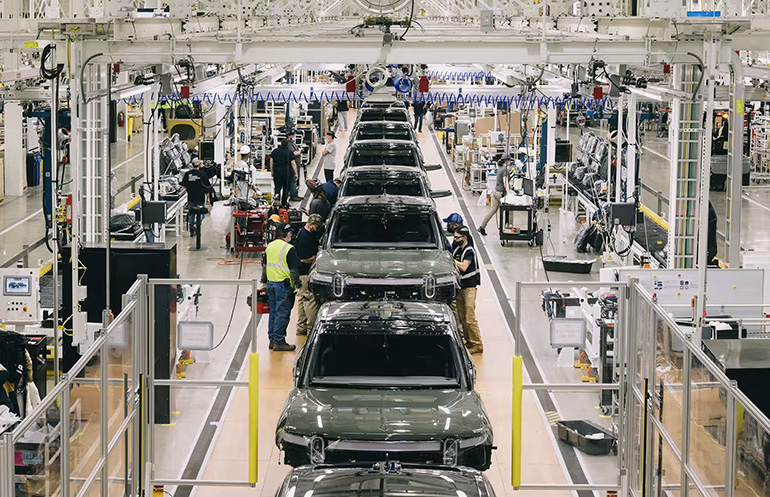
Mind Robotics has achieved 'unicorn' status following a significant funding round, raising $400 million to enhance its development of AI-powered robots for the manufacturing sector. This milestone comes as the company partners with electric vehicle manufacturer Rivian to implement its innovative physical AI solutions. The investment will enable Mind Robotics to expand its operations and accelerate the integration of advanced robotics in manufacturing processes, addressing the growing demand for automation in the industry. This strategic collaboration and funding are pivotal for Mind Robotics as it aims to revolutionize manufacturing efficiency and productivity through cutting-edge technology.
Artificial Intelligence Artificial Intelligence / Cognition Automotive Industrial Robots Investments Manufacturing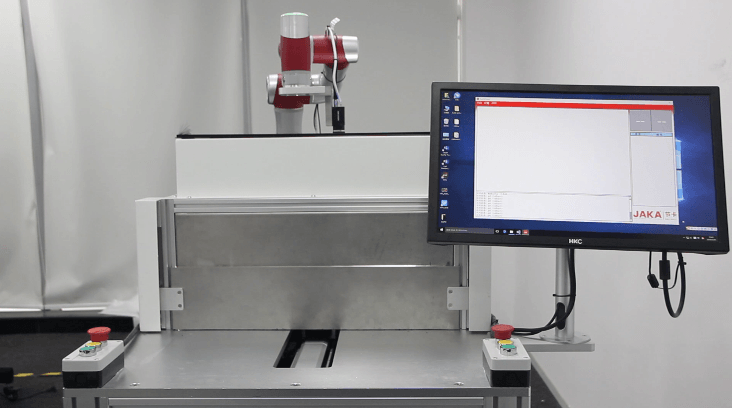
How Collaborative Robots Are Improving Quality Control in Electronics Manufacturing
The electronics industry is undergoing a significant transformation as manufacturers increasingly adopt collaborative robots to enhance quality control and inspection processes. With rapid product lifecycles and the demand for zero-defect production, traditional automation methods often fall short in the high-mix, low-volume production environment typical of modern tech manufacturing. Collaborative robots, or cobots, are now being integrated into precision testing and visual inspection lines, offering the speed and accuracy needed while maintaining the flexibility required for delicate electronic assembly. These robots can perform Automated Optical Inspection (AOI) with sub-millimeter precision, significantly reducing the risk of human error associated with fatigue and perceptual blindness during long shifts. Companies like JAKA are leading this innovation by developing robots equipped with advanced 2D and 3D vision systems. Their JAKA AL series features an integrated vision system that allows the cobot to autonomously identify components and check for assembly errors without the need for external cameras. This capability enables real-time adjustments to the production line, helping to identify quality drifts before they result in defective batches. JAKA’s engineering emphasizes safety and high performance, with models like the JAKA Zu series designed for high-speed testing while ensuring safe human interaction through torque-feedback collision detection. By investing in JAKA collaborative robots, manufacturers can ensure that every device produced meets stringent global standards, thereby maintaining a competitive edge in the electronics market.
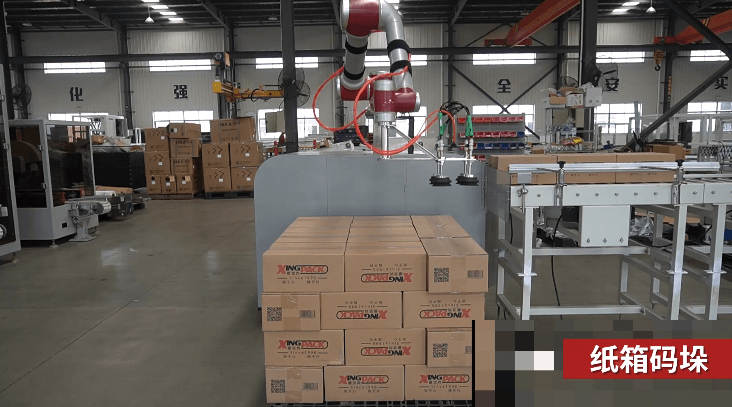
How Manufacturing Robots for Sale Improve Worker Ergonomics and Reduce Injury Risk
In response to the growing need for enhanced worker safety and comfort in industrial settings, JAKA is promoting the use of manufacturing robots, specifically the JAKA S5 flexible robot arm. This initiative aims to improve ergonomics and reduce injury risks associated with repetitive tasks. By integrating these advanced automation solutions into production lines, JAKA enables employees to focus on higher-value work while minimizing physical strain. The JAKA S5 robot, designed for easy integration with zero installation and configuration requirements, takes over demanding tasks such as heavy lifting and precise assembly. This allows workers to maintain natural postures and decreases their exposure to movements that can lead to long-term injuries. The robot's built-in force sensor enhances workplace safety by providing adaptive responses to production variations, thereby reducing the risk of accidents. While cost remains a significant consideration for businesses, JAKA emphasizes that investing in flexible robot arms can yield long-term benefits, including decreased medical claims and improved productivity. The company collaborates with clients to assess their specific production needs and identify cost-effective solutions that prioritize both functionality and ergonomics. Overall, JAKA's flexible robot arm technology is positioned as a key player in fostering safer and more efficient workplaces, aligning with the industry's evolving demands for sustainable manufacturing practices.
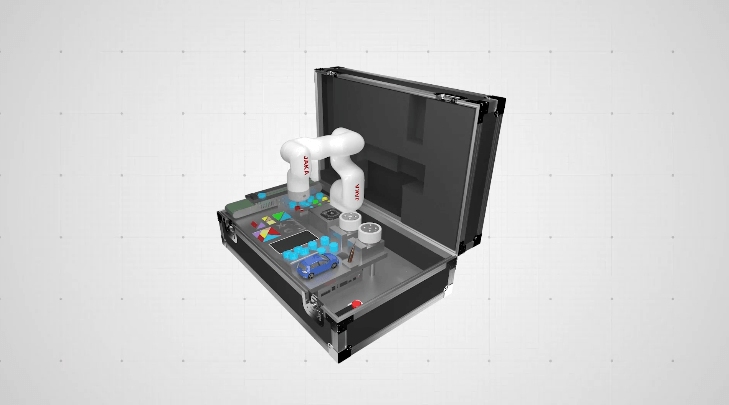
The ROI of Deploying Small Industrial Robots in Lean Manufacturing Cells
In a bid to enhance efficiency and cost-effectiveness in manufacturing, a company has successfully integrated small industrial robots, particularly the JAKA MiniCobo, into its lean manufacturing cells. This initiative, which began recently, aims to automate repetitive tasks such as material handling and machine tending, thereby alleviating labor bottlenecks and ensuring consistent production output. The JAKA MiniCobo stands out due to its compact design and flexibility, allowing for deployment in previously unsuitable spaces. By utilizing intuitive programming, the robot reduces setup time, enabling workers to concentrate on higher-value tasks. This streamlined approach not only boosts productivity but also improves product quality by minimizing human error, essential in lean manufacturing where even minor enhancements can significantly impact return on investment (ROI). Flexibility is a critical advantage of these small robots, which can be rapidly redeployed across various production line sections to meet changing demands without extensive reconfiguration. This adaptability leads to reduced downtime and more efficient scheduling, allowing manufacturing cells to respond dynamically to production needs while managing operational costs effectively. Although initial investment is a consideration, the focus remains on understanding the broader factors that influence cost-effectiveness, including labor savings, improved product consistency, and faster cycle times. The implementation of the JAKA MiniCobo not only promises direct labor replacement savings but also offers low maintenance requirements, ensuring a sustainable positive ROI over time. Overall, the deployment of small industrial robots represents a strategic move to maximize efficiency, enhance product quality, and optimize workforce allocation, demonstrating the tangible benefits of automation in modern manufacturing environments.
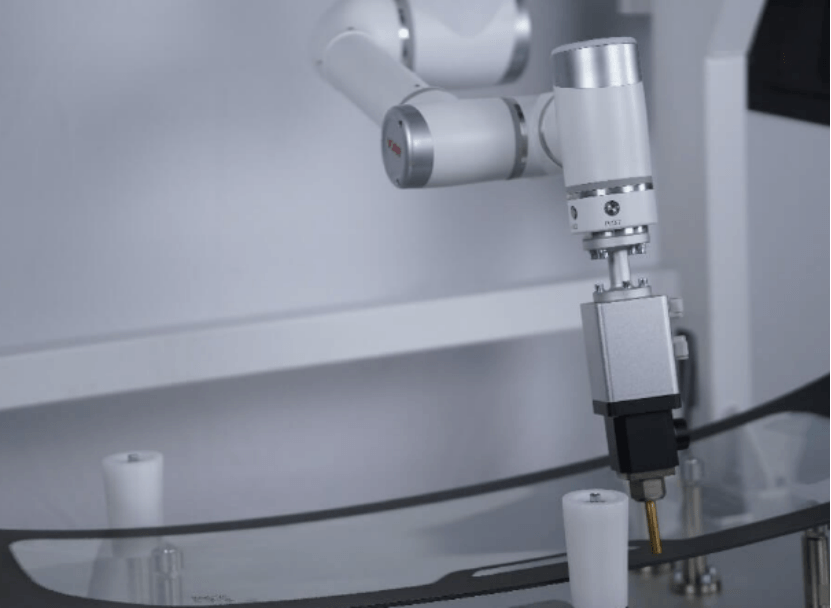
Measuring ROI: How Collaborative Robots in Manufacturing Drive Profitability
In a bid to enhance profitability and operational efficiency, a manufacturing company has integrated JAKA collaborative robots into its production processes. This strategic move, implemented recently, aims to address challenges related to labor costs and production consistency. By utilizing the JAKA S5 platform for tasks such as gluing, the company has mechanized production, improving both the quality of output and the accuracy of material usage. The adoption of these robots not only reduces manual labor but also allows workers to focus on more skilled tasks, thereby driving efficiency gains that positively impact return on investment (ROI). The flexibility of JAKA systems enables easy relocation within the workspace, facilitating quick adaptations to changing production needs while ensuring safe interactions with human operators. Beyond labor savings, the integration of JAKA robots has led to significant improvements in product quality, consistency, and throughput, further enhancing profitability. The precise control offered by these systems minimizes waste and rework, resulting in lower operational costs. Additionally, the robots' rapid deployment and flexible programming capabilities shorten production cycles, enabling the company to respond swiftly to market demands. Overall, the company's investment in collaborative automation through JAKA robots represents a comprehensive approach to boosting profitability, demonstrating that operational efficiency, quality, and flexibility are key drivers of long-term success in the manufacturing sector.
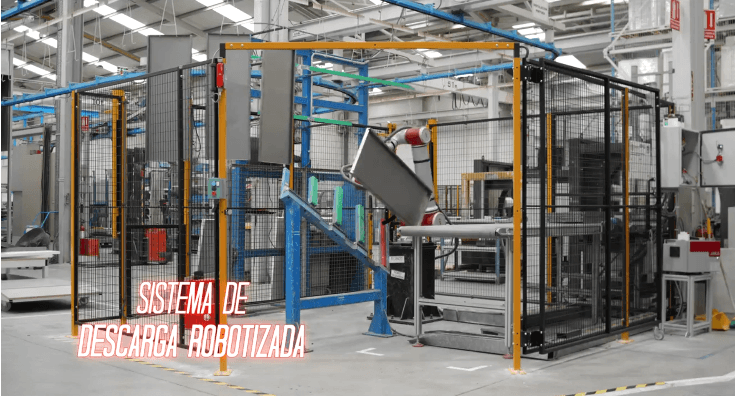
Assembler Robots for Flexible Manufacturing: Quick Setup and Repurposing
In response to the growing demand for flexible manufacturing, JAKA has introduced a 6-axis robot arm designed to enhance production efficiency in factories facing frequent product changes and shorter order cycles. This innovative solution allows manufacturers to quickly set up and repurpose robotic systems, ensuring minimal disruption to existing workflows. By simplifying programming and configuration, JAKA's robots can be swiftly integrated into production lines, significantly reducing downtime during commissioning and changeovers. The Zu20 model, frequently utilized for loading and unloading tasks, exemplifies this approach by enabling rapid deployment and effective replacement of manual labor. This not only stabilizes production rhythms but also enhances product quality amid frequent adjustments. Furthermore, JAKA's robots are engineered for easy redeployment, allowing them to adapt to new products and varying batch sizes without extensive mechanical modifications. This flexibility ensures that manufacturers can maximize their automation assets while maintaining operational continuity. By focusing on quick setup and practical repurposing, JAKA aims to support manufacturers in achieving efficient, high-quality production processes. Their assembler robots are positioned as essential tools for modern manufacturing environments, enabling businesses to respond effectively to evolving demands without complicating their operations.
How Assembly Robots Achieve High-Precision Tolerance in Automotive Manufacturing
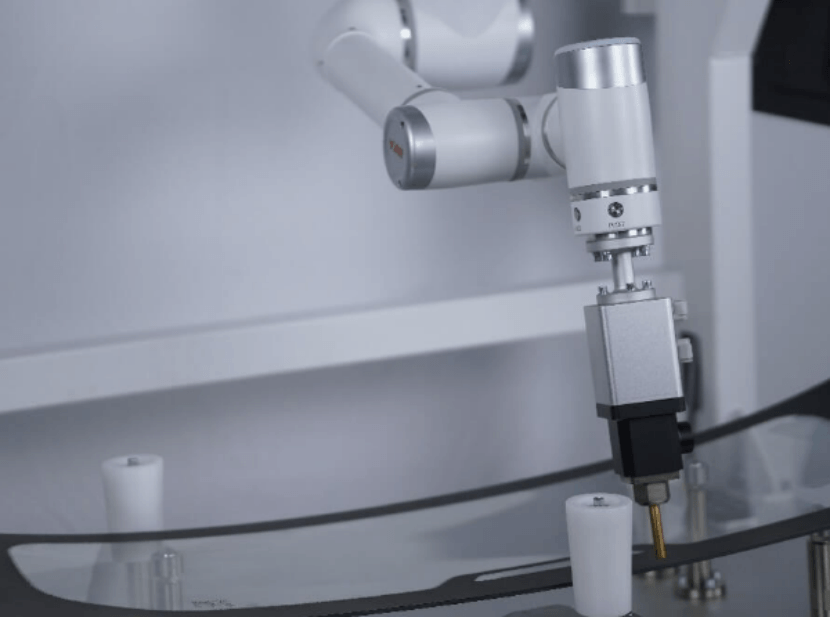
In the automotive manufacturing sector, achieving high-precision tolerance is crucial for maintaining quality across large production volumes. As vehicle designs evolve to become more compact and modular, traditional manual assembly processes are increasingly inadequate in ensuring the necessary accuracy during extended shifts. JAKA, a leader in robotic solutions, has identified that integrating automation at key assembly stages can enhance tolerance control and support flexible production planning. The company emphasizes the importance of robotic systems, particularly industrial robot arms, in managing repeatability and process stability. These robots execute predefined trajectories with consistent speed and positioning, significantly reducing variability associated with manual operations. For instance, when used for tasks like gluing, these robots can maintain uniform glue beads and consistent joint dimensions, even amidst changing production schedules. By replacing manual dispensing methods, which often lead to fluctuations in flow rate and application angles, automotive manufacturers can achieve more stable and programmable production processes. JAKA's robotic solutions facilitate precise flow control, minimize material waste, and enhance surface appearance, all while being user-friendly and requiring minimal retraining for operators. Ultimately, JAKA's approach underscores that high-precision tolerance is best achieved through the integration of assembly robots into workflows, thereby reducing human error and maintaining flexibility on the production floor. As automation continues to advance, JAKA aims to provide practical robotic solutions that meet the evolving needs of the automotive industry.
Collaborative Robots in Manufacturing Case Study: Achieving Near-Zero Defects in Finishing
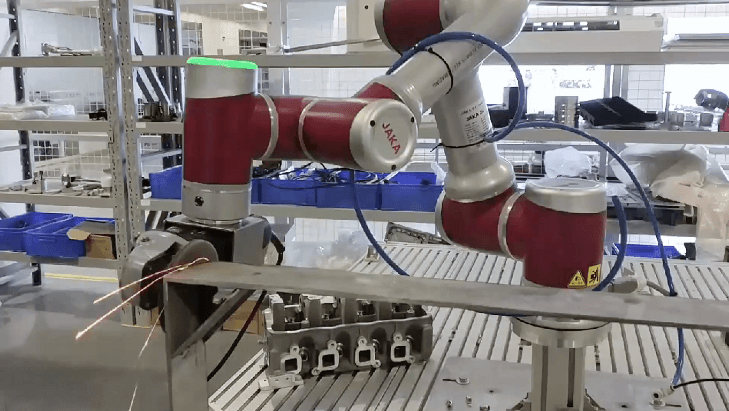
A manufacturing company has successfully integrated collaborative robots, specifically the JAKA S12, into its production workflow to enhance finishing processes. This implementation, which began recently, aims to reduce errors and improve quality in polishing operations, a critical area where uniformity is essential. The JAKA S12 features advanced capabilities such as zero installation and configuration, along with a built-in force sensor that allows for real-time adjustments in pressure and trajectory during polishing tasks. By automating these processes, the company has achieved near-zero defect rates, even amidst complex production demands and varying product designs. This technology not only optimizes workflow but also fosters effective human-robot collaboration, enabling operators to program intricate movements through user-friendly interfaces. As a result, workers can focus on high-value tasks while minimizing physical strain and errors associated with repetitive polishing. The company’s experience highlights the significant benefits of integrating robotics into manufacturing, demonstrating that such innovations can enhance precision and consistency in finishing applications. By maintaining high-quality standards and adapting quickly to production changes, the company underscores the potential of collaborative automation to transform modern manufacturing environments without compromising workforce involvement.
Assembler Robots in Medical Device Manufacturing: Precision and Sterilization
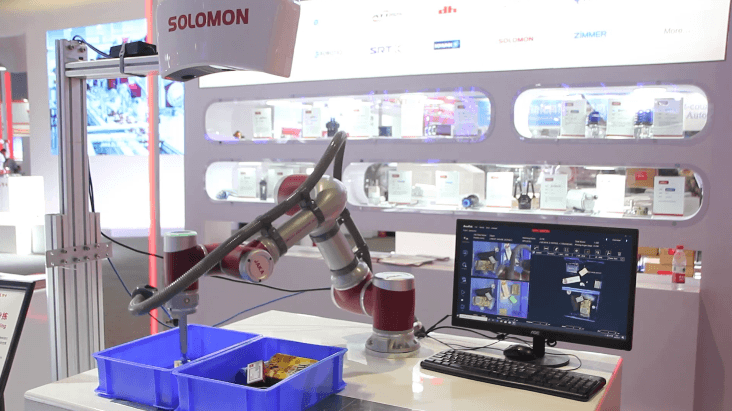
In the rapidly evolving field of medical device manufacturing, JAKA is at the forefront of integrating assembler robots into production lines to enhance precision and maintain strict sterilization standards. These advanced 6-axis robot arms are designed to navigate the complexities of assembling miniature components and delicate materials, ensuring stable motion control and predictable positioning throughout long operating cycles. By minimizing human contact in sensitive environments, JAKA's automation solutions help reduce contamination risks and support adherence to sterilization protocols. The implementation of these robots allows manufacturers to adapt to cleanroom layouts while remaining flexible enough to accommodate product changes. JAKA's lightweight robotic structures can be quickly deployed and adjusted, making them ideal for small-batch and multi-variety manufacturing, which is prevalent in the medical sector. This adaptability not only prevents workpiece loss but also enhances productivity without compromising quality. As the demand for precision and efficiency in medical device assembly continues to grow, JAKA's focus on practical automation solutions positions them as a key player in the industry. Their commitment to developing reliable motion control and adaptive assembly logic ensures that manufacturers can achieve consistent performance while navigating the challenges of regulated production environments. By leveraging the capabilities of assembler robots, JAKA is paving the way for more controlled and efficient medical device manufacturing processes.
Collaborative Robots (Cobots) in Manufacturing: The Future of Human-Robot Teams
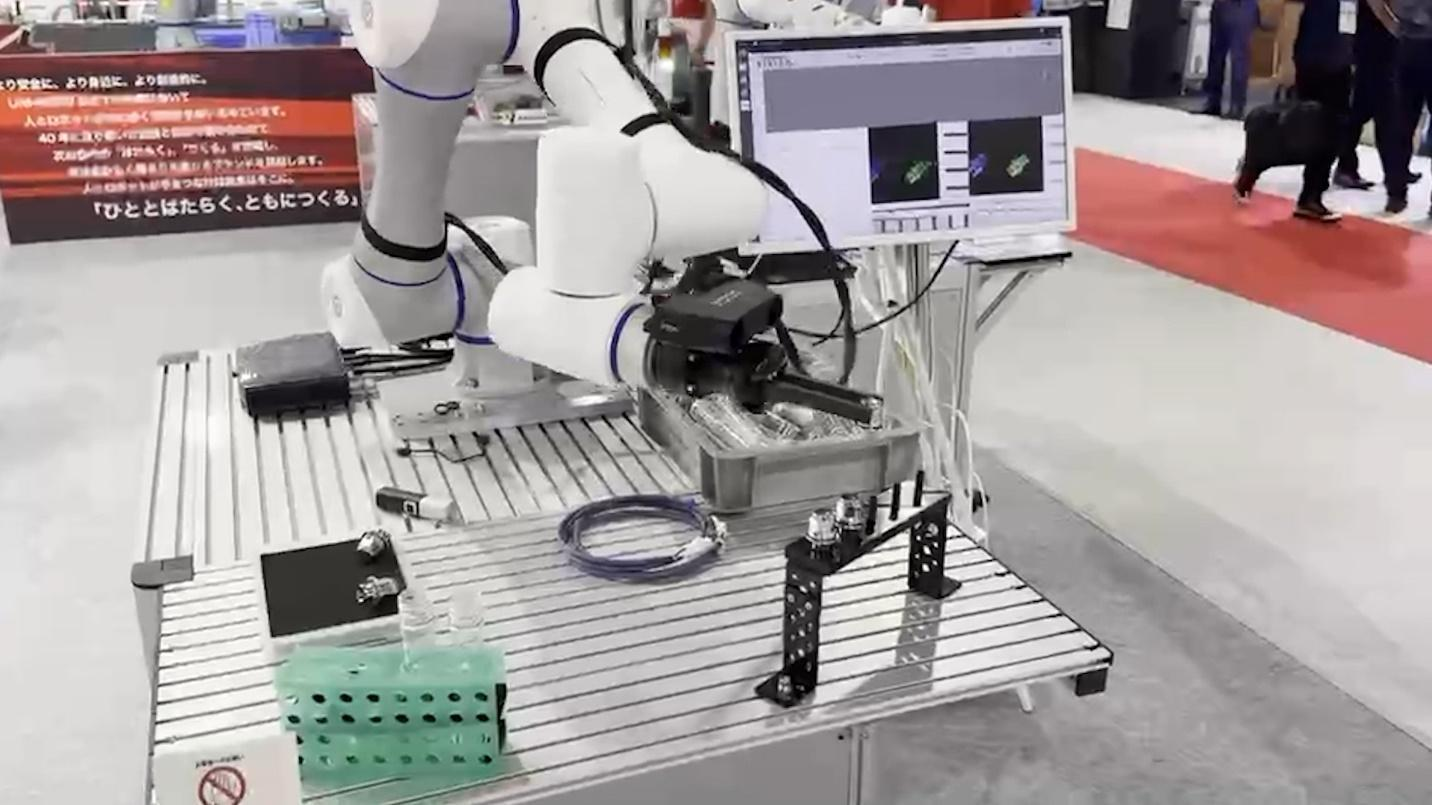
A recent exploration into the future of manufacturing highlights the potential of human-robot collaboration, focusing on how human workers can effectively partner with collaborative robots. As industries evolve, the integration of these advanced technologies aims to enhance productivity and efficiency on the factory floor. This shift is particularly relevant in light of ongoing labor shortages and the need for increased output in a competitive market. The study emphasizes that by 2024, many manufacturing sectors are expected to adopt these collaborative robots, which are designed to work alongside humans safely and efficiently. This partnership not only aims to alleviate the physical demands on workers but also to leverage the precision and speed of robots in repetitive tasks. The motivation behind this trend is driven by the need for innovation in manufacturing processes, as companies seek to remain competitive while addressing workforce challenges. By implementing collaborative robots, businesses can optimize operations, reduce costs, and improve overall product quality. The research indicates that successful integration will require training for human workers to effectively interact with these robots, ensuring a seamless workflow. As this technology continues to advance, the future of human-robot teams in manufacturing appears promising, potentially transforming the landscape of the industry and redefining the roles of human workers.
Dobot Breezy smartphone refurbishment AI automation Industry 5.0 collaborative robots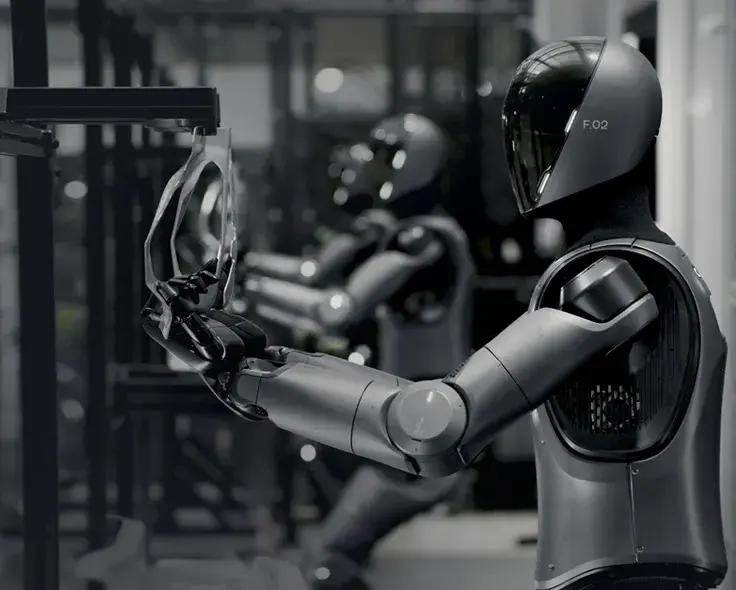
Figure AI's BMW Partnership: Reports Detail Cautious First Steps for Humanoid Robots in Manufacturing
Figure AI is conducting a small-scale feasibility study involving the deployment of its humanoid robots at BMW's Spartanburg plant. This initiative, which is not intended for immediate large-scale integration into production tasks, aims to explore potential use cases for advanced robotics in a complex industrial environment. The move reflects a cautious approach to the incorporation of innovative technology in manufacturing, emphasizing the need for careful evaluation before broader implementation.
Figure BMW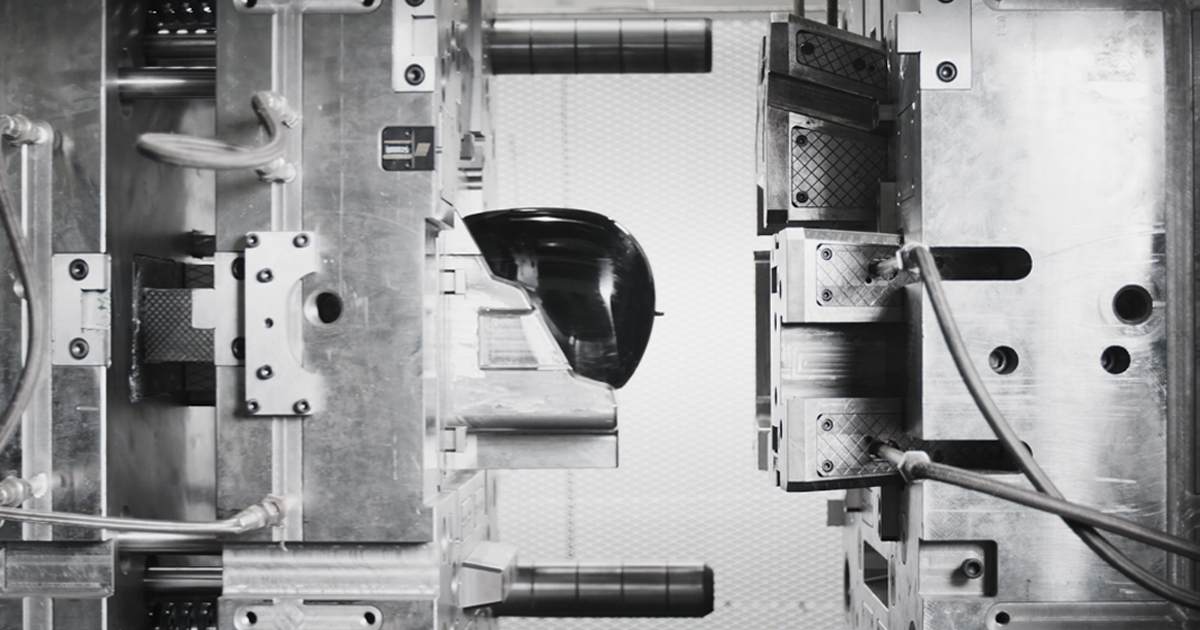
BotQ: A High-Volume Manufacturing Facility for Humanoid Robots
Figure has officially launched BotQ, a state-of-the-art manufacturing facility dedicated to the production of humanoid robots. Located in an undisclosed area, the facility is designed to produce up to 12,000 units annually, reflecting the company's commitment to scaling its operations. The initiative, which commenced recently, underscores Figure's focus on in-house manufacturing to enhance quality and efficiency in robot production. To achieve this, BotQ employs advanced manufacturing techniques, including injection molding and diecasting, which are essential for ensuring the reliability of the robots. Additionally, the facility aims to strengthen its supply chain development, addressing potential challenges in sourcing materials and components. This strategic move is part of Figure's broader vision to lead the humanoid robotics market, responding to increasing demand for advanced robotic solutions across various sectors.
humanoid robots manufacturing automation supply chain roboticsRobotics needs a service framework.
RSF defines a common language for robot service capability, lifecycle operations, certification pathways, and service-provider networks.
Join the RobotToday community on LinkedIn
Daily robotics news, in-depth analysis, conference highlights, and discussions with professionals worldwide.